
Breathe Your Way to Sleep: Simple Breathing Exercises for Anxiety


Welcome to Mind Care Guide, your compassionate companion on the journey to mental well-being. Feeling overwhelmed and searching for a gentle way to calm your racing thoughts? You're not alone. Discover how simple, yet powerful, deep breathing techniques can be your secret weapon to reduce anxiety and unlock restful sleep. Curious to learn more? Let's explore how you can breathe your way to sleep…
- Sleep Hygiene: Simple Practices for Restful Nights
- Understanding the Link Between Sleep Hygiene, Sleep Quality, and Overall Well-being
- Key Elements of Effective Sleep Hygiene
- Integrating Sleep Hygiene Practices into Your Daily Routine
- Troubleshooting Common Sleep Hygiene Challenges
- Additional Tips for Promoting Better Sleep
-
Frequently Asked Questions
- How can deep breathing exercises help me sleep better?
- What types of breathing exercises are most effective for reducing anxiety and promoting sleep?
- How often should I practice deep breathing exercises to see benefits for anxiety and sleep?
- Are there any potential side effects or risks associated with deep breathing exercises?
- Where can I find more resources and support for managing anxiety and improving sleep?
- Final Reflection: The Quiet Power of Breath
- Unwind and Embrace Deeper Sleep Tonight
Sleep Hygiene: Simple Practices for Restful Nights
Sleep Disorders: Understanding the Impact on Daily Life
Sleep disorders encompass a range of conditions that affect the ability to sleep well on a regular basis. These can include insomnia, sleep apnea, restless legs syndrome, and narcolepsy, among others. The impact of these disorders extends far beyond feeling tired; they can significantly impair cognitive function, emotional regulation, and physical health.
For instance, chronic insomnia, affecting an estimated 10-15% of adults chronically and 30-35% acutely, is linked to reduced concentration, memory problems, and increased risk of accidents. This constant struggle to achieve restful sleep can also exacerbate underlying conditions like anxiety and depression, creating a vicious cycle where poor sleep fuels mental distress, and mental distress disrupts sleep.
Living with a sleep disorder can drastically reduce one's quality of life. Studies have shown that individuals with untreated sleep apnea, for example, are at a higher risk for cardiovascular issues like high blood pressure, heart attack, and stroke.
Furthermore, the persistent fatigue associated with many sleep disorders can limit participation in daily activities, affect work performance, and strain relationships. The cumulative effect of insufficient or poor-quality sleep is a diminished capacity to function optimally and maintain overall well-being, highlighting the critical need for effective strategies to manage sleep problems, including adopting robust sleep hygiene practices and potentially incorporating techniques like deep breathing reduce anxiety sleep.
Understanding the Link Between Sleep Hygiene, Sleep Quality, and Overall Well-being
How Poor Sleep Hygiene Affects Sleep Patterns and Health
Poor sleep hygiene refers to a collection of habits and environmental factors that are counterproductive to getting consistent, restorative sleep. Regularly inconsistent bedtimes, using electronic devices emitting blue light late at night, consuming caffeine or alcohol close to sleep, and sleeping in a noisy or uncomfortable environment are all examples.
These practices disrupt the body's natural sleep-wake cycle, known as the circadian rhythm, making it difficult to fall asleep, stay asleep, and achieve the deeper, more restorative stages of sleep. Over time, this chronic disruption can lead to sleep debt, which is the difference between the amount of sleep you need and the amount you get.
The consequences of poor sleep hygiene are far-reaching, impacting both physical and mental health. Chronic sleep deprivation due to poor habits is associated with an increased risk of developing conditions such as type 2 diabetes, obesity, and weakened immune function. Mentally, insufficient sleep can heighten feelings of irritability, stress, and anxiety. It impairs judgment, problem-solving skills, and emotional resilience. For individuals already struggling with anxiety, poor sleep hygiene can amplify symptoms, making it harder to manage daily stressors and further disrupting sleep, underscoring why learning to reduce anxiety and sleep better is crucial.
The Science Behind Consistent Sleep Schedules and Sleep Quality
Maintaining a consistent sleep schedule – going to bed and waking up at roughly the same time every day, even on weekends – is a cornerstone of good sleep hygiene. This consistency helps regulate the body's internal clock, the circadian rhythm, which dictates when we feel alert and when we feel sleepy.
When the circadian rhythm is properly aligned, the body naturally releases hormones like melatonin at the appropriate times, signaling readiness for sleep in the evening and wakefulness in the morning. This predictability allows the body to optimize sleep patterns, spending adequate time in all sleep stages, including REM (Rapid Eye Movement) and non-REM deep sleep, which are vital for cognitive function, memory consolidation, and physical restoration.
Research consistently demonstrates the benefits of adhering to a regular sleep schedule. A study published in the Journal of Sleep Research found that irregular sleep patterns were associated with poorer academic performance and increased symptoms of depression and anxiety among college students.
Conversely, individuals who maintained consistent sleep times reported better sleep quality, improved mood, and enhanced daytime alertness. This stability in the sleep schedule reinforces the body's natural rhythms, making it easier to fall asleep quickly, experience fewer awakenings during the night, and wake up feeling more refreshed, contributing significantly to overall well-being and the ability to manage conditions like anxiety effectively.
The Role of Melatonin in Regulating Sleep-Wake Cycles
Melatonin is often referred to as the "sleep hormone" because of its crucial role in signaling the body's readiness for sleep. Produced primarily by the pineal gland in the brain, its release is strongly influenced by light. As darkness falls in the evening, melatonin production increases, promoting feelings of drowsiness and preparing the body for rest. Conversely, exposure to light, especially bright light and blue light from electronic screens, suppresses melatonin production, signaling wakefulness. This light-sensitive mechanism is central to the regulation of our circadian rhythm, ensuring that our sleep-wake cycle aligns with the natural day-night cycle.
Disruptions to melatonin production can significantly impair sleep quality. Shift work, travel across time zones (jet lag), and exposure to artificial light at night can suppress evening melatonin release, making it harder to fall asleep.
Age also plays a role, with natural melatonin production often declining as people get older, which may contribute to increased sleep difficulties in the elderly. While melatonin supplements are available and sometimes used for short-term sleep issues or jet lag, optimizing natural melatonin production through good sleep hygiene – like minimizing light exposure in the evenings and maintaining a consistent sleep schedule – is often the most effective long-term strategy for regulating sleep and helping individuals reduce anxiety and sleep better.
Key Elements of Effective Sleep Hygiene

Optimizing Your Sleep Environment for Restful Sleep
Creating an optimal sleep environment is fundamental to achieving restful sleep. Your bedroom should be a sanctuary dedicated primarily to sleep and intimacy, free from distractions and conducive to relaxation. Factors like temperature, light, noise, and comfort of bedding all play a significant role in how easily you can fall asleep and stay asleep throughout the night. Paying attention to these details can make a substantial difference in improving sleep quality and reducing sleep onset latency, which is the time it takes to fall asleep.
Small adjustments to your bedroom can yield significant improvements. For example, ensuring the room is sufficiently dark can enhance melatonin production, while keeping it cool (typically between 60-67°F or 15-19°C) can help lower your core body temperature, a natural process that occurs before sleep. Minimizing noise through earplugs, white noise machines, or soundproofing curtains can prevent disruptive awakenings. Furthermore, investing in a comfortable mattress and pillows that provide adequate support can alleviate physical discomfort that might otherwise interrupt sleep, creating a space that promotes relaxation and makes it easier to reduce anxiety and sleep better.
Creating a Dark, Quiet, and Cool Sleep Sanctuary
The ideal sleep environment is one that minimizes sensory input that can keep you awake or wake you up. Darkness is crucial because light inhibits melatonin production; even small amounts of light from streetlights or electronic devices can be disruptive. Using blackout curtains or an eye mask can create the necessary darkness. Quiet is equally important; unexpected noises are particularly disruptive. Consider using earplugs, a fan, or a white noise machine to mask external sounds and create a consistent, soothing auditory environment.
Temperature is another critical factor. Most sleep experts recommend a slightly cool room temperature, typically in the range of 60-67 degrees Fahrenheit (15-19 degrees Celsius). This range aligns with the body's natural drop in core temperature during sleep. A room that is too warm or too cold can cause discomfort and disrupt sleep architecture. Ensuring your bedroom meets these criteria of dark, quiet, and cool provides a powerful foundation for effective sleep hygiene.
Choosing the Right Mattress, Pillow, and Bedding
The comfort and support provided by your mattress, pillow, and bedding are essential for physical relaxation during sleep. An old, lumpy mattress or a pillow that doesn't properly support your neck can lead to discomfort, pain, and frequent awakenings. While personal preference plays a large role, the goal is to minimize pressure points and maintain proper spinal alignment. Mattresses typically need replacing every 7-10 years, depending on the type and quality, as they lose their support over time.
Pillows should support the natural curve of your neck and spine, whether you're a back, side, or stomach sleeper. Side sleepers often benefit from a thicker pillow, while back sleepers may prefer a medium-thickness pillow, and stomach sleepers often need a very thin or no pillow. Bedding materials should be breathable and comfortable, helping to regulate body temperature throughout the night. Natural fibers like cotton or linen are often favored for their breathability. Investing in good quality sleep surfaces and linens can significantly enhance sleep comfort and quality.
Establishing a Consistent Sleep Schedule
Consistency in bedtime and wake-up time is perhaps the single most impactful sleep hygiene practice. Adhering to a regular schedule helps regulate your body's internal clock, the circadian rhythm, which governs your natural sleep-wake cycle. When you go to bed and wake up at roughly the same time each day, your body learns to anticipate sleep and wakefulness, making it easier to fall asleep when you go to bed and wake up feeling refreshed. This predictable rhythm reinforces the natural biological signals for sleep.
Maintaining a consistent schedule, even on weekends, minimizes the effects of "social jet lag," which occurs when weekend sleep patterns differ significantly from weekday patterns. This disruption can throw off your circadian rhythm, leading to Monday morning grogginess and making it harder to fall asleep on Sunday night. While occasional deviations are understandable, aiming for consistency most nights of the week is vital for strengthening your body's natural sleep-wake cycle and improving overall sleep quality, which in turn can help reduce anxiety and sleep better.
The Importance of Regular Bedtimes and Wake-Up Times
Going to bed and waking up at the same time each day, including weekends, is paramount for training your circadian rhythm. This regularity helps set your internal clock, optimizing the timing of sleep-promoting hormones like melatonin and wakefulness-promoting hormones like cortisol. When your body knows when to expect sleep, it becomes more efficient at initiating and maintaining sleep. For example, if you consistently go to bed around 10:30 PM and wake up around 6:30 AM, your body's internal processes will align to support this schedule.
Studies have shown that irregular sleep patterns are associated with poorer health outcomes, including metabolic issues and cardiovascular problems, in addition to sleep difficulties. A study involving airline pilots experiencing frequent time zone changes demonstrated the profound impact of disrupted schedules on circadian rhythms and health markers. By establishing and sticking to a regular schedule, you reinforce your body's natural sleep drive and improve sleep efficiency, the ratio of time spent asleep to time spent in bed.
Avoiding Weekend Sleep Oversleeping
While it's tempting to "catch up" on sleep on weekends, significantly oversleeping can disrupt your circadian rhythm and make it harder to fall asleep on Sunday night, leading to Monday morning grogginess, often called the "Monday blues." Sleeping in for an extra hour or two on weekends is generally acceptable and unlikely to cause significant disruption for most people. However, sleeping in for three or more hours can shift your sleep phase, making it feel like you've flown to a different time zone relative to your weekday schedule.
To avoid the negative effects of weekend oversleeping, try to keep your weekend sleep schedule within an hour or two of your weekday schedule. If you feel very tired, a short afternoon nap (20-30 minutes) can be a better alternative to sleeping in late, as it's less likely to interfere with nighttime sleep. Prioritizing consistent sleep duration and timing throughout the week is more effective than trying to compensate for sleep debt on weekends.
Managing Screen Time and Blue Light Exposure Before Bed
Electronic devices like smartphones, tablets, laptops, and TVs emit blue light, which has a significant impact on the body's circadian rhythm. Blue light is particularly effective at suppressing melatonin production, the hormone that signals to your body that it's time to sleep. Using these devices close to bedtime can therefore delay sleep onset and reduce sleep quality, even if you feel tired. The brain interprets the blue light as daylight, confusing its internal clock.
The negative effects of blue light exposure before bed are well-documented. Research indicates that reading on an e-reader emitting blue light before sleep can suppress melatonin by over 50% compared to reading a printed book. This suppressed melatonin leads to a longer time to fall asleep and reduced REM sleep. Establishing a "digital curfew" – ideally stopping the use of electronic devices at least an hour before bedtime – is a critical component of good sleep hygiene. Many devices now offer night mode or blue light filters, which can help, but complete avoidance is the most effective strategy.
The Impact of Electronic Devices on Sleep
Beyond the blue light issue, engaging with electronic devices before bed can also be mentally stimulating, making it harder to wind down. Checking emails, scrolling through social media, or watching engaging videos can increase alertness and make your mind race, which is counterproductive when trying to relax and fall asleep. The notifications and constant stream of information can also create a sense of urgency or anxiety, further interfering with the transition to sleep.
The psychological engagement with screens keeps your brain active at a time when it needs to be preparing for rest. This stimulation can elevate cortisol levels, a stress hormone, which is the opposite of the relaxed state needed for sleep. Creating a buffer zone between screen time and bedtime allows your mind to decompress, reducing mental chatter and making it easier to initiate sleep. This intentional disconnect is vital for allowing your brain and body to shift into a state conducive to sleep.
Strategies for Reducing Blue Light Exposure
Minimizing blue light exposure in the hours leading up to bedtime is a key strategy for promoting natural melatonin production and improving sleep onset. The most effective method is to avoid using electronic devices that emit blue light – such as smartphones, tablets, laptops, and televisions – for at least one to two hours before you plan to go to sleep. This allows your body's natural melatonin levels to rise, signaling that it's time for rest.
If complete avoidance isn't possible, there are other strategies to reduce the impact. Many devices have built-in "night mode" or blue light filters that shift the screen's color spectrum towards warmer tones, reducing blue light emission. Installing apps that filter blue light is another option. Wearing blue light blocking glasses in the evenings can also be effective. Additionally, dimming room lights and using warmer-toned bulbs in the evening can help create an environment that supports natural melatonin release, helping you reduce anxiety and sleep better.
Diet and Exercise Considerations for Better Sleep
What you eat and drink, as well as your physical activity levels, significantly influence your sleep quality. Certain foods and beverages can either promote or disrupt sleep, while regular exercise has a well-established positive effect on sleep patterns. Paying attention to your dietary choices and incorporating physical activity into your routine are important components of a holistic approach to sleep hygiene.
Understanding which substances to avoid and which activities to embrace can make a substantial difference in your ability to fall asleep and stay asleep. For instance, consuming caffeine or heavy meals too close to bedtime can keep you awake, while regular moderate exercise can help regulate sleep cycles and reduce stress. Integrating mindful eating and consistent physical activity into your lifestyle complements other sleep hygiene practices.
Foods and Drinks to Avoid Before Bed
Certain substances are well-known sleep disruptors and should be avoided, or at least limited, in the hours before bedtime. Caffeine, found in coffee, tea, chocolate, and some sodas, is a stimulant that can stay in your system for several hours (its half-life is typically around 5 hours, but can vary widely). Consuming caffeine in the late afternoon or evening can make it difficult to fall asleep. Alcohol, while initially sedating, disrupts sleep architecture later in the night, leading to fragmented sleep and reduced REM sleep.
Heavy, fatty, or spicy meals close to bedtime can cause indigestion, heartburn, or discomfort, making it hard to lie down comfortably and fall asleep. Sugary snacks can cause blood sugar spikes and crashes that may wake you up during the night. It's generally recommended to finish eating your last substantial meal at least 2-3 hours before bedtime. If you need a snack, choose something light and easily digestible, like a small banana or a handful of almonds.
The Benefits of Regular Physical Activity for Sleep
Regular exercise is a powerful tool for improving sleep quality. Physical activity helps reduce stress and anxiety, both common culprits behind sleep problems. Exercise also helps regulate body temperature, with the post-exercise drop in temperature promoting sleepiness. Furthermore, regular aerobic exercise can increase the amount of time spent in deep sleep, the most restorative sleep stage, which is crucial for physical recovery and cognitive function.
Aim for moderate-intensity exercise most days of the week. Examples include brisk walking, jogging, swimming, or cycling. The timing of exercise is also important; while morning or afternoon exercise is generally beneficial, intense exercise too close to bedtime (within 1-2 hours) can be stimulating for some individuals and make it harder to fall asleep. Listen to your body and find the timing that works best for you. Even light activity, like a gentle walk in the evening, can promote relaxation and prepare you for sleep.
Integrating Sleep Hygiene Practices into Your Daily Routine
Creating a Relaxing Bedtime Ritual
Establishing a consistent and relaxing bedtime ritual signals to your body that it's time to wind down and prepare for sleep. This sequence of calming activities helps lower your heart rate, relax your muscles, and quiet your mind, making the transition to sleep much smoother. A typical ritual might begin 30-60 minutes before your target bedtime and should involve activities you find soothing and enjoyable.
Examples of relaxing bedtime ritual activities include taking a warm bath, reading a physical book (not on a backlit device), listening to calming music, gentle stretching, or practicing relaxation techniques such as deep breathing reduce anxiety sleep. The key is consistency; performing the same sequence of activities each night helps condition your body to associate these actions with sleep. This ritual creates a mental and physical transition from the day's activities to a state of rest.
When and How to Implement Sleep Hygiene Changes
Implementing sleep hygiene changes doesn't require an overnight overhaul; small, gradual adjustments are often more sustainable and effective. Start by identifying one or two areas where your current habits might be hindering your sleep, based on the principles of good sleep hygiene. For example, if you regularly use your phone in bed, commit to putting it away 30 minutes before bedtime. If your bedtime is inconsistent, focus on going to bed and waking up within a narrower window each day.
Once you've identified an area for improvement, make a conscious effort to incorporate the new habit consistently. Track your progress and notice how the change affects your sleep. If one change doesn't seem to make a difference after a week or two, try focusing on another area. Be patient and persistent; it takes time to establish new habits and for your body to adjust. Remember that improving sleep hygiene is a journey, not a race, and small, consistent efforts can lead to significant long-term improvements in how you reduce anxiety and sleep better.
Combining Sleep Hygiene with Other Relaxation Methods [e.g., Mindfulness, Meditation]
Integrating sleep hygiene practices with other relaxation methods can significantly enhance your ability to fall asleep, particularly if anxiety or stress are major contributors to your sleep difficulties. Techniques such as mindfulness, meditation, progressive muscle relaxation, and deep breathing exercises are powerful tools for calming the nervous system and reducing mental chatter that often keeps people awake. For example, practicing deep breathing reduce anxiety sleep before bed can lower your heart rate and promote a state of relaxation conducive to sleep.
Mindfulness meditation involves focusing on the present moment without judgment, which can help detach from anxious thoughts about the day or worries about not being able to sleep. Progressive muscle relaxation involves tensing and then releasing different muscle groups in the body, helping to relieve physical tension. Incorporating a few minutes of one of these practices into your bedtime ritual, after you've optimized your environment and put away screens, can create a powerful synergy, preparing both your mind and body for restful sleep.
Troubleshooting Common Sleep Hygiene Challenges
What to Do If You Struggle to Fall Asleep
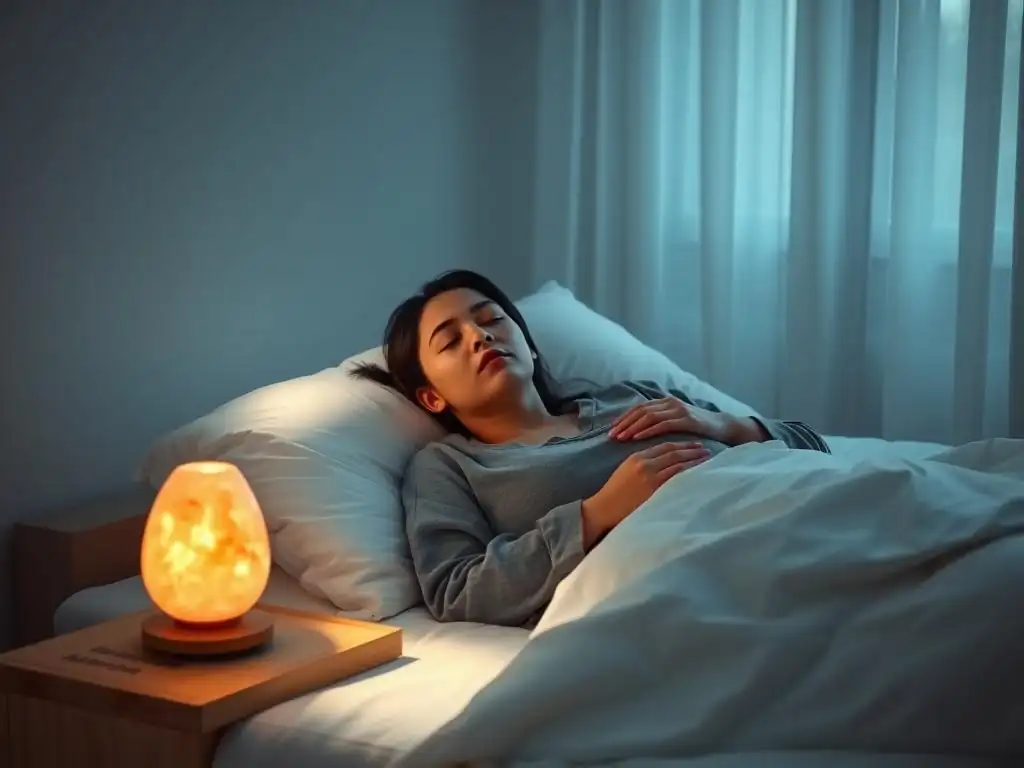
It's common to occasionally struggle to fall asleep, even with good sleep hygiene. If you find yourself unable to fall asleep after about 20 minutes in bed, the best strategy is usually to get out of bed. Lying awake in bed for extended periods can create a negative association with your bedroom, leading to frustration and heightened anxiety about not sleeping. Instead, go to another quiet, dimly lit room and engage in a relaxing activity.
Choose something calming, like reading a physical book under dim light, listening to soft music, or practicing a quiet relaxation technique like deep breathing reduce anxiety sleep. Avoid stimulating activities, bright lights, and electronic screens. Only return to bed when you feel genuinely sleepy. If you still don't fall asleep after another 20 minutes, repeat the process. This technique, known as stimulus control, helps break the association between your bed and wakefulness.
Adapting Sleep Hygiene Practices to Your Individual Needs
While the core principles of sleep hygiene are widely applicable, it's important to recognize that what works best can vary from person to person. Factors like age, lifestyle, work schedule, and underlying health conditions all influence individual sleep needs and challenges. For instance, a shift worker will need different strategies for managing light exposure and maintaining a consistent schedule than someone with a traditional 9-to-5 job. Similarly, someone with chronic pain may need to focus more on optimizing their sleep surface and finding comfortable sleeping positions.
Be mindful of your own body's signals and experiment with different techniques to find what's most effective for you. Perhaps you find that a warm bath makes you more alert rather than relaxed, or that a certain type of tea helps you wind down. Pay attention to how different foods, exercise timings, and relaxation methods impact your sleep. Tailoring sleep hygiene practices to your unique circumstances and preferences increases the likelihood of long-term success in improving your sleep quality.
Seeking Professional Help for Persistent Sleep Problems [When Sleep Hygiene Isn't Enough]
While implementing good sleep hygiene is a crucial first step, it may not be sufficient for everyone, especially those with chronic or severe sleep problems, or underlying medical or mental health conditions. If you have consistently struggled with falling or staying asleep for several weeks or months, despite diligently practicing sleep hygiene, it may be time to seek professional help. A primary care physician is a good starting point; they can rule out any obvious medical causes for your sleep issues.
If a medical cause isn't apparent, your doctor may refer you to a sleep specialist or a mental health professional specializing in sleep disorders. Sleep specialists can conduct sleep studies to diagnose conditions like sleep apnea or restless legs syndrome. Therapists trained in Cognitive Behavioral Therapy for Insomnia (CBT-I) offer evidence-based strategies that address the thoughts and behaviors contributing to insomnia, often proving more effective than medication in the long term. Don't hesitate to seek expert guidance if sleep difficulties are significantly impacting your life; professional intervention can provide targeted solutions beyond general sleep hygiene.
Additional Tips for Promoting Better Sleep
The Importance of Managing Stress and Anxiety
Stress and anxiety are among the most common culprits behind sleep problems. A racing mind filled with worries makes it incredibly difficult to relax and fall asleep. Furthermore, poor sleep can exacerbate stress and anxiety levels, creating a challenging cycle. Learning effective stress and anxiety management techniques is therefore integral to improving sleep quality. This is where methods like deep breathing reduce anxiety sleep, mindfulness, and meditation become particularly valuable.
Incorporating stress-reducing activities into your daily routine can make a significant difference. This might include regular exercise, spending time in nature, engaging in hobbies, practicing yoga, or journaling. Developing healthy coping mechanisms for stress and anxiety not only benefits your mental well-being during the day but also helps calm your nervous system in the evening, preparing you for a more restful night. Addressing the root causes of stress and anxiety can be a powerful step towards consistent, restorative sleep.
Exploring Cognitive Behavioral Therapy for Insomnia (CBT-I)
Cognitive Behavioral Therapy for Insomnia (CBT-I) is a highly effective, evidence-based treatment that addresses the underlying thoughts and behaviors contributing to chronic insomnia. Unlike sleep medications, which often provide temporary relief, CBT-I focuses on changing the patterns that perpetuate sleep problems. It typically involves working with a therapist over several sessions to identify and modify negative thoughts about sleep (cognitive component) and alter habits that interfere with sleep (behavioral component).
Key components of CBT-I often include stimulus control therapy (as mentioned earlier, getting out of bed if unable to sleep), sleep restriction therapy (temporarily limiting time in bed to increase sleep drive), relaxation techniques (like deep breathing reduce anxiety sleep or progressive muscle relaxation), and cognitive restructuring (challenging unhelpful beliefs about sleep). Studies have shown that CBT-I is often more effective than sleep medication for long-term insomnia relief and is considered the first-line treatment for chronic insomnia.
Considering a Sleep Study if Necessary
If you have persistent sleep problems that haven't responded to sleep hygiene improvements or other initial interventions, or if your doctor suspects an underlying sleep disorder like sleep apnea, a sleep study may be necessary. A polysomnogram (PSG), the most common type of sleep study, is a non-invasive test usually conducted in a sleep lab or sometimes at home. It involves monitoring various physiological parameters while you sleep.
During a sleep study, sensors are used to record brain waves, eye movements, muscle activity, heart rhythm, breathing patterns, and blood oxygen levels. This comprehensive data provides valuable insights into your sleep architecture, identifying disruptions such as pauses in breathing (indicating sleep apnea), abnormal limb movements, or unusual brain activity patterns. The results of a sleep study help sleep specialists make an accurate diagnosis and recommend the most appropriate treatment plan, ensuring that complex sleep issues are properly addressed.
Frequently Asked Questions
How can deep breathing exercises help me sleep better?
Deep breathing exercises activate the parasympathetic nervous system, which promotes relaxation. This reduces physiological arousal associated with anxiety, making it easier to fall asleep.
What types of breathing exercises are most effective for reducing anxiety and promoting sleep?
Diaphragmatic breathing (belly breathing), 4-7-8 breathing, and alternate nostril breathing are all effective. These techniques focus on slowing down the breath and increasing oxygen intake.
How often should I practice deep breathing exercises to see benefits for anxiety and sleep?
Regular practice is key; aim for at least 10-15 minutes daily, especially before bed. Consistency builds mind-body connection and strengthens the relaxation response.
Are there any potential side effects or risks associated with deep breathing exercises?
Generally, deep breathing is safe, but hyperventilation can occur if done incorrectly. Focus on slow, controlled breaths and stop if you feel dizzy or lightheaded.
Where can I find more resources and support for managing anxiety and improving sleep?
Mind Care Guide offers a comprehensive guide to mental well-being. Consult with a healthcare professional for personalized advice and treatment options.
Final Reflection: The Quiet Power of Breath
The pervasive nature of anxiety in modern life demands accessible solutions, and the simple act of breathing offers a powerful, readily available antidote. Learning to harness the power of our breath isn't just a trend; it's a fundamental shift towards reclaiming our inner peace and improving our sleep quality. This is particularly crucial in our increasingly stressful world, where sleep deprivation and anxiety are intertwined in a vicious cycle.
The profound impact of mindful breathing on both my own anxiety levels and sleep patterns has been transformative. It's not just about counting breaths; it's about creating a conscious connection with the body, a moment of stillness amidst the chaos. This resonates deeply with the words of Thich Nhat Hanh: Breathing in, I calm body and mind. Breathing out, I smile. Dwelling in the present moment I know this is the only moment.
This practice, seemingly simple, offers a profound shift in perspective, allowing us to find solace and calm even in the midst of overwhelming circumstances.
Now, consider how you might integrate these breathing exercises into your daily routine. Perhaps start with just five minutes before bed, focusing on the rhythm of your breath and letting go of the day's anxieties. Don't underestimate the power of this small act. By consciously choosing to breathe deeply and mindfully, you are actively choosing to prioritize your well-being, cultivating a healthier relationship with your body and mind, and paving the way for more restful, rejuvenating sleep. Begin today, and experience the transformative power of breath for yourself.
Unwind and Embrace Deeper Sleep Tonight
Thanks for taking the time to explore simple breathing techniques for better sleep! We hope you now feel equipped to manage anxiety and find restful nights. Ready to put your newfound knowledge into practice?
- Prioritize your breathing: Start tonight by dedicating 5-10 minutes before bed to one of the exercises we covered. Notice the difference!
- Share your sleep journey: Tell us (or a friend!) about your experience with these breathing techniques in the comments below – we'd love to hear your progress.
- Explore other Mind Care Guide resources: Dive deeper into our library of relaxation techniques for even more sleep-enhancing strategies.
What small adjustment in your bedtime routine will you commit to making tonight for better sleep?