
The Calming Power of Chamomile: Evidence Behind This Gentle Herb for Anxiety


Welcome to Mind Care Guide, your compassionate companion on the path to mental well-being. Feeling overwhelmed by anxiety? You're not alone. Discover the gentle, soothing power of nature as we delve into the evidence-backed chamomile anxiety relief benefits. Could this ancient herb be the key to unlocking a calmer, more peaceful you? Let's explore the possibilities together…
- The Calming Power of Chamomile: Evidence-Based Anxiety Relief
- Chamomile Anxiety Relief Benefits: Exploring the Evidence
- Chamomile vs. Prescription Medications for Anxiety: A Comparison
- How to Use Chamomile for Anxiety: Practical Guide
- Chamomile Side Effects and Safety Considerations
- Real-Life Experiences: User Perspectives on Chamomile for Anxiety
- Integrating Chamomile into a Holistic Anxiety Management Plan
- Conclusion: Chamomile as a Gentle Ally in Anxiety Management
-
Frequently Asked Questions
- How does chamomile help with anxiety?
- Is chamomile a substitute for professional mental health treatment?
- What are the different ways to use chamomile for anxiety relief?
- Are there any side effects associated with using chamomile?
- How long does it take to feel the anxiety relief benefits of chamomile?
- Final Reflection: Unfurling the Tranquility of Chamomile
- Unlock Your Inner Calm: Simple Steps to Embrace Chamomile's Power
The Calming Power of Chamomile: Evidence-Based Anxiety Relief
What is Chamomile and Why is it Known for Relaxation?
Chamomile, scientifically known primarily as Matricaria recutita (German chamomile) and Chamaemelum nobile (Roman chamomile), is a daisy-like plant belonging to the Asteraceae family. It has been used for centuries in traditional medicine across various cultures, dating back to ancient Egypt, Rome, and Greece, primarily for its perceived calming and anti-inflammatory properties. The plant's flowers are typically dried and used to make teas, extracts, and essential oils. Its long-standing reputation as a gentle relaxant has made it a popular natural remedy for mild stress and restlessness, contributing to its association with promoting sleep and easing nervous tension.
The traditional use of chamomile for relaxation is deeply ingrained in many cultures. People often turn to a warm cup of chamomile tea in the evening to unwind after a stressful day or to help quiet a restless mind before sleep. This widespread practice is based on generations of anecdotal evidence suggesting its effectiveness in promoting a sense of calm. While traditional uses provide a foundation, modern scientific inquiry has begun to explore the underlying reasons for these observed effects and to investigate the actual chamomile anxiety relief benefits.
The Growing Interest in Natural Remedies for Anxiety
In recent years, there has been a significant surge in interest in natural remedies for managing anxiety. This trend is driven by various factors, including concerns about the potential side effects of conventional anti-anxiety medications, a desire for more holistic approaches to health, and increased accessibility to information about herbal supplements and alternative therapies. Many individuals experiencing mild to moderate anxiety symptoms are actively seeking gentler, non-prescription options to support their mental well-being.
This growing interest has put traditional herbs like chamomile back into the spotlight. People are increasingly looking for evidence-based information on the effectiveness and safety of these natural options. Websites like Mind Care Guide play a crucial role in providing reliable information on the potential chamomile anxiety relief benefits, helping individuals make informed decisions about incorporating such remedies into their overall anxiety management strategies. The focus remains on understanding which natural approaches have scientific backing and how they can complement other forms of care.
Chamomile Anxiety Relief Benefits: Exploring the Evidence
Scientific Studies on Chamomile and Anxiety Reduction
Numerous scientific studies have investigated the potential chamomile anxiety relief benefits. One notable study, a randomized controlled trial published in the Journal of Clinical Psychopharmacology in 2009, examined the effects of chamomile extract on generalized anxiety disorder (GAD). This study involved 57 participants diagnosed with mild to moderate GAD who were given either chamomile extract or a placebo for 8 weeks. The results indicated that the group receiving chamomile extract showed a statistically significant reduction in overall anxiety symptoms compared to the placebo group, measured using the Hamilton Anxiety Rating Scale (HARS).
Another study, a longer-term trial published in Phytomedicine in 2016, followed 179 participants with moderate-to-severe GAD over a 38-week period. Participants received either chamomile extract or a placebo.
While the initial 8-week phase replicated findings of anxiety reduction, the longer-term phase found that chamomile did not significantly reduce the rate of relapse in GAD symptoms compared to placebo, suggesting its potential as an acute treatment rather than a long-term preventative measure for severe cases. These studies, among others, provide some clinical support for the use of chamomile in managing anxiety, particularly mild to moderate symptoms, highlighting its potential as a natural option for exploring chamomile anxiety relief benefits.
Chamomile's Active Compounds: Apigenin, Bisabolol, and Their Mechanisms of Action
The calming properties and potential chamomile anxiety relief benefits are attributed to several active compounds found in its flowers. Among the most studied are apigenin and bisabolol. Apigenin is a flavonoid that acts as a ligand for benzodiazepine receptors in the brain, similar to some prescription anxiety medications, though its binding affinity is much weaker. By interacting with these receptors, apigenin may help modulate the activity of gamma-aminobutyric acid (GABA), a neurotransmitter that inhibits nerve activity and promotes relaxation. This interaction is thought to contribute to the sedative and anxiolytic effects associated with chamomile.
Bisabolol, also known as alpha-bisabolol, is a sesquiterpene alcohol that is a major component of the essential oil extracted from German chamomile. While bisabolol is primarily known for its anti-inflammatory and skin-soothing properties, it may also contribute to the overall calming effect of chamomile. Some research suggests it could have mild central nervous system depressant effects, potentially enhancing the relaxation response. The synergistic action of these and other compounds present in chamomile, such as chamazulene and various polyacetylenes, likely contributes to the full spectrum of its potential chamomile anxiety relief benefits, rather than a single compound acting alone.
Different Forms of Chamomile and Their Effectiveness for Anxiety
Chamomile is available in various forms, each with potential differences in concentration of active compounds and absorption, which might affect their effectiveness for anxiety. The most traditional and widely used form is chamomile tea, made by steeping dried flower heads in hot water. This method extracts water-soluble compounds, including some flavonoids like apigenin. A typical cup of chamomile tea might contain varying amounts of these compounds depending on the preparation method, steep time, and quality of the dried flowers. Many people report feeling calmer after drinking chamomile tea, supporting its reputation for offering gentle chamomile anxiety relief benefits.
Other forms include capsules or tablets containing concentrated chamomile extracts, liquid extracts (tinctures), and essential oil for aromatherapy. Standardized extracts in capsules or tinctures often provide a more consistent and higher dose of specific compounds like apigenin compared to tea. Studies investigating anxiety reduction often use standardized extracts.
Chamomile essential oil is used in aromatherapy; inhaling its scent is believed to promote relaxation, though the mechanism is less understood and the evidence for anxiety treatment via aromatherapy is less robust compared to ingested forms. The choice of form may depend on individual preference, desired dosage, and the specific symptoms being addressed, while keeping in mind the potential for chamomile anxiety relief benefits varies by preparation.
Chamomile vs. Prescription Medications for Anxiety: A Comparison
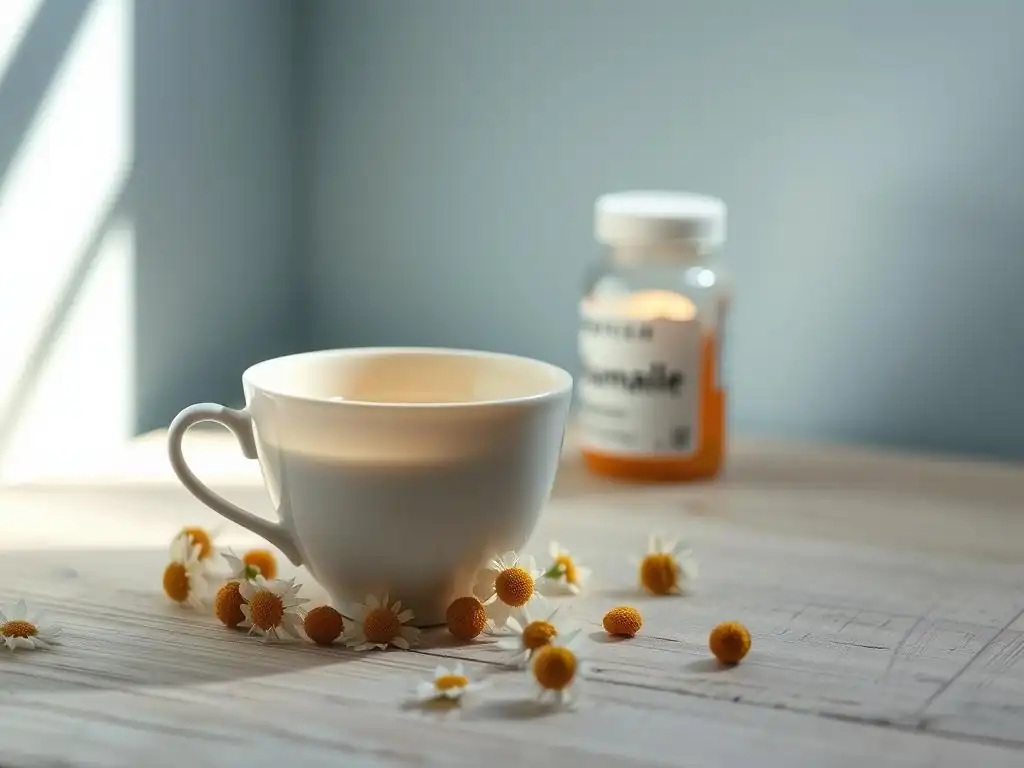
Chamomile as a Complementary Therapy for Anxiety
Chamomile is often considered as a complementary therapy rather than a direct replacement for prescription anxiety medications, especially for moderate to severe anxiety disorders. Complementary therapy means using chamomile alongside conventional medical treatments, under the guidance of a healthcare professional.
For individuals experiencing mild stress, occasional nervousness, or very mild anxiety symptoms, chamomile might be used as a primary approach. However, for diagnosed anxiety disorders like GAD, panic disorder, or social anxiety disorder, chamomile is typically viewed as an adjunct to standard treatments, which may include psychotherapy (like Cognitive Behavioral Therapy - CBT) and/or prescription medications (such as SSRIs, SNRIs, or benzodiazepines).
The potential chamomile anxiety relief benefits are generally considered mild to moderate compared to the potent effects of many prescription drugs designed for significant anxiety reduction. Using chamomile complementarily can potentially offer additional support for managing symptoms, promoting relaxation, and improving sleep quality without the side effects or dependency risks associated with some conventional medications. It is crucial for individuals to discuss integrating chamomile with their doctor or mental health provider to ensure it is appropriate for their specific condition and treatment plan, and to understand how it fits within their overall strategy for managing anxiety.
Understanding the Limitations of Chamomile for Severe Anxiety Disorders
While studies suggest potential chamomile anxiety relief benefits for mild to moderate anxiety, it is important to understand its limitations, particularly for severe anxiety disorders. Severe anxiety disorders, such as panic disorder with frequent panic attacks, severe GAD significantly impacting daily function, or severe social anxiety causing significant avoidance, often require more intensive and evidence-based interventions. Prescription medications for severe anxiety are typically more potent in modulating neurotransmitter systems involved in the anxiety response and have undergone rigorous clinical trials demonstrating efficacy for severe symptoms.
Chamomile's effects, while helpful for some, are generally not strong enough to manage the debilitating symptoms of severe anxiety. Relying solely on chamomile for severe conditions could lead to inadequate symptom control, delayed access to more effective treatment, and potential worsening of the condition.
For example, someone experiencing multiple panic attacks per week or unable to leave their home due to anxiety would likely not find sufficient relief from chamomile alone. Therefore, while chamomile may offer some supportive chamomile anxiety relief benefits, it is not a substitute for professional medical diagnosis and treatment for severe anxiety and should not be used to replace prescribed medications without explicit medical advice.
How to Use Chamomile for Anxiety: Practical Guide
Chamomile Tea for Anxiety: Preparation and Dosage
Chamomile tea is perhaps the most popular method for exploring chamomile anxiety relief benefits. To prepare, steep 2-4 grams (about 1-2 tablespoons) of dried chamomile flowers or one tea bag in hot water (just below boiling) for 5-10 minutes. Longer steeping times can extract more compounds, but may result in a slightly bitter taste. Strain the flowers if using loose leaf.
For anxiety relief, drinking 1-4 cups of chamomile tea per day is a common practice. Many people find drinking a cup in the evening particularly helpful for promoting relaxation before sleep. There is no universally standardized dose for tea, as the concentration of active compounds varies. However, consistently using a quality product and preparation method can help maintain some consistency in dosage. Pay attention to how your body responds and adjust frequency as needed, keeping in mind the goal of experiencing chamomile anxiety relief benefits.
Chamomile Supplements: Choosing the Right Product and Dosage
Chamomile supplements, available as capsules, tablets, or liquid extracts, offer a more standardized approach to dosage compared to tea. When choosing a product, look for supplements made from Matricaria recutita (German chamomile) and ideally, those standardized to contain a certain percentage of active compounds like apigenin. Read labels carefully to understand the dosage per capsule or serving.
Dosages used in scientific studies investigating chamomile anxiety relief benefits have varied. For generalized anxiety, studies have often used doses of chamomile extract ranging from 220 mg to 1500 mg per day, typically divided into several doses. For example, some trials have used a dose of 500 mg of extract containing 1.2% apigenin, taken three times daily. It is best to start with a lower dose and gradually increase if needed, following product instructions or the advice of a healthcare provider.
Chamomile Aromatherapy: Benefits and Precautions
Chamomile essential oil, primarily derived from Matricaria recutita, is used in aromatherapy for its purportedly calming scent. While the evidence for aromatherapy's direct impact on clinical anxiety is less robust than for ingested forms, many people find inhaling the scent of chamomile relaxing and stress-reducing. The benefits are thought to come from the olfactory system's connection to the limbic system in the brain, which influences emotions and mood.
To use chamomile essential oil for aromatherapy:
- Add a few drops (3-5) to a diffuser to disperse the scent in a room.
- Place a drop or two on a tissue or cotton ball and inhale periodically.
- Add a few drops to a warm bath (use a carrier oil like jojoba or fractionated coconut oil first to disperse the essential oil and avoid skin irritation, as essential oils do not mix directly with water).
- Caution: Essential oils are highly concentrated and should never be ingested unless specifically labeled for internal use and done under expert guidance (which is rare and generally not recommended for chamomile). Always dilute essential oils before applying to skin to avoid irritation. Be mindful of pets and children when diffusing oils.
Chamomile Side Effects and Safety Considerations
Potential Allergic Reactions to Chamomile
While generally considered safe for most people, chamomile belongs to the Asteraceae family (also known as Compositae), which includes plants like ragweed, chrysanthemums, marigolds, and daisies. Individuals with known allergies to these plants are at a higher risk of experiencing an allergic reaction to chamomile. Reactions can range from mild skin rashes or contact dermatitis (if applied topically) to more severe reactions like sneezing, watery eyes, itching in the throat, or even anaphylaxis in rare cases, particularly if ingested.
Symptoms of an allergic reaction might include:
- Skin rash or hives
- Itching
- Swelling of the lips, tongue, or throat
- Difficulty breathing (severe cases)
If you have a history of allergies to plants in the daisy family, it is advisable to avoid chamomile or use it with extreme caution. If you experience any signs of an allergic reaction after using chamomile, discontinue use immediately and seek medical attention.
Drug Interactions: When to Consult Your Doctor Before Using Chamomile
Chamomile can potentially interact with certain medications. Although interactions are generally considered mild, it is crucial to consult with a healthcare professional before using chamomile, especially if you are taking any prescription or over-the-counter drugs.
Potential interactions include:
- Blood Thinners (Anticoagulants/Antiplatelets): Chamomile contains compounds that may have mild blood-thinning effects. Combining it with medications like warfarin (Coumadin), clopidogrel (Plavix), or even aspirin could theoretically increase the risk of bleeding.
- Sedatives and Central Nervous System Depressants: Chamomile's calming properties might additive effects with sedatives, benzodiazepines (like diazepam or alprazolam), barbiturates, or alcohol, potentially leading to excessive drowsiness or sedation.
- Drugs Metabolized by the Liver: Chamomile may affect certain liver enzymes (specifically cytochrome P450 enzymes) involved in metabolizing various drugs. This could alter how quickly your body processes certain medications, potentially affecting their effectiveness or increasing side effect risks.
- Cyclosporine: There is some evidence suggesting chamomile might interfere with the absorption or metabolism of cyclosporine, an immunosuppressant drug.
Given these potential interactions, it is essential to discuss your medication list with your doctor or pharmacist before incorporating chamomile, particularly if you are seeking chamomile anxiety relief benefits alongside other treatments.
Chamomile and Pregnancy/Breastfeeding: Important Considerations
The use of chamomile during pregnancy and breastfeeding is a topic that requires caution. While traditionally used in some cultures, there is limited scientific evidence specifically evaluating the safety of chamomile extracts or supplements during pregnancy. Some sources suggest that large doses of chamomile tea might potentially stimulate uterine contractions, although this is not definitively proven and likely requires consuming very large amounts. Due to the lack of extensive safety data, particularly concerning concentrated extracts, many healthcare providers advise pregnant women to avoid chamomile supplements.
For breastfeeding mothers, the information is also limited. It is unclear whether the active compounds in chamomile pass into breast milk and what potential effects they might have on an infant. As a general precaution, and due to the absence of strong evidence of safety, it is typically recommended that pregnant and breastfeeding women consult with their healthcare provider before using chamomile in any form, especially concentrated supplements, to discuss the potential risks and benefits.
Real-Life Experiences: User Perspectives on Chamomile for Anxiety

Many individuals share positive anecdotal experiences regarding the chamomile anxiety relief benefits they have personally felt. For example, Sarah, a 35-year-old graphic designer, shared in an online forum that drinking a cup of strong chamomile tea about an hour before bed significantly helps quiet her racing thoughts and eases the mild nervousness that sometimes prevents her from falling asleep. She described it as a gentle transition towards relaxation, feeling noticeably calmer without any grogginess the next morning.
Similarly, David, a 50-year-old teacher, mentioned using chamomile supplements (a standardized extract) during a particularly stressful period at work. He took the supplement twice daily and felt it helped take the edge off his persistent worry and made him feel slightly more resilient to daily pressures.
While acknowledging it wasn't a cure-all, he felt it provided a subtle but noticeable improvement in his baseline anxiety levels, supporting the idea of chamomile anxiety relief benefits for some individuals. These personal accounts, while not scientific evidence, highlight why many people continue to turn to chamomile as a natural aid for managing everyday stress and mild anxiety symptoms.
Integrating Chamomile into a Holistic Anxiety Management Plan
Combining Chamomile with Other Natural Remedies
For some individuals, exploring chamomile anxiety relief benefits can be part of a broader approach incorporating multiple natural remedies. Certain other herbs and supplements are also studied for their potential effects on anxiety, such as L-theanine (an amino acid found in green tea), valerian root, passionflower, or lemon balm. Combining these with chamomile might offer synergistic effects for promoting relaxation and reducing anxiety symptoms.
However, it is crucial to approach combinations cautiously. While some natural remedies can be safely used together, others may have overlapping effects or potential interactions. For example, combining multiple sedating herbs like chamomile, valerian, and passionflower could lead to excessive drowsiness. It is highly recommended to research potential interactions between natural remedies and, ideally, discuss any combination strategy with a qualified healthcare provider or a naturopathic doctor knowledgeable in herbal medicine to ensure safety and appropriateness for your specific needs.
The Importance of Lifestyle Changes for Anxiety
While natural remedies like chamomile can offer support for anxiety, they are most effective when integrated into a comprehensive approach that includes positive lifestyle changes. Lifestyle factors play a significant role in managing anxiety levels. Regular physical activity, for instance, is a powerful tool for reducing stress hormones and improving mood; even a brisk 30-minute walk several times a week can make a difference.
Adequate sleep is also fundamental; chronic sleep deprivation can exacerbate anxiety. Establishing a consistent sleep schedule and creating a relaxing bedtime routine (perhaps including that cup of chamomile tea) are vital. Furthermore, practicing mindfulness or meditation, engaging in hobbies, maintaining social connections, and adopting healthy eating habits all contribute significantly to overall mental well-being and can enhance the chamomile anxiety relief benefits experienced. Addressing underlying stressors through lifestyle modifications is a cornerstone of effective anxiety management.
Seeking Professional Help: When to Consult a Mental Health Professional
It is paramount to recognize that while chamomile and other natural remedies can be helpful for mild symptoms, they are not a substitute for professional medical or psychological care, especially for moderate to severe anxiety. Knowing when to seek professional help is a critical step in managing anxiety effectively and safely. If your anxiety is persistent, interferes significantly with your daily life (work, school, relationships), causes panic attacks, or is accompanied by symptoms like depression or suicidal thoughts, it is essential to consult a qualified mental health professional.
A doctor or therapist can provide an accurate diagnosis, discuss evidence-based treatment options including psychotherapy (like CBT or exposure therapy), and determine if prescription medication is necessary. They can also help you safely integrate complementary approaches like chamomile into your treatment plan and monitor for any potential interactions or side effects. Relying solely on natural remedies for severe anxiety can delay effective treatment and potentially worsen the condition. Professional guidance ensures you receive the most appropriate and comprehensive care for your specific needs, maximizing the potential for long-term well-being.
Conclusion: Chamomile as a Gentle Ally in Anxiety Management
Key Takeaways: Chamomile's Role in Promoting Calmness
Chamomile has a long history of use for its calming properties, and modern research provides some evidence supporting its potential chamomile anxiety relief benefits, particularly for mild to moderate symptoms. Its effects are likely due to compounds like apigenin, which interacts with brain receptors involved in relaxation. Available in various forms like tea, supplements, and essential oil, chamomile offers a natural, gentle option for individuals seeking support for stress and anxiety.
While not a cure for severe anxiety disorders, chamomile can serve as a valuable complementary tool within a holistic management plan. Its potential to promote relaxation and improve sleep quality makes it a popular choice for winding down and easing nervous tension. Understanding the evidence, proper usage, and potential interactions is key to safely incorporating chamomile into one's routine while exploring its potential chamomile anxiety relief benefits.
Future Research Directions for Chamomile and Anxiety
Despite promising findings, more rigorous and large-scale studies are needed to further solidify the evidence for chamomile anxiety relief benefits. Future research should focus on:
- Standardizing chamomile extracts used in studies to ensure consistent dosages and compound profiles.
- Conducting larger, long-term, placebo-controlled trials specifically on different anxiety disorders (beyond GAD) and symptom severity levels.
- Investigating the optimal dosage and form of chamomile for specific anxiety symptoms.
- Exploring the potential synergistic effects of chamomile when combined with other natural remedies or therapeutic interventions like CBT.
- Further clarifying the precise mechanisms of action of chamomile's various compounds on the nervous system.
Continued research will help provide clearer guidelines for healthcare providers and individuals seeking to use chamomile effectively and safely as part of their anxiety management strategy, contributing to a deeper understanding of its full potential chamomile anxiety relief benefits.
Frequently Asked Questions
How does chamomile help with anxiety?
Chamomile contains compounds like apigenin, which bind to receptors in the brain that may promote calming and sedative effects. This can help reduce feelings of anxiety and promote relaxation.
Is chamomile a substitute for professional mental health treatment?
No, chamomile is not a substitute for professional help. It can be a complementary approach, but it's crucial to seek therapy or medication if anxiety is severe or persistent.
What are the different ways to use chamomile for anxiety relief?
Chamomile can be consumed as tea, capsules, or essential oil (for aromatherapy). The effectiveness may vary depending on the method and individual.
Are there any side effects associated with using chamomile?
While generally safe, some individuals may experience allergic reactions, drowsiness, or interactions with certain medications. It's always best to consult a doctor before starting any new herbal remedy.
How long does it take to feel the anxiety relief benefits of chamomile?
The time it takes to feel the effects of chamomile can vary. Some may experience immediate relaxation, while others may need to use it consistently for several weeks to notice significant benefits.
Final Reflection: Unfurling the Tranquility of Chamomile
The ancient wisdom surrounding chamomile's anxiety-relieving properties is not merely folklore; it's increasingly validated by modern scientific research. This gentle herb offers a powerful, accessible, and natural pathway towards managing the pervasive anxieties of our modern world, a world often characterized by relentless pressure and uncertainty. The evidence presented clearly demonstrates chamomile's potential as a valuable tool in our collective quest for inner peace.
The impact of chamomile extends far beyond individual relief; it speaks to a broader cultural shift towards embracing natural remedies and holistic well-being. We are increasingly recognizing the limitations of solely pharmaceutical approaches and seeking gentler, more integrated methods for managing mental health. This growing interest in herbal remedies reflects a deeper yearning for connection with nature and a desire for self-care practices that nourish both body and mind. Nature provides the cure for every disease.
- Hippocrates. This ancient wisdom resonates deeply as we explore the potential of plants like chamomile to alleviate suffering.
Consider the gentle cup of chamomile tea warming your hands, the subtle floral aroma filling your senses. This isn't just a beverage; it's a ritual, a moment of self-compassion. I invite you to explore the calming power of chamomile for yourself. Whether through tea, supplements, or aromatherapy, integrate this ancient remedy into your daily routine and experience the potential for a more tranquil, centered existence. Embrace the opportunity to nurture your well-being, one soothing cup at a time.
Unlock Your Inner Calm: Simple Steps to Embrace Chamomile's Power
Thanks for exploring the calming world of chamomile with us! We hope you now have a deeper understanding of its potential benefits for anxiety relief. Ready to incorporate this gentle herb into your daily routine?
- Brew a cup of chamomile tea: Start your day or wind down your evening with a soothing cup. This is the simplest way to experience chamomile's gentle effects.
- Share your experience: Tell us (and others!) about your chamomile journey. What are your favorite ways to use it? We'd love to hear your tips and tricks!
- Experiment with different chamomile products: Explore the world of chamomile beyond tea – from lotions to essential oils. Discover what works best for you!
What unique way will you integrate chamomile into your self-care routine today?