
The Cycle of Health Anxiety: Fear, Symptoms, and Checking

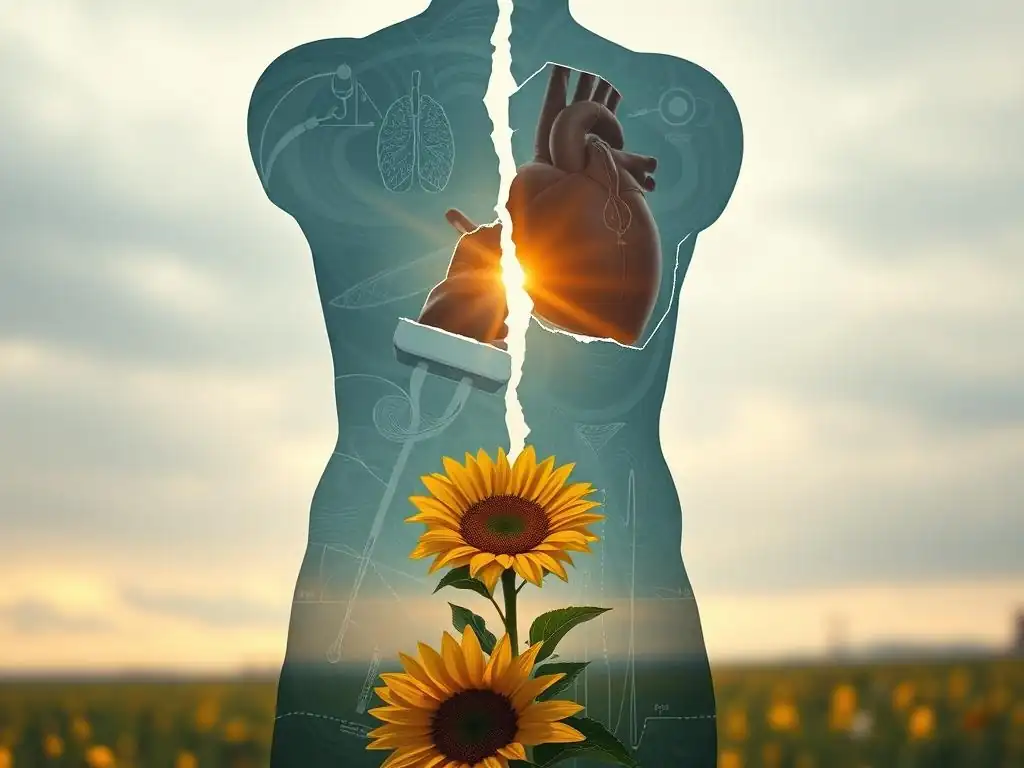
Welcome to Mind Care Guide, a safe space dedicated to nurturing your mental well-being. Are you caught in a relentless loop of worry about your health? It's okay, you're not alone. This guide dives deep into the health anxiety cycle recovery, offering insights into the underlying fears, physical symptoms, and compulsive checking behaviors that can trap you. Let's begin to understand and break free from this cycle, together.
The Cycle of Health Anxiety: Fear, Symptoms, and Checking - Mind Care Guide
- Understanding the Health Anxiety Cycle
- The Core Components of the Health Anxiety Cycle
- Breaking Down the Health Anxiety Cycle: Strategies for Recovery
- Practical Tips for Managing Health Anxiety and Preventing Cycle Recurrence
- Seeking Professional Help for Health Anxiety Cycle Recovery
- Long-Term Strategies for Maintaining Mental Well-being and Preventing Cycle Recurrence
-
Frequently Asked Questions
- What is the health anxiety cycle and what are its main components?
- How does checking behavior reinforce the health anxiety cycle?
- What are some common physical symptoms triggered by health anxiety?
- What are some effective strategies for breaking the health anxiety cycle?
- Where can I find resources and support for health anxiety cycle recovery?
- Final Reflection: Breaking Free from the Health Anxiety Cycle
- Break Free from the Anxiety Cycle: Take Control Now!
Understanding the Health Anxiety Cycle
What is Health Anxiety and its Cyclical Nature?
Health anxiety, sometimes referred to as hypochondriasis or illness anxiety disorder, is characterized by excessive worry about having or developing a serious medical condition. This worry persists despite having few or no symptoms, or when medical evaluations find no serious illness. It's not just a simple fear of getting sick; it's a persistent and often debilitating preoccupation that significantly impacts daily life, relationships, and overall well-being. Individuals caught in health anxiety often misinterpret normal bodily sensations or minor symptoms as indicators of severe disease.
The core issue with health anxiety is its cyclical nature. It's a self-perperuating loop where fear of illness leads to heightened attention to bodily sensations, which are then misinterpreted as symptoms, leading to checking behaviors (like body scanning or seeking reassurance), which temporarily reduce anxiety but ultimately reinforce the belief that there is something wrong, thus increasing fear for the next cycle. Understanding this health anxiety cycle is the first crucial step towards achieving health anxiety cycle recovery. Breaking free requires recognizing each stage and implementing strategies to disrupt the pattern.
The Role of Catastrophic Thinking in Health Anxiety
A central feature driving the health anxiety cycle is catastrophic thinking. This involves interpreting ambiguous situations or minor physical sensations in the worst possible light. For instance, a common headache isn't just a headache; it's immediately interpreted as a brain tumor. A slight chest flutter isn't indigestion or anxiety; it's a heart attack. This immediate jump to the most severe, often unlikely, conclusion fuels intense fear and anxiety.
This pattern of thinking creates a constant state of alarm. Even when presented with clear medical evidence contradicting their fears, individuals with health anxiety often struggle to accept it, clinging to the catastrophic interpretation. This resistance to alternative, less threatening explanations keeps them trapped in the anxiety loop, making health anxiety cycle recovery feel like an insurmountable challenge without targeted interventions.
The Core Components of the Health Anxiety Cycle
Stage 1: Triggering Event and Initial Fear
The health anxiety cycle often begins with a triggering event. This could be noticing a new or unfamiliar bodily sensation, such as a persistent cough or a mole that looks slightly different. It might also be hearing about someone else's illness, watching a medical show, or reading an article about a specific disease. For example, someone might feel a slight pain in their leg and immediately recall a news story about deep vein thrombosis, triggering intense fear.
The initial fear triggered by these events is often disproportionate to the actual risk, but it feels very real and urgent to the individual experiencing it. This fear prompts increased self-monitoring and attention to the body, setting the stage for the next phase of the cycle. Without recognizing these triggers and the immediate fear response, it's difficult to begin the process of health anxiety cycle recovery.
Identifying Common Health Anxiety Triggers [e.g., chest pain, family history of illness]
Common triggers are highly personal but often include noticing specific physical sensations like headaches, dizziness, fatigue, minor pains, or changes in heart rate. These are often normal bodily fluctuations that most people dismiss, but for someone with health anxiety, they become potential signs of serious illness. For example, a person might feel a slight ache in their chest after exercising and immediately fear a heart problem, even if they are young and healthy.
Other significant triggers can be external. Learning about a family history of a particular disease (like heart disease or cancer) can create a predisposition to worry about those specific conditions. Media reports about health crises or specific illnesses can also act as powerful triggers, amplifying existing fears and potentially initiating a new cycle of worry. Recognizing these common triggers is vital for understanding how the health anxiety cycle begins.
Stage 2: Physical Sensations and Misinterpretation
Once fear is triggered, individuals with health anxiety become hyper-vigilant about their bodies. They start noticing sensations they might have previously ignored or attributed to benign causes. Anxiety itself can cause a wide range of physical symptoms, such as increased heart rate, shortness of breath, muscle tension, dizziness, and digestive issues. These anxiety-induced symptoms are then misinterpreted as evidence of the feared illness, completing a feedback loop where fear causes symptoms, and symptoms confirm the fear.
For example, the fear of a heart attack can cause palpitations and chest tightness. Instead of recognizing these as anxiety symptoms, the individual interprets them as definitive proof that their heart is failing. This misinterpretation is a critical bottleneck in the health anxiety cycle, solidifying the belief that something is seriously wrong despite medical reassurance. Addressing this misinterpretation is key to health anxiety cycle recovery.
How Anxiety Creates Physical Symptoms
Anxiety activates the body's "fight or flight" response, a primitive survival mechanism. This response releases stress hormones like adrenaline and cortisol, leading to a cascade of physical changes. The heart rate increases to pump blood faster, breathing becomes shallow and rapid to take in more oxygen, muscles tense up in preparation for action, and digestion slows down. These physiological changes manifest as tangible physical symptoms.
These symptoms are real physical experiences, even though they are caused by anxiety rather than a life-threatening disease. A person experiencing anxiety might genuinely feel dizzy because blood flow is directed away from the brain, or experience digestive upset as the body prioritizes emergency functions over digestion. Understanding that anxiety itself is a powerful generator of physical sensations is crucial for correctly interpreting these signals and moving towards health anxiety cycle recovery.
Distinguishing Between Real Symptoms and Anxiety-Induced Sensations
Distinguishing between a symptom of a genuine medical condition and a sensation caused by anxiety is challenging for someone in the grip of health anxiety. A key difference often lies in context, duration, and response to anxiety-reducing techniques. Anxiety-induced symptoms often fluctuate with anxiety levels, appearing or worsening during stressful periods or when thinking about illness, and may subside with relaxation or distraction.
However, relying solely on self-diagnosis is unreliable and fuels the cycle. Medical evaluation by a healthcare professional is the appropriate way to rule out serious conditions. Once a doctor has confirmed that symptoms are not due to a serious illness, it becomes essential to learn to attribute subsequent similar sensations to anxiety or other benign causes. This re-attribution is a vital skill taught in therapies aimed at health anxiety cycle recovery.
Stage 3: Compulsive Checking Behaviors
Driven by the intense fear and misinterpretation of symptoms, individuals engage in compulsive checking behaviors. These actions are performed to reduce anxiety in the short term by seeking certainty or reassurance. Examples include repeatedly checking one's body for lumps, spots, or changes (body scanning), obsessively searching the internet for information about symptoms and diseases, or constantly seeking reassurance from doctors, family, or friends.
While checking provides temporary relief from the distress, it is highly counterproductive in the long run. Each time a person checks and finds nothing (or finds something ambiguous that they then worry about), the cycle is reinforced. They learn that checking reduces anxiety, making it more likely they will check again the next time they feel anxious, thus solidifying the compulsive behavior and hindering health anxiety cycle recovery.
Types of Health Anxiety Checking: Body Scanning, Internet Research, and Seeking Reassurance
Body scanning involves meticulously examining one's body for perceived signs of illness. This might include checking moles multiple times a day, feeling lymph nodes, monitoring heart rate or blood pressure excessively, or looking for specific colors in urine or stool. This constant internal focus amplifies awareness of minor sensations and increases the likelihood of misinterpretation.
Internet research, often called "cyberchondria," involves spending hours searching online databases, medical websites, and forums for information about symptoms. While the internet offers vast health information, it also presents worst-case scenarios and rare conditions, which can easily fuel health anxiety. Seeking reassurance involves repeatedly asking doctors, family members, or friends if they think something is wrong. Although loved ones provide comfort, constant reassurance-seeking can strain relationships and prevents the individual from tolerating uncertainty, a necessary step for health anxiety cycle recovery.
The Short-Term Relief and Long-Term Reinforcement of Checking
The immediate effect of compulsive checking is a temporary reduction in anxiety. For a few minutes or hours, the person might feel less worried because they have "done something" to address their fear, or they received a moment of reassurance. This immediate relief acts as a powerful reward, making the checking behavior highly addictive.
However, this relief is fleeting. The underlying fear and belief that something is wrong are not challenged; in fact, the checking behavior often reinforces them. By engaging in checking, the person implicitly validates the initial fear ("I must check because there might be something wrong"). Over time, the checking becomes a ritual that is hard to break, requiring more frequent or intense performance to achieve the same level of temporary relief, further entrenching the health anxiety cycle.
Stage 4: Increased Anxiety and Reinforcement of the Cycle
The final stage of the cycle sees anxiety levels rise again, often higher than before the checking behavior began. This happens for several reasons. The temporary relief from checking wears off, the initial fear returns, and the act of checking itself has kept the focus squarely on illness and danger. Internet research often uncovers new potential symptoms or diseases to worry about. Reassurance from others is rarely 100% convincing or lasting.
Crucially, the continued engagement in checking behaviors prevents the individual from learning that they can tolerate uncertainty or that their feared outcomes do not materialize even without checking. Each completed cycle strengthens the pathway between fear, sensation, misinterpretation, and checking, making the cycle more automatic and harder to break. This reinforcement is why professional intervention is often necessary for effective health anxiety cycle recovery.
How Checking Fuels Health Anxiety
Checking behaviors actively maintain and increase health anxiety. Firstly, they keep the individual's attention focused on their body and potential illness, preventing them from engaging in activities that could distract them or provide a sense of normalcy. Secondly, they prevent the natural process of habituation, where repeated exposure to a feared sensation without negative consequences leads to a decrease in fear. By checking, the person avoids experiencing the peak of anxiety and learning that it eventually subsides on its own.
Furthermore, checking often yields ambiguous results (e.g., a doctor says "everything looks fine today," or internet research presents conflicting information), which the anxious mind interprets as potential danger ("they might have missed something," "what about this other symptom I found?"). This ambiguity fuels further worry and the need for more checking, trapping the person deeper in the cycle and making health anxiety cycle recovery more challenging without targeted strategies.
The Feedback Loop: Fear, Checking, and More Fear
The health anxiety cycle is a classic example of a negative feedback loop. Fear drives checking, checking provides temporary relief but reinforces the belief in potential danger, which then leads to increased fear the next time a trigger or sensation occurs. This loop becomes stronger over time, making the initial triggers more potent and the checking behaviors more compulsive.
Breaking this feedback loop is the central goal of therapies like Cognitive Behavioral Therapy (CBT) and Exposure and Response Prevention (ERP). By targeting the misinterpretations and the checking behaviors, these approaches aim to dismantle the cycle piece by piece, allowing individuals to learn new, healthier ways of responding to bodily sensations and uncertainty, paving the way for health anxiety cycle recovery.
Breaking Down the Health Anxiety Cycle: Strategies for Recovery

Cognitive Behavioral Therapy (CBT) for Health Anxiety Cycle Recovery
Cognitive Behavioral Therapy (CBT) is a highly effective approach for addressing health anxiety. It works by helping individuals identify and challenge the unhelpful thought patterns (cognitions) and behaviors that maintain the health anxiety cycle. A significant portion of CBT for health anxiety focuses on recognizing catastrophic thinking and developing more balanced, realistic interpretations of bodily sensations and potential health threats.
Studies have shown that CBT can lead to significant reductions in health anxiety symptoms for a majority of individuals. For example, research indicates that around 60-70% of patients show clinically significant improvement following a course of CBT tailored for health anxiety, typically involving 12-20 sessions. This therapy provides practical tools and techniques to manage the anxiety and break free from the cycle.
Cognitive Restructuring: Challenging Negative Thoughts
Cognitive restructuring is a core technique in CBT that directly targets the catastrophic thinking driving health anxiety. It involves learning to identify automatic negative thoughts that arise when a trigger or sensation occurs (e.g., "This headache means I have a brain tumor"). The therapist then helps the individual evaluate the evidence for and against this thought, consider alternative explanations (e.g., "Could it be tension? Dehydration? "), and develop a more balanced and realistic perspective.
This process isn't about convincing the person that they are definitely not sick, but about recognizing that their initial, fearful interpretation is just one possibility, often the least likely, and that there are other, more probable explanations. Through repeated practice, individuals become more skilled at catching their negative thoughts and challenging them, weakening the link between sensation and catastrophic fear, which is vital for health anxiety cycle recovery.
Behavioral Experiments: Testing Your Fears
Behavioral experiments are practical exercises designed to test the validity of catastrophic beliefs. Instead of relying on reassurance or avoidance, the individual is encouraged to confront a feared situation or sensation in a controlled way to see what actually happens. For example, someone who fears a heart attack might be asked to engage in light exercise (if medically cleared) to experience an increased heart rate in a safe context and observe that it returns to normal without a catastrophic event.
Another experiment might involve not checking a mole for a set period or not searching the internet about a specific symptom. By refraining from checking, they test the prediction that something terrible will happen if they don't perform the compulsion. Often, they discover that the feared outcome does not occur, or that they can tolerate the anxiety without resorting to checking. These experiments provide powerful, lived evidence that contradicts their anxious predictions, accelerating health anxiety cycle recovery.
Exposure and Response Prevention (ERP) in Health Anxiety Treatment
Exposure and Response Prevention (ERP), a specific type of CBT, is particularly effective for health anxiety, especially when compulsive checking behaviors are prominent. ERP involves deliberately exposing the individual to their feared bodily sensations or thoughts (exposure) while simultaneously preventing them from engaging in their usual checking or reassurance-seeking rituals (response prevention).
The goal of ERP is to help the individual habituate to the anxiety triggered by the exposure and learn that the feared consequences do not occur even when the compulsion is prevented. This breaks the association between the trigger/sensation and the need to check, dismantling the checking component of the health anxiety cycle. ERP is often conducted gradually, starting with less anxiety-provoking exposures and progressing to more challenging ones.
Gradual Exposure to Feared Sensations and Situations
Exposure in ERP for health anxiety can take various forms. It might involve interoceptive exposure, where the person intentionally brings on feared bodily sensations (e.g., spinning in a chair to induce dizziness, holding breath to feel short of breath) to learn that they are manageable and not dangerous. It can also involve imaginal exposure, where the person repeatedly confronts feared scenarios in their imagination (e.g., imagining receiving a serious diagnosis).
Situational exposure might involve visiting a hospital (if that's a trigger) or spending time in environments where they might encounter triggers. The key is that these exposures are done without engaging in checking or reassurance-seeking. For example, experiencing dizziness and not immediately checking their pulse or looking up symptoms online. This systematic approach helps desensitize the individual to their fears and is critical for health anxiety cycle recovery.
Preventing Compulsive Checking Behaviors
Response prevention is the other crucial half of ERP. While undergoing exposure, the individual is coached and supported in resisting the urge to perform their usual compulsions. If the compulsion is body checking, they practice not checking the feared body part. If it's internet searching, they commit to not going online for health information. If it's seeking reassurance, they practice tolerating the uncertainty instead of asking others.
Preventing these responses is challenging because it initially increases anxiety. However, by resisting the compulsion, the individual learns that anxiety is temporary and will decrease on its own without the need for checking. They also learn that the feared outcomes do not occur even without the safety behavior. This direct experience is incredibly powerful in breaking the reinforcement loop and is essential for successful health anxiety cycle recovery.
Mindfulness and Acceptance-Based Approaches to Managing Health Anxiety
Mindfulness and acceptance-based strategies offer complementary ways to manage health anxiety, focusing on changing one's relationship with thoughts, feelings, and bodily sensations rather than trying to eliminate them. Mindfulness involves paying attention to the present moment without judgment, observing thoughts and sensations as transient events rather than absolute truths or dangers.
For health anxiety, this means noticing a bodily sensation (e.g., a slight ache) without immediately labeling it as dangerous or catastrophic. It's about observing the sensation with curiosity and acceptance, acknowledging the anxiety that arises, but choosing not to engage in the habitual checking or worrying response. This approach helps detach from the anxious narrative and reduces the power of catastrophic thoughts within the health anxiety cycle.
Focusing on the Present Moment
Practicing mindfulness helps ground individuals in the present, shifting their focus away from future-oriented worries about potential illness. Techniques like mindful breathing, body scans (done non-judgmentally, simply noticing sensations without interpretation), or focusing on sensory details of the environment can interrupt the cycle of rumination about symptoms and diseases.
By training the mind to stay in the present, individuals can reduce the time spent mentally rehearsing worst-case scenarios or dwelling on past health scares. This present-moment focus helps to create distance from anxious thoughts and sensations, making them less overwhelming and reducing their ability to trigger the full health anxiety cycle. This shift in attention is a valuable tool for maintaining health anxiety cycle recovery.
Accepting Uncertainty and Anxiety
A core difficulty in health anxiety is the intolerance of uncertainty – the need to be absolutely sure that one is not sick. Acceptance-based approaches, like Acceptance and Commitment Therapy (ACT), emphasize learning to live with the inherent uncertainty of health. Instead of fighting or trying to eliminate anxiety and uncertainty, ACT encourages accepting these experiences as part of life and committing to values-driven actions regardless of how one feels.
For health anxiety, this might mean acknowledging the thought "What if this headache is serious?" and the accompanying feeling of anxiety, without needing to immediately find a definitive answer or engage in checking. It's about choosing to engage in valued activities (like spending time with family or pursuing a hobby) even when feeling anxious or uncertain about one's health. This willingness to coexist with discomfort and uncertainty is a powerful step towards breaking the health anxiety cycle and fostering long-term health anxiety cycle recovery.
Practical Tips for Managing Health Anxiety and Preventing Cycle Recurrence
One practical step to manage health anxiety is to consciously limit exposure to potential triggers in the environment. This includes reducing the amount of time spent reading or watching health-related news, documentaries, or social media discussions, especially if these tend to heighten anxiety. While staying informed is important, excessive or sensationalized health information can fuel fears for someone prone to health anxiety.
Setting specific limits, such as checking health news only once a week or avoiding health forums altogether, can significantly reduce the frequency of triggers. For example, instead of doomscrolling health articles, allocate that time to a calming hobby or social interaction. This deliberate reduction in exposure helps to starve the health anxiety cycle of fuel, making it easier to manage triggers when they do inevitably arise.
Challenging Reassurance-Seeking Behaviors
Actively working to reduce reassurance-seeking is crucial. While it feels helpful in the moment, constantly asking others for reassurance reinforces the belief that one cannot cope with uncertainty and that external validation is necessary to feel safe. Instead of asking a loved one "Does this mole look weird to you? ", practice tolerating the urge to ask and sit with the discomfort.
This doesn't mean avoiding necessary medical consultations. It means reducing the excessive and repetitive seeking of reassurance from non-medical sources or repeated visits to the doctor for the same, previously cleared concerns. If the urge to seek reassurance arises, try delaying it by 10 minutes, then 20, gradually increasing the time. Over time, you build confidence in your ability to handle uncertainty, a key component of health anxiety cycle recovery.
Developing Healthy Coping Mechanisms for Anxiety
Building a repertoire of healthy coping mechanisms is essential for managing the anxiety component of the cycle without resorting to checking or reassurance-seeking. These are activities that help regulate the nervous system and provide genuine stress relief. Examples include regular physical exercise, which has been shown to reduce overall anxiety levels and can also help re-attribute physical sensations (e.g., increased heart rate during a run is normal).
Exercise, Relaxation Techniques, and Social Support
Incorporating regular physical activity, aiming for at least 150 minutes of moderate-intensity exercise per week, can significantly impact anxiety. Activities like walking, swimming, or yoga can help reduce muscle tension and promote a sense of well-being. Relaxation techniques such as deep breathing exercises, progressive muscle relaxation, or guided imagery can be used in the moment to calm the physical symptoms of anxiety and prevent them from escalating into catastrophic fears.
Engaging with a supportive social network is also vital. Talking about your feelings (with trusted individuals who understand health anxiety, perhaps in a support group) rather than your symptoms can provide emotional relief without reinforcing the illness focus. Spending time with friends and family, engaging in enjoyable activities, and maintaining connections provide distraction and a sense of perspective, helping to counteract the isolating nature of health anxiety and support health anxiety cycle recovery.
Seeking Professional Help for Health Anxiety Cycle Recovery

When to Consider Therapy or Counseling
If health anxiety significantly impacts your daily life, causes distress, affects relationships, or leads to excessive medical consultations and procedures, it's time to consider seeking professional help. Health anxiety is a treatable condition, and therapists specializing in anxiety disorders can provide effective strategies to break the cycle. Don't wait until the anxiety becomes unbearable; early intervention can prevent the cycle from becoming more entrenched.
Signs that professional help is needed include spending a significant portion of your day worrying about health, difficulty concentrating on work or other tasks due to health fears, avoiding situations or places that you associate with illness (like hospitals or gyms), or if your checking behaviors or reassurance-seeking are causing problems in your relationships. Seeking help is a sign of strength and a proactive step towards health anxiety cycle recovery.
Finding a Qualified Therapist Specializing in Anxiety Disorders
It's beneficial to find a therapist who specializes in anxiety disorders, particularly those with experience using CBT and ERP for health anxiety. You can search online directories of psychological associations, ask your primary care doctor for a referral, or look for clinics specializing in anxiety or obsessive-compulsive disorder (OCD), as ERP is also a primary treatment for OCD and the mechanisms are similar.
When contacting a therapist, ask about their experience treating health anxiety and their approach (e.g., do they use CBT, ERP, ACT?). A good therapeutic relationship is also important, so don't hesitate to schedule initial consultations to find a therapist you feel comfortable working with. Investing time in finding the right professional is an investment in your health anxiety cycle recovery.
Medication Options for Managing Health Anxiety [If applicable - mention briefly and cautiously]
In some cases, medication may be considered as part of a comprehensive treatment plan for health anxiety, particularly if anxiety symptoms are severe or if health anxiety co-occurs with other conditions like depression or panic disorder. Antidepressants, such as selective serotonin reuptake inhibitors (SSRIs), are sometimes prescribed to help reduce overall anxiety levels and obsessive thinking, which can make it easier to engage in therapy and practice new coping skills.
It is important to note that medication is typically used in conjunction with therapy, not as a standalone solution. Medication can help manage the intensity of anxiety, creating a window for therapy to be more effective in addressing the underlying patterns of thought and behavior that maintain the health anxiety cycle. Any decision about medication should be made in consultation with a psychiatrist or medical doctor who can assess your specific needs and discuss potential benefits and side effects.
Long-Term Strategies for Maintaining Mental Well-being and Preventing Cycle Recurrence
Building Resilience to Stress and Anxiety
Maintaining health anxiety cycle recovery requires building long-term resilience. This involves developing skills and habits that help you bounce back from stress and manage anxiety effectively when it arises. Resilience isn't about never feeling anxious, but about having the capacity to navigate challenging emotions and situations without falling back into old, unhelpful patterns like excessive checking.
Strategies for building resilience include consistently practicing the coping skills learned in therapy, such as challenging negative thoughts and tolerating uncertainty. It also involves cultivating a mindset that views challenges as opportunities for growth rather than insurmountable threats. Regularly reviewing and reinforcing the lessons learned about the health anxiety cycle is key to preventing relapse.
Maintaining a Healthy Lifestyle
A healthy lifestyle plays a significant role in overall mental well-being and can support long-term health anxiety cycle recovery. This includes prioritizing sufficient sleep (7-9 hours per night for most adults), eating a balanced diet rich in fruits, vegetables, and whole grains, and engaging in regular physical activity. These factors influence mood, energy levels, and the body's ability to manage stress.
Limiting caffeine and alcohol intake can also be beneficial, as these substances can exacerbate anxiety symptoms. Think of healthy habits not just as physical benefits, but as foundational elements that support a stable emotional state, making you less vulnerable to triggers and better equipped to handle the inevitable ups and downs of life without reigniting the health anxiety cycle.
Continued Self-Monitoring and Early Intervention
Even after significant progress in health anxiety cycle recovery, it's helpful to maintain a degree of self-awareness. This involves periodically checking in with yourself to notice if old patterns of thinking or behavior are starting to re-emerge, especially during times of increased stress or uncertainty. This isn't about hyper-vigilance, but about mindful awareness.
If you notice yourself slipping back into excessive worry, checking, or reassurance-seeking, recognize these signs early. Revisit the strategies learned in therapy, practice your coping skills, and consider scheduling a booster session with your therapist if needed. Addressing potential relapses quickly using the tools you've acquired is crucial for maintaining long-term health anxiety cycle recovery and living a life free from the grip of constant health fears.
Frequently Asked Questions
What is the health anxiety cycle and what are its main components?
The health anxiety cycle is a pattern of fear, physical symptoms, and checking behaviors. It's a self-perpetuating loop where anxiety about health triggers physical sensations, leading to more fear and increased checking for reassurance.
How does checking behavior reinforce the health anxiety cycle?
Checking behaviors, such as constantly monitoring your body or seeking reassurance, provide only temporary relief. This reinforces the belief that there's something to worry about, strengthening the anxiety.
What are some common physical symptoms triggered by health anxiety?
Health anxiety can manifest in various physical symptoms, including increased heart rate, muscle tension, and digestive issues. These are often misinterpreted as signs of a serious illness, fueling the anxiety cycle.
What are some effective strategies for breaking the health anxiety cycle?
Strategies for breaking the cycle include cognitive behavioral therapy (CBT), exposure and response prevention (ERP), and mindfulness techniques. These help manage anxiety and challenge unhelpful thought patterns.
Where can I find resources and support for health anxiety cycle recovery?
Mind Care Guide offers information, support, and resources for managing health anxiety. You can also find help from mental health professionals specializing in anxiety disorders and CBT.
Final Reflection: Breaking Free from the Health Anxiety Cycle
The relentless cycle of health anxiety—fear, physical symptoms, and compulsive checking—is a pervasive struggle for millions, impacting daily life and well-being in profound ways. This reality, unfortunately, remains acutely relevant today, as societal pressures and readily available health information can inadvertently fuel anxieties and misconceptions. The constant barrage of information, both accurate and inaccurate, can make it incredibly difficult to discern genuine health concerns from anxiety-driven interpretations.
Understanding the intricate workings of this cycle—from the initial trigger of fear to the repetitive checking behaviors that ultimately reinforce the anxiety—is crucial for effective recovery. This journey of self-discovery and healing is deeply personal, and the path to breaking free is rarely linear. The only way out is through,
a phrase often associated with difficult experiences, rings especially true here. It highlights the necessity of confronting the fear, rather than avoiding it, to ultimately find peace and reclaim control over one's mental health. The impact of health anxiety extends far beyond the individual, affecting relationships, productivity, and overall quality of life.
Now, consider your own relationship with anxiety. Are there patterns you recognize in your thoughts and behaviors? I invite you to take the first step towards breaking the cycle by acknowledging your experience, seeking professional support if needed, and actively practicing self-compassion. Remember, recovery is possible, and you are not alone in this journey. By understanding the mechanisms of health anxiety and implementing effective coping strategies, you can cultivate a healthier, more balanced relationship with your body and mind. Embrace the opportunity to rewrite your narrative and build a future free from the constraints of this debilitating cycle.
Break Free from the Anxiety Cycle: Take Control Now!
Thanks for taking the time to learn about the cycle of health anxiety. Understanding this pattern is the first step towards feeling better. Now, let's put that knowledge into action!
- Prioritize one small, manageable step: This could be anything from practicing a mindfulness exercise for 5 minutes daily to identifying your personal anxiety triggers. Start small, build momentum!
- Engage with our supportive community: Share your experience and connect with others navigating similar challenges. Your insights might help someone else, too!
- Consider journaling your thoughts and feelings – a simple, yet surprisingly powerful tool for understanding your anxiety.
What small step will you take today to break free from the cycle of health anxiety?