
Facing Fears: Helping Kids Conquer Specific Phobias


Welcome to Mind Care Guide, a safe space where we explore the intricacies of mental well-being.
Are you a parent watching your child grapple with a seemingly insurmountable fear? Perhaps a fear of the dark, or maybe something more specific? We understand. It can feel overwhelming, but you're not alone. In this article, we'll delve into practical strategies to help Kids conquer specific phobias, offering insights and support to guide you and your child towards a brighter, more confident future. Curious to learn how to gently navigate these challenges? Let's begin.
- Mind Care Guide: Helping Kids Conquer Specific Phobias
- What are Specific Phobias in Children?
- Identifying Specific Phobias in Children: Recognizing the Signs
- Helping Children Overcome Phobias: Effective Strategies
- Parental Support: Your Role in Helping Your Child Conquer Their Phobia
- Resources for Parents and Children Dealing with Phobias
- Long-Term Management of Childhood Phobias: Building Resilience
- Conclusion: Empowering Kids to Conquer Specific Phobias and Live Fearlessly
-
Frequently Asked Questions
- What are specific phobias in children and how do they differ from typical childhood fears?
- How can parents identify if their child's fear is a normal phase or a developing phobia?
- What are some effective strategies for helping kids conquer specific phobias?
- When should a parent seek professional help for their child's specific phobia?
- What resources are available for families seeking support in helping their children overcome specific phobias?
- Final Reflection: Embracing Courage, One Fear at a Time
- Unlock Your Child's Courage: Take the Next Step
Mind Care Guide: Helping Kids Conquer Specific Phobias
Understanding Childhood Phobias: A Guide for Parents and Caregivers
Specific phobias are intense, irrational fears of particular objects or situations that are disproportionate to the actual danger they pose. While many children experience temporary fears as they grow, a phobia is persistent, causes significant distress, and interferes with daily life. Recognizing the difference between a passing fear and a true phobia is the first crucial step for parents and caregivers seeking to help kids conquer specific phobias. These phobias can manifest in various ways, from avoiding certain places to experiencing panic symptoms when confronted with the feared object or situation.
Understanding the roots of these fears can also be helpful. Specific phobias in children may develop after a negative experience (like being bitten by a dog), by observing others' fears, or sometimes without any clear trigger. The impact on a child's life can be substantial, affecting their ability to attend school, play with friends, or participate in family activities. Early identification and intervention are key to preventing phobias from becoming entrenched and limiting a child's potential and well-being.
What are Specific Phobias in Children?
Defining Specific Phobias: Beyond Normal Childhood Fears
Specific phobias are classified as a type of anxiety disorder in the Diagnostic and Statistical Manual of Mental Disorders (DSM-5). They are characterized by marked fear or anxiety about a specific object or situation (e.g., flying, heights, animals, receiving an injection). The fear is almost always immediately triggered by the phobic stimulus, and the child actively avoids it or endures it with intense fear or anxiety.
For a diagnosis, the fear or anxiety must be out of proportion to the actual danger and typically lasts for six months or more. This intensity and duration set them apart from the common, transient fears seen in typical development, such as fear of the dark in preschoolers or separation anxiety in toddlers.
Unlike normal fears that might cause temporary unease, specific phobias lead to significant distress or impairment in social, academic, or other important areas of functioning. For instance, a child with a severe dog phobia might refuse to go to a friend's house if they have a dog, avoid parks where dogs are present, or even experience panic attacks simply seeing a dog on television. This level of avoidance and distress significantly impacts their quality of life and highlights the need for targeted strategies to help kids conquer specific phobias and regain their freedom.
Common Types of Specific Phobias Affecting Children
Specific phobias in children fall into several distinct categories, each with its own common triggers. Understanding these types helps parents and professionals identify and address the specific challenges a child faces. While the feared object or situation varies, the underlying mechanism of intense, irrational fear and avoidance is consistent across categories. Recognizing these common patterns is vital for developing effective plans to help kids conquer specific phobias tailored to their individual needs.
The most prevalent types include animal phobias, natural environment phobias, blood-injection-injury phobias, and situational phobias. Each type presents unique challenges and requires specific approaches for intervention. For example, a child with an animal phobia might need gradual exposure to animals, while a child with a situational phobia like claustrophobia might focus on coping strategies in enclosed spaces. Effective strategies to help kids conquer specific phobias often involve techniques designed to address the specific nature of their fear.
Animal Phobias (Zoophobia): Understanding Fear of Animals in Kids
Animal phobias are among the most common specific phobias in childhood, involving intense fear of animals or insects. This can include specific animals like dogs (cynophobia), cats (ailurophobia), spiders (arachnophobia), or snakes (ophidiophobia), or a general fear of many types of animals. The fear is often triggered by the mere sight, sound, or even thought of the feared animal. A child with cynophobia, for example, might scream, cry, or freeze if they see a dog, even one on a leash far away, leading to avoidance of places where dogs might be, such as parks or friends' homes.
These fears can significantly restrict a child's activities and social interactions. A survey might show that animal phobias account for a substantial percentage of specific phobia cases presented in pediatric mental health settings, possibly around 15-20% or more of all specific phobia diagnoses in children. Helping kids conquer specific phobias related to animals often involves gradual, positive exposure to the feared animal in a controlled and safe environment, starting with pictures or videos and slowly progressing to supervised, real-life interactions.
Natural Environment Phobias: Addressing Fear of Storms, Heights, and Water
Natural environment phobias involve fears related to natural phenomena. Common examples include fear of storms (astraphobia or brontophobia), heights (acrophobia), water (aquaphobia), or darkness (nyctophobia). These phobias can be particularly challenging as the triggers are often unpredictable or difficult to avoid entirely. A child with astraphobia might become severely distressed by dark clouds, thunder, or lightning, leading to panic attacks during storms and potentially interfering with sleep or outdoor activities.
These phobias can significantly impact a child's participation in everyday life and recreational activities. For instance, acrophobia can prevent a child from using playgrounds with tall structures or even walking upstairs in certain buildings. While precise prevalence data for each specific natural environment phobia in children is complex to gather, collectively they represent a notable category of specific phobias. Strategies to help kids conquer specific phobias in this category often focus on teaching coping mechanisms for managing anxiety during exposure to the trigger, such as relaxation techniques and cognitive restructuring to challenge irrational thoughts about danger.
Blood-Injection-Injury Phobias: Helping Children Cope with Medical Fears
Blood-injection-injury (BII) phobias involve fear of seeing blood, receiving injections, or sustaining injuries. Unlike other phobias which often cause an increase in heart rate and blood pressure, BII phobias can uniquely cause a drop in heart rate and blood pressure, leading to fainting. This can be particularly distressing and sometimes medically concerning. A child with this phobia might experience intense anxiety about vaccinations, blood tests, or even minor cuts and scrapes, leading to avoidance of medical settings or activities where injury is possible.
This type of phobia can have serious health implications, such as avoiding necessary medical procedures or dental care. Estimates suggest that BII phobias affect a significant portion of the population, including children, possibly around 3-4% globally. Helping kids conquer specific phobias related to medical procedures often requires specialized techniques like applied tension, which involves tensing muscles to raise blood pressure and prevent fainting, in addition to gradual exposure and cognitive strategies.
Situational Phobias: Overcoming Fear of Enclosed Spaces, Public Transportation, or Flying
Situational phobias are fears related to specific situations, such as enclosed spaces (claustrophobia), public transportation (like buses or trains), tunnels, bridges, or flying (aerophobia). These phobias can severely limit a child's independence and ability to travel or navigate their environment. A child with claustrophobia might refuse to use elevators, small rooms, or crowded spaces, while a child with aerophobia might experience extreme panic at the thought of flying, making family vacations or visits challenging or impossible.
The impact of situational phobias can extend to educational and social opportunities. For example, a child fearing public transport might struggle to get to school independently as they get older. While prevalence varies, situational phobias are commonly reported, potentially accounting for another significant percentage of childhood specific phobias. Strategies to help kids conquer specific phobias like these often involve simulated or real-life exposure in a controlled manner, combined with relaxation and cognitive techniques to manage anxiety within the feared situation.
Identifying Specific Phobias in Children: Recognizing the Signs
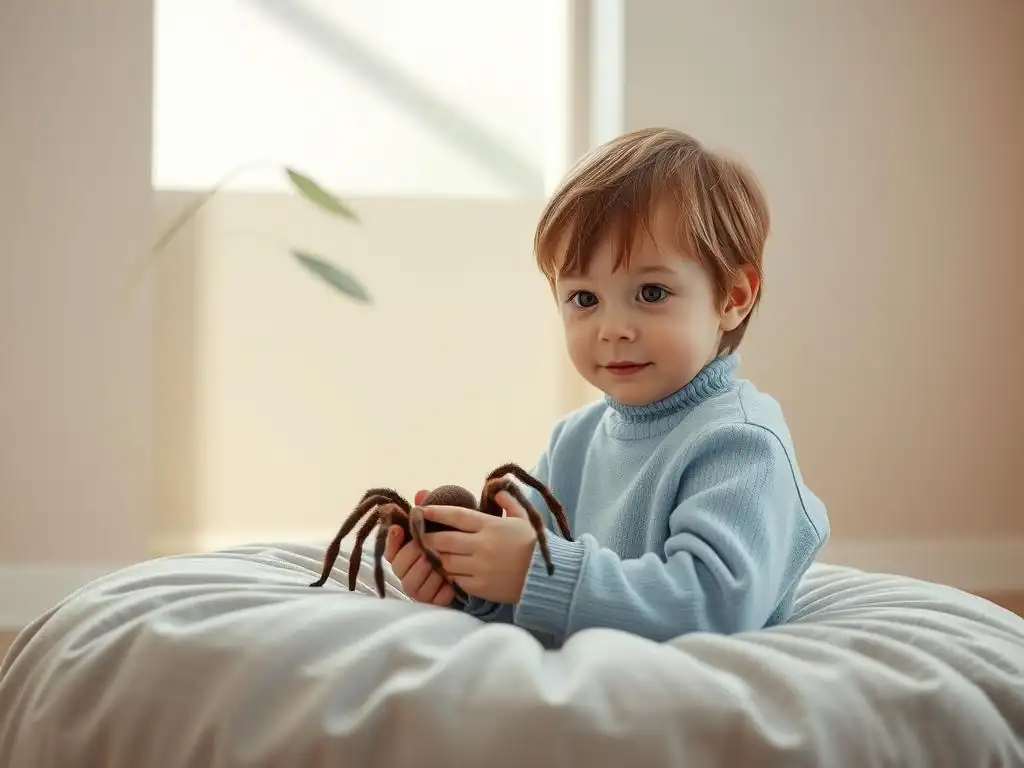
Recognizing Physical Symptoms of Phobias in Children
Children experiencing specific phobias often exhibit noticeable physical symptoms when confronted with the feared object or situation, or even when anticipating it. These are part of the body's "fight or flight" response, triggered by the perceived threat. Recognizing these physical cues is crucial for parents and caregivers to identify that a child's distress is related to anxiety and a potential phobia, rather than defiance or misbehavior. Common symptoms can range in intensity depending on the child and the severity of the phobia.
These physical signs might include a rapid heartbeat, shortness of breath, trembling or shaking, sweating, dizziness or lightheadedness, nausea or stomachaches, and muscle tension. For example, a child with a fear of heights might complain of a "wobbly" feeling in their legs or a "fluttering" in their chest when near a high place.
A child with a fear of needles might feel faint or nauseous at the doctor's office. Observing these consistent physical reactions in specific situations is a strong indicator that you are dealing with a specific phobia and that strategies are needed to help kids conquer specific phobias causing these symptoms.
Understanding Behavioral Signs of Phobias in Children
Beyond physical symptoms, children with specific phobias display characteristic behavioral patterns, primarily focused on avoidance. Avoidance is the hallmark of a phobia, as the child learns that avoiding the feared stimulus temporarily reduces anxiety, reinforcing the avoidance behavior. These behaviors can be overt, like running away or hiding, or more subtle, like making excuses to avoid certain places or activities. Recognizing these behavioral cues is just as important as noting physical symptoms when trying to help kids conquer specific phobias.
Common behavioral signs include refusing to go to certain places (e.g., parks with dogs, rooms with spiders, doctor's offices), crying or screaming intensely when faced with the fear, clinging to parents or caregivers, and tantrums or meltdowns specifically tied to encountering or anticipating the phobic stimulus. A child with a fear of water might resist bath time or refuse to go near swimming pools, even on hot days. These avoidance behaviors, while providing temporary relief, ultimately limit the child's experiences and reinforce the phobia over time, making intervention essential.
Differentiating Normal Childhood Fears from Phobias
It's important to distinguish between normal developmental fears and clinical phobias. Many fears are common and temporary parts of growing up. For instance, toddlers often fear separation, preschoolers might fear the dark or imaginary monsters, and older children might fear storms or certain animals. These fears usually wax and wane, are age-appropriate, and typically don't cause significant, long-lasting distress or interfere severely with daily life. They are a natural part of a child learning about the world and developing coping skills.
A specific phobia, however, is characterized by its intensity, persistence (typically 6 months or more), and the significant impairment it causes. The fear is disproportionate to the actual threat and leads to substantial avoidance that impacts the child's functioning.
For example, a normal fear of dogs might mean a child is cautious around unfamiliar dogs; a phobia means they cannot be in the same park as a dog or might refuse to leave the house if they think they could encounter one. If a child's fear is causing them significant distress, limiting their activities, and isn't resolving on its own, it's likely more than a normal fear and warrants exploring ways to help kids conquer specific phobias.
Helping Children Overcome Phobias: Effective Strategies
Creating a Supportive Environment for Kids Facing Fears
Providing a supportive and understanding environment is foundational when helping kids conquer specific phobias. This involves validating their feelings without enabling avoidance. Let your child know that it's okay to feel scared, but emphasize that you believe in their ability to be brave and manage their fear. Avoid dismissing their fear ("Don't be silly, there's nothing to be scared of") or forcing them into situations without preparation, as this can increase anxiety and erode trust. Instead, offer comfort and reassurance while gently encouraging them to face their fear in small, manageable steps.
A supportive environment also means maintaining a calm and patient demeanor yourself. Children often mirror their parents' reactions. If you appear anxious or overly concerned about their phobia, it can inadvertently reinforce their fear. Celebrate small victories and progress, no matter how minor they seem. This positive reinforcement encourages continued effort. Creating a predictable routine and ensuring adequate sleep and healthy nutrition can also help manage overall anxiety levels, making it easier for kids conquer specific phobias.
Cognitive Behavioral Therapy (CBT) for Childhood Phobias: A Powerful Tool
Cognitive Behavioral Therapy (CBT) is widely recognized as the gold standard for treating specific phobias in children and adolescents. This therapeutic approach focuses on identifying and challenging negative thought patterns and gradually changing behavioral responses to the feared stimulus. CBT helps children understand the connection between their thoughts, feelings, and behaviors related to their phobia. It equips them with practical tools to manage their anxiety and confront their fears in a structured way.
CBT for phobias often involves psychoeducation about anxiety and phobias, learning relaxation techniques, cognitive restructuring (identifying and changing irrational thoughts), and exposure therapy (gradually facing the feared situation). Studies have consistently shown that CBT is highly effective in reducing specific phobia symptoms in children, often with significant improvements seen within a relatively short number of sessions, sometimes as few as 8-12 weekly sessions depending on the child and the phobia's severity. This evidence-based approach provides children with the skills they need to actively help kids conquer specific phobias and regain control over their lives.
How CBT Helps Children Manage Phobias
CBT helps children manage phobias by teaching them to identify and challenge the distorted or catastrophic thoughts associated with their fear. For example, a child with a dog phobia might think, "Every dog is dangerous and will bite me." A CBT therapist helps the child examine evidence for and against this thought and replace it with a more realistic thought, such as "Most dogs are friendly, and I can stay a safe distance away." This cognitive restructuring reduces the intensity of the fear response.
In addition to changing thoughts, CBT incorporates behavioral strategies, most notably exposure therapy. By gradually and safely facing the feared object or situation, the child learns that their predicted negative outcome (e.g., being bitten, fainting, being trapped) does not occur, or that they can cope with the anxiety they experience. This process, often combined with relaxation techniques learned in therapy, helps the child's brain "unlearn" the fear response. Ultimately, CBT empowers kids conquer specific phobias by giving them the tools to manage anxious thoughts and behaviors independently.
Finding a Qualified CBT Therapist for Your Child
Finding a therapist who specializes in child and adolescent anxiety and has experience treating specific phobias using CBT is crucial. Not all therapists are trained in this specific modality, and working with children requires specialized skills and approaches. You can start by asking for recommendations from your pediatrician, school counselor, or local mental health organizations. Online directories of mental health professionals often allow filtering by specialization, such as "child anxiety" or "CBT."
When contacting potential therapists, ask about their experience treating specific phobias in children, their approach to CBT, and their typical treatment duration for phobias. A qualified therapist will involve parents or caregivers in the treatment process, providing guidance on how to support the child's progress at home. The cost of therapy can vary, so inquire about fees, insurance coverage, and sliding scale options. Investing in therapy with a qualified professional is a significant step in helping kids conquer specific phobias effectively.
Exposure Therapy for Kids: Gradually Facing Fears
Exposure therapy is a core component of CBT for specific phobias and is highly effective on its own. It involves systematically and gradually exposing the child to the feared object or situation in a controlled and safe environment. The underlying principle is that by repeatedly facing the fear without encountering actual danger, the child's anxiety response diminishes over time through a process called habituation. This helps the child learn that they can tolerate the anxiety and that the feared outcome is unlikely.
Exposure therapy is not about forcing a child into a terrifying situation. Instead, it's a carefully planned, step-by-step process, often referred to as creating a "fear hierarchy" or "fear ladder." The child starts with the least frightening step on the ladder and gradually progresses to more challenging steps as their anxiety decreases. This systematic approach ensures the child feels a sense of control and builds confidence with each successful step, making it a powerful method to help kids conquer specific phobias.
How Exposure Therapy Works: A Step-by-Step Approach
The first step in exposure therapy is creating a fear hierarchy with the child and therapist. This is a list of situations related to the phobia, ranked from least to most frightening. For a child with a spider phobia, the hierarchy might start with looking at a cartoon spider, then a realistic drawing, then a photo, watching a video, seeing a real spider in a sealed container across the room, moving closer, and eventually touching a non-venomous spider under supervision.
Once the hierarchy is established, the child starts with the easiest step. They remain in the situation until their anxiety significantly decreases (habituation occurs). Only then do they move to the next step. This process is repeated for each item on the hierarchy. Throughout the process, the therapist provides support, teaches coping skills like deep breathing, and helps the child challenge irrational thoughts. This systematic desensitization is key to helping kids conquer specific phobias by gradually breaking the link between the feared stimulus and the panic response.
Making Exposure Therapy Fun and Engaging for Children
While exposure therapy can sound daunting, therapists specializing in children use creative ways to make it more engaging and less intimidating. This often involves incorporating play, games, and rewards into the process. For example, facing a fear of heights might involve climbing steps on a playground, pretending to be a mountain climber, and earning stickers for reaching higher levels. For an animal phobia, exposure might involve reading books about the animal, watching friendly animal videos, or playing with stuffed animals before interacting with a real one.
Using rewards and positive reinforcement is also highly effective. Children can earn points or small rewards for completing steps on their fear hierarchy. Making the therapy feel like a game or a challenge they can master helps motivate the child and reduces resistance. Therapists might also use imagination, having the child vividly imagine facing their fear before doing it in reality. By making the process interactive and child-centered, exposure therapy becomes a powerful and even enjoyable way to help kids conquer specific phobias.
Relaxation Techniques for Children with Phobias: Calming Strategies
Teaching children relaxation techniques provides them with immediate tools to manage the physical symptoms of anxiety when facing their phobia or anticipating a feared situation. These techniques help activate the body's relaxation response, counteracting the "fight or flight" adrenaline surge. Learning these skills gives children a sense of control over their physical reactions, which can be empowering. They can use these strategies before or during exposure to their fear or in any situation where they feel anxious.
Common relaxation techniques taught to children include deep breathing exercises, progressive muscle relaxation, and visualization. These techniques are relatively easy to learn and can be practiced regularly to build proficiency. Integrating relaxation into their daily routine, even when not feeling anxious, can enhance their ability to use these skills effectively when needed. Equipping kids conquer specific phobias involves not just facing the fear but also having the tools to manage the accompanying physical discomfort.
Deep Breathing Exercises for Anxiety Relief
Deep breathing is a simple yet highly effective technique for calming the nervous system. Teaching children to breathe deeply helps slow their heart rate and reduce physical tension. A common method is "belly breathing" or "diaphragmatic breathing," where the child learns to breathe into their belly rather than just their chest. You can teach this by having them lie down and place a small stuffed animal on their belly, instructing them to make the animal rise and fall with their breath.
Another engaging way to teach deep breathing is using visual cues, like "bubble breathing" (imagining blowing bubbles and taking slow, deep breaths) or "flower breath, candle breath" (smelling a flower slowly, then blowing out a candle slowly). Practicing these techniques regularly, even for a few minutes each day, helps children recall and use them automatically when feeling anxious. Mastering deep breathing is a fundamental skill for any child working to help kids conquer specific phobias.
Progressive Muscle Relaxation for Children
Progressive muscle relaxation involves teaching children to tense and then release different muscle groups in their body. This helps them become aware of physical tension and learn how to release it, promoting overall relaxation. For children, this can be taught through playful imagery, like pretending to be a stiff robot (tensing muscles) and then turning into a floppy rag doll (releasing tension).
You can guide them through tensing and releasing specific areas: scrunching up their face like a prune, tightening their fists like squeezing lemons, stiffening their legs like standing in cement, and then letting all the tension go. Practicing this technique helps children recognize the physical signs of anxiety (muscle tension) and actively work to reduce them. It's a practical tool that empowers kids conquer specific phobias by giving them a physical way to combat the stress response.
Visualization Techniques for Overcoming Fear
Visualization involves guiding a child to create calming mental images or scenarios. This technique helps shift their focus away from the feared object or situation and towards a peaceful and safe place in their imagination. It can be used as a coping mechanism when anticipating or encountering a phobia trigger. For example, a child afraid of storms might imagine being in a cozy, soundproof fort while the storm rages outside.
You can guide the child to imagine a "safe place," such as a favorite beach, a magical garden, or a comfortable bedroom. Encourage them to use all their senses in the visualization: what they see, hear, smell, feel, and even taste in their peaceful place. Regular practice can make this technique more effective. Visualization provides a mental escape and a way to cultivate feelings of calm, supporting children as they learn to help kids conquer specific phobias.
Parental Support: Your Role in Helping Your Child Conquer Their Phobia
Communicating with Your Child About Their Fears: Open and Honest Dialogue
Open and honest communication is paramount when supporting a child with a specific phobia. Create a safe space where your child feels comfortable talking about their fears without judgment. Listen actively and validate their feelings by saying things like, "I understand that dogs feel very scary to you right now," rather than minimizing their experience. Use age-appropriate language to explain what anxiety and phobias are, perhaps comparing the fear response to a false alarm system in the body.
Discuss the phobia openly but avoid dwelling on it excessively, which could inadvertently increase their focus on the fear. Instead, focus on problem-solving and building bravery. Work with your child to develop strategies for facing their fear, involving them in creating a fear hierarchy or choosing relaxation techniques. This collaborative approach empowers the child and strengthens your bond, making them feel supported as they take brave steps to help kids conquer specific phobias.
Avoiding Reinforcement of Phobias: What Not To Do
While it's natural to want to protect your child from distress, excessively accommodating their phobia can actually reinforce it. Repeatedly allowing your child to avoid the feared object or situation teaches them that the danger is real and that avoidance is the only way to feel safe. This creates a cycle where the phobia becomes more entrenched over time. While gradual exposure is necessary, complete avoidance is counterproductive to helping kids conquer specific phobias.
Avoid criticizing or shaming your child for their fear. Fear is not a choice, and negative reactions from parents can increase anxiety and reduce the likelihood that the child will try to face their fear. Also, try not to show excessive anxiety yourself when your child is exposed to their phobia trigger, as this can signal to the child that the situation is indeed dangerous. Your calm and confident demeanor is reassuring. The goal is to support brave behavior, not to eliminate all discomfort instantly.
Modeling Courage and Resilience: Showing Your Child How to Face Fears
Children learn a great deal by observing their parents. Modeling courageous and resilient behavior in the face of your own challenges, including any fears or anxieties you might have, is a powerful way to teach your child how to cope. This doesn't mean you have to be fearless, but rather showing healthy ways to manage fear and discomfort. For instance, if you have a mild fear of heights, you might talk about feeling a little nervous but demonstrate how you use deep breaths to manage it while climbing stairs or standing on a balcony.
Share stories (age-appropriately) about times you faced something difficult or scary and how you coped. Emphasize that feeling scared is normal, but it doesn't have to stop you from doing things. When your child is working on their exposure hierarchy, your calm presence and encouragement are vital. You can participate in the lower steps of the hierarchy with them, demonstrating bravery and making it a shared effort. Your example is a critical component in helping kids conquer specific phobias.
Resources for Parents and Children Dealing with Phobias
Books and Websites About Childhood Phobias
Accessing reliable information is crucial for parents and children navigating specific phobias. Numerous books are available that explain anxiety and phobias to children in an understandable and relatable way, often using metaphors and simple language. These books can help children feel less alone in their struggles and provide basic coping strategies. Examples might include workbooks that guide children through identifying their fears and practicing coping skills.
For parents, websites from reputable mental health organizations (like the Anxiety & Depression Association of America or the Child Mind Institute) offer valuable information on understanding, identifying, and treating childhood anxiety and phobias. They often provide articles, guides, and resources for finding professional help. While specific titles or links cannot be provided here, searching for "children's books on anxiety" or "parent guide childhood phobias" on reputable platforms can yield helpful resources tailored to helping kids conquer specific phobias.
Support Groups for Parents of Children with Anxiety
Connecting with other parents who are supporting children with anxiety or phobias can provide immense emotional support and practical advice. Support groups offer a space to share experiences, challenges, and successes in a non-judgmental environment. Hearing from others facing similar struggles can reduce feelings of isolation and provide new perspectives on coping strategies and treatment options.
These groups may be found through local mental health clinics, community centers, or online platforms. While specific groups cannot be listed, searching for "parent support groups anxiety children" in your area or online can help you find relevant connections. Sharing the journey with other parents can be incredibly validating and empowering as you work together to help kids conquer specific phobias in your families.
When to Seek Professional Help for Your Child's Phobia
Determining when a fear warrants professional intervention is a key decision for parents. While many childhood fears resolve on their own, a specific phobia typically requires targeted treatment. You should consider seeking professional help if your child's fear is persistent (lasting six months or longer), causes significant distress, leads to substantial avoidance that interferes with daily life (school, social activities, family outings), or if you feel unable to manage the fear effectively on your own.
A pediatrician is often a good starting point; they can rule out any underlying medical conditions and provide a referral to a mental health professional specializing in child anxiety, such as a child psychologist, therapist, or counselor. Early intervention with evidence-based treatments like CBT and exposure therapy is associated with the best outcomes and can significantly help kids conquer specific phobias before they become more debilitating in adolescence or adulthood. Don't hesitate to seek help if you're concerned about the impact of your child's fear.
Long-Term Management of Childhood Phobias: Building Resilience
Teaching Coping Skills for Managing Anxiety in the Future
Overcoming a specific phobia is a significant achievement, but the skills learned during therapy and the process of facing fears are valuable tools for managing anxiety throughout life. Teaching children a repertoire of coping skills helps them build resilience and confidence in their ability to handle future challenges, whether they are related to their phobia or other stressful situations. These skills become part of their emotional toolkit.
Reinforce the relaxation techniques (deep breathing, muscle relaxation, visualization) and cognitive strategies (identifying and challenging negative thoughts) they learned. Encourage them to practice these skills regularly, not just when they feel anxious. Discuss healthy lifestyle habits like regular exercise, sufficient sleep (aiming for 9-12 hours for school-aged children), and balanced nutrition, as these significantly impact anxiety levels. Empowering kids conquer specific phobias is also about equipping them for future emotional well-being.
Promoting a Positive Self-Image and Confidence
Successfully facing and overcoming a phobia significantly boosts a child's self-esteem and confidence. They learn that they are capable of confronting challenges and managing difficult emotions. Parents play a crucial role in reinforcing this positive self-image. Acknowledge and praise their efforts and bravery throughout the process, focusing on their courage in facing the fear rather than just the outcome.
Encourage your child's interests and talents outside of the phobia. Participating in activities they enjoy and excel at helps build confidence in other areas of their life, contributing to a stronger overall sense of self-worth. Remind them of past successes, both big and small, in overcoming difficulties. This reinforces the message that they are capable and resilient, further supporting their ability to help kids conquer specific phobias and other life challenges.
Celebrating Successes: Acknowledging Your Child's Progress
Celebrating milestones and successes, no matter how small, is essential for maintaining motivation and reinforcing positive behavior when helping kids conquer specific phobias. Did your child manage to look at a picture of a dog without crying? Did they stay in an elevator for one floor? Did they touch a spider web (part of a spider phobia hierarchy)? These are significant steps that deserve recognition.
Celebrations don't need to be elaborate; a simple verbal praise, a high-five, earning a small reward from a pre-agreed-upon reward system, or a special activity together can be very effective. Focusing on progress, not perfection, is key. Acknowledging their effort and bravery reinforces the desired behavior and motivates them to continue working towards their goals. This positive reinforcement is a powerful tool in the journey to help kids conquer specific phobias and build lasting resilience.
Conclusion: Empowering Kids to Conquer Specific Phobias and Live Fearlessly
Frequently Asked Questions
What are specific phobias in children and how do they differ from typical childhood fears?
Specific phobias are intense, irrational fears of specific objects or situations, leading to significant distress or avoidance. They differ from typical childhood fears in their intensity, persistence, and impact on daily life.
How can parents identify if their child's fear is a normal phase or a developing phobia?
Look for signs like avoidance behaviors, extreme anxiety disproportionate to the situation, and interference with daily activities. If the fear persists for six months or more and causes significant impairment, it may be a phobia.
What are some effective strategies for helping kids conquer specific phobias?
Exposure therapy, where children gradually confront their fears in a safe environment, is highly effective. Other strategies include cognitive behavioral therapy (CBT) and relaxation techniques to manage anxiety.
When should a parent seek professional help for their child's specific phobia?
If the phobia significantly impacts the child's life, despite parental efforts, and causes severe distress, seeking professional help from a therapist or psychologist is recommended. Early intervention is key.
What resources are available for families seeking support in helping their children overcome specific phobias?
Resources include mental health professionals specializing in child anxiety, support groups for parents and children, and online resources like the Mind Care Guide offering information and coping strategies.
Final Reflection: Embracing Courage, One Fear at a Time
The journey to conquering specific phobias in children is not a sprint, but a marathon of understanding, patience, and unwavering support. The strategies outlined in this article – from cognitive behavioral therapy techniques to the power of gradual exposure – are not just theoretical; they represent a vital toolkit for parents, educators, and therapists navigating the often-challenging landscape of childhood anxieties. These tools offer a pathway towards empowering children to face their fears and build resilience, skills that extend far beyond the specific phobia itself.
The impact of childhood phobias extends far beyond the immediate fear response; they can shape a child's self-perception, social interactions, and overall well-being. Untreated, these fears can cast long shadows, affecting academic performance, social development, and even future opportunities. The greatest glory in living lies not in never falling, but in rising every time we fall.
– Nelson Mandela. This quote encapsulates the essence of overcoming phobias: it's about the process of resilience, the repeated effort to confront fear and emerge stronger. This journey is not just about eliminating the phobia, but about fostering a child's inherent capacity for courage and self-belief.
Now, consider your own experiences with fear, both as a child and as an adult. What strategies have you used to overcome challenges? How can you apply the principles discussed in this article to support a child in your life who is struggling with a specific phobia?
Take a moment to reflect on the power of empathy, patience, and consistent encouragement. Remember, every small step forward is a victory, and with the right support, every child can learn to navigate their fears and embrace a life filled with courage and confidence. Let's work together to create a world where children feel empowered to face their fears and thrive.
Unlock Your Child's Courage: Take the Next Step
Thanks for joining us on this journey to understand and overcome childhood phobias! You've gained valuable insights into helping your little one face their fears. Now, let's turn those insights into action.
- Prioritize one specific fear: Choose one phobia to tackle first, focusing your efforts for maximum impact. Create a small, achievable goal related to this fear.
- Develop a personalized reward system:Celebrate each small victory, no matter how tiny, with a special reward chosen together. This positive reinforcement is key!
- Share your experience: Connect with other parents in our online forum (link to forum if available – otherwise remove this bullet point) and share your triumphs and challenges. Your journey can inspire others!
What small step will you and your child take today to conquer a specific fear?