
The Importance of Routine: Creating Stability to Ease Senior Anxiety

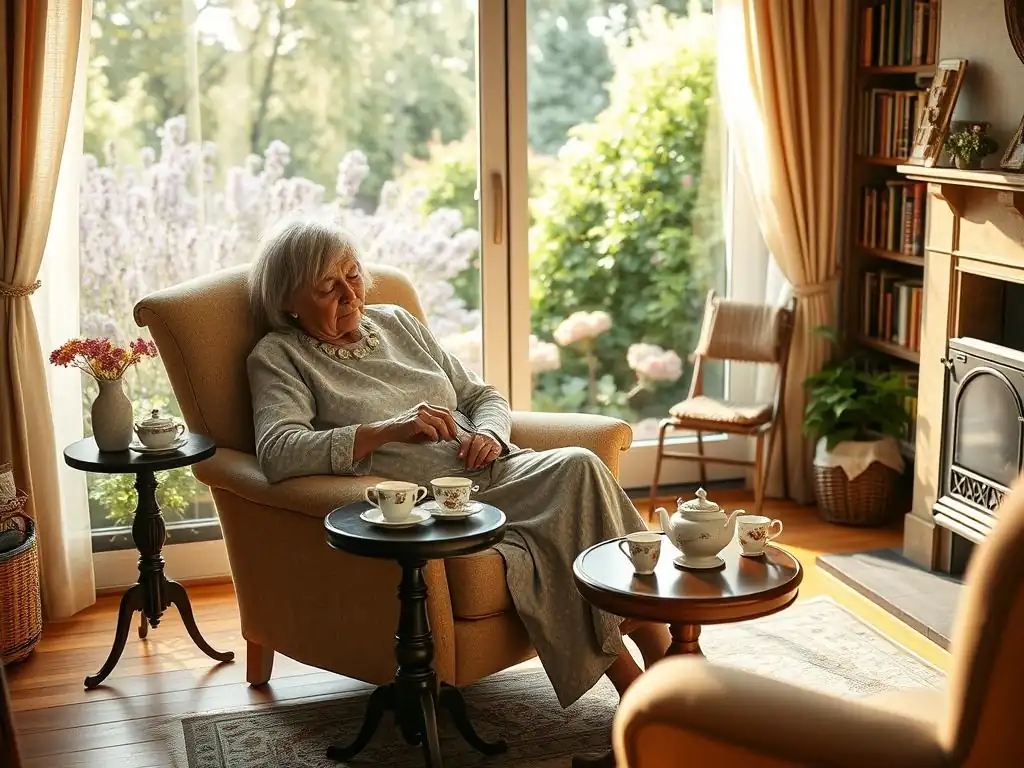
Welcome to Mind Care Guide, your compassionate companion on the journey to mental well-being. Are you searching for ways to navigate the complexities of anxiety, especially for our cherished seniors? You're not alone. Perhaps you've wondered, " Can a simple daily structure really make a difference?" Dive into our exploration of how a carefully crafted routine reduces senior anxiety, offering practical strategies and heartfelt support to create a sense of calm and control. Discover the power of predictability and unlock a pathway to greater peace of mind.
The Importance of Routine: Creating Stability to Ease Senior Anxiety
- Understanding Senior Anxiety and the Power of Routine
- Establishing a Daily Routine for Anxiety Relief in Seniors
- Elements of a Successful Routine for Seniors with Anxiety
- Overcoming Challenges in Maintaining a Routine
- The Role of Caregivers in Supporting Senior Routines
- Advanced Strategies for Managing Anxiety Through Routine
- When to Seek Professional Help for Senior Anxiety
- Long-Term Benefits of Routine for Senior Mental Health
- Conclusion: Empowering Seniors Through the Structure of Routine
-
Frequently Asked Questions
- What is the primary benefit of establishing a routine for seniors experiencing anxiety?
- How does routine specifically help with senior anxiety related to memory loss or cognitive decline?
- What are some simple examples of routines that can be implemented to ease senior anxiety?
- If a senior resists establishing a routine, what are some gentle approaches to encourage them?
- How can family members and caregivers best support a senior in maintaining their routine and reducing anxiety?
- Final Reflection: The Enduring Power of Routine in Senior Wellness
- Unlock Your Inner Calm: Start Building a Routine Today!
Understanding Senior Anxiety and the Power of Routine
Defining Anxiety in Older Adults: A Unique Perspective
Anxiety is a natural human emotion, but for older adults, it can manifest with unique challenges and triggers. Unlike general worry, clinical anxiety in seniors is persistent, excessive, and often interferes with daily functioning. It's estimated that a significant percentage of older adults experience symptoms of anxiety, ranging from mild to severe, though it is often underdiagnosed or mistaken for other conditions. Common anxieties can revolve around health concerns, fear of falling, financial instability, loss of loved ones, and changes in cognitive function. These fears are often grounded in real-life changes and vulnerabilities, making them particularly difficult to dismiss.
The presentation of anxiety in seniors can also differ. Instead of expressing explicit worry, they might exhibit more physical symptoms such as increased heart rate, shortness of breath, headaches, or gastrointestinal issues. Behavioral changes like increased irritability, restlessness, difficulty concentrating, or withdrawal from social activities are also common indicators. Recognizing these less obvious signs is crucial because the underlying causes of anxiety in this age group are deeply intertwined with the transitions and challenges inherent in aging, making a stable and predictable environment particularly beneficial.
The Link Between Lack of Structure and Increased Anxiety in Seniors
A lack of structure or predictability in daily life can significantly exacerbate anxiety in older adults. When days feel formless and uncertain, seniors may experience a heightened sense of vulnerability and a loss of control. This absence of anchors can lead to excessive rumination, where the mind fixates on worries without the distraction or purpose that a structured day provides. Imagine a senior facing multiple appointments in a week without a clear schedule; the uncertainty of timing, transportation, and energy levels for each event can become a constant source of stress.
Furthermore, unstructured time can lead to feelings of boredom, isolation, and purposelessness, all of which are known contributors to anxiety and depression. Without routine activities to look forward to or tasks to complete, the days can feel long and empty, leaving ample mental space for worries to grow. This lack of predictability makes it harder for seniors to feel secure and prepared, magnifying their existing anxieties about health, safety, or the future. Providing a predictable framework through routine counteracts this by creating a sense of order and reducing the cognitive load associated with constant uncertainty.
Why Routine Reduces Senior Anxiety: Key Benefits Explained
Implementing a consistent routine reduces senior anxiety by providing a sense of predictability and control. Knowing what to expect each day minimizes surprises and reduces the mental energy spent anticipating potential problems. This predictability creates a stable foundation upon which seniors can build their days, fostering a feeling of security that directly counteracts the uncertainty fueling anxiety. For example, a senior who knows their meals are at specific times and their social call happens every afternoon is less likely to worry about feeling hungry or isolated.
Beyond predictability, routine offers several key benefits that directly address the roots of senior anxiety. It helps regulate sleep patterns, which are often disrupted in older age and significantly impact mood and anxiety levels. Routine also encourages regular physical activity and social engagement, both proven methods for reducing stress hormones and boosting mood through the release of endorphins and the prevention of isolation.
A structured day provides opportunities for accomplishment, no matter how small, fostering a sense of purpose and competence that helps seniors feel more capable and less overwhelmed by their anxieties. This is how routine reduces senior anxiety, by building a framework of stability and positive engagement.
Establishing a Daily Routine for Anxiety Relief in Seniors
Start Small: Gradual Integration of Routine Activities
Establishing a new routine for anxiety relief in seniors doesn't require an overnight transformation; a gradual approach is often more successful and less overwhelming. Begin by identifying just one or two activities that can be scheduled consistently each day. This might be setting a fixed wake-up time, scheduling breakfast for the same time daily, or planning a short, predictable activity like reading the morning paper or doing a simple crossword puzzle after breakfast. The key is to choose activities that are manageable and likely to be accepted.
Once these initial anchors are firmly in place and feel comfortable, new elements can be slowly introduced. Perhaps add a consistent time for a short walk, a specific time for a daily phone call with a family member, or a quiet period for relaxation in the afternoon. Adding elements incrementally allows the senior to adjust without feeling pressured or like their entire life is being restructured. Celebrating small successes, like consistently waking up at the new time for a week, can also provide positive reinforcement and encourage continued adherence.
Sample Daily Routine for Seniors with Anxiety: A Practical Guide
Creating a sample routine can provide a tangible starting point for seniors and their caregivers looking to implement structure. A potential daily structure might look something like this:
- 8:00 AM: Wake up and get ready.
- 8:30 AM: Breakfast at the kitchen table.
- 9:30 AM: Morning activity (e.g., gentle stretches, reading, puzzle).
- 11:00 AM: Planned social interaction (phone call, visitor, group activity if possible).
- 12:30 PM: Lunch.
- 1:30 PM: Quiet time/Rest (reading, listening to music, short nap if needed).
- 3:00 PM: Afternoon activity (e.g., short walk, hobby, errands).
- 5:00 PM: Prepare for dinner, light tidying.
- 6:00 PM: Dinner.
- 7:30 PM: Evening relaxation (TV, cards, talking).
- 9:00 PM: Wind-down routine (prepare for bed, hygiene).
- 9:30 PM: Bedtime.
This structure incorporates key elements like regular meals, activity, social engagement, and rest, providing predictable anchors throughout the day. It's a template to be adapted, but it illustrates how a day can be organized to reduce idle time that might otherwise be filled with worry.
Adapting the Routine to Individual Needs and Preferences
A successful routine is not a rigid schedule imposed upon a senior, but a flexible framework tailored to their specific needs, preferences, and physical capabilities. It's crucial to involve the senior in the planning process as much as possible, giving them ownership and a sense of control over their day. Discuss what times of day they feel most energetic, what activities they genuinely enjoy, and what feels manageable given any health limitations.
For instance, a senior with mobility issues might replace a walk with chair exercises or a gardening activity they can do seated. Someone who is a night owl might have later wake-up and bedtimes. The routine should also build in flexibility for appointments, social invitations, or simply days when they don't feel their best. The goal is to create a predictable rhythm, not an unchangeable timetable. Regularly reviewing the routine and making adjustments ensures it remains supportive and sustainable, truly allowing routine reduces senior anxiety in a personalized way.
Elements of a Successful Routine for Seniors with Anxiety
Regular Meal Times: Nourishing Body and Mind
Consistent meal times serve as vital anchors in a senior's day, providing not only physical nourishment but also a predictable structure that benefits mental health. Eating regular meals helps maintain stable blood sugar levels, preventing dips that can lead to irritability, fatigue, and symptoms that might mimic or exacerbate anxiety, such as shakiness or nervousness. Planning for three balanced meals and perhaps a snack at roughly the same times each day gives a sense of order and ensures the senior is receiving adequate nutrition, which is essential for overall brain function and mood regulation.
Beyond the physiological benefits, meal times often serve as opportunities for social interaction, whether eating with a caregiver, family member, or at a communal dining setting. These planned interactions combat feelings of loneliness and isolation, significant contributors to anxiety in older adults. Knowing that a warm meal and perhaps pleasant company await at specific times provides something positive to anticipate, breaking up the day and reducing the likelihood of skipping meals due to lack of motivation or structure.
Consistent Sleep Schedule: Promoting Restful Sleep
A consistent sleep schedule is perhaps one of the most critical elements of a routine aimed at reducing senior anxiety. Sleep and anxiety have a bidirectional relationship: anxiety makes it harder to sleep, and lack of sleep worsens anxiety. As people age, sleep patterns often change, making it more challenging to get restful sleep. Establishing a regular bedtime and wake-up time, even on weekends, helps regulate the body's internal clock, or circadian rhythm, making it easier to fall asleep and stay asleep.
Implementing good sleep hygiene within the routine further supports restful sleep. This includes ensuring the bedroom is dark, quiet, and cool, avoiding caffeine and heavy meals close to bedtime, and limiting screen time in the hour before sleep. While seniors may require less sleep than younger adults, aiming for a consistent 7-9 hours, as generally recommended, can significantly improve mood, cognitive function, and the ability to cope with stress and anxiety throughout the day. A predictable sleep routine provides the restorative rest needed to face the day with greater resilience.
Incorporating Physical Activity: Reducing Stress and Boosting Mood
Regular physical activity is a powerful tool for managing anxiety, and incorporating it into a senior's daily or weekly routine offers substantial benefits. Even moderate exercise releases endorphins, natural mood boosters and stress reducers. It also helps decrease the levels of stress hormones like cortisol and adrenaline. Physical activity provides a healthy outlet for nervous energy and tension, common symptoms of anxiety.
The type and intensity of activity should be tailored to the senior's physical capabilities and health status. This could range from a daily 20-30 minute walk, chair exercises, gentle yoga, swimming, or even active gardening. Scheduling activity at a consistent time makes it more likely to happen and provides another predictable anchor in the day. Aiming for approximately 150 minutes of moderate aerobic activity per week, as general guidelines suggest, broken into manageable daily segments within the routine, can significantly improve not only physical health but also psychological well-being, directly contributing to how routine reduces senior anxiety.

Social isolation is a significant risk factor for anxiety and depression in older adults. Integrating planned social engagement into the routine is vital for maintaining mental well-being. Regular interaction provides emotional support, a sense of belonging, and opportunities for positive experiences that counteract feelings of loneliness and worry.
Social activities don't have to be elaborate. They can include scheduling daily phone or video calls with family or friends, participating in activities at a local senior center, joining a club or group based on interests (like a book club or knitting group), attending religious services, or simply having a caregiver or friend visit for tea at a set time each week. Including these interactions in the routine ensures they happen consistently, providing anticipated moments of connection that break the cycle of isolation and offer valuable emotional resilience against anxiety.
Cognitive Stimulation: Keeping the Mind Sharp and Engaged
Keeping the mind active and engaged is another crucial element to include in a senior's routine for anxiety management. Engaging in mentally stimulating activities helps to prevent excessive focus on worries and provides a sense of purpose and accomplishment. It can also potentially help maintain cognitive function, which is a common source of anxiety for older adults.
Scheduled cognitive activities can include reading, working on puzzles (crosswords, sudokus), playing card games or board games, learning a new skill or language through online courses, or engaging in creative pursuits like writing or painting. Dedicating a specific time each day for these activities ensures they are prioritized. This mental engagement provides positive distraction, fosters a sense of competence, and contributes to overall brain health, complementing the physical and social elements of the routine to provide comprehensive support against anxiety.
Overcoming Challenges in Maintaining a Routine
Addressing Resistance to Change in Older Adults
Introducing a new routine can sometimes meet with resistance from older adults, who may feel it's unnecessary, too rigid, or a loss of their independence. It's important to approach this challenge with empathy and patience. Frame the routine not as a strict set of rules, but as a supportive structure designed to add predictability and ease worry, explaining how routine reduces senior anxiety by providing a stable framework.
Involve the senior in the process of designing the routine, allowing them to choose activities and timings where possible. This fosters a sense of ownership. Start with small, non-threatening changes and gradually build up. Highlight the benefits they might already be experiencing from initial steps, such as better sleep or feeling less rushed in the mornings. Validation of their feelings about change is also crucial; acknowledge that adjusting can be difficult, but emphasize the potential for increased peace of mind and control over their day.
Dealing with Physical Limitations and Health Issues
Physical limitations and chronic health issues are common in older adults and can pose significant challenges to maintaining a consistent routine. Pain, fatigue, or unpredictable health episodes can disrupt planned activities. Flexibility and adaptability are key when these issues arise. The routine should be viewed as a guideline, not an unbreakable contract.
Plan for variability by having alternative, less physically demanding activities available for days when the senior doesn't feel well. For example, if a walk isn't possible, substitute it with seated stretches or listening to an audiobook. It's also important to consult with healthcare providers to ensure the planned activities are appropriate and safe. They can offer advice on managing symptoms that might interfere with the routine and suggest realistic activity levels. Building in rest periods is also vital, acknowledging that seniors may need more downtime throughout the day.
Seeking Support from Caregivers and Family Members
Maintaining a routine is often easier and more sustainable when there is support from caregivers and family members. They can play a crucial role in encouraging adherence, providing assistance where needed, and helping to adapt the routine when challenges arise. Family members can schedule their visits or calls at consistent times, providing reliable social anchors in the routine.
Caregivers can help by providing gentle reminders about scheduled activities, assisting with transportation to appointments or social gatherings, and participating in activities together. Their involvement makes the routine feel less like a solitary chore and more like a shared effort towards well-being. Open communication between the senior, caregivers, and family ensures everyone is aligned and can work together to troubleshoot issues and celebrate successes in maintaining the structure that helps routine reduces senior anxiety.
The Role of Caregivers in Supporting Senior Routines
Encouraging Independence While Providing Assistance
Caregivers play a delicate but crucial role in supporting a senior's routine: balancing necessary assistance with encouraging independence. The goal is for the senior to maintain as much autonomy as possible while benefiting from the structure. This means providing support for the routine rather than taking over the senior's day.
For example, instead of physically guiding a senior to the breakfast table, a caregiver might provide a verbal cue like, "It's almost 8:30, time for breakfast." They can lay out clothes for the day's activities or set up materials for a scheduled hobby without doing the activity for the senior. Offering choices within the routine – "Would you like to read or do a puzzle during your morning activity time?" – also empowers the senior and reinforces their control over their day, making the routine feel less like an imposition and more like a tool they use.
Communicating Effectively About Routine Adjustments
Open and empathetic communication is vital when caregivers are supporting a senior's routine, especially when adjustments are needed. Changes in health, energy levels, or even mood can necessitate modifying the schedule. These conversations should be approached collaboratively, focusing on the senior's feelings and needs.
Caregivers can initiate discussions by observing, "I've noticed that the late afternoon walk seems tiring for you lately. How do you feel about trying a shorter walk, or maybe moving it to earlier in the day?" This approach validates the senior's experience and invites their input. Regularly checking in about how the routine feels – "Is this schedule working well for you?" – helps identify issues before they become major problems. Using clear, simple language and ensuring the senior understands why a routine is beneficial (how routine reduces senior anxiety by providing stability) helps gain their cooperation and trust.
Recognizing and Addressing Signs of Increased Anxiety
Caregivers are often the first to notice subtle signs that a senior's anxiety may be increasing, even when a routine is in place. These signs might include increased restlessness, difficulty sitting still, heightened irritability, withdrawal from activities they previously enjoyed, changes in appetite or sleep patterns despite the routine, or expressing excessive worries that are out of proportion to the situation.
Recognizing these signs is the first step. The next is gently addressing them within the context of the routine. Perhaps the routine needs adjustment – is there too much scheduled, or not enough? Is a particular activity causing stress? If the signs of anxiety are persistent, severe, or impacting the senior's quality of life despite the routine, caregivers should facilitate seeking professional help. This might involve contacting the senior's doctor to discuss symptoms or seeking a referral to a mental health professional specializing in geriatrics.
Advanced Strategies for Managing Anxiety Through Routine
Mindfulness and Meditation Techniques Integrated into the Routine
For seniors open to exploring additional coping mechanisms, integrating mindfulness and meditation into the daily routine can significantly enhance anxiety management. These practices teach techniques for staying present and observing thoughts without judgment, reducing the tendency to ruminate on worries about the past or future.
Scheduling short periods, perhaps 5-10 minutes daily, for guided meditation, deep breathing exercises, or even a mindful walk can be beneficial. These activities can be placed at transition points in the day, such as after waking up, before bedtime, or during a quiet afternoon period. Apps and online resources offer guided meditations specifically for seniors or beginners. By consistently practicing mindfulness within the routine, seniors can develop greater emotional regulation skills and find moments of calm amidst potential anxiety triggers.
Using Visual Aids and Reminders to Enhance Adherence
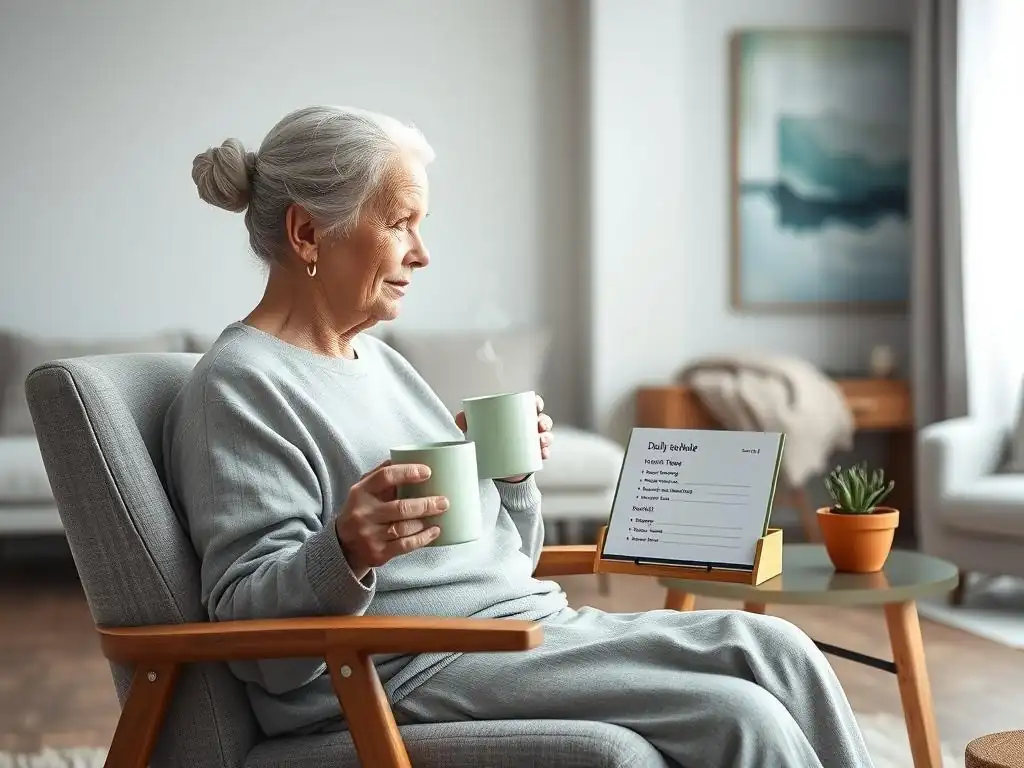
For seniors, particularly those with mild cognitive impairment or memory challenges, visual aids and reminders can be invaluable tools for adhering to a routine. Relying solely on memory can be a source of frustration and anxiety, whereas external cues provide reliable support.
Large-print daily schedules placed in prominent locations (like the refrigerator or bedside table) can serve as a constant reference. Using a large-faced clock or a digital calendar with alerts can help seniors track time and anticipate upcoming activities. Simple visual cues, such as placing walking shoes by the door at the scheduled time for a walk or setting out medication bottles at the correct time, can also serve as effective reminders. These aids reduce the cognitive burden of remembering the schedule, making the routine easier to follow independently and reinforcing the stability that routine reduces senior anxiety.
The Benefits of Pet Therapy and Animal Companionship
The unconditional love and consistent presence of animals can be incredibly therapeutic for seniors experiencing anxiety. Pet therapy, through visits from trained animals, or even owning a pet if feasible, can provide significant emotional benefits and add a natural structure to the day.
Caring for a pet provides built-in routine elements: feeding times, walks, playtime, and grooming all happen on a regular schedule. These responsibilities provide a sense of purpose and predictability. Interacting with animals has been shown to lower blood pressure, reduce stress hormones, and increase the release of oxytocin, a bonding hormone that promotes feelings of calm and well-being. Even if full-time pet ownership isn't possible, scheduled visits from a therapy animal or spending time with a family member's pet can provide similar anxiety-reducing benefits and add positive, predictable interactions to the routine.
When to Seek Professional Help for Senior Anxiety
Recognizing Warning Signs That Require Professional Intervention
While routine and lifestyle adjustments can significantly help manage mild to moderate anxiety, it is crucial to recognize when anxiety symptoms are severe enough to require professional intervention. Warning signs that suggest a need to consult a doctor or mental health professional include persistent, excessive worry that feels uncontrollable and interferes significantly with daily activities for weeks or months.
Other critical signs include experiencing panic attacks (sudden, intense episodes of fear with physical symptoms like racing heart, difficulty breathing, dizziness), severe avoidance of social situations or activities due to fear, significant changes in sleep or appetite that persist despite routine, or expressing feelings of hopelessness or thoughts of self-harm. If anxiety is causing significant distress, impacting physical health, or leading to withdrawal and isolation, it's time to seek expert evaluation.
Finding a Qualified Therapist or Counselor for Older Adults
Finding the right mental health professional is a key step when anxiety requires treatment beyond routine and basic coping strategies. It is often beneficial to seek therapists or counselors who specialize in geriatrics or have experience working with older adults, as they understand the unique challenges and life transitions faced by this age group.
Look for professionals who are familiar with evidence-based therapies like Cognitive Behavioral Therapy (CBT) or Acceptance and Commitment Therapy (ACT), which can be adapted for seniors. The senior's primary care physician can often provide referrals to qualified mental health specialists. It's also important that the senior feels comfortable and has a good rapport with the therapist, as the therapeutic relationship is crucial for successful treatment. Telehealth options can also make therapy more accessible for seniors with mobility issues.
Medication Options for Managing Anxiety in Seniors: A Balanced Approach
Medication can be a part of a comprehensive treatment plan for senior anxiety, particularly when symptoms are severe or not adequately managed by therapy and lifestyle changes like routine. However, medication decisions in older adults require careful consideration due to potential interactions with other medications, age-related changes in metabolism, and increased sensitivity to side effects.
Antidepressants, particularly Selective Serotonin Reuptake Inhibitors (SSRIs), are often considered first-line treatments for anxiety disorders in seniors, typically started at low doses and gradually increased. Benzodiazepines may be prescribed for short-term relief of acute anxiety but are generally used cautiously in older adults due to risks of sedation, cognitive impairment, falls, and dependence. Any decision about medication should be made in close consultation with a physician, preferably one with expertise in geriatric pharmacology, who can weigh the potential benefits against the risks and monitor for adverse effects, ensuring a balanced approach alongside the supportive structure that routine provides.
Long-Term Benefits of Routine for Senior Mental Health
Improved Cognitive Function and Memory
The consistent structure and engagement provided by a daily routine can have positive long-term effects on cognitive function and memory in older adults. Anxiety and stress are known to impair cognitive processes, including memory and concentration. By reducing anxiety and stress levels, routine creates a more favorable mental environment for cognitive health.
Furthermore, a routine often incorporates activities that are inherently stimulating for the brain, such as reading, puzzles, learning, and social interaction. Regularly scheduled engagement in these activities helps keep neural pathways active. While routine is not a cure for cognitive decline, maintaining a structured, engaged lifestyle is associated with better cognitive outcomes and can help seniors feel more mentally sharp and capable, reducing anxiety related to cognitive changes.
Enhanced Overall Quality of Life and Well-being
Ultimately, the long-term benefit of routine for seniors with anxiety is a significantly enhanced overall quality of life and sense of well-being. A predictable day reduces daily stressors and frees up mental and emotional energy. This allows seniors to engage more fully in activities they enjoy and interact more positively with others.
With reduced anxiety, seniors are often more willing to participate in social events, pursue hobbies, and maintain their independence. Better sleep, nutrition, and physical activity resulting from a structured lifestyle contribute to improved physical health, which in turn supports mental well-being. The cumulative effect is a life that feels more stable, manageable, and enjoyable, allowing seniors to live more confidently and peacefully.
Fostering a Sense of Purpose and Control
A consistent routine fosters a vital sense of purpose and control, which are often diminished in older age due to life changes and health issues. Knowing how the day will unfold and having planned activities, even small ones, provides structure and direction. Completing scheduled tasks, whether it's a morning walk or a scheduled call with a grandchild, provides a sense of accomplishment and productivity.
Having control over their schedule, even within the framework of a routine, empowers seniors. They can anticipate their day, manage their energy, and make choices about how they spend their time within the planned structure. This sense of agency counteracts feelings of helplessness that can fuel anxiety, reinforcing that routine reduces senior anxiety not just by providing structure, but by restoring a valuable sense of mastery over one's own life.
Conclusion: Empowering Seniors Through the Structure of Routine
Reaffirming the Importance of Routine in Reducing Anxiety
Establishing and maintaining a consistent daily routine is a powerful, yet often underestimated, strategy for managing anxiety in older adults. The predictability and structure that routine provides serve as a stable anchor in a world that can sometimes feel unpredictable and overwhelming. By incorporating regular times for meals, sleep, physical activity, social engagement, and cognitive stimulation, routine addresses many of the underlying factors that contribute to senior anxiety.
The benefits are multifaceted: routine reduces senior anxiety by minimizing uncertainty, regulating biological rhythms, promoting healthy behaviors, and fostering valuable social connections. It provides a sense of control and purpose, counteracting feelings of helplessness and isolation that can exacerbate worry. While not a standalone solution for severe anxiety, routine serves as a fundamental building block for better mental health, creating a supportive framework within which seniors can thrive.
Encouraging Continued Commitment to a Structured Lifestyle
Empowering seniors to embrace and maintain a structured lifestyle requires patience, flexibility, and support from caregivers and family. It's an ongoing process that may require adjustments over time as needs and circumstances change. Encouraging seniors to participate in the design of their routine fosters ownership and makes it more likely to be sustainable.
By committing to a structured lifestyle, seniors can proactively manage their anxiety and enhance their overall well-being. The stability provided by routine offers a sense of security and predictability that allows them to navigate the challenges of aging with greater confidence and peace of mind. It is an investment in their mental health, enabling them to live fuller, more engaged lives free from the debilitating grip of excessive worry, truly illustrating how routine reduces senior anxiety effectively over the long term.
Frequently Asked Questions
What is the primary benefit of establishing a routine for seniors experiencing anxiety?
A consistent routine provides predictability and structure, which can significantly reduce feelings of uncertainty and anxiety often experienced by seniors. This stability fosters a sense of control and security.
Routine acts as an external memory aid, compensating for memory lapses. By automating daily tasks, it reduces the cognitive burden and minimizes anxiety stemming from forgetting important things.
What are some simple examples of routines that can be implemented to ease senior anxiety?
Simple routines include scheduled mealtimes, regular exercise, and consistent sleep schedules. Incorporating hobbies or social activities at set times also offers predictability and reduces feelings of isolation.
If a senior resists establishing a routine, what are some gentle approaches to encourage them?
Begin with small, manageable changes and involve the senior in the planning process to foster a sense of ownership. Focus on the positive outcomes and benefits of increased stability, rather than imposing strict rules.
How can family members and caregivers best support a senior in maintaining their routine and reducing anxiety?
Family and caregivers can provide consistent reminders and encouragement, ensuring the routine is followed. They can also adapt the routine as needed to accommodate changing needs while maintaining core elements of predictability.
Final Reflection: The Enduring Power of Routine in Senior Wellness
The establishment of consistent daily routines is not merely a suggestion for seniors; it's a vital tool in mitigating anxiety and fostering a sense of security in a life often marked by significant change. Failing to acknowledge the profound impact of routine on mental well-being, particularly in later life, is a disservice to a generation deserving of peace and comfort.
The ripple effect of a well-structured day extends far beyond the immediate reduction of anxiety. It fosters a sense of purpose, combats feelings of isolation, and promotes cognitive health. The days are long, but the years are short.
This adage holds particular weight for seniors, and a structured routine helps them savor each day, making the most of the time they have. The impact on their overall quality of life, and the peace of mind it brings to their loved ones, is immeasurable.
Now, consider your own life, and the role routine plays in your daily experience. Think about how a consistent schedule can bring a sense of calm and control, even amidst life's inevitable uncertainties. Take a moment to reflect on how you can incorporate the principles of mindful routine-building into your own life, or into the lives of the seniors you care about.
Perhaps it's a simple act of establishing a consistent bedtime, or creating a daily schedule that incorporates physical activity and social interaction. Small changes can have a monumental impact on overall well-being. Let's prioritize the power of routine and help create a more peaceful and fulfilling life for ourselves and those around us.
Unlock Your Inner Calm: Start Building a Routine Today!
Thanks for taking the time to explore the importance of routine in managing senior anxiety. We hope you found valuable insights to help you or a loved one find more peace and stability. Now it's time to put that knowledge into action!
- Prioritize one small, manageable change to your daily schedule this week. This could be something as simple as establishing a consistent bedtime or incorporating a short, calming activity like gentle stretching. This is your first step towards a more structured and less anxious day.
- Share this article with a friend or family member who might benefit from learning about the power of routine. Supporting each other is a vital part of maintaining well-being.
- Consider journaling your progress and reflecting on how even small routines impact your mood. This can be a powerful tool for self-discovery and identifying what works best for you.
What small step will you take today to cultivate more calm and stability in your life?