
Finding Resources and Support for Living with Performance Anxiety

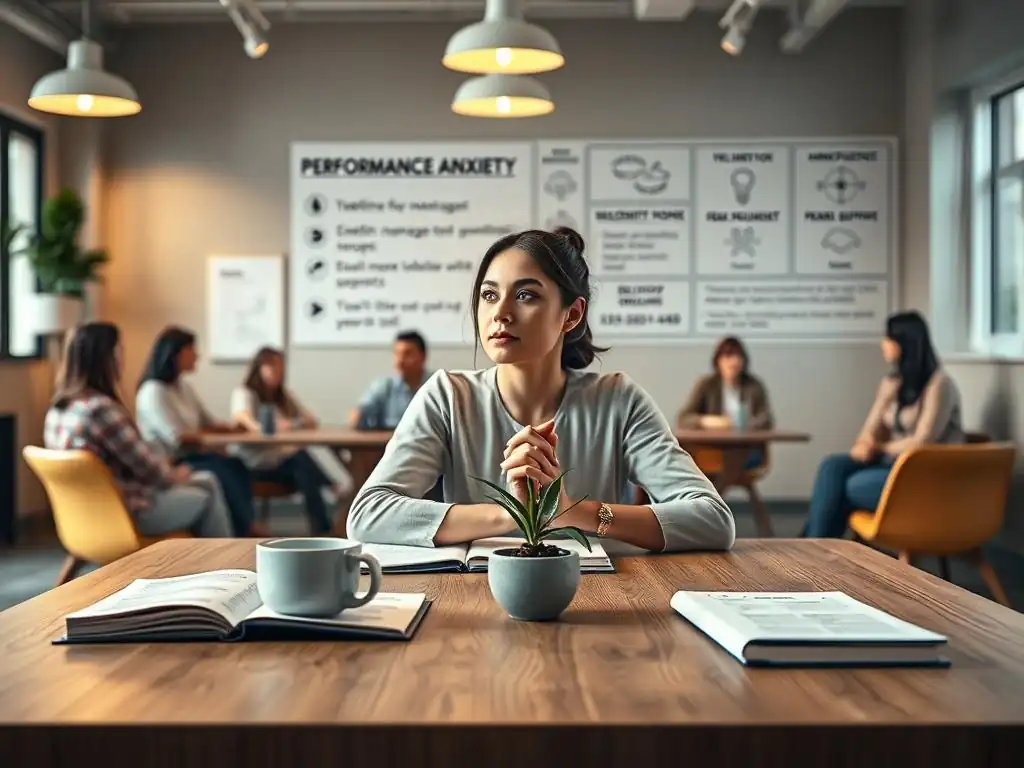
Welcome to Mind Care Guide, a safe space dedicated to your mental well-being.
Feeling overwhelmed by the pressure to perform? You're not alone. Discover a wealth of performance anxiety support resources designed to help you navigate those challenging moments and build lasting confidence. Let's explore together how you can reclaim your peace of mind and thrive. Curious to learn more? Dive in and let's begin.
Finding Resources and Support for Living with Performance Anxiety
- Understanding Performance Anxiety and Its Impact
- Identifying Performance Anxiety Support Resources
- Accessing Affordable Performance Anxiety Support
- Practical Strategies and Coping Mechanisms for Performance Anxiety
- Building a Support Network for Performance Anxiety
- Utilizing Online Resources for Performance Anxiety Relief
- Long-Term Strategies for Managing Performance Anxiety
- Overcoming Stigma and Seeking Help for Performance Anxiety
-
Frequently Asked Questions
- How can I find performance anxiety support resources through Mind Care Guide?
- What types of performance anxiety support resources are typically available?
- Is the information on Mind Care Guide about performance anxiety support resources reliable?
- Can Mind Care Guide help me find performance anxiety support resources specific to my situation?
- What if I need immediate help with performance anxiety support resources?
- Final Reflection: Embracing the Stage, One Step at a Time
- Unlock Your Performance Potential: Take the Next Step
Understanding Performance Anxiety and Its Impact
Defining Performance Anxiety: More Than Just Stage Fright
Performance anxiety is a specific type of anxiety characterized by intense fear, worry, and physical symptoms that arise in anticipation of or during a performance or situation where one is evaluated by others. While often associated with stage fright, it extends far beyond performers. It can manifest in academic settings during exams, in professional environments during presentations or job interviews, or even in social situations like public speaking.
The core fear often revolves around potential failure, judgment, or embarrassment. This isn't merely about feeling nervous; it's a debilitating response that can significantly impair one's ability to perform to their full potential.
The experience of performance anxiety is highly personal, but it typically involves a disproportionate fear response compared to the actual threat posed by the situation. For someone with this condition, the stakes feel incredibly high, and they may fixate on worst-case scenarios. This mental preoccupation can begin days or weeks before the event, consuming thoughts and causing significant distress.
Understanding performance anxiety as a distinct form of anxiety, rather than just shyness or nerves, is the first step toward finding effective support resources and managing its impact. It's a recognized challenge that many people face and successfully navigate with the right help.
The Psychological and Physical Symptoms of Performance Anxiety
The symptoms of performance anxiety are varied and can impact both the mind and body, often simultaneously. Psychologically, individuals may experience intense worry, fear of failure, negative self-talk, difficulty concentrating, irritability, and even memory blanks during the performance itself. They might ruminate extensively on past poor performances or future potential mistakes. This mental burden can be exhausting and erode self-confidence over time.
Physically, the body's "fight or flight" response is activated. Common physical symptoms include a racing heart, rapid breathing or shortness of breath, sweating (palms, forehead, or overall), trembling or shaking (hands, voice, knees), dry mouth, nausea or stomach upset (butterflies, cramps, urge to use the restroom), muscle tension, and dizziness. Some individuals might also experience a flushed face or feel faint. These physical manifestations can be distracting and, in turn, exacerbate the psychological fear, creating a vicious cycle that makes finding performance anxiety support resources crucial.
How Performance Anxiety Affects Different Areas of Life: Professional Presentations, Auditions, Public Speaking
Performance anxiety doesn't just impact artists on a stage; it significantly hinders individuals across various domains where evaluation is present. In the professional world, it can sabotage career advancement. Someone might avoid presenting project updates, leading team meetings, or participating actively in discussions, limiting their visibility and perceived competence. A fear of public speaking, a common manifestation, affects an estimated 75% of the population to some degree, but for those with performance anxiety, it becomes a severe impediment, potentially costing promotions or even jobs.
For students, performance anxiety can undermine academic success during oral presentations, class participation, or even timed tests. Musicians, actors, and dancers face intense pressure during auditions, where a single performance dictates opportunities. An estimated 20-30% of musicians report significant performance anxiety. Even surgeons or athletes can experience "choking" under pressure, where anxiety impairs motor skills or decision-making. The pervasive nature of this anxiety across these diverse scenarios underscores the widespread need for effective performance anxiety support resources.
Identifying Performance Anxiety Support Resources
Recognizing the Need for Professional Help with Performance Anxiety
Acknowledging that performance anxiety is significantly impacting your life is the crucial first step towards seeking help. Many people initially dismiss their symptoms as just "nerves" or a lack of confidence, but when the anxiety becomes debilitating – causing panic attacks, leading to avoidance of important situations, or severely diminishing quality of life or potential – it's a strong indicator that professional intervention is needed. Persistent physical symptoms, constant worry, and the inability to manage the fear through self-help methods are clear signs.
Furthermore, if performance anxiety co-occurs with other mental health conditions like generalized anxiety disorder, social anxiety, or depression, integrated professional support becomes even more vital. A mental health professional can provide a proper diagnosis, understand the underlying causes of the anxiety, and develop a tailored treatment plan. Relying solely on willpower is often insufficient for moderate to severe performance anxiety; seeking guidance from trained experts is a sign of strength and a practical step towards effective management. Accessing appropriate performance anxiety support resources is key to regaining control.
Types of Mental Health Professionals Specializing in Performance Anxiety
Various mental health professionals are equipped to help individuals manage performance anxiety. The type of professional best suited depends on the severity of symptoms, potential co-occurring conditions, and the preferred treatment approach. Understanding the roles of different specialists can help in navigating the landscape of performance anxiety support resources.
Therapists and Counselors for Performance Anxiety Treatment
Therapists and counselors, including licensed professional counselors (LPC), licensed clinical social workers (LCSW), and marriage and family therapists (MFT), are often the first point of contact for performance anxiety. They utilize various talk therapy modalities to help individuals understand the roots of their anxiety, challenge negative thought patterns, and develop coping strategies. Cognitive Behavioral Therapy (CBT) and Exposure Therapy are particularly effective and commonly practiced by these professionals.
A therapist can help clients identify specific triggers, learn relaxation techniques, and gradually work through their fears in a safe environment. They can also help process any past experiences that may contribute to the anxiety. Many therapists specialize in anxiety disorders and have specific experience helping people with performance-related fears. A typical course of therapy for performance anxiety might involve 12-20 weekly sessions, though this varies based on individual needs and the chosen therapeutic approach. Finding a therapist who specializes in performance anxiety support resources can make a significant difference in the treatment outcome.
Psychiatrists and Medication for Performance Anxiety
Psychiatrists are medical doctors who specialize in mental health and can prescribe medication. While therapy is often the primary treatment for performance anxiety, medication may be considered, especially for severe symptoms or when anxiety significantly impairs daily functioning despite therapy. Beta-blockers, for example, are sometimes prescribed off-label for situational performance anxiety; they work by blocking the physical effects of adrenaline, such as rapid heartbeat and shaking, without affecting cognitive function.
Other medications, such as anti-anxiety medications (like benzodiazepines, usually for short-term, acute relief) or antidepressants (like SSRIs, which can help with underlying anxiety or co-occurring depression), might be considered in certain cases, particularly if the performance anxiety is part of a broader anxiety disorder. A psychiatrist will conduct a thorough evaluation to determine if medication is appropriate, discuss potential side effects, and monitor effectiveness. They often work in conjunction with therapists, providing a comprehensive approach to performance anxiety support resources.
Self-Help Resources for Managing Performance Anxiety
Beyond professional help, a wealth of self-help performance anxiety support resources can be invaluable for managing symptoms and building coping skills. These resources can be used independently or as supplementary tools alongside therapy. They offer accessible ways to learn about anxiety, practice techniques, and gain confidence.
Books and Workbooks on Overcoming Performance Anxiety
Numerous books and workbooks offer structured approaches to understanding and overcoming performance anxiety. These resources often detail strategies based on established therapeutic techniques like CBT or mindfulness. A popular workbook might guide readers through identifying their specific fears, challenging irrational thoughts, and practicing gradual exposure exercises through written prompts and exercises.
Reading accounts from others who have successfully managed performance anxiety can also be inspiring and informative. These books provide practical tools, exercises, and actionable steps that individuals can implement at their own pace. For instance, a book might dedicate chapters to specific techniques like diaphragmatic breathing, progressive muscle relaxation, or cognitive restructuring, offering step-by-step instructions. Investing in a well-regarded book or workbook can be an affordable and effective way to start building a toolkit for managing performance anxiety.
Online Courses and Apps for Performance Anxiety Relief
The digital age offers a growing array of online courses and mobile applications designed to help with anxiety management, including performance anxiety. Online courses can provide structured learning modules covering topics like understanding anxiety, CBT principles, relaxation techniques, and preparation strategies for performances. Some courses offer video lessons, interactive exercises, and even community forums.
Mobile apps often feature guided meditations, breathing exercises, relaxation sounds, mood tracking, and sometimes interactive CBT exercises. Apps like Headspace or Calm offer extensive libraries of guided meditations that can help reduce overall anxiety levels, while others are specifically focused on anxiety management. While not a substitute for professional help for severe cases, these digital performance anxiety support resources offer convenient, on-demand tools for practicing coping skills and building a regular self-care routine.
Accessing Affordable Performance Anxiety Support

Free and Low-Cost Mental Health Services for Anxiety
Cost can be a significant barrier to accessing mental health care. Fortunately, various free and low-cost performance anxiety support resources exist to make help more accessible. Exploring these options can open doors to much-needed assistance without incurring substantial financial burden.
Community Mental Health Centers and Clinics
Community mental health centers are often publicly funded or non-profit organizations that provide mental health services on a sliding scale based on income. These centers typically offer a range of services, including individual therapy, group therapy, and sometimes psychiatric evaluations and medication management. They are mandated to serve residents in their local area, making them a vital resource for affordable care.
While there might be waiting lists depending on demand, the cost-effectiveness makes them a primary option for those with limited financial resources. Services are provided by licensed professionals or supervised interns, ensuring quality care. These centers are a cornerstone of affordable performance anxiety support resources within many communities.
Non-Profit Organizations Offering Performance Anxiety Support
Various non-profit organizations are dedicated to mental health advocacy and support. Some offer direct services, such as free counseling sessions or support groups, while others provide extensive directories of affordable providers or financial assistance programs. Organizations focused on specific populations, like artists or students, may also offer targeted performance anxiety support resources.
Checking the websites of national mental health organizations (like NAMI or Mental Health America in the U.S.) can lead to information about local chapters or affiliated programs that offer low-cost services. University psychology departments often have training clinics where graduate students provide therapy under supervision at reduced rates, sometimes as low as $10-$50 per session. These non-profits and affiliated programs play a crucial role in expanding access to performance anxiety support.
Finding Support Groups for Performance Anxiety
Support groups provide a powerful sense of community and shared understanding for individuals living with performance anxiety. Connecting with others facing similar challenges can reduce feelings of isolation and offer valuable insights and coping strategies from peers.
Online Support Groups for Sharing Experiences
The internet hosts numerous online forums, social media groups, and dedicated platforms where individuals can connect with others experiencing performance anxiety. These groups offer a space to share personal stories, ask for advice, celebrate successes, and offer encouragement anonymously or under a pseudonym. Platforms like Reddit (e.g., r/anxiety, r/publicspeaking) or specialized mental wellness forums host active communities.
Online groups offer flexibility and accessibility, allowing participation from anywhere at any time. While not a substitute for professional therapy, they provide emotional validation and a sense of belonging. Finding an active and moderated online group can be a valuable addition to one's performance anxiety support resources.
Local Support Groups for In-Person Connection
Many communities have local support groups for general anxiety or specific types of anxiety, including performance anxiety. These groups typically meet regularly, often weekly or bi-weekly, in a local community center, hospital, or clinic. Facilitated by a peer or a mental health professional, these meetings offer face-to-face interaction and a structured environment for sharing.
In-person groups can foster deeper connections and provide immediate, empathetic feedback. They offer a tangible community and can be found through local mental health associations, community centers, or by asking a therapist. The shared experience and practical tips exchanged in local support groups are potent performance anxiety support resources.
Practical Strategies and Coping Mechanisms for Performance Anxiety
Breathing Exercises and Relaxation Techniques for Anxiety
Implementing practical coping mechanisms can significantly help manage the acute symptoms of performance anxiety. Simple yet effective techniques can be used immediately before or even during a performance to reduce physical and mental distress.
Diaphragmatic breathing, or deep belly breathing, is one of the most powerful techniques. By breathing deeply into the abdomen rather than shallowly into the chest, individuals can activate the body's relaxation response, slowing heart rate and reducing muscle tension. Practicing this for just a few minutes can make a noticeable difference. Progressive muscle relaxation involves tensing and then releasing different muscle groups in the body, which helps to identify and alleviate physical tension often associated with anxiety.
Other relaxation techniques include guided imagery, where one visualizes a calm or peaceful scene, and autogenic training, which uses self-suggested phrases to promote relaxation (e.g., "My arms are heavy and warm"). Incorporating these breathing exercises and relaxation techniques into a regular routine, not just before a performance, can build resilience and reduce baseline anxiety levels, enhancing the effectiveness of other performance anxiety support resources.
Cognitive Behavioral Therapy (CBT) Techniques for Performance Anxiety
Cognitive Behavioral Therapy (CBT) is a highly effective therapeutic approach for anxiety disorders, including performance anxiety. It focuses on identifying and changing negative thought patterns and behaviors that contribute to anxiety.
Challenging Negative Thoughts and Beliefs
A core component of CBT is challenging maladaptive thoughts. Individuals with performance anxiety often harbor irrational beliefs, such as "If I make one mistake, I am a complete failure" or "Everyone will notice how nervous I am." CBT helps identify these thoughts, examine the evidence for and against them, and replace them with more realistic and balanced perspectives.
For example, instead of "I'm going to fail," one might learn to think, "I'm prepared, I can handle challenges, and a mistake is a learning opportunity, not a catastrophe." This cognitive restructuring is a fundamental skill learned through performance anxiety support resources based on CBT.
Exposure Therapy for Facing Feared Situations
Exposure therapy is another key CBT technique used for performance anxiety. It involves gradually and systematically exposing oneself to the feared situation in a controlled and safe environment. The goal is to reduce the anxiety response through repeated exposure, demonstrating that the feared outcome is unlikely or manageable, and that the anxiety naturally decreases over time.
Exposure can be done in various ways, starting with less anxiety-provoking steps and progressing to more challenging ones. For public speaking, this might start with practicing in front of a mirror, then one friend, then a small group, and finally a larger audience. Virtual reality exposure therapy is also becoming a tool for simulating performance environments. This gradual approach helps build confidence and resilience, making future performances less daunting. Exposure is a powerful, evidence-based component of comprehensive performance anxiety support resources.
Mindfulness and Meditation for Performance Anxiety
Mindfulness and meditation practices offer valuable tools for managing the psychological impact of performance anxiety by focusing on the present moment without judgment. Regular practice can help individuals become more aware of their anxious thoughts and physical sensations without getting overwhelmed by them.
Mindfulness techniques involve paying attention to one's breath, bodily sensations, thoughts, and feelings as they arise, simply observing them without trying to change or judge them. This practice builds a capacity to notice anxiety symptoms without automatically reacting with fear or avoidance. For someone experiencing a racing heart before a presentation, mindfulness allows them to observe the sensation ("My heart is beating fast") rather than spiraling into panic ("My heart is beating fast, I'm going to have a heart attack and fail").
Meditation, often a component of mindfulness, involves focused attention or open awareness. Even short daily meditation sessions (5-10 minutes) can reduce overall stress and anxiety levels over time. Apps and guided meditations make these practices accessible performance anxiety support resources. By cultivating present-moment awareness, individuals can reduce rumination about past failures or future catastrophes, anchoring themselves in the here and now during a performance.
Building a Support Network for Performance Anxiety
Talking to Friends and Family About Your Anxiety
Sharing your experience with trusted friends and family members can provide essential emotional support and understanding. Opening up about performance anxiety can feel vulnerable, but it allows loved ones to offer comfort, encouragement, and practical help. They might offer a listening ear, help you practice your presentation, or simply provide a calming presence.
It's important to choose individuals who are empathetic and understanding, as not everyone fully grasps the severity of anxiety. Clearly explaining what performance anxiety feels like and how it affects you can help them provide the most helpful support. Their understanding can reduce feelings of shame or isolation associated with the condition. A supportive personal network is a vital layer of performance anxiety support resources.
Connecting with Others Who Understand Performance Anxiety
Beyond friends and family, connecting with others who personally understand performance anxiety can be incredibly validating. This is where support groups, both online and in-person, become invaluable. Sharing experiences with peers who have navigated similar challenges fosters a sense of community and reduces the feeling of being alone in your struggle.
Hearing how others cope, the strategies they've found effective, and their journey towards managing anxiety can provide practical tips and inspiration. These connections offer a judgment-free space to discuss fears and setbacks. Peer support is a powerful, often underestimated, component of comprehensive performance anxiety support resources.
Creating a Personalized Performance Anxiety Management Plan
Developing a personalized plan integrates various performance anxiety support resources and strategies tailored to your specific needs and triggers. This plan should outline the coping mechanisms you will use before and during performances, the self-help resources you will utilize, and the professional support you have in place.
A plan might include:
- Specific pre-performance rituals (e.g., 10 minutes of deep breathing, listening to calming music).
- Key cognitive restructuring phrases to use when negative thoughts arise.
- A list of trusted individuals to talk to.
- Regular practice sessions (exposure).
- Scheduled therapy appointments.
Having a clear, written plan provides structure and a sense of control, reducing uncertainty and anxiety about how you will cope when faced with a performance situation. Regularly reviewing and adjusting the plan ensures it remains effective as you progress.
Utilizing Online Resources for Performance Anxiety Relief

Websites and Online Forums Dedicated to Anxiety Support
The internet provides a vast landscape of performance anxiety support resources. Websites from reputable mental health organizations offer articles, guides, and information on understanding and managing anxiety. These sites often provide evidence-based strategies and links to professional directories.
Online forums and communities, as mentioned earlier, offer peer support. Websites specifically focused on performance anxiety, public speaking, or musician's health may provide targeted information and resources. When using online resources, it's important to seek information from credible sources (e.g., sites ending in .org, .edu, or from recognized health institutions) and be mindful of privacy in forums.
Educational Videos and Podcasts on Managing Performance Anxiety
Visual and auditory online resources can be engaging ways to learn about performance anxiety and coping strategies. Platforms like YouTube host numerous videos from therapists, coaches, and individuals sharing their experiences and techniques for managing performance situations.
Podcasts dedicated to mental health, anxiety, or performance psychology offer insights, interviews with experts, and guided exercises. Listening to a podcast on managing stage fright or presentation nerves can be a convenient way to learn during a commute or while exercising. These educational materials provide accessible performance anxiety support resources in various formats.
Teletherapy Options for Accessible Mental Health Care
Teletherapy, or online therapy, has become a widely available and convenient option for accessing professional mental health care, including performance anxiety support. Through video calls, phone calls, or text-based platforms, individuals can connect with licensed therapists and counselors from the comfort of their own home or any private location.
Teletherapy eliminates barriers like travel time, geographic location (especially for those in rural areas), and scheduling difficulties. It offers the same types of evidence-based therapies, such as CBT and exposure therapy (sometimes adapted for the virtual format), as in-person sessions. Many therapists and platforms specialize in anxiety treatment, making teletherapy a flexible and accessible way to access professional performance anxiety support resources. Costs can vary, but some platforms offer subscription models or sliding scales.
Long-Term Strategies for Managing Performance Anxiety
Developing Resilience and Self-Confidence
Managing performance anxiety is often a long-term journey focused on building resilience and self-confidence rather than eliminating anxiety entirely. Resilience is the ability to bounce back from setbacks and adapt to challenging situations. Self-confidence grows from positive experiences, mastering skills, and successfully navigating difficulties.
Developing these traits involves practicing coping strategies consistently, celebrating small successes, learning from mistakes without excessive self-criticism, and gradually taking on challenges that push comfort zones. Focusing on preparation and skill development for the performance itself, rather than solely on the fear of failure, also builds confidence. Cultivating resilience and confidence are integral to sustained management of performance anxiety.
Maintaining a Healthy Lifestyle to Reduce Anxiety
Overall physical and mental well-being significantly impacts anxiety levels. Maintaining a healthy lifestyle is a fundamental long-term strategy for managing performance anxiety. This includes getting adequate sleep (aiming for 7-9 hours per night), engaging in regular physical activity (exercise is a proven anxiety reducer, releasing endorphins and reducing stress hormones), and eating a balanced diet (limiting caffeine and sugar, which can exacerbate anxiety symptoms).
Avoiding excessive alcohol or drug use, which might be tempting as a temporary escape but ultimately worsens anxiety, is also crucial. Prioritizing self-care activities like hobbies, spending time in nature, or creative pursuits helps manage stress and build a stronger foundation for emotional regulation. A healthy body and mind are better equipped to handle the challenges posed by performance situations.
Seeking Ongoing Support and Treatment When Needed
Managing performance anxiety is not always a linear process; there may be periods where symptoms resurface or intensify, especially during times of increased stress or particularly high-stakes performances. Recognizing that seeking ongoing support or returning to treatment is a sign of proactive self-care, not failure, is essential.
This might involve occasional check-in sessions with a therapist, re-engaging with support groups, or revisiting self-help performance anxiety support resources. Some individuals benefit from periodic "booster" sessions of CBT or returning to therapy during challenging periods. Maintaining a relationship with a mental health professional or having a plan for when to seek additional help ensures that support is readily available when needed, reinforcing long-term management.
Overcoming Stigma and Seeking Help for Performance Anxiety
Understanding the Importance of Mental Health Awareness
The stigma surrounding mental health can prevent individuals from seeking help for performance anxiety. Many worry about being perceived as weak, incapable, or unprofessional if they admit to struggling with anxiety. Increasing mental health awareness helps to normalize these challenges and educate the public that anxiety is a common and treatable condition.
Understanding that performance anxiety is a legitimate mental health concern, not a character flaw, is vital. Recognizing its prevalence across various professions and situations helps individuals feel less alone. Promoting awareness reduces shame and encourages a more supportive environment for those seeking performance anxiety support resources.
Encouraging Open Conversations About Performance Anxiety
Talking openly about performance anxiety helps break down stigma. When individuals, particularly those in visible roles (like performers, athletes, or public figures), share their experiences, it encourages others to do the same. Creating safe spaces for conversation, whether with friends, family, colleagues, or in support groups, fosters a sense of acceptance.
Sharing personal stories, discussing coping strategies, and advocating for mental health support in workplaces and educational institutions contribute to a culture where seeking help for performance anxiety is viewed positively. Open dialogue makes it easier for individuals to access the performance anxiety support resources they need without fear of judgment.
Finding Hope and Empowerment in Your Journey
Living with performance anxiety can be challenging, but it's crucial to remember that it is manageable. Finding effective performance anxiety support resources and implementing coping strategies can lead to significant improvement and empower individuals to pursue their goals without being held back by fear. The journey towards managing anxiety is one of learning, growth, and building resilience.
Each small step taken – whether attending a support group, practicing a breathing technique, challenging a negative thought, or completing a performance despite anxiety – is a victory. Focusing on progress, celebrating achievements, and maintaining a hopeful outlook are key. With the right support and tools, individuals can reduce the impact of performance anxiety and find the confidence to perform authentically.
Frequently Asked Questions
How can I find performance anxiety support resources through Mind Care Guide?
Mind Care Guide offers a dedicated section with articles, tools, and links to external performance anxiety support resources. You can easily navigate the site using the search bar or browse the mental well-being categories.
What types of performance anxiety support resources are typically available?
Resources often include articles on coping mechanisms, online therapy directories, and information about support groups. Mind Care Guide aims to provide a comprehensive range of options.
Is the information on Mind Care Guide about performance anxiety support resources reliable?
Yes, Mind Care Guide strives to present accurate and up-to-date information. Content is often reviewed by mental health professionals to ensure reliability and validity.
Can Mind Care Guide help me find performance anxiety support resources specific to my situation?
While Mind Care Guide offers general information, it also provides resources to help you find specialized support. Use the provided links and directories to connect with qualified professionals.
What if I need immediate help with performance anxiety support resources?
Mind Care Guide provides information on crisis hotlines and emergency services. If you are experiencing a mental health emergency, please seek immediate professional help.
Final Reflection: Embracing the Stage, One Step at a Time
The struggle with performance anxiety is far from uncommon; it's a silent battle faced by millions, impacting everything from everyday interactions to career-defining moments. The resources and strategies explored in this article highlight a crucial truth: you are not alone, and help is readily available. Understanding the nuances of performance anxiety, from its physiological roots to effective coping mechanisms, is the first step towards reclaiming your confidence and potential.
The pervasive nature of performance anxiety has profoundly shaped our cultural understanding of success and vulnerability. We live in a society that often glorifies outward displays of confidence, leaving those struggling with internal anxieties feeling isolated and ashamed. This pressure only exacerbates the problem. The greatest glory in living lies not in never falling, but in rising every time we fall.
- Nelson Mandela. This quote perfectly encapsulates the journey of overcoming performance anxiety – it's about resilience, not perfection. It's about acknowledging the struggle and actively seeking support to rise above it.
Now, consider your own experiences. Have you felt the tightening in your chest, the racing heart, the overwhelming self-doubt before a presentation, a performance, or even a simple conversation? This article has provided you with a roadmap – a starting point for navigating these challenges. I encourage you to take the next step: explore the resources mentioned, connect with support groups, and practice the techniques outlined. Remember, seeking help is a sign of strength, not weakness. Your journey towards conquering performance anxiety begins with a single, courageous step.
Unlock Your Performance Potential: Take the Next Step
Thanks for taking the time to explore the challenges and solutions surrounding performance anxiety. We hope you found valuable insights and strategies to manage this common concern. Now, let's turn that knowledge into action!
- Prioritize one small, manageable step: Identify one specific technique from the article (deep breathing, positive self-talk, etc.) and practice it daily this week. Even 5 minutes a day can make a difference!
- Share your experience: Connect with others facing similar challenges. Leave a comment below and share what resonates with you most, or what new strategy you're going to try.
- Explore further resources: Discover additional coping mechanisms by browsing more articles on MindCareGuide.org (not a real website).
What small step will you take today to build your confidence and conquer performance anxiety?