
GAD Symptoms Checklist: Do You Recognize These Signs of Chronic Anxiety?


Welcome to Mind Care Guide, your trusted companion on the journey to mental well-being.
Are you grappling with persistent worries and feeling overwhelmed? It's time to understand what might be happening. This week, we're diving deep into anxiety, and we want you to feel empowered to recognize the signs. Take a moment to explore our comprehensive Chronic Anxiety Symptoms Checklist – it could be the first step towards understanding yourself better and finding the support you deserve. Curious if your experiences align with chronic anxiety? Let's find out together.
GAD Symptoms Checklist: Do You Recognize These Signs of Chronic Anxiety?
- Understanding Anxiety Disorders and Their Impact
- Anxiety Symptoms Checklist: Identifying Potential Signs
- The Role of an Anxiety Symptoms Checklist in Early Detection
- Differentiating Normal Anxiety from Anxiety Disorders: When to Seek Help
- Managing Anxiety: Strategies and Treatments
- Taking the Next Step: Resources for Anxiety Support
-
Frequently Asked Questions
- What is Generalized Anxiety Disorder (GAD) and how does a symptoms checklist help?
- What are some common symptoms included in a "Chronic Anxiety Symptoms Checklist"?
- Can I self-diagnose GAD using a "Chronic Anxiety Symptoms Checklist"?
- Where can I find a reliable "Chronic Anxiety Symptoms Checklist"?
- What should I do if I identify with many symptoms on a "Chronic Anxiety Symptoms Checklist"?
- Final Reflection: Understanding and Addressing the Silent Struggle of Chronic Anxiety
- Unlock Your Path to Calm: Take Control of Your Anxiety
Understanding Anxiety Disorders and Their Impact
What are Anxiety Disorders? A Brief Overview
Anxiety disorders represent a group of mental health conditions characterized by excessive fear, worry, or nervousness that significantly interferes with a person's life. Unlike the temporary worry or fear that most people experience in response to stressful situations, anxiety disorders are persistent and can worsen over time if not treated. These conditions are among the most common mental health concerns globally, affecting millions of people each year. While various types exist, such as panic disorder, social anxiety disorder, and specific phobias, Generalized Anxiety Disorder (GAD) is often characterized by chronic, excessive worry about everyday things.
Understanding these conditions is the first step toward recognizing the signs, potentially through a chronic anxiety symptoms checklist, and seeking appropriate support. The exact causes are complex, involving a combination of genetic predisposition, brain chemistry, personality, and life events. For instance, research suggests imbalances in neurotransmitters like serotonin and norepinephrine can play a role. Furthermore, stressful life experiences, such as trauma or chronic illness, are known risk factors that can trigger or exacerbate anxiety symptoms.
The Impact of Anxiety: How It Affects Daily Life
Chronic anxiety can cast a long shadow over virtually every aspect of a person's life, extending far beyond just feeling worried. It can severely impair daily functioning, making simple tasks feel overwhelming. At work or school, difficulty concentrating and persistent worry can lead to decreased productivity and performance. For example, someone with chronic anxiety might spend hours rechecking emails or assignments, fueled by a fear of making mistakes.
Relationships can also suffer, as irritability, withdrawal, and difficulty being present can strain connections with family and friends. Social situations may become daunting, leading to isolation. Physically, the constant state of heightened alert can manifest as chronic fatigue, muscle tension, and digestive issues, further diminishing quality of life. The cumulative effect of these impacts underscores the importance of recognizing the signs early, perhaps by using a chronic anxiety symptoms checklist, and addressing them proactively.
Anxiety Symptoms Checklist: Identifying Potential Signs
Physical Symptoms of Anxiety: What to Look For
Anxiety is not purely a mental state; it profoundly impacts the body, often manifesting as a variety of physical symptoms. These physical signs are part of the body's "fight or flight" response being activated excessively or inappropriately. Recognizing these bodily signals is a key part of understanding the potential presence of an anxiety disorder. A chronic anxiety symptoms checklist often includes these physical markers, which can sometimes be mistaken for symptoms of physical illness.
It is crucial to pay attention to persistent physical complaints that don't have a clear medical explanation, as they could be rooted in anxiety. These symptoms can range from the subtly uncomfortable to the intensely distressing, significantly impacting daily comfort and function. Identifying these physical cues is just as important as recognizing the psychological ones when evaluating signs of chronic anxiety.
Muscle Tension and Pain: A Common Physical Manifestation of Anxiety
One of the most frequently reported physical symptoms of chronic anxiety is persistent muscle tension. This tension can occur anywhere in the body but is often felt in the shoulders, neck, and back. Imagine constantly bracing yourself for danger; this is similar to the state your muscles are in when anxiety is chronic. This sustained contraction can lead to chronic pain, stiffness, and even tension headaches.
For example, someone with GAD might complain of a persistent knot in their stomach or tight shoulders throughout the day, unrelated to physical exertion. This constant state of muscular readiness is exhausting and can significantly impact mobility and comfort, making simple activities feel like a chore.
Fatigue and Sleep Problems: How Anxiety Impacts Rest
Despite the feeling of being constantly "on edge," chronic anxiety often leads to significant fatigue. The body and mind are working overtime, leading to mental and physical exhaustion. Sleep problems are also incredibly common; difficulty falling asleep, staying asleep, or experiencing restless, unrefreshing sleep are hallmarks of anxiety. The mind races with worries at night, making it nearly impossible to quiet down and rest.
A person with chronic anxiety might lie awake for hours worrying about things that happened during the day or anticipating problems tomorrow. Even if they do fall asleep, the sleep quality can be poor, leading to daytime fatigue, irritability, and difficulty functioning. Chronic sleep deprivation further exacerbates anxiety symptoms, creating a difficult cycle.
Digestive Issues: The Gut-Brain Connection in Anxiety
The connection between the gut and the brain is strong, and anxiety frequently manifests as digestive problems. Symptoms can include stomachaches, nausea, indigestion, diarrhea, and constipation. The surge of stress hormones like cortisol can disrupt the normal functioning of the digestive system.
Many people with chronic anxiety report a "nervous stomach" or find that their digestive issues worsen during periods of increased worry or stress. For instance, someone might experience frequent bouts of diarrhea before a stressful event or chronic indigestion that doesn't respond to typical treatments, suggesting an underlying anxiety component.
Increased Heart Rate and Sweating: Physical Arousal as a Symptom
Anxiety triggers the sympathetic nervous system, preparing the body for action. This often results in a noticeable increase in heart rate (palpitations), rapid breathing (hyperventilation), and excessive sweating. These symptoms can be particularly frightening, sometimes mimicking a heart attack or leading to panic-like sensations.
Someone experiencing these physical symptoms might feel their heart pounding in their chest, even when resting. They might sweat profusely without physical exertion or feeling hot. These physical signs are direct indicators of the body's heightened state of alert driven by anxiety.
Psychological Symptoms of Anxiety: Recognizing the Mental and Emotional Toll
Beyond the physical manifestations, chronic anxiety profoundly impacts a person's mental and emotional state. These psychological symptoms are often the most recognizable signs and are central to diagnoses like Generalized Anxiety Disorder. They involve persistent negative thought patterns, emotional dysregulation, and cognitive difficulties. A chronic anxiety symptoms checklist invariably focuses heavily on these internal experiences.
Understanding these psychological signs is crucial for self-assessment and for recognizing the need for support. They can interfere with concentration, decision-making, and overall emotional well-being, making daily life feel overwhelming and unpredictable. Identifying these mental and emotional markers is vital in recognizing signs of chronic anxiety.
Excessive Worrying: A Core Symptom of Many Anxiety Disorders
Excessive and uncontrollable worrying is a hallmark of Generalized Anxiety Disorder and a key component of any chronic anxiety symptoms checklist. This worry is often about everyday things – health, family, work, finances, or even minor matters – but it is disproportionate to the actual likelihood or impact of the feared event. The worry is pervasive, persistent, and difficult to control.
For example, someone with GAD might spend hours each day worrying intensely about a minor health symptom, convinced it's a serious illness, despite medical reassurance. Or they might constantly worry about their children's safety even when they are in a safe environment. This constant state of apprehension is mentally exhausting.
Difficulty Concentrating: Cognitive Impairments Due to Anxiety
Chronic anxiety can significantly impair cognitive functions, including concentration and focus. The mind is so preoccupied with worries and racing thoughts that it becomes difficult to pay attention to tasks at hand, follow conversations, or remember information. This can impact performance at work or school and make everyday activities challenging.
A person experiencing this might find themselves rereading sentences multiple times, zoning out during meetings, or being easily distracted. The mental energy consumed by worry leaves little room for focused thinking or problem-solving, contributing to frustration and a sense of inadequacy.
Irritability: Emotional Dysregulation in Anxiety
While often associated with fear or worry, chronic anxiety can also manifest as increased irritability and restlessness. The constant state of tension and overwhelm can make a person feel on edge, with a short fuse. Minor annoyances can trigger disproportionate emotional reactions.
Someone with chronic anxiety might snap at loved ones easily, feel impatient in queues, or become agitated by small changes in routine. This emotional dysregulation stems from being constantly stressed and having limited capacity to handle additional stressors or frustrations calmly.
Feelings of Dread or Panic: Intense Emotional Distress
In addition to persistent worry, chronic anxiety can involve intense feelings of dread or even lead to panic attacks. While panic disorder is a separate condition, panic attacks can occur in the context of other anxiety disorders, including GAD. A panic attack is a sudden surge of intense fear or discomfort that peaks within minutes, accompanied by physical symptoms like racing heart, sweating, trembling, shortness of breath, and feelings of losing control or impending doom.
Even without full-blown panic attacks, a constant underlying feeling of dread or foreboding is common in chronic anxiety. This sense that something bad is about to happen contributes to the pervasive feeling of unease that characterizes the condition.
The Role of an Anxiety Symptoms Checklist in Early Detection
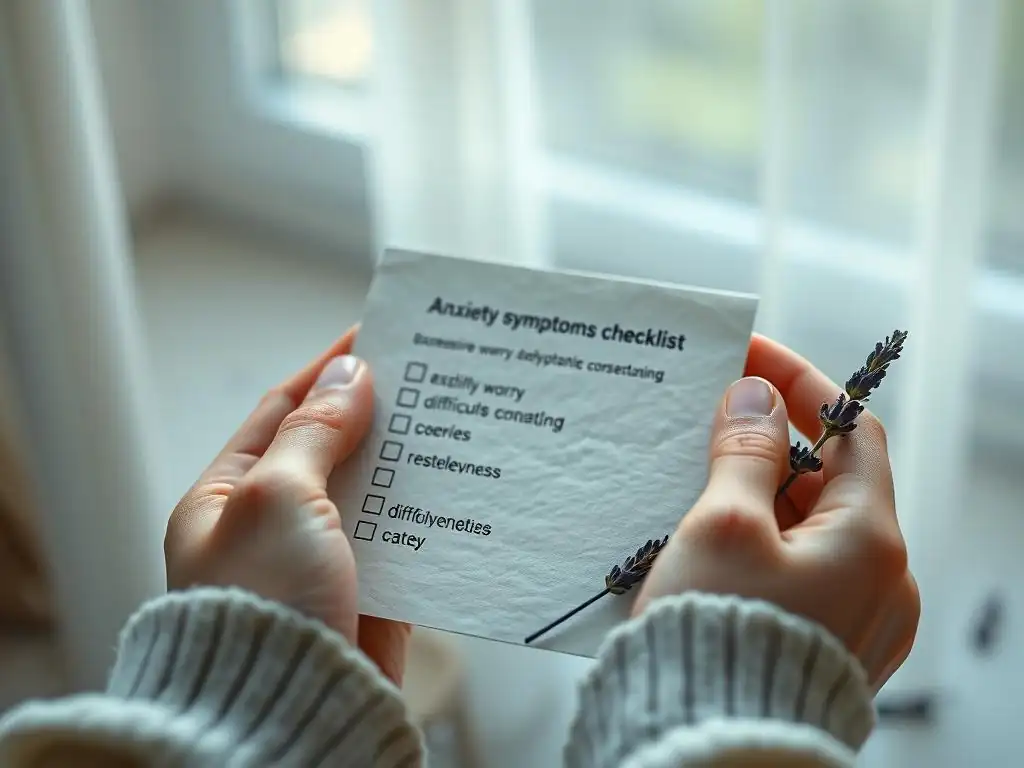
Why Early Recognition of Anxiety Symptoms is Crucial
Early recognition of anxiety symptoms is paramount for improving outcomes and preventing the condition from becoming more entrenched and debilitating. When signs are identified early, interventions can be initiated sooner, potentially preventing the anxiety from escalating to a severe level or leading to secondary issues like depression, substance misuse, or significant impairment in daily life. A chronic anxiety symptoms checklist serves as a valuable tool in this initial recognition phase.
Identifying symptoms early allows individuals to seek professional help when anxiety is potentially more manageable. It also empowers individuals to understand their experiences, reducing self-blame and facilitating open communication with healthcare providers or support systems. Prompt intervention based on early detection can significantly improve a person's quality of life and long-term prognosis.
How to Use an Anxiety Checklist Effectively
An anxiety symptoms checklist, including one focused on chronic anxiety, is a self-assessment tool, not a diagnostic instrument. Its primary purpose is to help individuals reflect on their experiences and identify patterns of symptoms they might be experiencing. To use such a checklist effectively, approach it with honesty and self-compassion. Go through the listed symptoms and note which ones you experience, how frequently, and how intensely they impact your life.
Consider using the checklist over a period of time, perhaps a few weeks, to see if symptoms are persistent rather than just temporary reactions to stress. If the checklist highlights several symptoms that are causing distress or interfering with your daily life, it serves as a strong indicator that it's time to talk to a mental health professional. Think of it as a conversation starter with yourself and potentially with a doctor, providing concrete examples of what you're experiencing.
Differentiating Normal Anxiety from Anxiety Disorders: When to Seek Help
Distinguishing Everyday Worries from Clinical Anxiety
It's normal and even healthy to experience anxiety in certain situations – feeling nervous before a job interview, worrying about a loved one, or feeling anxious about a major life change. This type of anxiety is usually temporary, proportional to the situation, and doesn't significantly interfere with daily life. Clinical anxiety, on the other hand, is characterized by worry that is excessive, persistent (often for six months or more for GAD), difficult to control, and disproportionate to the actual threat.
The key difference lies in the intensity, duration, and impact on your life. Everyday worry might cause temporary discomfort, but you can still function. Clinical anxiety leads to significant distress and impairment in social, occupational, or other important areas of functioning. If you use a chronic anxiety symptoms checklist and find yourself checking off many items that are constantly present and affecting your ability to live your life fully, it's likely more than just everyday worry.
When to Consult a Mental Health Professional for Anxiety Assessment
Knowing when to seek professional help is a critical step. You should consider consulting a mental health professional if your anxiety symptoms, as highlighted by a chronic anxiety symptoms checklist or your own observations, are:
- Persistent and have lasted for several months.
- Excessive and difficult to control.
- Causing significant distress or discomfort.
- Interfering with your daily responsibilities (work, school, family).
- Leading to avoidance of situations or activities you used to enjoy.
- Accompanied by physical symptoms that persist despite medical evaluation.
- Impacting your sleep, appetite, or overall well-being.
A mental health professional, such as a therapist, counselor, psychiatrist, or psychologist, can conduct a proper evaluation to determine if you meet the criteria for an anxiety disorder and recommend appropriate treatment options tailored to your specific needs. Don't wait until the anxiety feels unbearable; seeking help early can make a significant difference.
Managing Anxiety: Strategies and Treatments

Self-Help Techniques for Managing Anxiety Symptoms
While professional treatment is often necessary for managing anxiety disorders, several self-help techniques can complement therapy and medication. These strategies focus on managing symptoms in the moment and building resilience over time. Consistency is key when incorporating these techniques into your daily routine. Starting small and gradually building these habits can make them more sustainable.
Think of these techniques as tools in your personal toolkit for managing anxiety. They can help reduce the intensity of physical and psychological symptoms and provide a sense of control. Exploring different methods to find what works best for you is part of the process of living well with anxiety.
Relaxation Techniques: Deep Breathing and Progressive Muscle Relaxation
Relaxation techniques are powerful tools for counteracting the body's stress response. Deep breathing exercises, for example, involve slow, deliberate inhalation and exhalation, which can help lower heart rate and calm the nervous system. A simple technique is the 4-7-8 method: inhale for a count of four, hold for a count of seven, and exhale slowly for a count of eight. Practicing this for just a few minutes can induce a sense of calm.
Progressive muscle relaxation involves tensing and then slowly releasing different muscle groups in the body. This process helps you become more aware of physical tension and learn how to release it. By systematically working through the body, from toes to head, you can induce a state of deep relaxation.
Lifestyle Adjustments: Exercise, Diet, and Sleep
Making positive lifestyle adjustments can significantly impact anxiety levels. Regular physical exercise is highly effective; aerobic activities like brisk walking, running, or swimming can release endorphins, which have mood-boosting and stress-reducing effects. Aim for at least 30 minutes of moderate exercise most days of the week.
Nutrition also plays a role; a balanced diet rich in fruits, vegetables, whole grains, and lean protein can support brain health. Limiting caffeine and alcohol, which can exacerbate anxiety symptoms, is often recommended. Prioritizing consistent, quality sleep (7-9 hours per night for adults) is also crucial, as sleep deprivation worsens anxiety. Establishing a regular sleep schedule and creating a relaxing bedtime routine can help.
Professional Treatment Options for Anxiety Disorders
For many individuals, professional treatment is essential for effectively managing anxiety disorders. A combination of therapy and sometimes medication is often the most effective approach, tailored to the individual's specific diagnosis and needs. Seeking professional help is a sign of strength and a proactive step towards recovery.
Mental health professionals can provide evidence-based treatments that address the underlying causes and symptoms of anxiety. They offer support, guidance, and strategies that are difficult to implement alone. Don't hesitate to reach out to a doctor or mental health specialist if your anxiety is significantly impacting your life.
Psychotherapy: Cognitive Behavioral Therapy (CBT) and Exposure Therapy
Psychotherapy, particularly Cognitive Behavioral Therapy (CBT), is a cornerstone of anxiety treatment. CBT helps individuals identify and challenge negative thought patterns and beliefs that contribute to anxiety. It teaches coping skills to manage anxious feelings and situations. For example, a therapist might help someone with GAD challenge their catastrophic thinking about everyday worries.
Exposure therapy, often used for specific phobias or social anxiety, involves gradually exposing an individual to feared situations or objects in a safe and controlled environment. This helps the person learn that they can tolerate the anxiety and that their feared outcomes often do not occur. For instance, someone with social anxiety might start by imagining a social situation, then practice role-playing, and eventually engage in real-life social interactions.
Medication: Anti-Anxiety Medications and Their Role
Medication can be a helpful component of anxiety treatment, especially for severe symptoms that are significantly impairing functioning. Antidepressants, particularly Selective Serotonin Reuptake Inhibitors (SSRIs) and Serotonin-Norepinephrine Reuptake Inhibitors (SNRIs), are commonly prescribed for chronic anxiety disorders like GAD. These medications work by affecting neurotransmitters in the brain that regulate mood and anxiety. They typically take several weeks to become fully effective.
In some cases, benzodiazepines may be prescribed for short-term relief of acute anxiety symptoms, but they are generally not recommended for long-term use due to the risk of dependence. Beta-blockers can also be used to manage physical symptoms like rapid heart rate in specific situations. Medication decisions should always be made in consultation with a prescribing physician, who can discuss potential benefits, side effects, and appropriate usage.
Taking the Next Step: Resources for Anxiety Support
Finding Support Groups and Mental Health Organizations
Connecting with others who understand what you're going through can be incredibly validating and supportive. Support groups, both in-person and online, offer a space to share experiences, learn coping strategies from peers, and feel less alone. Many mental health organizations offer resources, educational materials, and directories of local support groups.
Exploring resources from reputable mental health organizations can provide valuable information about anxiety disorders, treatment options, and ways to find help. These organizations often have helplines or online portals that can serve as a starting point for finding support in your community or online.
Living Well with Anxiety Disorders: Hope and Recovery
Living with an anxiety disorder can be challenging, but it's important to remember that recovery is possible and many people learn to manage their symptoms effectively and live fulfilling lives. Treatment, self-care strategies, and a strong support system are key components of managing chronic anxiety.
Recovery is often not a linear path, and there may be ups and downs. However, with the right tools and support, individuals can develop resilience, reduce the impact of anxiety on their lives, and regain a sense of control and well-being. Recognizing the signs, perhaps through a chronic anxiety symptoms checklist, seeking help, and committing to treatment and self-care are powerful steps towards living well despite anxiety.
Frequently Asked Questions
What is Generalized Anxiety Disorder (GAD) and how does a symptoms checklist help?
GAD is a chronic anxiety disorder characterized by persistent and excessive worry. A symptoms checklist helps individuals recognize potential signs and seek professional help if needed. It's a starting point, not a diagnosis.
What are some common symptoms included in a "Chronic Anxiety Symptoms Checklist"?
These checklists often include symptoms like excessive worry, restlessness, difficulty concentrating, irritability, muscle tension, and sleep disturbances. The severity and frequency of these symptoms are also considered.
Can I self-diagnose GAD using a "Chronic Anxiety Symptoms Checklist"?
No, a checklist is not a substitute for a professional diagnosis. It's a tool for self-awareness and discussion with a qualified mental health professional. Only they can provide an accurate assessment.
Where can I find a reliable "Chronic Anxiety Symptoms Checklist"?
The Mind Care Guide offers resources and information, including a checklist related to GAD symptoms. Look for checklists from reputable mental health organizations or websites.
What should I do if I identify with many symptoms on a "Chronic Anxiety Symptoms Checklist"?
If you recognize several symptoms, it's crucial to consult a mental health professional. They can conduct a thorough evaluation and recommend appropriate treatment options, such as therapy or medication.
Final Reflection: Understanding and Addressing the Silent Struggle of Chronic Anxiety
The pervasive nature of chronic anxiety is a silent epidemic, impacting millions and demanding our collective attention. This checklist, designed to help individuals recognize the signs, is only the first step in a crucial journey towards understanding and managing this debilitating condition. While identifying symptoms is vital, it's equally important to remember that this is not a diagnostic tool, and professional help is crucial for accurate assessment and personalized treatment.
The impact of chronic anxiety on individuals and society is profound and far-reaching. It affects not only mental well-being but also physical health, relationships, and overall quality of life. The constant state of heightened alert, the pervasive worry, and the physical manifestations of anxiety take a significant toll. Anxiety is like a rocking chair. It gives you something to do, but it doesn't get you anywhere.
This quote perfectly encapsulates the frustrating and debilitating cycle of chronic anxiety. Understanding this cycle is the key to breaking free from its grip.
You now possess a greater awareness of the potential signs of chronic anxiety. Take this knowledge and use it to advocate for yourself or others. Don't hesitate to seek professional help if you suspect you or someone you know is struggling. Remember, acknowledging the problem is the first step towards healing and building a life filled with peace and resilience. Your journey towards well-being begins with self-awareness and a commitment to seeking support. Take that first step today.
Unlock Your Path to Calm: Take Control of Your Anxiety
Thank you for taking the time to explore the signs of generalized anxiety disorder with us. We hope this checklist provided valuable insight into your well-being. Now, it's time to take proactive steps towards managing your anxiety.
- Schedule a check-in with your doctor or therapist: This is the most crucial next step. Sharing your insights from this checklist will help them assess your situation and create a personalized plan.
- Explore relaxation techniques: Try incorporating simple mindfulness exercises or deep breathing techniques into your daily routine – even 5 minutes can make a difference!
- Share this checklist with someone you trust: Talking openly about anxiety can help reduce feelings of isolation and provide you with valuable support.
What small step will you take today to prioritize your mental well-being?