
Giving Them Power: Empowering Anxious Children to Face Challenges

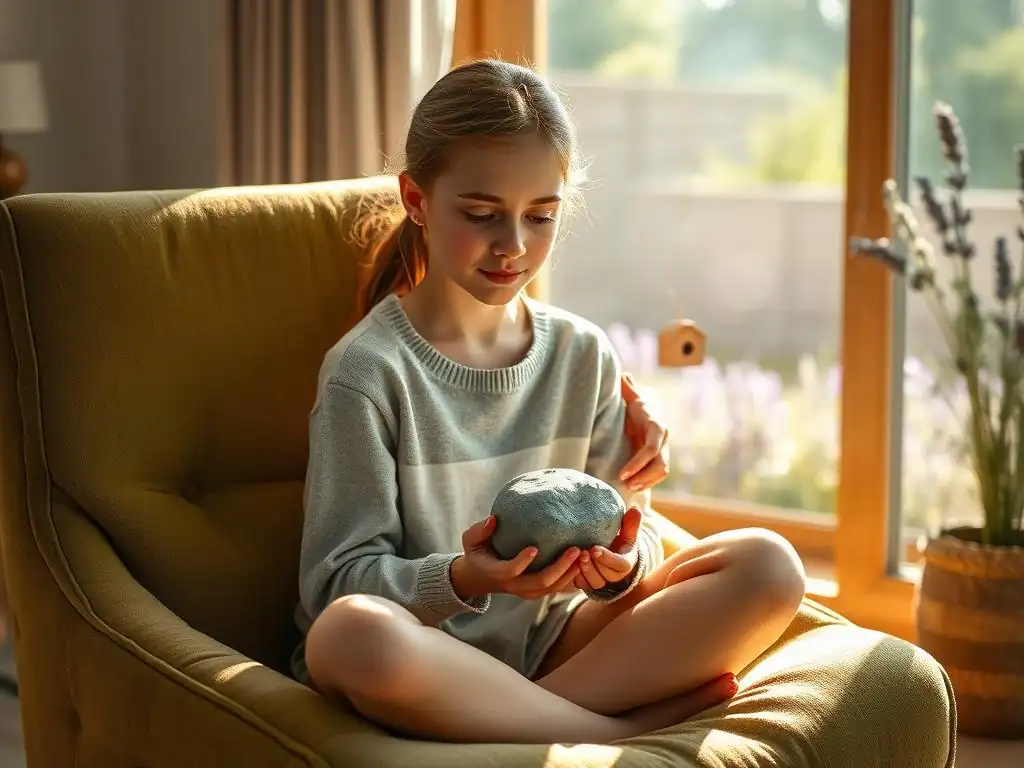
Welcome to Mind Care Guide, a safe space dedicated to nurturing your mental well-being. Are you worried about a child struggling with anxiety? It's a feeling many parents share, and you're not alone. Discover practical and empathetic anxious children coping strategies in our latest article, designed to empower your child and help them navigate their anxieties with confidence. Eager to learn how you can give them the tools they need to thrive? Let's explore together...
Giving Them Power: Empowering Anxious Children to Face Challenges
Anxiety is a common experience for children, but for some, it can become overwhelming, interfering with their daily lives and preventing them from engaging in activities they enjoy. Empowering anxious children involves equipping them with the tools and confidence they need to understand their feelings, manage their symptoms, and gradually confront the situations that trigger their fears. This journey requires patience, understanding, and a structured approach to teaching effective anxious children coping strategies.
This guide aims to provide parents, caregivers, and educators with a comprehensive look at childhood anxiety and practical methods to support young people in developing resilience and agency over their fears. By focusing on understanding, practical strategies, and long-term support, we can help anxious children build the skills necessary to navigate challenges and thrive.
- Understanding Anxiety in Children: A Foundation for Empowerment
- Practical Strategies for Anxious Children Coping Strategies
- Building Resilience: Long-Term Strategies for Anxious Children
- Empowering Communication: Talking to Anxious Children Effectively
- Beyond Home: School and Community Support for Anxious Children
- Addressing Specific Anxiety Disorders in Children
- When to Seek Professional Help for Child Anxiety
- Maintaining Progress: Supporting Long-Term Mental Well-being for Anxious Children
-
Creating a Toolkit for Anxious Children: Resources and Activities
- Apps for Anxiety Management: Calm, Headspace for Kids, Stop, Breathe & Think Kids
- Recommended Books for Children About Anxiety: "What to Do When You Worry Too Much", "Hey Warrior", "The Anxiety Workbook for Kids"
- Activities to Promote Relaxation and Mindfulness at Home: Sensory Play, Nature Walks, Creative Arts
-
Frequently Asked Questions
- How can I help my anxious child feel more in control of their anxiety?
- What are some practical "Anxious children coping strategies" I can teach my child?
- At what age is it appropriate to start teaching anxious children coping strategies?
- How do I know if my child's anxiety requires professional help, even with using "Anxious children coping strategies"?
- What resources are available to help me support my anxious child beyond just using "Anxious children coping strategies"?
- Final Reflection: Unleashing the Inner Strength of Anxious Children
- Unleash Your Child's Inner Strength!
Understanding Anxiety in Children: A Foundation for Empowerment
To effectively help anxious children, it's crucial to first understand what anxiety looks like in this age group and how it impacts their world. Childhood anxiety isn't just shyness or occasional worry; it's a persistent state of apprehension that can manifest in various ways, often different from how adults experience it.
What is Childhood Anxiety and How Does it Manifest?
Childhood anxiety is a normal part of development in mild forms, but it becomes a concern when it is excessive, persistent, and interferes with a child's ability to function in school, social settings, or at home. It's estimated that between 7% and 20% of children and adolescents globally experience a diagnosable anxiety disorder. Unlike adults who might articulate their worries clearly, children often express anxiety through physical symptoms or behavioral changes.
Manifestations can include physical complaints like headaches, stomach aches, nausea, or difficulty sleeping. Behaviorally, anxious children might become clingy, irritable, defiant, or withdrawn. They may exhibit excessive shyness, fear of new situations, difficulty concentrating, or perfectionism. For example, a child with separation anxiety might cry excessively when a parent leaves, refuse to go to school, or have tantrums. A child with social anxiety might avoid group activities, refuse to speak in class, or become visibly nervous and shaky when interacting with peers. Recognizing these varied manifestations is the first step in implementing effective anxious children coping strategies.
Identifying Anxiety Triggers in Children: A Key to Effective Coping
Identifying what specifically triggers a child's anxiety is fundamental to developing targeted anxious children coping strategies. Triggers can be specific situations, places, people, or even internal thoughts and feelings. Common triggers include school-related pressures (tests, presentations), social situations (parties, making friends), transitions (moving, changing schools), separation from caregivers, or exposure to specific phobias (heights, spiders, dogs).
Keeping a journal or simply observing and noting when anxiety symptoms appear can help pinpoint triggers. For instance, a parent might notice their child complains of a stomach ache every Sunday evening before school, suggesting school-related anxiety. Or, a child might have a panic-like reaction when asked to read aloud in class, indicating a social performance trigger.
Understanding these specific triggers allows for the development of tailored interventions, moving beyond general strategies to those that directly address the child's unique fears. For example, if public speaking is a trigger, coping strategies might focus on gradual exposure and relaxation techniques specifically for that context.
The Impact of Anxiety on a Child's Development and Well-being
Chronic or severe anxiety can have significant negative impacts on a child's development and overall well-being. It can impede academic performance, as worry makes it difficult to concentrate or retain information. Socially, anxiety can lead to isolation, preventing children from forming friendships and developing crucial social skills. For instance, a child with social anxiety might miss out on playdates or extracurricular activities, limiting their social exposure.
Furthermore, untreated anxiety in childhood is a risk factor for mental health issues later in life, including depression and substance abuse. It can also affect physical health, leading to chronic stress-related issues. Studies show that children with anxiety disorders are significantly more likely to experience academic difficulties and peer rejection compared to their non-anxious counterparts. Therefore, implementing effective anxious children coping strategies early is not just about immediate relief but about fostering long-term mental and emotional health.
Practical Strategies for Anxious Children Coping Strategies
Once anxiety is understood and triggers identified, the next step is to equip children with practical tools. These strategies are designed to help children manage their anxiety in the moment and build a sense of control.
Teaching Relaxation Techniques for Child Anxiety Relief: Breathing Exercises and Mindfulness
Relaxation techniques are fundamental anxious children coping strategies, providing immediate relief by calming the nervous system. Simple breathing exercises are particularly effective. Techniques like "balloon breathing" (inhaling deeply as if inflating a balloon in their belly, then exhaling slowly) or "five-finger breathing" (tracing a hand while inhaling and exhaling) can be taught and practiced regularly. For example, practicing deep belly breathing for just a few minutes can lower heart rate and reduce feelings of panic.
Mindfulness involves paying attention to the present moment without judgment. For children, this can be introduced through simple activities like mindful eating (focusing on the taste, texture, and smell of food), mindful walking (noticing sensations in their feet), or guided meditations designed for kids. Apps like Calm or Headspace for Kids offer age-appropriate guided practices. Regular practice of these techniques helps children develop an awareness of their physical and emotional state and provides tools to self-regulate when anxiety arises.
Cognitive Restructuring for Kids: Challenging Anxious Thoughts
Anxiety is often fueled by negative or distorted thought patterns. Cognitive restructuring is an anxious children coping strategy that helps children identify and challenge these unhelpful thoughts. This involves teaching them to recognize when they are having anxious thoughts (e.g., "Everyone is looking at me," "I'm going to fail") and then evaluating how true or helpful those thoughts are.
Parents or therapists can help children become "thought detectives." For example, if a child thinks, "I'm going to fail the test," they can be asked for evidence supporting and contradicting this thought. Have they studied? Do they usually fail tests? What is a more realistic thought (e.g., "I might not know every answer, but I can do my best")? This process helps children develop a more balanced perspective. Role-playing scenarios or using thought bubbles in drawings can make this concept more accessible for younger children.
Gradual Exposure Therapy: Helping Children Face Their Fears Step-by-Step
Gradual exposure is a highly effective anxious children coping strategy for overcoming specific fears and phobias. It involves creating a hierarchy of feared situations, starting with the least frightening and gradually working up to the most frightening. The child is supported in confronting these situations in small, manageable steps, using relaxation techniques to manage their anxiety.
For a child afraid of dogs, for instance, the hierarchy might start with looking at pictures of dogs, then watching a video of dogs, standing across the street from a dog park, standing near a dog on a leash, and eventually petting a friendly dog. Each step is taken only when the child feels ready, and they learn that they can tolerate the anxiety and that their feared outcome often doesn't happen. Success at each step builds confidence and reduces the power of the fear. This systematic approach allows children to build tolerance and mastery over their anxieties.
Building Resilience: Long-Term Strategies for Anxious Children
While immediate coping strategies are essential, building long-term resilience is key to helping anxious children thrive beyond specific anxious moments. Resilience involves developing a strong sense of self, effective problem-solving skills, and healthy ways of navigating life's challenges.
Fostering a Supportive Environment: The Role of Parents and Caregivers
A supportive home environment is paramount in building resilience in anxious children. This involves creating a safe space where children feel heard, understood, and accepted without judgment for their feelings. Parents and caregivers play a crucial role by modeling healthy coping behaviors and emotional regulation. For instance, openly talking about how you manage your own stress (in an age-appropriate way) can teach children valuable lessons.
Providing consistent routines, clear expectations, and predictable environments can also reduce anxiety as it creates a sense of security. Over-protecting anxious children can inadvertently reinforce their fears, sending the message that they are incapable of handling challenges. Instead, offering gentle encouragement to face fears, celebrating small brave steps, and providing comfort after attempts (regardless of outcome) fosters resilience. For example, praising a child for trying to join a game at the park, even if they only stayed for a few minutes, reinforces effort over perfection.
Encouraging Problem-Solving Skills: Empowering Children to Find Solutions
Empowering anxious children involves teaching them how to identify problems and brainstorm potential solutions, rather than immediately stepping in to fix things for them. This builds their confidence in their ability to handle difficulties and reduces reliance on others. When a child faces a situation that triggers anxiety, instead of offering a solution, ask open-ended questions: "What feels hard about this?" "What are some different ways you could handle this?"
Help them brainstorm several options, weigh the pros and cons of each, and choose a course of action. For example, if a child is anxious about a school project, help them break it down into smaller, manageable steps. This process teaches them that challenges are solvable and they have the capacity to figure things out. Studies show that children with stronger problem-solving skills tend to exhibit lower levels of anxiety and depression.
Developing Healthy Coping Mechanisms: Beyond Immediate Anxiety Relief
Beyond specific anxious children coping strategies like breathing, it's important to help children develop a range of healthy activities they can turn to when feeling stressed or anxious. These are often proactive measures that promote overall well-being. This could include physical activity, which is proven to reduce stress hormones; engaging in hobbies like art, music, or building; spending time in nature; or connecting with friends and family.
Encourage children to explore different activities and find what helps them feel calm and happy. For instance, if a child enjoys drawing, suggest they draw their feelings when they feel anxious. If they love being outdoors, plan regular walks or time at the park. These activities serve as positive outlets for stress and build a repertoire of healthy responses to difficult emotions, reducing the likelihood of relying on less adaptive coping mechanisms.
Empowering Communication: Talking to Anxious Children Effectively
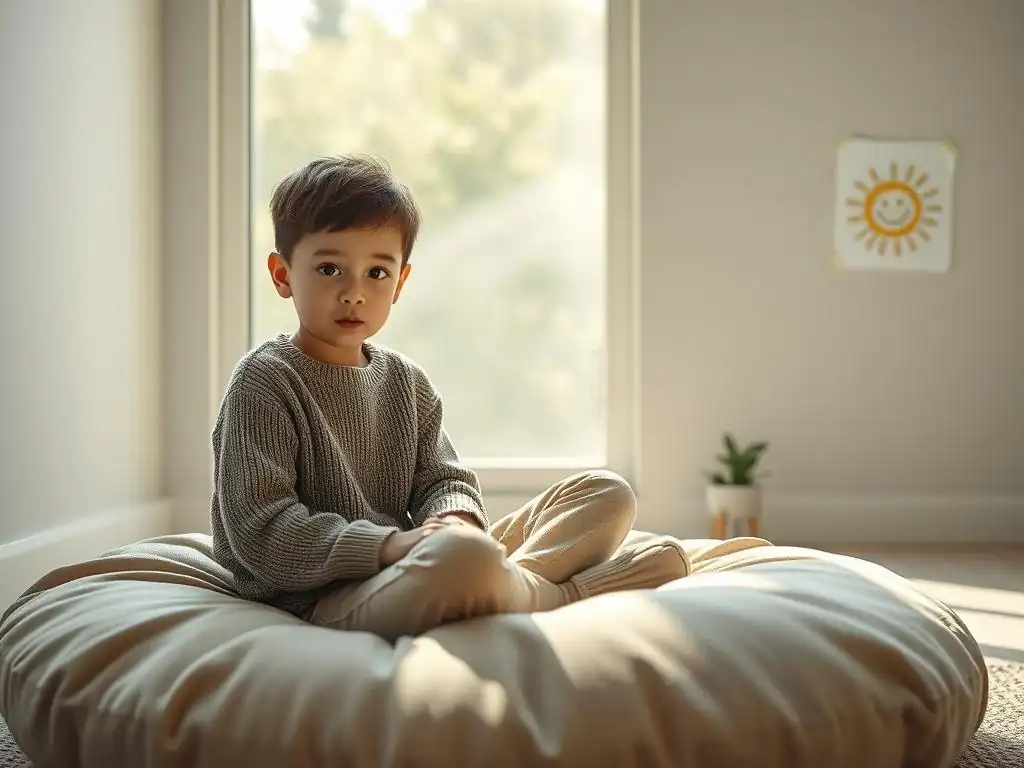
How we talk to anxious children significantly impacts their ability to cope and feel understood. Effective communication is not just about giving advice but about creating a space where they feel safe to express their fears without judgment.
Active Listening: Understanding Your Child's Fears and Concerns
Active listening is a fundamental component of effective communication with anxious children. It involves fully focusing on what the child is saying, both verbally and non-verbally, and reflecting back your understanding. This means putting away distractions, making eye contact, and truly listening without interrupting or formulating a response while they are speaking.
When a child expresses anxiety, respond with phrases that show you are listening, such as "It sounds like you're really worried about..." or "So, if I understand correctly, you're feeling scared because..." Avoid minimizing their fears with phrases like "Don't worry" or "There's nothing to be scared of," as this can make them feel misunderstood. Active listening builds trust and encourages the child to open up further about their anxious feelings and the specific anxious children coping strategies they might need help with.
Validating Emotions: Acknowledging and Accepting Feelings of Anxiety
Validating a child's emotions means acknowledging that their feelings are real, understandable, and acceptable, even if their fears seem irrational to an adult. This doesn't mean agreeing with the distorted thought ("Yes, that dog is terrifying") but acknowledging the feeling itself ("It makes sense that you feel scared when you see a big dog"). Use phrases like "I can see that you are feeling really anxious right now," or "It's okay to feel scared."
Validation helps the child feel seen and heard, reducing feelings of isolation and shame associated with anxiety. It creates a foundation of safety from which they can then begin to explore anxious children coping strategies. For example, if a child is crying before school due to separation anxiety, instead of saying, "Stop crying, you'll be fine," try "I know you feel really sad and scared about me leaving, and that's a tough feeling." This validates their emotion before gently encouraging them forward.
Encouraging Open Dialogue: Creating a Safe Space for Sharing
Creating an environment where a child feels safe to openly discuss their anxiety is crucial. This involves being approachable, choosing calm moments to talk (not just when they are in the throes of anxiety), and letting them lead the conversation. Avoid interrogating them about their fears; instead, offer opportunities for them to share when they are ready.
Regular, informal check-ins can be helpful, such as during dinner or bedtime. Ask open-ended questions like, "What was the best part of your day? What was the hardest part?" This normalizes talking about challenges. Ensure that when they do share, your reaction is supportive and non-judgmental. This consistent message that it's okay to talk about feelings encourages children to seek help and practice their anxious children coping strategies when they need it.
Beyond Home: School and Community Support for Anxious Children
Anxiety doesn't just exist within the home; it significantly impacts a child's experience at school and within their community. Collaboration with these environments is vital for comprehensive support.
Working with Teachers and Counselors: Creating a Collaborative Approach
Schools are often major sources of anxiety triggers for children, from academic pressures to social interactions. Collaborating with a child's teachers and school counselors is essential for implementing consistent anxious children coping strategies across different settings. Share relevant information about your child's anxiety, triggers, and the strategies that work best at home.
Work together to develop a plan that can be implemented at school. This might include allowing the child to take breaks in a quiet space, providing accommodations for tests or presentations, or facilitating positive peer interactions. For instance, a school counselor might help a child practice social skills during lunch breaks or teach relaxation techniques before a test. Open communication between parents and school staff ensures a unified approach to supporting the child's well-being and academic success.
Utilizing School Resources: Identifying Available Support Systems
Many schools offer resources that can be invaluable for anxious children. These can include school counselors, psychologists, special education staff, or peer support programs. Familiarize yourself with the support systems available at your child's school and advocate for their use.
A school counselor might provide individual counseling sessions focused on anxious children coping strategies, run group therapy sessions for students with similar challenges, or work with teachers to implement classroom-based support. Some schools have designated calm corners or sensory rooms that children can access when feeling overwhelmed. Understanding and utilizing these resources can provide crucial support beyond what can be offered at home. For example, a school counselor might help a child develop a step-by-step plan for rejoining social activities during recess.
Social anxiety is a common challenge for anxious children, impacting their ability to form relationships and participate in group activities. Promoting social skills is a key anxious children coping strategy in this area. This can involve teaching specific skills like initiating conversations, listening actively, sharing, and handling conflict constructively.
Role-playing social situations at home can provide a safe space to practice. Encouraging participation in structured group activities, like clubs or sports teams with a supportive atmosphere, can offer opportunities to practice social skills in a lower-pressure environment. For example, joining a small, interest-based club like a chess club might be less intimidating than a large, unstructured playgroup. Celebrating small social successes, like saying hello to a classmate or asking a friend to play, reinforces positive social engagement.
Addressing Specific Anxiety Disorders in Children
While many anxious children coping strategies are broadly applicable, some approaches are particularly relevant for specific types of anxiety disorders.
Understanding and Managing Separation Anxiety in Children
Separation anxiety is characterized by excessive distress when separated from major attachment figures or home. It is common in toddlers but is considered a disorder when it persists beyond typical developmental stages (usually after age 3 or 4) and significantly impacts functioning. It affects an estimated 4% of children. Strategies focus on gradually increasing the child's comfort with separation.
This might involve short, planned separations that are consistently followed by reunion, practicing saying goodbye quickly and confidently, and creating a predictable separation routine. For example, starting with leaving the child with a trusted caregiver for a short time, then gradually increasing the duration. Using transitional objects (like a favorite toy or blanket) can also provide comfort. Avoiding lengthy goodbyes and demonstrating confidence in the child's ability to cope with separation are crucial components.
Social anxiety disorder in children involves intense fear of social situations where they might be judged, embarrassed, or humiliated. It affects approximately 7% of children and adolescents. Strategies focus on gradual exposure to feared social situations and building social skills.
This can involve creating a hierarchy of feared social interactions, starting small (e.g., making eye contact with a familiar adult) and working up to more challenging situations (e.g., joining a group game). Role-playing social scenarios, practicing conversation starters, and challenging negative thoughts about social interactions are key components of these anxious children coping strategies. Encouraging participation in low-pressure social activities, like playdates with one or two trusted friends, can help build confidence.
Dealing with Generalized Anxiety Disorder (GAD) in Children: A Comprehensive Approach
Generalized Anxiety Disorder (GAD) involves excessive worry about a wide range of things (school, family, health, future) that is difficult to control. Children with GAD worry intensely and often struggle with perfectionism and seeking reassurance. GAD affects about 2% of children and adolescents. A comprehensive approach using various anxious children coping strategies is necessary.
This often involves a combination of cognitive restructuring to challenge worry thoughts, relaxation techniques to manage physical symptoms, and problem-solving skills to address perceived threats. For example, helping a child with GAD evaluate the likelihood of their feared outcomes ("What is the actual chance of that happening?") and developing realistic plans for potential challenges. Reducing reassurance-seeking behaviors, which can inadvertently fuel worry, is also important. Teaching tolerance for uncertainty is a key long-term goal.
When to Seek Professional Help for Child Anxiety
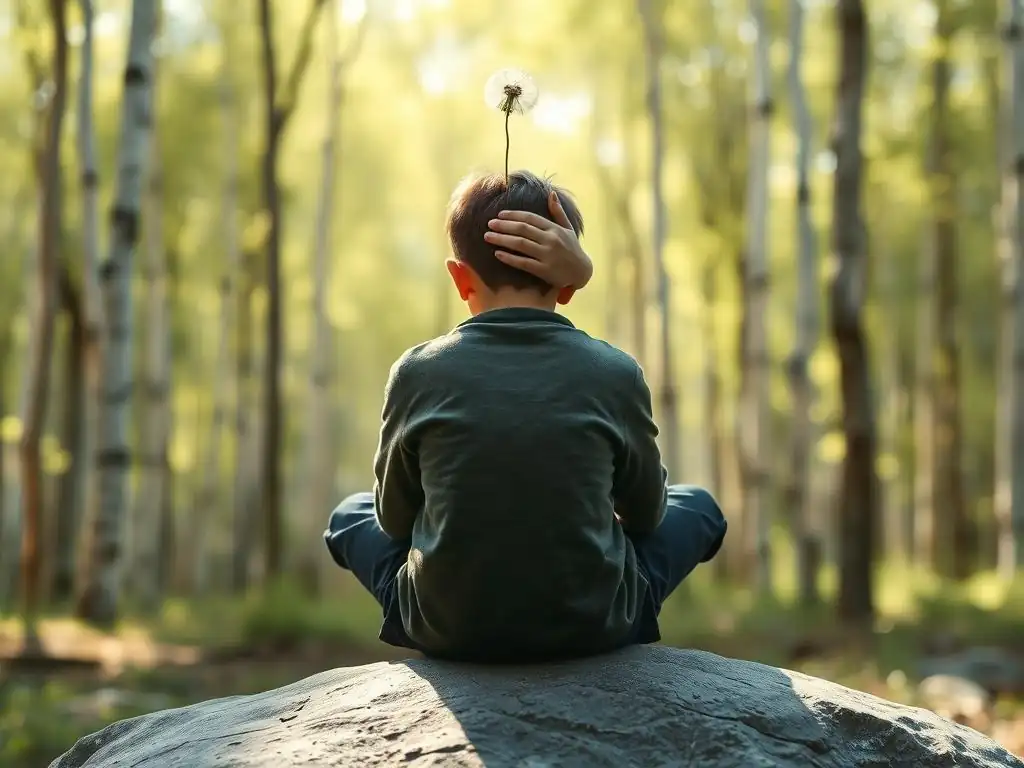
While parents and caregivers can implement many anxious children coping strategies, there are times when professional help is necessary. Recognizing these signs early is crucial for preventing long-term difficulties.
Recognizing the Signs: Knowing When to Consult a Therapist or Counselor
It's time to seek professional help when a child's anxiety is persistent, severe, and significantly interfering with their daily life across multiple settings (home, school, social). Signs to watch for include:
- Frequent physical symptoms (headaches, stomach aches) with no medical cause.
- Significant difficulty separating from caregivers, impacting school attendance or daily activities.
- Avoiding social situations to the point of isolation.
- Excessive worry that is difficult to control and interferes with sleep or concentration.
- Panic attacks (sudden onset of intense fear with physical symptoms like rapid heart rate, shortness of breath).
- Significant decline in academic performance due to anxiety.
- Expressing thoughts of not wanting to live or feeling hopeless.
If these signs are present for several weeks or months, or if the anxiety is causing significant distress, consulting a mental health professional specializing in children is recommended.
Types of Therapy for Anxious Children: Finding the Right Fit
Several types of therapy are effective anxious children coping strategies when delivered by a trained professional. Cognitive Behavioral Therapy (CBT) is considered the gold standard for treating childhood anxiety. It helps children identify and change negative thought patterns and behaviors contributing to their anxiety. Exposure and Response Prevention (ERP), a type of CBT, is particularly effective for phobias and Obsessive-Compulsive Disorder (OCD).
Play therapy can be beneficial for younger children, allowing them to express their anxieties through play. Family therapy can involve the whole family in the treatment process, teaching parents and siblings how to support the child. Finding a therapist with experience treating children and who uses evidence-based practices is essential. A therapist can tailor anxious children coping strategies to the child's specific needs and diagnosis.
The Importance of Early Intervention: Preventing Long-Term Effects of Anxiety
Early intervention is critical for effectively managing childhood anxiety and preventing potential long-term consequences. The earlier a child receives appropriate support and learns anxious children coping strategies, the better their chances of developing healthy coping mechanisms and preventing anxiety from escalating or leading to other mental health issues.
Research indicates that children who receive treatment for anxiety are significantly less likely to experience anxiety or depression in adulthood compared to those who do not. Early intervention can also improve academic performance, social functioning, and overall quality of life. Addressing anxiety early empowers children with the skills they need to navigate challenges throughout their lives.
Maintaining Progress: Supporting Long-Term Mental Well-being for Anxious Children
Treating anxiety isn't a one-time fix; it requires ongoing effort to maintain progress and support a child's long-term mental well-being. This involves consistent practice of learned skills and vigilance for potential setbacks.
Consistent Application of Coping Strategies: Reinforcing Positive Behaviors
Like learning any new skill, consistently practicing anxious children coping strategies is essential for them to become automatic responses. Encourage your child to use the techniques they've learned, even when they are not feeling acutely anxious. Regular practice of breathing exercises, mindfulness, or challenging negative thoughts helps strengthen these skills.
Integrate these practices into daily routines. For instance, practice breathing exercises for a few minutes before bedtime, or discuss challenging thoughts together during a quiet moment. Reinforce the use of these strategies with praise and positive attention. The more consistently these anxious children coping strategies are applied, the more effective they will become in managing future anxious moments.
Monitoring for Relapse: Identifying and Addressing Potential Setbacks
It's important to understand that setbacks can happen. Stressful life events, transitions, or developmental changes can sometimes lead to a resurgence of anxiety symptoms. Monitoring for signs of relapse is crucial for addressing them promptly.
Pay attention to returning physical complaints, increased avoidance behaviors, difficulty sleeping, or a significant increase in worry. If you notice these signs, revisit the anxious children coping strategies that were previously effective. It might be necessary to re-engage with the therapist or counselor to reinforce skills or adjust the treatment plan. Recognizing setbacks as temporary challenges rather than failures is important for both the child and the caregiver.
Celebrating Successes: Acknowledging and Rewarding Progress
Celebrating a child's successes, no matter how small, is vital for maintaining motivation and reinforcing positive coping behaviors. Acknowledging their bravery in facing fears, their effort in practicing skills, and their progress in managing anxiety builds their confidence and encourages continued effort.
This could be verbal praise ("I'm so proud of you for trying that! "), a small reward, or simply acknowledging their feelings of accomplishment. For example, if a child with separation anxiety makes it through a full school day without excessive distress, celebrate that achievement. Focusing on progress rather than perfection helps children see themselves as capable and resilient individuals who are actively working towards managing their anxiety using their learned anxious children coping strategies.
Creating a Toolkit for Anxious Children: Resources and Activities
Providing children with tangible resources and engaging activities can make the process of learning anxious children coping strategies more accessible and enjoyable.
Apps for Anxiety Management: Calm, Headspace for Kids, Stop, Breathe & Think Kids
Several mobile applications are designed to help children manage anxiety through guided meditations, breathing exercises, mindfulness activities, and calming stories. Apps like Calm and Headspace for Kids offer age-appropriate content that can make practicing these skills feel like a game or a peaceful activity.
Stop, Breathe & Think Kids uses engaging characters and simple steps to guide children through mindfulness exercises. These apps can be used as part of a child's routine or accessed during moments of heightened anxiety. Parents should preview apps to ensure they are suitable for their child's age and needs and use them together initially to guide the child.
Recommended Books for Children About Anxiety: "What to Do When You Worry Too Much", "Hey Warrior", "The Anxiety Workbook for Kids"
Reading books about anxiety can help children understand their feelings, normalize their experiences, and learn practical anxious children coping strategies in an accessible way. Books like "What to Do When You Worry Too Much: A Kid's Guide to Overcoming Anxiety" by Dawn Huebner use interactive exercises and metaphors to explain anxiety and teach coping skills.
"Hey Warrior" by Karen Young explains the physiological response to anxiety in a child-friendly way. "The Anxiety Workbook for Kids" by Robin Alter and Cathy Glazer provides activities and exercises children can complete to practice skills like identifying triggers and challenging thoughts. Reading these books together can open up conversations and provide a shared language for discussing anxiety.
Activities to Promote Relaxation and Mindfulness at Home: Sensory Play, Nature Walks, Creative Arts
Beyond structured techniques, incorporating relaxing and mindful activities into a child's routine can significantly support their emotional well-being. Sensory play, such as playing with sand, water, or playdough, can be very calming. Engaging the senses helps ground children in the present moment.
Spending time in nature has been shown to reduce stress and anxiety. Simple nature walks, observing plants and animals, or even just sitting outdoors can be beneficial. Creative arts like drawing, painting, sculpting, or playing music provide outlets for expressing emotions and can be inherently calming. Encourage children to engage in activities they enjoy that promote a sense of peace and focus, reinforcing their repertoire of anxious children coping strategies.
Frequently Asked Questions
How can I help my anxious child feel more in control of their anxiety?
Empowering anxious children involves giving them a sense of agency. This can be achieved by teaching them coping strategies and allowing them to make choices within safe boundaries. This fosters a feeling of self-efficacy.
What are some practical "Anxious children coping strategies" I can teach my child?
Teach your child deep breathing exercises and progressive muscle relaxation. Also, help them identify and challenge negative thought patterns. These methods provide tangible tools to manage anxiety.
At what age is it appropriate to start teaching anxious children coping strategies?
It's never too early! Adapt the strategies to their developmental level. Even young children can learn simple breathing techniques or identify safe spaces when feeling overwhelmed.
How do I know if my child's anxiety requires professional help, even with using "Anxious children coping strategies"?
If anxiety is significantly impacting their daily life (school, social interactions, sleep), or if coping strategies aren't effective, seek professional help. A therapist can provide specialized support and guidance.
What resources are available to help me support my anxious child beyond just using "Anxious children coping strategies"?
Mind Care Guide offers articles, resources, and support related to mental well-being. Look for parenting workshops or support groups focused on anxiety in children. This offers a community to learn from.
Final Reflection: Unleashing the Inner Strength of Anxious Children
The strategies outlined in this article—from mindful breathing to collaborative problem-solving—are not merely coping mechanisms; they are tools for empowerment. These tools are urgently needed in today's world, where anxiety in children is increasingly prevalent, impacting their academic performance, social interactions, and overall well-being. We must move beyond simply managing anxiety to actively fostering resilience and self-efficacy in young minds.
The journey of helping anxious children navigate their challenges is deeply personal, both for the child and for those supporting them. It's a journey of understanding, patience, and unwavering belief in their potential. The most important thing is to try and inspire people so that they can be great in whatever they want to do.
- Kobe Bryant. This quote resonates deeply because empowering anxious children isn't about fixing them; it's about fostering their unique strengths and guiding them to discover their own greatness, despite their anxieties.
Consider the impact of these strategies not just on the individual child, but on the broader societal landscape. By equipping children with the tools to manage their anxiety, we are cultivating a generation better equipped to face adversity, to embrace challenges, and to contribute meaningfully to the world. You, the reader, now possess the knowledge to make a difference. Will you choose to empower a child today? Start by implementing one of the strategies discussed, and watch as a small act of kindness and understanding blossoms into a powerful force for positive change.
Unleash Your Child's Inner Strength!
Thanks for taking the time to learn how to empower your anxious child. We hope you gained valuable insights into building their resilience and confidence. Now, let's turn those insights into action!
- Implement one new coping strategy this week. Choose the technique that resonated most with you from the article and try it with your child in a real-life situation. Even small steps make a big difference!
- Share this article with another parent who might benefit from these empowering strategies. Let's build a supportive community for families facing similar challenges.
- Consider journaling your child's progress: Tracking their successes, however small, can be a powerful tool in celebrating their growth and reinforcing their confidence.
What small step will you take today to help your child face their anxieties with newfound strength?