
The Hidden Costs: Understanding the Impact of Panic on Your Life.


Welcome to Mind Care Guide, a safe space dedicated to nurturing your mental well-being. Feeling overwhelmed by the grip of panic? You're not alone. The Hidden Costs: Understanding the Impact of Panic on Your Life delves into the profound ways panic can affect your daily experiences. But more importantly, we'll share actionable panic attack coping strategies daily that can help you reclaim control. Ready to discover practical tools and supportive resources? Let's begin your journey towards calm.
The Hidden Costs: Understanding the Impact of Panic Disorder
- Understanding Panic Disorder and its Hidden Costs
- The Financial Burden of Panic Disorder
- The Social Impact: Isolation and Strained Relationships
- The Psychological Toll: Anxiety, Fear, and Depression
- Physical Health Consequences of Chronic Panic Disorder
- Daily Coping Strategies: Reclaiming Your Life
- Developing a Panic Disorder Management Plan
- The Importance of Self-Care in Panic Disorder Management
- Long-Term Outlook and Recovery from Panic Disorder
- Frequently Asked Questions
- Final Reflection: Unmasking Panic's Power, Reclaiming Your Daily Life
- Unveil Your Inner Calm: Take Control of Panic's Impact
What is a Panic Attack? Defining the Experience
A panic attack is a sudden episode of intense fear or discomfort that reaches a peak within minutes. This surge of overwhelming feelings is often accompanied by distressing physical symptoms, such as a racing heart, sweating, trembling, shortness of breath, chest pain, dizziness, and nausea. Individuals experiencing a panic attack may also feel a sense of impending doom, a fear of losing control, or a fear of dying. The experience is profoundly unsettling and can feel like a medical emergency, leading many people to seek help in emergency rooms.
While a single panic attack can be terrifying, it doesn't necessarily indicate panic disorder. Panic disorder is diagnosed when a person experiences recurrent, unexpected panic attacks and becomes persistently worried about having more attacks or about the implications of the attack (e.g., losing control, having a heart attack, "going crazy"). This persistent fear and worry often lead to significant changes in behavior, such as avoiding places or situations where previous attacks occurred, in an attempt to prevent future episodes. The unpredictable nature of the attacks and the subsequent fear can severely disrupt daily life.
The Broader Impact: Beyond the Panic Attack Itself
The impact of panic disorder extends far beyond the acute experience of a panic attack. It infiltrates virtually every aspect of a person's life, often subtly at first, before becoming a dominant force. The constant threat of another attack creates a state of hypervigilance and anxiety, known as anticipatory anxiety, which can be just as debilitating as the attacks themselves. This persistent anxiety fuels avoidance behaviors, leading individuals to withdraw from activities, places, and even people they once enjoyed, significantly shrinking their world.
Furthermore, the chronic stress associated with managing panic disorder can have long-term effects on both mental and physical health. The persistent activation of the body's stress response system contributes to a higher risk of developing other mental health conditions, such as depression or other anxiety disorders, and can also impact physical health over time. The effort required to simply navigate daily life while constantly anticipating or fearing panic attacks is immense, draining energy and emotional resources that could otherwise be used for personal growth, relationships, and well-being.
The Financial Burden of Panic Disorder
Direct Costs: Treatment, Therapy, and Medication
Managing panic disorder often involves significant direct financial costs. Individuals frequently seek medical attention during or immediately after a panic attack, sometimes visiting emergency rooms or urgent care centers due to the intense physical symptoms. A single emergency room visit can cost hundreds or even thousands of dollars, depending on location and insurance coverage.
Beyond acute care, the long-term management typically involves regular therapy sessions, such as Cognitive Behavioral Therapy (CBT), which is highly effective for panic disorder. Therapy costs can range significantly, often from $100 to $250 per hour in many areas, and a course of treatment may require multiple sessions per week initially, tapering off over time.
Medication is another direct cost for many people with panic disorder. Antidepressants, particularly SSRIs, are commonly prescribed to help reduce the frequency and severity of panic attacks and the associated anxiety. Benzodiazepines may be used for short-term relief during acute panic, though their use is carefully managed due to potential for dependence.
The monthly cost of these medications can vary widely based on insurance, brand vs. generic options, and dosage, but consistently adds to the financial burden. These ongoing expenses for therapy and medication represent a substantial commitment, potentially totaling thousands of dollars annually, which can be prohibitive for those without adequate insurance or financial resources.
Indirect Costs: Lost Productivity and Career Limitations
The indirect costs of panic disorder, though harder to quantify precisely, can be substantial. The constant fear of panic attacks and the resulting avoidance behaviors often lead to significant disruption in work or school. Individuals may miss days due to attacks, anticipatory anxiety, or avoidance of situations like public transport or meetings.
This absenteeism directly impacts productivity and can lead to difficulties maintaining employment or academic performance. Studies have estimated that anxiety disorders, including panic disorder, contribute to billions of dollars in lost productivity annually in countries like the United States, through both absenteeism and presenteeism (being at work but unable to function effectively).
Beyond daily productivity, panic disorder can impose severe limitations on career growth and potential. Fear of travel, public speaking, or even navigating crowded office spaces can prevent individuals from taking on new responsibilities, attending conferences, or pursuing promotions. Some people may feel compelled to choose jobs with less stress or fewer social interactions, potentially limiting their earning potential over their lifetime. The cumulative effect of missed opportunities, reduced productivity, and potential career stagnation represents a significant hidden cost of living with panic disorder.
Panic disorder can profoundly impact social life, often leading to isolation. The fear of experiencing a panic attack in public or in front of others can make social situations feel daunting and unsafe. Simple activities like going to a restaurant, attending a party, or even meeting a friend for coffee can trigger significant anxiety. This fear often leads individuals to avoid social gatherings altogether, gradually withdrawing from their social circles. The more they avoid, the stronger the fear becomes, creating a vicious cycle that can leave them feeling increasingly alone and disconnected.
This avoidance isn't just about large crowds; it can affect interactions with even a few people. The constant internal monitoring for signs of panic symptoms makes it difficult to be fully present in conversations or enjoy shared experiences. The effort to hide symptoms or anxiety from others adds another layer of stress. Over time, friends may stop inviting the person out due to repeated cancellations or perceived lack of interest, further cementing the pattern of isolation. This erosion of social connections is a significant emotional toll of panic disorder.
The Impact on Family and Intimate Relationships
The strain of panic disorder extends deeply into family and intimate relationships. Loved ones often witness the distress of panic attacks, which can be frightening and confusing for them. They may struggle to understand why their partner or family member is suddenly overwhelmed by fear or unable to participate in activities they once enjoyed. This lack of understanding, despite best intentions, can lead to frustration on both sides. Family members might feel helpless, resentful of the limitations placed on shared activities, or burdened by having to accommodate avoidance behaviors.
For the person with panic disorder, the condition can create feelings of guilt and shame, especially when they feel their anxiety is limiting their loved ones' lives. They may become overly dependent on partners or family members to accompany them to places they fear, which can strain the relationship dynamic. Intimacy can also be affected, as anxiety and fear can interfere with emotional and physical closeness. Open communication and mutual understanding are vital, but the challenges posed by panic disorder can create significant fissures in even the strongest relationships, highlighting the importance of support systems and shared coping strategies.
The Psychological Toll: Anxiety, Fear, and Depression
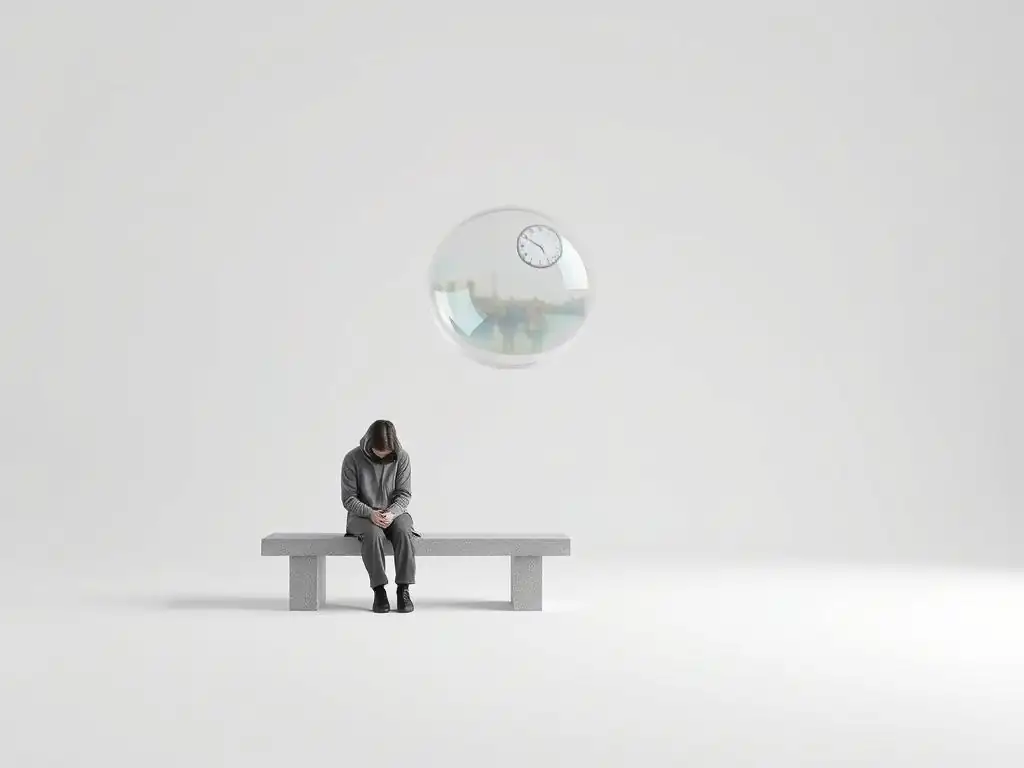
The Development of Anticipatory Anxiety
One of the most pervasive psychological burdens of panic disorder is anticipatory anxiety. This isn't just a vague worry; it's a specific, intense fear of having another panic attack. After experiencing one or more attacks, the mind becomes fixated on the possibility of recurrence. This creates a constant state of heightened alert, where the individual is scanning their body for any slight physical sensation that might signal an impending attack. A slightly faster heartbeat, a fleeting feeling of dizziness, or a moment of breathlessness can trigger immediate fear and a cascade of anxious thoughts.
This persistent state of worry is exhausting and can feel like living under a perpetual cloud of dread. It's the anxiety about the anxiety. The amount of mental energy consumed by anticipatory anxiety is enormous, making it difficult to focus on anything else. This constant internal battle significantly diminishes quality of life, stealing joy from activities and making even routine tasks feel overwhelming. It's a psychological cost that often outweighs the brief, intense period of the panic attack itself.
Avoidance Behaviors and Their Consequences
Anticipatory anxiety directly fuels avoidance behaviors, which become a central feature of panic disorder. To prevent the feared panic attack, individuals begin to avoid places, situations, or activities they associate with previous attacks or where they fear an attack might occur and they wouldn't be able to escape or get help. This can start small, like avoiding a specific aisle in a grocery store, but can escalate to avoiding public transport, driving, crowded places, exercising, or even leaving the house.
While avoidance provides temporary relief from anxiety, it has severe long-term consequences. It reinforces the belief that the avoided situation is genuinely dangerous and that the individual cannot cope. This strengthens the panic-fear cycle and prevents the person from learning that they can handle the situation or that the feared outcome might not happen. The world shrinks, independence diminishes, and life becomes increasingly restricted. This self-imposed limitation is a profound psychological cost, leading to feelings of being trapped, helpless, and robbed of personal freedom.
Increased Risk of Comorbid Mental Health Conditions
Living with the chronic stress, anxiety, and limitations imposed by panic disorder significantly increases the risk of developing other mental health conditions. Depression is particularly common, often occurring alongside panic disorder. The persistent fear, isolation resulting from avoidance, and the feeling of losing control over one's life can lead to feelings of hopelessness, sadness, and a loss of interest in activities. It's estimated that a significant percentage of individuals with panic disorder also experience major depressive episodes at some point.
Other anxiety disorders, such as generalized anxiety disorder (GAD) or specific phobias, also frequently co-occur with panic disorder. The underlying vulnerability to anxiety can manifest in different ways. For example, the avoidance of specific places due to panic can evolve into agoraphobia, a severe anxiety disorder characterized by intense fear and avoidance of situations where escape might be difficult or help unavailable if panic symptoms occur. The presence of these comorbid conditions complicates treatment and further diminishes overall well-being, representing a compounding psychological cost.
Physical Health Consequences of Chronic Panic Disorder
The Stress Response and its Effects on the Body
Chronic panic disorder keeps the body in a state of heightened alert, constantly activating the fight-or-flight response. This involves the release of stress hormones like adrenaline and cortisol. While these hormones are crucial for responding to real danger, their prolonged elevation due to chronic anxiety and fear can have detrimental effects on physical health. The heart rate remains elevated, blood pressure may rise, and muscles stay tense. Digestive processes can be disrupted, leading to symptoms like irritable bowel syndrome (IBS). Sleep patterns are often disturbed, further exacerbating stress and anxiety levels.
The body's resources are constantly diverted to maintaining this state of readiness, leading to fatigue and potentially suppressing the immune system over time. This persistent physiological arousal contributes to a range of physical complaints that may not seem directly related to panic but are a consequence of the chronic stress response. Headaches, muscle aches, fatigue, and digestive issues are common physical manifestations of the body's ongoing reaction to the perceived threat of panic.
Increased Risk of Cardiovascular Issues and Other Physical Ailments
Long-term exposure to elevated stress hormones and the physiological changes associated with chronic panic disorder have been linked to an increased risk of certain physical health problems. The constant strain on the cardiovascular system from elevated heart rate and blood pressure may contribute to a higher risk of developing heart disease over time. While a panic attack itself is generally not dangerous to a healthy heart, the cumulative effect of chronic stress associated with the disorder is a concern.
Beyond cardiovascular health, chronic stress and anxiety can negatively impact various bodily systems. There's some evidence suggesting potential links between chronic anxiety disorders and conditions like metabolic syndrome, type 2 diabetes, and even certain autoimmune issues, although more research is needed to fully understand these complex relationships. The physical toll of constantly battling panic and anxiety adds another layer to the hidden costs, potentially leading to increased healthcare utilization and a diminished quality of life due to physical health challenges alongside mental health struggles.
Daily Coping Strategies: Reclaiming Your Life
Immediate Coping Mechanisms During a Panic Attack
When a panic attack strikes, having immediate coping mechanisms at hand is crucial for managing the intense symptoms. One effective strategy is focusing on your breath. Slow, deep diaphragmatic breathing can help regulate your nervous system. Try inhaling slowly through your nose for a count of four, holding for a moment, and exhaling slowly through your mouth for a count of six.
Repeat this until the intensity begins to subside. Another useful technique involves grounding yourself in the present moment. Engage your senses: notice five things you can see, four things you can touch, three things you can hear, two things you can smell, and one thing you can taste. This helps pull your focus away from fearful thoughts and back to reality.
Distraction techniques can also be helpful. This might involve counting backward from 100 by threes, reciting a poem, or focusing intently on an object in your surroundings, noting its color, shape, and texture. Remember that while the feelings are intense, they are temporary and will pass. Telling yourself "This is a panic attack, it is uncomfortable but not dangerous, and it will end" can provide reassurance. These immediate panic attack coping strategies daily practice can reduce the severity and duration of an attack.
Long-Term Strategies for Managing Panic Disorder
Effective long-term management of panic disorder involves more than just reacting to attacks; it requires proactive strategies to reduce their frequency and intensity. Cognitive Behavioral Therapy (CBT) is a cornerstone of this approach, helping individuals identify and challenge the catastrophic thoughts that fuel panic. Exposure therapy, often a component of CBT, involves gradually confronting feared situations in a safe environment to learn that they are not truly dangerous and that you can cope. Regularly practicing relaxation techniques, such as progressive muscle relaxation or guided imagery, can lower overall anxiety levels.
Incorporating regular physical activity into your routine is also a powerful long-term strategy. Exercise is a natural stress reducer and can help regulate the body's stress response. Aim for at least 30 minutes of moderate-intensity exercise most days of the week. Building a consistent routine of panic attack coping strategies daily helps create a sense of control and resilience, equipping you with the tools needed to navigate challenging situations and reduce the likelihood of future attacks.
Lifestyle Adjustments for Panic Attack Prevention
Preventing panic attacks involves making conscious lifestyle choices that support mental and physical well-being. Prioritizing sufficient sleep is vital; aim for 7-9 hours per night, as sleep deprivation can increase anxiety and vulnerability to panic. Maintaining a balanced diet and limiting caffeine, alcohol, and sugar intake can also help, as these substances can trigger or worsen anxiety symptoms. Staying hydrated is important, too.
Developing a routine that includes time for relaxation and enjoyable activities can significantly reduce stress levels. This might involve reading, listening to music, spending time in nature, or engaging in hobbies. Mindfulness practices, such as daily meditation, can help cultivate a greater awareness of thoughts and feelings without judgment, reducing the tendency to spiral into fearful thinking. Consistently applying these lifestyle-based panic attack coping strategies daily forms a strong foundation for reducing anxiety and preventing panic attacks.
Developing a Panic Disorder Management Plan

Identifying Your Triggers and Warning Signs
A crucial step in managing panic disorder is understanding what precipitates your attacks. Triggers can be internal (like physical sensations) or external (like specific places or situations). Keeping a journal can be incredibly helpful in identifying patterns. Note when and where attacks occur, what you were doing, who you were with, how you were feeling beforehand, and any physical symptoms you noticed. Over time, you may see correlations, such as attacks often happening in crowded places, during periods of high stress, or when you are tired or hungry.
Learning to recognize your personal warning signs is equally important. These are the subtle cues your body or mind gives you before a full-blown panic attack. They might include a slight feeling of unease, mild palpitations, muscle tension, or a racing thought. Becoming attuned to these early signals allows you to intervene with coping strategies before the panic escalates, giving you a greater sense of agency and control over the situation.
Relaxation Techniques for Panic Attack Prevention
Incorporating relaxation techniques into your daily routine can significantly lower your baseline anxiety and make you less susceptible to panic attacks. Deep breathing exercises, practiced regularly, train your body to respond to stress with calmness rather than panic. Progressive muscle relaxation, where you tense and then release different muscle groups in your body, helps reduce physical tension and promotes a state of relaxation.
Mindfulness meditation involves focusing on the present moment without judgment and can help detach from anxious thought patterns. Guided imagery, using visualizations to create a peaceful mental escape, can also be very effective. Making time for these relaxation techniques each day, even for just 10-15 minutes, is a proactive way to manage stress and build resilience against panic. These are essential panic attack coping strategies daily that support long-term well-being.
Seeking Professional Help: Therapy and Medication Options
For many individuals, overcoming panic disorder requires professional guidance. Therapy, particularly Cognitive Behavioral Therapy (CBT), is considered highly effective. A therapist can help you understand the nature of panic, challenge your fearful thoughts, gradually confront avoided situations (exposure therapy), and teach you practical coping skills. The goal is not just to manage symptoms but to fundamentally change your relationship with fear and anxiety.
Medication can also be a valuable tool, especially for reducing the frequency and intensity of severe panic attacks and the associated anticipatory anxiety. Antidepressants (like SSRIs or SNRIs) are often prescribed for long-term use, while benzodiazepines may be used cautiously for short-term, acute relief. A psychiatrist or other medical doctor can assess your individual needs and determine if medication is appropriate as part of your overall management plan, working in conjunction with therapy and daily coping strategies.
The Importance of Self-Care in Panic Disorder Management
Prioritizing Sleep, Nutrition, and Exercise
Fundamental self-care practices form the bedrock of managing panic disorder. Adequate sleep is non-negotiable; chronic sleep deprivation heightens anxiety and can be a direct trigger for panic attacks. Aim for a consistent sleep schedule, creating a relaxing bedtime routine. Nutrition also plays a key role. A balanced diet, avoiding excessive caffeine, alcohol, and processed foods, helps stabilize mood and energy levels. Ensure you are eating regular meals to prevent blood sugar drops, which can mimic anxiety symptoms.
Regular physical exercise is a powerful antidote to anxiety. It releases endorphins, reduces stress hormones, and provides a healthy outlet for nervous energy. Finding an activity you enjoy, whether it's walking, jogging, yoga, or dancing, and making it a regular part of your routine significantly contributes to reducing the frequency and intensity of panic attacks. These basic yet vital self-care practices are foundational panic attack coping strategies daily that support overall mental and physical resilience.
Mindfulness and Meditation for Anxiety Relief
Mindfulness and meditation techniques are increasingly recognized for their effectiveness in managing anxiety and preventing panic. Mindfulness involves paying attention to the present moment without judgment, observing thoughts, feelings, and physical sensations as they arise without getting caught up in them. This practice helps train your mind to recognize anxious thoughts without immediately reacting to them with fear, interrupting the panic cycle.
Regular meditation, even for just a few minutes each day, can help calm the nervous system and reduce overall stress levels. There are many forms, from focused breathing meditation to loving-kindness meditation. Apps and online resources offer guided meditations suitable for beginners. Integrating these practices into your panic attack coping strategies daily routine can build your capacity to tolerate uncomfortable feelings and reduce the power that anticipatory anxiety holds over you.
Building a Support System for Recovery
Navigating panic disorder can feel isolating, making a strong support system essential for recovery. This includes trusted friends, family members, or a support group where you can share experiences and feel understood. Talking openly about your struggles with people who care can alleviate feelings of shame and provide emotional validation. Loved ones can also offer practical support, such as accompanying you to feared situations as part of exposure therapy, or simply being present during moments of anxiety.
Connecting with others who have similar experiences through support groups, either in person or online, can provide invaluable insights, coping tips, and a sense of community. Knowing you are not alone in your struggle can be incredibly empowering. Building and nurturing these relationships is a vital component of a holistic management plan, providing the encouragement and understanding needed to implement panic attack coping strategies daily consistently.
Long-Term Outlook and Recovery from Panic Disorder
The Potential for Full Recovery
The good news is that panic disorder is highly treatable, and full recovery is absolutely possible for many individuals. It's not something you necessarily have to live with indefinitely. With appropriate treatment, such as CBT, exposure therapy, and sometimes medication, individuals can learn to manage their anxiety, reduce or eliminate panic attacks, and regain control over their lives. Recovery is a process that involves learning new ways of thinking, feeling, and behaving in response to anxiety and fear.
Recovery doesn't always mean never experiencing another moment of anxiety; rather, it means developing the skills and confidence to handle anxious feelings or potential panic symptoms effectively if they arise. It involves breaking the cycle of fear and avoidance and gradually re-engaging with life. Many people who successfully manage their panic disorder report feeling stronger and more resilient as a result of facing their fears and learning robust coping mechanisms.
Maintaining Wellness and Preventing Relapse
Achieving recovery is a significant milestone, but maintaining wellness requires ongoing effort and vigilance. Relapse prevention involves continuing to practice the panic attack coping strategies daily that were instrumental in recovery. This includes maintaining a consistent self-care routine (sleep, nutrition, exercise), continuing relaxation or mindfulness practices, and utilizing the coping skills learned in therapy whenever anxiety surfaces.
Being aware of potential triggers or periods of increased stress in your life and having a plan for how to navigate them is also important. This might involve proactively increasing self-care during stressful times, revisiting specific therapy techniques, or scheduling a check-in session with a therapist if needed. Maintaining a support system and staying connected with others further reinforces resilience and provides a safety net, helping to prevent a return to debilitating panic.
Living a Fulfilling Life Despite Panic Disorder: Emma's Story of Recovery
Consider the story of Emma (an illustrative example based on common experiences). For years, Emma's life was dictated by the fear of panic attacks. She stopped driving, avoided public transport, and eventually even found it difficult to go to the grocery store. Her world had shrunk dramatically, leading to isolation and depression. She felt trapped and hopeless.
However, Emma decided to seek help. She began seeing a therapist who specialized in CBT for panic disorder. Through therapy, she learned about the nature of panic attacks, challenged her catastrophic thoughts, and started practicing deep breathing and grounding techniques.
Her therapist also guided her through gradual exposure exercises, starting with short trips around her block and slowly working up to longer drives and eventually using public transport again. Emma also started incorporating daily walks and mindfulness meditation into her routine as part of her panic attack coping strategies daily. It wasn't easy, and there were setbacks, but with consistent effort and the support of her therapist and a understanding friend, Emma gradually reclaimed her life.
She is now able to drive, travel for work, and enjoy social outings without constant fear. While she still experiences moments of anxiety occasionally, she now has the tools and confidence to manage them, proving that a fulfilling life is possible after experiencing the hidden costs of panic disorder.
Frequently Asked Questions
Final Reflection: Unmasking Panic's Power, Reclaiming Your Daily Life
The pervasive impact of panic attacks extends far beyond the immediate moment of intense fear; it subtly shapes our daily routines, relationships, and overall well-being. Understanding this hidden cost is the crucial first step towards reclaiming control and building a life less defined by anxiety. This isn't just about managing symptoms; it's about fostering resilience and embracing a future where panic doesn't dictate your choices.
The journey to managing panic is deeply personal, a constant negotiation between the overwhelming sensations of fear and the quiet strength we discover within ourselves. It's a journey I've witnessed firsthand, both in my own experiences and in the stories shared by countless others. The struggle is real, the pain is valid, but so is the potential for healing and growth. The oak sleeps in the acorn; the bird waits in the egg; and in the highest vision of the soul a waking angel stirs. Dreams are the seedlings of realities.
This quote reminds us that even within the darkest moments of panic, the seeds of a calmer, more empowered future are present.
You are not alone in this experience. The strategies discussed in this article—from mindful breathing techniques to establishing consistent self-care routines—are tools, not cures. Embrace these tools, adapt them to your unique needs, and remember that progress, not perfection, is the ultimate goal. Begin today by identifying one small step you can take towards managing your panic, and celebrate each victory along the way. Your journey to a more peaceful and fulfilling life starts now.
Unveil Your Inner Calm: Take Control of Panic's Impact
Thanks for taking the time to explore the hidden costs of panic with us! We hope you gained valuable insights into managing this often-overlooked challenge. Now it's time to put that knowledge into action.
- Prioritize one small, manageable step: Identify one area from the article where you feel you can make an immediate positive change (e.g., incorporating a specific relaxation technique, scheduling a doctor's appointment, or trying a new mindfulness exercise). This is your starting point.
- Share your journey: Connect with others and share your experiences (or even just the article itself!) on social media using #MindCareGuide and #PanicLess. Supporting each other is key.
- Explore our resources: We have additional articles and tools on MindCareGuide.org to further help you understand and manage panic.
Ready to embark on your journey to calmer, more confident living? What's that one small step you're taking today to reclaim your peace of mind?