
PreGame Jitters: Turning Nerves into Peak Performance

Welcome to Mind Care Guide, a space dedicated to nurturing your mental well-being.
Feeling the pressure before a big game? You're not alone. Many athletes experience overwhelming anxiety that can impact performance. But what if you could transform those pregame jitters into fuel for success? Dive into our comprehensive guide on managing pregame anxiety performance and discover proven strategies to conquer your nerves and unlock your full potential. Let's turn that anxiety into your competitive edge.
Conquering Competition Nerves: Transforming Anxiety into Athletic Excellence
- Understanding Competition Anxiety and Athletic Performance
- Strategies for Managing Competition Anxiety
- Long-Term Solutions for Athlete Anxiety and Peak Performance
- Case Studies: Athletes Who Overcame Competition Anxiety to Achieve Success
- Conclusion: Embracing Anxiety as a Catalyst for Peak Performance
-
Frequently Asked Questions
- How can I identify if I'm experiencing pregame anxiety, and is it normal?
- What are some effective strategies for managing pregame anxiety performance, specifically before a game or competition?
- Can pregame anxiety actually help my performance? How?
- When should I seek professional help for my pregame anxiety?
- Are there specific resources or tools recommended by Mind Care Guide for managing pregame anxiety performance?
- Final Reflection: Harnessing the Power Within: From Jitters to Triumph
- Unleash Your Inner Champion: Conquer Pre-Game Jitters!
Understanding Competition Anxiety and Athletic Performance
Defining Competition Anxiety: Beyond Normal Excitement
Competition anxiety, often referred to as pregame anxiety or performance anxiety, is a specific type of stress response experienced by athletes before or during competition. While a certain level of arousal or "nerves" is normal and can even be beneficial, competition anxiety goes beyond this. It manifests as excessive worry, apprehension, and fear related to performance outcomes, judgment from others, or the potential for failure.
This differs from the typical excitement or anticipation that fuels focus; it's a disruptive force that can impair an athlete's ability to perform at their best. Managing pregame anxiety performance is crucial for athletes aiming for consistency and peak expression of their skills.
This heightened state of anxiety isn't just psychological; it triggers a physiological stress response. Hormones like cortisol and adrenaline are released, preparing the body for a perceived threat. While this response is adaptive in survival situations, in the context of sports, it can lead to detrimental effects on physical control, cognitive processing, and emotional regulation. Understanding this distinction—between productive pre-competition arousal and debilitating performance anxiety—is the first step for athletes and those supporting them in developing effective strategies for managing pregame anxiety performance. It's about recognizing when the "jitters" cross the line into genuine distress.
The Impact of Anxiety on Athletic Performance: Finding the Optimal Zone
The relationship between anxiety and athletic performance is often described by the inverted-U hypothesis, suggesting that performance improves with increasing arousal up to an optimal point, after which further increases in anxiety lead to a decline in performance. For instance, research in sports psychology indicates that athletes experiencing high levels of performance anxiety might see a decrease in reaction time, potentially slowing down crucial responses by 10-20% in sports requiring rapid decisions. Fine motor skills, essential in sports like archery, shooting, or gymnastics, can also be significantly impaired by the tremors and muscle tension associated with high anxiety.
Beyond physical effects, competition anxiety severely impacts cognitive function. Athletes may experience difficulty concentrating, negative self-talk, and a tendency to focus on potential failures rather than the task at hand. This can lead to poor decision-making during critical moments in a game or competition. Studies on athletes indicate that excessive worry can occupy significant working memory capacity, leaving fewer cognitive resources available for strategic thinking, adapting to opponents, or executing complex plays. Effectively managing pregame anxiety performance is therefore not just about feeling better, but about freeing up mental and physical capacity for optimal execution.
Recognizing the Symptoms of Competition Anxiety: Physical, Cognitive, and Emotional Signs
Recognizing the signs of competition anxiety is vital for athletes and coaches. Symptoms manifest across physical, cognitive, and emotional domains. Physically, an athlete might experience a racing heart, rapid shallow breathing, sweating palms, muscle tension, nausea, trembling, or even digestive issues like butterflies in the stomach or needing frequent bathroom breaks. These are the body's fight-or-flight responses kicking in, preparing for an emergency rather than a controlled athletic effort.
Cognitive symptoms include persistent negative thoughts ("What if I fail? ", "Everyone is watching"), difficulty concentrating, impaired memory (forgetting strategies or plays), mind blanking, excessive worry about outcomes, and a tendency to focus on past mistakes or future failures. Emotionally, athletes may feel intense fear, irritability, restlessness, a sense of dread, or even panic. They might also display avoidance behaviors, like trying to distract themselves excessively or withdrawing from teammates. Identifying these specific symptoms is the first step in addressing and managing pregame anxiety performance effectively.
Strategies for Managing Competition Anxiety
Cognitive Restructuring: Challenging Negative Thoughts
Cognitive restructuring is a powerful technique for managing performance anxiety by directly addressing the negative thought patterns that fuel it. This process involves identifying unhelpful or irrational thoughts, challenging their validity, and replacing them with more realistic and positive alternatives.
For an athlete plagued by thoughts like "I always mess up under pressure," cognitive restructuring would involve examining evidence against this thought (e.g., successful past performances under pressure), recognizing the thought's exaggeration, and formulating a balanced perspective like "Sometimes I feel pressure, but I have skills to handle it, and focusing on the process helps." This systematic approach helps dismantle the foundation of crippling pregame anxiety performance.
Developing positive self-talk is a key component of cognitive restructuring. It's about consciously choosing encouraging and constructive internal dialogue. Instead of thinking "Don't miss this shot! ", an athlete could reframe it as "Focus on the target, use the technique you've practiced." Positive self-talk boosts confidence, maintains focus, and helps an athlete stay resilient in the face of challenges. Research suggests that athletes who utilize positive self-talk report feeling more in control and less overwhelmed by competition nerves, leading to improved performance outcomes in various sports by helping them stay in a resourceful state.
Identifying and Reframing Anxious Thoughts
- Become aware of your internal monologue before and during competition.
- Write down specific anxious thoughts that arise.
- Challenge the thought: Is it based on fact or fear? What's the worst realistic outcome? What's the best realistic outcome?
- Reframe the thought into a more balanced, realistic, or helpful statement.
- Practice replacing the negative thought with the reframed thought consistently.
Developing Positive Self-Talk for Enhanced Confidence
- Create short, powerful affirmations related to your strengths and process ("I am strong," "Focus," "Trust your training").
- Use instructional self-talk for specific actions ("Keep your eye on the ball," "Maintain form").
- Practice positive self-talk during training to make it automatic during competition.
- Replace negative self-talk immediately when it occurs.
Relaxation Techniques for Calmness and Focus
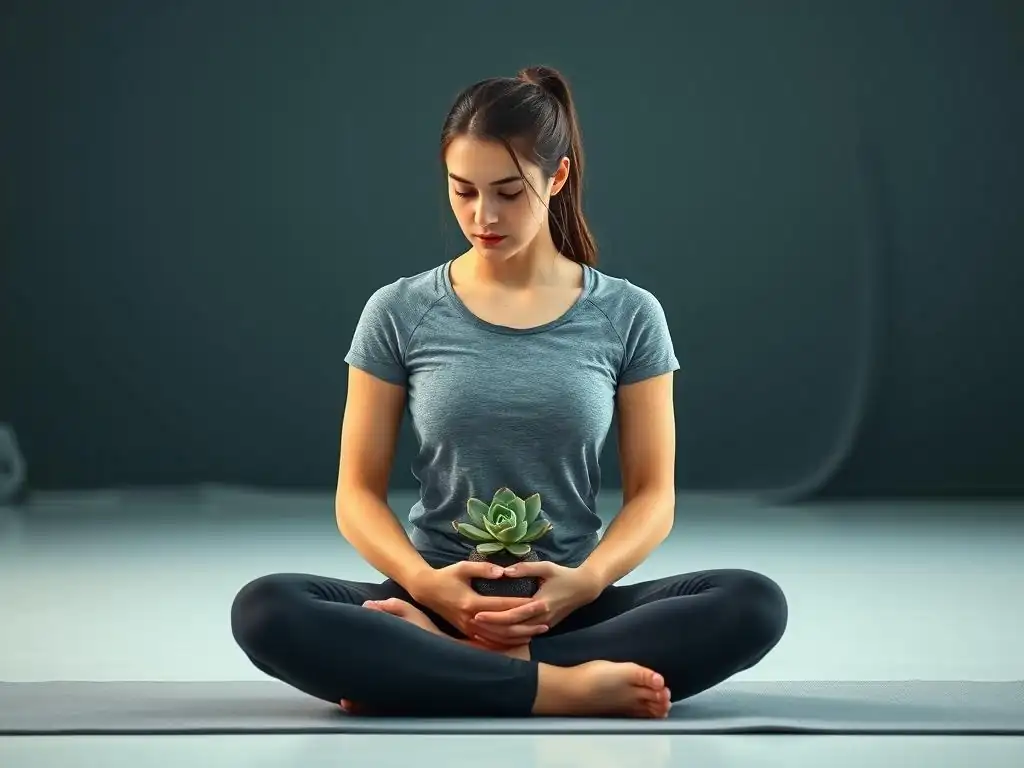
Incorporating relaxation techniques into an athlete's routine is essential for reducing the physical and mental tension associated with performance anxiety. Techniques like diaphragmatic breathing, progressive muscle relaxation, and visualization provide practical tools to calm the nervous system and improve focus both before and during competition. These methods work by counteracting the physiological stress response, lowering heart rate, reducing muscle tension, and promoting a sense of calm control. Learning to activate the body's relaxation response on demand is a powerful skill for managing pregame anxiety performance.
Consistent practice of these techniques, even outside of competitive situations, enhances their effectiveness when anxiety strikes. Athletes who regularly practice deep breathing or visualization are better equipped to use them as quick interventions to regain composure under pressure. For example, taking a few deep breaths before a crucial free throw or visualizing a successful play before it happens can significantly reduce immediate competition nerves and improve execution. These are not just coping mechanisms; they are active strategies to optimize an athlete's state for peak performance.
Diaphragmatic Breathing for Immediate Anxiety Relief
- Find a comfortable position (sitting or lying down).
- Place one hand on your chest and the other on your belly.
- Inhale slowly and deeply through your nose, feeling your belly rise (the chest should move very little).
- Exhale slowly through pursed lips, feeling your belly fall.
- Repeat for several minutes, focusing on the rhythm of your breath.
Progressive Muscle Relaxation: Releasing Physical Tension
- Find a quiet place to lie down.
- Systematically tense and then release different muscle groups in your body (e.g., hands, arms, shoulders, face, neck, back, stomach, legs, feet).
- Hold the tension for about 5-10 seconds, then release completely for 20-30 seconds, noticing the feeling of relaxation.
- Move through the entire body, group by group.
Visualization Techniques: Mentally Rehearsing Success
- Find a quiet place to sit or lie down.
- Close your eyes and take a few deep breaths to relax.
- Mentally create a detailed image of a successful performance, engaging all your senses (seeing the environment, hearing sounds, feeling the movements, smelling the air).
- Practice visualizing specific scenarios, executing skills perfectly, and handling challenges calmly.
- Focus on the feeling of confidence and success.
Creating a Pre-Competition Routine for Optimal Performance
A well-structured pre-competition routine is a cornerstone of managing pregame anxiety performance. It provides a sense of control and predictability in a potentially chaotic environment. Athletes who follow a consistent routine before every competition report feeling calmer and more prepared. This routine typically includes elements like nutrition, hydration, physical warm-up, mental preparation (e.g., visualization, listening to music), equipment checks, and travel plans. The familiarity of the routine helps signal to the athlete's mind and body that it's time to focus and perform, reducing uncertainty which is a major contributor to anxiety.
Designing a personalized routine is key, as what works for one athlete may not work for another. It should be flexible enough to adapt to different venues or schedules but consistent in its core elements and timing relative to the competition start. For example, a runner might have a specific sequence of stretching, a particular playlist they listen to, and a set time they arrive at the track before their race.
This routine minimizes last-minute decisions and stress, allowing the athlete to conserve mental energy and enter a focused state. Implementing and sticking to this routine is a proactive step in effectively managing performance anxiety in sports.
The Importance of Consistency and Predictability
- Reduces uncertainty by providing a familiar structure.
- Helps the body and mind prepare for competition through repetition.
- Builds confidence by reinforcing preparedness.
- Minimizes distractions and allows for focused energy.
Designing a Personalized Routine to Minimize Anxiety
- Identify activities that help you feel prepared and calm (e.g., specific warm-ups, meditation, music, talking to teammates).
- Structure these activities in a logical sequence leading up to competition time.
- Include practical elements like travel, nutrition, and equipment checks.
- Practice the routine before less important events to refine it.
- Be prepared to make minor adjustments but stick to the core elements.
Long-Term Solutions for Athlete Anxiety and Peak Performance
The Role of Mindfulness in Reducing Anxiety and Improving Focus
Mindfulness is a practice that involves paying attention to the present moment without judgment. For athletes, cultivating mindfulness can significantly reduce the impact of performance anxiety by helping them stay grounded rather than getting caught up in worries about the future or regrets about the past. Regular mindfulness meditation has been shown to reduce stress hormones like cortisol and increase activity in areas of the brain associated with emotional regulation and focus. Athletes who practice mindfulness often report feeling more centered, less reactive to mistakes, and better able to maintain concentration amidst distractions.
Applying mindfulness in competition means actively bringing awareness to physical sensations, thoughts, and emotions as they arise, without getting carried away by them. For example, feeling nervous butterflies isn't ignored, but observed without judgment, allowing the athlete to proceed with the task rather than being paralyzed by the feeling. This present-moment awareness allows athletes to respond skillfully to changing game dynamics and challenges rather than reacting impulsively based on anxious thoughts. Integrating mindfulness is a powerful long-term strategy for managing pregame anxiety performance and enhancing overall mental resilience.
Practicing Mindfulness Meditation for Daily Stress Reduction
- Find a quiet place to sit comfortably.
- Set a timer for a few minutes (start with 5-10).
- Close your eyes and focus on your breath as it enters and leaves your body.
- When your mind wanders (which it will), gently guide your attention back to your breath.
- Practice daily, even for short periods.
Applying Mindfulness to In-Competition Situations
- Use sensory awareness to ground yourself (feel your feet on the ground, notice the sounds).
- Acknowledge thoughts and feelings without judgment ("I'm having a thought about missing," not "I'm going to miss").
- Bring your focus back to the immediate task or action required.
- Practice mindful movement during warm-ups and cool-downs.
Seeking Professional Support for Managing Performance Anxiety
For many athletes, managing pregame anxiety performance requires more than self-help techniques; professional support can be invaluable. Sports psychologists are trained to work specifically with athletes on mental skills, including anxiety management, focus, motivation, and resilience. They can provide personalized strategies, conduct mental skills training sessions, and help athletes identify the root causes of their performance anxiety. Working with a sports psychologist can provide athletes with a structured and expert-guided path to overcoming significant competition nerves and achieving consistent performance.
Beyond sports psychology, general therapy options, such as Cognitive Behavioral Therapy (CBT) or Acceptance and Commitment Therapy (ACT), can be highly effective for athletes dealing with underlying anxiety issues that extend beyond the sports arena. CBT helps athletes challenge and change negative thought patterns and behaviors contributing to anxiety. ACT focuses on accepting difficult thoughts and feelings while committing to actions aligned with personal values (like performing well). These therapeutic approaches can provide athletes with robust tools and deeper insights into their anxiety, leading to more sustainable improvements in both their athletic performance and overall well-being.
The Benefits of Working with a Sports Psychologist
- Personalized assessment of anxiety triggers and patterns.
- Learning evidence-based mental skills techniques tailored to their sport.
- Developing strategies for handling specific competitive stressors.
- Improving confidence, focus, and mental toughness.
- Gaining an objective perspective on their challenges.
Therapy Options for Addressing Underlying Anxiety Issues
- Cognitive Behavioral Therapy (CBT) to address thought patterns.
- Acceptance and Commitment Therapy (ACT) to foster psychological flexibility.
- Learning coping mechanisms for anxiety outside of sports.
- Addressing potential co-occurring mental health conditions.
Nutrition and Sleep: Foundations for Mental and Physical Well-being
Often overlooked in the context of managing pregame anxiety performance, nutrition and sleep are fundamental pillars of an athlete's mental and physical health. A balanced diet provides the necessary energy and nutrients for brain function and stress management. For example, maintaining stable blood sugar levels through regular meals and avoiding excessive caffeine or sugar can prevent energy crashes and reduce irritability and nervousness. Consuming foods rich in omega-3 fatty acids, magnesium, and B vitamins is also linked to improved mood and reduced anxiety levels. Proper hydration is equally crucial, as dehydration can exacerbate feelings of stress and fatigue.
Sleep is arguably the most critical recovery tool for athletes, impacting everything from physical repair to cognitive function and emotional regulation. Chronic sleep deprivation increases stress hormones, impairs decision-making, reduces reaction time, and heightens feelings of anxiety and irritability. Aiming for 7-9 hours of quality sleep per night is essential for athletes. Establishing a consistent sleep schedule and creating a relaxing bedtime routine can significantly improve sleep quality, which in turn, builds resilience against competition nerves and supports optimal performance. Prioritizing these basic needs lays a strong foundation for effective anxiety management.
Optimizing Diet for Anxiety Reduction and Energy Levels
- Eat balanced meals with complex carbohydrates, lean protein, and healthy fats.
- Maintain consistent meal times to stabilize blood sugar.
- Limit caffeine and sugar intake, especially before competition.
- Stay well-hydrated throughout the day.
- Consider foods rich in magnesium (leafy greens, nuts), omega-3s (fatty fish), and B vitamins (whole grains, eggs).
The Crucial Role of Sleep in Recovery and Performance
- Aim for 7-9 hours of quality sleep per night.
- Establish a regular sleep schedule, even on weekends.
- Create a relaxing bedtime routine (e.g., reading, stretching).
- Ensure the sleep environment is dark, cool, and quiet.
- Avoid screens and heavy meals close to bedtime.
Case Studies: Athletes Who Overcame Competition Anxiety to Achieve Success

Simone Biles: Prioritizing Mental Health and Performance
Simone Biles, widely regarded as one of the greatest gymnasts of all time, provided a powerful example of the importance of addressing mental health, even at the pinnacle of sport. During the Tokyo 2020 Olympics (held in 2021), Biles withdrew from several events, citing the "twisties"—a dangerous mental block where gymnasts lose their spatial awareness mid-air. This was a clear manifestation of extreme performance anxiety and pressure. Her decision highlighted that even elite athletes are susceptible to severe competition nerves and that prioritizing mental well-being is not a weakness but a necessary component of long-term athletic success and safety.
Biles' public stance brought unprecedented attention to managing pregame anxiety performance at the highest levels. By stepping back to focus on her mental health, she demonstrated immense courage and leadership. She later returned to compete in the balance beam final, earning a bronze medal. Her experience and openness encouraged countless other athletes to speak out about their own struggles with anxiety and seek help, normalizing the conversation around mental health in sports and emphasizing that performance is inextricably linked to psychological well-being.
Michael Phelps: Utilizing Visualization for Competitive Edge
Michael Phelps, the most decorated Olympian in history, has been open about his struggles with depression and anxiety, particularly after major competitions. However, during his competitive career, he masterfully utilized visualization as a key tool for managing pregame anxiety performance and preparing for races. Guided by his coach Bob Bowman, Phelps would engage in detailed mental rehearsals every night before falling asleep and upon waking up.
Phelps didn't just visualize winning; he visualized the entire race experience, from standing on the block, hearing the crowd, the feel of the water, executing each stroke and turn perfectly, to touching the wall and looking at the scoreboard. He also visualized overcoming potential obstacles, like his goggles filling with water (which famously happened in the 2008 Beijing Olympics 200m butterfly final, which he still won). This meticulous mental preparation reduced uncertainty, built confidence, and trained his mind to handle pressure and execute under any circumstance, proving the power of visualization in transforming competition nerves into focused performance.
Conclusion: Embracing Anxiety as a Catalyst for Peak Performance
Transforming Nervous Energy into Focused Action
Competition anxiety is a common experience for athletes, but it doesn't have to be a barrier to success. By understanding its nature, recognizing its symptoms, and implementing effective strategies, athletes can learn to manage pregame anxiety performance and even harness that nervous energy. The goal isn't to eliminate anxiety entirely, as some level of arousal is beneficial, but rather to transform debilitating fear into focused readiness. Techniques like cognitive restructuring, relaxation exercises, and consistent pre-competition routines provide athletes with practical tools to navigate the pressures of competition.
Furthermore, adopting long-term approaches such as mindfulness, prioritizing nutrition and sleep, and seeking professional support when needed build a robust foundation for mental resilience. As shown by athletes like Simone Biles and Michael Phelps, addressing mental well-being and utilizing mental skills are integral components of reaching and sustaining peak performance. By embracing anxiety as a signal to prepare and channel energy effectively, athletes can step onto the field, court, or track not despite their nerves, but empowered by their ability to transform them into a catalyst for achieving their athletic potential.
Frequently Asked Questions
How can I identify if I'm experiencing pregame anxiety, and is it normal?
Pregame anxiety often manifests as increased heart rate, sweating, and negative thoughts before a competition. Experiencing some level of nervousness is completely normal, indicating you care about the outcome.
What are some effective strategies for managing pregame anxiety performance, specifically before a game or competition?
Employ deep breathing exercises, visualization techniques (imagining success), and positive self-talk to calm your nerves. Focus on what you can control: your preparation and effort.
Can pregame anxiety actually help my performance? How?
Yes, a certain level of anxiety can be beneficial! It can heighten awareness and focus, leading to peak performance. The key is managing it so it doesn't become overwhelming.
When should I seek professional help for my pregame anxiety?
If anxiety is significantly impacting your performance, causing distress, or interfering with your daily life, consider seeking support from a therapist or sports psychologist.
Are there specific resources or tools recommended by Mind Care Guide for managing pregame anxiety performance?
Mind Care Guide offers articles on mindfulness, relaxation techniques, and links to mental health professionals specializing in sports psychology to help you manage and improve your performance.
Final Reflection: Harnessing the Power Within: From Jitters to Triumph
The fight against pre-game anxiety isn't just about calming nerves; it's about transforming that nervous energy into a potent fuel for peak performance. In today's high-stakes world, where competition is fierce and pressure mounts relentlessly, mastering this internal battle is crucial for success in any field, from sports to business presentations to even everyday challenges. The strategies outlined—mindfulness, visualization, and strategic preparation—aren't just techniques; they're keys to unlocking your full potential.
The impact of pre-game anxiety extends far beyond the playing field or the conference room. It speaks to a fundamental human experience: the tension between fear and ambition. The greatest glory in living lies not in never falling, but in rising every time we fall.
This quote, often attributed to Nelson Mandela, perfectly encapsulates the spirit of overcoming pre-game jitters. It's about embracing the challenge, learning from setbacks, and using the lessons learned to fuel future triumphs. The journey of mastering pre-game anxiety is a testament to resilience and the power of self-belief.
Now, consider your own "pre-game" moments. What are the situations that trigger your anxieties? How can you apply the principles discussed—mindfulness, visualization, and strategic preparation—to transform those moments of trepidation into opportunities for growth and achievement? Take a moment to reflect on your own strengths and develop a personalized strategy for managing your anxieties. Remember, the power to conquer your nerves and achieve peak performance lies within you. Embrace the challenge, and let your jitters fuel your fire.
Unleash Your Inner Champion: Conquer Pre-Game Jitters!
Thanks for taking the time to explore how to transform pre-game nerves into a powerful performance boost! We hope you found practical strategies to manage anxiety and unlock your full potential.
Ready to put these tips into action? Here’s how:
- Develop your personalized pre-game routine: Identify specific calming activities (deep breathing, visualization, positive self-talk) and practice them consistently to build confidence and control. This is your key to consistent success.
- Share your winning strategies: Let's build a supportive community! Share your favorite pre-game rituals or a tip that helped you in the comments below. Let's inspire each other.
- Experiment with a new approach: Try just one unfamiliar relaxation technique from the article this week and observe how it affects your performance. Even small changes can make a big difference.
What unique technique will you try to master your pre-game nerves and achieve peak performance?