
Managing Health Anxiety: A Practical Guide to Reducing Fear


Welcome to Mind Care Guide, a space dedicated to nurturing your mental well-being.
Feeling overwhelmed by persistent health worries? You're not alone. Our in-depth guide, "Managing Health Anxiety: A Practical Guide to Reducing Fear," delves into actionable strategies for reducing health anxiety symptoms quickly. Uncover practical tools and compassionate support to reclaim control and find peace of mind. Ready to start feeling better? Let's explore together.
Managing Health Anxiety: A Practical Guide to Reducing Fear
- Understanding Health Anxiety and Its Impact
- Practical Strategies for Reducing Health Anxiety Symptoms Quickly
- Lifestyle Changes to Support Health Anxiety Management
- Addressing Specific Triggers and Concerns
- Seeking Professional Help for Health Anxiety
- Long-Term Strategies for Maintaining Mental Well-being
- Resources for Further Support and Information on Health Anxiety
-
Frequently Asked Questions
- How can I quickly reduce a panic attack related to health anxiety?
- What are some practical strategies for managing constant worries about my health?
- How do I know if my health anxiety is severe enough to warrant professional help?
- What are some effective long-term strategies for overcoming health anxiety?
- Can lifestyle changes, such as diet and exercise, play a role in reducing health anxiety symptoms?
- Final Reflection: Finding Peace in the Face of Health Anxiety
- Take Control: Your Journey to Calmer Living Starts Now!
Understanding Health Anxiety and Its Impact
What is Health Anxiety? Defining Illness Worry
Health anxiety, sometimes referred to as hypochondriasis or illness anxiety disorder, is characterized by excessive worry about having or developing a serious medical condition. This worry is often disproportionate to actual medical evidence and persists despite reassurance from doctors. Individuals with health anxiety may misinterpret normal bodily sensations, such as a headache or a muscle twitch, as signs of a severe illness.
The core of this anxiety is the fear of being sick, often leading to significant distress and impairment in daily life. It's not just about being concerned about health; it's a persistent, intrusive fear that dominates thoughts and behaviors.
This condition affects a notable portion of the population. While exact figures vary, studies suggest that health anxiety affects between 4% and 10% of people in the general population, and significantly higher rates, perhaps 10-20%, are found in primary care settings. This indicates that many individuals seeking medical help may actually be struggling with underlying health anxiety rather than a purely physical ailment. The disorder typically emerges in early or middle adulthood, though it can appear at any age, and its chronic nature means that without intervention, the intense worry about health can persist for years.
The Psychological Impact of Excessive Health Concerns
The psychological burden of health anxiety is substantial and far-reaching. Constant worry about illness can lead to high levels of stress, anxiety, and even depression. Individuals may spend hours each day thinking about their health, researching symptoms online, or seeking reassurance from others or medical professionals. This preoccupation takes a toll on mental energy, making it difficult to concentrate on work, maintain relationships, or enjoy leisure activities. The persistent state of alarm can also contribute to physical symptoms, such as fatigue, muscle tension, and digestive issues, which can, in turn, fuel further health worries, creating a vicious cycle.
Beyond the internal distress, health anxiety significantly impacts social and occupational functioning. People may avoid situations that they fear could expose them to illness, such as public places or hospitals, leading to social isolation. Work performance can decline due to difficulty concentrating or frequent absences for unnecessary medical appointments. The constant need for reassurance can strain relationships with family and friends, who may become frustrated or exhausted by the repetitive nature of the worries. This pervasive psychological impact underscores the importance of finding effective strategies for reducing health anxiety symptoms quickly and managing the condition long-term.
Common Symptoms of Health Anxiety: Recognizing the Signs
Recognizing the symptoms of health anxiety is the first step toward managing it. A hallmark symptom is a preoccupation with having or acquiring a serious illness. This often manifests as misinterpreting benign physical sensations (like a slight cough or mild ache) as evidence of a severe disease. Another common symptom is a high level of anxiety about one's health, even when medical tests are normal and doctors provide reassurance. This anxiety is often out of proportion to the actual likelihood of having the feared illness.
Behavioral symptoms are also prominent. These include repeatedly checking the body for signs of illness (e.g., checking moles, monitoring heart rate), seeking excessive reassurance from others or medical professionals, and frequently researching health information or symptoms online. Conversely, some individuals may avoid medical appointments altogether due to the fear of receiving a dreaded diagnosis. These compulsive or avoidant behaviors are driven by the intense fear and are often attempts to reduce health anxiety symptoms quickly, though they typically provide only temporary relief before the worry returns, often stronger than before.
Practical Strategies for Reducing Health Anxiety Symptoms Quickly
Cognitive Behavioral Therapy (CBT) Techniques for Health Anxiety
Cognitive Behavioral Therapy (CBT) is widely considered one of the most effective treatments for health anxiety. It works by helping individuals identify and challenge the negative thought patterns and behaviors that maintain their anxiety. A core principle is understanding the link between thoughts, feelings, and behaviors. For someone with health anxiety, this means recognizing how catastrophic thoughts about symptoms lead to intense fear, which in turn drives behaviors like excessive checking or reassurance seeking, ultimately reinforcing the anxiety. CBT provides tools to break this cycle.
Studies have consistently shown the efficacy of CBT for health anxiety. For instance, research indicates that a significant percentage of individuals undergoing CBT experience a substantial reduction in their health anxiety symptoms, often within 12-20 sessions. A randomized controlled trial published in the British Medical Journal found that CBT was significantly more effective than standard care in reducing health anxiety severity over a one-year follow-up period. These results highlight CBT's power in equipping individuals with practical skills for reducing health anxiety symptoms quickly and fostering long-term recovery.
Challenging Negative Thoughts and Catastrophic Thinking
A key component of CBT for health anxiety is learning to challenge negative, catastrophic thoughts. These thoughts often take the form of worst-case scenarios based on minimal evidence, such as "This headache must be a brain tumor" or "That chest pain means I'm having a heart attack." The goal is not to replace negative thoughts with overly positive ones, but rather to evaluate the evidence for and against the thought and develop more balanced, realistic perspectives. This involves asking questions like "What is the actual evidence for this thought?" or "What are other possible explanations for this symptom?"
Techniques for challenging thoughts include thought records, where individuals write down their anxious thought, the feelings it evokes, and then critically examine the evidence supporting and refuting the thought. For example, someone worried about a headache might note the thought "This is a brain tumor," the feeling of intense fear, and then list evidence like "I've had headaches before that weren't tumors" and "My doctor said my last checkup was fine," alongside evidence like "My head hurts."
By systematically evaluating the evidence, individuals can start to see how their anxious thoughts are often based on assumptions rather than facts, which is crucial for reducing health anxiety symptoms quickly.
Cognitive Restructuring: Reframing Anxious Thoughts
Cognitive restructuring builds upon challenging thoughts by actively working to reframe them into more accurate and less threatening interpretations. Instead of automatically assuming the worst, individuals learn to consider alternative explanations for their symptoms. If a person feels a strange sensation in their leg, instead of jumping to "It's a blood clot," cognitive restructuring encourages considering possibilities like "Maybe I slept on it funny," "Could it be a muscle cramp from exercise?" or "It might just be a harmless twitch." This process involves deliberately shifting focus away from the catastrophic interpretation towards more benign possibilities.
This reframing process is not about denial but about acknowledging that multiple interpretations exist and choosing the one that is most supported by evidence and least anxiety-provoking, especially when medical reassurance has been given. Through practice, individuals become more adept at automatically generating these alternative explanations, reducing the immediate spike in fear associated with the initial anxious thought. This skill is vital for reducing health anxiety symptoms quickly in the moment and for building long-term resilience against anxious thinking patterns.
Exposure Therapy for Health Anxiety: Facing Your Fears
Exposure therapy is another powerful CBT technique used in managing health anxiety. It involves gradually and safely exposing oneself to feared situations, bodily sensations, or stimuli that trigger health anxiety, without engaging in safety behaviors (like checking or seeking reassurance). The purpose is to learn that the feared outcome does not occur or that the anxiety decreases over time even without performing the safety behavior. For instance, someone afraid of heart problems might practice exercises that increase their heart rate, experiencing the sensation without assuming it means a heart attack.
Exposure can take various forms. Interoceptive exposure involves intentionally bringing on feared bodily sensations (e.g., spinning to feel dizzy, breathing through a straw to feel breathless) to learn to tolerate them. In vivo exposure involves confronting feared situations (e.g., visiting a hospital, touching something perceived as contaminated).
Response prevention is often paired with exposure, where the individual refrains from performing compulsive checking or reassurance-seeking behaviors. By confronting feared sensations and situations without resorting to safety behaviors, individuals learn that they can tolerate the discomfort and that their catastrophic predictions are unlikely to come true, significantly reducing health anxiety symptoms quickly and over time.
Mindfulness and Relaxation Techniques for Calming Health Anxiety
Mindfulness and relaxation techniques offer effective ways to manage the physiological and emotional distress associated with health anxiety. Mindfulness involves paying attention to the present moment without judgment. For someone with health anxiety, this means observing bodily sensations, thoughts, and feelings as they are, rather than getting swept away by catastrophic interpretations. Instead of a racing heart immediately triggering panic about a heart attack, mindfulness allows the individual to simply notice the sensation of a racing heart, acknowledging it without attaching a fearful narrative.
Integrating mindfulness into daily life can help reduce the intensity and frequency of health anxiety symptoms. Even short practices, like a 5-minute mindful breathing exercise, can help ground you when anxiety spikes. Relaxation techniques, such as deep breathing or progressive muscle relaxation, directly counter the body's stress response. When anxious, the sympathetic nervous system is activated, leading to shallow breathing, muscle tension, and increased heart rate. Relaxation techniques activate the parasympathetic nervous system, promoting a state of calm and helping in reducing health anxiety symptoms quickly when they arise.
Practicing Mindfulness Meditation to Reduce Anxiety
Regular practice of mindfulness meditation can cultivate a greater ability to observe anxious thoughts and bodily sensations without reacting to them with fear. This involves setting aside dedicated time, often 10-20 minutes daily, to focus on the breath, bodily sensations, or sounds, gently bringing attention back whenever the mind wanders. For someone with health anxiety, this can be particularly challenging as the mind is often fixated on bodily cues. However, with practice, individuals learn to notice a sensation, like a chest flutter, simply as a sensation, rather than an immediate threat.
Research supports the effectiveness of mindfulness for anxiety. Studies have shown that mindfulness-based interventions can lead to significant reductions in anxiety levels, including health anxiety. For example, an 8-week mindfulness-based stress reduction (MBSR) program has been shown to decrease activity in the amygdala, the brain region associated with fear and threat response. By training the mind to be present and non-reactive, mindfulness meditation helps to detach from anxious thought loops, offering a sustainable path for reducing health anxiety symptoms quickly in the moment and fostering long-term well-being.
Deep Breathing Exercises for Immediate Relief from Health Anxiety
Deep breathing is a simple yet powerful technique that can provide immediate relief when experiencing health anxiety symptoms. When anxious, breathing tends to become shallow and rapid, which can exacerbate feelings of panic and physical discomfort. Practicing slow, deep breaths signals to the nervous system that you are safe, helping to calm the stress response. A common technique is diaphragmatic breathing, where you breathe deeply into your belly rather than just your chest.
To practice deep breathing, find a comfortable position. Place one hand on your chest and the other on your abdomen. Inhale slowly through your nose, feeling your abdomen expand as your lungs fill with air – the hand on your abdomen should rise more than the hand on your chest.
Exhale slowly through your mouth, letting your abdomen fall. Try counting during your breaths, perhaps inhaling for a count of four, holding for a count of two, and exhaling for a count of six. Practicing this for just a few minutes can help regulate your heart rate, reduce muscle tension, and significantly contribute to reducing health anxiety symptoms quickly during moments of heightened fear.
Progressive Muscle Relaxation for Physical Tension
Health anxiety often manifests physically as muscle tension. Progressive Muscle Relaxation (PMR) is a technique that involves systematically tensing and then releasing different muscle groups in the body. This practice helps individuals become more aware of physical tension and learn how to release it, promoting overall relaxation and reducing the physical symptoms that can trigger health worries. By intentionally creating tension and then releasing it, you experience the contrast between a tense and relaxed state, making it easier to identify and alleviate tension when it occurs naturally.
To practice PMR, find a quiet place where you won't be disturbed. You can sit or lie down. Start with one muscle group, like your hands. Clench them tightly for about 5-10 seconds, noticing the tension.
Then, release the tension suddenly, letting your hands relax completely, and notice the feeling of relaxation. Move through other muscle groups – forearms, biceps, shoulders, face, neck, back, abdomen, buttocks, thighs, calves, and feet – tensing and releasing each group. This systematic process helps release accumulated physical tension, which can be very effective in reducing health anxiety symptoms quickly, especially when the anxiety is accompanied by physical discomfort.
Lifestyle Changes to Support Health Anxiety Management

The Role of Diet and Exercise in Reducing Anxiety
Lifestyle factors play a significant role in overall mental well-being and can profoundly impact anxiety levels, including health anxiety. A balanced diet rich in whole foods, fruits, vegetables, lean proteins, and healthy fats provides the necessary nutrients for brain function and mood regulation. Conversely, diets high in processed foods, sugar, and unhealthy fats can contribute to inflammation and negatively affect mental health.
Limiting caffeine and alcohol intake is also crucial, as both can exacerbate anxiety symptoms, sometimes mimicking physical symptoms that trigger health worries. For example, excessive caffeine can cause heart palpitations or jitters, which someone with health anxiety might misinterpret as a serious cardiac issue.
Regular physical exercise is a powerful tool for managing anxiety. Engaging in aerobic activities like brisk walking, jogging, swimming, or cycling for at least 30 minutes most days of the week has been shown to reduce anxiety levels. Exercise releases endorphins, which are natural mood boosters and stress reducers. It also helps regulate sleep patterns and can distract from anxious thoughts. A study published in the Journal of Anxiety Disorders found that regular exercise significantly reduced anxiety symptoms in participants. Incorporating consistent physical activity is a practical step towards reducing health anxiety symptoms quickly and improving overall resilience.
Prioritizing Sleep for Mental Well-being
Sleep is fundamental to both physical and mental health. Chronic sleep deprivation or poor sleep quality can significantly worsen anxiety symptoms and make it harder to cope with worries, including those related to health. When you are well-rested, your brain is better equipped to regulate emotions, manage stress, and think more clearly, which is essential for challenging anxious thoughts. Conversely, fatigue can make you more susceptible to negative thinking and misinterpreting bodily sensations.
Aiming for 7-9 hours of quality sleep per night is crucial. Establishing a consistent sleep schedule – going to bed and waking up around the same time each day, even on weekends – helps regulate your body's internal clock. Creating a relaxing bedtime routine (e.g., reading, taking a warm bath, avoiding screens) can signal to your body that it's time to wind down. Ensuring your bedroom is dark, quiet, and cool also promotes better sleep. Prioritizing sleep is a foundational step in effectively reducing health anxiety symptoms quickly and building a stronger capacity to manage daily stressors.
While staying informed about health is generally positive, excessive exposure to health-related news, articles, and online forums can significantly fuel health anxiety. The internet, in particular, can be a minefield for someone with health anxiety, as searching for symptoms often leads to information about rare or severe conditions, amplifying fear and worry (often referred to as "cyberchondria"). Constant exposure to alarming headlines or detailed descriptions of illnesses can reinforce the belief that one is constantly at risk.
Setting boundaries around health information consumption is essential. This might involve limiting the time spent reading health news, unfollowing health-related social media accounts that cause distress, and avoiding searching for symptoms online altogether unless specifically advised by a doctor. When seeking health information, rely on credible sources like your doctor or established medical websites (though even these should be used cautiously if they trigger anxiety). Consciously reducing this input of potentially fear-inducing information can be a surprisingly effective way of reducing health anxiety symptoms quickly by removing common triggers.
Addressing Specific Triggers and Concerns
Managing Anxiety About Specific Illnesses: A Targeted Approach
Health anxiety often fixates on specific feared illnesses, whether it's cancer, heart disease, neurological disorders, or a specific infectious disease. A targeted approach involves identifying the particular illness or set of illnesses that are the primary focus of worry and applying strategies directly to those fears. If the fear is about heart problems, for example, this might involve learning about the actual risk factors, understanding normal heart function, and gradually exposing oneself to activities that increase heart rate in a controlled way, as guided by a therapist.
This targeted approach often involves psychoeducation about the specific feared condition. Learning accurate information from a trusted medical professional about the actual symptoms, prevalence, and prognosis of the feared illness can help correct misconceptions and reduce the perceived threat. For instance, understanding that a specific type of cancer is rare in one's age group or that a certain benign symptom is not indicative of a serious condition can be immensely reassuring. This specific knowledge, combined with therapeutic techniques, provides concrete steps for reducing health anxiety symptoms quickly when they are tied to particular health fears.
Coping with Uncertainty and the Fear of the Unknown
A significant challenge in managing health anxiety is coping with uncertainty. Medical science, while advanced, cannot provide absolute certainty about future health. There is always a degree of the unknown, and for someone with health anxiety, this uncertainty is a major trigger. The fear is often not just about being sick, but about the possibility of being sick, the "what if." Learning to tolerate uncertainty is a crucial skill.
Techniques from Acceptance and Commitment Therapy (ACT) can be particularly helpful here. ACT encourages accepting that uncertainty is an unavoidable part of life and learning to live a values-driven life alongside the anxiety, rather than constantly fighting against it. This involves shifting focus from trying to eliminate uncertainty (which is impossible) to engaging in meaningful activities despite the anxious feelings.
Practicing mindfulness also helps by bringing attention to the present moment, away from future-oriented worries about what might happen. Embracing the reality that complete certainty is unattainable is a powerful step in reducing health anxiety symptoms quickly by weakening the hold of "what if" thinking.
Compulsive behaviors are actions performed in an attempt to reduce anxiety or prevent a feared outcome. In health anxiety, these often include excessive body checking, seeking constant reassurance, or compulsively researching symptoms online. While these behaviors provide temporary relief, they actually maintain the anxiety cycle by reinforcing the idea that the danger is real and that these actions are necessary to stay safe. Breaking free from these compulsions is vital for long-term recovery.
Exposure and Response Prevention (ERP), a form of CBT, is specifically designed to target these behaviors. ERP involves intentionally triggering the anxiety (exposure) and then resisting the urge to perform the compulsive behavior (response prevention). For example, if someone compulsively checks their pulse, ERP would involve noticing the urge to check but deliberately choosing not to, allowing the anxiety to eventually decrease on its own. This process teaches the brain that the feared consequences do not occur and that the anxiety is manageable without the compulsion, which is key for reducing health anxiety symptoms quickly and sustainably.
Limiting Body Checking and Reassurance Seeking
Body checking involves repeatedly examining one's body for signs of illness, such as checking moles, monitoring heart rate, feeling lymph nodes, or scrutinizing skin color. Reassurance seeking involves asking others (friends, family, doctors) if they think you are well or constantly seeking medical tests. Both behaviors are driven by fear and provide only fleeting relief. The more you check or seek reassurance, the more you reinforce the anxiety and the need for the behavior.
To limit body checking, set specific times and durations for checking, or ideally, eliminate unnecessary checking altogether. If you feel an urge to check a mole, for example, practice waiting for a set period (e.g., 15 minutes, then an hour) before allowing yourself to do so, gradually increasing the waiting time until you can resist the urge entirely. For reassurance seeking, explain to trusted individuals that you are working on managing health anxiety and ask them to gently decline providing excessive reassurance.
Instead, they can acknowledge your distress and redirect you to your coping strategies. Actively resisting these compulsions is a direct way of reducing health anxiety symptoms quickly by disrupting the anxiety loop.
Resisting the Urge to Google Symptoms
Compulsively searching for symptoms online, often called "cyberchondria," is a major fuel for health anxiety. Typing mild symptoms into a search engine frequently yields results about rare, severe, or life-threatening conditions, which can instantly escalate fear and reinforce anxious beliefs. The vast and often conflicting information available online makes it easy to find evidence to support even the most unlikely fears.
Breaking the habit of "Dr. Google" is crucial. This involves making a conscious decision to stop researching symptoms online unless specifically directed by a healthcare professional. If the urge arises, use coping strategies like deep breathing, mindfulness, or distraction. You can also set physical barriers, such as using website blockers on your computer and phone for health-related sites, or making an agreement with a friend to hold you accountable. Resisting this urge is a highly effective strategy for reducing health anxiety symptoms quickly by preventing the influx of information that triggers and maintains the fear.
Seeking Professional Help for Health Anxiety
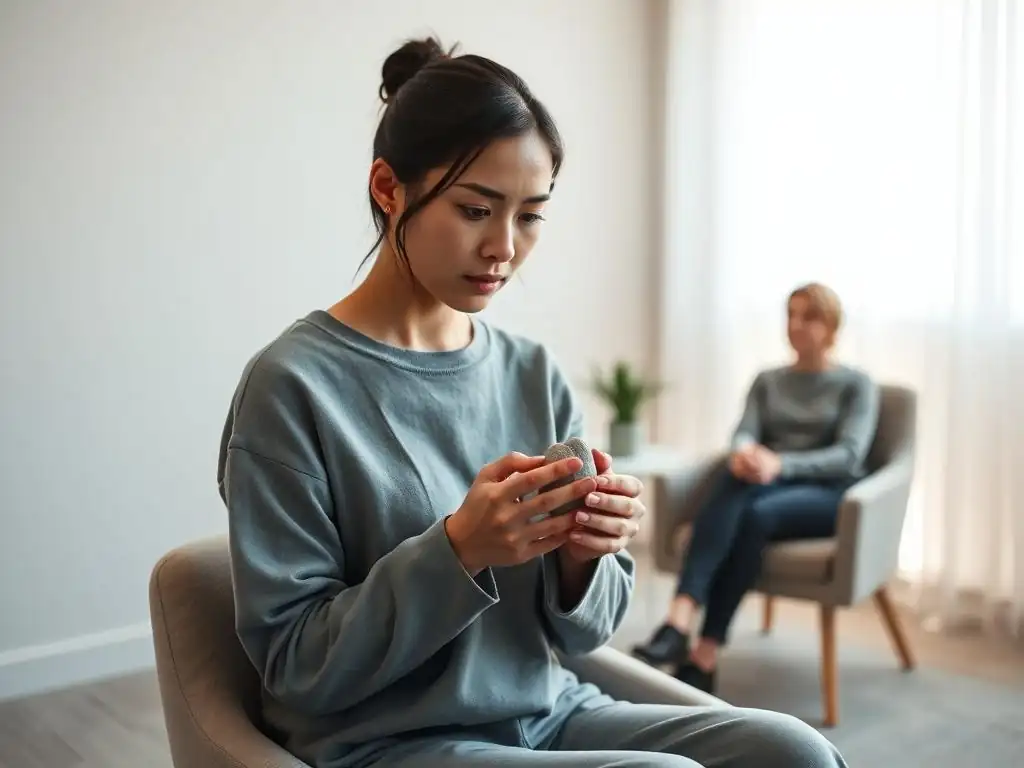
When to Consult a Therapist or Mental Health Professional
While self-help strategies and lifestyle changes can be beneficial, professional help is often necessary for effectively managing health anxiety, especially when symptoms are severe or significantly impacting daily life. You should consider consulting a therapist or mental health professional if your health worries are consuming a large portion of your day, causing significant distress, interfering with your work, relationships, or social activities, or leading to avoidance behaviors that limit your life.
If you find yourself constantly seeking medical reassurance despite being told you are healthy, or if your fear of illness is persistent and difficult to control, professional guidance can provide tailored strategies for reducing health anxiety symptoms quickly and sustainably.
Mental health professionals, such as psychologists, psychiatrists, or licensed clinical social workers, are trained to diagnose and treat anxiety disorders, including health anxiety. They can help you understand the root causes of your anxiety, develop effective coping mechanisms, and work through the underlying fears that drive the condition. Seeking help is not a sign of weakness but a proactive step towards regaining control over your life and improving your mental well-being.
Types of Therapy Effective for Health Anxiety
Several types of therapy have proven effective in treating health anxiety. As discussed, Cognitive Behavioral Therapy (CBT) is a leading treatment, focusing on identifying and changing the negative thought patterns and behaviors that maintain health anxiety. Exposure and Response Prevention (ERP), often used within a CBT framework, is particularly helpful for reducing compulsive checking and reassurance-seeking behaviors. Acceptance and Commitment Therapy (ACT) can also be beneficial by helping individuals learn to tolerate uncertainty and live a values-driven life despite anxious feelings.
In some cases, psychodynamic therapy may be explored to understand how past experiences or unresolved emotional conflicts might contribute to current health anxieties. While therapy is typically the first line of treatment, medication, such as selective serotonin reuptake inhibitors (SSRIs), may be considered, often in conjunction with therapy, particularly if anxiety is severe or co-occurring with depression. A mental health professional can assess your specific needs and recommend the most appropriate type of therapy or combination of treatments for reducing health anxiety symptoms quickly and achieving long-term recovery.
Finding the Right Therapist for Your Needs
Finding a therapist you feel comfortable with and who has experience treating health anxiety is crucial for successful treatment. Start by researching therapists in your area who specialize in anxiety disorders or health anxiety specifically. Websites for professional organizations (like the American Psychological Association or the Anxiety and Depression Association of America) often have therapist directories. Your primary care physician may also be able to provide referrals.
When contacting potential therapists, don't hesitate to ask about their experience with health anxiety, their therapeutic approach (e.g., do they use CBT or ERP? ), and their fees or insurance acceptance. Many therapists offer a brief initial phone consultation, which can be a good opportunity to get a sense of their style and determine if they seem like a good fit. Remember that building a strong therapeutic relationship takes time, but feeling heard and understood by your therapist is a vital part of the healing process and key to effectively reducing health anxiety symptoms quickly with professional support.
Long-Term Strategies for Maintaining Mental Well-being
Building Resilience and Coping Skills
Managing health anxiety is often a long-term process that involves building resilience and developing effective coping skills. Resilience is the ability to bounce back from stress and adversity. For health anxiety, this means developing the capacity to experience anxious thoughts or physical sensations without becoming overwhelmed by fear. Coping skills are the strategies you use to manage stress and difficult emotions.
Long-term strategies involve continuing to practice the techniques learned in therapy, such as challenging negative thoughts, practicing mindfulness, and engaging in relaxation exercises, even when you are feeling well. It also involves developing healthy habits like regular exercise, good sleep hygiene, and a balanced diet. Building resilience means accepting that occasional worries may still arise but trusting in your ability to manage them without letting them consume you. This ongoing effort is essential for maintaining the gains made in reducing health anxiety symptoms quickly and preventing relapse.
Developing a Support System
Having a strong support system is invaluable for managing any mental health challenge, including health anxiety. Connecting with understanding friends, family members, or support groups can provide emotional support, reduce feelings of isolation, and offer different perspectives on your worries. Sharing your experiences with others who understand what you are going through can be incredibly validating and empowering.
Choose individuals in your life who are supportive and empathetic, rather than those who might dismiss your feelings or inadvertently feed your anxiety. Educating your loved ones about health anxiety can help them understand your struggles and how they can best support you, perhaps by avoiding excessive reassurance or gently redirecting you when you engage in compulsive behaviors. Participating in support groups, either online or in person, connects you with peers who share similar experiences, offering mutual encouragement and practical tips for reducing health anxiety symptoms quickly and living well.
Creating a Personalized Anxiety Management Plan
Developing a personalized anxiety management plan is a proactive step towards maintaining long-term mental well-being after addressing health anxiety. This plan should outline the specific strategies and resources that work best for you. It might include your favorite relaxation techniques, specific cognitive restructuring exercises you find helpful, your plan for dealing with potential triggers (like health news), your sleep hygiene routine, and your exercise schedule.
Your plan should also include steps for what to do if your anxiety starts to increase again. This could involve revisiting your therapy materials, scheduling a check-in session with your therapist, reaching out to a trusted support person, or dedicating extra time to self-care activities. Having a written plan serves as a roadmap and reminder of the tools you have at your disposal, empowering you to take action quickly if anxiety resurfaces, thereby contributing to the ongoing process of reducing health anxiety symptoms quickly and maintaining your mental health.
Resources for Further Support and Information on Health Anxiety
Recommended Books and Websites
Numerous resources are available for individuals seeking more information and self-help tools for managing health anxiety. Books based on CBT principles, such as "Overcoming Health Anxiety" by Rob Willson and David Veale, provide step-by-step guides and exercises to help you understand and challenge your fears. Other valuable reads might cover mindfulness, general anxiety management, or specific coping skills.
Reputable websites dedicated to mental health organizations (like the Anxiety and Depression Association of America - ADAA, or the National Institute of Mental Health - NIMH) offer reliable information about health anxiety, its symptoms, causes, and evidence-based treatments. While it's crucial to limit casual symptom searching, using these authoritative sources for educational purposes can be beneficial. Remember to approach online resources cautiously and prioritize information from established mental health and medical institutions.
Support Groups and Online Communities
Connecting with others who understand health anxiety can provide immense support and reduce feelings of isolation. Support groups, whether in-person or online, offer a safe space to share experiences, challenges, and successes with peers. Hearing how others cope with similar fears can be validating and provide new perspectives and practical strategies.
Many organizations dedicated to anxiety disorders host online forums or offer information about local support groups. Platforms specifically for mental health support can also connect you with others managing health anxiety. Participating in these communities can reinforce that you are not alone and offer ongoing encouragement as you implement strategies for reducing health anxiety symptoms quickly and work towards long-term well-being.
Crisis Resources for Immediate Help
While this guide provides strategies for managing health anxiety, it is important to know where to turn if you are experiencing a mental health crisis or feel overwhelmed by severe anxiety or distress. If you are having thoughts of harming yourself or others, or are in immediate danger, please reach out for help immediately.
In the United States, you can call or text 988 to reach the Suicide & Crisis Lifeline, available 24/7. You can also text HOME to 741741 to connect with the Crisis Text Line. If you are outside the U.S., look for the mental health crisis hotline number specific to your country. Going to the nearest emergency room is also an option if you feel you cannot keep yourself safe. These resources are available to provide immediate support during times of acute distress.
Frequently Asked Questions
Focus on grounding techniques, like deep breathing or the 5-4-3-2-1 method. This can help bring you back to the present and reduce the immediate feeling of fear and anxiety.
What are some practical strategies for managing constant worries about my health?
Implement cognitive restructuring to challenge negative thoughts. Also, consider limiting your exposure to health-related news and information that triggers your anxiety.
How do I know if my health anxiety is severe enough to warrant professional help?
If your anxiety is significantly impacting your daily life, relationships, or work, seeking professional guidance from a therapist or psychiatrist is recommended. They can provide personalized strategies and support.
What are some effective long-term strategies for overcoming health anxiety?
Cognitive Behavioral Therapy (CBT) is often effective in addressing the underlying thought patterns and behaviors contributing to health anxiety. This helps to develop coping mechanisms for the future.
Can lifestyle changes, such as diet and exercise, play a role in reducing health anxiety symptoms?
Yes, adopting a healthy lifestyle with regular exercise, a balanced diet, and sufficient sleep can significantly improve your overall well-being and reduce anxiety levels.
Final Reflection: Finding Peace in the Face of Health Anxiety
The relentless cycle of health anxiety affects millions, impacting daily life and well-being in profound ways. Understanding and managing this anxiety is not just a personal journey; it's a crucial step towards reclaiming control and living a fuller life. This guide has explored practical strategies to reduce symptoms quickly, offering immediate relief and long-term coping mechanisms. The tools provided, from mindfulness techniques to cognitive restructuring, are designed to empower you to navigate your anxieties effectively.
The pervasive nature of health anxiety in our modern world is undeniable. The constant barrage of information, both accurate and inaccurate, can fuel anxieties and create a climate of fear. The mind is everything. What you think you become.
– Buddha. This quote highlights the power of our thoughts and beliefs in shaping our experiences, particularly when dealing with health anxieties. By actively challenging negative thought patterns and cultivating a more balanced perspective, we can significantly reduce the grip of fear and foster a healthier relationship with our bodies. This journey requires patience, self-compassion, and a willingness to engage in consistent self-care.
Now, consider the steps outlined in this guide. Which strategies resonate most with you? Which ones are you ready to implement today? Perhaps it's starting with a simple mindfulness exercise, scheduling a walk in nature, or reaching out to a trusted friend or professional. Remember, you are not alone in this journey. Take a moment to acknowledge your strength and resilience. Embrace the opportunity to cultivate a calmer, more confident relationship with your health, one step at a time. Your well-being is worth the effort.
Take Control: Your Journey to Calmer Living Starts Now!
Thanks for taking the time to learn practical strategies for managing health anxiety. We hope this guide equipped you with valuable tools to navigate your worries more effectively. Ready to put these insights into action?
- Prioritize one small, manageable anxiety-reducing technique from the article this week. This could be deep breathing, a mindful walk, or journaling—choose what resonates most with you.
- Share this article with someone who might benefit from these strategies. Opening up about anxiety is a powerful step towards reducing its hold.
- Consider starting a gratitude journal to shift your focus towards the positive aspects of your life.
What's one small step you can take today to cultivate a calmer and more confident you?