
The Mental WarmUp: Preparing Your Mind for Competition


Welcome to Mind Care Guide, a safe space dedicated to nurturing your mental well-being. Feeling overwhelmed by anxiety and searching for effective ways to navigate those challenging moments? You're not alone. Our guide delves into practical mental health coping strategies for anxiety, offering a path towards calmer days. Curious to discover how to reclaim your peace of mind? Let's explore together...
Optimizing Performance: A Mental Preparation Guide for Athletes
Competitive sports inherently involve pressure, which can manifest as significant anxiety for athletes. While some level of arousal is beneficial, excessive competitive anxiety can hinder performance, impacting focus, coordination, and decision-making. Developing robust mental preparation strategies is crucial for athletes aiming to perform at their peak consistently, especially when facing high stakes. This guide explores effective mental health coping strategies anxiety often presents in competitive environments, offering practical techniques and insights.
- Understanding the Psychology of Competitive Pressure
- Evidence-Based Mental Strategies for Competitive Environments
-
Designing Your Personalized Mental Preparation Plan
- Step 1: Analyzing Performance History to Identify Key Challenges
- Step 2: Developing Personalized Affirmations for Confidence and Focus
- Step 3: Incorporating Mindfulness Exercises for Present Moment Awareness
- Step 4: Implementing Relaxation Techniques for Physical and Mental Control
- Step 5: Creating Detailed Mental Rehearsals of Key Performance Elements
- Advanced Mental Skills for High-Stakes Competition
- Long-Term Mental Wellness for Sustained Athletic Success
- Athlete Profiles: Demonstrating the Impact of Mental Preparation
- Resources for Enhanced Mental Skills Training
-
Frequently Asked Questions
- What is a "mental warm-up" in the context of mental well-being, especially related to mental health coping strategies anxiety?
- How does "The Mental Warm-Up" relate to managing anxiety, given the emphasis on mental health coping strategies anxiety?
- What are some examples of practical exercises used in "The Mental Warm-Up" for mental health coping strategies anxiety?
- How can "The Mental Warm-Up" be incorporated into a daily routine to promote mental health coping strategies anxiety?
- Is "The Mental Warm-Up" a substitute for professional help if I'm struggling with severe anxiety, and what is the role of mental health coping strategies anxiety in this context?
- Final Reflection: Cultivating Inner Strength for Peak Performance
- Unleash Your Peak Performance: Ready to Conquer Your Next Challenge?
Understanding the Psychology of Competitive Pressure
The intense environment of competition places unique psychological demands on athletes. Understanding the underlying mechanisms of stress and how it interacts with performance is the first step in developing effective mental health coping strategies anxiety can trigger.
The Relationship Between Stress and Athletic Performance
The relationship between stress and performance is often described by the inverted-U hypothesis, also known as the Yerkes-Dodson Law. This principle suggests that performance improves with physiological or mental arousal up to a point, but beyond that optimal level, performance deteriorates.
For athletes, this means a certain amount of competitive pressure can sharpen focus and energy, but too much can lead to debilitating anxiety, muscle tension, and impaired judgment. High levels of competitive anxiety, particularly cognitive anxiety (worry and negative thoughts) and somatic anxiety (physical symptoms like increased heart rate and sweating), push an athlete beyond their optimal arousal zone, significantly impacting performance.
For instance, a study involving collegiate athletes found that higher levels of pre-competition anxiety were correlated with poorer performance outcomes in events requiring fine motor control and strategic thinking. Effectively managing this stress through mental health coping strategies anxiety-prone athletes can learn is paramount. Without such strategies, athletes risk underperforming relative to their potential, not due to lack of physical training, but because their mental state is hindering their physical execution. Learning to navigate this stress-performance curve is a critical skill developed through dedicated mental training.
Identifying Individual Stress Responses Before Competition
Recognizing how stress uniquely affects you is a cornerstone of effective mental preparation. Stress responses vary widely among individuals and can manifest physically, cognitively, or behaviorally. Physical signs might include increased heart rate, rapid breathing, muscle tension, butterflies in the stomach, or sweaty palms. Cognitive responses often involve negative self-talk, worry about outcomes, difficulty concentrating, or racing thoughts. Behavioral indicators could be changes in routine, increased fidgeting, social withdrawal, or irritability.
Becoming attuned to your specific pre-competition stress signals allows you to implement targeted mental health coping strategies anxiety prevention or management. For example, an athlete who notices significant muscle tension before a race might prioritize progressive muscle relaxation techniques, while one plagued by negative thoughts might focus on cognitive restructuring or positive self-talk. Tracking these responses over time, perhaps in a training journal, can help identify patterns and the effectiveness of different coping mechanisms. This self-awareness is not about eliminating stress entirely, but about understanding its impact and having a plan to manage it effectively.
The Importance of Mental Preparation for Optimal Performance
Physical training prepares the body for the demands of competition, but mental preparation prepares the mind for the psychological challenges. Ignoring the mental aspect is like training only one half of the athlete. Mental preparation encompasses a range of techniques aimed at building resilience, enhancing focus, managing emotions, and fostering confidence. It helps athletes stay calm under pressure, maintain concentration amidst distractions, and bounce back from setbacks.
Athletes who consistently integrate mental preparation into their routine report feeling more in control, less overwhelmed by pressure, and more capable of accessing their peak performance state when it matters most. This proactive approach to mental wellness and managing anxiety is not just about crisis management; it's about building a robust mental foundation that supports physical capabilities. It allows athletes to translate their hard training into successful performance, effectively utilizing mental health coping strategies anxiety might otherwise disrupt.
Evidence-Based Mental Strategies for Competitive Environments
Numerous mental techniques have been studied and proven effective in helping athletes manage competitive pressure and optimize performance. These strategies provide tangible tools for athletes to take control of their mental state before and during competition.
Imagery Techniques for Enhanced Performance and Focus
Imagery, also known as visualization, involves creating or recreating an experience in your mind. Athletes use imagery to mentally rehearse skills, strategies, and successful performances. This technique can significantly enhance performance by priming the neuromuscular system, improving confidence, and preparing the athlete for specific scenarios they might encounter during competition. It allows athletes to practice perfect execution without the physical demands, reinforcing positive patterns and outcomes.
A common approach is using internal imagery, where the athlete visualizes from their own perspective, feeling the movements and sensations. Alternatively, external imagery involves seeing oneself perform from an outside perspective, like watching a video. Athletes can use imagery to mentally walk through their entire performance, including managing potential setbacks or distractions, thereby integrating mental health coping strategies anxiety might cause during unexpected events. Regularly practicing vivid and detailed imagery, incorporating all senses, makes it a powerful tool for preparing the mind and body for peak performance.
The Role of Self-Talk in Building Confidence and Resilience
Self-talk refers to the internal dialogue athletes have with themselves. This can be positive and motivational ("I can do this," "Stay focused") or negative and critical ("Don't mess up," "I'm not good enough"). Consciously managing self-talk is a powerful way to influence confidence, focus, and emotional regulation. Positive self-talk can reinforce belief in one's abilities, maintain effort, and help reframe challenging situations. Negative self-talk, conversely, can erode confidence, increase anxiety, and detract from performance.
Developing effective self-talk involves recognizing negative patterns and actively replacing them with constructive, positive, or instructional statements. For instance, instead of thinking "I hope I don't miss this shot," an athlete might use an instructional cue like "Focus on the target and follow through." Using cue words related to specific actions or desired states (e.g., "Calm," "Strong," "Smooth") can also be highly effective, serving as immediate mental health coping strategies anxiety might trigger during a performance. Consistent practice of positive and functional self-talk builds mental resilience and supports sustained focus under pressure.
Breathing Regulation for Stress Reduction and Improved Focus
Controlled breathing techniques are among the most accessible and immediate mental health coping strategies anxiety often responds to positively. When stressed or anxious, breathing tends to become shallow and rapid, which can exacerbate physical symptoms of anxiety. Learning to regulate breathing can activate the body's relaxation response, slowing heart rate, reducing muscle tension, and promoting a sense of calm.
Techniques like diaphragmatic (belly) breathing or box breathing (inhaling for a count, holding for a count, exhaling for a count, holding for a count) can be practiced anywhere, anytime. Before competition, a few minutes of deep, controlled breathing can significantly lower arousal levels and improve focus. During competition, using a quick breathing exercise between points or plays can help an athlete regain composure and concentration. Mastering breathing regulation provides athletes with a fundamental tool for managing physiological responses to stress and maintaining a clear, focused mind.
Designing Your Personalized Mental Preparation Plan
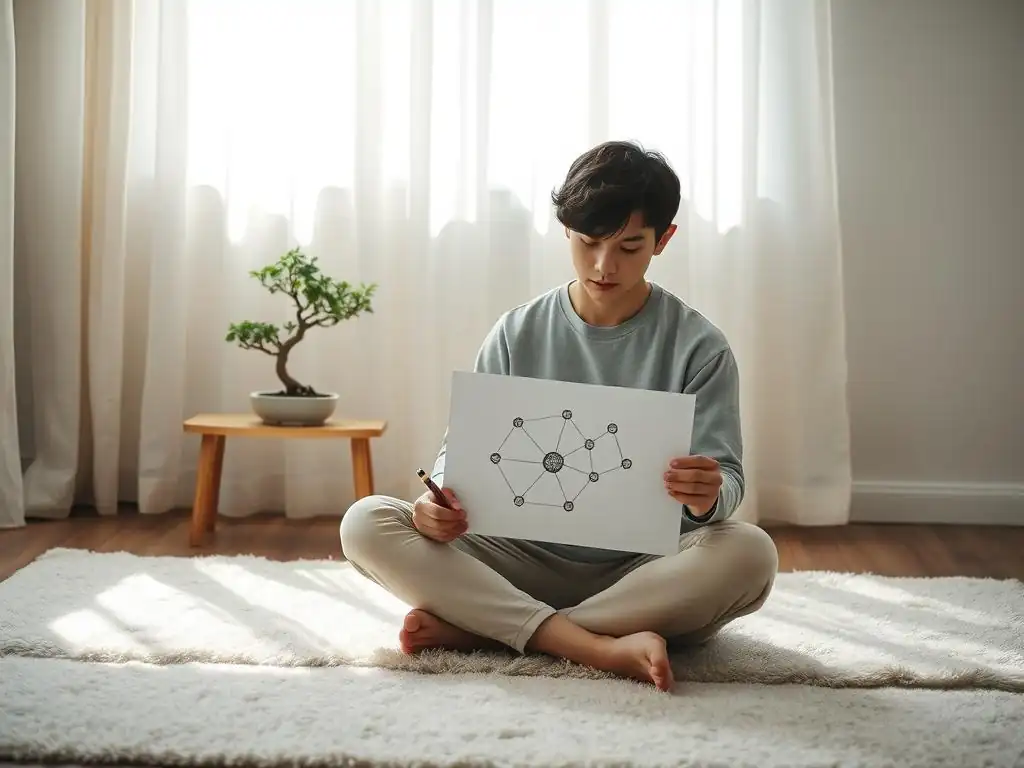
A generic approach to mental training is less effective than a personalized one. Developing a plan tailored to your specific needs, sport, and competitive environment is crucial for maximizing the benefits of mental preparation techniques and implementing effective mental health coping strategies anxiety relief.
Step 1: Analyzing Performance History to Identify Key Challenges
The first step in creating a personalized mental preparation plan is to reflect on past performances, both successful and challenging. Analyze what factors contributed to your best performances – how did you feel mentally? What were you thinking about? Equally important is examining performances where anxiety or pressure seemed to negatively impact you. Identify the specific situations, triggers, and the nature of the difficulties you faced (e.g., loss of focus, increased errors, physical tension).
Consider keeping a performance journal to track your mental state before, during, and after training and competition. Note down your thoughts, feelings, physical sensations, and how they seemed to correlate with your performance outcomes. This analysis provides valuable insights into your unique stress responses and the specific mental skills you need to develop or strengthen. Understanding these patterns is foundational for selecting the most relevant mental health coping strategies anxiety has made necessary for you.
Step 2: Developing Personalized Affirmations for Confidence and Focus
Based on your performance analysis, identify areas where you need to build confidence or improve focus. Craft personalized affirmations – short, positive statements that reinforce desired beliefs or states. These should be present tense, positive, and specific to your needs. Avoid negative phrasing. For example, if you tend to doubt your finishing ability, an affirmation might be: "I finish strong and powerful." If focus is an issue, try: "I am fully present and focused on each moment."
Write these affirmations down and repeat them regularly, especially during practice and leading up to competition. Saying them aloud or silently, with conviction, can help reprogram negative thought patterns and build a more positive internal narrative. Integrating these personalized statements is a direct way to apply mental health coping strategies anxiety can undermine by chipping away at confidence.
- [ ] Write down 3-5 personalized affirmations.
- [ ] Practice repeating affirmations daily.
- [ ] Use affirmations before key training sessions.
Step 3: Incorporating Mindfulness Exercises for Present Moment Awareness
Competitive pressure often causes athletes to dwell on past mistakes or worry about future outcomes. Mindfulness is the practice of paying attention to the present moment without judgment. It helps athletes stay focused on the task at hand, reduce distractions, and manage intrusive thoughts related to anxiety. Simple mindfulness exercises, such as focusing on your breath, body sensations, or the sights and sounds around you, can ground you and reduce the mental clutter associated with competitive stress.
Even brief mindfulness practices, such as a 5-minute body scan or focused breathing exercise each day, can build your capacity to remain present during stressful competitive situations. Learning to observe thoughts and feelings without getting swept away by them is a key component of effective mental health coping strategies anxiety management requires. Mindfulness helps athletes respond to challenges with greater awareness and less reactivity.
Step 4: Implementing Relaxation Techniques for Physical and Mental Control
Anxiety often manifests physically as muscle tension, rapid heart rate, and shallow breathing. Relaxation techniques are designed to counter these physiological responses, promoting calmness and control. Techniques like progressive muscle relaxation (tensing and then releasing different muscle groups), guided imagery focused on a peaceful scene, or autogenic training (focusing on physical sensations like warmth and heaviness) can be highly effective.
Regularly practicing relaxation techniques, both as part of your daily routine and specifically before competition, helps lower your baseline stress level and provides tools to manage acute anxiety spikes. Finding the technique that works best for you and incorporating it consistently is essential. These practices are fundamental mental health coping strategies anxiety often triggers, helping athletes maintain physical looseness and mental composure.
Step 5: Creating Detailed Mental Rehearsals of Key Performance Elements
Building on imagery techniques, create specific mental rehearsals for critical moments or challenging aspects of your sport. This isn't just visualizing the perfect outcome, but also mentally practicing how you will respond to difficulties, mistakes, or unexpected events. For a basketball player, this might involve visualizing executing free throws under pressure, including handling the crowd noise and focusing on the technique. For a runner, it could be mentally rehearsing maintaining pace and form during a challenging part of the race.
Make these rehearsals as detailed and realistic as possible, engaging all your senses. Practice responding calmly and effectively to hypothetical mistakes or external factors. This type of detailed mental walkthrough not only reinforces successful execution but also builds confidence in your ability to cope with adversity, serving as a powerful mental health coping strategy anxiety often preys upon by creating fear of failure.
Advanced Mental Skills for High-Stakes Competition
For athletes competing at higher levels, refining mental skills becomes even more critical. High-stakes environments amplify pressure, requiring more sophisticated mental health coping strategies anxiety can make particularly challenging.
Cognitive Restructuring for Managing Negative Thoughts and Emotions
Cognitive restructuring is a technique used to identify and challenge irrational or unhelpful thought patterns that contribute to anxiety and negative emotions. Athletes often fall into thinking traps like catastrophizing ("If I mess up, it's the end of my career"), all-or-nothing thinking ("If I'm not perfect, I'm a failure"), or fortune-telling ("I just know I'm going to choke"). These thoughts are often distortions of reality and fuel anxiety.
The process involves:
- Identifying the negative thought.
- Examining the evidence for and against the thought.
- Developing a more balanced, realistic, and helpful thought to replace it.
For example, the thought "If I mess up, it's the end of my career" could be challenged by asking: "Has one mistake ever ended my career before?" or "What is the actual evidence that this single performance determines my entire future?" A more balanced thought might be: "Mistakes are part of competition; I will learn from them and focus on the next play." This technique is a core component of mental health coping strategies anxiety management often employs, helping athletes gain perspective and reduce emotional distress.
Developing a Consistent Pre-Performance Routine for Focus and Control
A consistent pre-performance routine is a sequence of actions an athlete performs in the time leading up to competition. This routine typically includes physical warm-up, but also incorporates mental elements like visualization, breathing exercises, listening to specific music, or reviewing key strategy points. The routine provides structure, predictability, and a sense of control in the often chaotic environment of competition.
Following the same steps before every competition, regardless of the stakes, helps the athlete transition into a focused, performance-ready state. It signals to the brain and body that it's time to compete and helps block out distractions and reduce anxiety. The routine becomes an anchor, grounding the athlete and allowing them to access their prepared mental state and deploy practiced mental health coping strategies anxiety might otherwise disrupt.
Utilizing Support Systems: Coaches, Sport Psychologists, and Teammates
Athletes don't have to navigate the pressures of competition alone. Coaches provide guidance, strategy, and often emotional support. Teammates offer camaraderie, shared experience, and mutual encouragement. Sport psychologists are trained professionals who specialize in helping athletes develop mental skills, manage performance anxiety, and address broader mental health concerns.
Engaging with these support systems is a vital mental health coping strategy anxiety can make difficult to implement if an athlete feels isolated. Coaches can help identify performance-related mental blocks. Teammates can provide perspective and reduce feelings of loneliness or unique pressure. A sport psychologist can teach advanced mental techniques, help process difficult emotions, and provide tailored strategies for managing anxiety and stress. Seeking professional support when needed is a sign of strength and a crucial step towards sustained well-being and performance.
Long-Term Mental Wellness for Sustained Athletic Success
Mental preparation is not just about managing pre-competition nerves; it's about cultivating long-term mental wellness that supports overall health and sustained athletic success.
Prioritizing Mental Health and Seeking Support When Needed
Athletes are increasingly recognizing that mental health is just as important as physical health. The pressures of training, competition, and life outside of sport can take a significant toll. Prioritizing mental well-being means being aware of your emotional state, recognizing signs of burnout, depression, or excessive anxiety, and not hesitating to seek help. This could involve talking to a trusted friend, coach, or family member, or seeking professional help from a therapist or sport psychologist.
There is no shame in needing support. Many high-performing athletes openly discuss their struggles with mental health and the benefits of seeking professional guidance. Proactive mental health care, including utilizing mental health coping strategies anxiety management requires, is an investment in both immediate performance and long-term well-being.
Cultivating a Strong Support Network for Managing Stress
Beyond formal support from coaches and psychologists, having a strong social network is invaluable. Friends, family, and even a supportive partner can provide emotional support, perspective, and a much-needed distraction from the demands of sport. Sharing your experiences and feelings with trusted individuals can alleviate the burden of stress and anxiety.
Building and nurturing these relationships outside of your sport identity is crucial for maintaining a balanced perspective and having a safe space to process challenges. Your support network can help you remember that you are more than just an athlete and provide stability during tough times. This network acts as a buffer against the intense pressures of competition and contributes significantly to overall mental resilience and effective mental health coping strategies anxiety often makes necessary.
Integrating Balanced Lifestyle Habits for Overall Well-being
Sustained athletic success is built on a foundation of overall well-being. This includes prioritizing sufficient sleep, maintaining a healthy and consistent diet, and finding time for activities outside of sport that bring joy and relaxation. Burnout is a significant risk for dedicated athletes, and a balanced lifestyle helps prevent it.
Ensuring adequate recovery, both physically and mentally, is paramount. This involves taking rest days, getting enough sleep (often 7-9 hours per night for athletes), and engaging in hobbies or social activities that provide a mental break from training and competition. These lifestyle factors directly impact mood, energy levels, and the ability to manage stress and anxiety effectively. A holistic approach that integrates training, mental preparation, and overall well-being is the most sustainable path to peak performance and long-term health.
Athlete Profiles: Demonstrating the Impact of Mental Preparation
Examining how elite athletes have utilized mental strategies provides powerful real-world examples of their effectiveness.
Serena Williams: Utilizing Visualization for Competitive Advantage
Serena Williams, one of the greatest tennis players of all time, has often spoken about the importance of visualization in her preparation. She reportedly used imagery to mentally rehearse matches, envisioning herself executing shots perfectly, handling pressure situations, and ultimately succeeding. This wasn't just about seeing herself win, but about mentally practicing the process and feeling the confidence associated with successful execution.
Her use of visualization wasn't limited to general success; it involved specific scenarios, opponents, and challenges. This detailed mental rehearsal, combined with her rigorous physical training, allowed her to step onto the court mentally prepared for whatever came her way, effectively managing the immense pressure and anxiety inherent in Grand Slam competition. Her consistent performance at the highest level is a testament to the power of integrating mental techniques like visualization.
Michael Jordan: Employing Self-Talk for Enhanced Performance Under Pressure
Michael Jordan's legendary competitiveness and performance under pressure are often attributed not just to his physical talent but also to his incredible mental fortitude. He was known for his intense focus and motivational self-talk. Stories abound of him using internal challenges and affirmations to push himself and maintain a high level of performance, especially in crucial moments.
Jordan reportedly used self-talk to reinforce his belief in himself and his ability to succeed, even when facing deficits or tough opponents. His famous "The Last Shot" in the 1998 NBA Finals, for instance, was preceded by a clear focus and perhaps internal cues related to execution. His ability to silence external noise and internal doubts through sheer mental discipline, supported by practiced self-talk, exemplifies how this technique can be a powerful mental health coping strategy anxiety-inducing situations demand.
Resources for Enhanced Mental Skills Training
For athletes serious about developing their mental game, numerous resources are available to provide guidance and support.
Association for Applied Sport Psychology (AASP) Resources
The Association for Applied Sport Psychology (AASP) is a leading professional organization providing resources for athletes, coaches, and parents interested in sport psychology. Their website offers a wealth of information, including articles, position statements on various topics (like youth sport or ethics), and a directory to find certified mental performance consultants.
While specific links cannot be provided here, searching for AASP online will lead you to their official site. Their resources cover a wide range of mental skills, from managing anxiety and building confidence to enhancing focus and developing resilience. They also provide information on how sport psychologists work with athletes to develop personalized mental health coping strategies anxiety and performance issues.
Books and Articles on Sport Psychology and Mental Performance
Many excellent books and articles delve into the principles and practices of sport psychology and mental performance training. These resources often provide detailed explanations of techniques like imagery, self-talk, mindfulness, and goal setting, along with practical exercises athletes can implement.
Topics covered typically include managing competitive stress, building mental toughness, improving concentration, recovering from injury, and maintaining motivation. While specific titles cannot be listed here without links, seeking out reputable books and articles on sport psychology written by qualified professionals or experienced coaches can provide valuable insights and tools for enhancing your mental game and developing effective mental health coping strategies anxiety management requires.
Frequently Asked Questions
A mental warm-up involves preparing your mind for challenging situations, much like athletes warm up their bodies. It employs various techniques to reduce anxiety and improve focus, ultimately enhancing your ability to cope with stress.
How does "The Mental Warm-Up" relate to managing anxiety, given the emphasis on mental health coping strategies anxiety?
"The Mental Warm-Up" provides specific exercises and techniques designed to mitigate anxiety symptoms before they escalate. These exercises aim to foster a calm and focused state of mind, improving your capacity to handle stressful situations.
What are some examples of practical exercises used in "The Mental Warm-Up" for mental health coping strategies anxiety?
Examples include deep breathing exercises, mindfulness meditation, and positive self-talk. These techniques help to regulate the nervous system and reduce feelings of worry and fear.
How can "The Mental Warm-Up" be incorporated into a daily routine to promote mental health coping strategies anxiety?
Integrating these exercises into your daily routine provides a consistent foundation for managing anxiety. Even just a few minutes each day can significantly improve your overall mental well-being.
Is "The Mental Warm-Up" a substitute for professional help if I'm struggling with severe anxiety, and what is the role of mental health coping strategies anxiety in this context?
No, "The Mental Warm-Up" should be considered a complementary tool, not a replacement for professional treatment. While it offers valuable coping strategies, severe anxiety may require therapy or medication.
Final Reflection: Cultivating Inner Strength for Peak Performance
The strategies discussed in this article—mindfulness, visualization, and positive self-talk—aren't just tools for athletes; they're essential components of a robust mental health toolkit applicable to anyone facing anxiety in their daily lives. The ability to manage stress and cultivate inner resilience is paramount in today's fast-paced and often overwhelming world. This isn't simply about winning a game; it's about winning the battle against anxiety and achieving a higher quality of life.
The impact of consistent mental preparation extends far beyond the competitive arena. The principles of mindfulness, for example, are increasingly recognized as crucial for managing anxiety and promoting overall well-being. The mind is everything. What you think you become.
– Buddha. This quote perfectly encapsulates the power we hold to shape our experiences through conscious mental training. By actively engaging in techniques like visualization and positive self-talk, we can reprogram negative thought patterns and cultivate a more positive and resilient mindset, impacting not only our performance but also our relationships and overall sense of self.
You now possess the tools to begin your own mental warm-up. Don't just read these strategies; embrace them. Start small, incorporating a few minutes of mindfulness into your daily routine. Practice positive self-talk, even when it feels awkward at first. Visualize success, not just in your professional endeavors, but in all aspects of your life. Remember, building mental resilience is a journey, not a destination. Commit to this process, and you will discover a strength within yourself that you never knew existed. The power to overcome anxiety and achieve peak performance—mentally and emotionally—rests within your grasp.
Unleash Your Peak Performance: Ready to Conquer Your Next Challenge?
Thanks for taking the time to explore the power of mental preparation! We hope you've gained valuable insights into optimizing your mindset for peak performance. Now it's time to put that knowledge into action.
- Implement one new mental warmup technique from the article into your next training session or competition. Notice the difference it makes!
- Share this article with a teammate or fellow competitor who could also benefit from these strategies.
- Consider journaling your mental state before, during, and after your next event to better understand your mental game.
Ready to experience the transformative power of a focused mind? What mental warmup strategy will you prioritize this week?