
Overcoming the Fear of Judgment in Public Speaking


Welcome to Mind Care Guide.
Do you feel that familiar knot of dread tightening in your stomach at the mere thought of speaking in public? You're not alone. At Mind Care Guide, we understand the debilitating impact of public speaking fear. This isn't just stage fright; it's often a deep-seated anxiety rooted in the fear of judgment.
But what if you could learn to navigate those feelings and reclaim your voice?
In this article, we'll delve into effective strategies for public speaking fear anxiety relief, offering practical techniques and supportive resources to help you conquer your fears and speak with confidence. Let's begin your journey towards a calmer, more empowered you.
Overcoming the Fear of Judgment in Public Speaking: A Mind Care Guide
- Understanding Public Speaking Fear and Anxiety
- Strategies for Anxiety Relief
- Building Confidence and Reducing Fear of Judgment
- Practical Tips for Managing Fear of Judgment During Your Speech
- Long-Term Strategies for Anxiety Relief
- Building Resilience and Self-Compassion
-
Frequently Asked Questions
- How does fear of judgment contribute to public speaking anxiety?
- What are some practical techniques for public speaking fear anxiety relief?
- Can professional help be effective for public speaking fear anxiety relief?
- How can I build confidence to overcome the fear of judgment while speaking?
- What are some common misconceptions about fear of judgment in public speaking?
- Final Reflection: Embracing the Stage, Silencing the Critic
- Unleash Your Voice: Conquer Stage Fright Today!
Understanding Public Speaking Fear and Anxiety
Identifying the Roots of Public Speaking Anxiety
Public speaking anxiety, often referred to as glossophobia, is one of the most common fears reported globally. Studies consistently show that a significant portion of the population experiences some level of anxiety when faced with speaking in front of others. This fear isn't monolithic; its roots can be varied and deeply personal, often stemming from past negative experiences, a fear of failure, or a general predisposition towards anxiety. For many, the fear isn't just about speaking; it's intertwined with a profound concern about how they will be perceived by the audience.
These roots can be traced back to early life experiences, such as a critical comment received during a presentation in school, a perceived failure in a past speaking engagement, or even observing others experience public speaking distress. Evolutionary psychologists suggest a link to our primal need for social acceptance – being judged negatively by the group could historically have had serious consequences. Understanding these underlying causes is a crucial first step in finding effective public speaking fear anxiety relief, as it allows individuals to address the source rather than just the symptoms.
The Role of Judgment in Public Speaking Fear
At the core of public speaking fear for many is the intense apprehension of being judged. This fear of judgment manifests as worry about making mistakes, forgetting lines, being perceived as incompetent, or even being laughed at. The spotlight effect, a cognitive bias where people tend to believe they are being noticed and evaluated more than they actually are, plays a significant role here. Speakers often overestimate the extent to which their audience is scrutinizing every pause, stumble, or nervous habit.
This focus on potential negative judgment fuels a cycle of anxiety. The more a person anticipates judgment, the more anxious they become, which can lead to physical symptoms like shaking or sweating, potentially confirming their fears of appearing nervous or inadequate. Breaking this cycle requires a shift in perspective, moving the focus away from self-evaluation and perceived external judgment towards the purpose and content of the speech itself, which is a key component of achieving public speaking fear anxiety relief.
Recognizing the Physical and Emotional Symptoms of Public Speaking Anxiety
The symptoms of public speaking anxiety can range from mild discomfort to debilitating panic. Physically, individuals might experience a racing heart, rapid breathing, sweating, trembling hands or voice, dry mouth, nausea, or dizziness. Muscle tension, particularly in the neck and shoulders, is also common. These physiological responses are part of the body's fight-or-flight mechanism, triggered by the perceived threat of the speaking situation.
Emotionally, the symptoms include intense feelings of nervousness, fear, dread, and panic. Negative self-talk is prevalent, with thoughts like "I'm going to fail," "Everyone will think I'm stupid," or "I can't do this." This emotional distress can begin days or weeks before a scheduled speech and intensify as the event approaches. Recognizing these specific physical and emotional signs is vital for acknowledging the anxiety and implementing targeted strategies for public speaking fear anxiety relief.
Strategies for Anxiety Relief
Reframing Negative Thoughts and Cognitive Restructuring
One powerful strategy for public speaking fear anxiety relief is cognitive restructuring, which involves identifying and challenging negative, irrational thoughts. Instead of accepting thoughts like "I'm going to make a fool of myself" as truth, individuals learn to question their validity and replace them with more realistic and positive alternatives. This process starts by becoming aware of the specific thoughts that trigger anxiety before and during public speaking.
Once identified, these thoughts can be analyzed. For example, the thought "Everyone will laugh at me" can be challenged by asking: "Is this likely? ", "Has this happened before? ", "What is the worst-case scenario, and how likely is it? ", "What is a more balanced perspective?". Replacing the original thought with something like "My audience wants me to succeed," or "It's okay to make a small mistake; I can recover," helps to reduce the emotional intensity and provide significant public speaking fear anxiety relief.
Practicing Mindfulness and Grounding Techniques
Mindfulness techniques focus on bringing awareness to the present moment without judgment. For public speaking anxiety, this can involve paying attention to sensory details – the feeling of your feet on the ground, the temperature of the air, the sound of your own breath. This helps to pull the mind away from anxious future-oriented thoughts or dwelling on past failures, offering immediate public speaking fear anxiety relief.
Grounding techniques are a specific type of mindfulness that helps anchor you to the present when feeling overwhelmed. A common technique is the "5-4-3-2-1" method: identify 5 things you can see, 4 things you can touch, 3 things you can hear, 2 things you can smell, and 1 thing you can taste. Practicing these techniques regularly, not just before a speech, builds a stronger ability to manage anxiety in the moment and contributes to overall public speaking fear anxiety relief.
Visualization Techniques for Confidence
Visualization is a mental rehearsal strategy where you imagine yourself successfully delivering your speech. This isn't just about picturing yourself speaking; it involves engaging all your senses to create a vivid mental experience. Imagine walking confidently to the stage, feeling calm and composed, hearing the positive reception from the audience, and experiencing the satisfaction of delivering your message clearly and effectively.
Regularly practicing positive visualization helps to build confidence and reduce the perceived threat of public speaking. By repeatedly running a positive scenario in your mind, you train your brain to associate public speaking with success rather than failure. This mental preparation is a valuable tool for public speaking fear anxiety relief, helping to build a positive expectation rather than dwelling on potential negative outcomes.
Building Confidence and Reducing Fear of Judgment
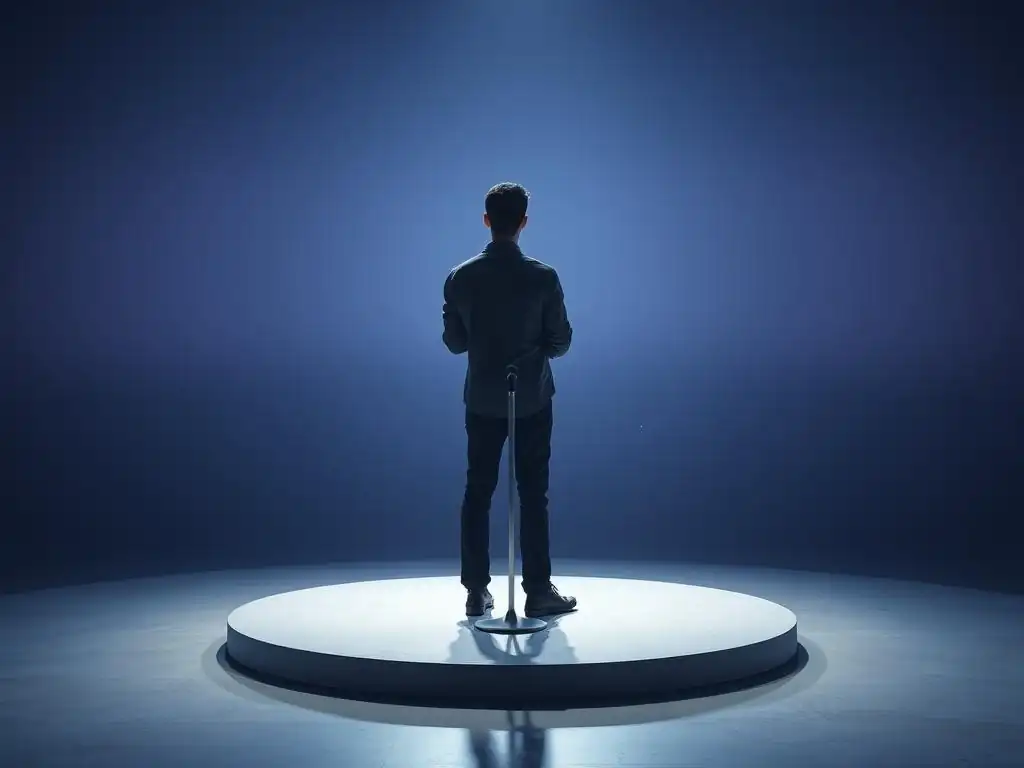
Preparing Thoroughly
Thorough preparation is arguably the most fundamental strategy for building confidence and mitigating the fear of judgment in public speaking. Knowing your subject matter inside and out reduces the likelihood of getting stuck or forgetting key points, which are common triggers for anxiety. This preparation involves not just understanding the content, but also structuring the speech logically, crafting clear and concise points, and preparing any necessary visual aids.
Beyond content, preparation includes anticipating potential questions and practicing your delivery. Rehearsing multiple times, ideally in conditions that simulate the actual speaking environment (e.g., standing up, using a microphone if available), helps you become comfortable with the flow and timing of your speech. Feeling well-prepared significantly boosts self-assurance and provides a solid foundation for public speaking fear anxiety relief.
Focusing on Your Message
Shifting the focus from yourself and potential judgment to the message you want to convey is a powerful technique. Remember why you are giving this speech – what information are you sharing, what idea are you advocating, what value are you providing to the audience? When your primary goal is to communicate effectively and connect with your listeners on the topic, the anxiety about your own performance can diminish.
Think of yourself as a conduit for information or inspiration, rather than the sole focus of attention. What are the key takeaways you want your audience to leave with? Concentrating on delivering these points clearly and passionately helps redirect your energy outwards, away from internal fears. This outward focus is a core element in achieving sustainable public speaking fear anxiety relief.
Developing a Confident Speaking Style
Developing a confident speaking style involves paying attention to non-verbal communication, which significantly impacts how you are perceived and how confident you feel. This includes maintaining good posture, making eye contact with members of the audience, using purposeful gestures, and speaking clearly and at a moderate pace. Practicing these elements during rehearsal helps them feel more natural during the actual speech.
Varying your tone, pitch, and pace can also make your delivery more engaging and dynamic, which can further boost your confidence as you see the audience responding positively. While developing a completely new style takes time and practice, focusing on a few key areas, like standing tall and making eye contact, can immediately contribute to feeling more in control and provide public speaking fear anxiety relief.
Practical Tips for Managing Fear of Judgment During Your Speech
Techniques for Calming Nerves
Even with thorough preparation, nerves can still surface during a speech. Having immediate techniques at your disposal can be incredibly helpful. Deep breathing exercises are particularly effective: inhale slowly and deeply through your nose, hold for a few seconds, and exhale slowly through your mouth. This helps regulate your heart rate and calm your nervous system, offering immediate public speaking fear anxiety relief.
Other techniques include taking a sip of water if your mouth is dry, momentarily pausing to collect your thoughts, or subtly adjusting your posture to feel more grounded. If you feel your hands shaking, you can lightly grip the sides of the podium or hold your notes firmly. These small actions can help manage physical symptoms and regain composure in the moment.
Dealing with Negative Thoughts in Real-Time
Negative thoughts can pop up unexpectedly during a speech, such as "I messed up that sentence" or "They look bored." When this happens, it's important not to dwell on them. Acknowledge the thought without judgment ("Okay, I had that thought"), and then consciously redirect your focus back to your message and your connection with the audience.
Avoid getting into an internal debate with the negative thought. Simply observe it and let it pass, much like watching clouds drift by. Having a pre-prepared positive affirmation or a reminder of your purpose can also help quickly replace the negative intrusion. This real-time thought management is crucial for maintaining focus and achieving ongoing public speaking fear anxiety relief throughout your presentation.
Handling Questions and Feedback Effectively
The Q&A session can be a source of anxiety, particularly the fear of being asked something you don't know or receiving critical feedback. Prepare for this by anticipating potential questions during your planning phase. If a question arises that you don't know the answer to, it's okay to admit it honestly ("That's a great question, and I don't have the specific data on that right now, but I can look into it").
For feedback, especially if it's critical, try to listen objectively without becoming defensive. Separate the feedback from your personal worth. If possible, ask clarifying questions to ensure you understand. Remember that feedback is an opportunity for growth, not a personal attack. Approaching Q&A and feedback with a prepared mindset helps reduce anxiety and allows for constructive engagement, contributing to overall public speaking fear anxiety relief.
Long-Term Strategies for Anxiety Relief

Gradual Exposure Therapy
For significant public speaking fear, gradual exposure therapy is a well-established long-term strategy. This involves creating a hierarchy of speaking situations, starting with those that provoke minimal anxiety and slowly progressing to more challenging ones. This could begin with practicing in front of a mirror, then speaking to a single friend, then a small group of supportive individuals, and eventually larger audiences or more formal settings.
Each step is repeated until the anxiety significantly decreases before moving to the next level. This systematic desensitization helps the individual build tolerance to the anxiety-provoking situation and learn that their feared outcomes (like severe judgment or failure) are unlikely to occur or are manageable if they do. This structured approach provides sustained public speaking fear anxiety relief over time.
Joining a Public Speaking Support Group
Joining a public speaking support group, such as a local Toastmasters club or a similar community group, offers a safe and encouraging environment to practice speaking skills regularly. These groups typically provide constructive feedback in a supportive setting, allowing individuals to experiment with different techniques and gradually build confidence.
Regular practice in front of a non-judgmental audience helps normalize the experience of public speaking and reduces the fear associated with it. Learning from others who share similar anxieties and seeing their progress can also be incredibly motivating. The consistent practice and positive reinforcement found in such groups are excellent for long-term public speaking fear anxiety relief.
Seeking Professional Help
If public speaking anxiety is severe, persistent, and significantly impacts your life or career, seeking professional help from a therapist or counselor specializing in anxiety disorders can be highly beneficial. Cognitive Behavioral Therapy (CBT) is particularly effective for public speaking fear, helping individuals identify and change the thought patterns and behaviors that contribute to their anxiety.
Therapy can provide personalized strategies, help address underlying issues contributing to the fear, and equip individuals with coping mechanisms. In some cases, a doctor might recommend medication to manage acute anxiety symptoms, though this is typically used in conjunction with therapy. Professional support offers tailored solutions for profound public speaking fear anxiety relief.
Building Resilience and Self-Compassion
Practicing Self-Acceptance
Self-acceptance is a vital component in overcoming the fear of judgment. Recognize that it is okay to feel nervous, and having public speaking anxiety does not make you weak or incapable. Millions of people share this fear. Instead of criticizing yourself for feeling anxious, acknowledge your feelings with kindness and understanding.
Embrace the idea that perfection is not required. Audiences are generally forgiving and understanding of minor imperfections. Accepting yourself, including your vulnerabilities and the possibility of making mistakes, reduces the pressure to be flawless and significantly contributes to public speaking fear anxiety relief by diminishing the power of feared judgment.
Celebrating Small Victories
Overcoming the fear of judgment in public speaking is often a gradual process. It's important to acknowledge and celebrate every step forward, no matter how small. This could be successfully delivering a short presentation, managing to make eye contact for a longer period, or simply getting through a speaking engagement without a panic attack.
- Successfully completing a practice session without stopping.
- Making eye contact with a few audience members.
- Managing physical symptoms like shaking through breathing techniques.
- Getting through the Q&A session.
- Receiving positive feedback.
Each small victory reinforces positive behaviors and builds momentum. Recognizing progress helps build resilience and motivates you to continue working towards greater public speaking fear anxiety relief.
Prioritizing Self-Care
Managing anxiety, including public speaking fear, is closely linked to overall well-being. Prioritizing self-care strengthens your ability to cope with stressful situations. This includes ensuring you get adequate sleep, eating nutritious food, engaging in regular physical activity, and making time for relaxation and enjoyable activities.
Stress management techniques, such as meditation, yoga, or spending time in nature, can also help lower overall anxiety levels. Taking care of your physical and emotional health builds a stronger foundation for managing specific fears like public speaking anxiety, making you more resilient and better equipped to achieve lasting public speaking fear anxiety relief.
Frequently Asked Questions
How does fear of judgment contribute to public speaking anxiety?
Fear of judgment fuels anxiety by creating a perceived threat of negative evaluation from the audience. This can lead to self-consciousness and worry about making mistakes. It's a core component of social anxiety related to public speaking.
What are some practical techniques for public speaking fear anxiety relief?
Techniques include deep breathing exercises, visualization of success, and cognitive restructuring to challenge negative thoughts. Practicing mindfulness can also help stay present and reduce anxiety symptoms.
Can professional help be effective for public speaking fear anxiety relief?
Yes, therapists can provide cognitive behavioral therapy (CBT) and other strategies to manage anxiety. They can also help you identify and address underlying fear of judgment issues. Professional guidance is often very effective.
How can I build confidence to overcome the fear of judgment while speaking?
Start with small, supportive audiences, focus on your message rather than yourself, and celebrate small victories. Building experience and positive reinforcement is key to gradual confidence growth.
What are some common misconceptions about fear of judgment in public speaking?
A common misconception is that everyone is judging you harshly, when in reality, most people are supportive and understanding. Another is that perfection is achievable, leading to unnecessary pressure and anxiety. Remember authenticity is valued.
Final Reflection: Embracing the Stage, Silencing the Critic
The fear of public speaking is not a personal failing; it's a shared human experience, yet one that can be conquered with the right tools and mindset. This article explored practical techniques to alleviate anxiety, from mindful breathing exercises to strategic preparation, highlighting the power of positive self-talk and reframing negative thoughts. But overcoming this fear isn't just about delivering a polished presentation; it's about unlocking your potential and finding your voice.
The impact of overcoming this fear extends far beyond the podium. It fosters confidence in all areas of life, empowering individuals to take risks, express themselves authentically, and connect with others on a deeper level. The only way to do great work is to love what you do. If you haven't found it yet, keep looking. Don't settle.
- Steve Jobs. This quote resonates deeply because conquering the fear of public speaking allows you to share your passions and contribute meaningfully to the world, regardless of the platform.
Now, consider your own experiences. What holds you back from speaking up? What story are you waiting to share? This article provided strategies, but the true transformation lies in your commitment to practice and self-compassion. Take a small step today – whether it's speaking up in a meeting, sharing your thoughts with a friend, or simply practicing your speech in front of a mirror. Each step forward, no matter how small, is a victory in silencing the inner critic and embracing the power of your voice. You have something valuable to say; the world is waiting to hear it.
Unleash Your Voice: Conquer Stage Fright Today!
Thanks for taking the time to explore the power of overcoming your fear of public speaking! You've just unlocked valuable tools to build confidence and command any room. Now it's time to put your newfound knowledge into action.
- Craft and deliver a short speech on a topic you're passionate about: This is your chance to practice what you've learned in a safe and supportive environment. Even a 2-minute talk to a friend or family member is a great start!
- Share this article with someone who could benefit: Let's build a community of confident communicators! Helping others overcome their fear is a powerful way to solidify your own progress.
- Record yourself practicing your speech and analyze your delivery: This uncommon step can reveal hidden strengths and areas for improvement you might not notice otherwise.
Ready to step into the spotlight and share your unique voice with the world? What's the first small step you'll take to conquer your fear of public speaking today?