
The Physical Mask: How Anxiety Hides Behind Aches and Pains in the Elderly

Welcome to Mind Care Guide, your compassionate companion on the journey to mental well-being.
Have you noticed that persistent aches and pains seem to surface alongside moments of worry and stress, especially in your later years? It's more common than you think. In our article, "The Physical Mask: How Anxiety Hides Behind Aches and Pains in the Elderly," we'll explore this often-overlooked connection. Discover how to identify the subtle signs and unlock practical strategies to alleviate both the mental and physical burdens. Ready to understand the intricate dance between your mind and body? Let's begin.
The Physical Mask: How Anxiety Hides Behind Aches and Pains in the Elderly - Mind Care Guide
- Understanding Anxiety and Physical Symptoms in Older Adults
- Anxiety Causing Elderly Aches Pains: Unmasking the Connection
- Common Aches and Pains Associated with Anxiety in Elderly Individuals
- Identifying Anxiety as the Root Cause of Elderly Aches and Pains
- Managing Anxiety-Related Aches and Pains in Older Adults
- Supporting Elderly Loved Ones Experiencing Anxiety and Physical Pain
- The Importance of Early Intervention for Anxiety-Related Pain in Seniors
- Conclusion: Addressing the Physical Mask of Anxiety in the Elderly
-
Frequently Asked Questions
- What is the connection between anxiety and physical pain in the elderly?
- Why are elderly individuals more susceptible to experiencing physical symptoms of anxiety?
- How can I tell if my elderly loved one's aches and pains are caused by anxiety?
- What are some strategies for managing anxiety-related aches and pains in the elderly?
- Where can I find resources and support for my elderly loved one struggling with anxiety-related physical symptoms?
- Final Reflection: Unmasking the Silent Suffering of the Elderly
- Unmask Your Pain: Find Relief and Understanding
Understanding Anxiety and Physical Symptoms in Older Adults
The Link Between Anxiety Disorders and Somatic Complaints in Seniors
Anxiety disorders are not solely psychological experiences; they often manifest with a variety of physical symptoms. In older adults, this mind-body connection can be particularly pronounced, leading to somatic complaints that may initially seem unrelated to mental health. Research consistently shows a high comorbidity between anxiety disorders and chronic physical conditions in the elderly population.
For instance, studies indicate that older adults with generalized anxiety disorder (GAD) are significantly more likely to report persistent physical symptoms like fatigue, muscle tension, and gastrointestinal issues compared to their non-anxious peers. This link is crucial because these physical symptoms can sometimes be the primary way anxiety presents itself in this age group, often overshadowing the emotional distress.
The prevalence of this overlap means that healthcare providers and caregivers must look beyond just the visible physical symptoms when evaluating an older adult's well-being. It is estimated that a substantial percentage of elderly individuals experiencing chronic pain or unexplained physical discomfort may also be silently struggling with anxiety. This complex interplay means that treating only the physical symptoms without addressing the underlying anxiety is often ineffective, leading to prolonged suffering and reduced quality of life for the senior. Recognizing this link is the first step in understanding how anxiety is causing elderly aches pains and other physical manifestations.
Why Anxiety Manifests as Physical Pain in Elderly Individuals
The human body's stress response system, often triggered by anxiety, involves a cascade of physiological changes. When an older adult experiences anxiety, their body can enter a state of heightened alert, releasing stress hormones like cortisol and adrenaline. This persistent activation can lead to increased muscle tension, changes in blood flow, and heightened sensitivity to pain signals. Over time, this chronic state of physical readiness, fueled by anxiety, can translate into tangible physical discomfort and pain.
Furthermore, psychological factors play a role. Elderly individuals might be less likely to express emotional distress openly due to generational attitudes, fear of stigma, or difficulty articulating their feelings. Instead, their anxiety might be unconsciously channeled into physical sensations. This phenomenon, sometimes referred to as somatization, is a complex process where emotional or psychological distress is expressed through physical symptoms. Thus, anxiety causing elderly aches pains becomes a coping mechanism or an unintentional way the body communicates internal turmoil when verbal or emotional expression is suppressed or difficult.
Differentiating between typical age-related aches and pains and those exacerbated or caused by anxiety in the elderly can be challenging but is critical for accurate diagnosis and treatment. Age naturally brings about changes in the body, such as joint wear and tear or decreased muscle mass, which can lead to discomfort. However, pain linked to anxiety often presents with specific characteristics that can serve as clues. For example, anxiety-related pain might lack a clear physical cause upon medical examination, or it might be disproportionate to any identified physical issue.
Key indicators that pain might be anxiety-related include its variability (worsening during periods of stress or worry), its diffuse nature (not localized to a specific joint or muscle group), or its association with other classic anxiety symptoms like restlessness, irritability, difficulty concentrating, or sleep disturbances. While a senior might report knee pain due to osteoarthritis (an age-related issue), they might also report widespread muscle soreness and tension that intensifies before social events or during times of family worry, pointing towards anxiety causing elderly aches pains beyond the expected age-related discomfort.
A thorough medical evaluation is always the first step to rule out physical causes, but considering anxiety as a potential contributor is vital when physical findings don't fully explain the reported pain.
Anxiety Causing Elderly Aches Pains: Unmasking the Connection
Exploring the Neurological Pathways: Anxiety and Pain Perception
The brain and nervous system play a central role in both anxiety and pain perception, with significant overlap in the neural pathways involved. Regions of the brain associated with processing emotions, such as the amygdala and prefrontal cortex, are also involved in modulating pain signals.
When anxiety activates these areas, it can amplify the intensity of pain signals received by the brain, making existing physical discomfort feel much worse or even generating pain sensations in the absence of physical injury. Neurotransmitters like serotonin and norepinephrine, which are implicated in mood regulation and anxiety, also play a role in the body's pain signaling system.
Chronic anxiety can lead to dysregulation of these neurotransmitter systems, potentially lowering a person's pain threshold. This means that stimuli that would normally be perceived as mildly uncomfortable might be experienced as painful by someone with significant anxiety. Understanding these complex neurological connections helps explain why anxiety is causing elderly aches pains; it's not just "in their head," but a real physiological consequence of the brain's interaction with the body's pain pathways.
The Role of Chronic Stress in Amplifying Physical Discomfort in Seniors
Chronic stress, a hallmark of persistent anxiety, has profound and cumulative effects on the body, particularly in older adults whose systems may be less resilient. Prolonged exposure to stress hormones like cortisol can lead to inflammation throughout the body. This low-grade chronic inflammation is linked to a variety of age-related diseases and can exacerbate existing conditions like arthritis or muscle pain. Furthermore, chronic stress often disrupts sleep patterns, which is crucial for the body's repair and recovery processes. Poor sleep can increase pain sensitivity and worsen muscle tension.
The constant state of physiological arousal associated with chronic anxiety also keeps muscles perpetually tense. This sustained muscle contraction, especially in the neck, shoulders, and back, can lead to chronic pain, stiffness, and reduced mobility. For an elderly individual, this means that everyday activities become more challenging and painful, creating a vicious cycle where physical discomfort fuels anxiety, and anxiety, in turn, worsens the physical symptoms. This demonstrates how chronic anxiety causing elderly aches pains is a complex interplay of psychological and physiological factors.
How Anxiety Impacts the Musculoskeletal System in Older Adults
Anxiety has a direct and significant impact on the musculoskeletal system, which can manifest as a range of aches and pains in older adults. One of the most common physical symptoms of anxiety is muscle tension. When a person is anxious, their muscles involuntarily tense up in preparation for perceived threat (the "fight or flight" response). While this response is adaptive in short bursts, chronic anxiety leads to chronic muscle bracing. This sustained tension can cause localized pain, stiffness, and reduced range of motion, particularly in areas like the neck, shoulders, back, and jaw.
Over time, chronic muscle tension can also contribute to the development or worsening of conditions like tension headaches, fibromyalgia-like widespread pain, and exacerbation of existing joint pain. For an older adult, whose muscles and joints may already be undergoing age-related changes, this added burden of anxiety-induced tension can significantly increase their experience of pain and limit their physical function. This mechanism highlights how anxiety is causing elderly aches pains through direct physiological pathways affecting muscles and joints.
Common Aches and Pains Associated with Anxiety in Elderly Individuals
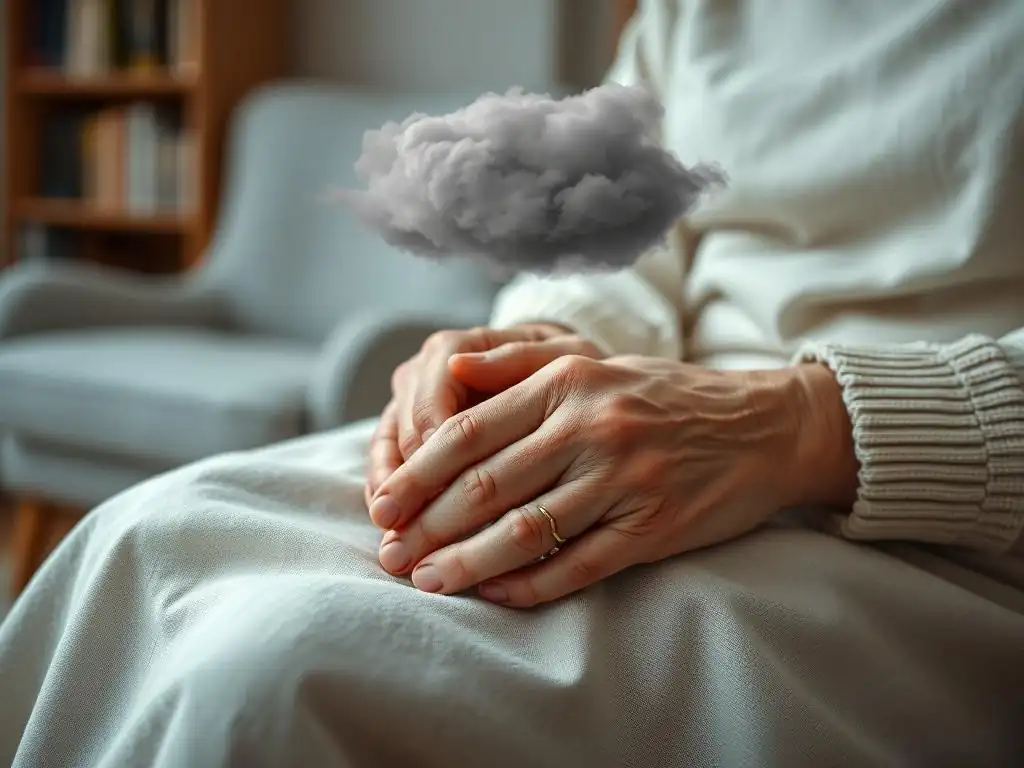
Muscle Tension and Stiffness: A Common Anxiety Symptom in Seniors
Muscle tension is arguably one of the most prevalent physical symptoms of anxiety across all age groups, and it is particularly common in older adults struggling with this condition. This tension often concentrates in areas like the shoulders, neck, and upper back, leading to persistent stiffness and soreness. Seniors might describe feeling "tight" or "rigid," finding it difficult to relax their muscles even when at rest. This chronic tension can limit their ability to perform daily tasks, contributing to reduced mobility and independence.
The link between anxiety causing elderly aches pains is often most evident in this persistent muscle discomfort. It's not uncommon for older adults with anxiety to report waking up feeling stiff or experiencing increased muscle pain during periods of heightened worry or stress. This symptom can sometimes be misattributed solely to age or arthritis, delaying the recognition and treatment of the underlying anxiety.
Headaches and Migraines: The Anxiety-Pain Connection in Older Adults
Headaches, particularly tension headaches and migraines, are frequently associated with anxiety. Tension headaches, often described as a band-like tightness or pressure around the head, are a direct result of chronic muscle tension, especially in the neck and scalp, which is commonly triggered by anxiety. Migraines, while having more complex triggers, can also be precipitated or worsened by stress and anxiety in susceptible individuals.
For older adults, chronic headaches can be debilitating, impacting their ability to engage in social activities, maintain routines, and enjoy their leisure time. When these headaches are linked to anxiety, they often occur more frequently or with greater intensity during periods of emotional distress. Recognizing this pattern is key to understanding how anxiety is causing elderly aches pains in the form of persistent head discomfort.
Digestive Issues: Anxiety's Impact on Gut Health and Physical Discomfort
The gut-brain connection is well-established, and anxiety can significantly impact the digestive system, leading to various forms of physical discomfort. Symptoms such as nausea, indigestion, stomach cramps, bloating, constipation, and diarrhea are common physical manifestations of anxiety in older adults. The nervous system that controls the gut is highly sensitive to stress hormones and signals from the brain.
When anxiety is chronic, it can disrupt the normal rhythm and function of the digestive tract. This can lead to persistent gastrointestinal distress that might be mistaken for age-related digestive problems or dietary issues. Understanding that anxiety is causing elderly aches pains in the form of stomach upset is crucial for considering the psychological aspect of these physical complaints.
Chest Pain and Palpitations: When Anxiety Mimics Heart Problems in the Elderly
One of the more alarming physical symptoms of anxiety is chest pain and palpitations, which can understandably cause significant distress and lead to fears of a heart attack, especially in older adults who may have existing cardiovascular risk factors. Anxiety-related chest pain is often described as sharp, stabbing, or a general tightness, and it can be accompanied by a rapid heartbeat (palpitations), shortness of breath, and dizziness.
While it is absolutely essential for any older adult experiencing chest pain to receive immediate medical evaluation to rule out cardiac emergencies, it's important to recognize that anxiety can produce symptoms that closely mimic heart problems. This underscores the critical need for a comprehensive differential diagnosis when anxiety is causing elderly aches pains, particularly in the chest area. Once serious medical conditions are excluded, anxiety should be considered as a potential cause.
Identifying Anxiety as the Root Cause of Elderly Aches and Pains
Recognizing the Psychological Symptoms of Anxiety in Older Adults
Identifying anxiety in older adults can be challenging because the psychological symptoms may differ from those seen in younger populations or may be masked by physical complaints. While some seniors may exhibit classic symptoms like excessive worry, nervousness, and restlessness, others might present with irritability, difficulty concentrating, withdrawal from social activities, or changes in sleep and appetite. They might express worry about finances, health, or family, but the underlying pervasive anxiety might not be immediately obvious.
Caregivers and healthcare providers should be attuned to subtle signs. An older adult who suddenly avoids social gatherings, expresses disproportionate worry about minor health issues, or shows increased agitation might be struggling with anxiety. These psychological indicators, when present alongside unexplained physical aches and pains, strongly suggest that anxiety is causing elderly aches pains and requires investigation beyond just physical causes.
Screening Tools for Anxiety in Older Adults with Chronic Pain
Given the complex interplay between anxiety and chronic pain in the elderly, using specific screening tools can be highly effective in identifying potential anxiety disorders. Several validated questionnaires are designed to assess anxiety symptoms in older adults, taking into account their unique presentation and potential comorbidities. Examples include the Geriatric Anxiety Inventory (GAI) or the Hospital Anxiety and Depression Scale (HADS), which has subscales for both anxiety and depression and is often used in medical settings.
These tools can help quantify the level of anxiety symptoms and provide objective data to support a clinical assessment. Administering such screens to older adults presenting with chronic, unexplained pain can help uncover the psychological component and guide appropriate treatment strategies. Regular screening in primary care settings for seniors with persistent physical complaints could significantly improve the detection rate of anxiety causing elderly aches pains.
When to Suspect Anxiety: Ruling Out Other Medical Conditions
Suspecting anxiety as the root cause of elderly aches and pains typically occurs after a thorough medical evaluation has been conducted to rule out other potential physical etiologies. When a senior reports significant pain or discomfort, and diagnostic tests (like X-rays, blood tests, scans) do not reveal a physical condition that fully explains the severity or nature of the symptoms, anxiety should be considered. It's crucial to ensure that age-related conditions, inflammatory diseases, neurological issues, or medication side effects have been adequately investigated.
Another indicator to suspect anxiety is when the physical symptoms fluctuate significantly based on the individual's emotional state or stress levels. For example, if back pain worsens considerably during times of family conflict or holiday stress but improves when the person is relaxed, it strongly suggests an anxiety component. Furthermore, the presence of other psychological symptoms of anxiety, even if subtle, alongside the physical complaints, strengthens the case for anxiety causing elderly aches pains. A collaborative approach between primary care physicians and mental health professionals is often necessary for a comprehensive diagnosis.
Non-Pharmacological Approaches to Anxiety and Pain Relief for Seniors
Managing anxiety causing elderly aches pains effectively often involves a multi-faceted approach, with non-pharmacological strategies playing a crucial role, especially given potential sensitivities to medication in this age group. These methods empower seniors and can significantly reduce both anxiety and physical discomfort.
Relaxation Techniques: Deep Breathing, Meditation, and Mindfulness
Simple relaxation techniques can have a profound impact on reducing muscle tension and calming the nervous system.
- Deep breathing exercises: Regularly practicing slow, deep breaths can activate the body's relaxation response, lowering heart rate and reducing muscle tension. Even a few minutes daily can make a difference.
- Meditation: Guided meditation or simple seated meditation can help seniors manage anxious thoughts and reduce their physical reactivity to stress. Many apps and online resources offer guided sessions specifically tailored for beginners or older adults.
- Mindfulness: Practicing mindfulness involves paying attention to the present moment without judgment. This can help seniors detach from worrying thoughts that fuel anxiety and become more aware of their bodily sensations without becoming overwhelmed by them. This practice can help reframe the experience of pain.
Physical Activity and Exercise: Reducing Anxiety and Improving Physical Function
Regular, gentle physical activity is one of the most effective non-pharmacological treatments for both anxiety and pain. Exercise releases endorphins, natural mood boosters and pain relievers. It also helps reduce muscle tension and improves overall physical function, counteracting the stiffness and reduced mobility often associated with anxiety causing elderly aches pains.
Examples of suitable activities for seniors include:
- Walking: A simple daily walk can improve mood and flexibility.
- Gentle stretching or Yoga: Can help release muscle tension and improve range of motion.
- Tai Chi: Known for its gentle movements and focus on breath, it can reduce stress and improve balance.
- Water aerobics: Provides a low-impact way to exercise joints and muscles.
It's important for seniors to start slowly and consult with a healthcare provider before beginning a new exercise program, especially if they have underlying health conditions.
Cognitive Behavioral Therapy (CBT): Addressing Anxiety-Driven Pain
Cognitive Behavioral Therapy (CBT) is a highly effective psychotherapy approach for addressing anxiety and its physical manifestations. CBT helps individuals identify and challenge negative thought patterns and beliefs that contribute to their anxiety. It also teaches coping strategies to manage anxiety-provoking situations and reduce physical symptoms.
In the context of anxiety causing elderly aches pains, CBT can help seniors:
- Understand the connection between their thoughts, feelings, and physical symptoms.
- Develop strategies to reduce worry and catastrophic thinking about pain.
- Learn relaxation techniques and behavioral strategies to manage discomfort.
- Gradually increase activity levels despite pain fears.
CBT can be delivered individually or in group settings and can be adapted for older adults.
Medication Options for Anxiety and Pain Management in Older Adults
Medication can be a valuable component of managing anxiety-related aches and pains in older adults, but it must be approached cautiously due to potential side effects, drug interactions, and age-related changes in metabolism.
Antidepressants and Anti-Anxiety Medications
Certain medications typically used to treat depression and anxiety can also be effective in managing chronic pain, particularly neuropathic pain or pain associated with conditions like fibromyalgia, which can be exacerbated by anxiety.
- Selective Serotonin Reuptake Inhibitors (SSRIs) and Serotonin-Norepinephrine Reuptake Inhibitors (SNRIs) are often prescribed. They work by affecting neurotransmitters involved in both mood and pain pathways. They are generally preferred over benzodiazepines for long-term anxiety management in older adults due to lower risk of dependence and cognitive side effects, although they may take several weeks to show full effect.
- Benzodiazepines are sometimes used for short-term relief of severe anxiety but are generally avoided for chronic use in the elderly due to risks of sedation, cognitive impairment, falls, and dependence.
The choice of medication and dosage must be carefully tailored to the individual senior, considering their overall health, other medications, and potential side effects.
Pain Relievers: A Careful Approach to Avoid Side Effects
Managing pain directly with analgesics requires careful consideration when anxiety is causing elderly aches pains. Over-the-counter pain relievers like acetaminophen are generally considered safe at appropriate doses, but long-term or high-dose use can still have risks. Non-steroidal anti-inflammatory drugs (NSAIDs), such as ibuprofen, carry risks of gastrointestinal issues, kidney problems, and cardiovascular effects, particularly in older adults, and should be used cautiously and typically not for long periods.
Opioid pain relievers are generally avoided for chronic non-cancer pain in the elderly due to significant risks of addiction, sedation, constipation, and cognitive impairment. When pain is primarily driven by anxiety and muscle tension, addressing the anxiety directly is often more effective than relying solely on pain medication, which may only mask symptoms without treating the underlying cause. A comprehensive treatment plan will integrate anxiety management with pain relief strategies.
Supporting Elderly Loved Ones Experiencing Anxiety and Physical Pain
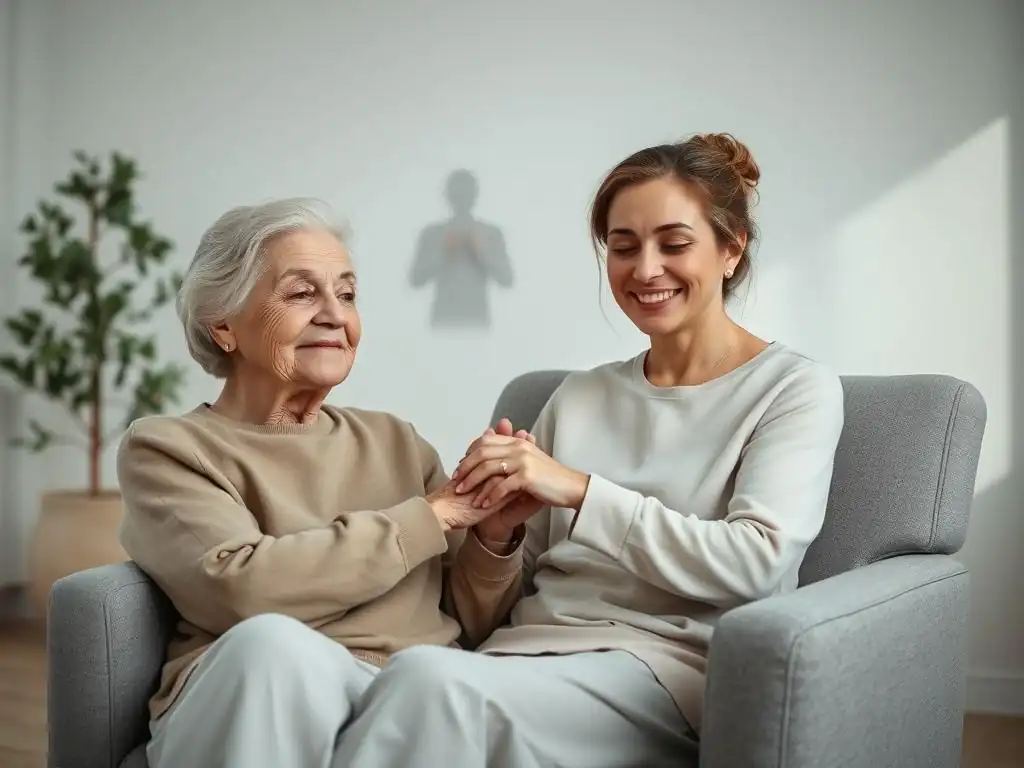
Creating a Supportive Environment for Seniors with Anxiety
A supportive home environment is crucial for older adults struggling with anxiety causing elderly aches pains. This involves fostering a sense of safety, predictability, and control. Encourage routines, as unpredictability can exacerbate anxiety. Ensure the home is comfortable and free from excessive clutter, which can feel overwhelming. Gentle encouragement to stay engaged in enjoyable activities and maintain social connections is also vital, as isolation can worsen both anxiety and the perception of pain.
Validation of their feelings and experiences is paramount. Avoid dismissing their physical complaints or anxiety as "just part of getting old" or "all in their head." Acknowledging their discomfort and distress helps build trust and encourages them to open up about what they are experiencing. Creating a calm and patient atmosphere can significantly reduce their anxiety levels.
Communicating Effectively About Pain and Anxiety
Open and empathetic communication is key when supporting an elderly loved one experiencing anxiety and physical pain. Encourage them to talk about their feelings and physical sensations without judgment. Listen actively and patiently. Instead of asking "Are you anxious? ", which they might deny or not understand, try asking "How are you feeling today?" or "What's been on your mind?" Regarding pain, ask specific questions like "Where does it hurt?" or "What makes the pain better or worse?"
Help them articulate their experiences to healthcare providers. Sometimes, seniors may downplay symptoms or have difficulty recalling details during appointments. You can help by keeping a simple log of their symptoms, including when they occur, their intensity, and any potential triggers (both physical and emotional). This factual record can be invaluable for doctors trying to understand the complex interplay of anxiety causing elderly aches pains.
Seeking Professional Help: Finding the Right Mental Health Support for Older Adults
Navigating the healthcare system to find appropriate support for an older adult with anxiety and physical pain can be challenging. It's important to seek help from professionals experienced in geriatric mental health. Start by discussing your concerns with their primary care physician, who can perform initial assessments, rule out physical causes, and provide referrals.
Consider consulting with:
- Geriatricians: Physicians specializing in the care of older adults.
- Psychiatrists specializing in geriatrics: Can diagnose and manage mental health conditions, including prescribing medication if necessary.
- Psychologists or therapists specializing in older adults: Can provide psychotherapy like CBT or other counseling approaches.
- Pain management specialists: May offer interdisciplinary approaches to chronic pain that consider psychological factors.
Don't hesitate to advocate for your loved one and seek second opinions if necessary to ensure they receive comprehensive care that addresses both their physical pain and underlying anxiety causing elderly aches pains.
Preventing Chronic Pain and Disability Through Timely Treatment
Early identification and treatment of anxiety causing elderly aches pains are critical for preventing the development of chronic pain and associated disability. When anxiety and its physical symptoms are left unaddressed, the cycle of pain-anxiety-pain can become deeply entrenched, leading to persistent physical discomfort, reduced mobility, and a significant decline in functional independence. Chronic pain itself is a major contributor to disability in older adults, affecting their ability to manage daily tasks, participate in social activities, and maintain their quality of life.
Intervening early with appropriate anxiety management techniques, such as therapy, relaxation strategies, and potentially medication, can help break this cycle. Addressing the anxiety reduces muscle tension, modulates pain perception, and improves coping mechanisms, thereby mitigating the progression of acute discomfort into chronic, debilitating pain. This preventative aspect of early intervention is paramount in geriatric care.
Improving Quality of Life for Elderly Individuals Suffering from Anxiety
Anxiety significantly diminishes the quality of life for older adults, leading to distress, social isolation, and loss of enjoyment in activities. When anxiety is causing elderly aches pains, this impact is compounded by the physical limitations and suffering caused by chronic discomfort. Seniors may avoid activities they once loved due to fear of exacerbating pain or experiencing anxiety symptoms in public. This withdrawal can lead to loneliness, depression, and a further decline in overall well-being.
Effective treatment of anxiety, including addressing its physical manifestations, can lead to a dramatic improvement in quality of life. By reducing anxiety levels and managing physical symptoms, seniors can regain mobility, participate more fully in social life, and experience a greater sense of comfort and control. This allows them to live more active, engaged, and fulfilling lives in their later years.
Resources for Anxiety Support and Pain Management in Older Adults
Accessing appropriate resources is a key step in managing anxiety causing elderly aches pains. While professional medical and psychological help is essential, various community and online resources can provide additional support.
- Mental Health Organizations: National and local mental health associations often provide information, helplines, and resources specific to older adults.
- Aging Services: Local Area Agencies on Aging can connect seniors and their caregivers with support groups, counseling services, and programs promoting physical activity and wellness.
- Pain Management Clinics: These clinics often offer multidisciplinary programs that include physical therapy, psychological support, and alternative therapies alongside medical treatment.
- Support Groups: Connecting with others who share similar experiences can provide emotional support and practical coping strategies. Look for groups focused on anxiety, chronic pain, or specific health conditions.
- Online Resources: Reputable websites from health organizations (like the National Institute on Aging or the Anxiety & Depression Association of America) offer valuable information and self-help resources.
Seeking out and utilizing these resources can provide a robust support system for older adults and their families navigating the challenges of anxiety and its physical manifestations.
Conclusion: Addressing the Physical Mask of Anxiety in the Elderly
The phenomenon of anxiety causing elderly aches pains is a significant and often overlooked challenge in geriatric healthcare. It is crucial for families, caregivers, and healthcare providers to recognize that physical discomfort in older adults may not always stem solely from age-related physical decline but can be a powerful manifestation of underlying anxiety. By understanding the complex link between the mind and body, particularly the neurological and physiological pathways through which anxiety contributes to pain and physical symptoms, we can improve identification and treatment.
Moving forward, a holistic approach that considers both the physical and psychological well-being of seniors is essential. This involves thorough medical evaluations to rule out physical causes, utilizing screening tools to detect anxiety, employing non-pharmacological strategies like therapy and exercise, and carefully considering medication when appropriate.
By unmasking the physical symptoms of anxiety and addressing the root cause, we can significantly alleviate the suffering of older adults, reduce chronic pain and disability, and dramatically improve their quality of life. Prioritizing mental health care as an integral part of overall health for the elderly is key to ensuring they can live their later years with greater comfort and well-being.
Frequently Asked Questions
What is the connection between anxiety and physical pain in the elderly?
Anxiety can manifest physically, especially in the elderly, leading to aches and pains that might not have an obvious physical cause. This is because stress hormones released during anxiety can increase muscle tension and inflammation.
Why are elderly individuals more susceptible to experiencing physical symptoms of anxiety?
The elderly are often more vulnerable due to factors like decreased physical resilience, chronic health conditions, and increased social isolation, which can exacerbate both anxiety and physical discomfort. This makes it harder to distinguish between anxiety and age-related pain.
How can I tell if my elderly loved one's aches and pains are caused by anxiety?
Look for signs of anxiety such as excessive worry, restlessness, difficulty sleeping, and irritability, along with a temporal link between stressful events and the onset or worsening of the physical symptoms. A thorough medical evaluation is also crucial to rule out other causes.
Effective strategies include stress reduction techniques like deep breathing and mindfulness, regular gentle exercise, social engagement, and professional mental health support such as therapy or medication. Lifestyle modifications can also help.
Resources can be found through your primary care physician, mental health professionals, senior centers, and organizations like the Anxiety & Depression Association of America (ADAA). The Mind Care Guide website also offers information and support.
Final Reflection: Unmasking the Silent Suffering of the Elderly
The physical manifestation of anxiety in the elderly is not merely a symptom; it's a silent scream for help, often misunderstood and tragically untreated. This article has explored the intricate link between anxiety and physical ailments in older adults, highlighting how seemingly innocuous aches and pains can be the body's desperate attempt to communicate overwhelming emotional distress. The pervasiveness of this issue demands immediate attention and a shift in how we approach healthcare for our aging population.
The impact of unrecognized anxiety on the elderly is profound, shaping not only their physical well-being but also their quality of life and social interactions. It creates a vicious cycle: physical pain leads to isolation and decreased mobility, exacerbating anxiety and further intensifying physical symptoms. This underscores the critical need for empathetic and holistic care that considers the mental and emotional landscape alongside the physical. The body keeps the score,
as Bessel van der Kolk so poignantly states, reminding us that trauma and anxiety are deeply embedded in our physical selves.
Consider the implications of this information. Are you, a caregiver, or a healthcare professional, equipped to recognize the subtle signs of anxiety masked as physical ailments in the elderly? Take the time to listen beyond the complaints of pain; look for the underlying emotional distress. By fostering open communication, seeking professional help when needed, and promoting a supportive environment, we can help alleviate the suffering of our aging loved ones and empower them to live healthier, more fulfilling lives. Let's work together to unmask the silent suffering and provide the care and understanding they deserve.
Unmask Your Pain: Find Relief and Understanding
Thanks for taking the time to explore the often-hidden connection between anxiety and physical pain in older adults. We hope this article provided valuable insights and helped you understand this complex issue better. Now, let's move forward!
Here's what you can do next:
- Prioritize open communication: Talk to your loved ones (or yourself) about any persistent physical discomfort, emphasizing the potential link to emotional well-being. This honest conversation is the crucial first step toward finding appropriate support.
- Share this article with someone who might benefit: Help spread awareness about this often-overlooked connection. A simple share can make a big difference!
- Explore relaxation techniques: Consider trying guided meditation or gentle stretching to manage stress and ease physical tension. It's a surprisingly powerful combination!
What small step will you take today to address the potential link between anxiety and physical pain?