
The Role of SelfCare: Prioritizing Wellbeing to Cope with Adult Anxiety


Welcome to Mind Care Guide, a safe space to explore your mental well-being.
Feeling overwhelmed by anxiety? You're not alone. It's time to reclaim your peace. This week we delve into selfcare to reduce adult anxiety, uncovering practical strategies to soothe your mind and body. Are you ready to discover how small, consistent acts of self-compassion can create a profound shift in your anxiety levels? Let's begin.
- The Role of Self-Care: Prioritizing Wellbeing to Cope with Adult Anxiety
- What is Self-Care and Why is it Essential for Mental Wellbeing?
- The Impact of Anxiety on Adult Life: Recognizing the Need for Self-Care Strategies
- Practical Self-Care Strategies to Reduce Adult Anxiety
- Integrating Self-Care into Your Daily Routine: A Step-by-Step Guide
- Seeking Professional Help: When Self-Care Isn't Enough
- Long-Term Strategies for Managing Anxiety with Self-Care
- Conclusion: Embracing Self-Care as a Powerful Tool for Managing Adult Anxiety and Improving Overall Wellbeing.
-
Frequently Asked Questions
- How does self-care directly help reduce adult anxiety?
- What are some examples of self-care activities that can effectively reduce adult anxiety?
- How much time should I dedicate to self-care to see a noticeable reduction in adult anxiety?
- What if I struggle to prioritize self-care due to feeling overwhelmed or anxious in the first place?
- Where can I find additional resources and support for managing adult anxiety through self-care?
- Final Reflection: Weaving Wellbeing into the Fabric of Adult Life
- Unleash Your Inner Calm: Take Charge of Your Wellbeing
The Role of Self-Care: Prioritizing Wellbeing to Cope with Adult Anxiety
Adult anxiety is a pervasive challenge affecting millions globally. It manifests not just as occasional worry, but often as persistent, excessive concern that can significantly impair daily functioning, relationships, and overall quality of life. In a world that often glorifies being busy and pushes individuals to constantly perform, the pressures of adulthood – careers, finances, family responsibilities, and social expectations – can create fertile ground for anxiety to flourish. Understanding the nature of adult anxiety is the first step towards managing it effectively.
While therapeutic interventions and medication play crucial roles in treating clinical anxiety disorders, there's a powerful, accessible tool that complements these approaches and serves as a vital preventative measure: self-care. Prioritizing wellbeing through intentional self-care practices is not a luxury, but a necessity for building resilience against the stressors that fuel adult anxiety. This article explores how deliberate selfcare reduce adult anxiety, offering practical strategies and insights into making wellbeing a non-negotiable part of life.
What is Self-Care and Why is it Essential for Mental Wellbeing?
Defining Self-Care: More Than Just Pampering
Self-care is the conscious act of taking steps to promote your own physical, mental, and emotional health. It's often mistakenly associated with indulgent activities like spa days or lavish purchases, but true self-care is much more foundational. It encompasses the everyday decisions and habits that support your overall wellbeing – ensuring adequate sleep, eating nutritious food, engaging in physical activity, setting boundaries, and fostering healthy relationships.
At its core, self-care is about recognizing your own needs and actively working to meet them. It's a proactive approach to maintaining health, rather than a reactive response to burnout or distress. For individuals grappling with or seeking to prevent adult anxiety, integrating consistent self-care practices is a fundamental strategy for building a robust inner defense system against stress and worry.
The Link Between Neglecting Self-Care and Increased Anxiety Levels
When self-care is neglected, the body and mind become more vulnerable to stress and anxiety. Skipping meals, chronic sleep deprivation, lack of physical activity, and constant exposure to stressors without adequate recovery time deplete our physical and mental resources. This depletion makes it harder to cope with challenges, regulate emotions, and maintain perspective.
Consider the impact of poor sleep: studies consistently show that insufficient sleep can exacerbate anxiety symptoms. An individual getting only 5-6 hours of sleep regularly, compared to the recommended 7-9, is likely to experience heightened irritability, difficulty concentrating, and increased worry. This creates a vicious cycle where anxiety makes it hard to sleep, and poor sleep worsens anxiety, illustrating how neglecting a basic self-care need directly fuels mental distress and underscores the importance of selfcare reduce adult anxiety.
Why Self-Care Matters: Benefits for Reducing Anxiety in Adults
Engaging in regular self-care offers numerous benefits that directly counteract the symptoms of adult anxiety. It helps regulate the nervous system, reduce stress hormones like cortisol, and improve mood. Simple acts like a 20-minute walk outdoors can release endorphins, which have mood-boosting effects and help alleviate tension.
Beyond the immediate physiological benefits, self-care builds resilience and a sense of control. By actively choosing to prioritize your wellbeing, you empower yourself to manage stress more effectively. This proactive stance shifts the dynamic from feeling overwhelmed by anxiety to feeling capable of influencing your emotional state, demonstrating precisely how selfcare reduce adult anxiety by fostering empowerment and stability.
The Impact of Anxiety on Adult Life: Recognizing the Need for Self-Care Strategies
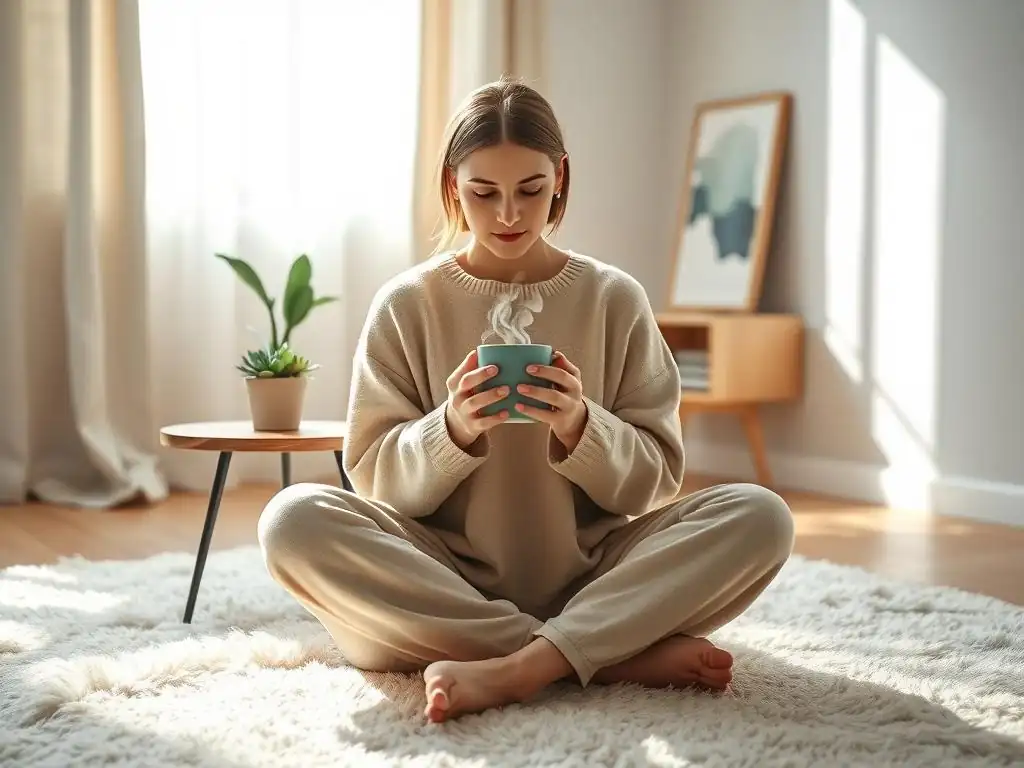
Common Anxiety Triggers in Adulthood: Work, Finances, Relationships
Adult life is rife with potential anxiety triggers. Professional pressures, such as tight deadlines, job insecurity, or workplace conflicts, are significant sources of stress. Financial worries – managing debt, saving for the future, unexpected expenses – can create constant, low-grade anxiety that erodes peace of mind. Relationship dynamics, from navigating partnerships and parenting to dealing with family obligations and social expectations, also present complex challenges that can trigger or exacerbate anxious feelings.
For instance, a recent survey indicated that financial stress is a major concern for over 60% of adults, directly impacting their mental health. Similarly, workplace stress contributes to a significant portion of reported anxiety symptoms. Recognizing these common triggers is crucial because it highlights the constant exposure adults face to potential stressors and underscores the necessity of having reliable coping mechanisms like self-care in place.
Physical and Emotional Symptoms of Adult Anxiety: How Self-Care Can Help
Adult anxiety manifests through a wide range of physical and emotional symptoms. Physically, this can include restlessness, fatigue, muscle tension, headaches, digestive issues, and even panic attacks characterized by heart palpitations and shortness of breath. Emotionally, anxiety often presents as excessive worry, difficulty concentrating, irritability, feeling on edge, and a sense of impending doom.
Self-care practices can directly address many of these symptoms. Regular physical activity, for example, helps relieve muscle tension and improves sleep quality. Mindfulness and meditation can calm the nervous system and reduce the frequency and intensity of anxious thoughts. By consistently applying these strategies, individuals can mitigate the physical toll of anxiety and build greater emotional resilience, showcasing the practical ways selfcare reduce adult anxiety symptoms.
The Cycle of Anxiety and Neglect: Breaking the Pattern with Proactive Self-Care
Anxiety often creates a negative feedback loop that makes self-care feel impossible. When feeling anxious, individuals might withdraw socially, neglect exercise, struggle with sleep, and make poor dietary choices. This neglect, in turn, worsens anxiety symptoms, leading to further withdrawal and poor habits. Breaking this cycle requires intentional, proactive self-care.
Instead of waiting until you feel overwhelmed, integrating self-care into your routine before anxiety spikes is key. Even small, consistent actions, like taking a 10-minute break to breathe deeply or preparing a healthy meal, can prevent the downward spiral. This deliberate choice to prioritize wellbeing, especially when feeling low or stressed, is the most effective way selfcare reduce adult anxiety by interrupting the negative cycle and building positive momentum.
Practical Self-Care Strategies to Reduce Adult Anxiety
Physical Self-Care: Nourishing Your Body and Mind
Physical self-care focuses on activities that maintain and improve your physical health, which in turn supports your mental state.
The Importance of Exercise for Anxiety Relief
Exercise is a powerful tool for managing anxiety. Physical activity releases endorphins, natural mood lifters, and helps reduce tension and improve sleep. Even moderate exercise, like brisk walking for 30 minutes a day, five days a week, has been shown to significantly reduce anxiety symptoms in many adults.
Studies have demonstrated that regular aerobic exercise can be as effective as some forms of therapy for mild to moderate anxiety. It provides a healthy outlet for pent-up energy and frustration, allows for a mental break from worrying thoughts, and improves overall physical health, contributing significantly to how selfcare reduce adult anxiety.
Healthy Eating Habits for Mental Wellness: Fueling Your Brain
What you eat profoundly impacts your mood and energy levels. A diet rich in whole foods, lean proteins, fruits, and vegetables provides the nutrients your brain needs to function optimally. Avoiding excessive caffeine, sugar, and processed foods can help stabilize mood and prevent energy crashes that can exacerbate anxiety.
For example, omega-3 fatty acids found in fish are linked to lower rates of anxiety, while complex carbohydrates can help regulate serotonin levels. Maintaining stable blood sugar through balanced meals can also prevent irritability and nervousness. Mindful eating, paying attention to your body's hunger and fullness cues, is also a form of self-care that connects you to your physical needs.
Prioritizing Sleep: Establishing a Restful Routine
Sleep deprivation is a major contributor to anxiety. Aiming for 7-9 hours of quality sleep per night is crucial for emotional regulation and cognitive function. Establishing a consistent sleep schedule, creating a relaxing bedtime routine, and ensuring your sleep environment is dark, quiet, and cool can significantly improve sleep quality.
Reducing screen time before bed, avoiding heavy meals or strenuous exercise close to bedtime, and limiting caffeine and alcohol intake can also promote better sleep. Prioritizing rest is a fundamental way selfcare reduce adult anxiety by allowing the brain to process emotions and consolidate memories effectively, leading to better emotional stability.
Emotional Self-Care: Managing Your Feelings and Building Resilience
Emotional self-care involves activities that help you acknowledge, understand, and healthily process your feelings.
Practicing Mindfulness and Meditation for Anxiety Management
Mindfulness and meditation techniques train you to focus on the present moment without judgment. This practice can interrupt the cycle of anxious thoughts, which often dwell on past regrets or future worries. Even just 5-10 minutes of daily meditation can calm the nervous system and reduce the intensity of anxious feelings.
Apps and guided meditations are readily available resources to help beginners start. Consistent practice helps build a greater awareness of anxious thoughts and physical sensations, allowing you to observe them without being consumed by them, a key mechanism by which selfcare reduce adult anxiety.
Journaling for Self-Reflection and Emotional Release
Writing down your thoughts and feelings in a journal can be incredibly cathartic. It provides a safe space to explore what's causing your anxiety, identify patterns in your thinking, and gain perspective. Simply transferring worries from your mind to paper can make them feel less overwhelming.
Try dedicating 15 minutes each day to journaling. You can write freely about whatever comes to mind, list things you're grateful for, or specifically explore anxious thoughts. This practice promotes emotional processing and can help you identify potential solutions or coping strategies, illustrating a simple yet effective way selfcare reduce adult anxiety.
Setting Healthy Boundaries: Protecting Your Energy and Time
Boundaries are essential for protecting your mental and emotional energy. This means learning to say no to requests that overextend you, limiting exposure to toxic relationships or situations, and defining how others can interact with you. Poor boundaries often lead to resentment, burnout, and increased anxiety.
Setting boundaries can feel challenging, especially for people-pleasers. However, it's a vital act of self-respect and self-preservation. Clearly communicating your limits, whether at work, with family, or among friends, ensures that your needs are met and prevents your resources from being constantly depleted, a critical aspect of how selfcare reduce adult anxiety by preventing overwhelm.
Social connection is a fundamental human need, and nurturing relationships is a powerful antidote to isolation and anxiety.
Nurturing Relationships: The Power of Social Connection
Spending quality time with supportive friends and family provides emotional validation, a sense of belonging, and practical support. Sharing your feelings with trusted individuals can alleviate the burden of anxiety and offer new perspectives. Aim for genuine connection over superficial interactions.
Even during busy periods, make an effort to schedule regular catch-ups, whether it's a coffee date, a phone call, or a shared meal. These connections remind you that you're not alone in your struggles and provide a buffer against stress, highlighting the significant role social interaction plays in how selfcare reduce adult anxiety.
Joining Support Groups: Finding Community and Understanding
Connecting with others who understand what you're going through can be incredibly validating and empowering. Support groups, whether for general anxiety or specific challenges, offer a space to share experiences, learn coping strategies from peers, and feel understood without judgment.
Many mental health organizations offer local or online support groups. Participating can reduce feelings of isolation and provide practical advice from those who have navigated similar challenges. This shared experience is a powerful form of social self-care that directly helps selfcare reduce adult anxiety by fostering community and hope.
Learning to Say No: Protecting Your Time and Energy
While nurturing relationships is important, social self-care also includes knowing when to decline social invitations or commitments that feel draining or overwhelming. Over-scheduling and feeling obligated to attend every event can contribute significantly to adult anxiety.
It's okay to prioritize rest, solitude, or other self-care activities over social obligations sometimes. Learning to politely decline without guilt protects your energy and ensures you have adequate time for recovery and personal pursuits. This is another facet of boundary setting that is crucial for effective self-care.
Psychological Self-Care: Challenging Negative Thoughts and Building Self-Esteem
Psychological self-care focuses on activities that support your mental and emotional health by addressing thought patterns and self-perception.
Cognitive Behavioral Therapy (CBT) Techniques for Anxiety Reduction
While CBT is a therapeutic approach often facilitated by a professional, many of its core techniques can be practiced independently as a form of psychological self-care. This includes identifying and challenging negative or irrational thought patterns (cognitive distortions) that fuel anxiety.
Techniques like thought challenging (asking yourself if an anxious thought is based on fact or fear), cognitive restructuring (replacing negative thoughts with more balanced ones), and exposure (gradually confronting feared situations) can be learned and applied in daily life to manage anxious thinking effectively. Practicing these techniques empowers individuals to actively work on how selfcare reduce adult anxiety by modifying their internal dialogue.
Practicing Self-Compassion: Treating Yourself with Kindness
Anxiety often comes with harsh self-criticism. Practicing self-compassion means treating yourself with the same kindness, understanding, and acceptance you would offer a friend facing similar difficulties. It involves recognizing that suffering and imperfection are part of the shared human experience.
This can involve using kind self-talk, acknowledging your struggles without judgment, and understanding that everyone makes mistakes. Cultivating self-compassion reduces the inner turmoil caused by self-criticism, creating a more supportive internal environment that helps selfcare reduce adult anxiety.
Setting Realistic Goals: Avoiding Overwhelm and Building Confidence
Feeling overwhelmed by unrealistic expectations or an endless to-do list is a major anxiety trigger. Psychological self-care includes setting achievable goals and breaking down larger tasks into smaller, manageable steps.
Celebrating small wins along the way builds confidence and reduces the feeling of being constantly behind. Prioritizing tasks and learning to delegate or postpone non-essential items also prevents burnout and the anxiety that comes from feeling overwhelmed, contributing to a more stable mental state and supporting the aim to selfcare reduce adult anxiety.
Integrating Self-Care into Your Daily Routine: A Step-by-Step Guide
Integrating self-care doesn't require massive life changes; it's about small, consistent steps.
Identifying Your Self-Care Needs: What Works Best for You?
Self-care is highly personal. What relaxes one person might stress another. Start by reflecting on activities that genuinely make you feel rested, energized, and calm. Consider what areas of your life feel neglected – is it physical health, social connection, or time for reflection?
- [ ] Reflect on recent stressful events and how you reacted.
- [ ] List activities that have made you feel good in the past.
- [ ] Identify areas where you feel most drained or anxious.
- [ ] Ask yourself what you need more of right now (e.g., rest, connection, quiet time).
Creating a Self-Care Schedule: Making Time for Wellbeing
Once you've identified your needs, schedule self-care activities into your day or week like any other important appointment. Even 15-30 minutes dedicated to a self-care practice can make a difference. Start small and gradually increase the time as you feel more comfortable.
Consider blocking out time in your calendar for a walk, meditation, journaling, or connecting with a friend. Consistency is more important than duration initially. Committing to a schedule helps reinforce that prioritizing your wellbeing is a non-negotiable part of managing adult anxiety.
Overcoming Obstacles to Self-Care: Addressing Common Challenges
Many adults face obstacles to self-care, including lack of time, feeling guilty, or believing it's selfish. Challenge these beliefs. Self-care is not selfish; it's essential for being able to care for others and fulfill your responsibilities without burning out.
Identify your specific obstacles. Is it a lack of time? Look for small pockets in your day (e.g., during your commute, lunch break). Is it guilt? Remind yourself that self-care is an investment in your health and capacity. Is it feeling unworthy? Practice self-compassion. Addressing these internal and external barriers is key to making selfcare reduce adult anxiety consistently.
Tracking Your Progress: Monitoring the Impact of Self-Care on Your Anxiety
Pay attention to how different self-care practices affect your anxiety levels and overall mood. Keep a simple log or make notes in your journal. Did that walk make you feel calmer? Did skipping sleep increase your worry?
Tracking helps you identify which strategies are most effective for you and provides motivation by showing you the tangible benefits of your efforts. Seeing how prioritizing your wellbeing directly helps selfcare reduce adult anxiety reinforces the value of your self-care routine.
Seeking Professional Help: When Self-Care Isn't Enough
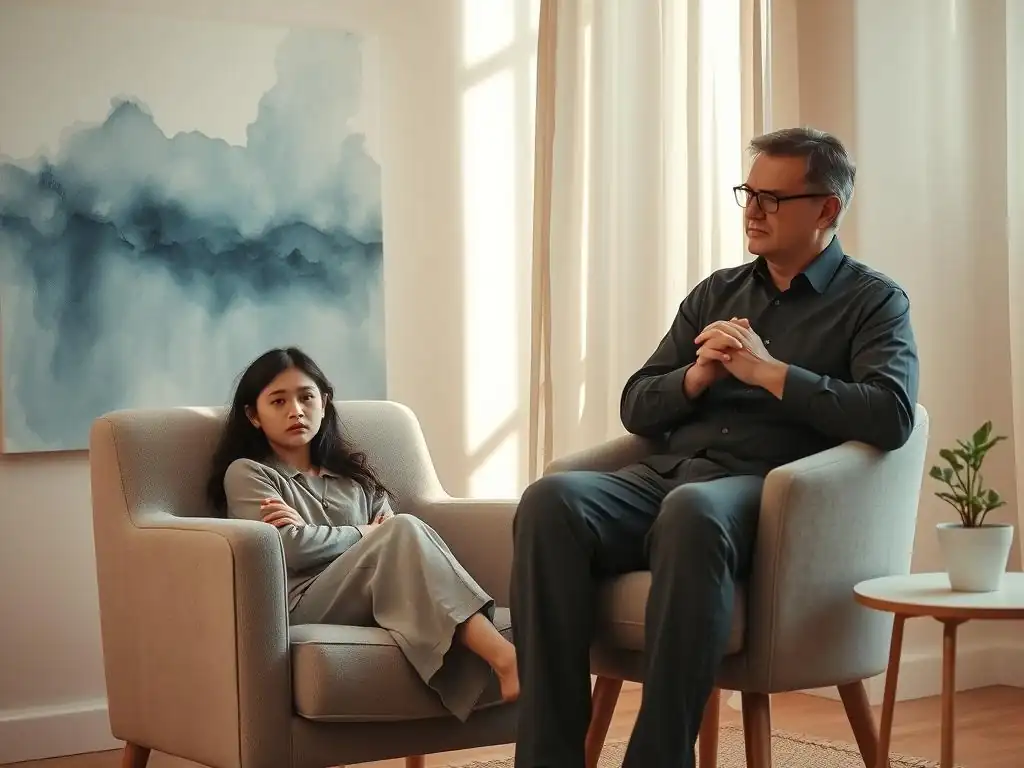
While self-care is a powerful tool, it's important to recognize its limitations. For moderate to severe anxiety or when self-care strategies aren't providing sufficient relief, professional help is essential.
Recognizing the Signs You Need Professional Support: Panic Attacks, Persistent Worry
Certain signs indicate that professional intervention is necessary. These include frequent or debilitating panic attacks, persistent and uncontrollable worry that interferes with daily life, significant avoidance of situations due to anxiety, suicidal thoughts, or when anxiety co-occurs with other mental health conditions like depression.
If your anxiety symptoms are significantly impacting your ability to work, maintain relationships, or engage in activities you once enjoyed, it's a strong indicator that you should consult a mental health professional. Ignoring these signs can lead to worsening symptoms and greater difficulty in recovery.
Types of Therapies for Adult Anxiety: CBT, ACT, Psychodynamic Therapy
Several evidence-based therapies are highly effective for treating adult anxiety. Cognitive Behavioral Therapy (CBT) helps individuals identify and change negative thought patterns and behaviors. Acceptance and Commitment Therapy (ACT) focuses on accepting difficult thoughts and feelings while committing to values-based actions.
Psychodynamic therapy explores the unconscious roots of anxiety, often stemming from past experiences. Other options include Exposure Therapy (often used for phobias or PTSD but relevant for anxiety avoidance) and Dialectical Behavior Therapy (DBT), which teaches skills for managing intense emotions. A therapist can help determine the most appropriate approach for your specific needs.
Finding a Therapist Who's Right for You: Credentials, Specialization, Approach
Finding the right therapist is a crucial step. Look for licensed professionals (e.g., licensed clinical social workers, licensed professional counselors, psychologists, psychiatrists) with experience in treating anxiety disorders. Consider their specialization – do they focus on CBT, ACT, or another approach that interests you?
Think about their therapeutic approach and personality – do you feel comfortable talking openly with them? Many therapists offer initial consultations. Don't hesitate to meet with a few different professionals to find the best fit. Resources like professional directories (e.g., Psychology Today, Anxiety & Depression Association of America) can help locate therapists in your area.
Long-Term Strategies for Managing Anxiety with Self-Care
Managing adult anxiety is often an ongoing process, and self-care is a lifelong practice.
Building a Sustainable Self-Care Routine: Consistency is Key
Sustainability is crucial for long-term success. Instead of viewing self-care as a temporary fix, integrate it as a fundamental part of your lifestyle. This means finding practices that you genuinely enjoy and can realistically maintain even when life gets busy.
Review your self-care schedule regularly and make adjustments as needed. Consistency, even with small actions, builds resilience over time far more effectively than sporadic grand gestures. Committing to this ongoing practice is how selfcare reduce adult anxiety not just in the short term, but for sustained wellbeing.
Adapting Your Self-Care Plan: Adjusting to Life's Changes
Life is dynamic, and your self-care needs will change over time. Major life events – a new job, moving, relationship changes, health issues – can impact your anxiety levels and require adjustments to your self-care plan. Be flexible and willing to adapt.
Perhaps you need more rest during a stressful period, or more social connection during a time of isolation. Periodically reassess what's working and what's not, and don't be afraid to try new strategies or revisit old ones. An adaptive approach ensures that your self-care remains relevant and effective.
Celebrating Your Successes: Acknowledging Your Progress
Managing anxiety and prioritizing wellbeing is hard work. Take time to acknowledge and celebrate your efforts and progress, no matter how small they seem. Did you stick to your meditation practice for a week? Did you successfully set a boundary?
Recognizing these achievements reinforces positive habits and provides motivation to continue. Celebrating successes, even minor ones, builds a sense of accomplishment and empowers you to keep utilizing self-care reduce adult anxiety effectively over the long haul.
Conclusion: Embracing Self-Care as a Powerful Tool for Managing Adult Anxiety and Improving Overall Wellbeing.
Frequently Asked Questions
How does self-care directly help reduce adult anxiety?
Self-care provides a buffer against stress and anxiety triggers. By engaging in activities that promote relaxation and well-being, you can build resilience and manage anxious feelings more effectively. It also helps improve your overall mood and sense of control.
What are some examples of self-care activities that can effectively reduce adult anxiety?
Examples include mindfulness practices like meditation, engaging in hobbies you enjoy, spending time in nature, and ensuring adequate sleep. Regular exercise and maintaining a healthy diet are also crucial components of a well-rounded self-care routine.
How much time should I dedicate to self-care to see a noticeable reduction in adult anxiety?
The amount of time varies depending on individual needs and schedules, but even small, consistent efforts can make a difference. Aim for at least 15-30 minutes daily dedicated to activities that promote relaxation and well-being.
What if I struggle to prioritize self-care due to feeling overwhelmed or anxious in the first place?
Start small and be patient with yourself. Focus on incorporating one or two simple activities into your routine. Consider scheduling self-care into your calendar like any other important appointment.
Where can I find additional resources and support for managing adult anxiety through self-care?
Mind Care Guide offers a wealth of information, support, and resources related to mental well-being. You can also explore online communities, therapy options, and self-help books focused on anxiety management and self-care techniques.
Final Reflection: Weaving Wellbeing into the Fabric of Adult Life
The pervasive nature of anxiety in modern adulthood demands a radical shift in our approach to wellbeing; self-care is no longer a luxury, but a vital necessity. Ignoring the persistent hum of anxiety only amplifies its effects, impacting not just our mental health, but also our relationships, productivity, and overall quality of life. This article has explored various facets of self-care, highlighting its power to mitigate the debilitating effects of adult anxiety.
The journey towards prioritizing self-care is a deeply personal one, a continuous process of self-discovery and adaptation. It's about recognizing our individual needs and developing strategies that resonate with us, rather than blindly following trends. This ongoing evolution is crucial, as the landscape of our lives constantly changes. As the poet Mary Oliver so eloquently put it: Tell me, what is it you plan to do with your one wild and precious life?
This question, applied to our self-care practices, encourages us to actively shape our wellbeing, rather than passively accepting anxiety's grip.
Now, consider your own life. What small, consistent acts of self-care can you integrate into your daily routine? Perhaps it's a mindful morning walk, a relaxing evening bath, or simply setting aside 15 minutes for quiet reflection. The key is to begin, to experiment, and to find what truly nourishes your soul. Don't wait for a crisis to prioritize your wellbeing; cultivate a life where self-care is not an occasional indulgence, but the foundation upon which you build a healthier, happier, and more resilient you.
Unleash Your Inner Calm: Take Charge of Your Wellbeing
Thank you for taking the time to explore the vital role of self-care in managing adult anxiety. We hope you gained valuable insights and practical strategies to prioritize your wellbeing. Now, let's turn those insights into action!
- Implement ONE new self-care practice this week. Choose something from the article that resonates with you – whether it's a mindful breathing exercise, a relaxing bath, or setting aside time for a favorite hobby. Small changes make a big difference!
- Share this article with a friend or family member who might benefit from these strategies. Supporting each other is a powerful form of self-care.
- Consider journaling your self-care journey. Reflect on how your chosen practice affects your anxiety levels and overall mood. This reflective practice can be incredibly powerful.
What small step will you take today to nurture your mental wellbeing?