
Simple Breathing Techniques to Calm Social Nerves Instantly

Welcome to Mind Care Guide, a safe space for your mental well-being.
Feeling overwhelmed by social situations? You're not alone. Many experience anxiety in social settings, but there are effective ways to manage it. In this guide, we'll explore instant breathing calm social nerves using simple, accessible techniques. Discover how a few focused breaths can help you regain control and confidently navigate even the most challenging social encounters. Ready to unlock your inner calm? Let's begin.
- Simple Breathing Techniques to Calm Social Nerves Instantly: A Mind Care Guide
- Instant Breathing Calm Social Nerves: 3 Techniques You Can Use Anywhere
- Integrating Breathing Exercises into Your Social Anxiety Management Plan
- Troubleshooting Common Issues with Breathing Exercises for Social Nerves
- Beyond Instant Calm: Long-Term Strategies for Overcoming Social Anxiety
-
Frequently Asked Questions
- How can breathing techniques instantly help with social anxiety?
- What are some simple breathing exercises I can use in social situations?
- How often should I practice these breathing techniques to experience the most benefit?
- Are there any risks associated with using breathing techniques for anxiety?
- Can these breathing techniques completely eliminate social anxiety?
- Final Reflection: Breathing Your Way to Social Confidence
- Unlock Your Inner Calm: Breathe Your Way to Social Confidence
Social Anxiety Disorder (SAD), also known as social phobia, is a common mental health condition characterized by an intense fear of social situations. This fear stems from the worry of being judged, scrutinized, or humiliated by others. It's more than just shyness; it's a persistent, overwhelming anxiety that can significantly interfere with daily life, making activities like public speaking, meeting new people, or even eating in front of others incredibly challenging. Millions of adults worldwide experience SAD, with estimates suggesting it affects approximately 15 million adults in the United States alone.
The symptoms of social anxiety can manifest physically, emotionally, and behaviorally. Physical symptoms often include blushing, sweating, trembling, rapid heart rate, nausea, and shortness of breath – classic signs of the body's fight-or-flight response being triggered in social settings. Emotionally, individuals may experience intense fear, worry, and a strong desire to avoid social interactions altogether.
Behavioral responses often involve avoiding feared situations or enduring them with intense distress, which can lead to isolation and impact relationships, career, and overall well-being. Understanding that these reactions are part of a recognized disorder is the first step towards finding effective strategies to manage them.
Breathing exercises offer a powerful, accessible tool for managing the acute physical and emotional symptoms of social anxiety. When faced with a triggering social situation, the body's stress response kicks in, often leading to shallow, rapid breathing. This hyperventilation can exacerbate feelings of panic and anxiety. By consciously controlling the breath, individuals can interrupt this stress cycle, signaling to the nervous system that the perceived threat is not real.
Practicing controlled breathing techniques helps to slow down the heart rate, lower blood pressure, and reduce muscle tension, all of which are physical manifestations of anxiety. This deliberate action shifts focus away from anxious thoughts and onto the present moment, creating a sense of calm and control. Regular practice not only provides instant breathing calm social nerves when needed but also builds resilience over time, potentially reducing the frequency and intensity of anxiety responses in future social interactions.
The Science Behind Breathing and Nervous System Regulation
The profound impact of breathing on anxiety is rooted in its direct connection to the autonomic nervous system (ANS). The ANS controls involuntary bodily functions like heart rate, digestion, and respiration and is divided into two main branches: the sympathetic nervous system (SNS), responsible for the "fight or flight" response, and the parasympathetic nervous system (PNS), which promotes relaxation and "rest and digest" functions. Social anxiety triggers the SNS, leading to increased heart rate, rapid breathing, and heightened alertness.
Conscious, slow, and deep breathing stimulates the vagus nerve, a major nerve that runs from the brainstem through the neck and chest to the abdomen and is a key component of the PNS. Activating the vagus nerve via controlled respiration sends signals to the brain that it's safe to relax. This effectively dampens the SNS response, slowing heart rate, calming the mind, and reducing the physical symptoms associated with social anxiety. This physiological shift is why instant breathing calm social nerves techniques are so effective in the moment of distress.
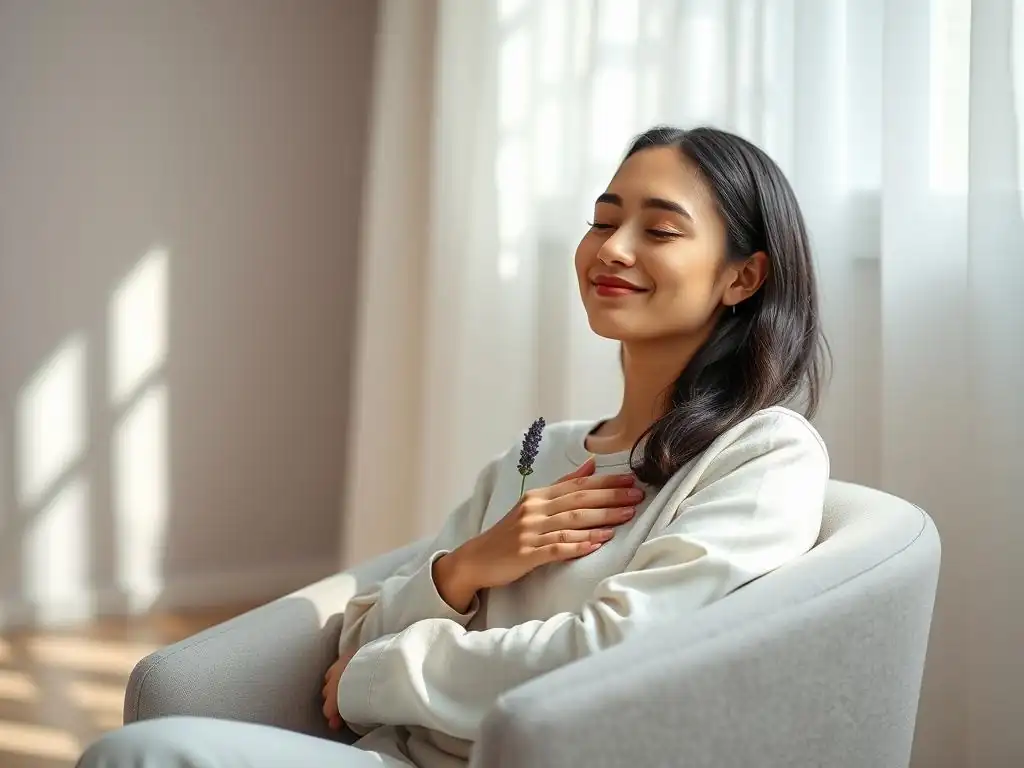
Diaphragmatic breathing, often called belly breathing, is a fundamental technique that maximizes the amount of oxygen taken in and slows the breathing rate. It involves engaging the diaphragm, a large muscle located beneath the lungs, rather than relying on shallow chest breaths. This method is particularly effective for calming social nerves because it directly counteracts the shallow, rapid breathing pattern typical of anxiety, promoting a deep sense of relaxation.
By focusing on expanding the abdomen rather than just the chest, you engage the lower lobes of the lungs, which facilitates a more complete exchange of oxygen and carbon dioxide. This improved gas exchange helps to regulate blood pressure and heart rate, easing the physical symptoms of anxiety that can be prominent in social situations. Practicing belly breathing regularly can train your body to default to this calming pattern, making it easier to access instant breathing calm social nerves when unexpected social stressors arise.
How to Perform Diaphragmatic Breathing Correctly
To perform diaphragmatic breathing, find a comfortable position, either sitting or lying down. Place one hand on your chest and the other on your abdomen, just below your rib cage.
- Inhale slowly through your nose, feeling your abdomen expand like a balloon. Your chest should remain relatively still.
- Exhale slowly through pursed lips (as if whistling), allowing your abdomen to fall inward. Gently contract your abdominal muscles to push out the last bit of air.
- Repeat this process for several minutes, focusing on the sensation of your belly rising and falling with each breath. Aim for a slow, steady rhythm.
Benefits of Belly Breathing for Calming Social Nerves
Belly breathing offers numerous benefits for individuals managing social anxiety. First, it provides a reliable method for instant breathing calm social nerves by quickly activating the body's relaxation response. In a stressful social situation, taking just a few deep, diaphragmatic breaths can significantly reduce physical symptoms like a racing heart or shortness of breath, making the experience feel more manageable.
Second, regular practice of belly breathing can lower overall stress levels and improve resilience to anxiety over time. By making deep breathing a habit, the body becomes more adept at entering a relaxed state. This can lead to a reduction in the baseline level of anxiety experienced daily, potentially lessening the intensity of triggers in social settings and making it easier to navigate interactions with greater ease and confidence.
Box breathing, also known as square breathing, is a simple yet powerful technique used by military personnel, first responders, and athletes to manage stress and maintain focus under pressure. It involves breathing in, holding, breathing out, and holding again for equal counts, typically four. This structured approach provides a mental anchor, diverting attention from anxious thoughts and imposing a steady rhythm on the breath, which is incredibly effective for achieving instant breathing calm social nerves when needed most.
The deliberate pauses in box breathing help to regulate the flow of air into and out of the lungs, slowing down the respiratory rate and promoting a sense of control. This methodical process interrupts the chaotic breathing patterns associated with anxiety. By requiring concentration on the counting and the breath, it pulls the mind away from ruminating on potential social fears or perceived judgments, offering a quick and discreet way to regain composure in challenging social environments.
Step-by-Step Guide to Box Breathing
Box breathing is performed by following a four-part cycle, visualizing the sides of a box as you breathe.
- Exhale completely to empty your lungs.
- Inhale slowly through your nose for a count of four. (Visualize moving up the first side of the box).
- Hold your breath at the top for a count of four. (Visualize moving across the top of the box).
- Exhale slowly through your mouth for a count of four. (Visualize moving down the third side of the box).
- Hold your breath at the bottom for a count of four. (Visualize moving across the bottom of the box).
- Repeat this cycle several times until you feel calmer.
Why Box Breathing Works to Quickly Reduce Social Nerves
Box breathing is exceptionally effective for achieving instant breathing calm social nerves due to its structured, rhythmic nature. The equal counts for each phase—inhale, hold, exhale, hold—impose a clear pattern that overrides the erratic breathing of anxiety. This predictable rhythm directly influences the nervous system, promoting a shift from the sympathetic (fight-or-flight) state to the parasympathetic (rest-and-digest) state more rapidly than unstructured breathing.
Furthermore, the requirement to focus on counting and the breath provides a strong grounding mechanism. When social anxiety is high, the mind often races with worst-case scenarios. Concentrating on the simple, repetitive task of box breathing anchors attention firmly in the present moment, disrupting the cycle of anxious thoughts and providing a mental break. This combination of physiological regulation and cognitive redirection makes box breathing a go-to technique for immediate relief in stressful social situations.
Alternate Nostril Breathing, known in yoga as Nadi Shodhana, is a powerful pranayama (breathing technique) aimed at balancing the flow of energy in the body and calming the mind. It involves breathing through one nostril at a time, alternating between them. While it requires the use of your hand, making it less discreet than the other techniques, it is highly effective for reducing anxiety and promoting a sense of equilibrium, which can be particularly helpful before a challenging social event or when finding a private moment to regain composure.
This technique is believed to balance the left and right hemispheres of the brain, often associated with logical and emotional processing respectively. By consciously directing breath through each nostril, you regulate the flow of air and energy, which can have a profound effect on the nervous system. Many practitioners report feeling a sense of centeredness and clarity after just a few rounds, making it a valuable tool for managing the mental and emotional turbulence that social anxiety can bring.
Mastering Alternate Nostril Breathing: A Detailed Explanation
To practice Nadi Shodhana, sit comfortably with a straight spine. Bring your right hand to your face. Close your right nostril with your right thumb.
- Exhale completely through your left nostril.
- Inhale slowly through your left nostril for a count (e.g., 4).
- Close your left nostril with your right ring finger. Release your thumb from the right nostril.
- Exhale slowly through your right nostril for a count (e.g., 4 or 6).
- Inhale slowly through your right nostril for the same count (e.g., 4).
- Close your right nostril with your thumb. Release your ring finger from the left nostril.
- Exhale slowly through your left nostril for the same count (e.g., 4 or 6).
- This completes one round. Continue for several rounds, always inhaling through the nostril you just exhaled from and alternating nostrils after the inhale.
How Nadi Shodhana Balances the Nervous System and Eases Social Discomfort
Nadi Shodhana is particularly effective at easing social discomfort because it promotes a deep sense of balance and calm within the nervous system. By systematically breathing through each nostril, the technique is thought to harmonize the activity of the sympathetic and parasympathetic branches of the ANS. This balance helps to dampen the hyperactive stress response often triggered by social anxiety, leading to a more relaxed and centered state both physically and mentally.
The focused nature of the practice also serves as a powerful mindfulness exercise. The requirement to concentrate on the breath, the counting, and the hand position pulls the mind away from anxious rumination about social interactions. This mental redirection, combined with the physiological calming effect, helps to reduce the overall intensity of anxiety symptoms, making it easier to face or recover from challenging social situations with greater ease and resilience. It provides a pathway to instant breathing calm social nerves and a more balanced state of mind.
Consistent practice of breathing exercises is crucial for harnessing their full potential in managing social anxiety long-term. While these techniques offer instant breathing calm social nerves in acute situations, their cumulative effect comes from regular application. Dedicating even just 5-10 minutes daily to practice can significantly impact your baseline anxiety levels. This regular engagement trains your body and mind to access the relaxation response more readily, making it easier to employ the techniques effectively when faced with unexpected social triggers.
Think of regular practice as building a muscle. The more you use your diaphragm and consciously control your breath in low-stress environments, the stronger your ability to activate the parasympathetic nervous system becomes. Over time, this can lead to a reduction in the overall frequency and intensity of anxiety symptoms experienced in social settings. It also helps you become more attuned to your body's signals, allowing you to recognize rising anxiety sooner and intervene with a breathing technique before it escalates.
Breathing techniques are versatile tools that can be strategically employed at various stages of a social event to manage anxiety. Using them before a potentially stressful situation, such as practicing box breathing for 5-10 minutes before a party or presentation, can help pre-regulate your nervous system and enter the situation feeling more grounded. This proactive approach can significantly reduce anticipatory anxiety.
During a social interaction, when you feel anxiety rising (e.g., blushing, racing heart), discreet techniques like diaphragmatic breathing or box breathing can be used subtly. Excusing yourself for a minute or two to a restroom or quiet corner to perform a few rounds of alternate nostril breathing can also provide instant breathing calm social nerves. After a social event, especially if it was challenging, using breathing exercises can help process the experience, release lingering tension, and prevent rumination, promoting a sense of closure and calm.
While powerful, breathing exercises are often most effective when used as part of a broader social anxiety management plan. Combining them with other evidence-based coping strategies can create a comprehensive toolkit for navigating social challenges. For instance, pairing diaphragmatic breathing with positive self-talk ("I can handle this," "My anxiety is temporary") can amplify the calming effect and challenge negative thought patterns.
Integrating breathing techniques with gradual exposure therapy is another powerful approach. As you slowly and safely expose yourself to feared social situations, using breathing exercises can help manage the anxiety that arises in the moment, making the exposure more tolerable and successful. Mindfulness practices, such as body scans or focused meditation, which often incorporate breath awareness, can also enhance your ability to stay present and manage anxiety in social contexts.
What to Do If You Feel Lightheaded or Dizzy
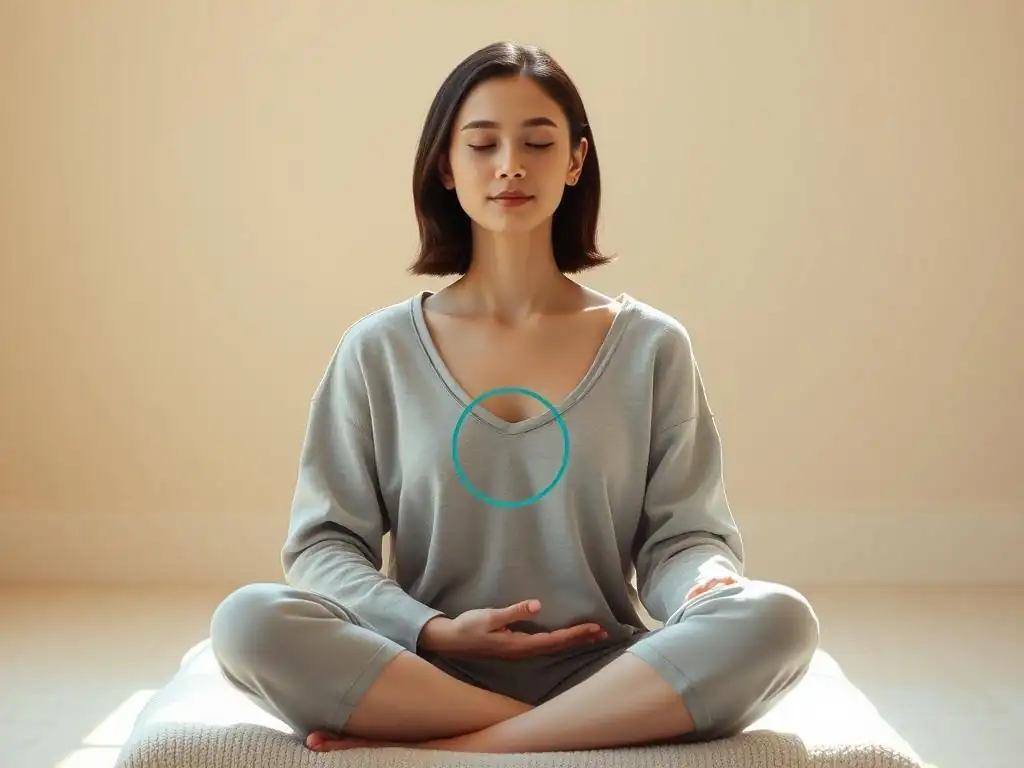
Sometimes, particularly when first starting, individuals may feel lightheaded or dizzy while practicing breathing exercises. This sensation is often caused by over-breathing or hyperventilation, where you take in too much oxygen and expel too much carbon dioxide too quickly. While breathing exercises are intended to calm, doing them too intensely or rapidly can ironically trigger symptoms similar to anxiety.
If you experience lightheadedness, stop the exercise immediately. Return to your normal breathing pattern and rest quietly until the sensation passes. Next time you practice, focus on gentler, slower breaths. Ensure your exhales are smooth and controlled, and avoid forcing the breath. Starting with shorter durations (e.g., 1-2 minutes) and gradually increasing as you become more comfortable can help prevent this issue and ensure the techniques provide instant breathing calm social nerves without adverse effects.
Social anxiety can sometimes escalate into a panic attack, often accompanied by hyperventilation (rapid, shallow breathing). While breathing exercises are designed to help, the experience of panic can make it difficult to perform them correctly. In such moments, the most important thing is to focus on slowing down the exhale.
If you feel hyperventilation starting in a social situation, try to find a quiet space if possible. Focus intently on making your out-breath longer than your in-breath. Counting during the exhale (e.g., inhaling for 3, exhaling for 6) can help.
Some people find it helpful to breathe into a paper bag (though this is less commonly recommended now) or simply cup their hands loosely over their mouth and nose for a few breaths. The goal is to gently regulate the CO2 levels in your bloodstream, which are disrupted by hyperventilation, thereby easing panic symptoms and allowing you to regain instant breathing calm social nerves.
Adapting Breathing Techniques to Your Individual Needs and Preferences
Not every breathing technique works for everyone, and finding what resonates with you is key. Some individuals might find diaphragmatic breathing the easiest and most effective for daily practice, while others prefer the structure of box breathing for acute moments of social stress. Alternate nostril breathing might be a preferred method for calming down before or after a significant social event when privacy is available.
Experiment with different techniques and variations. Pay attention to how your body and mind respond to each one. You might find that varying the counts in box breathing (e.g., 3 or 5 instead of 4) or the inhale/exhale ratio in diaphragmatic breathing feels more comfortable or effective for you. The goal is to find the methods that reliably provide you with instant breathing calm social nerves and that you feel confident using when anxiety arises. Don't hesitate to modify techniques to suit your personal comfort level and the specific demands of the social situation.
The Importance of Therapy and Counseling for SAD
While breathing techniques offer valuable tools for managing acute symptoms and providing instant breathing calm social nerves, they are often most effective when used in conjunction with professional therapy or counseling for Social Anxiety Disorder. SAD is a complex condition rooted in fear and avoidance patterns, and therapy addresses these underlying issues. Cognitive Behavioral Therapy (CBT), for example, helps individuals identify and challenge negative thought patterns and beliefs that fuel social anxiety, such as fear of judgment or catastrophic thinking about social interactions.
Exposure therapy, often a component of CBT, involves gradually confronting feared social situations in a safe and controlled environment, helping individuals build tolerance and confidence. A therapist can guide you through these exposures, providing support and teaching coping skills, including how to effectively use breathing techniques during challenging moments. Therapy provides a structured approach to understanding the roots of your anxiety and developing sustainable strategies for long-term improvement, far beyond just managing immediate symptoms.
Integrating certain lifestyle changes can significantly support the management of social anxiety and enhance the effectiveness of techniques like instant breathing calm social nerves. Regular physical activity, for instance, is a powerful stress reliever and can reduce overall anxiety levels. Aiming for activities you enjoy, whether it's brisk walking, yoga, or team sports, can improve mood and reduce tension.
Prioritizing adequate sleep is also vital, as sleep deprivation can worsen anxiety symptoms. Establishing a consistent sleep schedule and creating a relaxing bedtime routine can make a difference. Furthermore, mindful eating and limiting caffeine and alcohol intake can help, as these substances can sometimes exacerbate anxiety symptoms. Nurturing these healthy habits creates a more stable foundation upon which breathing techniques and other coping strategies can be built.
Overcoming social anxiety is a journey that involves gradually building social confidence and resilience. This isn't about becoming the life of every party, but rather about developing the ability to navigate social situations with less fear and more comfort. Breathing techniques play a role in this process by providing tools to manage anxiety in the moment, allowing you to stay present and engaged in social interactions instead of being overwhelmed by distress.
Building confidence also involves setting small, achievable goals for social engagement and celebrating successes, no matter how minor they seem. Learning and practicing social skills, starting with low-pressure interactions, can also help. Over time, as you successfully navigate more social situations, even with moments of anxiety that you manage using skills like instant breathing calm social nerves, you build a positive feedback loop that reinforces your capability and resilience, gradually chipping away at the power social anxiety holds over your life.
Frequently Asked Questions
Breathing techniques work by directly impacting the nervous system. They trigger the relaxation response, slowing the heart rate and reducing feelings of panic, which can help manage social nerves quickly.
The 4-7-8 breathing technique and box breathing are two examples. These are discreet and easy to remember, making them useful for instant calm when feeling overwhelmed in social settings.
How often should I practice these breathing techniques to experience the most benefit?
Regular practice is key; aim for several times a day, even when not feeling anxious. This builds a stronger foundation for the techniques to work effectively for calming social nerves.
Are there any risks associated with using breathing techniques for anxiety?
Generally, breathing techniques are safe, but hyperventilation can occur if done incorrectly. Focus on slow, controlled breaths and consult a professional if you have any pre-existing respiratory conditions.
No, breathing techniques are a coping mechanism and part of a larger strategy. While they can provide instant relief, addressing the root causes of social anxiety often requires therapy or other professional support.
The simple act of breathing, often overlooked, holds the key to unlocking calm amidst the anxieties of social situations. In a world increasingly dominated by digital interaction and the pressure to perform, mastering techniques for instant self-regulation is not a luxury, but a necessity. This article explored practical, readily accessible breathing exercises that can significantly reduce social anxiety and boost confidence in the moment.
The impact of social anxiety is profound, affecting millions and hindering personal and professional growth. It's a pervasive issue that transcends age and background, shaping our interactions and self-perception. The techniques discussed here offer a powerful antidote, providing a tangible tool to manage overwhelming feelings. As the poet Mary Oliver wisely wrote, Instructions for living a life: Pay attention. Be astonished. Tell about it.
Learning to control your breath allows you to pay attention to your body, be astonished by its resilience, and tell your story with newfound confidence.
Now, consider how you can integrate these breathing exercises into your daily life. Don't wait for a stressful social encounter to practice; make these techniques a regular part of your self-care routine. Experiment with different methods, find what resonates with you, and cultivate a mindful awareness of your breath. You possess the inherent ability to calm your nerves and embrace social interactions with greater ease and joy. Start breathing your way to a more confident and fulfilling life, today.
Thanks for taking the time to explore simple breathing techniques! You've now equipped yourself with powerful tools to manage social anxiety. Let's put this knowledge into practice.
- Prioritize your breath: Try the 4-7-8 technique (inhale 4, hold 7, exhale 8) three times before your next social interaction. This is your key to feeling calmer and more in control.
- Share your experience: Tell us about your experience with these techniques in the comments below! Sharing your journey can inspire others.
- Experiment and adapt: Find what breathing rhythm works best for you. Experiment with different techniques to discover your personal "calm zone".
Ready to breathe your way to more confident social interactions?