
Sleep Hygiene: Why Rest is a Crucial, EvidenceBased Natural Anxiety Remedy


Welcome to Mind Care Guide.
Feeling overwhelmed and exhausted? You're not alone. We understand the crippling impact anxiety can have on your sleep, and the vicious cycle it creates. But what if we told you there were natural ways to break free? Dive into our Natural Sleep Anxiety Remedies Guide to discover evidence-based techniques and resources that can help you reclaim restful nights and calmer days. Let's explore how prioritizing sleep hygiene can be a crucial first step in your journey towards mental well-being.
Sleep Hygiene: A Natural Remedy for Anxiety
- Understanding Sleep's Role in Anxiety Relief
- What is Sleep Hygiene?
- Implementing a Sleep Hygiene Routine
- Other Sleep Aids
- Troubleshooting Sleep Problems
- The Importance of Consistency
- When to Seek Professional Help
- Conclusion: Sleep Hygiene for Improved Mental Health.
-
Frequently Asked Questions
- What is sleep hygiene and how does it relate to anxiety?
- How can improving my sleep hygiene help reduce my anxiety levels?
- What are some key components of a good sleep hygiene routine?
- Are there specific sleep hygiene techniques that are particularly effective for anxiety?
- When should I seek professional help for sleep-related anxiety, even if I'm practicing good sleep hygiene?
- Final Reflection: The Untapped Power of Restful Sleep
- Unlock Your Restful Potential: Actionable Steps to Better Sleep
Understanding Sleep's Role in Anxiety Relief
The Link Between Poor Sleep and Anxiety
Research consistently demonstrates a strong, bidirectional link between poor sleep quality and anxiety. Studies suggest that people with anxiety disorders are significantly more likely to report sleep disturbances, with estimates ranging from 50% to over 70% experiencing insomnia or other sleep issues. Conversely, chronic sleep deprivation can amplify feelings of worry, irritability, and tension, potentially triggering or exacerbating anxiety symptoms.
For example, a study published in the Journal of Neuroscience in 2019 showed that just one night of total sleep deprivation led to a nearly 30% increase in anxiety levels in healthy participants. This highlights how insufficient rest can dysregulate the brain regions involved in emotional processing, making individuals more susceptible to anxiety.
This intricate connection means that addressing sleep problems is often a critical step in managing anxiety. When the body and mind are deprived of adequate rest, the nervous system can remain in a heightened state of alert, mirroring the physiological response seen in anxiety. This constant state of arousal makes it difficult to relax and can perpetuate a cycle where anxiety prevents sleep, and lack of sleep increases anxiety. Breaking this cycle requires targeted strategies, making sleep hygiene a fundamental practice in any comprehensive natural sleep anxiety remedies guide.
Prioritizing Sleep for Mental Well-being
Viewing sleep as a non-negotiable pillar of mental health is essential, just as important as diet and exercise. Adequate, restorative sleep allows the brain to perform crucial functions like consolidating memories, processing emotional experiences, and restoring neurochemical balance. During deep sleep stages, the brain clears metabolic waste products, including those linked to stress and anxiety. Prioritizing sleep means recognizing its power as a natural remedy that supports emotional resilience and cognitive function.
Making sleep a priority involves allocating sufficient time for rest and protecting that time from other demands. For most adults, this means aiming for 7 to 9 hours of quality sleep per night. Data from organizations like the National Sleep Foundation consistently show that individuals who report getting sufficient sleep tend to have better mood regulation, reduced stress levels, and improved ability to cope with challenges compared to those who are chronically sleep-deprived. Integrating sleep priority into daily life forms a cornerstone of effective natural sleep anxiety remedies.
What is Sleep Hygiene?
Defining Sleep Hygiene: Practices for Better Rest
Sleep hygiene refers to a set of behavioral and environmental practices that promote consistent, uninterrupted sleep. It's not about forcing yourself to sleep, but rather creating the optimal conditions for sleep to occur naturally. These practices address various factors that can influence sleep quality and duration, including your sleep schedule, daily routines, sleep environment, and what you consume. Think of it as building a foundation for healthy sleep habits.
Key components of sleep hygiene typically include establishing a regular bedtime and wake-up time, creating a comfortable and conducive sleep environment, avoiding stimulants like caffeine and nicotine close to bedtime, limiting alcohol consumption, engaging in regular physical activity, and developing a relaxing pre-sleep routine. Implementing these practices systematically can significantly improve sleep quality over time, serving as a practical component of any natural sleep anxiety remedies guide.
The Science Behind Sleep and Anxiety Reduction
The effectiveness of sleep hygiene as a natural sleep anxiety remedy is rooted in its impact on the body's physiological and psychological systems. Healthy sleep patterns, particularly the balance between REM (Rapid Eye Movement) and non-REM sleep, are crucial for emotional regulation. During REM sleep, the brain actively processes emotional memories, helping to dampen the intensity of negative experiences. Disruptions to REM sleep, often caused by poor sleep habits, can impair this process, leaving individuals more reactive to stress and prone to anxiety.
Furthermore, consistent and sufficient sleep helps regulate the hypothalamic-pituitary-adrenal (HPA) axis, the body's primary stress response system. Chronic sleep deprivation can lead to elevated levels of cortisol, the body's stress hormone, which contributes to feelings of anxiety and hyperarousal. By promoting regular, deep sleep, sleep hygiene helps to calm the HPA axis, reduce cortisol levels, and foster a state of relaxation necessary for managing anxiety. This scientific basis underpins why sleep hygiene is a recommended component in a natural sleep anxiety remedies guide.
Implementing a Sleep Hygiene Routine
Step 1: Optimizing Your Sleep Environment
Creating a sanctuary for sleep is a fundamental step in implementing effective sleep hygiene. Your bedroom environment plays a significant role in your ability to fall asleep and stay asleep. Paying attention to details like light, noise, temperature, and comfort can make a substantial difference in sleep quality.
Creating a Dark, Quiet, and Cool Sleep Space
Darkness is crucial because it signals to your brain that it's time to produce melatonin, the hormone that promotes sleep. Ensure your bedroom is as dark as possible by using blackout curtains or blinds. Minimize noise disturbances with earplugs, a white noise machine, or a fan. A quiet environment prevents awakenings. Temperature is also key; most sleep experts recommend a cooler room temperature, typically between 60-67°F (15-19°C), as it helps lower your core body temperature, signaling readiness for sleep.
The Importance of a Comfortable Sleep Surface
Your mattress and pillows should provide adequate support and comfort. An uncomfortable sleeping surface can lead to tossing and turning, physical aches, and fragmented sleep. While investing in a new mattress isn't always feasible, ensure your current one is still supportive and consider a comfortable mattress topper if needed. Choose pillows that align your head and neck properly. Having a physically comfortable space reduces physical tension, which can be particularly helpful for individuals experiencing anxiety.
Step 2: Establishing a Consistent Sleep Schedule
One of the most powerful tools in sleep hygiene is consistency. Going to bed and waking up around the same time each day, including weekends, helps regulate your body's internal clock, known as the circadian rhythm.
Regulating Your Circadian Rhythm
The circadian rhythm dictates your natural sleep-wake cycle. When you maintain a consistent schedule, you strengthen this rhythm, making it easier to fall asleep when it's bedtime and wake up feeling refreshed. This regularity helps normalize the release of hormones like melatonin and cortisol throughout the 24-hour cycle. Even shifting your sleep schedule by just an hour or two on weekends can disrupt this rhythm, leading to "social jet lag" and making it harder to fall asleep on Sunday night, potentially increasing Monday morning anxiety.
Strategies for Managing Schedule Disruptions
Life happens, and sometimes schedule disruptions are unavoidable due to travel, work, or social events. When your schedule is temporarily altered, try to get back to your regular bedtime and wake-up time as quickly as possible. Avoid sleeping in excessively to catch up; a short nap (20-30 minutes) earlier in the day is often a better strategy than sleeping late. Exposure to natural light shortly after waking up can also help reset your internal clock.
Step 3: Managing Diet and Exercise
What you eat and drink, and how active you are, significantly impacts your sleep quality and, by extension, your anxiety levels. Mindful management of diet and exercise is an important part of a natural sleep anxiety remedies guide.
Foods and Drinks to Avoid Before Bed
Certain substances are notorious sleep disruptors. Caffeine, found in coffee, tea, soda, and chocolate, is a stimulant that can keep you awake for hours; its effects can last 6-8 hours or even longer in some individuals. Avoid caffeine in the late afternoon and evening. Alcohol might make you feel sleepy initially, but it disrupts sleep later in the night, leading to fragmented rest and reducing REM sleep. Heavy or spicy meals right before bed can cause indigestion and discomfort. Aim to finish eating at least 2-3 hours before bedtime.
The Benefits of Regular Exercise on Sleep
Regular physical activity is a proven enhancer of sleep quality. Exercise helps reduce stress and anxiety, and can make you feel more tired, promoting deeper sleep. Studies show that consistent moderate-intensity exercise can reduce the time it takes to fall asleep and decrease the amount of time spent awake during the night. However, intense exercise too close to bedtime can be stimulating for some people, so try to finish vigorous workouts at least 2-3 hours before you plan to sleep.
Step 4: Incorporating Relaxation Techniques
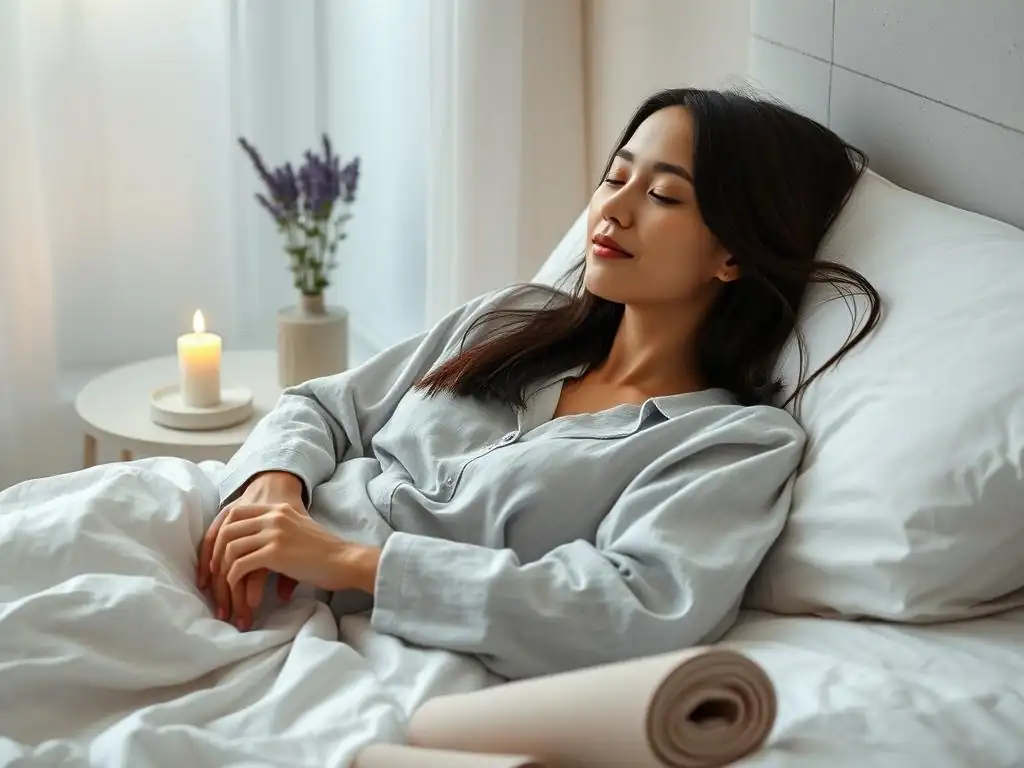
Winding down before bed is crucial, especially for those whose anxiety makes it difficult to quiet a racing mind. Incorporating relaxation techniques into your pre-sleep routine signals to your body and mind that it's time to transition to rest.
Mindfulness and Meditation for Sleep
Mindfulness practices and meditation can help calm the nervous system and reduce rumination, the repetitive dwelling on anxious thoughts that often interferes with sleep onset. Spending a few minutes practicing mindful breathing or listening to a guided sleep meditation can shift your focus from worries to the present moment, easing the transition to sleep. Many apps and online resources offer guided meditations specifically designed for sleep.
Deep Breathing Exercises
Simple deep breathing techniques can activate the parasympathetic nervous system, which counteracts the "fight or flight" response associated with anxiety. Techniques like the 4-7-8 method (inhale for 4 counts, hold for 7, exhale for 8) can slow your heart rate and relax your body, making it easier to drift off. Practicing deep breathing for 5-10 minutes before bed can significantly reduce physical tension.
Progressive Muscle Relaxation
Progressive Muscle Relaxation (PMR) involves tensing and then releasing different muscle groups in your body. This practice helps you become more aware of physical tension and teaches you how to release it. By systematically relaxing muscles from your toes to your head, PMR can reduce overall physical arousal, a common symptom of anxiety that hinders sleep.
Step 5: Limiting Screen Time Before Bed
Modern technology, while convenient, can be a significant barrier to healthy sleep, particularly due to the light emitted from screens.
The Impact of Blue Light
Electronic devices like phones, tablets, and computers emit blue light, which is particularly effective at suppressing melatonin production. Exposure to blue light in the evening can disrupt your circadian rhythm, making it harder to fall asleep. Studies have shown that reading on a light-emitting e-reader before bed can delay sleep onset compared to reading a traditional book.
Strategies for Disconnecting
Establish a "digital curfew" at least 1-2 hours before your planned bedtime. Use this time for relaxing activities like reading a physical book, listening to calming music, taking a warm bath, or practicing relaxation techniques. If you must use screens in the evening, many devices offer blue light filters or night modes, which can help reduce the impact, though ideally, disconnecting completely is best for promoting natural sleep anxiety remedies.
Other Sleep Aids
While sleep hygiene is the cornerstone of a natural sleep anxiety remedies guide, some individuals may find certain natural aids helpful in conjunction with good sleep practices. It's crucial to approach these with caution and ideally, under the guidance of a healthcare professional.
Herbal Remedies
Several herbs have traditional uses and some scientific backing for their calming and sleep-promoting properties.
Valerian Root: Benefits and Considerations
Valerian root is one of the most studied herbal remedies for sleep. It is believed to work by increasing levels of gamma-aminobutyric acid (GABA), a neurotransmitter that helps regulate nerve impulses in the brain and nervous system, potentially inducing a sedative effect. Some studies suggest it can reduce the time it takes to fall asleep and improve sleep quality, particularly for individuals with insomnia.
Typical dosages range from 400 to 900 mg, taken 30 minutes to 2 hours before bed. However, its effectiveness varies among individuals, and some may experience side effects like headaches, dizziness, or digestive upset. It's also important to note that it may take several weeks of consistent use to see significant benefits.
Chamomile Tea: A Soothing Sleep Aid
Chamomile is widely known for its calming properties and is often consumed as a tea before bedtime. It contains apigenin, an antioxidant that may bind to certain receptors in the brain, potentially reducing anxiety and initiating sleep. While research on chamomile's direct impact on sleep is less robust than valerian, its ritualistic consumption as part of a relaxing bedtime routine can contribute significantly to winding down. It is generally considered safe for most people, though some individuals with allergies to ragweed or similar plants might react.
Lavender Oil: Aromatherapy
Lavender is commonly used in aromatherapy for relaxation and stress reduction. Inhaling the scent of lavender essential oil has been shown in some studies to promote relaxation and improve sleep quality. It can be used in a diffuser in the bedroom, added to a warm bath, or a few drops can be placed on a pillow (ensure it's diluted if applying to skin). The calming effect of lavender can help quiet an anxious mind, making it easier to transition into sleep.
Supplements
Certain nutritional supplements are sometimes used to support sleep, often by influencing neurotransmitters or hormones involved in the sleep-wake cycle.
Melatonin Supplementation: Dosage and Safety
Melatonin is a hormone naturally produced by the pineal gland that regulates the sleep-wake cycle. Supplementing with melatonin is often used for short-term sleep problems, particularly those related to circadian rhythm disruptions like jet lag or shift work. It signals to the body that it's nighttime.
Effective dosages are often much lower than commonly available; starting with 0.5 to 1 mg taken about an hour before bedtime is often recommended, rather than larger doses which may cause grogginess the next day. While generally considered safe for short-term use, long-term safety data is less clear, and it can interact with certain medications. It's best used under medical supervision as part of a natural sleep anxiety remedies approach.
Magnesium: Its Role in Sleep
Magnesium is an essential mineral involved in hundreds of biochemical reactions in the body, including those related to nerve and muscle function. It is believed to help regulate neurotransmitters that are directly related to sleep, such as GABA. Some research suggests that magnesium deficiency can contribute to insomnia.
Supplementing with magnesium, particularly forms like magnesium glycinate which is often well-tolerated and has calming properties, may help improve sleep quality and reduce restless leg symptoms in deficient individuals. A typical dosage might range from 200-400 mg per day, but it's important to consider dietary intake and potential laxative effects, especially with forms like magnesium citrate.
Troubleshooting Sleep Problems
Even with diligent sleep hygiene, some individuals may still struggle with sleep. Recognizing common sleep problems and knowing initial steps to address them is crucial.
Addressing Insomnia
Insomnia, characterized by difficulty falling asleep, staying asleep, or waking too early and being unable to return to sleep, is a prevalent issue. While sleep hygiene is foundational, chronic insomnia often benefits from more targeted interventions. Cognitive Behavioral Therapy for Insomnia (CBT-I) is considered the gold standard treatment. CBT-I incorporates sleep hygiene principles but also addresses the cognitive factors (like worry about sleep) and behavioral patterns that perpetuate insomnia. It involves techniques such as sleep restriction and stimulus control to retrain your brain to associate your bed with sleep.
If you've consistently applied sleep hygiene for several weeks and are still experiencing significant insomnia (e.g., difficulty sleeping three or more nights a week for three months or longer), it's important to seek professional help. A healthcare provider can rule out underlying medical conditions and recommend appropriate treatment, which might include CBT-I or, in some cases, short-term medication.
Managing Nightmares and Sleep Terrors
Nightmares are vivid, disturbing dreams that typically occur during REM sleep and are often remembered upon waking. Sleep terrors, less common in adults, are episodes of screaming, thrashing, or fear during non-REM sleep, usually with no memory of the event. While occasional nightmares are normal, frequent or distressing ones can significantly impact sleep quality and increase anxiety around bedtime. Sleep deprivation and inconsistent sleep schedules can worsen both.
Maintaining a regular sleep schedule and practicing good sleep hygiene can help reduce the frequency of these parasomnias by promoting more stable sleep architecture. For chronic, distressing nightmares, a specific form of CBT called Imagery Rehearsal Therapy (IRT) is highly effective. IRT involves rewriting the nightmare scenario with a positive outcome and rehearsing the new script while awake. This technique has a strong evidence base for reducing nightmare frequency and intensity.
Dealing with Sleep Apnea
Sleep apnea is a serious sleep disorder characterized by pauses in breathing during sleep. The most common type, Obstructive Sleep Apnea (OSA), occurs when the airway is repeatedly blocked. Symptoms include loud snoring, gasping for air during sleep, morning headaches, and excessive daytime sleepiness. Sleep apnea fragments sleep and prevents restorative rest, which can significantly worsen anxiety and other health problems.
While practicing good sleep hygiene is important for overall health, it is not a treatment for sleep apnea. If you suspect you or a partner has sleep apnea (based on symptoms like loud snoring and pauses in breathing), it is essential to seek a medical evaluation. Diagnosis typically involves a sleep study. Treatment for sleep apnea often involves lifestyle changes (like weight loss or changing sleep position) and devices like Continuous Positive Airway Pressure (CPAP) machines, which keep the airway open during sleep. Ignoring suspected sleep apnea can have serious health consequences beyond just impacting sleep and anxiety.
The Importance of Consistency
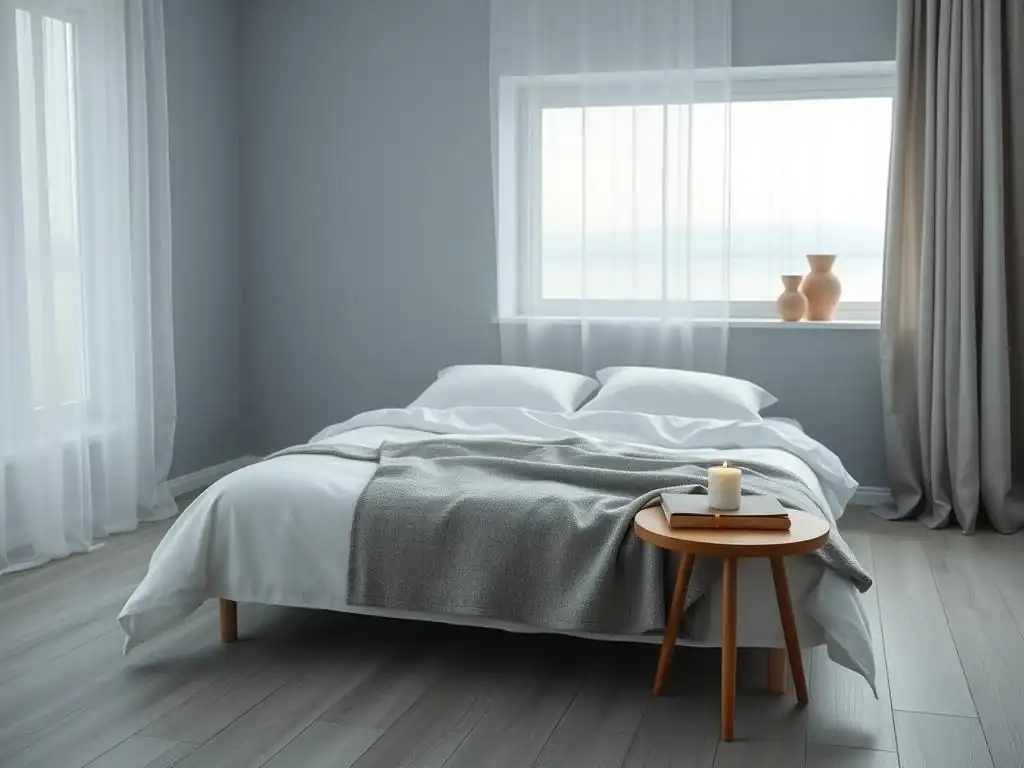
The true power of sleep hygiene as a natural sleep anxiety remedy lies in its consistent application. Implementing these practices sporadically will yield limited results. Building healthy sleep habits requires daily commitment, even on days when it feels challenging. Think of it as training your body and brain for better sleep – consistency reinforces the positive changes you're trying to make.
Maintaining a consistent bedtime and wake time, sticking to your pre-sleep routine, and managing your environment every night helps solidify your circadian rhythm and reinforces the association between your bedroom and sleep. While occasional deviations won't completely derail your efforts, making consistency the rule rather than the exception is key to achieving sustainable improvements in sleep quality and effectively using this natural sleep anxiety remedies guide.
When to Seek Professional Help
While sleep hygiene is a powerful tool, it's important to recognize its limitations and know when professional intervention is necessary. Sleep problems can sometimes be symptoms of underlying medical or psychological conditions that require specific diagnosis and treatment.
Recognizing Signs of a Sleep Disorder
Be aware of signs that suggest you might have a more significant sleep disorder beyond poor habits. These include persistent difficulty falling or staying asleep (insomnia) for several months, excessive daytime sleepiness that interferes with daily activities despite getting adequate time in bed, loud and chronic snoring accompanied by pauses in breathing or gasping, irresistible urges to move your legs at night (Restless Legs Syndrome), or engaging in unusual behaviors during sleep. If these symptoms are significantly impacting your life, it's time to consult a professional.
Consulting a Doctor or Sleep Specialist
If you've consistently practiced good sleep hygiene for 4-6 weeks without significant improvement in your sleep, or if you experience any of the signs of a potential sleep disorder, schedule an appointment with your primary care physician. They can perform an initial assessment, rule out common medical causes for sleep problems (like thyroid issues or pain), and discuss your anxiety symptoms. If necessary, they can refer you to a sleep specialist or a mental health professional who specializes in sleep disorders.
A sleep specialist might recommend a sleep study (polysomnography) to diagnose conditions like sleep apnea, narcolepsy, or periodic limb movement disorder. Tailored treatment plans, which may combine medical interventions, behavioral therapies like CBT-I, and adjustments to your natural sleep anxiety remedies guide practices, are often necessary for resolving complex sleep issues.
Conclusion: Sleep Hygiene for Improved Mental Health.
Sleep hygiene is far more than just a set of tips; it is a fundamental practice that forms a crucial part of any effective natural sleep anxiety remedies guide. By systematically optimizing your sleep environment, establishing a consistent schedule, managing lifestyle factors like diet and exercise, and incorporating relaxation techniques, you create the conditions necessary for restorative sleep. This, in turn, has a profound positive impact on your mental well-being, significantly reducing anxiety symptoms and enhancing your overall resilience.
While external aids and supplements can sometimes play a supplementary role, the most sustainable and impactful improvements come from building consistent, healthy sleep habits. Prioritizing sleep through diligent sleep hygiene empowers you to harness the body's natural restorative processes. For those struggling with persistent sleep problems or suspected sleep disorders, seeking professional guidance ensures proper diagnosis and treatment. Ultimately, making sleep a priority is an investment in your mental health, offering a powerful, evidence-based natural remedy for navigating the challenges of anxiety.
Frequently Asked Questions
What is sleep hygiene and how does it relate to anxiety?
Sleep hygiene refers to healthy sleep habits and practices. Poor sleep hygiene can exacerbate anxiety, while improved sleep hygiene acts as a natural anxiety remedy by promoting restorative sleep.
How can improving my sleep hygiene help reduce my anxiety levels?
Better sleep hygiene leads to improved sleep quality, which helps regulate mood and reduce stress hormones like cortisol. This, in turn, can significantly decrease feelings of anxiety and worry.
What are some key components of a good sleep hygiene routine?
Some key components include maintaining a consistent sleep schedule, creating a relaxing bedtime routine, and optimizing your sleep environment for darkness and quiet.
Are there specific sleep hygiene techniques that are particularly effective for anxiety?
Yes, practicing relaxation techniques like deep breathing or meditation before bed, and avoiding caffeine and alcohol close to bedtime, are particularly helpful for managing sleep-related anxiety.
If your anxiety persists despite implementing good sleep hygiene practices, or if it's significantly impacting your daily life, it's important to consult a mental health professional for further evaluation and treatment options.
Final Reflection: The Untapped Power of Restful Sleep
The pervasive anxiety gripping our modern world demands innovative solutions, and the answer may lie in something as fundamental as sleep. Ignoring the crucial role of sleep hygiene in managing anxiety is akin to neglecting the very foundation of our well-being. This article has explored the powerful, evidence-based connection between quality sleep and reduced anxiety, highlighting practical strategies to improve your sleep hygiene.
The impact of chronic sleep deprivation on our mental and physical health is undeniable, silently shaping our cultural landscape and influencing everything from productivity to interpersonal relationships. The constant pressure to "do more" often leads to a neglect of rest, creating a vicious cycle of anxiety and exhaustion. Sleep is the golden chain that ties health and our bodies together.
– Thomas Dekker. This quote rings truer than ever in our fast-paced society, reminding us that prioritizing sleep isn't a luxury, but a necessity for a balanced and fulfilling life.
Now, consider your own sleep habits. Are you prioritizing rest as diligently as you prioritize other aspects of your well-being? This article has provided you with the tools and knowledge to cultivate a healthier relationship with sleep. Take the first step today. Implement one of the suggested strategies—whether it's establishing a consistent sleep schedule, creating a relaxing bedtime routine, or optimizing your sleep environment—and observe the positive impact on your anxiety levels and overall well-being. The journey to a calmer, more resilient you begins with a good night's sleep.
Unlock Your Restful Potential: Actionable Steps to Better Sleep
We appreciate you taking the time to explore the powerful connection between sleep and anxiety relief. You've just learned how prioritizing sleep hygiene can naturally combat stress and improve your overall well-being. Now it's time to put this knowledge into action!
- Prioritize your sleep schedule this week: Start by setting a consistent bedtime and wake-up time, even on weekends, to regulate your body's natural sleep-wake cycle. This is the most important step to improving your sleep quality.
- Share your sleep journey: Tell a friend or family member about your commitment to better sleep. Accountability can make a big difference!
- Explore a calming bedtime routine: Try incorporating a relaxing activity like reading, meditation, or a warm bath into your evening routine to signal to your body that it's time to unwind. (Consider journaling about your anxieties before sleep.)
What small adjustment will you make tonight to prioritize your sleep and start feeling calmer tomorrow?