
Advanced Anxiety Management: Apps with Sophisticated Features (Pricing)

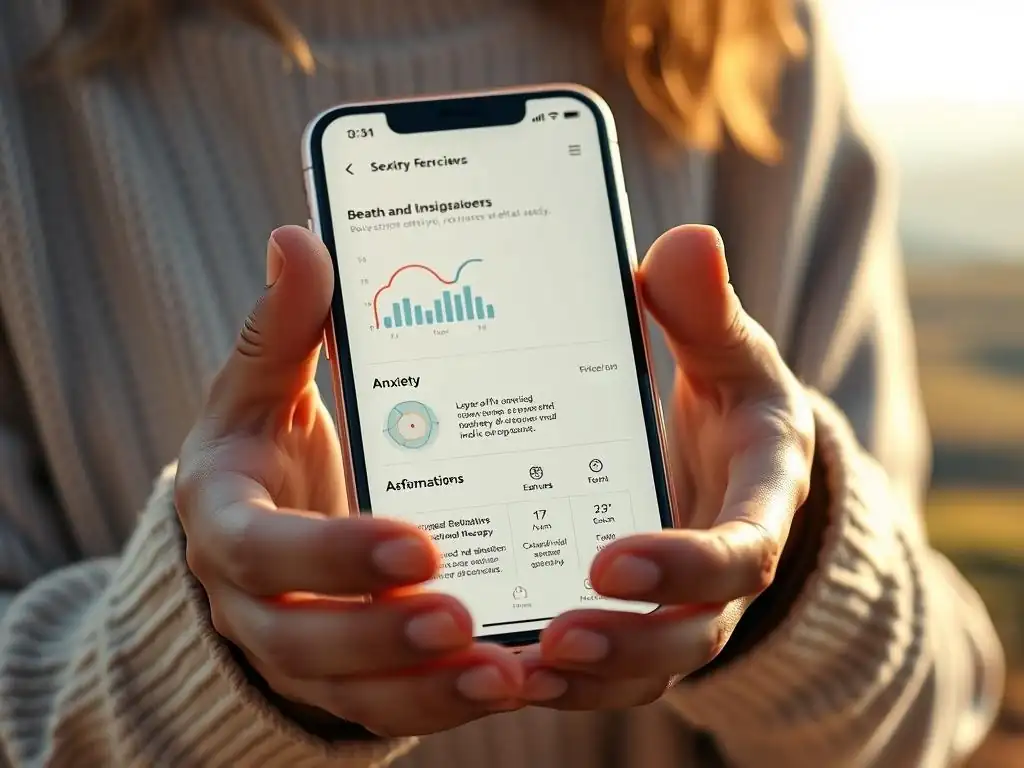
Welcome to Mind Care Guide, your compassionate companion on the journey to mental well-being. Feeling overwhelmed by anxiety? Discover how technology can help. This article dives deep into anxiety apps, revealing the advanced features and pricing models of tools designed to empower you. But which app truly fits your needs and budget? Let's explore the landscape together and unlock a path to calmer days.
Advanced Anxiety Management: Apps with Sophisticated Features (Pricing) - Mind Care Guide
- Introduction: Mastering Anxiety with Advanced App Features and Understanding Pricing
- Understanding the Need for Advanced Anxiety App Features
-
Top Anxiety Apps with Advanced Features: A Comparative Pricing Analysis
- 1. Headspace: Advanced Mindfulness and Meditation for Anxiety
- 2. Calm: Sleep Stories and Relaxation Techniques for Reducing Anxiety
- 3. Woebot: AI-Powered CBT for Personalized Anxiety Relief
- 4. Sanvello: Comprehensive Mental Health Platform with Anxiety Management Tools
- 5. MindShift CBT: CBT-Based Anxiety Relief
- Choosing the Right Anxiety App: Factors Beyond Price
- Maximizing the Benefits of Your Anxiety App: Tips and Best Practices
- Conclusion: Investing in Your Mental Well-being with the Right Anxiety App
-
Frequently Asked Questions
- What are some advanced features that anxiety apps offer beyond basic tracking?
- How does the pricing structure typically work for anxiety apps with advanced features?
- Can anxiety apps with advanced features replace traditional therapy?
- What kind of data privacy and security should I look for in an anxiety app?
- How can I determine if an anxiety app with advanced features is actually effective for me?
- Final Reflection: Navigating Anxiety in the Digital Age
- Unleash Your Inner Calm: Take Control of Your Anxiety Today!
Introduction: Mastering Anxiety with Advanced App Features and Understanding Pricing
Navigating the complexities of anxiety can often feel overwhelming, but thankfully, technology offers powerful tools to support your journey towards greater peace of mind. While basic relaxation apps provide simple guided meditations or calming sounds, many individuals seek more sophisticated functionalities to address the multifaceted nature of anxiety. This is where anxiety apps with advanced features come into play, offering personalized tools, in-depth tracking, therapeutic techniques, and often, connectivity to professional support.
However, accessing these premium capabilities typically involves a cost, ranging from subscription fees to one-time purchases. Understanding the pricing models associated with these advanced anxiety apps is crucial for making an informed decision that aligns with your needs and budget.
This article will explore the compelling reasons why advanced features are beneficial for managing anxiety, highlight key functionalities to look for, and provide a comparative analysis of top anxiety apps focusing on their advanced features and associated pricing structures. By examining the value proposition of these sophisticated tools, you can determine which investment in an anxiety app might best support your mental well-being.
Understanding the Need for Advanced Anxiety App Features
Beyond Basic Relaxation: Why Sophisticated Features Matter for Anxiety Relief
While simple breathing exercises or nature sounds offered in basic apps can provide temporary relief, anxiety is often rooted in deeper cognitive patterns and physiological responses that require more targeted interventions. For many individuals, anxiety manifests as persistent worry, intrusive thoughts, physical symptoms like rapid heartbeat or muscle tension, and avoidance behaviors. Basic apps may not offer the structured programs, personalized insights, or therapeutic techniques necessary to address these complex presentations effectively. Advanced features move beyond superficial calm to offer tools that help users understand the origins of their anxiety, challenge negative thought cycles, and build sustainable coping mechanisms.
Consider the difference between a single guided meditation and a comprehensive cognitive behavioral therapy (CBT) program delivered through an app. A meditation might offer a moment of calm, but a CBT module can teach you to identify cognitive distortions, practice exposure techniques in a controlled way, and track your progress over weeks.
This deeper engagement with therapeutic principles, facilitated by advanced app features, empowers users to take a more active role in managing their anxiety long-term. Research, including studies published in journals like the Journal of Medical Internet Research, has shown that app-based interventions incorporating techniques like CBT or mindfulness can be effective in reducing anxiety symptoms, especially when the features are designed for deeper engagement.
Key Advanced Features to Look For in Anxiety Apps
When evaluating anxiety apps with advanced features, several functionalities stand out as particularly beneficial for comprehensive anxiety management. One key feature is personalized content, which tailors meditations, exercises, or therapeutic modules based on user input about their specific anxieties, triggers, or symptoms. Another critical feature is robust progress tracking, allowing users to monitor their mood over time, log anxiety episodes, identify patterns, and see how their app usage correlates with symptom changes. This data-driven approach provides valuable insights and reinforces positive habits.
Advanced apps often integrate evidence-based therapeutic techniques beyond simple mindfulness. Look for apps offering structured programs based on Cognitive Behavioral Therapy (CBT), Dialectical Behavior Therapy (DBT), or Acceptance and Commitment Therapy (ACT). These programs typically involve interactive exercises, journaling prompts, and educational content designed to teach specific skills. Other valuable advanced features might include biofeedback tools (if integrated with wearables), AI-powered conversational support, access to peer communities, or even direct connectivity with licensed therapists or coaches, though this last feature often comes at an additional cost on top of the basic anxiety app advanced features pricing.
Top Anxiety Apps with Advanced Features: A Comparative Pricing Analysis
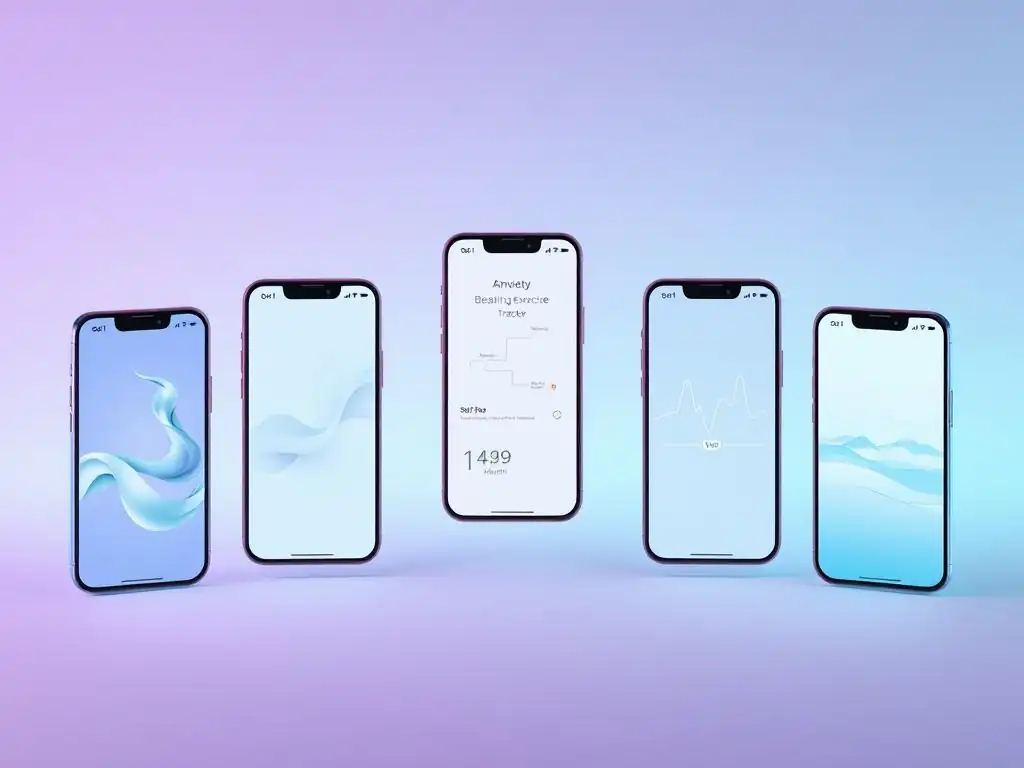
1. Headspace: Advanced Mindfulness and Meditation for Anxiety
Headspace is widely recognized for its extensive library of guided meditations, but its advanced features extend significantly beyond basic sessions, offering specific content tailored for anxiety. The app includes dedicated courses and single meditations focused on dealing with panic, fear, worry, and stress. Users can access "SOS" sessions for immediate anxiety relief, sleepcasts (sleep stories) designed to calm the mind before bed, and movement-based exercises for releasing tension. The "Pro" courses offer deeper dives into specific topics like navigating change or building resilience, providing a more structured approach to mental training.
- Headspace Features for Anxiety: Guided meditations for various anxiety types (panic, worry, stress), SOS sessions, Sleepcasts, Mindful Movement, dedicated courses on resilience and change.
- Advanced Feature Spotlight: The "Courses" section provides multi-session programs (e.g., 10 or 30 days) that systematically teach skills like handling difficult emotions or building self-compassion, offering a structured curriculum for deep engagement with anxiety management techniques.
- Headspace Pricing Options: Headspace typically offers a monthly subscription and a discounted annual subscription. As of early 2024, the monthly price is often around $12.99 USD, while the annual price is approximately $69.99 USD (working out to about $5.83/month). They sometimes offer student or family plans at different rates.
- Is Headspace Worth the Cost? For individuals whose anxiety responds well to mindfulness and meditation, Headspace's depth and breadth of content, combined with its structured courses and specialized anxiety sessions, can justify the cost. The annual plan offers significant savings, making it a more economical choice for long-term use. The high production quality and user-friendly interface also contribute to its perceived value among users seeking advanced anxiety apps with sophisticated features.
2. Calm: Sleep Stories and Relaxation Techniques for Reducing Anxiety
Calm is another leading mindfulness app, known for its popular Sleep Stories narrated by celebrities, but it also offers a wealth of advanced features specifically for anxiety relief. Beyond meditations, Calm provides breathing programs, stretching exercises, and exclusive music tracks designed to reduce stress. Its masterclasses, led by experts, cover topics pertinent to anxiety, such as breaking bad habits or improving self-esteem. The app's "Daily Calm" offers a new guided session each day, providing consistent practice.
- Calm Features for Anxiety: Extensive meditation library, Sleep Stories, breathing exercises, stretching programs, masterclasses, calming music, Daily Calm.
- Advanced Feature Spotlight: Calm's masterclasses offer in-depth audio programs on psychological topics and life skills relevant to managing anxiety, providing educational content that goes beyond simple guided practice.
- Calm Pricing Options: Calm typically offers a monthly subscription and a more cost-effective annual subscription. Monthly pricing is often around $14.99 USD, while the annual subscription is roughly $69.99 USD (about $5.83/month). They also frequently offer a lifetime subscription option, which, while a larger upfront investment (often around $400 USD), provides permanent access.
- Calm's Pricing: A Detailed Analysis for Anxiety Sufferers: Calm's pricing is competitive with other premium anxiety apps with advanced features. The annual plan is the most popular for ongoing use, offering similar per-month costs to Headspace's annual plan. The lifetime option is a significant investment but can be highly cost-effective for individuals committed to using the app long-term for their anxiety management, avoiding recurring subscription costs. The value proposition is strong for those who utilize its diverse features, especially Sleep Stories and masterclasses.
3. Woebot: AI-Powered CBT for Personalized Anxiety Relief
Woebot stands out as an AI-powered chatbot designed to deliver Cognitive Behavioral Therapy (CBT) techniques in a conversational format. It's specifically built to help users track mood, identify negative thought patterns, and learn coping skills for anxiety and depression. Woebot provides daily check-ins, guides users through evidence-based exercises, and offers psychoeducational content on CBT principles. Its advanced feature lies in its conversational AI, which aims to provide personalized, in-the-moment support.
- Woebot Features for Anxiety: AI-led daily check-ins, mood tracking, CBT exercises (e.g., identifying cognitive distortions, gratitude journals), psychoeducation on CBT and anxiety.
- Advanced Feature Spotlight: The core advanced feature is the AI conversational interface itself. It allows users to interact with therapeutic content dynamically, receiving personalized prompts and feedback based on their input, simulating aspects of a therapeutic conversation to help manage anxiety symptoms.
- Woebot Pricing Options: Woebot is currently free to use. It was developed with research funding and aims to provide accessible mental health support.
- Woebot's Cost-Effectiveness: Is AI Therapy the Future of Anxiety Management?: Given that Woebot is free, its cost-effectiveness is unparalleled among anxiety apps with advanced features pricing. While it doesn't replace human therapy, its accessibility makes evidence-based CBT techniques available to a wide audience without financial barriers. For many, it serves as a valuable supplementary tool for managing anxiety, offering daily support and skill-building at no cost, representing a potentially significant shift in how basic therapeutic support can be delivered digitally.
4. Sanvello: Comprehensive Mental Health Platform with Anxiety Management Tools
Sanvello positions itself as a comprehensive mental health platform, offering tools for anxiety, depression, and stress management. Its advanced features include guided journeys based on CBT and mindfulness, mood and health tracking, coping tools, and access to peer support communities. A key advanced feature is the option to connect with licensed therapists for one-on-one teletherapy directly through the app, though this is a separate service. The premium version unlocks all self-care content.
- Sanvello Features for Anxiety: Guided "Journeys" (CBT/mindfulness based), mood tracking, health tracking (sleep, steps), coping tools, goal setting, progress assessments, peer community forum, therapist matching (separate service).
- Advanced Feature Spotlight: The integrated progress assessment feature allows users to take clinical assessments (like the GAD-7 for anxiety) within the app to track symptom severity over time, providing objective data on their mental health journey and the impact of their app usage.
- Sanvello Pricing Options: Sanvello offers a limited free version. The premium subscription, which unlocks all guided journeys and tools, typically costs around $8.99 USD per month or approximately $53.99 USD annually. Access to therapy sessions through the platform is a separate cost, varying based on insurance and therapist rates, but often comparable to out-of-pocket therapy costs (potentially $85-$150+ per session).
- Sanvello's Value Proposition: Combining Self-Care with Professional Support for Anxiety: Sanvello's strength lies in integrating self-care tools with potential access to professional help, offering a more holistic platform. The premium subscription is reasonably priced compared to other anxiety apps with advanced features pricing, especially on the annual plan. For individuals seeking both structured self-help content and the potential for seamless transition to therapy, Sanvello offers a compelling, albeit more expensive if therapy is utilized, solution for managing anxiety.
5. MindShift CBT: CBT-Based Anxiety Relief
Developed by Anxiety Canada, MindShift CBT is a free app based on Cognitive Behavioral Therapy (CBT) principles, specifically designed to help teens and young adults manage anxiety. While initially aimed at a younger demographic, its tools are applicable to adults as well. Advanced features include structured coping skills, thought journals for challenging negative thinking, and goal-setting tools. It focuses on providing practical, actionable steps based on CBT to confront anxiety.
- MindShift CBT Features for Anxiety: CBT-based coping skills (e.g., thought restructuring, relaxation), journaling tools, goal setting, belief challenging exercises, guided meditations.
- Advanced Feature Spotlight: The "Thought Journal" and "Belief Challenging" tools are core advanced features, guiding users step-by-step through the process of identifying and challenging anxious thoughts and underlying beliefs, a fundamental technique in CBT for reducing anxiety.
- MindShift CBT Pricing Options: MindShift CBT is free to download and use, developed by a non-profit organization dedicated to anxiety support.
- MindShift CBT: Cost Analysis and Recommendations: As a completely free app, MindShift CBT offers exceptional value for individuals seeking evidence-based CBT tools for anxiety management without any financial commitment. While its interface might be simpler than some premium apps, the quality of the therapeutic content is high, being backed by a reputable organization. It is an excellent starting point for anyone wanting to explore CBT techniques via an app before potentially investing in paid platforms or therapy, making it a highly recommended free option among advanced anxiety apps.
Choosing the Right Anxiety App: Factors Beyond Price

Selecting the best anxiety app involves more than just comparing pricing. While the cost of anxiety apps with advanced features is a significant consideration, several other factors should weigh into your decision to ensure the app truly meets your needs and supports your mental wellness journey effectively.
Evaluating Your Specific Needs and Anxiety Triggers
The most effective anxiety app will be one that directly addresses the specific ways anxiety manifests in your life. Do you primarily experience generalized worry, panic attacks, social anxiety, or health anxiety? Some apps specialize in certain areas, while others offer broader tools.
For instance, if panic attacks are a major concern, look for apps with dedicated "SOS" features or specific modules on panic management. If social anxiety is prominent, seek apps that offer guided exposure exercises or skill-building for social situations. Take time to reflect on your main challenges and triggers.
A helpful exercise might be to list the top three ways anxiety impacts you daily; this can guide you towards apps with features designed to mitigate those specific issues. For example, someone struggling with sleep due to anxiety might prioritize an app with extensive sleep content like Calm, regardless of its higher price point compared to a free alternative.
Furthermore, consider your preferred learning style. Do you benefit from structured programs, or do you prefer a more flexible library of resources? Are you comfortable with conversational AI, or do you prefer traditional guided exercises? Matching the app's approach to your personal preferences and the nature of your anxiety is crucial for consistent engagement and ultimately, for seeing improvements. An app with all the advanced features might be useless if its format or content doesn't resonate with you.
Considering the User Interface and Accessibility
An app designed to reduce anxiety should ideally be calming and easy to navigate, not frustrating. A cluttered or confusing interface can exacerbate stress rather than alleviate it. Pay attention to the app's design, layout, and overall user experience during free trials or by viewing screenshots and videos. Is it intuitive to find the features you need? Is the visual design soothing? Does it work well on your specific device (phone, tablet)?
Accessibility features are also vital. Consider if the app offers adjustable font sizes, dark mode for night use, or compatibility with screen readers if needed. For some, the ability to download content for offline use is important, especially if they anticipate using the app in areas with poor connectivity. While not strictly an "advanced feature" in the therapeutic sense, a well-designed and accessible interface significantly impacts how effectively you can utilize the app's anxiety management tools. Don't underestimate the importance of a smooth user experience when evaluating anxiety apps advanced features pricing.
The Importance of Evidence-Based Techniques and Clinical Validation
For an anxiety app to be truly effective, the techniques it employs should be rooted in established psychological science. Look for apps that explicitly state they are based on evidence-based therapies like CBT, DBT, mindfulness-based stress reduction (MBSR), or ACT. Many reputable apps will mention the clinical research that supports their approach or even have studies published about their specific app's effectiveness.
While direct clinical trials for every single feature might not exist, the underlying principles should be sound. Be wary of apps promising miraculous cures or using techniques that seem unscientific. Apps developed in partnership with mental health professionals or organizations (like Anxiety Canada for MindShift CBT) often lend more credibility. Choosing an app validated by research gives you greater confidence that you are investing your time and potentially money in tools that have been shown to help others manage their anxiety effectively.
Reading User Reviews and Testimonials
Before committing to a subscription, especially for premium anxiety apps with advanced features pricing, take the time to read reviews from other users. App store reviews, mental health forums, and independent review websites can offer valuable insights into the real-world experience of using the app for anxiety management. Pay attention to comments regarding the effectiveness of specific features, the ease of use, the quality of the content, and any issues with bugs or customer support.
Look for patterns in the reviews. Do many users report significant improvements in their anxiety symptoms? Are there common complaints about the pricing model or specific features? While individual experiences vary, aggregated feedback can provide a more realistic picture of the app's strengths and weaknesses. Testimonials, while sometimes curated by the app developers, can also offer personal stories of how the app has helped, providing an empathetic connection and demonstrating potential positive outcomes.
Maximizing the Benefits of Your Anxiety App: Tips and Best Practices
Simply downloading an anxiety app is the first step; consistently using its advanced features is key to unlocking its full potential for managing anxiety. Integrating the app effectively into your daily routine and combining it with other healthy habits can significantly amplify its benefits.
Consistency is Key: Establishing a Regular Routine
Like any therapeutic tool, the effectiveness of an anxiety app is often directly proportional to the consistency of its use. Sporadic engagement with even the most sophisticated features is unlikely to yield significant long-term results. Aim to establish a regular routine for using the app, even if it's just for a few minutes each day. This could involve starting your morning with a guided meditation, using a breathing exercise during a stressful commute, checking in with a mood tracker each evening, or dedicating a specific time slot for working through a therapeutic module.
Think of using the app as building a new skill – managing anxiety requires practice. Regular engagement helps reinforce the techniques you learn, makes accessing coping mechanisms more automatic when anxiety strikes, and allows you to accurately track your progress over time. Many apps with advanced features include reminders or streaks to encourage daily use; leverage these features to help build your habit. Consistency is often cited by users as the main factor in whether they see positive results from anxiety apps advanced features pricing.
Combining App Usage with Other Anxiety Management Strategies
An anxiety app should be viewed as one tool in a larger mental wellness toolkit, not a standalone solution. Its benefits are often enhanced when combined with other evidence-based strategies for managing anxiety. This might include regular physical activity, maintaining a balanced diet, ensuring adequate sleep, practicing good sleep hygiene, and limiting caffeine or alcohol intake.
Furthermore, consider how the app can complement other forms of support. If you are also seeing a therapist, discuss your app usage with them. They can help you integrate the techniques learned in the app with your therapy sessions and provide guidance on which features might be most beneficial for your specific treatment plan.
The data tracked in the app (like mood logs or symptom patterns) can also be valuable information to share with your therapist or doctor. Combining the structured support of anxiety apps with advanced features and pricing plans with lifestyle changes and professional guidance creates a robust approach to mental well-being.
Tracking Your Progress and Adjusting Your Approach
Many advanced anxiety apps include features for tracking mood, anxiety levels, triggers, and the use of coping skills. Actively using these features is crucial for understanding what works for you and identifying patterns in your anxiety. Review your progress periodically – perhaps weekly or monthly. Are your anxiety levels decreasing over time? Are certain coping techniques proving more effective than others?
Use the data you collect to adjust your approach. If a particular meditation style isn't helping, try a different one. If tracking reveals that a specific situation consistently triggers high anxiety, you can use the app's tools (like thought journals or exposure exercises) to specifically address that trigger.
If after consistent use, you aren't seeing the desired results, it might be time to explore different apps or consider if professional support is needed. The ability to track progress is one of the key advantages offered by anxiety apps with advanced features, allowing for a more data-driven and personalized approach to management.
Conclusion: Investing in Your Mental Well-being with the Right Anxiety App
Choosing the right anxiety app with advanced features involves carefully considering your personal needs, the types of features offered, and the associated pricing. While free options like Woebot and MindShift CBT provide valuable evidence-based tools without financial barriers, premium apps like Headspace, Calm, and Sanvello offer extensive libraries, specialized programs, and integrations that some users find worth the investment. Understanding the anxiety apps advanced features pricing models – whether monthly, annual, or lifetime subscriptions – allows you to budget effectively for ongoing support.
Ultimately, an investment in a high-quality anxiety app is an investment in your mental well-being. These apps provide accessible, portable tools rooted in therapeutic principles, empowering you to learn coping skills, track your progress, and gain insight into your anxiety. By evaluating features beyond just the price tag, considering user experience, verifying the use of evidence-based techniques, and reading reviews, you can find an app that serves as a valuable ally in your journey towards managing anxiety and fostering greater peace and resilience in your life.
Frequently Asked Questions
What are some advanced features that anxiety apps offer beyond basic tracking?
Many apps offer features like cognitive behavioral therapy (CBT) techniques, personalized mindfulness exercises, and real-time biofeedback to help manage anxiety.
How does the pricing structure typically work for anxiety apps with advanced features?
Pricing varies, ranging from one-time purchases to subscription models that unlock additional content and functionality. Some apps offer a free trial period.
Can anxiety apps with advanced features replace traditional therapy?
While helpful, apps are generally not a replacement for professional therapy. They can be a valuable supplementary tool for managing anxiety.
What kind of data privacy and security should I look for in an anxiety app?
Ensure the app has a clear privacy policy and uses encryption to protect your personal data. Look for apps that are HIPAA compliant.
How can I determine if an anxiety app with advanced features is actually effective for me?
Consider reading user reviews, trying free trials, and checking if the app is based on evidence-based practices. Pay attention to how it makes you feel.
The rise of sophisticated anxiety management apps signifies a crucial shift in how we approach mental health. No longer relegated to the confines of traditional therapy, accessible and effective tools are empowering individuals to take control of their well-being in unprecedented ways. This accessibility, however, also highlights the critical need for informed choices regarding app features and pricing.
The impact of these apps extends far beyond individual users; they are reshaping the landscape of mental health support, fostering a more open and proactive dialogue around anxiety. Technology can be a powerful tool for good, and in the realm of mental health, it offers hope and accessibility to those who might otherwise struggle to find help.
This quote underscores the potential for positive change, but also reminds us of the responsibility we have to critically evaluate the tools we use and ensure they are both effective and ethically sound. The pricing models, while varying widely, reflect the complexity of the technology and the ongoing development needed to improve these vital resources.
Consider the implications of this evolving technological landscape. You now have the power to actively manage your anxiety through personalized apps, choosing features that best suit your needs and budget. Don't just passively consume information; actively engage in your mental well-being. Explore the options presented in this article, research further, and find the tools that empower you to navigate your anxieties with confidence and control. Your journey towards better mental health starts with a single, informed step.
Unleash Your Inner Calm: Take Control of Your Anxiety Today!
Thanks for taking the time to explore advanced anxiety management strategies with us! We hope you found valuable insights into the sophisticated features and pricing structures of different apps. Now it's time to put that knowledge into action.
- Prioritize your mental well-being by trying a new anxiety management app. Research the apps we discussed, considering your specific needs and budget. See which features resonate most with you and give one a try! This is your first step to a calmer, more focused you.
- Share your experience: Tell us (or others!) which app you chose and how it's working for you. Your feedback can help others on their journey to better mental health.
- Explore additional resources on our site: Dive deeper into other helpful articles and guides related to anxiety management, mindfulness techniques, and stress reduction. Discover even more tools to support your well-being.
Ready to take that first step towards a more peaceful mind? What's the one feature you're most excited to try in a new anxiety management app?