
Don't Guess, Know: Using Mood Apps to Communicate Better with Your Therapist


Welcome to Mind Care Guide, a sanctuary for your mental well-being journey.
Feeling disconnected from your therapist? Imagine having a clearer way to communicate your emotional landscape. Our latest article explores the burgeoning world of therapist mood tracking apps, offering a revolutionary way to bridge the communication gap and unlock deeper insights in your therapy sessions. Curious to discover how these apps can empower your journey to better mental health? Let's dive in.
Don't Guess, Know: Using Mood Apps to Communicate Better with Your Therapist
- Understanding the Power of Mood Tracking Apps for Therapy
- Mood Tracking Apps: A Comparative Guide
- Choosing the Right Mood Tracking App for Your Therapy Needs: Key Features to Consider
- How to Effectively Use Mood Tracking Apps with Your Therapist: A Step-by-Step Guide
- Real-Life Examples: How Mood Tracking Apps Enhanced Therapy Sessions
- Maximizing the Benefits: Tips for Using Mood Trackers to Improve Therapy Outcomes
- Beyond Therapy: Other Benefits of Using Mood Tracking Apps
-
Frequently Asked Questions
- What are Therapist Mood Tracking Apps, and how can they help my mental well-being?
- How do Mood Tracking Apps improve communication with my therapist?
- Are Therapist Mood Tracking Apps secure and private?
- Can I use a Mood Tracking App even if I'm not currently seeing a therapist?
- What features should I look for in a good Therapist Mood Tracking App?
- Final Reflection: Unlocking Deeper Understanding Through Technological Empathy
- Unlock Deeper Connections: Take Control of Your Therapy Journey
Understanding the Power of Mood Tracking Apps for Therapy
Why Track Your Mood? Benefits for Mental Health and Therapy Sessions
Tracking your mood provides a tangible record of your emotional state over time, moving beyond relying solely on memory during therapy sessions. This practice helps identify patterns, triggers, and fluctuations that might otherwise go unnoticed. For individuals navigating mental health challenges like anxiety, depression, or bipolar disorder, consistent mood tracking can illuminate how daily events, sleep patterns, medication, or social interactions impact their emotional well-being. This data acts as a personal diary of your internal landscape, offering insights into what helps or hinders your progress.
Furthermore, bringing detailed mood data to therapy sessions transforms the conversation from a general check-in to a focused discussion based on concrete evidence. Instead of trying to recall how you felt last Tuesday, you can show your therapist the specific mood recorded for that day, perhaps noting it was linked to a particular event or thought pattern.
This detailed information allows your therapist to gain a clearer, more objective picture of your week, enabling them to tailor therapeutic strategies more effectively. It shifts the dynamic, making you an active participant in your treatment by providing valuable, real-time feedback on your experiences.
The Role of Mood Tracking Apps in Improving Therapist Communication
Therapist mood tracking apps serve as a bridge between your daily life and your therapy sessions, streamlining the communication process. These digital tools offer a structured way to record moods, activities, symptoms, and notes, creating a comprehensive dataset that you can easily share. Rather than relying on potentially incomplete or biased recollections during a 50-minute session, you can present trends and specific instances captured throughout the week. This enhanced accuracy helps your therapist understand the nuances of your emotional journey and how interventions are impacting your day-to-day life.
By providing a clear, visual representation of your emotional highs and lows, therapist mood tracking apps facilitate more targeted discussions. For example, seeing a consistent dip in mood on specific days or after certain activities can quickly highlight areas for exploration. This saves valuable session time that might otherwise be spent trying to recall general feelings, allowing you and your therapist to dive deeper into the root causes and develop practical coping mechanisms. The shared data fosters a collaborative environment, empowering you to articulate your experiences more effectively and enabling your therapist to provide more precise and helpful guidance.
Mood Tracking Apps: A Comparative Guide
Comparing Popular Mood Tracking Apps for Therapist Collaboration
Choosing the right tool is key when considering therapist mood tracking apps. Several options exist, each with unique features that cater to different needs and therapeutic goals. Evaluating aspects like ease of use, customization options, data visualization, and sharing capabilities is crucial for finding an app that will genuinely enhance your communication with your therapist.
Let's explore some of the widely used therapist mood tracking apps and how they stack up, keeping in mind that the best app for you will depend on your specific circumstances and what features you and your therapist prioritize for effective collaboration.
Daylio: Strengths, Weaknesses, and Integration with Therapy
Daylio is a micro-journal app that simplifies mood tracking by using pre-set or customizable icons for moods and activities. Its primary strength lies in its speed and ease of use – you can log an entry in seconds, making consistent tracking more achievable. Users appreciate the visual calendar view and statistical insights that show mood patterns over time and correlation with logged activities. It's particularly good for identifying general trends and understanding the impact of daily routines on mood.
However, Daylio's simplicity can also be a limitation; it's less suited for detailed journaling or tracking complex symptoms compared to some other apps. For integrating with therapy, its visual reports (charts and graphs) are valuable for showing overall trends to a therapist. While it doesn't have a direct sharing feature built specifically for clinicians, users can export data as a CSV file or PDF report to share manually. Many find the visual summaries helpful for discussing what activities correspond with better or worse moods during sessions.
Moodpath: Features, Pricing, and How it Helps Your Therapist Understand You
Moodpath is designed specifically as a mental health assessment tool, often used for depression screening, but it also functions as a robust mood tracker for therapy. It prompts users with questions about their emotional state and symptoms multiple times a day, providing deeper insights into the nuances of their feelings. A key feature is its ability to generate a comprehensive report after a 14-day period, which can be shared with a therapist. This report summarizes symptoms, mood fluctuations, and potential patterns, offering a clinical perspective on the user's state.
The app includes educational content about mental health and CBT-based exercises, adding therapeutic value beyond simple tracking. While it offers a free version with basic tracking, full access to features, including the detailed therapist report, typically requires a subscription, which is a consideration for some users. Its structured questioning and detailed reporting make it particularly useful for therapists who appreciate clinically oriented data to inform diagnosis and treatment planning, offering a more in-depth view than apps focused solely on simple mood logging.
Reflectly: Personalization Options and Sharing Insights with Your Therapist
Reflectly positions itself as an AI-powered journal designed to help users reflect on their thoughts and feelings. It uses prompts and questions to encourage deeper introspection, going beyond just logging a mood. Its strength lies in its conversational interface and focus on understanding why you feel a certain way, making it excellent for users who benefit from guided journaling alongside mood tracking. The app learns from your entries and offers personalized insights and summaries.
While Reflectly's primary focus is self-reflection, the insights and summaries it generates can be incredibly valuable to share with a therapist. The app provides weekly or monthly reports that highlight emotional patterns, common themes in journal entries, and correlation between moods and activities. Although it doesn't have a dedicated therapist portal, sharing these personalized summaries or discussing the insights generated by the AI can provide a rich starting point for therapeutic conversations, helping both you and your therapist identify core issues and emotional responses.
eMoods: An Alternative for Tracking Bipolar Disorder Symptoms
eMoods is specifically designed for individuals managing bipolar disorder, depression, anxiety, and other mood disorders. Unlike general mood trackers, it focuses on tracking specific symptoms relevant to these conditions, such as:
- Depression scores
- Elevated mood scores
- Irritability levels
- Anxiety levels
- Sleep patterns
- Medication adherence
This specialized focus makes it a powerful tool for tracking the cyclical nature of bipolar disorder and the impact of medication or life events on specific symptoms.
The app generates charts and graphs specifically tailored to visualize these symptom trends, which are highly relevant for clinical management. It also offers a simple, secure way to generate monthly PDF reports that can be easily emailed directly to a therapist or psychiatrist. This direct sharing capability and focus on clinically relevant data make eMoods an excellent choice for individuals and clinicians managing complex mood disorders where symptom tracking and medication compliance are critical components of treatment.
Choosing the Right Mood Tracking App for Your Therapy Needs: Key Features to Consider
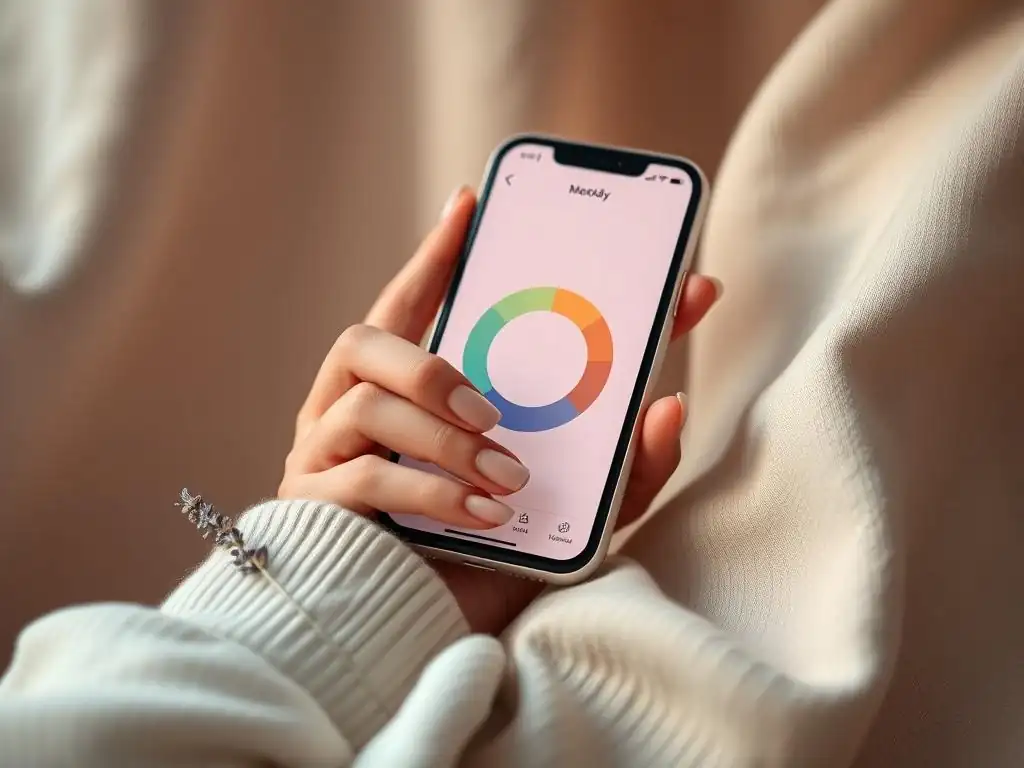
Selecting the best therapist mood tracking app requires careful consideration of features that align with your personal needs and how you plan to use the data with your therapist. Not all apps are created equal, and what works well for one person or therapeutic approach might not be suitable for another. Focusing on specific functionalities will help you find a tool that is both easy to use and genuinely beneficial for your mental wellness journey.
Here are some essential features to evaluate when choosing a mood tracking app for use in conjunction with therapy, focusing on how each feature contributes to better communication and understanding between you and your therapist.
Feature 1: Customizable Mood Tracking & How It Helps Your Therapist
The ability to customize the moods you track is crucial. While many apps offer standard options like "Happy," "Sad," or "Anxious," your emotional landscape is unique. A good app allows you to add specific emotional states you frequently experience or want to monitor, such as "Overwhelmed," "Irritable," "Calm," or "Energized." This level of detail ensures that your tracking accurately reflects your personal experience rather than forcing it into predefined categories.
Providing your therapist with data based on your specific emotional vocabulary gives them a much more accurate and nuanced understanding of your internal world. For instance, consistently logging "Overwhelmed" might point to issues with boundaries or workload, while frequent "Irritable" entries could indicate stress or underlying frustration. This detailed, customized data allows your therapist to ask more targeted questions and develop strategies that address your unique emotional responses and triggers.
Feature 2: Journaling Capabilities for Deeper Insights
Integrating journaling features into a mood tracking app allows you to add context to your logged moods. Simply knowing you felt "Sad" isn't as informative as knowing you felt sad after a difficult conversation, or sad because you spent the day indoors. Journaling provides space to record events, thoughts, physical sensations, or reflections associated with a particular mood entry.
These accompanying notes are invaluable for your therapist. They transform a data point (the mood) into a narrative (the experience). By reviewing your journal entries alongside your mood logs, your therapist can connect the dots between your feelings and the circumstances surrounding them. This deeper insight helps identify specific triggers, negative thought patterns, or behavioral responses that you might not consciously recognize, facilitating more effective therapeutic interventions like Cognitive Behavioral Therapy (CBT) or Dialectical Behavior Therapy (DBT).
Feature 3: Data Visualization and Sharing Options with Your Therapist
How an app presents your data is just as important as the data itself. Look for apps that offer clear, easy-to-understand visualizations, such as graphs, charts, or calendars that show trends over days, weeks, or months. Visualizing your mood data makes patterns immediately apparent, both to you and your therapist. Seeing a graph dip significantly during a particular week, for example, provides a clear starting point for discussion in therapy.
Crucially, the app should offer convenient ways to share this data with your therapist. This could be through generating a PDF report, exporting data, or, in some cases, direct integration (though this is less common due to privacy considerations). The easier it is to get the information from your app to your therapist, the more likely you are to do it consistently, ensuring your therapist always has access to the most current and relevant information about your progress and challenges between sessions.
Feature 4: Integration with Wearable Devices for Physiological Data
Some advanced mood tracking apps offer integration with wearable devices like smartwatches or fitness trackers. This feature allows the app to incorporate physiological data, such as heart rate variability, sleep duration and quality, and activity levels, alongside your self-reported mood. This adds another layer of objective information that can provide valuable context for your emotional state.
Sharing this combined physiological and mood data with your therapist can reveal fascinating correlations. For instance, consistently low mood might coincide with poor sleep patterns recorded by your device, or increased anxiety might correlate with elevated heart rate variability. This integrated data can help your therapist identify physical factors influencing your mental health, leading to a more holistic understanding of your well-being and potentially incorporating strategies like sleep hygiene or exercise into your treatment plan.
How to Effectively Use Mood Tracking Apps with Your Therapist: A Step-by-Step Guide
Using therapist mood tracking apps effectively isn't just about downloading an app and sporadically logging data; it's about integrating it purposefully into your therapeutic process. A structured approach ensures that the data you collect is meaningful and truly enhances your communication and progress in therapy. Following these steps can help maximize the benefits of using a mood tracker alongside your sessions.
Here is a simple guide to incorporating mood tracking apps into your therapy routine for optimal outcomes:
Step 1: Discuss Your Intentions with Your Therapist
Before you even download an app, talk to your therapist about your interest in using a mood tracker. Explain why you think it could be helpful – perhaps you struggle with recalling your week accurately, want to identify specific triggers, or feel it could provide a more objective picture of your progress. Your therapist can offer valuable insights, suggest what type of data might be most useful for your particular treatment goals, and recommend specific features to look for in an app.
This initial conversation ensures that both you and your therapist are on the same page regarding the purpose and potential benefits of using a mood tracking app. They can also guide you on how often to track and what kind of details to include that would be most relevant to your specific therapeutic work. This collaboration from the outset sets the stage for successful integration of the tool into your sessions.
Step 2: Selecting the Right App Together
Based on your discussion in Step 1 and your personal preferences (like ease of use, design, and features), choose a therapist mood tracking app together. Your therapist might have experience with certain apps or recommend one based on the type of therapy you are receiving (e.g., an app with strong journaling features for CBT, or one focused on symptom tracking for bipolar disorder). Consider factors like cost, privacy policies, and the ability to easily share data.
- Review app options based on discussed needs.
- Consider therapist's recommendations.
- Evaluate features: customization, journaling, sharing, data visualization.
- Check pricing and privacy terms.
- Make a joint decision on the app to use.
Picking an app collaboratively ensures that the data you collect will be in a format your therapist finds useful and that the app aligns with the goals you are working on together.
Step 3: Consistent and Honest Tracking
Consistency is key to generating meaningful data with any therapist mood tracking app. Aim to log your mood at least once a day, perhaps at the end of the day to capture an overall feeling, or multiple times a day to note fluctuations. Be as honest as possible in your entries, even about difficult or uncomfortable emotions. Remember, this data is primarily for your benefit and your therapist's understanding – there's no right or wrong way to feel.
Try to make tracking a habit. Set reminders if needed. The more data points you have, the clearer the patterns will become. If the app allows, add brief notes about what was happening, who you were with, or what you were thinking when you logged a particular mood. This context is crucial for interpreting the data later and provides richer insights for your therapist.
Step 4: Sharing Data and Discussing Trends in Therapy Sessions
Regularly share your mood tracking data with your therapist. Discuss how you will do this – will you email a report before the session, look at the app together during the session, or focus on specific trends you noticed? Use the visual summaries provided by the app to highlight patterns:
- Identify days with particularly low or high moods.
- Note activities or events that consistently precede certain moods.
- Observe how mood correlates with sleep or other logged factors.
- Point out any specific entries or journal notes you want to discuss further.
Bringing this data to your session provides concrete examples to explore. Instead of saying "I had a bad week," you can show the data and say, "My mood was low on Tuesday and Thursday, and I noticed both days involved a lot of social interaction, which usually drains me." This level of specificity allows your therapist to help you develop targeted strategies for managing social situations or energy levels.
Step 5: Adjusting Tracking Based on Therapeutic Progress
As you progress in therapy, your needs from a mood tracking app might change. You might shift from identifying basic mood patterns to focusing on specific symptoms, tracking the effectiveness of new coping skills, or monitoring the impact of medication adjustments. Discuss these evolving needs with your therapist and adjust how you use the app accordingly.
Perhaps you start tracking how often you use a coping skill (like deep breathing) and note its impact on your anxiety level. Or you might focus on tracking sleep duration alongside mood to see if improving sleep hygiene makes a difference. Regularly reviewing how you use the app with your therapist ensures it remains a relevant and useful tool throughout your mental wellness journey, adapting to your changing goals and insights gained in therapy.
Real-Life Examples: How Mood Tracking Apps Enhanced Therapy Sessions

Hearing about how others have successfully integrated therapist mood tracking apps into their treatment can be incredibly motivating. These tools aren't just digital diaries; they are active participants in the therapeutic process, providing objective data and fostering deeper self-awareness. The following examples illustrate how individuals have used mood trackers to improve communication with their therapists and achieve better mental health outcomes.
These scenarios depict plausible ways in which using specific mood tracking apps has contributed to progress in different therapeutic contexts, highlighting the practical benefits of bringing this data into sessions.
Case Study 1: Overcoming Anxiety with Daylio and Cognitive Behavioral Therapy (CBT)
Sarah, a 28-year-old programmer, struggled with generalized anxiety, particularly around social interactions and deadlines. She often felt overwhelmed but had difficulty articulating when or why during therapy sessions. Her therapist suggested she try Daylio to quickly log her mood and associated activities throughout the day. Sarah started logging her mood (using custom options like "Anxious," "Calm," "Stressed," "Productive") and activities (like "Meeting," "Coding," "Gym," "Social Event").
After a month, Sarah and her therapist reviewed the Daylio data. The visual charts clearly showed that her anxiety levels spiked significantly on days with multiple meetings or tight project deadlines. The data also revealed that logging "Gym" or "Meditation" activities consistently correlated with higher "Calm" moods later in the day.
This concrete evidence helped Sarah's therapist tailor CBT exercises to focus on reframing anxious thoughts specifically related to work stress and social situations. Seeing the positive correlation with exercise also motivated Sarah to prioritize gym time, becoming a tangible coping strategy identified through the app's insights. The Daylio data provided a clear, data-driven map of her anxiety triggers and effective coping activities, significantly enhancing the effectiveness of her CBT sessions.
Case Study 2: Managing Bipolar Disorder with Moodpath and Medication Management
Mark, a 45-year-old experiencing bipolar II disorder, found it challenging to accurately report his mood fluctuations and symptom severity to his psychiatrist and therapist between appointments. He would often minimize depressive lows or euphoric highs when asked. He began using Moodpath, which prompted him daily with structured questions about his mood, energy levels, sleep, and specific symptoms like irritability or racing thoughts. The app's structure helped him provide more consistent and objective responses.
Mark used Moodpath's feature to generate a comprehensive report every two weeks and shared it with his treatment team. The detailed reports provided clear charts showing shifts in depressive and elevated symptoms, sleep patterns, and anxiety over time. This data was crucial for his psychiatrist in fine-tuning his medication dosage, allowing for more precise adjustments based on real-world symptom data rather than just Mark's potentially biased recall.
His therapist used the reports to identify triggers for mood swings and develop relapse prevention strategies. The structured, report-based data from Moodpath significantly improved the communication accuracy between Mark, his therapist, and his psychiatrist, leading to more stable mood management.
Case Study 3: Improving Communication in Couples Therapy with Reflectly
Maria and David were attending couples therapy to address communication issues and frequent arguments that left them both feeling misunderstood. They agreed to use Reflectly individually to track their moods and reflect on their feelings, particularly after disagreements or challenging interactions. Reflectly's guided journaling prompts encouraged them to explore the 'why' behind their emotions, such as feeling "Hurt" after a comment or "Frustrated" by a lack of response.
In therapy sessions, Maria and David didn't necessarily share their raw journal entries but discussed the personalized insights and summaries provided by Reflectly. For instance, Maria might share that her summary highlighted a pattern of feeling "Anxious" whenever David withdrew during conflict, while David might share that his data showed he consistently felt "Overwhelmed" when discussions became heated.
Sharing these patterns and the emotions they triggered, supported by the app's summaries, helped them articulate their internal experiences more clearly and empathetically to each other and their therapist. The app facilitated individual reflection which, in turn, provided concrete examples and insights to work through communication barriers in their couples therapy sessions, leading to more productive dialogue and understanding.
Maximizing the Benefits: Tips for Using Mood Trackers to Improve Therapy Outcomes
Simply using a therapist mood tracking app isn't a magic bullet; it's a tool that needs to be used mindfully and strategically to yield the best results for your mental health and therapeutic progress. The way you engage with the app and the information you track directly impacts how useful it will be for both you and your therapist. Adopting certain practices can significantly enhance the value you gain from this technology.
Here are some practical tips to help you get the most out of your mood tracking efforts and ensure they contribute meaningfully to your therapy journey:
Tip 1: Be Specific and Detailed in Your Tracking
When logging your mood, go beyond just selecting a general feeling. If the app allows, use notes or journaling features to add context. Instead of just "Sad," note "Sad after talking to my boss about the project deadline" or "Felt sad and tired after a poor night's sleep." Include details about:
- Who you were with
- Where you were
- What you were doing
- Key thoughts or physical sensations
- Any coping skills you used (and if they helped)
The more specific you are, the easier it will be for you and your therapist to identify precise triggers, understand the nuances of your emotional responses, and evaluate the effectiveness of different strategies. Vague data leads to vague insights; detailed data leads to targeted interventions.
Tip 2: Look for Patterns and Triggers
Don't just log data; actively review it, preferably before your therapy session. Look for recurring patterns. Do you notice your mood consistently dips on certain days of the week? Are there specific people or situations that reliably precede feelings of anxiety or irritation? Does your mood correlate with sleep duration, exercise, or meals?
Identifying these patterns and potential triggers yourself is a powerful step in self-awareness. Bring these observations to your therapist. For instance, you might say, "My data shows that my mood is lowest on Sundays. I realized I usually spend Sundays alone, which might be a trigger." This proactive approach allows you to work with your therapist to understand why these patterns exist and develop strategies to manage them, rather than just presenting raw data for them to interpret.
It can be tempting to only log 'good' or neutral moods, or to downplay negative feelings, especially if you know you'll be sharing the data. However, honesty is paramount. Your therapist needs to see the full picture, including the lows and the struggles. Logging difficult emotions accurately provides your therapist with crucial information about the severity and frequency of your challenges.
Remember that therapy is a safe space to explore difficult feelings. Sharing data that shows you were 'Very Anxious' or 'Extremely Sad' on certain days isn't a sign of failure; it's valuable information that helps your therapist understand the intensity of your experience and support you more effectively. Being honest in your tracking, even when it's hard, is a vital component of using therapist mood tracking apps effectively.
Tip 4: Use the App as a Tool for Self-Reflection Between Sessions
Your mood tracking app isn't just for generating reports for your therapist; it's a tool for your own self-reflection. Take time between sessions to look back at your entries, review the charts, and read your journal notes. Ask yourself questions:
- What was going on the days my mood was high?
- What helped me get through a difficult day?
- Are there situations I consistently struggle with?
- Do I see any progress compared to previous weeks?
Using the app for personal reflection helps you become more attuned to your emotional states and the factors influencing them. This increased self-awareness empowers you to make conscious choices throughout your week and arrive at therapy sessions with deeper insights and specific points you want to explore, making your time with your therapist even more productive.
Beyond Therapy: Other Benefits of Using Mood Tracking Apps
While therapist mood tracking apps are powerful tools for enhancing communication in therapy, their benefits extend far beyond the clinical setting. The practice of regularly logging and reviewing your emotional state can positively impact various aspects of your daily life and contribute to overall mental well-being, even independently of professional treatment.
Embracing mood tracking as a regular habit can lead to profound personal growth and improved emotional management in the long term.
Improving Self-Awareness and Emotional Regulation
Consistent mood tracking fundamentally improves self-awareness. By regularly pausing to identify and label your emotions, you become more attuned to your internal state. Over time, this practice helps you recognize emotional shifts in real-time, rather than hours or days later. This heightened awareness is the first step towards better emotional regulation. When you can quickly identify that you're starting to feel anxious or irritable, you can implement coping strategies before the emotion becomes overwhelming.
For example, noticing a rising sense of frustration logged in your app might prompt you to take a short break or practice a calming exercise, preventing the frustration from escalating into anger. This ability to recognize and manage emotions more effectively in the moment is a core skill developed through consistent mood tracking, empowering you to respond to challenging situations more skillfully.
Identifying Patterns and Triggers in Daily Life
As highlighted in the therapy context, mood tracking excels at revealing patterns, but this is equally valuable outside of sessions. You might discover that your mood is consistently lower on days you skip breakfast, or that spending time with a particular friend reliably boosts your spirits. These insights, gained from reviewing your logged data, allow you to make conscious adjustments to your daily routines and environment.
Recognizing that lack of sleep is linked to increased irritability, for instance, can motivate you to prioritize bedtime. Identifying that spending time in nature improves your mood can encourage you to schedule more walks. This process of identifying personal triggers and positive influences empowers you to make lifestyle choices that proactively support your emotional well-being, reducing exposure to negative triggers and increasing engagement with activities that promote positive moods.
Supporting Overall Mental Well-being and Self-Care
Incorporating a therapist mood tracking app into your routine can become a cornerstone of a comprehensive self-care practice. The act of checking in with yourself regularly validates your feelings and reinforces the importance of your emotional health. It encourages mindfulness and reflection on your daily experiences.
Moreover, by tracking activities alongside moods, you can identify which self-care practices are most effective for you. Do you notice your mood improves after meditation, exercise, or connecting with loved ones? The data can confirm the benefits of these activities, motivating you to continue them. Mood tracking provides objective feedback on your self-care efforts, helping you build a sustainable routine that genuinely supports your mental well-being and resilience.
Frequently Asked Questions
What are Therapist Mood Tracking Apps, and how can they help my mental well-being?
These apps allow you to track your mood and related factors like sleep, activities, and medications. This data helps you and your therapist identify patterns and triggers related to your mental health. It's a powerful tool for self-awareness and informed therapy.
How do Mood Tracking Apps improve communication with my therapist?
By providing a visual representation of your mood fluctuations, these apps facilitate more objective and focused conversations with your therapist. They help you articulate your experiences more clearly, leading to more effective treatment. This reduces reliance on memory and subjective feelings.
Are Therapist Mood Tracking Apps secure and private?
Most reputable apps prioritize data security and user privacy. Look for apps with encryption and clear privacy policies. Always research the app's security measures before sharing sensitive personal information.
Can I use a Mood Tracking App even if I'm not currently seeing a therapist?
Yes, absolutely! Mood Tracking Apps can be valuable tools for self-monitoring and understanding your own mental health. They can help you identify potential issues and track the impact of lifestyle changes, even without professional guidance. They are a great resource for self-care.
What features should I look for in a good Therapist Mood Tracking App?
Look for features like mood logging, customizable tracking categories, data visualization (charts and graphs), and secure data storage. Integration with wearable devices or other health apps can also be beneficial. Prioritize ease of use and a clean interface.
Final Reflection: Unlocking Deeper Understanding Through Technological Empathy
The integration of mood tracking apps into therapeutic practices isn't just a technological advancement; it's a revolution in communication. By providing therapists with quantifiable data alongside subjective experiences, these apps offer a level of insight previously unimaginable, leading to more effective and personalized treatment plans. This shift towards data-driven therapy promises a future where mental health care is more accessible, efficient, and ultimately, more successful.
The impact of these apps extends beyond the individual therapeutic relationship. They are subtly reshaping our understanding of mental health itself, moving away from solely relying on verbal expression and towards a more holistic, data-informed approach. This shift is crucial, as it allows for a more nuanced understanding of the complexities of mental illness. The greatest obstacle to discovery is not ignorance—it is the illusion of knowledge.
– Daniel J. Boorstin. This quote highlights the importance of moving beyond assumptions and embracing objective data to truly understand the patient's experience.
Consider how you can leverage this information in your own life. Are you struggling to articulate your feelings to your therapist? Could a mood tracking app bridge that communication gap, allowing for a more productive and insightful therapeutic journey? Take the time to explore the options available, and remember that empowering yourself with knowledge is the first step towards achieving better mental well-being. Don't just guess at your emotional state – know it, understand it, and communicate it effectively. The path to healing begins with honest, informed self-reflection.
Unlock Deeper Connections: Take Control of Your Therapy Journey
Thanks for taking the time to explore how mood tracking apps can enhance your therapeutic experience! You’ve learned valuable insights into improving communication and achieving better outcomes. Now, let's put that knowledge into action.
- Prioritize your primary action: Download a mood tracking app and start logging your emotions today. Even a few days of consistent tracking will make a noticeable difference in your therapy sessions.
- Share your experience: Discuss your findings with your therapist during your next appointment. This proactive approach will empower both of you in your collaborative journey.
- Explore different app features: Many apps offer more than just mood logging – some incorporate journaling prompts, relaxation exercises, or even community support features. Experiment to find what resonates best with you.
What unique insights or challenges have you discovered in your exploration of mood tracking apps, and how do you plan to integrate this practice into your communication with your therapist?