
Don't Pay Too Much: Finding Value in Anxiety App Features and Pricing

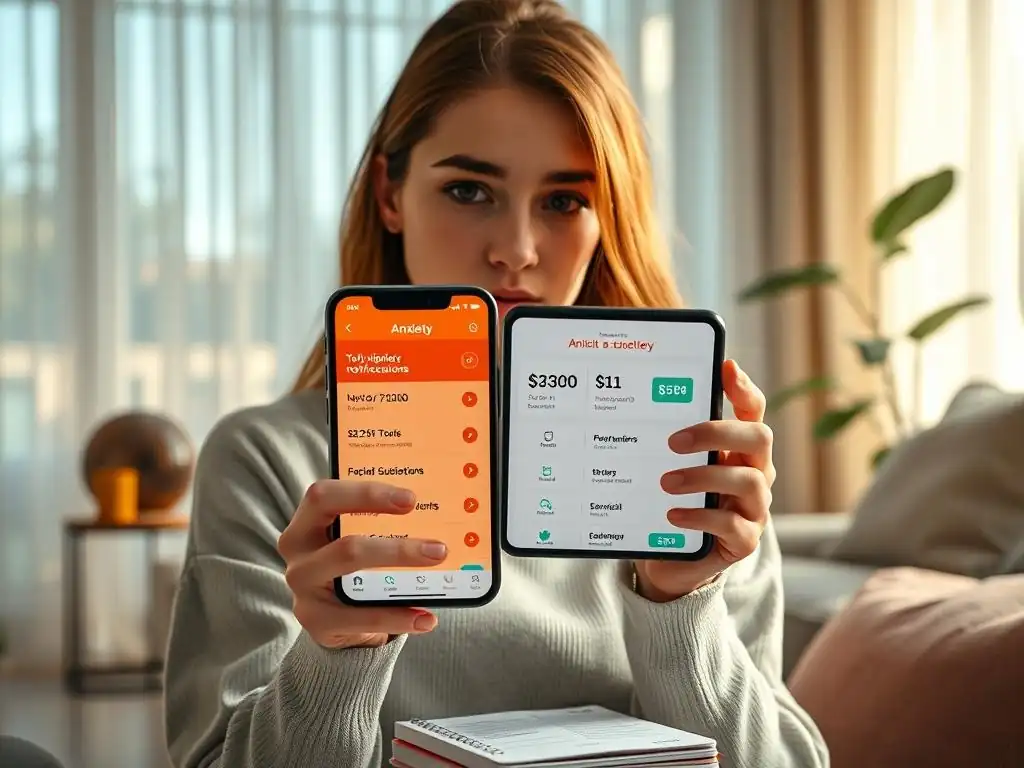
Welcome to Mind Care Guide, a place where understanding and support meet on your journey to mental well-being.
Feeling overwhelmed by anxiety and unsure where to turn? You're not alone. Many seek solace and support through technology, but navigating the vast world of anxiety apps can be daunting, especially when considering the price. Our guide starts here, with an in-depth anxiety app cost comparison. We'll help you understand what features are truly valuable and how to find the best fit for your needs without breaking the bank. Ready to take control of your mental wellness journey? Let's begin...
- Understanding Anxiety App Pricing: An Introduction to Cost and Value
- Decoding the Pricing Models of Popular Anxiety Apps
-
Anxiety App Features: What Are You Really Paying For?
- Guided Meditations and Mindfulness Exercises: Are They Worth the Cost?
- Cognitive Behavioral Therapy (CBT) Tools: Does the App Offer Effective Techniques?
- Sleep Aids and Relaxation Techniques: Enhancing Your Sleep and Reducing Anxiety
- Community Support and Peer Interaction: The Value of Connection
- Personalization and Customization: Tailoring the App to Your Needs
- Anxiety App Cost Comparison: Real-World Examples and User Experiences
- Maximizing Value: Tips for Choosing the Right Anxiety App for Your Budget
- Beyond the App: Integrating Anxiety Management Tools for a Holistic Approach
-
Frequently Asked Questions
- What factors should I consider when doing an anxiety app cost comparison?
- Are free anxiety apps effective, or should I always opt for a paid option?
- How can I determine if an anxiety app's features are worth the cost?
- What is the typical price range for premium anxiety apps?
- Are there any hidden costs associated with anxiety apps I should be aware of?
- Final Reflection: The True Cost of Calm: Navigating the Anxiety App Market
- Unlock Your Anxiety Relief: Take Control of Your App Choices!
Understanding Anxiety App Pricing: An Introduction to Cost and Value
Why Anxiety App Cost Comparison Matters for Your Mental Health Journey
Navigating the world of anxiety management tools can feel overwhelming, especially when considering the financial aspect. An effective anxiety app cost comparison is not just about finding the cheapest option; it's about identifying a resource that fits your budget while genuinely supporting your mental well-being.
With the average annual cost of therapy potentially ranging from hundreds to thousands of dollars, even a premium mental health app subscription, which might cost between $50 and $150 per year, can represent significant savings while providing daily support and tools. Understanding the value proposition of different apps is crucial because consistent engagement is key to seeing benefits, and financial strain can be a barrier to that consistency.
Evaluating the expense of an anxiety app in relation to its features helps users make informed decisions that align with their personal needs and financial capacity. For someone with mild anxiety, a free app might suffice, while someone with more significant challenges might find the investment in a paid app with CBT tools or extensive meditation libraries more beneficial.
Performing a thorough anxiety app cost comparison allows individuals to weigh the potential therapeutic benefits against the recurring expense, ensuring that their chosen tool is both accessible and sustainable over the long term. This careful consideration empowers users to invest wisely in their mental health journey without overspending on features they may not need or use.
The Rising Popularity of Mental Health Apps and the Need for Value Assessment
The digital landscape has seen an explosion in mental health apps, with millions downloading tools designed to help manage stress, improve sleep, and reduce anxiety. Reports indicate the global mental health app market is projected to grow significantly, reaching billions of dollars in value. This surge in popularity highlights the increasing demand for accessible mental wellness resources.
However, the sheer volume of available apps, coupled with diverse pricing structures—from free tiers to premium annual subscriptions exceeding $100—makes a critical value assessment essential for consumers. Simply choosing a popular app without considering its cost relative to its offerings can lead to unnecessary expenditure or dissatisfaction if the app doesn't meet specific needs.
As more apps enter the market, differentiating between those offering genuine, evidence-based support and those with superficial features becomes vital. A comprehensive anxiety app cost comparison helps cut through the noise, focusing attention on the tools and resources provided in exchange for the price. For example, some apps might offer thousands of meditation tracks, while others specialize in interactive CBT exercises.
The value isn't solely in the quantity of content but in its quality, relevance, and effectiveness for the individual user's anxiety. Users must look beyond marketing claims and assess whether the app's features justify its price point, ensuring they are investing in effective support rather than just a trendy download.
Decoding the Pricing Models of Popular Anxiety Apps
Subscription Models: Are Monthly or Annual Plans the Best Value?
Subscription models are the most common way popular anxiety apps generate revenue, offering users access to content and features for a recurring fee. These models typically come in two main flavors: monthly and annual plans. Monthly subscriptions offer flexibility, allowing users to cancel anytime, which can be appealing for those who want to try an app for a short period or who have fluctuating financial situations.
However, this flexibility usually comes at a higher overall cost compared to committing for a full year. A monthly plan might cost, for instance, $12.99 per month, totaling over $150 per year if maintained continuously.
Annual subscriptions, while requiring a larger upfront payment, almost always offer a significant discount compared to their monthly counterparts. An app charging $12.99 monthly might offer an annual plan for $69.99 or $99.99, representing a potential saving of 30% to 50% or even more over 12 months. For users who have tested an app (perhaps through a free trial) and found it beneficial, an annual subscription presents a clear path to maximizing value.
This approach is particularly cost-effective for individuals planning to use the app consistently as part of their long-term anxiety management strategy. The key is to assess your commitment level and financial stability before opting for the annual plan to ensure you can leverage the cost savings.
Comparing Monthly vs. Annual Subscription Costs: Calm vs. Headspace
When performing an anxiety app cost comparison, Calm and Headspace are frequently cited examples, both employing standard monthly and annual subscription models. While specific pricing can vary slightly based on region and promotions, a typical monthly cost for either app might hover around $14.99 to $16.99. This translates to an annual expense of roughly $180 to $204 if paid month-to-month continuously.
Contrast this with their annual plans, which are usually priced between $69.99 and $99.99 per year. Opting for the annual subscription with Headspace or Calm can result in savings of approximately 50% to 65% compared to paying monthly over the same period. For example, an annual plan at $70 saves the user over $110 compared to paying $15 monthly for a year. This significant difference highlights why, for dedicated users, the annual subscription model offers substantially better value in an anxiety app cost comparison.
Understanding Trial Periods and Refund Policies
Most reputable anxiety apps offer free trial periods, allowing potential users to explore the premium features before committing to a paid subscription. These trials typically last for 7 to 14 days, though some may extend up to 30 days. Taking full advantage of these trial periods is a crucial step in any anxiety app cost comparison.
It allows you to test the app's interface, content library (meditations, CBT tools, sleep stories), and overall usability to determine if it meets your specific needs and preferences before any money changes hands. Remember to note the trial end date, as many subscriptions automatically convert to a paid plan unless canceled beforehand.
Beyond the trial, understanding the app's refund policy is also important, although less common for subscription services after the initial trial expires. App store policies (like Apple's App Store or Google Play) govern refunds for in-app purchases and subscriptions, and they often have strict limitations, usually related to technical issues rather than dissatisfaction with content.
Direct refunds from the app developer itself are rare for subscription fees once a billing cycle has begun. Therefore, relying heavily on free trials and carefully reading the terms of service before subscribing are the most effective ways to manage costs and avoid unwanted charges when exploring anxiety app options.
The freemium model is prevalent among anxiety apps, offering a core set of features for free while gating more extensive or specialized content behind a paywall (usually a subscription). This model allows users to experience the app's basic functionality and understand its approach to anxiety management without any upfront cost.
Free features often include a limited selection of guided meditations, basic breathing exercises, mood tracking, or a few introductory lessons on mindfulness or anxiety reduction. Apps like Insight Timer, for example, famously offer a vast library of guided meditations for free, relying on donations and premium features for revenue, while others like Calm and Headspace offer limited free content alongside their paid tiers.
The challenge with freemium apps lies in determining if the free content is sufficient for your needs. While a limited set of tools might be adequate for mild stress or occasional use, individuals seeking more comprehensive support—such as structured CBT programs, a wider variety of specialized meditations (e.g., for sleep or panic attacks), or personalized coaching features—will likely need to upgrade to the paid version.
This necessitates a careful value assessment: are the premium features worth the subscription cost compared to what's available for free or what other paid apps offer? An effective anxiety app cost comparison must consider not just the price tag, but what tangible, beneficial content is unlocked at each tier.
Are Free Anxiety Apps Enough? Evaluating Basic Features
Free anxiety apps, or the free tiers of freemium apps, can serve as a valuable starting point for individuals exploring digital mental health tools. They typically provide foundational resources such as timed meditation sessions, a few introductory guided exercises, basic mood logging, or simple breathing techniques.
For someone experiencing mild, situational anxiety or looking for a low-commitment way to incorporate mindfulness into their routine, these basic features might be entirely sufficient. A free app can help users develop a consistent practice, become familiar with concepts like mindfulness or relaxation, and determine if using an app is a helpful approach for them without any financial commitment.
However, the limitations of free anxiety apps become apparent when individuals require more in-depth support or a wider range of tools. Free versions often lack advanced features like personalized plans, comprehensive CBT modules with interactive exercises, extensive libraries of specialized content (e.g., sleep stories, specific anxiety relief techniques), or progress analytics.
While a free app might offer a single guided meditation for anxiety, a paid version could provide dozens of sessions tailored to different types of anxiety or situations. Therefore, while free apps are excellent for exploration and basic support, they may not offer the depth and breadth of resources needed for managing moderate to severe anxiety effectively, necessitating a broader anxiety app cost comparison that includes paid options.
When Does It Make Sense to Upgrade to a Paid Anxiety App?
Upgrading to a paid anxiety app often makes sense when you have explored the free options or free tiers and found them insufficient for your specific needs, but you appreciate the app format as a support tool. If your anxiety is persistent, interferes significantly with daily life, or requires more structured and comprehensive interventions like Cognitive Behavioral Therapy (CBT) exercises, the premium features of a paid app can offer substantial value.
Paid subscriptions typically unlock full access to extensive content libraries, including specialized meditation courses for anxiety, sleep, or focus; in-depth CBT programs with interactive exercises and progress tracking; access to licensed therapists or coaches within the app; and personalized features tailored to your goals.
The decision to upgrade should be based on a clear understanding of what the paid version offers that the free one doesn't, and whether those additional features align with your personal therapeutic goals. For example, if you specifically need guided help for insomnia related to anxiety, and the paid version offers hundreds of sleep stories and relaxation techniques not available for free, the subscription might be a worthwhile investment.
Similarly, if you are looking for a digital tool to complement therapy by practicing specific CBT skills, a paid app with robust, evidence-based modules would be more beneficial than a free app offering only basic mindfulness. An anxiety app cost comparison at this stage involves weighing the cost against the potential for significantly enhanced support and more effective symptom management.
One-Time Purchase vs. Recurring Fees: A Breakdown
While subscription models dominate the anxiety app market, a less common alternative is the one-time purchase model. In this structure, users pay a single, upfront fee to gain permanent access to the app's full features and content. This contrasts sharply with recurring fees, where access is contingent on continuous monthly or annual payments.
The one-time purchase model offers the benefit of a predictable, finite cost. Once purchased, the user owns the access indefinitely, without worrying about future price increases or ongoing budget allocation for the app. This can be particularly appealing for users who prefer to avoid recurring expenses and want a long-term tool without ongoing financial commitment.
Recurring fees, typical of subscription models, provide continuous access as long as payments are made. This model is favored by developers because it provides a steady revenue stream, which in turn supports ongoing development, content creation (like new meditations or programs), server maintenance, and customer support.
While the cumulative cost over many years can exceed that of a one-time purchase, the subscription model often ensures the app remains updated with new features and content, potentially offering evolving value over time. The choice between these models in an anxiety app cost comparison depends heavily on user preference for payment structure and expectations regarding long-term app evolution and updates.
Identifying Apps with One-Time Purchase Options and Their Benefits
Finding major, popular anxiety apps that solely operate on a one-time purchase model is challenging today, as most have transitioned to subscriptions to fund ongoing development and content. However, some smaller, niche apps or older versions of apps might still offer this option, sometimes for specific feature sets rather than the entire application. Benefits of finding an anxiety app with a one-time purchase include the financial predictability and the sense of ownership.
A user pays a set amount upfront, which might range from $20 to $80 or more, and gains access without future financial obligations. This can be highly cost-effective if the app is used consistently over several years.
Another advantage is simplicity in budgeting; the cost is a one-time expense rather than a recurring bill. For users on a fixed income or those who prefer to manage expenses upfront, this model eliminates the ongoing financial consideration associated with subscriptions. While less common, identifying and evaluating these apps as part of your anxiety app cost comparison can reveal potentially cost-effective long-term solutions, provided the app's features meet your needs and the developer continues to support it.
The Longevity of One-Time Purchase Apps: Will They Stay Updated?
A significant consideration when evaluating a one-time purchase anxiety app is its long-term viability and whether it will receive ongoing updates and new content. Unlike subscription models that provide continuous revenue to fund development, one-time purchases offer a finite income per user.
This can make it challenging for developers to invest heavily in regular updates, bug fixes, and the creation of new therapeutic content over extended periods. As a result, a one-time purchase app might become outdated, less compatible with newer operating systems, or lack the evolving features and content found in subscription-based alternatives like Headspace or Calm, which regularly add new sessions and programs.
While some developers committed to a one-time purchase model may still provide essential maintenance updates, the pace and scope of new features are often slower compared to subscription apps. Before committing to a one-time purchase, it's crucial to research the app's update history and read recent reviews to gauge the developer's commitment to the product's longevity. While the upfront cost is appealing in an anxiety app cost comparison, the potential for the app to become stagnant or unsupported over time is a risk that users must weigh against the initial savings.
Anxiety App Features: What Are You Really Paying For?

Guided Meditations and Mindfulness Exercises: Are They Worth the Cost?
Guided meditations and mindfulness exercises form the core offering of many anxiety apps, providing users with structured audio sessions designed to promote relaxation, self-awareness, and stress reduction. The value of these features depends heavily on the quality, variety, and expertise behind the content.
Premium apps invest heavily in creating extensive libraries with sessions led by experienced instructors, covering a wide range of topics from basic breathwork to specific meditations for panic, sleep, or self-compassion. Access to hundreds or even thousands of high-quality guided sessions can be incredibly valuable for someone seeking diverse tools to manage anxiety through mindfulness, potentially justifying a subscription cost.
Conversely, if an app offers only a limited selection of generic meditations, even if free, its long-term value for consistent anxiety management might be limited. Users who find meditation a particularly effective tool may place high value on a large, well-curated library with options for different durations, styles, and instructors. Evaluating the depth and breadth of the meditation content is therefore a critical part of any anxiety app cost comparison, ensuring the price aligns with the richness and quality of this core feature.
Insight Timer vs. Ten Percent Happier: Comparing Meditation Library Size and Quality
Comparing Insight Timer and Ten Percent Happier highlights different approaches to meditation content within anxiety apps. Insight Timer stands out with its massive library, boasting over 100,000 free guided meditations and talks contributed by thousands of teachers worldwide. This sheer volume means users can find content on virtually any topic, often for free, making its free tier an excellent starting point for an anxiety app cost comparison focused on meditation quantity. Its premium subscription unlocks offline listening, advanced player features, and some exclusive courses, but the vast majority of guided sessions remain free.
Ten Percent Happier, while offering a smaller library in comparison (likely hundreds or a few thousand curated sessions), focuses heavily on quality, structure, and teaching. Its content is produced in-house or with carefully selected, often well-known, meditation teachers. The app emphasizes structured courses and practical teachings on how to apply mindfulness to daily life and specific challenges like anxiety.
While it offers limited free content, its value proposition in its paid tier lies in its curated, high-quality instruction and structured programs, appealing to users who prioritize expert guidance and a more educational approach over sheer volume. An anxiety app cost comparison between these two involves weighing the value of extensive, diverse, mostly free content versus a more curated, structured, premium-led experience.
The Role of Experienced Instructors and Personalized Meditation Plans
The effectiveness of guided meditations in anxiety apps can be significantly enhanced by the quality and experience of the instructors. Meditations led by certified mindfulness teachers, psychologists, or individuals with deep expertise in relevant fields often provide clearer guidance, more effective techniques, and a more soothing and trustworthy presence. Apps that invest in employing or partnering with highly experienced instructors add a layer of credibility and potential efficacy to their content, which can be a key factor in justifying a higher subscription cost. For instance, some premium apps feature sessions led by renowned experts in mindfulness or stress reduction.
Furthermore, the availability of personalized meditation plans or recommendations can add considerable value. Instead of just browsing a large library, users can benefit from curated sequences of meditations designed to address specific issues like panic attacks, sleep problems, or social anxiety. Some apps use algorithms or user input to suggest sessions that align with current mood or stated goals.
This personalization helps users navigate the vast amount of content efficiently and ensures they are engaging with practices most relevant to their needs, making the app a more tailored and potentially more effective tool for anxiety management. This level of personalization is often a premium feature, influencing the anxiety app cost comparison.
Cognitive Behavioral Therapy (CBT) Tools: Does the App Offer Effective Techniques?
Cognitive Behavioral Therapy (CBT) is an evidence-based psychotherapy widely used for treating anxiety disorders. Many anxiety apps incorporate CBT principles and tools, aiming to help users identify and challenge negative thought patterns and behaviors. The value of an app's CBT features lies in whether it offers effective, evidence-based techniques presented in an accessible and interactive format. This can include features like thought diaries or journals to help users identify anxious thoughts, tools for challenging cognitive distortions, behavioral activation exercises, exposure therapy principles presented digitally, and psychoeducational content explaining CBT concepts.
A high-quality anxiety app featuring CBT should not just describe techniques but facilitate their practice. Interactive exercises, guided steps for analyzing thoughts, and prompts for planning behavioral experiments are indicators of potentially effective CBT tools within an app. When conducting an anxiety app cost comparison, especially if CBT is a primary interest, it's crucial to evaluate the depth and quality of these modules.
Are they based on established CBT protocols? Do they feel like engaging tools for practice, or merely static information? Apps with robust, well-designed CBT components offer a form of support that goes beyond simple relaxation, potentially providing skills that can be applied long-term.
Evaluating CBT Modules: Identifying Evidence-Based Approaches
When evaluating the CBT modules within an anxiety app, look for content that reflects established therapeutic practices. Evidence-based approaches in CBT typically involve structured lessons on understanding the connection between thoughts, feelings, and behaviors; tools for identifying common cognitive distortions (like catastrophizing or black-and-white thinking); guided exercises for restructuring negative thoughts; and methods for planning gradual exposure to feared situations. An app that simply offers articles about CBT is less valuable than one that provides interactive worksheets, guided audio sessions walking you through a thought record, or step-by-step instructions for performing behavioral experiments.
Apps that incorporate elements like tracking the intensity of anxiety before and after using a technique, or journaling prompts that encourage reflection on the outcome of challenging a thought, are often more aligned with effective CBT practice. Some apps are developed in conjunction with mental health professionals or based on specific clinical programs, which can be a strong indicator of their adherence to evidence-based principles.
A thorough anxiety app cost comparison should assess the extent to which the app's CBT features are interactive, practical, and grounded in proven therapeutic methods, ensuring you are paying for tools that have the potential to make a real difference.
The Importance of Progress Tracking and Personalized Feedback in CBT Apps like Woebot
Progress tracking and personalized feedback are vital components that enhance the effectiveness of CBT tools within an app, turning exercises into a more dynamic and responsive experience. Apps like Woebot, which functions as an AI-powered chatbot delivering CBT, exemplify this by allowing users to log their moods, track the frequency of certain thoughts or behaviors, and monitor changes over time. This data helps users visualize their progress, identify patterns, and see the impact of practicing CBT techniques. For example, tracking anxiety levels before and after using a thought-challenging tool can provide tangible evidence of its effectiveness, motivating continued practice.
Personalized feedback, whether delivered by an AI like Woebot or through structured prompts and insights based on user input, guides the user through the CBT process. Woebot, for instance, can respond to user entries, provide encouragement, explain concepts in simple terms, and suggest relevant exercises based on the user's current mood or reported challenges.
This interactive feedback loop makes the learning and application of CBT skills more engaging and tailored to the individual's experience. While not a replacement for human therapy, these features add a significant layer of value to digital CBT tools, justifying the cost for users who benefit from structured, feedback-driven learning in their anxiety management journey.
Sleep Aids and Relaxation Techniques: Enhancing Your Sleep and Reducing Anxiety
Anxiety and sleep disturbances are often intertwined, with worry making it difficult to fall asleep or stay asleep. Many anxiety apps recognize this connection and offer features specifically designed to improve sleep and promote relaxation. These can include extensive libraries of sleep stories (narratives designed to lull you to sleep), calming soundscapes (like nature sounds or ambient music), guided relaxation exercises (such as progressive muscle relaxation or body scans), and breathing techniques specifically for unwinding before bed. For individuals whose anxiety significantly impacts their sleep, these features can be incredibly valuable.
The effectiveness and value of sleep aids in an app depend on their variety, quality, and how well they cater to different preferences. Some users might find sleep stories narrated by soothing voices (sometimes even celebrities) highly effective, while others prefer simple ambient sounds or guided relaxation scripts.
An app offering a wide selection increases the likelihood that a user will find something that works for them. When conducting an anxiety app cost comparison, consider if the app's sleep features are robust and varied enough to address your specific sleep-related anxiety challenges, as better sleep can have a profound positive impact on overall anxiety levels.
Comparing Sleep Story Libraries and Soundscapes: Calm vs. BetterSleep
Calm is perhaps most famous for its extensive collection of "Sleep Stories," many narrated by well-known personalities. This feature has become a hallmark of the app, offering a wide variety of soothing narratives designed to distract the mind and promote relaxation before sleep. Calm's library includes stories for both adults and children, covering different themes and durations. This focus on narrative content is a significant part of Calm's value proposition in the sleep aid category.
BetterSleep (formerly Relax Melodies) takes a different approach, focusing more heavily on soundscapes and customizable audio environments. It offers a vast library of sounds (nature, ambient, white noise) that users can mix and layer to create personalized sleep environments. While it also includes guided meditations and some stories, its strength lies in its deep customization of sound.
An anxiety app cost comparison focusing on sleep aids between Calm and BetterSleep would involve assessing whether narrated stories (Calm) or customizable sound mixes and ambient audio (BetterSleep) are more likely to aid your sleep and reduce related anxiety. Both offer premium content in this area, but their methods differ significantly.
Measuring Sleep Quality Improvements with App-Based Tracking
Some anxiety apps integrate features for tracking sleep quality, either through manual logging or by connecting with wearable devices or phone sensors. While not a direct therapeutic tool for anxiety itself, tracking sleep can provide valuable data that informs a user's overall mental wellness strategy. By monitoring sleep duration, quality, and disturbances over time, users can identify patterns, understand how their anxiety impacts their sleep, and assess the effectiveness of the app's sleep aids or other anxiety management techniques. For instance, noticing an improvement in sleep quality after consistently using guided relaxation features can reinforce their value.
The ability to correlate sleep data with mood tracking or anxiety levels logged within the app offers deeper insights into the mind-body connection. This integrated data can help users and potentially their therapists understand the interplay between anxiety and sleep. While manual tracking requires user diligence, apps that automate or simplify this process add significant value. When performing an anxiety app cost comparison, consider if the app offers useful tracking features that can help you monitor the impact of its tools on your sleep and anxiety levels, providing data-driven motivation and insights.
Community Support and Peer Interaction: The Value of Connection
For many individuals managing anxiety, feeling isolated can exacerbate symptoms. Some anxiety apps incorporate community features, allowing users to connect with peers who are facing similar challenges. These features can range from moderated forums and discussion boards to group challenges or shared progress updates (often anonymously). The value of community support lies in the sense of belonging, shared experience, and mutual encouragement it can provide. Knowing you are not alone and being able to share experiences or tips with others can be a powerful antidote to the isolation anxiety can create.
Access to a supportive community within an app can offer a different kind of value than therapeutic content alone. It provides a space for peer-to-peer support, sharing coping strategies, and finding inspiration. For some users, this connection is a vital component of their anxiety management strategy. When evaluating an app for an anxiety app cost comparison, consider if community features are important to you and, if so, assess the size and activity level of the community, as well as the quality of moderation to ensure it's a safe and positive environment.
The Benefits of Peer Support Groups within Anxiety Apps
Peer support groups within anxiety apps offer several key benefits. Firstly, they provide a platform for validation and understanding; interacting with others who truly grasp what it's like to live with anxiety can reduce feelings of shame and isolation. Users can share their struggles, celebrate small victories, and exchange practical advice on coping mechanisms that have worked for them. This informal exchange of information and emotional support can be incredibly empowering.
Secondly, these groups can foster accountability and motivation. Participating in shared challenges (like daily meditation streaks or mood-tracking consistency) or simply seeing others actively working on their mental health can encourage continued engagement with the app's tools. While not a substitute for professional therapy, peer support groups add a valuable dimension to the app experience, leveraging the power of connection to enhance mental wellness. The presence of active, well-moderated peer groups can significantly increase the perceived value of a paid anxiety app subscription for many users.
Moderation and Safety Considerations in Community Forums
While community features offer significant benefits, robust moderation is absolutely critical to ensure they remain a safe and supportive environment. Unmoderated or poorly moderated forums can quickly become breeding grounds for negativity, misinformation, or even harmful content. Effective moderation involves actively monitoring discussions, enforcing community guidelines, removing inappropriate posts, and intervening if users express distress or suicidal ideation, directing them to crisis resources.
Before relying on an app's community features, it's important to understand their moderation policies and practices. Look for apps that clearly state their commitment to user safety and outline how they handle sensitive topics or problematic behavior. A community feature, no matter how large, loses its value if it is not a safe space. When conducting an anxiety app cost comparison that includes community features, inquire about or look for user reviews mentioning the quality of moderation to ensure that the potential benefits of peer support are not overshadowed by safety concerns.
Personalization and Customization: Tailoring the App to Your Needs
Personalization and customization features allow users to tailor the anxiety app experience to their specific needs, preferences, and progress. This can include setting personalized reminders for practice (meditation, journaling, exercises), customizing the app's interface or sound preferences, selecting specific programs or content based on current challenges (e.g., social anxiety vs. health anxiety), and tracking personal progress over time. The value of these features lies in making the app feel more relevant and user-friendly, which can boost engagement and consistency—factors crucial for seeing positive outcomes in managing anxiety.
An app that allows for a high degree of personalization feels less like a generic tool and more like a supportive companion on your individual journey. The ability to set reminders for moments when you anticipate anxiety might spike, or to focus exclusively on content related to your specific type of anxiety, enhances the app's effectiveness. When performing an anxiety app cost comparison, consider how well the app can be adapted to your personal situation; features that enable you to customize your experience add significant value beyond just the raw content library.
The Importance of Customizable Reminders and Progress Tracking
Customizable reminders are a simple yet powerful personalization feature in anxiety apps. Users can set prompts to meditate at a specific time each day, practice breathing exercises before a stressful event, or log their mood in the evening. This helps build consistent habits and ensures that the app's tools are used proactively and reactively when needed most. For someone struggling with consistency due to anxiety or a busy schedule, tailored reminders can be the key to integrating the app into their daily routine, thereby increasing its potential benefit.
Progress tracking features, such as mood charts, anxiety level graphs, or logs of completed sessions, provide tangible evidence of a user's journey. Seeing a visual representation of reduced anxiety scores over time, or noticing a correlation between consistent meditation practice and improved mood, can be incredibly motivating. This data empowers users by highlighting their progress and demonstrating the effectiveness of their efforts. When evaluating apps for an anxiety app cost comparison, consider how well they facilitate tracking and provide meaningful insights into your personal progress.
How MindShift CBT Allows Users to Personalize Their Anxiety Management Strategy
MindShift CBT, a free app developed by Anxiety Canada, serves as a good example of how apps can allow users to personalize their anxiety management strategy, even without a subscription fee. MindShift CBT focuses on evidence-based strategies and allows users to select specific tools and modules based on the type of anxiety they are experiencing (e.g., general worry, social anxiety, panic). Instead of presenting a rigid program, it offers a toolbox from which users can choose the techniques most relevant to their current challenges, such as thought journals, relaxation exercises, or coping cards.
The app also allows users to track their anxiety levels and note which tools they used, providing a basic form of progress monitoring. While it lacks the advanced AI or extensive content libraries of some paid apps, its structure empowers users to build a personalized toolkit and practice the strategies that resonate most with them. This user-driven approach to selecting and applying techniques demonstrates how personalization, even in a free app, can enhance the relevance and potential effectiveness of digital anxiety management tools, influencing an anxiety app cost comparison by setting a baseline for what valuable customization looks like.
Anxiety App Cost Comparison: Real-World Examples and User Experiences

Case Study 1: Sarah Finds Relief with Headspace After Comparing Pricing
Sarah, a 32-year-old marketing manager, struggled with persistent generalized anxiety that affected her sleep and concentration. She had tried free meditation apps but found the content too basic. Considering therapy was too expensive for her current budget (averaging $150-$250 per session in her area), she decided to explore paid anxiety apps. Sarah performed a detailed anxiety app cost comparison, looking at Headspace, Calm, and a few others, comparing their annual subscription costs (ranging from about $70 to $100) against the features they offered, particularly focusing on guided courses for anxiety and sleep.
After utilizing the free trials offered by Headspace and Calm, Sarah felt that Headspace's structured approach and the tone of the instructors resonated more with her. She noted that while the initial annual fee of $69.99 felt like a significant expense upfront, it was less than the cost of a single therapy session and provided daily access to resources. Her anxiety app cost comparison led her to choose Headspace, opting for the annual plan to take advantage of the significant savings over the monthly option (which would have cost her over $180 per year).
Understanding the Specific Features that Helped Sarah
The specific features within Headspace that Sarah found most helpful included the "Anxiety" and "Stress" themed meditation courses, which provided structured guidance on understanding and managing her worries. She also frequently used the "Sleepcasts" and sleep music to help quiet her racing thoughts at bedtime, reporting an improvement in her ability to fall asleep within a few weeks. The "SOS" meditations were useful during moments of acute anxiety, providing quick, short exercises to help her regain calm.
Sarah also appreciated the app's progress tracking, which allowed her to see how consistently she was meditating and note improvements in her reported anxiety levels over time. The short, animated videos explaining concepts related to mindfulness and anxiety were also valuable in helping her understand the 'why' behind the practices. These targeted features, directly addressing her primary concerns (generalized anxiety and sleep), were key drivers of the value she perceived in the app.
Justifying the Cost: Sarah's Perspective on Value
From Sarah's perspective, the annual $69.99 cost of Headspace was fully justified by the benefits she experienced. She felt that the app provided accessible, on-demand support that she could integrate into her daily life, something that was not feasible with traditional therapy given her budget and schedule. The improvement in her sleep quality alone was a major factor, as it positively impacted her energy levels and ability to cope during the day.
While the initial anxiety app cost comparison focused on the price tag, Sarah's long-term view centered on the return on investment in her well-being. She felt less overwhelmed by her anxiety, gained practical skills to manage stressful situations, and found a reliable tool for winding down at night. She viewed the annual fee not just as paying for an app, but as a cost-effective investment in her mental health, providing daily support that helped her feel more in control of her anxiety without the higher cost of therapy.
Case Study 2: David Opts for a Freemium App and Supplementation
David, a 25-year-old student, experienced occasional bouts of anxiety related to exams and social situations. His budget was very limited. After researching different options and performing a basic anxiety app cost comparison, he decided against paying for a premium subscription right away. Instead, he opted to use the free tier of Insight Timer, primarily for its vast library of free guided meditations and a simple meditation timer. He also utilized free resources available online, such as articles on cognitive restructuring and free worksheets from mental health websites.
David's approach was to see how much benefit he could derive from free resources before considering any paid options. He found that the free meditations on Insight Timer were helpful for calming his mind before exams and practicing mindfulness. He supplemented this with self-guided learning from reputable free sources about managing social anxiety. His strategy was driven by necessity due to his financial constraints, focusing on leveraging widely available free tools as part of his anxiety management.
Why David Chose a Free App and What Additional Resources They Used
David chose Insight Timer's free version primarily because of its zero cost and extensive library of guided meditations. He appreciated having access to thousands of different meditations, allowing him to explore various styles and find instructors he liked without any financial barrier. The app's free meditation timer was also useful for his unguided practice. His anxiety app cost comparison essentially led him to the most comprehensive free option available for meditation.
To supplement the meditation, David actively sought out free educational resources online. He read articles from non-profit mental health organizations about understanding anxiety and common cognitive distortions. He downloaded free CBT worksheets available on various therapy resource websites to practice identifying and challenging his anxious thoughts. He also utilized free breathing exercise tutorials found on YouTube. This multi-pronged approach allowed him to access a range of tools for free, addressing different aspects of his anxiety.
Balancing Free Features with External Support Systems
David's experience highlights that free anxiety apps can be a valuable part of a broader, cost-effective anxiety management strategy when balanced with other free or low-cost external support systems. While Insight Timer's free version provided him with essential meditation practice, the external resources on CBT and psychoeducation filled gaps that a purely free app might have. He wasn't getting personalized guidance or integrated CBT modules within the app, but he was accessing similar information and tools elsewhere.
This approach demonstrates that a strict anxiety app cost comparison focused solely on paid features isn't the only path to finding value. For individuals with limited budgets, combining a robust freemium app with free online resources, library books on anxiety, or even low-cost community mental health services can create a comprehensive and affordable support system. David successfully managed his situational anxiety by strategically utilizing free digital tools alongside other readily available resources.
Maximizing Value: Tips for Choosing the Right Anxiety App for Your Budget
Defining Your Needs and Priorities: What Features Are Most Important to You?
Before diving into an anxiety app cost comparison, take time to define your specific needs and priorities. What aspects of anxiety are you hoping the app will help you with? Are you primarily looking for tools to improve sleep, manage panic attacks, challenge anxious thoughts using CBT, find guided meditations for daily stress, or connect with a community? Identifying your primary goals will help you filter apps based on their core strengths rather than getting distracted by a long list of features you may not need.
For instance, if sleep is your main concern, prioritize apps known for their extensive sleep aid libraries. If you're interested in learning practical skills to challenge negative thinking, focus on apps with robust, interactive CBT modules. Creating a list of your top 2-3 desired features will make your anxiety app cost comparison much more focused and effective, ensuring you are evaluating apps based on their potential to address your personal challenges, not just their overall feature count or price tag.
Taking Advantage of Free Trials and Demo Periods
One of the most effective ways to maximize value and minimize risk when choosing an anxiety app is to fully utilize free trials and demo periods. Most reputable paid apps offer a trial, typically ranging from 7 to 30 days, which provides access to the premium features. Use this time actively: explore the content library, try different types of meditations or exercises, test the interface, and see if the app fits into your daily routine.
Don't just download the app and forget about it during the trial. Schedule time to use it regularly, just as you would if you were paying for it. This hands-on experience is invaluable for determining if the app's style, content, and features genuinely resonate with you and seem likely to support your anxiety management. Set a reminder to evaluate your experience before the trial ends and cancel if it's not the right fit to avoid unwanted charges. This step is crucial for making an informed decision in your anxiety app cost comparison.
Reading Reviews and Seeking Recommendations from Trusted Sources
Beyond trying apps yourself, reading reviews from other users and seeking recommendations can provide crucial insights into an app's real-world effectiveness and value. Look for reviews on reputable app stores, mental health websites, and independent review platforms. Pay attention not just to overall star ratings, but to comments about specific features, user experience, reported benefits, and any complaints about pricing or bugs. Do users feel the app helped them manage their anxiety? Was the subscription worth the cost?
Seeking recommendations from trusted sources, such as a therapist, counselor, or friends and family who have used mental wellness apps, can also be very helpful. Mental health professionals often have experience or knowledge about which apps align with evidence-based practices. Personal recommendations from people you know can offer a candid perspective on an app's usability and effectiveness. Combining information from reviews and recommendations with your own trial experience provides a well-rounded basis for your anxiety app cost comparison.
Considering Long-Term Value and Potential Cost Savings
When evaluating the cost of an anxiety app, consider its long-term value and potential cost savings in the broader context of your mental health care. While an annual subscription might seem expensive initially (e.g., $70-$100 per year), compare this to the cost of other resources. As mentioned earlier, therapy sessions can cost $150-$250+ each, and even a few sessions quickly surpass the annual app cost. If an app helps you develop coping skills, reduce symptom severity, or improve sleep, it might reduce the frequency or intensity of professional help needed in the future, leading to significant overall savings.
Furthermore, consider the value of having an accessible, on-demand tool available anytime anxiety strikes. This constant support can prevent escalation of symptoms or provide immediate relief that might otherwise require more costly interventions. A thorough anxiety app cost comparison should look beyond the sticker price and consider how the app integrates into your overall mental wellness strategy and its potential to offer sustained benefits and efficiencies over time.
Beyond the App: Integrating Anxiety Management Tools for a Holistic Approach
Combining Anxiety Apps with Therapy and Counseling
While anxiety apps offer valuable tools and support, they are generally not a replacement for professional therapy or counseling, especially for moderate to severe anxiety disorders. However, apps can be incredibly effective when used in conjunction with therapy. Many therapists recommend specific apps or features within apps to their clients as supplementary tools for practicing skills learned in sessions, such as mindfulness exercises, thought challenging using CBT tools, or tracking mood and progress between appointments.
Using an anxiety app alongside therapy can reinforce therapeutic concepts, provide opportunities for daily practice, and help users feel more empowered in managing their anxiety outside of the therapist's office. This integrated approach leverages the structure and guidance of professional help with the accessibility and practice tools of a digital platform. Discussing your app usage with your therapist can also enhance the value of both resources, allowing your therapist to guide you on how to best utilize the app's features for your specific needs and track your progress effectively.
Lifestyle Changes and Self-Care Practices to Complement App Usage
Anxiety management is most effective when approached holistically, incorporating various tools and practices. While an anxiety app can be a powerful resource, its benefits are often maximized when combined with healthy lifestyle changes and self-care practices. Regular physical activity, a balanced diet, consistent sleep hygiene (potentially aided by the app's sleep features), and stress-reduction techniques like deep breathing or yoga significantly contribute to overall mental well-being and can enhance the effects of using an app.
Think of the app as one tool in your overall wellness toolkit. Engaging in activities you enjoy, spending time in nature, maintaining social connections, and practicing self-compassion are all vital components of managing anxiety effectively. An app can support these practices—for instance, by providing guided meditations before exercise or tracking mood after social interactions—but it cannot replace them. Integrating app usage with a broader commitment to self-care creates a more resilient foundation for managing anxiety.
The Importance of a Balanced Approach to Mental Well-being
Ultimately, finding value in anxiety app features and pricing is part of a larger commitment to a balanced approach to mental well-being. Relying solely on an app, regardless of its features or cost, may not be sufficient for addressing complex anxiety. A balanced approach involves utilizing resources that address different facets of mental health: professional support when needed, self-help tools like apps, healthy lifestyle habits, a strong support network, and self-compassion.
By conducting a thoughtful anxiety app cost comparison and selecting an app that aligns with your needs and budget, you are making a valuable investment in your health. However, remember that the most effective path to managing anxiety involves integrating this digital tool into a comprehensive strategy that nurtures your mental, emotional, and physical health. This holistic perspective ensures that you are building sustainable habits and accessing the right blend of support for long-term well-being.
Frequently Asked Questions
What factors should I consider when doing an anxiety app cost comparison?
Consider the subscription model (monthly vs. annual), feature set offered at each price point, and whether the app offers a free trial or version to test its suitability before committing to a paid subscription.
Are free anxiety apps effective, or should I always opt for a paid option?
Free anxiety apps can be helpful for basic features like meditation or journaling. However, paid apps often provide more comprehensive support, personalized plans, and access to licensed professionals.
How can I determine if an anxiety app's features are worth the cost?
Evaluate if the app offers features that directly address your specific anxiety triggers and needs, such as cognitive behavioral therapy (CBT) exercises, personalized coaching, or progress tracking.
The price range varies, but most premium anxiety apps charge between $5 to $30 per month or $30 to $200 annually, depending on the features and subscription duration.
Be aware of potential in-app purchases for premium content, additional coaching sessions, or features beyond the basic subscription. Always read the terms of service carefully before subscribing.
The anxiety app market is booming, but finding genuine value amidst the marketing hype requires careful consideration. The sheer number of apps available, each promising a panacea for anxiety, can be overwhelming and even anxiety-inducing in itself. This article highlighted the crucial need to look beyond flashy features and celebrity endorsements, focusing instead on functionality, user experience, and – most importantly – the actual value provided for the price.
The impact of readily available mental health resources, both free and paid, is undeniable, yet the disparity in quality and pricing remains a significant barrier for many. The quest for affordable and effective solutions is a constant struggle, mirroring the broader societal conversation around access to mental healthcare. The price of inaction is far greater than the cost of investment in oneself,
a sentiment that rings particularly true when considering the long-term benefits of managing anxiety effectively. This article aims to empower readers to make informed decisions, ensuring their investment in mental wellbeing is a worthwhile one.
You, the reader, now hold the power to navigate the anxiety app market with confidence. Don't let marketing tactics dictate your choices; instead, prioritize your individual needs and budget. Take the time to research, compare features, and read reviews before committing to a subscription. Remember, finding the right app is a journey, not a destination, and your mental wellbeing is worth the effort. Start your search today, armed with the knowledge to make a choice that truly supports your journey to a calmer, more fulfilling life.
Unlock Your Anxiety Relief: Take Control of Your App Choices!
Thanks for taking the time to learn how to navigate the world of anxiety apps! We hope you now feel empowered to make informed decisions about which features are truly valuable for your needs. Ready to put this knowledge into action?
- Prioritize your top 3 must-have features: Create a short list based on what you've learned, then start your search for the perfect anxiety app. Don't get overwhelmed by unnecessary bells and whistles!
- Share your insights: Let others know what you've discovered. Share this article (or your app list!) on social media and help others find affordable, effective solutions.
- Challenge the industry: Leave a comment below and tell us what features you think are overpriced or under-represented in anxiety apps! Let's start a conversation about fair pricing and quality care.
What's one feature you'll prioritize above all others when choosing your next anxiety app?