
Drown Out Noise: The Best Sleep Sound Apps Reviewed

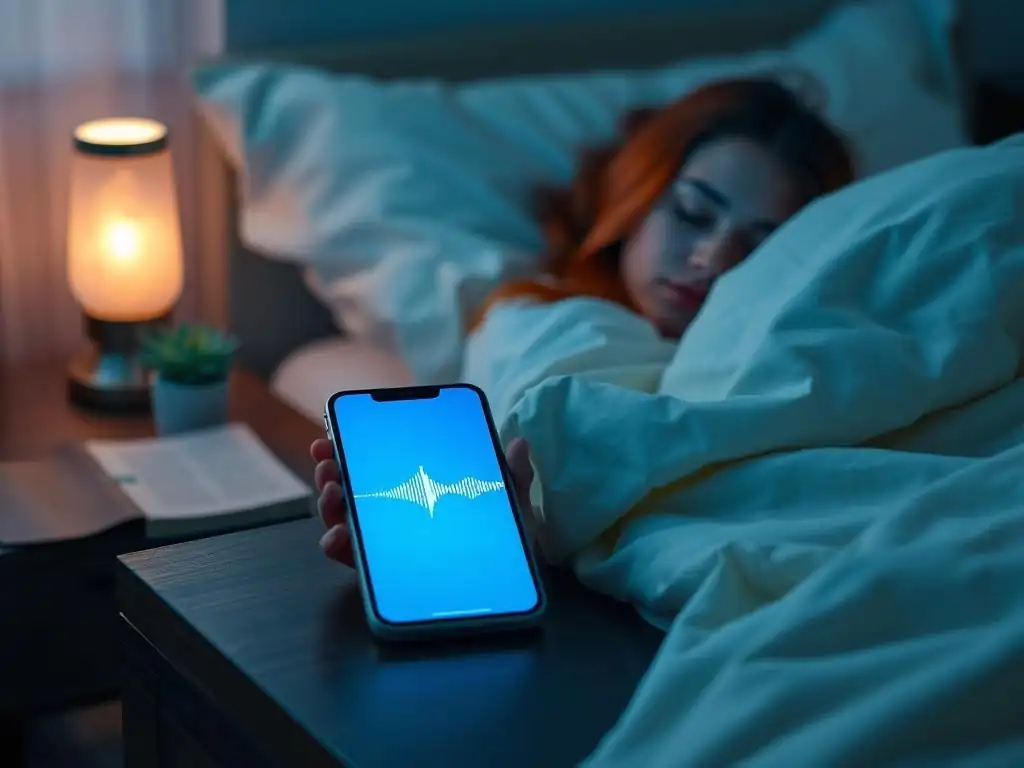
Welcome to Mind Care Guide, your compassionate companion on the path to mental well-being. Feeling overwhelmed by the cacophony of life, struggling to find that elusive peace at bedtime? You're not alone. We understand the yearning for restful sleep. Dive into our latest review, Sleep Sound App Benefits Review, and discover how technology can help you drown out the noise and unlock the restorative power of a good night's sleep. Could the key to calmer days be just a download away? Let's explore together...
Drown Out Noise: The Best Sleep Sound Apps for Restful Nights | Mind Care Guide
- Sleep Sound App Benefits: Finding Your Peaceful Night's Sleep
- Why Use a Sleep Sound App? Exploring the Benefits of Noise-Masking
-
Top Sleep Sound Apps: Reviews and Comparisons for 2024
- Calm: Guided Meditations and Sleep Stories for a Relaxing Bedtime Routine
- Headspace: Mindfulness and Meditation App with Sleep-Specific Content
- BetterSleep (formerly Relax Melodies): Customizable Soundscapes and Sleep Tracking
- White Noise Deep Sleep Sounds: Simple and Effective Ambient Noise Generator
- Pzizz: AI-Powered Sleep Soundscapes for Personalized Relaxation
- Choosing the Right Sleep Sound App: Factors to Consider
- Optimizing Your Sleep Environment: Combining Sound Apps with Other Strategies
- Mastering the Art of Noise Masking: Tips and Tricks for Effective Sleep
- Beyond Apps: Alternative Sound Therapy Options for Better Sleep
- Conclusion: Embrace Sleep Sound Apps for Improved Mental Well-being and Restful Sleep.
-
Frequently Asked Questions
- What are the primary benefits of using a sleep sound app?
- How do I choose the best sleep sound app for my needs?
- Are sleep sound apps scientifically proven to improve sleep?
- Can sleep sound apps be used to treat insomnia or other sleep disorders?
- Are there any potential drawbacks to using sleep sound apps regularly?
- Final Reflection: Finding Your Silent Oasis in a Noisy World
- Unlock Your Best Sleep Yet!
Sleep Sound App Benefits: Finding Your Peaceful Night's Sleep
Achieving consistent, restorative sleep is fundamental to overall mental well-being. In a world filled with constant distractions and unpredictable noises, finding a peaceful environment for sleep can be a challenge. This is where a sleep sound app can become an invaluable tool, offering a digital sanctuary of calming audio designed to help you drift off. This article provides a comprehensive sleep sound app benefits review, exploring how these tools work and highlighting some of the top options available today to support your journey towards better sleep.
Using a sleep sound app isn't just about playing pleasant noises; it's a strategic approach to managing your auditory environment. Whether you live in a noisy urban area, have a partner who snores, or simply find your mind racing in silence, a sleep sound app can create a consistent, predictable soundscape that promotes relaxation and blocks out disruptive external sounds. The benefits extend beyond simple noise masking, impacting your mental state and potentially alleviating common sleep issues.
Why Use a Sleep Sound App? Exploring the Benefits of Noise-Masking
The quest for quality sleep often leads us to explore various methods, from adjusting our diet to changing our bedtime routines. For many, the key lies in controlling the auditory environment. A sleep sound app offers a portable and versatile solution, providing access to a wide range of sounds specifically curated for sleep and relaxation, right from your smartphone or tablet. Let's delve deeper into the specific advantages these applications offer.
Beyond convenience, the deliberate use of specific sounds for sleep taps into psychological and physiological responses that can significantly improve sleep quality. Understanding the mechanisms at play helps appreciate why a sleep sound app is more than just a novelty; it's a practical tool for improving sleep hygiene and fostering a calmer state of mind before bed.
Understanding the Science Behind Sleep Sound Apps and Noise Reduction
The primary mechanism behind many sleep sound apps is noise masking. This isn't about cancelling noise, but rather introducing a consistent, ambient sound that makes disruptive noises less noticeable. Imagine a sudden car horn outside your window – it's jarring because it's a sharp change in the sound environment. A constant, low-level sound, like white noise or rain, raises the baseline ambient noise level.
This makes sudden, intermittent sounds less likely to wake you because the contrast between the disruptive noise and the background sound is reduced. Research into white noise, for instance, has shown its effectiveness in clinical settings, such as hospital environments, where it helps patients sleep despite fluctuating noise levels. Studies indicate that consistent, non-varying sounds can help the brain filter out sudden auditory spikes that would otherwise trigger an arousal response.
Another scientific principle involves the psychological association of certain sounds with relaxation and safety. Nature sounds, like ocean waves or gentle rain, are often perceived as non-threatening and calming, potentially lowering stress hormones like cortisol. Furthermore, repetitive or monotonous sounds can help quiet a racing mind, a common barrier to falling asleep.
This effect is partly due to the brain's tendency to habituate to constant stimuli; once the sound becomes predictable, the brain pays less attention to it, allowing mental chatter to subside. Some apps also incorporate binaural beats or isochronic tones, which are designed to influence brainwave activity towards states associated with relaxation or sleep, although the scientific evidence for their direct impact on sleep is still a subject of ongoing research.
Benefits of Using Sleep Sound Apps for Mental Wellness and Stress Reduction
Poor sleep is intrinsically linked to diminished mental wellness, often exacerbating symptoms of stress, anxiety, and even depression. A significant benefit of using a sleep sound app is its positive impact on your mental state. By creating a predictable and soothing auditory environment, these apps help reduce the psychological arousal that often prevents sleep. Lying in bed in silence can sometimes amplify internal anxieties and thoughts, making it harder to relax. A gentle soundscape provides a focus point that can distract from negative thought loops and promote a sense of peace and security, essential for winding down.
The act of incorporating a sleep sound app into a bedtime routine can also become a powerful signal to your brain that it's time to transition into sleep mode. This ritualistic use helps condition your mind and body to relax upon hearing specific sounds, reinforcing a healthy sleep-wake cycle.
For individuals struggling with stress, the simple act of choosing a calming sound, whether it's gentle music, nature sounds, or ambient noise, can be a mindful activity that shifts focus away from daily worries and towards the present moment, fostering a sense of calm before sleep. Many users report feeling less stressed about falling asleep when they have a reliable tool like a sleep sound app to help them relax.
Addressing Common Sleep Problems with Sound Therapy: Insomnia and Anxiety Relief
Insomnia, characterized by difficulty falling or staying asleep, affects a significant portion of the population. Sound therapy, as delivered by a sleep sound app, can be a non-pharmacological aid for many experiencing this challenge. For those whose insomnia is triggered by environmental noise, the noise-masking effect is direct and effective.
For individuals whose insomnia stems from a racing mind or anxiety about not being able to sleep, the calming and distracting qualities of soundscapes or guided meditations within these apps can be particularly helpful. By providing a consistent, soothing backdrop, the apps can help quiet the mental noise associated with sleep anxiety, making it easier to relax and eventually fall asleep. While not a cure-all, it's a valuable tool in a multi-faceted approach to managing insomnia.
Anxiety is a major contributor to sleep disturbances. The cyclical relationship between anxiety and poor sleep means that managing one often helps the other. Sleep sound apps specifically designed with relaxation in mind offer features like guided breathing exercises, body scans, and sleep-focused meditations, in addition to sound libraries.
These features directly target the physiological symptoms of anxiety, such as a racing heart and shallow breathing, promoting a state of calm conducive to sleep. For example, listening to a gentle rain sound combined with a guided relaxation script can significantly reduce pre-sleep worry. Many users who experience anxiety find that having a reliable sleep sound app helps them feel more in control of their bedtime routine and less apprehensive about the prospect of another sleepless night.
Top Sleep Sound Apps: Reviews and Comparisons for 2024
The market for sleep sound apps has grown significantly, offering a wide variety of features and approaches. Choosing the right one depends on individual needs and preferences. Here's a look at some of the most popular and highly-regarded sleep sound apps available in 2024, providing a brief sleep sound app benefits review for each.
Each of these apps takes a slightly different approach to promoting sleep, whether through extensive sound libraries, guided content, or unique features. Understanding their core offerings can help you determine which one might best fit into your personal sleep improvement strategy.
Calm: Guided Meditations and Sleep Stories for a Relaxing Bedtime Routine
Calm is one of the most well-known mental wellness apps, with a strong focus on sleep content. It offers a vast library designed to help users relax and fall asleep, making it a comprehensive sleep sound app. Its signature feature, Sleep Stories, are soothing bedtime tales read by calm voices, often celebrities, designed to lull listeners to sleep.
- Features
- Extensive library of Sleep Stories
- Guided meditations focused on sleep and relaxation
- Large collection of nature sounds and ambient music
- Breathing exercises
- Daily Calm sessions
- Pricing
- Offers a limited free version with some basic sounds and meditations.
- Premium subscription (Calm Premium) typically costs around $15 per month or $70 per year, offering full access to all content.
- Unique Benefit
- Known for its high-quality production value, particularly its popular and engaging Sleep Stories narrated by well-known personalities, which are effective at distracting a busy mind.
Headspace: Mindfulness and Meditation App with Sleep-Specific Content
Headspace is primarily a mindfulness and meditation app, but it features a substantial and growing library of content dedicated specifically to sleep. Its approach integrates mindfulness techniques with audio designed for sleep.
- Features
- Sleepcasts (audio experiences that guide you through a relaxing visualization)
- Sleep music and soundscapes
- Guided meditations for sleep
- Wind Downs (short exercises to prepare for sleep)
- Mindfulness exercises for daily stress reduction
- Pricing
- Offers a free trial and a limited free plan.
- Premium subscription (Headspace) typically costs around $13 per month or $70 per year for full access.
- Unique Benefit
- Its strength lies in integrating sleep tools within a broader mindfulness framework, offering not just sounds but also techniques to quiet the mind through meditation, guided by consistent and friendly narration.
BetterSleep (formerly Relax Melodies): Customizable Soundscapes and Sleep Tracking
BetterSleep is a popular app specifically focused on sleep, offering a wide array of customizable sound options. It evolved from Relax Melodies and has expanded its features significantly over the years.
- Features
- Large library of sounds (nature, ambient, white noise, etc.)
- Ability to mix and layer sounds to create personalized soundscapes
- Guided meditations and bedtime stories
- Sleep tracking capabilities
- Content for napping and relaxation
- Pricing
- Offers a free version with a selection of sounds.
- Premium subscription (BetterSleep Premium) typically costs around $10 per month or $60 per year for full access to all sounds, stories, meditations, and tracking features.
- Unique Benefit
- Its key strength is the extensive customization of soundscapes, allowing users to precisely tailor the auditory environment to their preferences by mixing multiple sounds simultaneously.
White Noise Deep Sleep Sounds: Simple and Effective Ambient Noise Generator
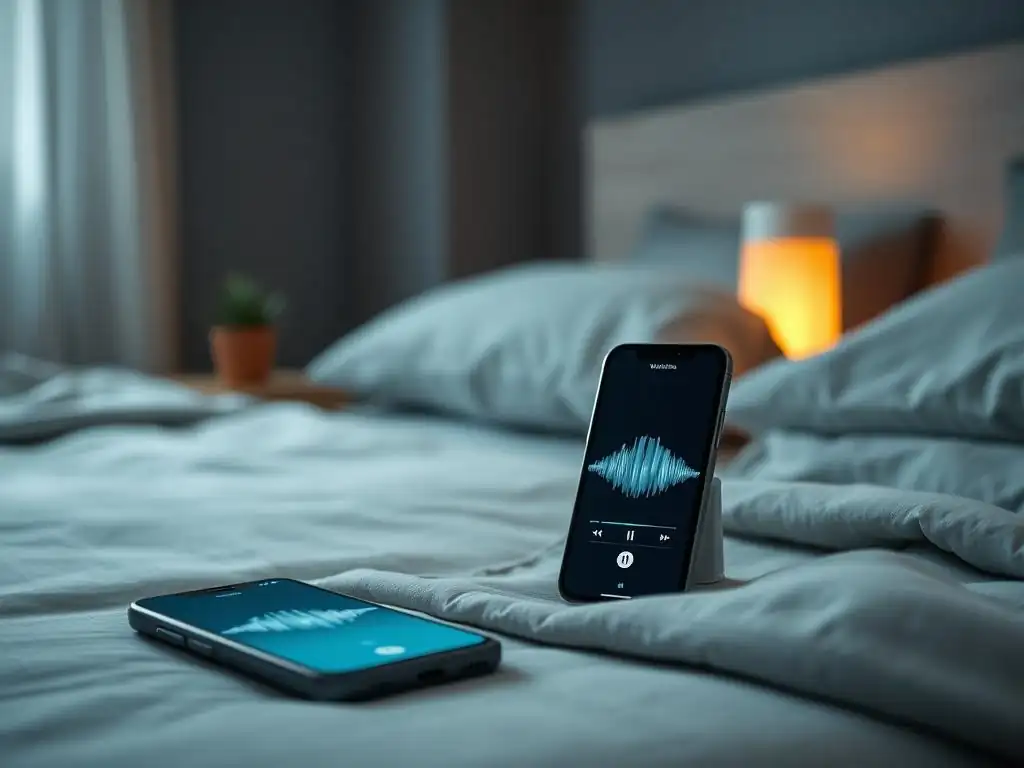
This app focuses primarily on providing a wide variety of ambient noises, particularly different types of white noise and fan sounds. It's designed to be straightforward and effective for noise masking.
- Features
- Large collection of ambient noises (white noise, pink noise, brown noise, fan sounds)
- Nature sounds and atmospheric sounds
- Simple interface
- Sleep timer
- Ability to mix some sounds
- Pricing
- Offers a free version with ads and a limited sound selection.
- A paid version or subscription typically costs a few dollars per month or around $20-30 for a lifetime purchase, removing ads and unlocking more sounds.
- Unique Benefit
- Its simplicity and focus on pure ambient noise, especially variations of white noise, make it highly effective for users whose primary need is consistent noise masking rather than guided content or stories.
Pzizz: AI-Powered Sleep Soundscapes for Personalized Relaxation
Pzizz takes a unique approach by using an algorithm to create dynamic, ever-changing soundscapes rather than relying on static loops. It aims to prevent the brain from habituating to the sound, keeping it effective.
- Features
- Algorithmically generated sleep and nap modules
- Dreamscape feature for vivid dreams (optional)
- Focus module for concentration during the day
- Voiceover options (male/female, on/off)
- Customizable session length
- Pricing
- Offers a free version with basic functionality.
- Premium subscription (Pzizz Pro) typically costs around $10 per month or $50 per year.
- Unique Benefit
- Its core innovation is the use of an algorithm to generate unique, non-repeating sound sequences for each session, which is intended to be more effective over time than static loops.
Choosing the Right Sleep Sound App: Factors to Consider
Selecting the best sleep sound app for your needs involves more than just picking the most popular one. It requires considering what specific challenges you face with sleep and what features will genuinely help you overcome them. A thoughtful approach ensures you invest time and potentially money into a tool that will be most effective for your personal sleep journey.
Taking the time to evaluate different options based on key criteria can make a significant difference in finding an app that you'll use consistently and benefit from. Consider these factors before making your choice.
Identifying Your Sleep Needs: What Type of Sounds Work Best for You?
Understanding the root cause of your sleep difficulties is the first step. Are you primarily bothered by external noises like traffic or neighbors? If so, white noise or fan sounds might be most effective for their noise-masking capabilities. Do you struggle with a busy mind and anxiety at bedtime? Guided meditations, calming music, or nature sounds might be more beneficial. Some people find repetitive sounds soothing, while others prefer more complex soundscapes or even spoken content like Sleep Stories. It might take some experimentation to discover which type of sound resonates most with you and helps you relax.
For instance, someone living in a city apartment might find brown noise, which is deeper than white noise, more effective at blocking out low-frequency sounds like traffic rumble. Conversely, someone dealing with general stress might find the gentle lapping of waves or soft piano music more conducive to relaxation.
Many sleep sound apps offer free trials or basic free versions that allow you to sample different sound types before committing to a subscription, which is an excellent way to identify your preferences. Pay attention not just to what sounds you like, but which ones actually help quiet your mind and make you feel sleepy.
Evaluating Features: Sound Variety, Customization, and Sleep Tracking
Beyond just the type of sounds offered, the breadth and depth of features are crucial. A wide variety of sounds ensures you won't get bored and can find the perfect fit for different nights or moods. Customization options, such as the ability to mix multiple sounds and adjust their volumes independently, allow you to create a truly personalized auditory environment. Some apps offer specific mixing features that let you layer, say, rain, distant thunder, and a subtle fan noise, tailoring the soundscape precisely to your liking.
Additional features like sleep timers are standard and necessary, ensuring the sound turns off after you've likely fallen asleep. Sleep tracking integration can be helpful for monitoring how different sounds or routines impact your sleep quality, though the accuracy of app-based tracking varies. Guided content, such as meditations, breathing exercises, or bedtime stories, adds another dimension, offering active techniques for relaxation rather than just passive listening. Consider which of these features are essential for your needs and which are less important when comparing options.
Comparing Pricing Models: Free vs. Subscription-Based Options
Sleep sound apps typically come in two main pricing models: free with limited content and ads, or subscription-based unlocking full features. Free versions are great for trying out the app and its basic sound library, but they often lack the breadth of content, customization options, and can be interrupted by advertisements, which is counterproductive for relaxation. Premium subscriptions, while an investment, offer complete access to extensive sound libraries, guided content, advanced mixing tools, and an ad-free experience.
Subscription costs can vary significantly, from around $5-10 per month to over $70 annually for premium services. Some apps offer lifetime purchase options, which can be cost-effective if you plan to use the app long-term. Weigh the cost against the features offered and how much value you anticipate getting from the premium content. If you find a free version significantly improves your sleep, the investment in a subscription for full access might be well worth the cost for the enhanced benefits and uninterrupted experience.
Considering User Reviews and Ratings: Real-World Experiences
While app descriptions highlight features, user reviews and ratings provide invaluable insights into real-world performance and satisfaction. Check app store ratings and read comments to understand common experiences. Do users report that the sounds loop noticeably? Are there technical glitches? Is the promised variety of sounds actually high quality? Pay attention to feedback regarding the effectiveness of sounds for sleep, the ease of use, and the quality of customer support.
Look for patterns in reviews. If multiple users complain about the same issue, like sounds cutting out or subscriptions being difficult to cancel, it's a red flag. Conversely, consistent positive feedback about specific features, such as the effectiveness of Sleep Stories or the quality of sound mixing, can help validate the app's claims. While individual preferences vary, collective user experiences offer a broader perspective on an app's reliability and overall effectiveness as a sleep sound app.
Optimizing Your Sleep Environment: Combining Sound Apps with Other Strategies
A sleep sound app is a powerful tool, but it works best when integrated into a holistic approach to sleep hygiene. Your physical sleep environment plays a critical role in how well you sleep, regardless of what sounds you're listening to. Combining the benefits of a sleep sound app with an optimized bedroom setting creates the most conducive conditions for restful sleep.
Addressing factors like light, temperature, and comfort amplifies the effectiveness of sound therapy. Think of the app as one layer of a multi-layered strategy designed to signal to your body and mind that it's time to rest deeply.
The Importance of a Dark, Quiet, and Cool Bedroom
Creating an ideal sleep environment involves controlling light, noise (beyond what your app provides), and temperature. Your bedroom should be as dark as possible, as light exposure can disrupt melatonin production, the hormone that regulates sleep. Blackout curtains or eye masks can be very effective. While a sleep sound app helps mask noise, minimizing disruptive sounds from the source where possible is also beneficial. Closing windows, using earplugs if needed, or ensuring your bedroom is away from noisy areas can help.
Temperature is also crucial. Most sleep experts recommend keeping the bedroom cool, typically between 60-67 degrees Fahrenheit (15-19 degrees Celsius). A cooler environment helps your body's core temperature drop, which is a natural part of the sleep process. Ensuring your mattress and pillows are comfortable and supportive also prevents physical discomfort that could interrupt sleep. By controlling these environmental factors, you create a foundation upon which your sleep sound app can build, making its relaxing effects even more potent.
Creating a Relaxing Bedtime Routine
A consistent bedtime routine signals to your body that it's time to wind down and prepare for sleep. Incorporating your sleep sound app into this routine can strengthen its effectiveness. About 30-60 minutes before you plan to sleep, start your routine. This might include activities like taking a warm bath, reading a physical book (avoiding blue light from screens), gentle stretching, or meditation.
Adding your sleep sound app to this sequence – perhaps listening to a guided meditation or starting your chosen soundscape while you prepare for bed – helps create a clear transition from your waking day to sleep time. Over time, simply starting the app can become a powerful cue for your body to begin relaxing. Consistency is key; performing this routine at roughly the same time each night, even on weekends, helps regulate your body's internal clock.
Integrating Sleep Sound Apps with Smart Home Devices
For those with smart home setups, integrating a sleep sound app can enhance the automation of your bedtime routine. Many apps offer compatibility with smart speakers (like Amazon Echo or Google Home) or can be controlled via smart home platforms. This allows you to start your preferred soundscape or meditation with a simple voice command or as part of an automated "goodnight" scene that simultaneously dims lights and adjusts the thermostat.
For example, you could set up a routine where saying "Goodnight" triggers your smart lights to dim to a warm, low level, adjusts the thermostat to your preferred sleep temperature, and starts playing your favorite rain sounds from your sleep sound app on a connected speaker. This level of integration makes the transition to sleep effortless and seamless, reinforcing the positive association with your bedtime environment and the use of your sleep sound app.
Mastering the Art of Noise Masking: Tips and Tricks for Effective Sleep
Simply opening a sleep sound app and pressing play is a start, but optimizing its use can significantly improve its impact on your sleep quality. Experimentation and attention to detail are key to finding the perfect settings and sounds that work best for you. Mastering the art of using a sleep sound app involves more than just selecting a sound; it's about tailoring the experience to your specific needs and environment.
From adjusting the volume to understanding how different sounds interact, these tips can help you get the most out of your sleep sound app and achieve truly restful nights.
Finding the Perfect Sound Level: Balancing Comfort and Effectiveness
The volume of your sleep sound app is critical. The goal is not to blast away external noise, but to create a consistent, comfortable background sound that masks disruptive peaks. The optimal volume is usually just loud enough that sudden external noises (like doors closing or traffic) become less jarring, but not so loud that the masking sound itself is distracting or uncomfortable. A common guideline is to set the volume slightly above the level of the disruptive noise you're trying to mask, but below the volume of typical conversation.
Experiment over a few nights. If you can still hear external noises clearly and they're waking you, the volume might be too low. If the sound from the app is keeping you awake or causing discomfort, it's too high. Pay attention to whether you're still aware of the masking sound after you've settled down – ideally, it should fade into the background. The perfect level is often a subtle balance that requires fine-tuning based on your environment and personal sensitivity.
Experimenting with Different Sound Combinations
Most advanced sleep sound apps allow you to mix multiple sounds. This is a powerful feature for creating a highly personalized and effective soundscape. Don't be afraid to experiment with different combinations. You might find that a base layer of white noise is excellent for masking, but adding a subtle layer of rain or distant thunder provides a more relaxing quality. Some people find that mixing a 'fan' sound with a nature sound like 'forest creek' creates a unique blend that works perfectly for them.
Consider the type of noise you're trying to mask. Low-frequency noises like traffic might be better masked by brown noise or fan sounds, while intermittent high-frequency sounds might be better handled by white noise. Layering these base sounds with calming ambient sounds like music, chimes, or nature sounds can create a richer, more pleasant experience that also helps with relaxation. Take advantage of the customization features to build your ideal auditory environment for sleep.
Troubleshooting Common Issues: Sound Fatigue and Discomfort
While sleep sound apps are beneficial, some users might experience issues like "sound fatigue," where a static sound becomes noticeable and bothersome after a while, or discomfort from using earbuds all night. If you find yourself becoming overly aware of a looping sound, consider switching to an app with non-looping or algorithmically generated soundscapes (like Pzizz) or trying sounds that are naturally more varied, like ocean waves. Adjusting the combination and balance of mixed sounds can also help keep the soundscape fresh and non-distracting.
If you use headphones or earbuds, ensure they are comfortable for side sleeping if that's your preference. Specialized sleep headphones that are flat and soft are available and can make listening through the night much more comfortable than standard earbuds. For discomfort, consider using a speaker placed a safe distance from your bed instead. If a particular sound consistently makes you feel more anxious or restless rather than calm, simply switch to a different one. The wide variety of options means you should be able to find sounds that are genuinely soothing for you.
Beyond Apps: Alternative Sound Therapy Options for Better Sleep
While sleep sound apps offer convenience and versatility, they are not the only way to incorporate sound therapy into your sleep routine. Depending on your needs and preferences, dedicated hardware or exploring different types of audio content might be a better fit.
Exploring these alternatives can provide different benefits, such as dedicated noise masking or a more immersive listening experience, complementing or replacing the use of smartphone apps.
White Noise Machines: A Dedicated Solution for Noise Reduction
For individuals whose primary sleep challenge is consistent environmental noise, a dedicated white noise machine can be a highly effective alternative to a sleep sound app. These devices are specifically designed to produce consistent, non-looping ambient noise. Unlike a phone playing through a small speaker, many dedicated machines feature high-quality speakers that produce a richer, more robust sound, which can be more effective at masking noise, particularly lower frequencies.
White noise machines often offer a selection of ambient noises (white, pink, brown noise, fan sounds) and are simple to operate, typically just requiring a power outlet. They don't rely on a phone's battery or require navigating an app interface, making them a straightforward, reliable solution for creating a stable sound environment throughout the night. For many, the simplicity and dedicated function of a white noise machine make it preferable to using a smartphone app solely for sound generation.
Sleep Headphones: Listening to Sound Apps Comfortably in Bed
If you share a bed or live with others and need to use a sleep sound app without disturbing them, or if you find listening directly through headphones more immersive, specialized sleep headphones are a valuable alternative to regular earbuds. These are often designed as soft headbands with flat, integrated speakers, making them comfortable to wear while lying down, even on your side.
Using sleep headphones allows you to listen to your chosen soundscape, meditation, or Sleep Story at a volume that is effective for you without any sound leaking out. This is particularly useful for masking a partner's snoring or if you need a higher volume level to block out noise effectively. They connect wirelessly via Bluetooth to your phone or tablet, giving you the freedom to use any sleep sound app you prefer while maintaining comfort throughout the night.
Nature Sounds and ASMR: Exploring Alternative Relaxation Techniques
Beyond standard white noise or ambient sounds, exploring specific types of audio content can also aid sleep. High-quality recordings of nature sounds, like distant thunderstorms, forest ambiance, or gentle streams, offer a more dynamic and often deeply relaxing auditory experience than static noise. Many sleep sound apps include extensive nature sound libraries.
Another increasingly popular option is ASMR (Autonomous Sensory Meridian Response) content. ASMR videos or audio feature gentle sounds like whispering, tapping, or brushing, which trigger a tingling sensation in some listeners and promote deep relaxation. While not strictly a sleep sound app feature, many meditation and sleep apps are starting to incorporate ASMR-like sounds or guided content. Exploring these alternative audio styles can provide new avenues for relaxation and distraction from pre-sleep anxiety, helping you find what resonates most effectively with your personal preferences for drifting off.
Conclusion: Embrace Sleep Sound Apps for Improved Mental Well-being and Restful Sleep.
In the pursuit of better sleep and enhanced mental wellness, a sleep sound app stands out as a practical, accessible, and effective tool. This sleep sound app benefits review has explored how these applications leverage the science of noise masking and the power of soothing sounds to create an environment conducive to rest. By helping to block out disruptive noises, quiet a busy mind, and reduce pre-sleep anxiety, sleep sound apps contribute significantly to achieving consistent, high-quality sleep.
Whether you choose an app focusing on guided content like meditations and stories, one offering extensive sound customization, or a simple white noise generator, integrating a sleep sound app into your nightly routine can be a transformative step. Combined with optimizing your physical sleep environment and establishing relaxing bedtime habits, a sleep sound app empowers you to take control of your sleep experience. Embrace the potential of sound therapy and discover how the right sleep sound app can help you drown out the noise and welcome the restful nights you deserve, ultimately boosting your overall mental well-being.
Frequently Asked Questions
What are the primary benefits of using a sleep sound app?
Sleep sound apps primarily help to mask distracting noises and promote relaxation, leading to improved sleep quality. They can also reduce reliance on sleep medications.
How do I choose the best sleep sound app for my needs?
Consider factors like the variety of sound options, user reviews, offline accessibility, and any additional features such as sleep tracking or guided meditations. Experiment with free trials to find what works best.
Are sleep sound apps scientifically proven to improve sleep?
While individual results vary, studies suggest that white noise and other ambient sounds can reduce sleep onset latency and increase sleep duration by masking disruptive sounds. However, more research is ongoing.
Can sleep sound apps be used to treat insomnia or other sleep disorders?
Sleep sound apps can be a helpful tool for managing some insomnia symptoms, but they are not a replacement for professional medical advice or treatment. Consult a doctor for diagnosed sleep disorders.
Are there any potential drawbacks to using sleep sound apps regularly?
Potential drawbacks include habituation, where the sounds become less effective over time, and the risk of increased dependence on the app for sleep. Also, be mindful of volume levels to protect your hearing.
Final Reflection: Finding Your Silent Oasis in a Noisy World
The pursuit of quality sleep is no longer a luxury; it's a necessity in our increasingly frenetic world. The sheer volume of information, demands, and distractions vying for our attention makes achieving restful sleep a significant challenge. This article explored the burgeoning world of sleep sound apps, highlighting their potential to create a personalized sanctuary of calm amidst the chaos. We reviewed several apps, analyzing their features and effectiveness in helping users achieve better sleep.
The impact of consistent sleep deprivation on our mental and physical well-being is undeniable. It affects everything from our mood and productivity to our immune system and overall health. Sleep is the golden chain that ties health and our bodies together.
This quote, though ancient, rings truer than ever in our modern, sleep-deprived society. The rise in popularity of sleep sound apps reflects a growing awareness of this problem and a desire for accessible solutions to improve sleep quality. The apps themselves represent a fascinating intersection of technology and well-being, offering a personalized approach to a universal human need.
Consider the power you now hold in your hands. You've explored the options, you've learned about the benefits, and you've discovered the potential of these apps to transform your sleep. Don't just passively consume this information; actively choose to prioritize your sleep. Download an app, experiment with different soundscapes, and discover the unique sonic environment that helps you drift off peacefully. Invest in your well-being; your mind and body will thank you for it. Your journey to a more restful, rejuvenated you begins with a single download.
Unlock Your Best Sleep Yet!
Thanks for diving into the world of sleep sound apps with us! We hope you found the perfect sonic slumber solution amongst our reviews. Now it’s time to transform your nights into peaceful escapes.
- Download your top-choice app today: Take the first step towards more restful sleep. Don't just read about it – experience the difference!
- Share your sleep sanctuary setup: Tell us (and other Mind Care Guide readers!) which app you chose and why. What sounds help you drift off?
- Try a sleep meditation alongside your chosen soundscape: Combine the power of mindfulness with ambient noise for an even deeper sleep.
Ready to wake up feeling refreshed and ready to conquer your day?