
Find Your Emotional Compass: Why a Mood Tracking App Might Be Your Next Best Tool

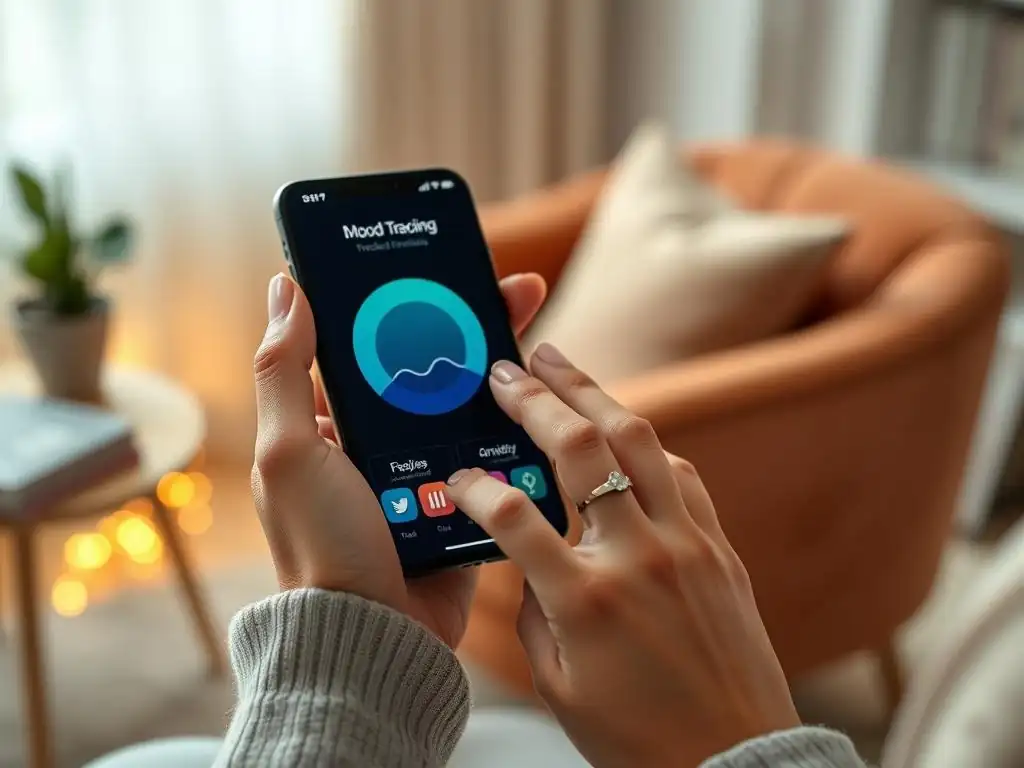
Welcome to Mind Care Guide, a safe space dedicated to nurturing your mental well-being. Feeling lost in the labyrinth of your emotions? You're not alone. Many seek clarity and control, and that journey often begins with understanding. This week, we delve into a powerful tool that can help you navigate those inner landscapes: mood tracking apps. Are you curious about the mood tracking app benefits and how they can empower you? Let's explore how these innovative resources can help you find your emotional compass and lead you towards a brighter, more balanced you. Dive in and discover the possibilities!
Find Your Emotional Compass: Why a Mood Tracking App Might Be Your Next Best Tool
- Understanding Emotional Imbalance: The Problem Mood Tracking Apps Solve
- Unlocking the Power of Self-Awareness: Mood Tracking App Benefits
- Choosing the Right Tool: Comparing Popular Mood Tracking Apps
-
Maximizing the Benefits: Tips and Tricks for Effective Mood Tracking
- Consistent Tracking is Key: Developing a Daily Mood Logging Habit
- Beyond the Basics: Using Journaling Prompts within Your Mood Tracker
- Identifying Trends: Analyzing Your Mood Data for Long-Term Insights
- Sharing with Professionals: Using Mood Tracking Data to Enhance Therapy Sessions – Benefits and Precautions
- Real-Life Examples: How Mood Tracking Apps Have Changed Lives
- Beyond the App: Complementary Tools for Enhanced Mental Well-being
- Investing in Your Emotional Health: The Long-Term Value of Mood Tracking
-
Frequently Asked Questions
- What exactly is a mood tracking app, and how does it work?
- What are the primary benefits of using a mood tracking app for mental well-being?
- Can a mood tracking app replace therapy or medication for mental health conditions?
- How do I choose the right mood tracking app for my individual needs and preferences?
- How frequently should I use a mood tracking app to experience noticeable benefits?
- Final Reflection: Navigating the Inner Landscape with Technology
- Unleash Your Inner Wellness Guru: Take Control of Your Mood Today!
Understanding Emotional Imbalance: The Problem Mood Tracking Apps Solve
Identifying the Roots of Unstable Moods: Beyond Surface-Level Feelings
Many people experience fluctuations in their emotional state, often dismissing them as just "having a bad day" or being "stressed." However, persistent or extreme shifts in mood can indicate underlying issues that require deeper understanding. These roots might include chronic stress from work or personal life, hormonal changes, poor sleep patterns, nutritional deficiencies, or even undiagnosed mental health conditions like anxiety or depression. Without a structured way to observe these shifts, it's challenging to connect the dots between external factors or internal states and how they affect our emotional well-being.
Surface-level feelings are merely symptoms; the true causes are often buried beneath daily routines and unnoticed patterns. For instance, someone might feel irritable every Tuesday afternoon but never realize it correlates with a particularly demanding weekly meeting or insufficient sleep the night before.
A mood tracking app provides a framework to record not just the feeling itself, but also potential contributing factors like sleep duration, social interactions, diet, or significant events. This systematic recording helps individuals move beyond simply labeling a mood and start identifying the specific circumstances or behaviors that precede or accompany it, paving the way for targeted interventions and improved emotional stability.
The Vicious Cycle of Unrecognized Mood Swings and How They Impact Mental Well-being
Unrecognized or unaddressed mood swings can create a detrimental cycle that erodes mental well-being. Someone might experience a dip in mood, which leads to withdrawal from social activities. This isolation then exacerbates feelings of loneliness and sadness, further worsening the mood. This negative feedback loop can escalate, potentially impacting work performance, relationships, and overall quality of life. Without awareness of the pattern, it becomes difficult to break free from this cycle, as the individual may not understand why they are feeling a certain way or what behaviors are contributing to the decline.
Furthermore, persistent mood instability, when ignored, can sometimes mask or contribute to more significant mental health challenges. For example, frequent, intense mood swings might be indicative of conditions like Bipolar Disorder or Borderline Personality Disorder, while chronic low mood could signal Major Depressive Disorder.
Failing to recognize and track these patterns prevents timely intervention, which could involve lifestyle adjustments, therapy, or medication. A mood tracking app offers a non-judgmental space to document these fluctuations, providing crucial data that can help individuals and potentially their healthcare providers identify concerning patterns early and interrupt the vicious cycle before it causes more significant harm.
Feeling Lost? How a Mood Tracker Can Help You Regain Control
Feeling lost in a sea of emotions is a common experience when moods are unpredictable and their causes unclear. This lack of clarity can leave individuals feeling powerless over their emotional state, leading to frustration, anxiety, and a sense of being adrift. A mood tracker acts as an anchor in this uncertainty, offering a structured way to document and understand internal experiences. By prompting users to log their mood regularly, often multiple times a day, these apps encourage mindfulness and self-reflection, helping individuals become more attuned to how they are feeling in the moment.
Beyond simple logging, many mood tracking apps allow users to add context – activities, triggers, sleep, social interactions, etc. This rich data provides a tangible record of emotional experiences, transforming abstract feelings into observable patterns. Seeing these patterns laid out over days, weeks, or months can illuminate connections that were previously invisible.
For instance, a user might notice that their anxiety consistently spikes after consuming caffeine, or that their low moods correlate with skipping their morning walk. This newfound understanding empowers individuals by giving them concrete insights into their emotional landscape, enabling them to make informed choices and take proactive steps to influence their mood and regain a sense of control over their emotional well-being.
Unlocking the Power of Self-Awareness: Mood Tracking App Benefits
One of the most significant mood tracking app benefits is their ability to help users uncover hidden patterns and triggers that influence their emotional state. By consistently logging moods alongside daily activities, social interactions, sleep patterns, and other relevant factors, individuals create a personal data diary. Over time, this data can reveal correlations that might otherwise go unnoticed. For example, someone might discover that their irritability consistently increases on days they had less than six hours of sleep, or that spending time with a specific friend reliably improves their mood.
These revealed patterns are invaluable because they move beyond guesswork, providing empirical evidence of what affects one's mood. This understanding of triggers, whether positive or negative, is a cornerstone of emotional intelligence and self-care. It allows individuals to proactively manage their environment and behaviors – perhaps prioritizing sleep before a stressful day, avoiding certain situations known to cause distress, or intentionally scheduling activities that uplift their spirits. The benefits of mood tracking apps in this regard are profound, transforming vague feelings of being overwhelmed or down into actionable insights about specific influences.
Improved Emotional Regulation: Learning to Respond, Not React
Another key advantage among the mood tracking app benefits is the enhancement of emotional regulation skills. By tracking moods, individuals become more present and mindful of their emotional state as it is happening. This increased awareness creates a crucial pause between experiencing an emotion and reacting to it. Instead of being swept away by intense feelings like anger or anxiety, the act of noticing, labeling, and logging the emotion provides a moment for reflection. This moment is an opportunity to choose a thoughtful response rather than an impulsive reaction.
Furthermore, by identifying triggers and patterns, users can anticipate challenging emotional states and employ coping strategies proactively. For instance, if tracking reveals that public speaking consistently leads to anxiety, a user can prepare specifically for that situation using relaxation techniques learned from their tracking insights. The benefits of mood tracking apps lie not just in recording, but in using that record to build a library of personal emotional data. This data informs better decision-making in emotionally charged situations, helping individuals navigate their feelings with greater skill and composure.
Enhanced Self-Understanding: Connecting Moods to Behaviors and Thoughts
Mood tracking apps foster a deeper level of self-understanding by explicitly linking emotional states to accompanying behaviors and thoughts. Users are often prompted to add notes or journal entries detailing why they think they feel a certain way or what they were doing when their mood shifted. This practice encourages introspection and helps individuals see the intricate relationship between their internal world (thoughts, feelings) and their external actions. For example, tracking might show that feelings of inadequacy often arise after comparing oneself to others on social media, or that feelings of accomplishment correlate with completing a challenging task.
This enhanced self-understanding is a foundational benefit of mood tracking apps for personal growth. It helps individuals recognize unhelpful thought patterns (like catastrophizing or self-criticism) and understand how certain behaviors (like procrastination or avoidance) might perpetuate negative moods. Armed with this knowledge, individuals can begin to challenge distorted thoughts and modify counterproductive behaviors, leading to more positive emotional outcomes. The clarity gained from consistently connecting these dots empowers users to take deliberate steps towards cultivating a healthier mindset and lifestyle.
From Reactive to Proactive: Using Mood Data for Personal Growth
Moving from a reactive stance towards emotions to a proactive one is a powerful mood tracking app benefit. When individuals don't understand the roots of their moods, they are often simply reacting to their feelings – avoiding situations that cause distress, lashing out in anger, or withdrawing when feeling low. Mood tracking transforms this by providing data-driven insights that enable intentional action. Analyzing historical mood data allows users to identify personal trends, understand their resilience factors, and recognize early warning signs of declining mood before a crisis point is reached.
For example, historical data might show that consistently getting less than 7 hours of sleep for three consecutive nights reliably precedes a significant dip in mood. Armed with this insight, the user can proactively prioritize sleep, recognizing it as a crucial factor in maintaining their emotional stability.
Similarly, if tracking reveals that engaging in a hobby twice a week significantly boosts mood, the user can intentionally schedule that activity as a preventative measure against low spirits. This shift from reacting after a mood hits to acting before or during to influence it is a core advantage of using a mood tracking app for long-term personal growth and emotional well-being.
Choosing the Right Tool: Comparing Popular Mood Tracking Apps
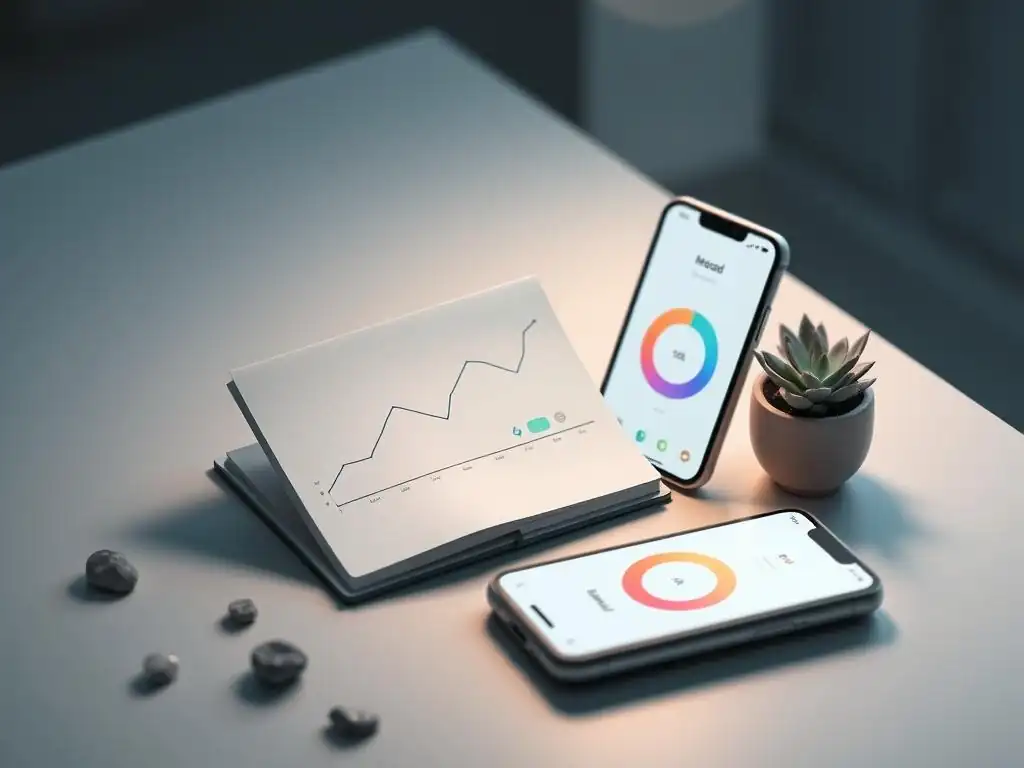
Daylio vs. Moodpath: A Feature-by-Feature Comparison
When exploring mood tracking app benefits, comparing popular options like Daylio and Moodpath is helpful, as they cater to different needs. Daylio is known for its simplicity and focus on activities. It uses a quick, icon-based system for logging mood and associated activities, making it fast and easy to maintain consistency. Users can customize activities extensively and view statistics showing how different activities correlate with mood over time.
It feels more like a micro-journal paired with mood logging. A typical user might log "great" mood, adding icons for "coffee," "work," and "walk in park." The app then shows, for instance, that "walk in park" is frequently associated with higher moods.
Moodpath, on the other hand, takes a more clinical approach, designed with input from mental health professionals. It typically prompts users three times a day with questions about their feelings and symptoms, providing structured assessments based on clinical questionnaires. After a period (often 14 days), it generates an assessment report that users can share with a therapist.
While perhaps less flexible for tracking arbitrary activities than Daylio, Moodpath offers deeper, guided reflection and data specifically geared towards identifying potential signs of depression and anxiety. The benefits of this mood tracking app are particularly strong for those seeking a tool to support professional mental health care.
Reflectly vs. eMoods Bipolar Mood Tracker: Which is Best for Bipolar Disorder?
Comparing Reflectly and eMoods highlights how specialized mood tracking apps can offer unique mood tracking app benefits for specific conditions. Reflectly positions itself as an AI-powered journal that helps users reflect on their day and understand their thoughts and feelings. It uses prompts and conversational AI to guide journaling, aiming to provide insights through reflection rather than just data logging. While it can certainly be used by anyone, its strength lies in deep, guided emotional processing and gaining perspective, which can be broadly beneficial but isn't tailored to specific diagnostic criteria.
eMoods Bipolar Mood Tracker, as its name suggests, is specifically designed for individuals managing Bipolar Disorder. Its logging features are tailored to track key indicators relevant to this condition, such as elevated mood, depressed mood, irritability, anxiety, and psychosis symptoms, alongside sleep, medication adherence, and stimulant use.
The app provides charts that clearly show the severity and duration of mood episodes over time, which is crucial for understanding illness progression and the impact of treatment. For someone managing Bipolar Disorder, the specific, clinically relevant mood tracking app benefits offered by eMoods, including data easily shareable with a psychiatrist, make it a potentially more suitable and powerful tool than a general reflection app like Reflectly.
The availability of both free and premium versions of mood tracking apps presents a choice that depends on individual needs and desired mood tracking app benefits. Free versions typically offer core functionality: basic mood logging, activity tagging, and simple charts showing mood trends over a limited period. This can be sufficient for many users who are just starting out or primarily want a quick way to note their general emotional state and identify obvious patterns. For example, a free app might show that moods are generally lower on weekdays than weekends, a basic but potentially useful insight.
Premium versions, accessed through subscriptions or one-time purchases (often ranging from approximately $5 to $10 per month or $40 to $70 per year), unlock advanced mood tracking app benefits. These often include detailed statistics and reports, unlimited entries, custom activity or factor tracking, integration with other health data (like sleep from wearables), backup options, and more in-depth analysis features.
For users who are serious about deep self-monitoring, managing a complex condition, or want comprehensive data to share with a therapist, the additional features and analytical power of a premium version can be well worth the cost, providing richer insights and greater control over their data.
Key Considerations When Selecting a Mood Tracking App: Privacy, Features, and Ease of Use
When choosing a mood tracking app, several factors are paramount to ensure the best mood tracking app benefits for your needs. Privacy is perhaps the most critical consideration. Given the sensitive nature of the data being logged – personal feelings, activities, and potentially health information – it is essential to choose an app with a clear and robust privacy policy.
Look for apps that explain how your data is stored, whether it's encrypted, if it's shared with third parties (and for what purpose), and how you can export or delete your data. Some apps offer local-only storage or strong encryption, which can provide greater peace of mind.
Beyond privacy, evaluate the features offered. Does the app allow you to track the specific factors you believe influence your mood (sleep, diet, exercise, social interaction, work, etc.)? Are the logging options flexible enough (quick taps, detailed notes, customizable activities)? Does it provide the type of analysis you need (simple charts, detailed statistics, trigger identification)?
Finally, consider ease of use. An app that is clunky or time-consuming to use is unlikely to be used consistently, negating potential mood tracking app benefits. Try the free version or trial period if available to ensure the interface is intuitive and fits seamlessly into your daily routine, encouraging consistent logging which is key to gaining valuable insights.
Maximizing the Benefits: Tips and Tricks for Effective Mood Tracking
Consistent Tracking is Key: Developing a Daily Mood Logging Habit
The most fundamental principle for unlocking the full mood tracking app benefits is consistency. Logging your mood daily, and ideally multiple times a day (e.g., morning, afternoon, evening), provides a more complete picture of your emotional fluctuations. Sporadic entries offer limited insights and make it difficult to identify reliable patterns or triggers.
Think of it like tracking weather patterns – a single day's data tells you little about the climate. Aim for logging at least once per day, perhaps setting a reminder on your phone or linking it to an existing habit like brushing your teeth or drinking your morning coffee.
Developing this habit might take conscious effort initially, perhaps for about 2-4 weeks, similar to establishing any new routine. Start simple; just log the mood itself. Once that feels natural, gradually add more detail like activities or brief notes. The goal is to make logging a seamless part of your day, not a chore. The richer and more consistent your data, the more accurate and useful the insights provided by the mood tracking app will be, significantly amplifying the potential benefits of mood tracking apps for your self-understanding and emotional regulation.
Beyond the Basics: Using Journaling Prompts within Your Mood Tracker
While quick logging is essential for consistency, utilizing journaling features or prompts within your mood tracker can significantly deepen the mood tracking app benefits. Instead of just selecting "anxious," take a moment to write why you feel anxious, what thoughts are going through your mind, or what happened just before. Many apps offer guided prompts or simply a free-text field for this purpose. This qualitative data adds crucial context to the quantitative mood rating. For example, logging a "neutral" mood alongside a note about a successful presentation at work provides a much richer understanding than the mood rating alone.
This practice encourages deeper reflection and helps connect your moods not just to external activities but also to your internal narrative – your thoughts, beliefs, and interpretations of events. Over time, reviewing these journal entries alongside your mood data can reveal patterns in your thinking that influence your feelings, such as negative self-talk or rumination. This level of insight moves beyond simple correlation and into understanding the mechanisms behind your emotional responses, making the benefits of mood tracking apps far more transformative for personal growth and therapeutic work.
Identifying Trends: Analyzing Your Mood Data for Long-Term Insights
Mere data collection is only the first step; the real mood tracking app benefits emerge from analyzing the data to identify trends over time. Most apps provide charts and graphs showing your mood distribution, average mood over a period, and correlations with activities or factors. Look for recurring patterns: Are your moods consistently lower on certain days of the week? Do specific activities reliably precede dips or spikes in mood? Is there a correlation between your sleep duration and your mood the next day?
Analyzing data over weeks and months allows you to see the bigger picture beyond daily fluctuations. You might discover seasonal patterns, notice the cumulative effect of chronic stressors, or confirm the positive impact of healthy habits. For instance, reviewing three months of data might clearly show that your anxiety levels decrease significantly on weeks you engage in regular exercise. This long-term perspective provides actionable insights, enabling you to make informed decisions about lifestyle changes, routine adjustments, or trigger avoidance strategies based on evidence from your own life, thus maximizing the benefits of mood tracking apps for sustained well-being.
Sharing mood tracking data with a therapist or counselor can significantly enhance the effectiveness of therapy sessions, offering unique mood tracking app benefits in a clinical context. Objective data about mood fluctuations, triggers, and the impact of coping strategies provides valuable information that self-report from memory alone might miss or distort. For example, a client might report feeling "generally okay," but their mood data could show significant dips on specific days correlated with certain stressors, providing the therapist with concrete examples to explore. This data helps therapists identify patterns, track progress, and tailor interventions more precisely.
- Benefits:
- Provides objective data points for discussion.
- Helps identify specific triggers and patterns.
- Tracks the effectiveness of coping strategies or treatments.
- Facilitates more focused and productive therapy sessions.
- Acts as a collaborative tool between client and therapist.
- Precautions:
- Discuss with your therapist before sharing data to ensure it's helpful and aligns with their approach.
- Ensure the app allows secure data export or sharing.
- Be mindful of privacy; understand how the app handles your data if using its sharing features.
- Remember the data is a tool, not a replacement for open communication about your feelings and experiences.
The benefits of mood tracking apps when integrated into therapy include a more informed and collaborative approach to treatment, but it's crucial to use this tool responsibly and in consultation with your mental health professional.
Real-Life Examples: How Mood Tracking Apps Have Changed Lives

Case Study: Overcoming Anxiety with the Help of Mood Tracking
Consider the case of "Sarah," who struggled with chronic anxiety that felt unpredictable and overwhelming. She often experienced panic attacks but couldn't pinpoint what triggered them. Sarah started using a mood tracking app, diligently logging her anxiety levels multiple times a day and noting accompanying factors like her location, who she was with, what she had eaten, and her sleep quality the previous night. After about six weeks of consistent tracking, a clear pattern emerged: her anxiety levels were consistently highest on days she skipped her morning meditation and consumed more than one cup of coffee.
Armed with this insight, one of the tangible mood tracking app benefits she experienced, Sarah began making intentional changes. She committed to a 10-minute meditation practice every morning and switched to decaf coffee after her first cup. Over the next two months, her app data showed a significant reduction in the frequency and intensity of her anxiety spikes. She felt more in control, no longer fearing unpredictable panic attacks but understanding specific, manageable triggers. This example illustrates how tracking can transform vague feelings into actionable insights, leading to real improvements in managing a challenging condition like anxiety.
Testimonial: Managing Bipolar Disorder with a Mood Tracker
"David," diagnosed with Bipolar Disorder, found managing his mood swings incredibly challenging, often struggling to recognize the transition between depressive and manic episodes. He began using a specialized mood tracking app designed for Bipolar Disorder, logging his mood (on a scale from severely depressed to severely elevated), sleep duration, medication taken, and energy levels daily. The app's charts provided a visual history of his mood over several months, highlighting the cyclical nature of his episodes and how they correlated with changes in sleep and medication adherence.
David shared this data with his psychiatrist during appointments. This objective record helped his doctor fine-tune his medication dosage and timing based on real-world data, rather than just David's retrospective recall, which could be affected by his current mood state.
David also learned to recognize early warning signs of an impending episode based on subtle shifts in his sleep patterns or energy levels noted in the app before a full mood swing occurred. He described the mood tracking app benefits as providing "a roadmap" to his condition, empowering him to work more effectively with his doctor and feel more stable and prepared to manage his symptoms.
Finding Emotional Stability Through Consistent Mood Monitoring
Many individuals, without a specific diagnosis, use mood tracking to achieve greater emotional stability in their daily lives. Take "Maria," a busy professional who often felt overwhelmed and irritable without understanding why. She started using a simple mood tracking app, logging her mood and a few key activities like work hours, social events, and exercise. Her data quickly revealed that her mood was significantly lower on days she worked late and didn't get any physical activity. It also showed that even short social interactions, like a coffee break with a colleague, reliably boosted her mood.
These insights, a direct result of the mood tracking app benefits, prompted Maria to prioritize leaving work on time three days a week and scheduling short walks during her lunch break. She also made an effort to connect with a friend or colleague daily. Over several months, her app data showed a noticeable shift towards more positive mood entries and fewer days marked by irritability.
Maria reported feeling more balanced and less reactive to stress, attributing this improvement to the awareness gained from her consistent mood monitoring. This demonstrates how even simple tracking can lead to powerful changes in daily habits that foster greater emotional stability.
Beyond the App: Complementary Tools for Enhanced Mental Well-being
Integrating Mindfulness Practices: Combining Meditation with Mood Tracking for Deeper Self-Awareness
While mood tracking apps provide valuable data, integrating complementary practices like mindfulness meditation can significantly enhance their impact and deepen self-awareness. Mindfulness involves paying attention to the present moment without judgment, including observing one's thoughts, feelings, and bodily sensations.
By practicing mindfulness regularly, individuals become more adept at recognizing their emotional state as it is happening, making the act of logging that mood in an app more accurate and insightful. For example, someone who meditates might be better able to distinguish between feeling "stressed" (a thought) and feeling "tension in the shoulders and a racing heart" (bodily sensations associated with anxiety).
Furthermore, mood tracking can help illustrate the tangible benefits of a consistent mindfulness practice. By logging meditation sessions as an activity alongside their mood, users can observe if there is a correlation between days they meditate and days they report lower stress or higher positive emotions. Many users find that meditating before logging their mood helps them connect more authentically with how they are truly feeling. This combination leverages the data-driven insights of the app with the present-moment awareness cultivated through mindfulness, leading to a more holistic understanding and greater control over one's emotional landscape.
Seeking Professional Support: When to Consult a Therapist or Counselor
While mood tracking apps offer significant mood tracking app benefits for self-awareness and personal growth, they are not a substitute for professional mental health care. It's important to recognize when the challenges you are facing warrant the expertise of a therapist or counselor. Consider seeking professional support if your mood tracking data reveals persistent patterns of severe low mood, intense anxiety, extreme mood swings, difficulty functioning in daily life (work, relationships), or if you are having thoughts of self-harm. These are indicators that the issues may be complex and require clinical assessment and intervention.
A mental health professional can provide diagnosis, evidence-based therapies (like CBT or DBT), and potentially medication management if needed. Sharing your mood tracking data with them can provide valuable context for your sessions, helping them understand your experiences more clearly and tailor treatment effectively. Think of the app as a tool that supports your journey, but know when to seek expert guidance. Combining the self-insights from mood tracking with the support of a professional can be a powerful strategy for addressing significant mental health challenges and achieving lasting well-being.
The Role of Healthy Lifestyle Choices: Diet, Exercise, and Sleep in Mood Regulation
Mood tracking apps often highlight the profound connection between basic healthy lifestyle choices and emotional well-being. Consistently logging factors like diet, exercise, and sleep alongside mood frequently reveals strong correlations. For instance, data might show that moods are consistently lower on days with poor sleep, or that regular physical activity significantly boosts mood and reduces anxiety over time. Nutrient-rich diets have been linked to better mental health outcomes, while processed foods and high sugar intake can sometimes contribute to mood swings or low energy.
Using your mood tracking app data to identify these connections can be a powerful motivator for adopting and maintaining healthier habits. If your data clearly shows that getting 7-8 hours of sleep improves your mood by an average of 1.5 points on your mood scale, that provides compelling evidence to prioritize sleep.
Similarly, seeing that even a 20-minute walk positively impacts your mood can encourage regular exercise. The benefits of mood tracking apps extend to providing personalized proof of how foundational health behaviors directly impact your emotional state, empowering you to make lifestyle changes that support better mood regulation and overall mental health.
Investing in Your Emotional Health: The Long-Term Value of Mood Tracking
Building Resilience: Developing Coping Mechanisms for Future Challenges
Consistent mood tracking is an investment in building emotional resilience, helping you develop effective coping mechanisms for future challenges. By identifying triggers and patterns through your data, you gain a deeper understanding of what situations or internal states are difficult for you. This awareness allows you to proactively develop and practice coping strategies specifically for those scenarios.
For example, if your app shows that social gatherings often lead to anxiety spikes, you can work on specific relaxation techniques or social skills beforehand. If stress at work consistently lowers your mood, you can explore stress management techniques like boundary setting or time management.
Furthermore, tracking helps you identify activities or habits that positively impact your mood. These become your personal resilience builders – the go-to strategies that help you recover from setbacks or navigate difficult periods. For instance, discovering that journaling or spending time in nature consistently improves your mood provides you with reliable tools to use when facing adversity. The long-term mood tracking app benefits include creating a personalized toolkit of effective coping strategies, strengthening your ability to bounce back from emotional challenges and maintain stability even during turbulent times.
Creating a Personalized Mental Wellness Plan Based on Your Mood Data
One of the most significant long-term mood tracking app benefits is the ability to use your accumulated data to create a truly personalized mental wellness plan. Generic advice about sleep, diet, and exercise is helpful, but your mood data provides specific insights tailored to your unique physiology, circumstances, and triggers. Reviewing months of data allows you to see what works best for you. Does meditation help? How much sleep do you personally need to feel your best? What activities are your most reliable mood boosters?
Your personalized plan might include specific, data-backed goals like:
- Ensure at least 7.5 hours of sleep nightly, as data shows this correlates with highest average mood.
- Schedule a 30-minute walk on weekdays, as tracking shows improved mood and reduced stress on these days.
- Limit social media use to 30 minutes daily, as data indicates longer use correlates with increased feelings of inadequacy.
- Engage in a creative hobby for at least 1 hour twice a week, as these activities are consistently linked to positive mood spikes.
This data-driven approach makes your wellness efforts more targeted and effective, moving beyond generic recommendations to strategies proven to work for you, maximizing the long-term mood tracking app benefits.
Taking Charge of Your Emotional Well-being: A Journey of Self-Discovery and Growth
Ultimately, using a mood tracking app is an act of taking charge of your emotional well-being. It transforms the often-abstract and confusing experience of emotions into a tangible, observable process. This journey of self-discovery, facilitated by consistent tracking and data analysis, empowers you with knowledge about your internal landscape. You learn not just what you feel, but when, why, and how different factors influence your emotional state.
The growth comes from using this knowledge to make intentional choices that support your well-being. It's about moving from feeling like a passenger tossed about by unpredictable moods to becoming the navigator of your emotional ship. The benefits of mood tracking apps are not just in the data itself, but in the agency and empowerment that data provides. By committing to understanding your emotional patterns, you embark on a continuous journey of self-improvement, building resilience, refining your coping strategies, and actively cultivating a life that supports greater emotional health and stability.
Frequently Asked Questions
What exactly is a mood tracking app, and how does it work?
A mood tracking app is a digital tool designed to help individuals monitor and record their daily or periodic mood fluctuations. Users typically log their emotions, activities, and potential triggers, providing valuable self-awareness insights.
What are the primary benefits of using a mood tracking app for mental well-being?
The primary benefits include increased self-awareness of emotional patterns, identification of mood triggers, and improved communication with mental health professionals based on data-driven insights.
Can a mood tracking app replace therapy or medication for mental health conditions?
No, a mood tracking app is not a replacement for professional help. It serves as a supplementary tool to enhance self-monitoring and provide valuable data for therapists and doctors.
How do I choose the right mood tracking app for my individual needs and preferences?
Consider factors like ease of use, customization options for mood labels and triggers, data privacy policies, and whether it integrates with other health or fitness apps.
How frequently should I use a mood tracking app to experience noticeable benefits?
Consistent and regular use is key. Aim to log your mood at least once a day, or more frequently if you experience significant mood swings, to identify meaningful patterns over time.
The pervasive nature of mental health challenges in today's fast-paced world demands innovative solutions, and the rise of mood tracking apps offers a powerful, accessible tool for self-discovery and well-being. These apps aren't just about data; they're about empowering individuals to understand their emotional patterns, identify triggers, and ultimately, take control of their mental health journey. This isn't a replacement for professional help, but a valuable supplement in building a stronger, more resilient self.
The impact of readily available mental health resources, even in the form of a simple app, is profound. We're shifting from a culture of silence surrounding mental health to one of proactive self-care and open dialogue. The greatest wealth is health.
This ancient proverb rings truer than ever in a world where our emotional well-being directly impacts every aspect of our lives. By understanding our emotional landscapes, we can make informed decisions, build healthier relationships, and navigate life's challenges with greater grace and resilience.
Consider this your invitation to explore the potential of mood tracking. Download an app, experiment with different tracking methods, and observe the subtle shifts in your emotional patterns. Don't be afraid to embrace the data – it's not about judgment, but about self-understanding. This journey of self-discovery is a personal one, but the rewards – a deeper understanding of yourself and a greater capacity for emotional well-being – are immeasurable. Start your journey today; your emotional compass awaits.
Unleash Your Inner Wellness Guru: Take Control of Your Mood Today!
Thanks for taking the time to explore the power of mood tracking! You've now learned how understanding your emotional patterns can transform your well-being. Ready to put this knowledge into action?
- Start your free mood journaling journey today: Download a mood tracking app and begin recording your daily emotional landscape. This is the crucial first step to understanding your emotional rhythms.
- Share your experience: Connect with others on the Mind Care Guide community forum and share your insights and challenges. Learning together makes the journey more rewarding!
- Explore personalized self-care strategies: Based on your tracked moods, identify patterns and develop customized self-care routines that truly work for you.
What small step will you take today to nurture your emotional well-being?