
Making Sense of Anxiety App Pricing: A FeaturebyFeature Look

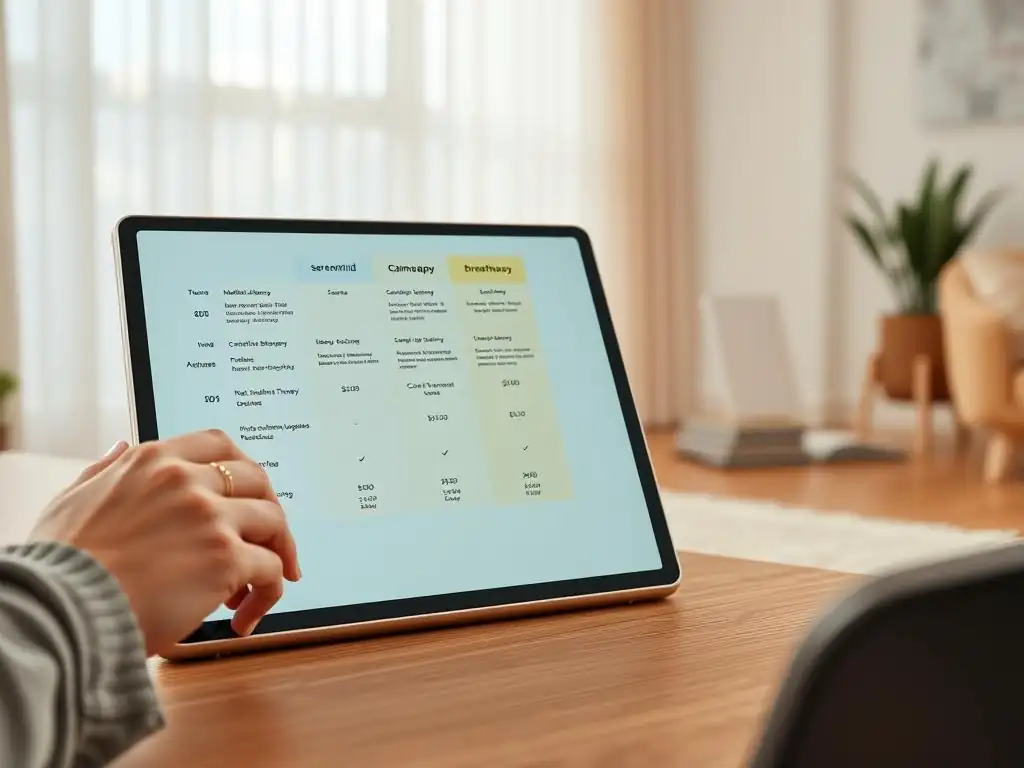
Welcome to Mind Care Guide, your trusted companion on your journey to mental well-being.
Feeling overwhelmed by the sheer number of anxiety apps out there, especially when trying to navigate their pricing? You're not alone. We understand the importance of finding accessible and effective tools for managing anxiety. That's why we've created a detailed anxiety app pricing comparison to help you make informed decisions. Dive in and discover which app best fits your needs and your budget. What will you discover about the true cost of peace of mind?
Understanding Anxiety App Pricing: A Feature-by-Feature Guide
- Understanding Anxiety App Costs: An Introduction to Pricing Models
- Anxiety App Pricing Comparison: Unveiling the True Cost
- Feature-by-Feature Analysis: Connecting Value to Anxiety App Pricing
- Maximizing Value: Choosing the Right Anxiety App Based on Your Budget and Needs
- Conclusion: Making an Informed Decision About Anxiety App Pricing
- Frequently Asked Questions
- Final Reflection: The Price of Peace of Mind
- Unlock Your Anxiety Relief: Take Control of Your Mental Wellness
Understanding Anxiety App Costs: An Introduction to Pricing Models
Why Anxiety App Pricing Matters for Your Mental Health
Navigating the landscape of anxiety relief apps can feel overwhelming, especially when considering the associated costs. For many individuals seeking support for their mental well-being, budget is a significant factor. Understanding anxiety app pricing is not just about saving money; it's about ensuring sustainable access to tools that can genuinely make a difference in managing symptoms like worry, panic, and stress. The financial commitment can influence consistency of use, which is vital for building lasting habits and seeing therapeutic benefits.
Moreover, the price often reflects the depth and breadth of features offered. A higher cost might indicate access to licensed therapists, a vast library of guided meditations, or advanced personalized tools. Conversely, a free or lower-cost option might provide foundational resources that are perfectly sufficient for someone's needs. Therefore, a careful anxiety app pricing comparison helps users align their financial capacity with the specific type and level of support they require, ultimately impacting the effectiveness and long-term adoption of the app as a mental health aid.
Different Pricing Structures for Anxiety Apps: From Free to Subscription
Anxiety apps commonly employ several pricing models, each offering different levels of accessibility and feature sets. The most basic is the freemium model, where the core app is free to download and use, but premium features, additional content, or advanced functionalities are locked behind a paywall. This allows users to sample the app's general approach before committing financially.
Another prevalent model is the subscription service, often offered monthly or annually. This provides full access to all content and features for the duration of the subscription. Annual subscriptions are typically offered at a significant discount compared to monthly plans, encouraging longer-term commitment. Less common, but still present, are one-time purchase apps that unlock all features permanently after a single payment, or apps bundled with other services (like some employer-sponsored mental wellness programs). Understanding these structures is the first step in any comprehensive anxiety app pricing comparison.
Anxiety App Pricing Comparison: Unveiling the True Cost

Calm vs. Headspace: A Detailed Pricing and Feature Breakdown
Comparing Calm and Headspace is essential in any anxiety app pricing comparison, as they are two of the most popular options. Both offer extensive libraries of guided content aimed at reducing anxiety, improving sleep, and promoting mindfulness, but their pricing and feature emphasis differ. Potential users often weigh the specific benefits each app provides against its cost to determine which offers better value for their individual needs.
While both apps provide free introductory content, the bulk of their offerings, including thousands of hours of meditations, sleep stories, and exclusive music, is reserved for premium subscribers. The decision often comes down to which app's specific content library, user interface, and unique features resonate most with the user's preferences and how well those align with the subscription cost.
Calm Pricing: What Features Does Each Tier Offer?
Calm primarily operates on a subscription model, offering both monthly and annual plans. The monthly subscription is typically priced around $14.99, while the annual subscription is considerably more cost-effective, often around $69.99 per year. They also occasionally offer a lifetime subscription option, though it comes at a significantly higher one-time cost, often several hundred dollars.
A Calm Premium subscription unlocks access to their full content library. This includes daily guided meditations, a vast collection of Sleep Stories narrated by celebrities, exclusive music tracks designed for focus and relaxation, masterclasses on various mental wellness topics, and stretching/mindful movement exercises. The pricing tiers are straightforward: free (limited content) vs. premium (full access).
Headspace Pricing: Is It Worth the Cost for Guided Meditations?
Headspace also follows a subscription model, with pricing often competitive with Calm. A monthly subscription is typically around $12.99, and an annual subscription is often priced similarly to Calm's, around $69.99 per year. Headspace also offers special pricing for students and families, which can significantly reduce the cost for eligible users.
Headspace Premium provides unlimited access to its extensive library. This includes thousands of hours of guided meditations on topics ranging from anxiety and stress to focus and relationships, sleep aids like sleepcasts and sleep music, mindful movement exercises, and focus-enhancing music. For users prioritizing guided meditation and a slightly more structured, progressive approach, Headspace's content library can certainly justify its subscription cost.
Feature Comparison: Calm's Sleep Focus vs. Headspace's Beginner-Friendly Approach
When undertaking an anxiety app pricing comparison, it's crucial to look at specific feature strengths. Calm is often lauded for its deep focus on sleep, offering a vast and popular collection of Sleep Stories and relaxing soundscapes. Users struggling with anxiety-induced insomnia might find Calm's extensive sleep content particularly valuable, potentially making its price point more appealing if sleep support is a primary need.
Headspace, on the other hand, is frequently praised for its beginner-friendly approach to meditation, with structured courses that guide users through the fundamentals. Its clear, often animated interface and straightforward guidance can be less intimidating for newcomers to mindfulness. While both apps offer similar core features like guided meditations and sleep aids, these subtle differences in emphasis and approach can significantly impact a user's experience and perceived value relative to the subscription cost.
Talkspace Pricing: Understanding Therapy Costs and Subscription Options
Talkspace represents a different category in the anxiety app pricing comparison, focusing on connecting users directly with licensed therapists via text, audio, or video messaging. Unlike meditation apps, Talkspace provides professional therapy, which inherently comes with a different cost structure reflecting the clinical expertise and personalized support provided by licensed mental health professionals.
The pricing for Talkspace is structured around subscription plans that vary based on the type and frequency of communication desired. This model makes therapy more accessible and often more affordable than traditional in-person sessions, while still requiring a significant financial commitment compared to self-guided apps.
Talkspace's Subscription Plans: Finding the Right Fit for Your Needs
Talkspace offers several subscription tiers designed to meet varying needs and budgets. The most basic plan typically includes unlimited text, audio, and video messaging with a dedicated therapist, with responses provided five days a week. Higher-tier plans may add live sessions, either weekly 30-minute video calls or a combination of messaging and live sessions.
Pricing can range significantly based on the chosen plan and location, but messaging-only plans might start around $260-$396 per month, while plans including live sessions can range from $396-$499+ per month. This tiered structure allows users to select a level of interaction that aligns with their therapeutic goals and financial capacity, making an anxiety app pricing comparison for therapy platforms quite distinct from self-help apps.
Does Talkspace Accept Insurance? Navigating Coverage Options
A critical factor in understanding Talkspace pricing is whether it accepts health insurance. Many Talkspace plans are covered by a growing number of insurance providers and employee assistance programs (EAPs). Users can typically check their eligibility on the Talkspace website by entering their insurance information.
Using insurance can substantially reduce the out-of-pocket cost, making online therapy a much more affordable option for managing anxiety. Even if direct billing isn't possible, Talkspace can often provide documentation for users to submit for out-of-network reimbursement, depending on their specific plan. Navigating these coverage options is a vital step for anyone considering Talkspace and evaluating its cost in an anxiety app pricing comparison.
Woebot is an AI-powered chatbot designed to provide mental health support using principles from Cognitive Behavioral Therapy (CBT) and Dialectical Behavior Therapy (DBT). Its unique approach as a conversational tool makes its pricing structure noteworthy in an anxiety app pricing comparison. Woebot aims to make therapeutic techniques more accessible through interactive conversations.
While Woebot offers a significant amount of content and support through its free version, it also has a premium offering that provides access to additional features and potentially more personalized content. Understanding the distinction between the free and premium versions is key for users deciding if Woebot meets their needs and budget.
Woebot's Core Features: What's Available in the Free Version?
The free version of Woebot provides access to core conversational support based on CBT and DBT principles. Users can engage in daily check-ins, learn coping skills through interactive exercises, track their moods, and process thoughts with the chatbot. This includes guided conversations on managing stress, challenging negative thought patterns, and practicing mindfulness techniques.
For many users, the free version offers a valuable and accessible tool for getting started with therapeutic techniques and receiving regular, automated support. It provides a foundation of skills and tracking capabilities that can be beneficial for mild to moderate anxiety, making it a strong contender in an anxiety app pricing comparison for those seeking free or low-cost options.
Woebot Premium: Unlocking Additional Content and Personalized Support
Woebot Premium, often priced around $19.99 per month or $199.99 annually, expands upon the free offering. While specific premium features can evolve, they typically include access to a deeper library of guided courses, more advanced tracking and insights, and potentially more personalized or in-depth conversational modules.
The premium version is designed for users who want to delve deeper into specific therapeutic areas or require more comprehensive support beyond the core free offerings. When conducting an anxiety app pricing comparison for AI-driven tools, evaluating whether the additional content in Woebot Premium justifies the cost depends on the user's desire for more advanced learning and personalized interaction with the chatbot.
Feature-by-Feature Analysis: Connecting Value to Anxiety App Pricing
To truly understand anxiety app pricing, it's essential to break down the value offered by specific features. Different apps excel in different areas, and the price often reflects the quality, quantity, and uniqueness of these features. Comparing apps based on their core functionalities helps users identify where their money is best spent for their particular anxiety management needs.
This feature-by-feature analysis allows for a more nuanced anxiety app pricing comparison than simply looking at the subscription cost. It encourages users to consider which tools they will actually use and benefit from, ensuring they aren't paying for features they don't need while ensuring they have access to the ones they do.
Meditation and Mindfulness Features: Are They Worth the Price?
Meditation and mindfulness are central to many anxiety relief apps. These features aim to help users cultivate present moment awareness, reduce rumination, and promote relaxation. The value derived from these features depends heavily on the quality of instruction, the variety of content, and how well it resonates with the user.
For apps where meditation is a primary offering, like Calm and Headspace, the subscription price is largely tied to the extensive library of guided sessions, courses, and ambient sounds. Users who prioritize these practices may find the cost justifiable if the app's content effectively supports their mindfulness journey.
Guided Meditations: Quality and Variety Across Different Apps (Calm, Headspace)
Calm and Headspace offer thousands of guided meditations, varying in length, topic (e.g., focus, sleep, stress, anxiety), and style. Calm is known for its diverse range of instructors and specific programs, while Headspace often uses a consistent, friendly voice and structured progressive courses. The quality of instruction, clarity of guidance, and the sheer variety available are key factors influencing the perceived value and thus the justification of the subscription price in an anxiety app pricing comparison focusing on meditation.
Other apps like Insight Timer offer a freemium model with a vast library of free guided meditations from various teachers, alongside premium content. This contrasts with the subscription-only model of Calm and Headspace, offering a different value proposition for users whose primary need is diverse guided meditation content at a potentially lower cost.
Mindfulness Exercises: Integrating Daily Practices (Woebot, Insight Timer)
Beyond formal guided meditations, many apps integrate shorter mindfulness exercises into daily routines. Woebot incorporates quick check-ins and conversational exercises that encourage users to practice mindfulness in the moment, often as part of a CBT framework. Insight Timer offers short breathing exercises and timers for unguided practice.
These integrated mindfulness tools add value by making practice more accessible and less time-consuming. For users seeking to weave mindfulness throughout their day rather than dedicating a specific meditation block, the inclusion and effectiveness of these smaller exercises can contribute to the overall value proposition when considering an anxiety app pricing comparison.
Cognitive Behavioral Therapy (CBT) Tools: Assessing the Therapeutic Value
Cognitive Behavioral Therapy (CBT) is a widely-used therapeutic approach for anxiety, focusing on identifying and changing negative thought patterns and behaviors. Apps incorporating CBT tools offer a way to access these techniques in a self-guided format. The effectiveness and accessibility of these tools are crucial in determining the value they provide relative to the app's cost.
Apps like Woebot and Moodfit are built heavily on CBT principles, offering exercises, thought records, and educational content. For users specifically seeking to learn and apply CBT techniques independently, the depth and quality of these features are paramount in their anxiety app pricing comparison.
CBT-Based Exercises: Effectiveness and Accessibility (Woebot, Moodfit)
Woebot uses a conversational interface to deliver CBT exercises, guiding users through techniques like cognitive restructuring or behavioral activation in a chat format. Moodfit offers a suite of tools including thought records, gratitude journals, and activity scheduling, all rooted in CBT principles.
The effectiveness of these tools depends on user engagement and the app's ability to explain and facilitate the techniques clearly. Accessibility, such as ease of use and integration into the app's flow, also adds value. When comparing anxiety app pricing for CBT-focused tools, users should evaluate how well the app makes these therapeutic techniques practical and applicable to their daily lives.
Journaling and Mood Tracking: Self-Monitoring Features (Calm, Day One)
Journaling and mood tracking are common features in mental wellness apps, serving as valuable self-monitoring tools often used within a CBT framework. Tracking moods helps users identify patterns and triggers for their anxiety, while journaling provides an outlet for processing thoughts and emotions.
Apps like Calm include basic mood check-ins, often linked to their meditation content. Dedicated journaling apps like Day One, while not solely focused on anxiety, offer robust journaling features that can be used for therapeutic purposes. While these features might be supplementary in some anxiety apps, their presence and functionality contribute to the overall value proposition when conducting an anxiety app pricing comparison.
Anxiety frequently interferes with sleep, making sleep support features a critical component for many users. Apps address this through various methods, including relaxation techniques, soundscapes, and tracking tools. The effectiveness and variety of these sleep aids directly impact their value.
For users whose anxiety significantly impacts their sleep, the quality and quantity of sleep-related content can be a deciding factor in their anxiety app pricing comparison. Apps specializing in this area often command a price based on the depth of their offerings.
Sleep Stories and Soundscapes: Relaxation Techniques (Calm, Headspace)
Calm is particularly well-known for its extensive library of Sleep Stories, designed to lull listeners to sleep with calming narratives. Headspace offers "Sleepcasts," which are unique audio experiences blending storytelling and sound. Both apps also provide a wide selection of ambient sounds and music for relaxation.
The appeal of these features is subjective but widely popular. For many, listening to a soothing story or calming soundscape is an effective way to quiet a restless mind and ease into sleep. The breadth and quality of these offerings are significant value drivers in the anxiety app pricing comparison for users prioritizing sleep improvement.
Sleep Tracking and Analysis: Monitoring Sleep Patterns (Sleep Cycle, Pillow)
While some anxiety apps include basic sleep check-ins, dedicated sleep tracking apps like Sleep Cycle and Pillow offer more advanced monitoring and analysis. These apps use phone sensors or connected devices to track sleep cycles, duration, and quality, providing insights into sleep patterns.
While not strictly "anxiety apps," these tools can be valuable companions for understanding how anxiety impacts sleep. Their pricing is separate from typical anxiety apps, often ranging from free versions with limited features to premium subscriptions unlocking full analysis and insights. Users interested in data-driven approaches to managing anxiety-related insomnia might consider the combined cost of an anxiety app and a sleep tracking app.
Community Support and Therapist Access: The Value of Connection
For some individuals, connecting with others or accessing professional help is a crucial part of managing anxiety. Certain apps offer features that facilitate community interaction or provide direct access to licensed therapists, adding a distinct layer of value that influences their pricing structure.
These features move beyond self-guided tools, offering interpersonal support or professional clinical care. Their inclusion significantly impacts an anxiety app pricing comparison, as they represent a different type of service than meditation or CBT exercises.
In-App Communities: Connecting with Others Facing Anxiety (Pacifica, Supportiv)
Apps like Pacifica and Supportiv offer features that allow users to connect with peers who are also dealing with anxiety or other mental health challenges. Pacifica includes moderated community forums, while Supportiv provides real-time peer support chats.
These community features offer a sense of belonging and mutual understanding, which can be incredibly validating for individuals feeling isolated by their anxiety. While accessing these communities might be part of a subscription, the value of peer support is often considered priceless by users who benefit from it.
Therapist Messaging and Video Sessions: Professional Support (Talkspace)
Talkspace is a prime example of an app offering direct access to licensed therapists via messaging and video calls. This provides a level of professional support that self-guided apps cannot replicate. Users are matched with a therapist and can communicate with them regularly.
The ability to receive personalized, professional guidance and therapy through an app is a significant value proposition, reflected in Talkspace's subscription pricing, which is higher than self-guided apps but often lower than traditional in-person therapy. For users requiring clinical support, this feature is paramount in their anxiety app pricing comparison.
Maximizing Value: Choosing the Right Anxiety App Based on Your Budget and Needs
Choosing the right anxiety app involves more than just comparing prices; it requires aligning the app's features and cost with your specific needs and financial situation. A thoughtful approach ensures you invest in a tool that is effective, affordable, and sustainable for your long-term mental well-being journey.
By systematically evaluating your priorities, taking advantage of free resources, and looking for ways to save, you can make an informed decision that maximizes the value you receive from your chosen anxiety support app.
Identifying Your Key Anxiety Relief Needs and Priorities
Before diving into an anxiety app pricing comparison, take time to identify what specific aspects of anxiety you need help with. Are you primarily struggling with sleep? Do you need help challenging negative thoughts? Are you looking for guided meditations, or do you prefer interactive exercises?
- Assess your primary symptoms: Is it panic attacks, constant worry, social anxiety, or insomnia?
- Consider your preferred approach: Do you find solace in meditation, structure in CBT exercises, or connection in community?
- Determine the level of support needed: Are self-guided tools sufficient, or do you require professional interaction?
Knowing your priorities will help you filter apps based on their strengths and focus your anxiety app pricing comparison on those that offer the features most relevant to you.
Free Trial Opportunities: Testing Before You Commit
Most subscription-based anxiety apps offer a free trial period, typically ranging from 7 to 14 days. This is an invaluable opportunity to test the app's features, interface, and content before committing to a paid subscription.
- Utilize the entire trial period to explore all available features.
- Engage with different types of content (meditations, exercises, stories).
- Assess the user experience and see if the app fits seamlessly into your routine.
Taking advantage of free trials is a smart way to conduct a hands-on anxiety app pricing comparison, ensuring the app's value aligns with your expectations before any financial outlay.
Discount Options and Promotions: Saving Money on Your Mental Health Journey
Many anxiety apps offer discounts or run promotions throughout the year. These can significantly reduce the cost of a subscription.
- Look for annual subscription discounts, which are almost always cheaper per month than monthly plans.
- Check if the app offers student, family, or first responder discounts.
- Follow the app on social media or subscribe to their newsletter for announcements about sales or special offers.
- Inquire if your employer or health insurance provides access to mental wellness apps as a benefit.
Actively seeking out these options can make the cost of premium features more manageable when conducting your anxiety app pricing comparison.
Long-Term Cost Considerations: Subscriptions vs. One-Time Purchases
When comparing anxiety app pricing, consider the long-term cost. A monthly subscription might seem inexpensive initially, but the cost accumulates over time. An annual subscription offers savings if you plan to use the app consistently for a year or more.
| Pricing Model | Initial Cost | Long-Term Cost (Example: 2 years) | Flexibility | Best For... |
|---|---|---|---|---|
| Monthly Subscription | Low | High | High | Short-term use, testing commitment |
| Annual Subscription | Medium | Medium | Medium | Committed users, long-term benefits |
| Lifetime Purchase | High | Fixed | Low | Very committed users, significant long-term use |
While lifetime purchases have a high upfront cost, they can be the most cost-effective option for apps you anticipate using for many years. Evaluate your expected duration of use when making your anxiety app pricing comparison.
Conclusion: Making an Informed Decision About Anxiety App Pricing
Choosing the right anxiety app is a personal journey, and understanding the nuances of anxiety app pricing is a critical step. By moving beyond just the headline cost and conducting a thorough feature-by-feature analysis, you can make an informed decision that supports your mental well-being without causing undue financial stress.
Remember that the "best" app isn't necessarily the most expensive one. It's the one that provides the right tools and support for your specific needs at a price you can comfortably afford and sustain.
Weighing the Costs and Benefits for Optimal Mental Well-being
Ultimately, the value of an anxiety app is measured by its positive impact on your mental health relative to its cost. Weigh the benefits you anticipate receiving – reduced anxiety symptoms, improved sleep, better coping skills, increased mindfulness – against the financial investment required.
Consider:
- How frequently do you realistically plan to use the app?
- Which specific features are essential for your anxiety management?
- Does the app's approach resonate with you?
- Can you afford the subscription long-term?
A thoughtful evaluation of these points is key to a successful anxiety app pricing comparison and finding a tool that becomes a valuable ally in your mental wellness journey.
Recommendations Based on Different Needs and Budgets (e.g., Best Budget Option, Best for CBT, Best for Sleep).
Based on a comprehensive anxiety app pricing comparison and feature analysis, here are some general recommendations:
- Best Budget Options: Look for apps with robust free tiers (e.g., Insight Timer, Woebot's free version) or those offering significant discounts (student/family plans).
- Best for Meditation/Mindfulness: Calm and Headspace are top contenders, with the choice often coming down to preference in content style (Calm's variety/sleep focus vs. Headspace's structured/beginner approach). Evaluate their annual subscription costs for the best value if committing long-term.
- Best for CBT Tools: Woebot (free for core, premium for more depth) and Moodfit offer strong CBT-based exercises. Assess if the free version meets your needs before considering premium.
- Best for Sleep Support: Calm is particularly strong in this area with its extensive Sleep Stories library.
- Best for Professional Therapy: Talkspace offers licensed therapist access, with pricing varying significantly based on the plan and insurance coverage. This is a higher investment but provides clinical support.
This anxiety app pricing comparison highlights that diverse options exist. By understanding your needs and carefully evaluating features and costs, you can find the right app to support your mental well-being effectively.
Frequently Asked Questions
What factors influence the pricing of anxiety apps?
The pricing of anxiety apps is influenced by factors like feature set, subscription model (monthly vs. annual), and developer reputation. Some apps may also offer a freemium model with limited features.
What are the common pricing models for anxiety apps?
Common pricing models include free (with ads or limited features), subscription-based (monthly or annually), and one-time purchase. Subscription models often unlock premium content and personalized support.
Does a higher price always mean a better anxiety app?
Not necessarily. While some premium apps offer advanced features and expert guidance, a higher price doesn't guarantee effectiveness. Consider user reviews and trial periods before committing.
Where can I find an anxiety app pricing comparison?
Mind Care Guide offers a comprehensive anxiety app pricing comparison that includes a feature-by-feature look. This helps you to make an informed decision.
What are the key features I should consider when comparing anxiety app prices?
Consider features like guided meditations, cognitive behavioral therapy (CBT) tools, mood tracking, and access to mental health professionals. Also, look at offline accessibility and user interface.
Final Reflection: The Price of Peace of Mind
The accessibility of mental health support, particularly through anxiety apps, is a critical issue today, and the often-opaque pricing structures only exacerbate the problem. Understanding the true cost of these apps, beyond the simple dollar amount, requires a deeper dive into the features offered and the value they provide. This isn't just about saving money; it's about ensuring individuals struggling with anxiety can find the right tools without facing unnecessary financial barriers.
The impact of anxiety on individuals and society is undeniable, and the rise of technology-based solutions offers a glimmer of hope. However, the sheer variety of apps and their pricing models can be overwhelming and even discouraging. Navigating this landscape requires careful consideration, and understanding the value proposition of each app is crucial. As the saying goes, The price of anything is the amount of life you exchange for it,
and this holds particularly true when considering the investment of time, energy, and money in managing anxiety. This article aimed to shed light on this often-overlooked aspect of mental health care.
You, the reader, now possess a more informed perspective on the complexities of anxiety app pricing. I encourage you to use this knowledge not just to find the most cost-effective app, but to critically evaluate the features and their alignment with your specific needs. Don't let the price tag alone dictate your choice; prioritize the tools that will genuinely support your journey towards better mental well-being. Remember, investing in your mental health is an investment in yourself, and finding the right app can be a significant step towards a calmer, more fulfilling life.
Unlock Your Anxiety Relief: Take Control of Your Mental Wellness
Thanks for taking the time to learn about navigating the world of anxiety app pricing! We hope this guide helped you understand the value different features offer. Now, it's time to put that knowledge into action:
- Find the perfect anxiety app for you. Consider the features we discussed and prioritize those most beneficial to your needs. Don't be afraid to try a few free trials!
- Share your insights. What's your biggest takeaway from this comparison? Which features matter most to you in an anxiety app? Share your thoughts in the comments below—your experience could help others.
- Explore further resources. Visit MindCareGuide.org for more articles and advice on managing anxiety and finding the right support for your mental wellbeing.
Ready to find the anxiety app that truly works for you? What’s the one feature you’ll prioritize when making your choice?