
Pzizz App: Reviewing the Power Nap and Sleep Aid App

Welcome to Mind Care Guide, a space dedicated to nurturing your mental well-being. Feeling overwhelmed and searching for a natural way to improve your sleep? You're not alone. We understand the frustration of restless nights and the yearning for peaceful slumber. In this article, we dive deep into the Pzizz app for sleep aids, exploring its potential to transform your sleep patterns and provide the rest you deserve. Curious to know if it's the right solution for you? Let's explore!
Pzizz Review: Can It Really Improve Your Sleep Difficulties? (Wellness Guide)
- Introduction: Exploring Pzizz as a Solution for Sleep Difficulties
- What is Pzizz and How Does it Work?
- Pzizz Features: A Deep Dive
- Pzizz: User Experience and Interface
- Pzizz: Pricing and Subscription Options
- Pzizz: Scientific Backing and Effectiveness
- Pzizz: Real User Reviews and Testimonials
- Pzizz: Pros and Cons - A Balanced Perspective
- Pzizz vs. Alternative Solutions: A Comparative Analysis
- Maximizing Your Results with Pzizz: Tips and Strategies
- Who is Pzizz Best Suited For? Ideal Users and Use Cases
- Pzizz: Monetization Opportunities
- Conclusion: Is Pzizz the Right App for You?
-
Frequently Asked Questions
- What is the Pzizz app and what is it primarily used for?
- How does the Pzizz app differ from other sleep aid apps?
- Is the Pzizz app suitable for power naps as well as full night's sleep?
- What kind of mental well-being benefits can users expect from using the Pzizz app regularly?
- Are there any potential drawbacks or limitations to using the Pzizz app?
- Final Reflection: Unlocking the Potential of Restful Sleep
- Unlock Your Best Rest: Take Control of Your Sleep Tonight!
Introduction: Exploring Pzizz as a Solution for Sleep Difficulties
The Promise of Pzizz: Personalized Audio-Based System for Better Sleep
Pzizz positions itself as a unique solution for individuals struggling with sleep difficulties, offering an audio-based system designed to help users fall asleep faster, stay asleep longer, and wake up feeling refreshed. Unlike simple white noise or guided meditations, Pzizz utilizes a proprietary algorithm to generate dynamic soundscapes, combining music, voice narration, and sound effects.
The core idea is that this constantly changing audio environment prevents the brain from habituating to the sounds, keeping the mind engaged just enough to drift off naturally without becoming distracted. The app promises a tailored experience, adapting sounds and narration based on user preferences and session goals, whether it's a full night's sleep or a quick power nap.
This personalized approach is central to Pzizz's appeal as a sleep aid. The app claims its system is clinically proven, though specific large-scale, peer-reviewed studies directly funded by Pzizz are not always readily available in the same volume as some competitors.
However, the psychoacoustic principles it employs, such as binaural beats and isochronic tones (though Pzizz primarily focuses on its dynamic sound mixing rather than just these specific tones), have been subjects of various smaller studies exploring their effects on brainwave states and relaxation. The app aims to induce a state conducive to sleep by guiding the listener through different audio phases designed to promote relaxation and ultimately, unconsciousness, making it a distinct option among Pzizz app for sleep aids.
Wellness Guide's Perspective: Evaluating Pzizz for Mental Well-being
From a mental well-being perspective, sufficient and quality sleep is foundational. Poor sleep is linked to increased stress, anxiety, depression, and reduced cognitive function. Therefore, evaluating a tool like the Pzizz app for sleep aids involves looking beyond just sleep onset and considering its broader impact on mental health. Pzizz aims to reduce the common anxieties associated with trying to fall asleep – the racing thoughts, the frustration of lying awake. By providing a structured, calming audio experience, it can serve as a ritualistic transition from wakefulness to sleep, helping quiet the mental chatter that often accompanies sleep difficulties.
Furthermore, the app's focus on power naps addresses the daytime fatigue that significantly impacts mood, concentration, and overall mental resilience. A well-executed power nap, potentially facilitated by Pzizz's specific nap modules, can boost alertness and improve mood, acting as a valuable tool for managing energy levels throughout the day.
Our evaluation considers how effectively Pzizz integrates into a holistic approach to mental wellness, supporting not just sleep duration but also the quality of rest and the resulting impact on daily functioning and emotional state. The potential of the Pzizz app for sleep aids extends to fostering a healthier relationship with sleep itself.
What is Pzizz and How Does it Work?
Understanding Pzizz's Core Technology: Psychoacoustic Principles
Pzizz's core technology is built upon what it describes as psychoacoustic principles and a proprietary algorithm that generates dynamic soundscapes. Instead of playing static tracks, the app creates a unique mix for each session, combining thousands of potential sounds, music cues, and voice narrations.
This dynamic generation is key; the developers suggest that static sounds, even white noise, can lead to habituation, where the brain eventually tunes them out. By constantly but subtly shifting the audio elements, Pzizz aims to keep the brain from fully adapting, maintaining its ability to distract from intrusive thoughts and guide the listener towards sleep.
The sounds are layered and mixed to influence brainwave states. While Pzizz doesn't strictly use traditional binaural beats (which require headphones and specific frequencies), its sound design incorporates elements believed to promote relaxation and transition through different stages of consciousness conducive to sleep.
The voice narration, if chosen, uses soothing tones and guided imagery or affirmations, further assisting in calming the mind. The algorithm's complexity allows for variations in tempo, volume, and the mix of elements based on the chosen session type (sleep, nap, or focus) and duration, making each experience slightly different yet consistently designed for its intended outcome.
Pzizz for Sleep vs. Pzizz for Naps: Key Differences
Pzizz offers distinct modules tailored for full-night sleep and power naps, and the key differences lie in their structure, duration, and the auditory cues used. The Sleep module is designed for sessions typically ranging from 10 minutes up to 24 hours, though most users select durations around 8-10 hours.
These sessions often feature a longer fade-out period for the audio as the user drifts off and may incorporate more extended periods of ambient sound or subtle changes throughout the night, though many users set the sound to fade out completely after a set time (e.g., 45-60 minutes) once they are asleep. The goal is a gentle transition into deep sleep.
In contrast, the Nap module is specifically optimized for shorter durations, typically 10, 20, 45, 60, or 90 minutes. The audio structure for naps is designed to facilitate rapid relaxation and entry into a restorative state, followed by a more distinct "wake-up" phase. This wake-up phase uses gradually increasing volume and sometimes different types of sounds or narration to gently bring the user back to alertness without the jarring effect of a standard alarm.
The Nap module's audio sequences are specifically timed to align with typical nap lengths and their associated benefits, ensuring the user doesn't enter deeper sleep stages from which waking up can cause grogginess. This differentiation makes the Pzizz app for sleep aids versatile for different rest needs.
How Pzizz's Algorithm Adapts to Your Needs
Pzizz's algorithm is designed to offer a degree of personalization and adaptation, primarily through user settings and choices. While it doesn't learn from your physiological data in real-time like some advanced sleep trackers, it allows significant customization of the audio experience. Users can adjust the volume balance between music, voice, and sound effects, choose different voice narrators (or turn narration off), select specific sound effect categories (like nature sounds), and set the overall duration of the session and how long the audio plays before fading out.
Furthermore, the algorithm dynamically mixes elements from a vast library, meaning that even with the same settings, repeated sessions will not be identical. This prevents the listener from predicting the audio changes, which, according to Pzizz, helps maintain its effectiveness over time by reducing habituation.
While it doesn't adapt to your sleep patterns in a biometric sense, it adapts for your preferences and the specific type of rest you seek at that moment, offering a varied yet consistently structured auditory environment aimed at facilitating sleep or napping. The effectiveness of the Pzizz app for sleep aids relies heavily on this dynamic, non-repeating nature.
Pzizz Features: A Deep Dive
Sleep Sessions: Designed for Falling Asleep Faster
The Sleep Sessions are the cornerstone of the Pzizz app for sleep aids, specifically engineered to help users overcome difficulties falling and staying asleep. When a user selects a sleep session, they can choose the desired duration of the session (up to 24 hours, though the audio typically fades out much sooner) and the length of the audio playback before it fades completely.
The algorithm then generates a unique sequence of music, sound effects, and optional voice narration. The audio typically starts with more engaging elements to distract the mind from racing thoughts, gradually transitioning to calmer, more ambient sounds as the session progresses.
These sessions are built around the principle of guiding the listener into a relaxed state. The voice narration, if enabled, often includes relaxation techniques, affirmations, or hypnotic suggestions designed to quiet the active mind and promote a sense of peace. The music and sound effects are layered to create an immersive environment that blocks out distracting external noises while simultaneously providing internal focus.
Studies on similar audio techniques have shown potential reductions in sleep onset latency, with some users reporting falling asleep 20-30% faster than without assistance. The goal is to create a consistent, comforting auditory ritual that signals to the brain it's time to wind down.
Nap Sessions: Enhancing Restorative Power Naps
The Nap Sessions in Pzizz are tailored for shorter periods of rest, aiming to provide maximum restoration without the grogginess often associated with waking from deep sleep. Users can select from predefined nap lengths like 10, 20, 45, 60, or 90 minutes, each optimized for different levels of rest (e.g., a 20-minute nap for alertness boost, a 90-minute nap to potentially cycle through sleep stages). The audio sequences for naps are often more condensed than sleep sessions, focusing on quickly inducing relaxation.
A key feature of the nap sessions is the integrated wake-up phase. As the chosen nap duration nears its end, the audio gradually changes, often incorporating brighter sounds or more prominent music to gently rouse the user. This is designed to prevent the abrupt shock of a standard alarm, allowing for a smoother transition back to wakefulness.
Many users find this feature particularly effective, reporting feeling significantly more refreshed and less disoriented after a Pzizz nap compared to napping without audio guidance or a jarring alarm. The Nap module is a distinct strength of the Pzizz app for sleep aids.
Focus Sessions: Optimizing Concentration and Productivity
Beyond sleep and naps, Pzizz also includes a Focus module, designed to help users improve concentration, reduce distractions, and enhance productivity. These sessions utilize different psychoacoustic principles than the sleep or nap modules, typically employing more stimulating soundscapes and rhythms intended to support cognitive function and maintain alertness rather than induce relaxation. The audio in focus sessions often features different types of music, such as upbeat or rhythmic tracks, combined with ambient sounds or tones that can help mask environmental noise.
Users can select focus sessions of varying lengths, often from 15 minutes up to several hours, making it suitable for work blocks, study periods, or creative tasks. While not directly related to sleep, the Focus module complements the sleep and nap features by addressing another aspect of mental well-being: the ability to concentrate effectively when awake. By providing tools for both rest and focus, the Pzizz app positions itself as a broader aid for cognitive performance, leveraging psychoacoustic principles across different states of mind.
Customization Options: Tailoring Your Pzizz Experience
Pzizz offers a significant degree of customization, allowing users to tailor the audio experience to their preferences. Within each session type (Sleep, Nap, Focus), users can adjust various parameters:
- Volume Mix: Control the relative volume of music, voice narration, and sound effects.
- Voice Narration: Choose from different narrators or turn narration off entirely.
- Sound Effects: Select categories of sound effects (e.g., nature, ambient) or disable them.
- Duration: Set the total session length.
- Audio Playback Length: For sleep, specify how long the audio plays before fading out.
- Wake-Up: Customize the wake-up alarm sound and volume for sleep sessions, and rely on the integrated wake-up for naps.
This level of control ensures that users can fine-tune the Pzizz app for sleep aids to create an environment that feels most comfortable and effective for them. Experimenting with different settings is encouraged to find the optimal combination.
Pzizz's Integrated Narration and Wake-Up Function: A Convenient Combination
The combination of optional voice narration and the integrated wake-up function is a particularly convenient aspect of the Pzizz app for sleep aids. The narration provides guided relaxation, affirmations, or gentle suggestions, adding another layer to the psychoacoustic soundscapes. Users who find guided meditations helpful for sleep can utilize this feature, while those who prefer purely instrumental or ambient sounds can simply turn it off. This flexibility caters to different user preferences and needs.
The wake-up function, especially prominent in the Nap module but also customizable for Sleep sessions, allows Pzizz to serve as a complete sleep or nap tool. Instead of relying on a separate, potentially jarring alarm app, Pzizz can gently bring the user back to consciousness using audio cues that transition smoothly from the sleep or nap sounds. This integrated feature simplifies the process and contributes to a more pleasant waking experience, especially for those sensitive to sudden loud noises.
Pzizz: User Experience and Interface
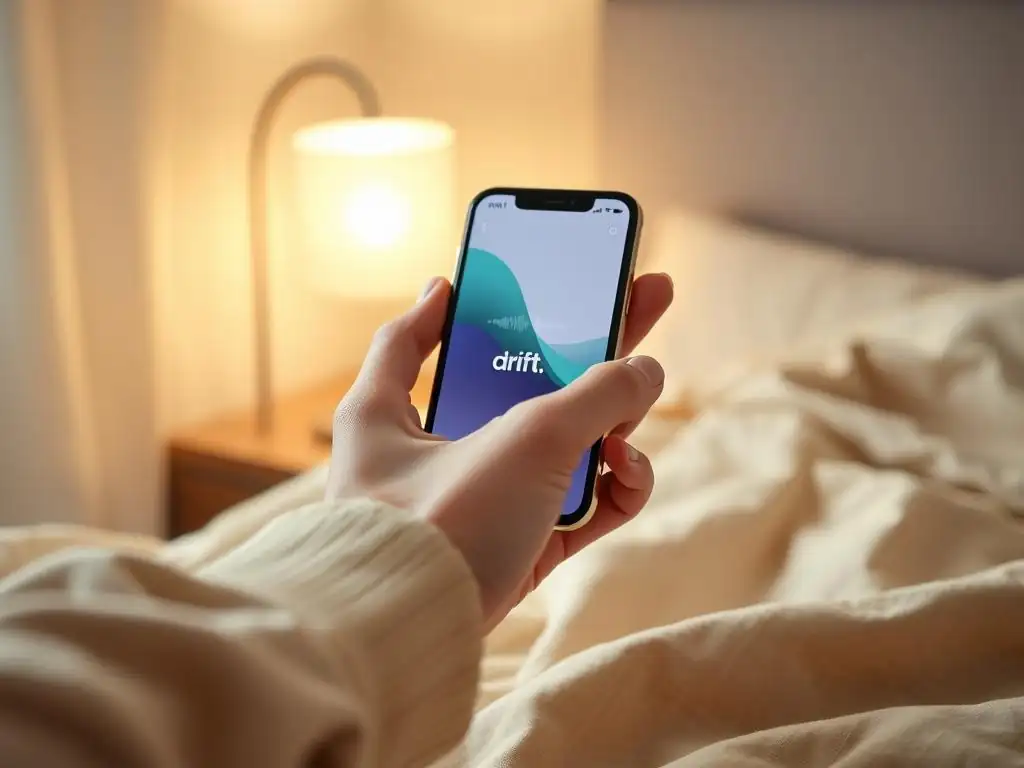
The Pzizz app generally boasts a clean and intuitive interface, making it relatively easy to navigate, even for first-time users. The main screen typically presents the three core modules: Sleep, Nap, and Focus. Selecting a module immediately brings up the options for session duration and customization. The settings for adjusting audio mix, narration, and sound effects are usually presented clearly, often on a single screen or via simple sliders and toggles.
While the sheer number of customization options within each section might initially seem a little daunting, they are logically organized. Starting a session is typically just a few taps away. The design prioritizes getting the user into a session quickly, which is important for someone feeling tired or stressed about sleep. Overall, the user journey from opening the app to starting a session is straightforward, contributing to its effectiveness as a Pzizz app for sleep aids.
Quality and Design: Immersive and Engaging?
Pzizz puts a strong emphasis on the quality of its audio and the design of the interface to create an immersive and engaging experience. The soundscapes themselves are professionally produced, utilizing a range of high-quality music, ambient sounds, and effects. The dynamic mixing helps prevent the audio from becoming repetitive, which is crucial for maintaining engagement (or non-habituation) over extended periods. The voice narration is typically delivered in soothing tones, enhancing the calming effect.
Visually, the app uses calming colors and simple, uncluttered layouts. The background often features subtle animations or visuals that change with the session, adding to the immersive quality without being distracting. The overall design goal appears to be creating a tranquil digital space that complements the auditory experience. While subjective, many users describe the audio quality as superior to basic white noise apps, finding the dynamic nature and rich soundscapes more effective and pleasant, reinforcing its position as a premium Pzizz app for sleep aids.
Resource Consumption: How Pzizz Impacts Your Device
Like any app that streams or generates audio for extended periods, Pzizz can consume battery life, especially during long sleep sessions. However, it is generally optimized to run in the background. The amount of battery drain can vary significantly depending on the device model, operating system, screen brightness (if left on), and whether the audio continues playing all night or fades out. Users reporting significant battery drain often have older devices or keep the audio playing for the full duration of an 8+ hour session.
Data consumption is minimal if the sound libraries are downloaded locally, which the app typically does after installation or updates. Streaming live generated audio would consume more data, but Pzizz's model allows for offline use once the necessary components are on the device. Overall, while it's not a lightweight app in terms of continuous background operation, its resource consumption is generally comparable to other complex audio or wellness apps used overnight, and users can mitigate battery drain by setting the audio to fade out after they've fallen asleep.
Pzizz: Pricing and Subscription Options
Free Trial and Limited Access: Testing the Waters
Pzizz typically offers a limited free version or a free trial period, allowing potential users to test the core functionality before committing to a subscription. The free version often provides access to a limited selection of sleep and nap sessions, possibly with fewer customization options or shorter maximum durations. This allows users to experience the unique dynamic audio system and determine if they find the Pzizz app for sleep aids effective for their needs.
Free trials, when offered, usually unlock the full functionality of Pzizz Premium for a set period, such as 7 days. This provides a comprehensive look at all session types, customization features, and the complete audio library. These options are crucial for user acquisition, as the effectiveness of a sleep aid app is highly personal, and a trial period allows users to gauge its impact on their sleep quality without financial commitment.
To gain full access to the Pzizz app for sleep aids, including the complete library of sounds, music, voices, unlimited session lengths, the full range of customization options, and the Focus module, users need to subscribe to Pzizz Premium. This subscription unlocks the full power of the dynamic audio engine and all the tailored content for sleep, naps, and focus.
Pzizz Premium is typically offered on a subscription basis, such as monthly or annual plans. Pricing can vary by region and platform (iOS vs. Android). As of recent data approximations, an annual subscription might cost roughly $60-$100 per year, while a monthly plan could be around $10-$15 per month. These figures are approximate and subject to change but provide a general idea of the investment required for full access to the Pzizz app for sleep aids.
Value for Money: Is Pzizz Worth the Investment?
Determining the value for money of Pzizz Premium depends heavily on the individual user's needs and how effectively the app addresses their sleep difficulties. For someone who significantly benefits from the dynamic soundscapes and unique structure of Pzizz, finding that it genuinely improves their sleep onset, duration, or the quality of their naps, the cost might be considered a worthwhile investment, potentially replacing or complementing other sleep aids.
Compared to the cost of therapies, sleep medications, or even repeated purchases of less effective tools, an annual subscription might represent a reasonable expense for consistent access to a tool that provides daily support. However, for users who find simple white noise, basic meditation apps, or behavioral changes sufficient, the cost of Pzizz Premium might seem high. The free trial is therefore essential for users to assess the personal value proposition of the Pzizz app for sleep aids before subscribing.
Pzizz: Scientific Backing and Effectiveness
Research and Studies Supporting Pzizz's Claims
Pzizz often references scientific principles like psychoacoustics and claims its system is "clinically proven," though specific, large-scale, independent, peer-reviewed studies directly on the Pzizz app itself are not extensively published in major scientific journals compared to some established therapeutic interventions. The company has sometimes commissioned smaller studies or pilot programs. For example, one study involving athletes reportedly showed improvements in sleep quality and recovery.
However, the core principles Pzizz utilizes – such as using audio to distract the mind, promote relaxation, and potentially influence brainwave activity (like slowing alpha or theta waves) – are supported by broader research in sleep science and psychoacoustics. Studies on binaural beats, isochronic tones, ambient music, and guided imagery have demonstrated potential in reducing anxiety, improving relaxation, and aiding sleep onset in various contexts.
While Pzizz's proprietary algorithm and dynamic mixing are unique to the app, the underlying concepts have some basis in scientific exploration of how sound affects the human brain and body, lending some credibility to the approach of the Pzizz app for sleep aids.
Expert Opinions on Pzizz
Expert opinions on Pzizz vary. Sleep physicians and psychologists often emphasize evidence-based treatments for insomnia, such as Cognitive Behavioral Therapy for Insomnia (CBT-I), which has robust scientific backing. While they may acknowledge the potential of tools like Pzizz as adjuncts to these therapies or as helpful aids for mild sleep difficulties or occasional restlessness, they typically do not recommend them as primary treatments for chronic insomnia.
However, some wellness coaches, productivity experts, and individuals focused on optimizing performance through sleep and napping have enthusiastically endorsed Pzizz. They often highlight its effectiveness in facilitating quick, restorative naps or helping busy minds shut down at night. The app has received positive mentions from figures like author Tim Ferriss, known for his focus on productivity and biohacking. These endorsements, while not formal clinical recommendations, contribute to the Pzizz app's reputation among certain user groups.
Comparing Pzizz to Other Sleep Apps: A Competitive Analysis
The market for sleep apps is crowded, with competitors like Calm, Headspace, and Sleep Cycle offering different approaches.
- Calm and Headspace: These apps primarily focus on guided meditation and mindfulness. While they offer sleep-specific meditations and soundscapes (like nature sounds or stories), their core technology isn't the dynamic, psychoacoustic system Pzizz employs. Users who prefer structured meditation or sleep stories might lean towards these.
- Sleep Cycle: This app focuses on tracking sleep cycles using phone sensors and waking the user during a light sleep phase. It may offer some ambient sounds but doesn't provide the extensive, dynamic audio generation for sleep onset and naps that Pzizz does.
Pzizz differentiates itself primarily through its dynamic, non-repeating audio system and its dedicated, optimized Nap module with the integrated wake-up. While other apps offer sleep content, Pzizz's unique algorithm is its key selling point as a distinct Pzizz app for sleep aids. Its competitive analysis highlights its focus on auditory engineering specifically for inducing sleep and naps, rather than solely relying on meditation or tracking.
Pzizz: Real User Reviews and Testimonials
Success Stories: How Pzizz Has Helped People
Numerous user testimonials highlight Pzizz as a transformative tool for improving sleep and napping. Many users report that the dynamic audio helps silence their "monkey mind," allowing them to fall asleep much faster than before. For instance, a common success story involves individuals who previously took 30-60 minutes to fall asleep and now report drifting off within 10-15 minutes using the app. Power nap users frequently praise the Nap module, stating it helps them achieve deep rest quickly and wake up feeling significantly more alert and less groggy than traditional naps.
Some users with mild insomnia or irregular sleep schedules (like shift workers or parents of young children) find Pzizz provides a reliable method to wind down, regardless of external circumstances. Testimonials often mention the app's unique soundscapes feeling more effective than static white noise or music. These positive accounts, while anecdotal, contribute significantly to the reputation of the Pzizz app for sleep aids among its user base.
Common Complaints and Concerns about Pzizz
Despite positive feedback, common complaints and concerns about Pzizz also exist. A frequent issue raised is the subscription cost; some users feel the annual fee is high compared to other wellness apps or free alternatives like basic ambient noise generators. Another concern is the battery drain, particularly for users who keep the audio playing all night, although this is often manageable by adjusting settings.
Some users occasionally report glitches or bugs after app updates, affecting performance or audio playback, though these are typically addressed in subsequent updates. A smaller group of users find the dynamic audio system distracting rather than relaxing, indicating that the unique approach of the Pzizz app for sleep aids may not work for everyone, highlighting the subjective nature of sleep aids.
User Ratings and Reviews Across Different Platforms (App Store, Google Play)
Across major platforms like the Apple App Store and Google Play Store, the Pzizz app for sleep aids generally maintains high user ratings, typically averaging around 4.5 to 4.7 out of 5 stars. This indicates a high level of satisfaction among a large portion of its user base. Reviews frequently laud the app's effectiveness for falling asleep and taking power naps, the quality of the audio, and the customization options.
However, the reviews also reflect the common complaints regarding pricing and occasional technical issues. The sheer volume of positive reviews, often mentioning specific improvements in sleep quality and daily energy levels, suggests that for many users, Pzizz delivers on its promises, making it a highly-rated Pzizz app for sleep aids within its category.
Pzizz: Pros and Cons - A Balanced Perspective
Advantages of Using Pzizz
- Effective for many: Numerous users report significant improvements in sleep onset, duration, and nap quality.
- Unique Dynamic Audio: The proprietary algorithm creates non-repeating soundscapes, potentially reducing habituation.
- Dedicated Nap Module: Specifically optimized sessions with integrated wake-up for restorative power naps.
- High Customization: Users can tailor audio mix, narration, sounds, and session length.
- Offline Functionality: Once downloaded, sessions can be used without an internet connection.
- Focus Module: Provides additional value for users seeking enhanced concentration during the day.
- High User Ratings: Consistently receives positive feedback on app stores.
Disadvantages and Potential Drawbacks of Pzizz
- Subscription Cost: Can be relatively expensive compared to free or lower-cost alternatives.
- Battery Consumption: Can drain device battery, especially during long overnight sessions.
- Not for Everyone: The dynamic audio may be distracting for some individuals.
- Limited Independent Research: While based on sound principles, extensive peer-reviewed studies specifically on the app are not widely available.
- Not a Medical Treatment: Should not replace professional medical advice or treatment for chronic sleep disorders.
Pzizz vs. Alternative Solutions: A Comparative Analysis

Pzizz vs. Traditional Meditation Apps: A Psychoacoustic vs. Mindfulness Approach
Comparing Pzizz to traditional meditation apps like Calm or Headspace highlights a fundamental difference in approach. Meditation apps primarily focus on mindfulness, guided imagery, and breathwork to calm the mind and body, often leading to relaxation that facilitates sleep. Their audio often includes guided meditations, static ambient sounds, or sleep stories. Pzizz, on the other hand, centers its approach on psychoacoustic engineering – using dynamically mixed audio specifically designed to influence brain states and distract the mind from thoughts, directly guiding the user towards sleep through sound itself.
While both types of apps aim for relaxation and sleep, Pzizz's method is more about creating a specific auditory environment engineered for sleep onset and napping through its unique algorithm, whereas meditation apps focus more on teaching techniques for mental calm. For someone whose primary struggle is a "noisy brain" that resists traditional calming methods, the dynamic distraction offered by the Pzizz app for sleep aids might be more effective. For others who prefer structured mindfulness practice, meditation apps might be a better fit.
Pzizz vs. White Noise Machines: Specific Engineered Sound vs. Static Noise
Pzizz offers a more sophisticated solution than simple white noise machines or apps. While white noise machines produce a constant, static sound to mask external noises, Pzizz generates complex, dynamic soundscapes that change subtly over time. This dynamic nature is Pzizz's key differentiator, intended to prevent the brain from becoming habituated to the sound, a common issue with static noise.
Furthermore, Pzizz layers music, sound effects, and optional narration, creating a more immersive and potentially more effective environment for relaxation and sleep induction than a single, unchanging frequency. White noise is primarily a masking agent, while Pzizz aims to actively guide the listener towards sleep using engineered audio sequences. The Pzizz app for sleep aids provides a much richer and more varied auditory experience than a basic white noise source.
Pzizz vs. Sleep Hygiene Practices: A Technological Tool vs. Behavioral Changes
Pzizz is a technological tool designed to aid sleep, but it is not a replacement for good sleep hygiene practices. Sleep hygiene involves establishing consistent routines and environments conducive to sleep, such as maintaining a regular sleep schedule, creating a dark and quiet bedroom, avoiding caffeine and alcohol before bed, and limiting screen time. These behavioral changes are fundamental to addressing sleep difficulties.
Pzizz can be a powerful complement to good sleep hygiene. For example, using the Pzizz app for sleep aids as part of a consistent bedtime routine can help signal to the body that it's time to sleep. It can also help quiet a restless mind even when the environment is optimized. However, relying solely on Pzizz without addressing poor sleep habits (like inconsistent bedtime or excessive screen use in bed) is unlikely to be as effective as using the app in conjunction with healthy practices. Pzizz is best viewed as a valuable aid within a broader sleep improvement strategy.
Maximizing Your Results with Pzizz: Tips and Strategies
Consistency is Key: Establishing a Regular Sleep Schedule
To maximize the effectiveness of the Pzizz app for sleep aids, consistency is paramount. Using Pzizz at the same time each night helps reinforce a regular sleep schedule, training your body's internal clock. Just as you might use the app to help you fall asleep, waking up around the same time each morning (even on weekends) further solidifies this rhythm.
Using Pzizz consistently creates a powerful association in your brain between the app's soundscapes and the act of falling asleep. Over time, simply starting a Pzizz session can become a strong cue for your body and mind to wind down and prepare for rest. Aim to use the app every night, even when you don't feel particularly restless, to build this routine.
Optimizing Your Sleep Environment for Better Sleep
While Pzizz provides an auditory environment, optimizing your physical sleep environment is crucial for best results. Ensure your bedroom is dark, quiet, and cool. Using blackout curtains, earplugs (if needed), and maintaining a room temperature around 60-67°F (15-19°C) can significantly enhance the conditions for sleep.
Using the Pzizz app for sleep aids in a truly sleep-conducive environment allows the app's audio to work most effectively without battling against light or temperature discomfort. Consider removing electronic devices from the bedroom or at least placing them far from your bed to minimize distractions, complementing the calming influence of the Pzizz audio.
Combining Pzizz with Other Complementary Practices: A Holistic Approach
Integrating Pzizz into a holistic wellness routine can further amplify its benefits. Consider combining its use with other practices known to support mental well-being and sleep. Mindfulness or gentle stretching earlier in the evening can help reduce tension before using Pzizz to transition to sleep.
A healthy diet and regular exercise also play a significant role in sleep quality. Avoiding heavy meals, caffeine, and alcohol close to bedtime, and ensuring you get regular physical activity (though not too close to sleep time) will create a better physiological foundation for Pzizz to work upon. Viewing the Pzizz app for sleep aids as one component within a broader health strategy will yield the most impactful results.
Who is Pzizz Best Suited For? Ideal Users and Use Cases
Individuals Struggling with Sleep Onset
Pzizz is particularly well-suited for individuals who have difficulty falling asleep. Its dynamic audio system is designed to capture attention just enough to distract from racing thoughts and worries, a common barrier to sleep onset. Users who lie awake for extended periods, replaying the day's events or worrying about tomorrow, are likely candidates to benefit from the Pzizz app for sleep aids as it provides an external focus that guides the mind away from internal chatter.
The combination of soothing music, ambient sounds, and optional narration creates an immersive environment that helps transition the brain from an alert state to one more conducive to sleep. If you find yourself consistently taking more than 20-30 minutes to fall asleep, Pzizz's approach to calming the mind might be effective for you.
People Seeking a Natural and Non-Invasive Sleep Aid
For those who prefer to avoid sleep medications or other invasive methods, Pzizz offers a natural and non-invasive alternative. It relies purely on auditory stimulation to promote relaxation and sleep, with no chemical or physical intervention required. This makes it an appealing option for individuals concerned about the side effects or dependency risks associated with some traditional sleep aids.
Using the Pzizz app for sleep aids allows individuals to take control of their sleep routine using a tool based on sound principles of how audio affects the brain. It empowers users to create a calming environment without the need for external substances, aligning with a preference for natural wellness solutions.
Those Looking to Optimize Their Daily Energy Levels
Beyond nighttime sleep, Pzizz is also ideal for individuals looking to optimize their energy levels throughout the day, primarily through effective napping. Busy professionals, students, athletes, or anyone experiencing afternoon slumps can utilize the Nap module to take restorative power naps. The app's tailored nap sessions and gentle wake-up feature make it easier to integrate quick, effective rest periods into a busy schedule.
By facilitating better quality naps, the Pzizz app for sleep aids helps users combat fatigue, improve alertness, boost mood, and enhance cognitive performance during waking hours. It's a tool for proactive energy management, not just for addressing nighttime sleep problems.
Specific Demographics Seeking Specific Benefits
Pzizz can be particularly beneficial for several specific demographics:
- Shift Workers: Provides a consistent tool to aid sleep onset regardless of the time of day, helping to regulate sleep despite irregular schedules.
- Travelers: Can help adjust to new time zones by providing a familiar sleep aid ritual in unfamiliar environments.
- Students: Useful for both focused study sessions (Focus module) and quick, restorative naps between classes or during study breaks.
- Athletes: Aids in recovery by promoting deeper, more restorative sleep and effective napping, crucial for physical and mental performance.
These groups often face unique sleep challenges, and the versatility of the Pzizz app for sleep aids across sleep, naps, and focus makes it a valuable tool for managing rest and alertness.
Pzizz: Monetization Opportunities
As a review site, a primary monetization strategy for an article about the Pzizz app for sleep aids would involve affiliate marketing. This entails partnering with Pzizz (if they have an affiliate program) or a platform that offers affiliate partnerships for subscription services. Placing carefully integrated affiliate links within the article allows the website to earn a commission for every user who subscribes to Pzizz Premium after clicking through the link.
These links could be placed strategically in sections discussing pricing, value for money, or the benefits of the premium features. It's crucial to disclose affiliate relationships transparently to maintain trust with the audience, ensuring the promotion of the Pzizz app for sleep aids is ethical.
Beyond promoting the Pzizz app for sleep aids itself, the article can generate revenue by promoting related products that complement the user's sleep and wellness journey. This could include:
- Weighted blankets: Often used for anxiety reduction and promoting relaxation conducive to sleep.
- Sleep masks: Help create a dark environment, crucial for sleep hygiene.
- High-quality headphones: Enhance the immersive audio experience of Pzizz.
- Blue light blocking glasses: Help reduce exposure to disruptive light before bed.
These products align with the theme of sleep improvement and mental wellness, offering additional value to the reader while creating further monetization avenues through affiliate links or direct sales if the website has an e-commerce component.
High CPC Keywords: Targeting "Pzizz app review," "Best nap app," and "Sleep aid app review"
Optimizing the article for high Cost Per Click (CPC) keywords is another monetization strategy, primarily through display advertising. Keywords like "Pzizz app review," "Best nap app," and "Sleep aid app review" attract users actively searching for information about these specific solutions. Advertisers in the sleep, wellness, and app categories are often willing to pay more for ad placements alongside content relevant to these high-intent searches.
By ensuring the article is well-optimized for these terms, including natural integration of "Pzizz app for sleep aids" and related phrases throughout the text, the website increases its chances of ranking high in search results. Higher rankings lead to more traffic from users interested in sleep solutions, making the ad inventory more valuable and potentially increasing advertising revenue.
Conclusion: Is Pzizz the Right App for You?
Wellness Guide's Final Verdict on Pzizz
Based on our evaluation, Pzizz stands out as a powerful and uniquely designed Pzizz app for sleep aids, particularly effective for individuals who struggle with a restless mind at bedtime or need to optimize their power naps. Its dynamic psychoacoustic system offers a compelling alternative to traditional static noise or meditation apps, providing an immersive auditory experience engineered specifically for sleep and focus. The dedicated Nap module with its gentle wake-up is a significant advantage for daytime restoration.
While the subscription cost is a consideration, the high user satisfaction ratings suggest that for many, the benefits justify the investment. It's not a magic bullet for severe sleep disorders and should be used in conjunction with good sleep hygiene, but as a tool to aid sleep onset, improve nap quality, and enhance focus, Pzizz is a strong contender in the mental wellness app space.
Recommendations Based on Individual Needs and Preferences
- If you have a "noisy mind" at night: Pzizz's dynamic audio is particularly effective at distracting from racing thoughts.
- If you want to improve power naps: The dedicated Nap module is one of the best features for quick, restorative rest.
- If you prefer natural sleep aids: Pzizz offers a non-invasive, audio-based solution.
- If budget is a major concern: Explore the free version or trial thoroughly, or consider simpler, free alternatives like basic white noise apps first.
- If you prefer guided meditation: While Pzizz has narration, apps like Calm or Headspace might align better with your preference for structured mindfulness practices.
- If you have chronic insomnia: Consult a healthcare professional. Pzizz can be a helpful aid but not a replacement for medical treatment or CBT-I.
Ultimately, the best way to determine if the Pzizz app for sleep aids is right for you is to take advantage of the free trial and experience its unique approach firsthand.
Exploring Other Apps within the Best Mental Wellness Apps Category
For readers whose needs might not be fully met by Pzizz, or who wish to explore other avenues for improving sleep and mental well-being, the broader category of Best Mental Wellness Apps offers numerous options. This includes apps focused on meditation, anxiety management, mood tracking, sleep tracking, and other cognitive behavioral techniques.
Exploring apps like Calm (for meditation and sleep stories), Headspace (for mindfulness and sleep), Sleep Cycle (for sleep tracking and smart alarms), or various CBT-I apps can provide alternative or complementary tools. Finding the right mix of resources is key to building a comprehensive approach to mental wellness and ensuring restful sleep.
Frequently Asked Questions
What is the Pzizz app and what is it primarily used for?
The Pzizz app is a sleep aid application designed to help users fall asleep faster and improve sleep quality. It utilizes algorithmically generated soundscapes and music to induce relaxation.
How does the Pzizz app differ from other sleep aid apps?
Unlike apps that play pre-recorded tracks, Pzizz creates unique soundscapes each time. This prevents users from getting habituated to the same sounds, potentially leading to more effective sleep.
Is the Pzizz app suitable for power naps as well as full night's sleep?
Yes, the Pzizz app offers customizable durations and soundscapes specifically designed for power naps. It helps users achieve restorative short naps without feeling groggy afterward.
What kind of mental well-being benefits can users expect from using the Pzizz app regularly?
Regular use of Pzizz can contribute to improved sleep quality, leading to reduced stress and anxiety. Better sleep positively impacts overall mental well-being, boosting mood and cognitive function.
Are there any potential drawbacks or limitations to using the Pzizz app?
Some users might find the algorithmic soundscapes unsettling or distracting initially. Additionally, relying solely on an app may not address underlying sleep disorders, requiring professional medical attention.
Final Reflection: Unlocking the Potential of Restful Sleep
The pursuit of better sleep is a universal human experience, and the digital age has brought forth innovative tools like the Pzizz app to help us achieve it. The increasing prevalence of sleep disorders and the constant pressure of modern life highlight the critical need for effective sleep solutions, making apps like Pzizz increasingly relevant in our daily lives. This need for accessible and personalized sleep aids underscores the importance of exploring and understanding the potential benefits – and limitations – of such technology.
Pzizz, with its unique blend of soundscapes and personalized narratives, represents a fascinating intersection of technology and well-being. It's a testament to how we're constantly seeking innovative ways to improve our mental and physical health. The app's impact extends beyond individual users; it reflects a broader cultural shift towards prioritizing sleep and mental wellness. Sleep is the golden chain that ties health and our bodies together.
– Thomas Dekker. This quote speaks to the fundamental importance of sleep, and apps like Pzizz are attempting to make achieving quality sleep more accessible.
Consider how Pzizz, or similar sleep aids, might fit into your own life. Are you struggling with sleep? Are you willing to experiment with different techniques to improve your sleep quality? Take the time to reflect on your sleep habits and explore the options available to you. Perhaps Pzizz, or another sleep-enhancing tool, could be the key to unlocking a more restful and rejuvenating sleep experience, leading to a more productive and fulfilling life. Don't underestimate the power of prioritizing your rest; your well-being depends on it.
Unlock Your Best Rest: Take Control of Your Sleep Tonight!
Thanks for exploring the world of better sleep with us! We hope you found valuable insights into how Pzizz can help you achieve deeper, more restorative rest. Ready to transform your sleep habits?
- Prioritize your sleep: Start tonight by downloading the Pzizz app and experimenting with a sleep story or power nap. Notice the difference!
- Share your experience: Tell us – and others – about your Pzizz journey! Share your thoughts and results on our social media channels (links found on our homepage).
- Join our community: Discover more sleep tips and tricks by subscribing to our newsletter at MindCareGuide.org (Link not required). Connect with other Mind Care Guide members on our forum and share your success stories!
What sleep improvement will you prioritize tonight, and how will you track your progress?