
The Science Behind Mood Tracking Apps: Why They Work and How to Use Them


Welcome to Mind Care Guide, a place where your mental well-being is our priority.
Ever wondered if technology could truly help you understand and manage your emotions better? This week, we delve into the fascinating world of mood tracking apps, exploring their benefits and providing a comprehensive review. Discover how these tools can empower you to take control of your mental health and unlock a deeper understanding of your emotional landscape. Let's explore the mood tracking apps benefits review and find the perfect fit for your needs.
The Science Behind Mood Tracking Apps: Empowering Mental Well-being
- Understanding Mood Tracking Apps: A Guide to Emotional Awareness
- The Science of Mood Tracking: Impact on Mental Health
- Benefits of Mood Tracking Apps: A Detailed Exploration
- Selecting the Right Mood Tracking App: Key Considerations
- Maximizing the Benefits: Effective Use of Mood Tracking Apps
- Real-Life Examples: Success Stories with Mood Tracking
- Beyond the App: Complementary Strategies for Emotional Well-being
- Limitations of Mood Tracking Apps and How to Address Them
- The Future of Mood Tracking Apps: Innovations
- Conclusion: Empowering Mental Well-being with Mood Tracking Apps
-
Frequently Asked Questions
- What are the primary benefits of using mood tracking apps?
- How do mood tracking apps help in identifying triggers for mood changes?
- Can mood tracking apps replace professional mental health support?
- What features should I look for in a good mood tracking app, according to a review?
- How does the science support the effectiveness of mood tracking for mental well-being?
- Final Reflection: Unlocking Emotional Wellbeing Through Technology
- Unlock Your Emotional Wellbeing: Start Tracking Today!
Understanding Mood Tracking Apps: A Guide to Emotional Awareness
What are Mood Tracking Apps and Their Purpose?
Mood tracking apps are digital tools designed to help individuals record, understand, and manage their emotional states over time. At their core, these applications provide a structured way for users to log their moods, often on a scale (e.g., from very sad to very happy) or by selecting from a list of emotions.
Beyond simple mood logging, many apps allow users to add context by noting activities, sleep patterns, social interactions, food intake, physical symptoms, or triggering events that might influence how they feel. The primary purpose is to create a personal database of emotional experiences linked to daily life factors.
The goal behind using a mood tracking app is to gain insight into one's emotional landscape. By consistently recording moods and associated variables, users can begin to identify patterns, understand triggers, and recognize fluctuations in their emotional well-being. This process transforms subjective feelings into observable data, making it easier to spot trends that might be contributing to distress or supporting positive emotional states. For instance, someone might discover that their anxiety consistently spikes on Sunday evenings, correlating with the anticipation of the work week, or that their mood improves significantly after a 30-minute walk.
Benefits of Mood Tracking Apps for Mental Well-being
The advantages of utilizing mood tracking apps for mental well-being are numerous and well-documented through user experiences and preliminary studies. One significant benefit is the enhancement of self-awareness. By externalizing internal emotional states and linking them to external factors, individuals gain a clearer perspective on why they feel the way they do. This increased awareness is a crucial first step in developing emotional regulation skills, allowing people to anticipate challenging periods or proactively engage in activities that boost their mood. A review of mood tracking app benefits often highlights this foundational aspect.
Furthermore, mood tracking apps serve as a valuable tool for monitoring progress, especially for those managing mental health conditions like depression, anxiety, or bipolar disorder. They provide a tangible record that can illustrate the effectiveness of treatment plans, lifestyle changes, or coping strategies. Seeing a visual representation of improving mood trends over weeks or months can be incredibly motivating. Conversely, identifying periods of decline allows for timely intervention. This review of mood tracking app benefits underscores their utility not just for self-discovery but also for actively participating in one's mental health journey.
Overview of Mood Tracking App Benefits
A comprehensive review of mood tracking app benefits reveals a range of positive impacts on mental health. These include improved emotional literacy (the ability to identify and name emotions), better understanding of personal triggers and coping mechanisms, and enhanced communication with healthcare providers. The process of regular tracking encourages mindfulness about one's current state, pulling attention away from automatic negative thought loops towards present feelings.
Another key benefit often highlighted in a review of mood tracking app benefits is their accessibility and convenience. Available on smartphones, they offer a private and readily available space for emotional reflection throughout the day. This ease of use facilitates consistency, which is vital for identifying long-term patterns. While not a replacement for professional help, these apps empower users by giving them a tool to actively engage with and understand their own mental landscape.
The Science of Mood Tracking: Impact on Mental Health
The Neuroscience of Mood: Emotions and Brain Activity
Our moods and emotions are complex states orchestrated by intricate neural networks within the brain. Key structures involved include the amygdala, which processes fear and emotional responses; the prefrontal cortex, responsible for executive functions like decision-making and emotional regulation; and the hippocampus, crucial for memory formation, including emotional memories. Neurotransmitters such as serotonin, dopamine, norepinephrine, and GABA play significant roles in regulating mood, motivation, reward, and stress responses. Imbalances or dysregulation in these systems are often associated with mood disorders. For example, lower levels of serotonin are frequently linked to depression.
When we experience an emotion, specific areas of the brain show increased or decreased activity, and neurochemical levels fluctuate. Tracking moods, in essence, encourages us to pause and consciously acknowledge these internal states. This act of labeling and observing emotions can activate the prefrontal cortex, which helps in processing and understanding emotional signals originating from the amygdala. Over time, this practice can strengthen the neural pathways involved in emotional regulation, making it easier to manage intense feelings and respond to stressors in a more measured way.
Mood Tracking: Enhancing Self-Awareness and Emotional Regulation
Mood tracking directly contributes to enhanced self-awareness by making internal emotional states explicit and observable. When you consistently log how you feel and what might be influencing those feelings, you begin to notice correlations that were previously subconscious. This process helps you differentiate between various emotions, understand their intensity, and recognize how they manifest physically and cognitively. For example, someone might realize that irritability often precedes feelings of sadness, or that physical tension in their shoulders is a reliable sign of rising anxiety.
This heightened self-awareness is a critical foundation for developing emotional regulation skills. Once you can accurately identify your emotions and potential triggers, you are better equipped to choose appropriate coping strategies. Instead of being overwhelmed by a sudden wave of anxiety, you might recognize the early signs through your tracking insights ("Ah, this feeling usually happens after I skip lunch") and proactively use a relaxation technique or reach out to a friend. Research suggests that self-monitoring, like mood tracking, is a key component in therapeutic approaches aimed at improving emotional control and resilience.
Mood Tracking and Anxiety Reduction
For individuals struggling with anxiety, mood tracking can be a particularly effective tool. Anxiety often involves worrying about future events and can feel overwhelming and unpredictable. By tracking mood alongside potential triggers (like caffeine intake, social events, or specific thoughts), individuals can identify patterns that contribute to their anxious feelings. This demystifies the anxiety, making it feel less random and more manageable. For instance, tracking might reveal that anxiety levels are highest on days with poor sleep or after consuming several cups of coffee.
Furthermore, the act of logging itself can provide a moment of pause and reflection, interrupting anxious thought spirals. It encourages a shift from internal rumination to external observation of data. Seeing concrete data points can also help challenge catastrophic thinking; if the app shows that despite feeling anxious, you still managed to complete tasks, it provides evidence against the feeling of being incapacitated. A review of mood tracking app benefits for anxiety often points to this combination of pattern identification and the grounding effect of the tracking process.
Identifying Mood Triggers with Tracking Apps
One of the most powerful benefits highlighted in a review of mood tracking app benefits is their ability to help users pinpoint specific triggers for mood changes. By logging not just the mood itself, but also accompanying details like activities, social interactions, sleep duration, diet, and stress levels, users create a rich dataset. Over time, the app can help visualize correlations between these factors and mood fluctuations. For example, charts might show a consistent dip in mood on days following less than six hours of sleep, or an increase in irritability after arguments with a specific person.
Identifying triggers is crucial because it provides actionable insights. Once you know what is negatively impacting your mood, you can make informed choices to mitigate those factors. This might involve avoiding certain situations, developing coping strategies for unavoidable triggers, or making lifestyle adjustments. Conversely, tracking can also reveal positive triggers – activities or interactions that consistently boost mood – allowing individuals to intentionally incorporate more of these into their lives. This empirical approach to understanding personal triggers is a cornerstone of effective emotional self-management.
Benefits of Mood Tracking Apps: A Detailed Exploration
Enhancing Emotional Awareness with Mood Tracking
Mood tracking apps significantly enhance emotional awareness by providing a structured framework for introspection. Instead of simply feeling "bad" or "stressed," users are prompted to identify specific emotions (e.g., frustrated, sad, anxious, overwhelmed) and rate their intensity. This process builds emotional granularity – the ability to distinguish between closely related emotions. Research suggests that individuals with higher emotional granularity are better able to regulate their emotions and experience less severe negative emotional episodes.
By consistently engaging with the app, users become more attuned to their internal states throughout the day. They learn to notice subtle shifts in mood and recognize the early signs of distress or well-being. This detailed self-observation, facilitated by the app's prompts and categories, moves beyond a superficial understanding of feelings to a deeper, more nuanced appreciation of one's emotional landscape. This enhanced self-awareness is frequently cited in any comprehensive review of mood tracking app benefits.
Identifying Mood Patterns and Trends Through Tracking
Beyond recognizing immediate triggers, mood tracking apps excel at revealing long-term patterns and trends in emotional states. After several weeks or months of consistent logging, users can review historical data presented in charts, graphs, or summaries. These visualizations can highlight cyclical patterns (e.g., seasonal dips in mood, or fluctuations tied to menstrual cycles), daily trends (e.g., consistently lower energy in the afternoons), or correlations with major life events. For example, a graph might show a gradual improvement in mood coinciding with starting a new exercise routine.
Identifying these patterns is invaluable for both self-management and clinical purposes. It provides a data-driven perspective on how various factors influence overall emotional well-being across different time scales. This review of mood tracking app benefits emphasizes how these insights empower users to anticipate challenging periods, celebrate progress, and understand the cumulative impact of their habits and environment on their mental health.
Improving Communication with Mental Health Professionals
Mood tracking data serves as an objective record that can significantly improve communication between individuals and their mental health professionals (therapists, psychiatrists, counselors). Instead of relying solely on retrospective recall during a therapy session – which can be influenced by current mood or memory biases – users can share concrete data logs. This provides the professional with a clearer, more accurate picture of the individual's daily experiences, emotional fluctuations, and potential triggers between sessions.
Sharing this data allows for more focused and productive discussions. A therapist can use the patterns identified in the app to explore specific triggers, test the effectiveness of coping strategies implemented, or adjust treatment plans. A psychiatrist might use the data to assess the impact of medication on mood or side effects. This review of mood tracking app benefits underscores their role as a bridge, providing empirical evidence that complements subjective reporting, leading to more informed and personalized care.
Utilizing Mood Tracking Data for Personalized Treatment
The detailed information gathered through mood tracking is instrumental in developing personalized treatment plans. By analyzing the data, mental health professionals can gain insights into which interventions are most effective for that specific individual and which factors are most detrimental to their well-being. For instance, if the data consistently shows a correlation between social isolation and low mood, the treatment plan might focus more heavily on behavioral activation and social skills building.
Furthermore, tracking allows for the fine-tuning of existing treatments. If a medication is prescribed, tracking can help determine if it's stabilizing mood and at what times of day fluctuations might still occur. If a specific coping mechanism is being taught in therapy, tracking can provide feedback on how often it's used and its perceived effectiveness in managing difficult emotions. This data-driven approach, highlighted in any review of mood tracking app benefits, moves away from generic strategies towards interventions tailored precisely to the individual's unique patterns and needs.
Selecting the Right Mood Tracking App: Key Considerations
Essential Features in a Mood Tracking App
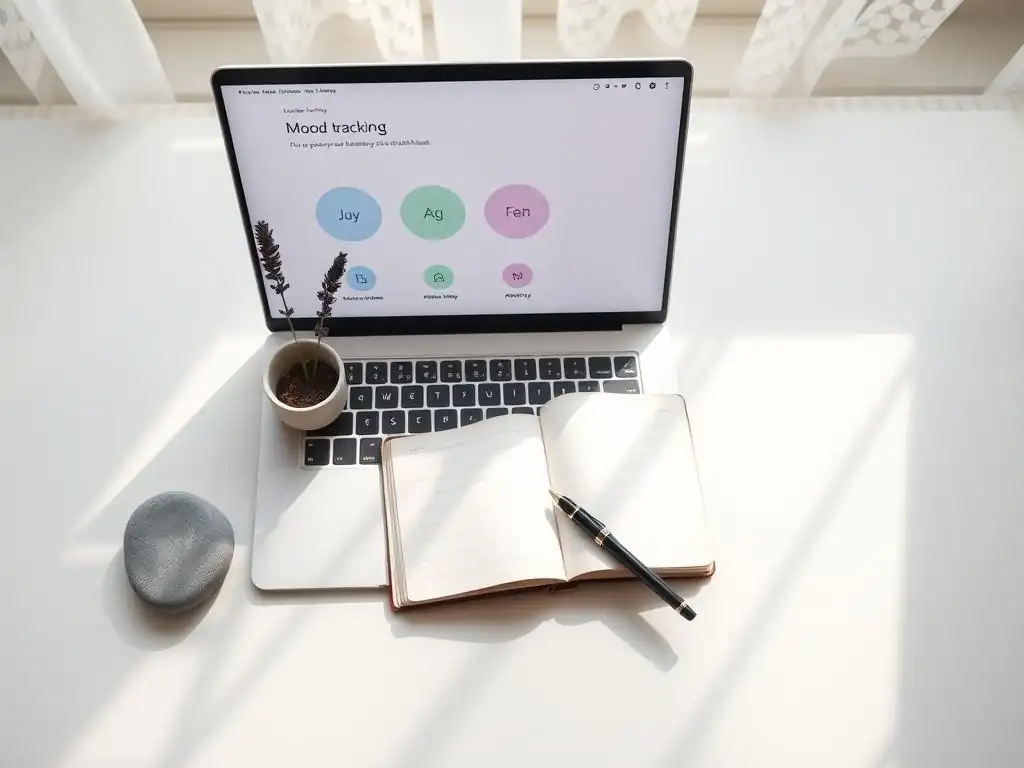
When choosing a mood tracking app, several features are essential for a comprehensive and effective experience. Firstly, the logging interface should be intuitive and quick, allowing users to record their mood and relevant factors within seconds, even during busy or emotionally challenging moments. Look for customizable mood scales or emotion lists, as well as options to add detailed notes or tags for activities, triggers, and symptoms. The ability to log multiple factors beyond just mood (e.g., sleep, exercise, diet, social interactions, stress level, medication) is crucial for identifying correlations.
Secondly, robust data visualization and analysis tools are vital. The app should offer clear charts and graphs that display mood trends over different periods (day, week, month, year) and allow users to see correlations between their mood and the factors they logged. Features like trigger analysis, pattern recognition, and personalized insights derived from the data add significant value. Finally, consider features like reminders for consistent logging, export options for sharing data with professionals, and potentially integrations with other wellness apps or wearable devices. A thorough review of mood tracking app benefits often evaluates apps based on these core features.
Data Privacy and Security in Mood Tracking Apps
Given the highly personal and sensitive nature of the information recorded in mood tracking apps, data privacy and security are paramount considerations. Before downloading and using an app, users should carefully review the app's privacy policy. Key questions to ask include: What data is collected? How is it stored (locally on the device, encrypted on secure servers)? Is the data anonymized? Is the data shared with third parties (e.g., for research, advertising)? Can the user export or delete their data?
Ideally, choose apps that prioritize user privacy, employ strong encryption methods, and have clear policies on data usage that favor the user's control. Some apps offer features like passcode protection or biometric security to prevent unauthorized access on the device itself. A review of mood tracking app benefits must include this critical aspect, as feeling secure about one's data is essential for consistent and honest tracking.
Comparison of Popular Mood Tracking Apps
The market for mood tracking apps is diverse, offering a range of options catering to different needs and preferences. While specific app names won't be listed here, general categories and feature sets can be compared. Some apps are simple loggers, focusing on quick entries and basic mood charts. Others are more comprehensive wellness journals, allowing detailed entries across numerous categories like sleep, diet, symptoms, and activities, often providing sophisticated correlation analysis.
Some apps are designed with specific conditions in mind, offering features relevant to tracking symptoms of anxiety, depression, or bipolar disorder. Others integrate therapeutic techniques, such as cognitive behavioral therapy (CBT) or dialectical behavior therapy (DBT) exercises, alongside tracking. When conducting a personal review of mood tracking app benefits, consider your primary goal (simple tracking, detailed journaling, specific condition management) and compare apps based on their feature set, ease of use, data visualization capabilities, and privacy policies.
Integrating Mood Tracking Apps with Wellness Tools
Many individuals use a suite of digital tools to support their overall well-being, including fitness trackers, sleep apps, meditation guides, and nutrition logs. The ability of a mood tracking app to integrate with these other wellness tools can provide a more holistic picture of how various lifestyle factors interact and influence emotional states. For example, syncing sleep data from a wearable device with mood entries can automatically highlight the impact of sleep deprivation on mood without manual entry.
Integration can occur through direct API connections between apps or by allowing data export in formats compatible with other platforms. While not all apps offer extensive integrations, this feature is becoming increasingly common and valuable for users seeking a comprehensive understanding of their mind-body connection. When undertaking a review of mood tracking app benefits, consider how well an app fits into your existing digital wellness ecosystem.
Maximizing the Benefits: Effective Use of Mood Tracking Apps
Setting Realistic Goals for Mood Tracking
To truly harness the power of mood tracking apps, it's important to start by setting realistic goals. Don't feel pressured to track every single emotion or detail initially. Begin by committing to logging your mood at least once or twice a day, perhaps in the morning and evening. Decide which additional factors are most relevant to you – maybe just sleep and one key activity like exercise or social interaction. Over time, you can gradually add more details as you become comfortable with the process.
Setting achievable goals prevents burnout and makes tracking a sustainable habit. Understand that the benefits, particularly identifying long-term patterns, emerge with consistency over weeks and months, not just a few days. A review of mood tracking app benefits consistently shows that regularity is key to unlocking their full potential. Start small, build the habit, and then expand your tracking as needed.
Consistent Tracking: Unlocking the Benefits
Consistency is arguably the single most important factor in maximizing the benefits of mood tracking apps. Sporadic logging yields incomplete data, making it difficult or impossible to identify reliable patterns and correlations. Aim for daily tracking, even if it's just a quick entry. Many apps offer customizable reminders, which can be incredibly helpful in establishing a routine.
Think of your mood log as building a map of your emotional terrain. The more data points you add, the clearer and more accurate the map becomes. Consistent tracking allows the app's analysis features to work effectively, providing meaningful insights into triggers, patterns, and the impact of interventions. This commitment to regularity is a common theme in successful user stories and any in-depth review of mood tracking app benefits.
Implementing Positive Changes Based on Mood Tracking Data
The goal of mood tracking is not just observation, but actionable insight. Once you start identifying patterns – like noticing that your mood consistently improves after spending time in nature, or dips after prolonged social media use – the next crucial step is to use this information to implement positive changes in your life. This could involve scheduling more time for mood-boosting activities, setting boundaries around triggers, or adopting healthier habits like improving sleep hygiene based on data correlating poor sleep with low mood.
Use the insights from your tracking data to inform your decisions about how you spend your time, who you spend it with, and how you care for yourself. For example, if your review of mood tracking app benefits shows a strong link between exercise and improved mood, commit to a regular exercise schedule. If tracking reveals that specific negative thought patterns precede anxiety, practice reframing those thoughts. The data provides the roadmap; taking action is how you navigate towards better well-being.
Integrating Mood Tracking with Mindfulness Practices
Combining mood tracking with mindfulness and meditation practices can amplify the benefits of both. Mindfulness cultivates present-moment awareness without judgment, helping you become more attuned to your emotions and physical sensations as they happen. Mood tracking provides a structured way to record and analyze these observations after they happen, adding context and identifying patterns over time.
For example, practicing a short mindfulness exercise before logging your mood can help you more accurately identify and label your current emotional state, leading to more precise data entries. Conversely, reviewing your mood tracking data can highlight specific emotions or triggers that you might then focus on during a mindfulness or meditation session, allowing you to explore them with curiosity and non-reactivity. This synergistic approach, often mentioned in discussions about a holistic review of mood tracking app benefits, supports both real-time emotional awareness and long-term pattern recognition.
Real-Life Examples: Success Stories with Mood Tracking
Case Study 1: Managing Mental Health Condition with a Specific App
Consider the example of Alex, who lives with Bipolar II disorder. Alex struggled with unpredictable mood swings, making it challenging to differentiate between normal emotional fluctuations and shifts indicative of hypomania or depression. Alex began using a mood tracking app that allowed detailed logging of mood intensity, sleep duration, energy levels, and medication adherence. After three months of consistent tracking, Alex and their psychiatrist reviewed the data. The charts clearly showed a pattern where periods of reduced sleep (less than 5 hours) consistently preceded periods of elevated energy and irritability, consistent with hypomania.
This insight, gained directly from the app's data visualization, allowed Alex's psychiatrist to adjust medication timing and dosage to better support stable sleep patterns. Alex also used the data to recognize early signs of hypomania (like increased energy and decreased sleep need) and implement pre-planned coping strategies, such as reaching out to their support network and increasing relaxation techniques, before the episode became severe. This case illustrates how a detailed review of mood tracking app benefits in a clinical context can directly inform and improve treatment outcomes for complex conditions.
Case Study 2: Overcoming Anxiety with Mood Tracking and Therapy
Sarah experienced chronic anxiety, often feeling overwhelmed by worry without understanding its source. Her therapist recommended she use a mood tracking app alongside their sessions. Sarah logged her anxiety levels daily, along with notes about her activities, social interactions, and specific worries. Within a few weeks, her tracking data revealed a strong correlation between her anxiety spikes and specific situations: public speaking engagements at work and anticipating social gatherings. It also showed that her anxiety was consistently lower on days she exercised or spent time outdoors.
Armed with this data, Sarah and her therapist focused their sessions on developing coping strategies specifically for public speaking and social anxiety, such as exposure therapy and cognitive restructuring techniques targeting her specific worries identified in the app. Sarah also used her tracking insights to intentionally schedule more exercise and outdoor activities, recognizing their positive impact on her anxiety levels. This review of mood tracking app benefits demonstrates how tracking can provide the specific data needed to tailor therapeutic interventions and empower individuals to make anxiety-reducing lifestyle choices.
Case Study 3: Improving Sleep Patterns Through Mood Tracking
David struggled with inconsistent sleep, which he suspected was affecting his mood and energy levels, but he wasn't sure how. He started using a mood tracking app that also allowed logging of sleep duration and quality. Over a month, his data consistently showed that on nights he got less than 7 hours of sleep, his mood the following day was significantly lower and his energy levels plummeted. He also noticed a pattern where late-night screen time seemed to correlate with shorter sleep duration.
Using this information, David committed to a strict digital curfew, putting his phone away an hour before bed, and focused on creating a calming bedtime routine. He continued tracking his sleep and mood. After two months, his tracking data showed a marked improvement in both sleep consistency and overall mood scores. This simple yet powerful example, often highlighted in a review of mood tracking app benefits related to lifestyle factors, shows how tracking can provide the empirical evidence needed to motivate and sustain healthy habit changes, leading to tangible improvements in well-being.
Beyond the App: Complementary Strategies for Emotional Well-being

The Role of Therapy and Counseling with Mood Tracking
While mood tracking apps are powerful tools for self-awareness and data collection, they are not a substitute for professional mental healthcare. Therapy and counseling provide a crucial space to process the insights gained from tracking, develop coping mechanisms, and address underlying issues. The data from a mood tracking app can serve as a valuable starting point for discussions in therapy sessions, providing concrete examples of challenges and successes.
A therapist can help interpret the patterns identified in the app, offering clinical perspective and guidance that self-analysis alone cannot provide. They can also teach evidence-based strategies, such as CBT or DBT skills, that can be practiced and then tracked within the app to assess their effectiveness. The most robust review of mood tracking app benefits emphasizes their utility as a complement to therapy, enhancing the therapeutic process rather than replacing it.
Lifestyle Changes for Mood Regulation: Diet, Exercise, and Sleep
Mood is profoundly influenced by fundamental lifestyle factors. Consistent mood tracking often reveals strong correlations between emotional states and habits related to diet, exercise, and sleep. For example, data might show that skipping meals leads to irritability, that regular physical activity significantly boosts mood, or that inconsistent sleep schedules contribute to anxiety or low energy.
Armed with these insights from their tracking data, individuals can make targeted lifestyle adjustments. This might involve adopting a balanced diet, incorporating regular exercise into their routine (even just a brisk walk), or prioritizing consistent sleep hygiene. Tracking the impact of these changes within the app can provide positive reinforcement, showing tangible improvements in mood over time. This review of mood tracking app benefits highlights their role in motivating and monitoring the impact of healthy living on emotional well-being.
Combining Mood Tracking with Mindfulness and Meditation
As previously mentioned, integrating mood tracking with mindfulness and meditation practices creates a powerful synergy for emotional well-being. Mindfulness helps cultivate awareness of the present moment without judgment, making it easier to identify emotions accurately for tracking. Meditation provides a structured practice for observing thoughts and feelings without getting caught up in them, which can be particularly helpful when dealing with difficult emotions identified through tracking.
Using mood tracking data can inform your mindfulness or meditation practice. If tracking reveals that you frequently experience frustration at a specific time of day, you might use that insight to dedicate a short mindfulness practice to exploring that feeling with curiosity. Conversely, maintaining a regular meditation practice can enhance your ability to notice subtle shifts in mood throughout the day, leading to more detailed and accurate tracking entries. This combined approach, highlighted in a review of mood tracking app benefits, fosters both real-time presence and long-term emotional intelligence.
Limitations of Mood Tracking Apps and How to Address Them
Addressing Data Overload and Analysis
One potential limitation of mood tracking apps is the risk of data overload. If an app allows logging numerous factors multiple times a day, users can quickly accumulate vast amounts of data, making it difficult to interpret and draw meaningful conclusions. This can be overwhelming and discouraging, leading users to abandon tracking altogether.
To address this, start simple and gradually add complexity as needed. Focus on tracking only the factors you suspect are most relevant to your mood. Utilize the app's built-in analysis and visualization tools; good apps are designed to process the data and present key patterns clearly. If the app's analysis is insufficient, consider exporting data to a spreadsheet for further review, or discuss the data with a therapist who can help you identify significant trends. A positive review of mood tracking app benefits often depends on the user's ability to manage and interpret the data effectively.
Preventing Obsessive Tracking
For some individuals, particularly those prone to anxiety or perfectionism, mood tracking can potentially become obsessive or counterproductive. Instead of being a tool for insight, it can turn into a source of anxiety, with users constantly checking their mood or feeling distressed by negative entries. This can lead to excessive rumination about feelings rather than healthy processing.
To prevent obsessive tracking, set clear boundaries. Decide on specific times of day for logging and stick to them, avoiding checking the app excessively throughout the day. Focus on tracking as a tool for understanding, not a judgment on your worth or progress. If you find yourself becoming overly fixated on the numbers or feeling distressed by negative data, it may be a sign to reduce tracking frequency or take a break. Discuss these feelings with a mental health professional if they persist; they can help you use the app in a healthy way.
When to Seek Professional Help
It is crucial to remember that mood tracking apps are support tools, not replacements for professional mental healthcare, especially for moderate to severe mental health conditions. While a review of mood tracking app benefits shows they can provide valuable insights and support self-management, they cannot diagnose conditions, provide therapy, or manage complex treatment plans.
Seek professional help if you are experiencing persistent low mood, overwhelming anxiety, thoughts of self-harm, significant changes in sleep or appetite, difficulty functioning in daily life, or any other distressing symptoms. A mental health professional can provide diagnosis, evidence-based treatment, and guidance. You can then potentially use a mood tracking app in conjunction with their care, sharing your data to enhance your treatment journey.
The Future of Mood Tracking Apps: Innovations
AI-Powered Mood Analysis and Personalized Recommendations
The future of mood tracking apps is likely to be shaped by advancements in artificial intelligence (AI). AI algorithms can process complex datasets from user logs, recognizing subtle patterns and correlations that might be missed by manual review or simpler analysis tools. This could lead to more sophisticated insights, such as identifying specific linguistic patterns in journal entries that correlate with mood shifts or predicting potential mood dips based on a combination of tracked factors.
AI could also power personalized recommendations. Based on an individual's unique data, the app might suggest specific coping strategies that have worked for them in the past during similar mood states, recommend activities known to boost their mood, or even suggest when might be a good time to check in with a therapist. This evolution promises a more proactive and tailored approach to emotional well-being support, further enhancing the potential review of mood tracking app benefits.
Integration with Wearable Technology for Mood Monitoring
Wearable technology, such as smartwatches and fitness trackers, collects a wealth of physiological data, including heart rate variability (HRV), sleep stages, activity levels, and even skin temperature. Integrating mood tracking apps with these devices can provide a more objective layer of data. For example, changes in HRV can be linked to stress levels, and sleep data can be directly correlated with mood without manual entry.
This integration allows for passive data collection that complements active logging, providing a richer, more comprehensive picture of the factors influencing mood. Future apps may use this combined dataset to offer deeper insights into the mind-body connection and provide more accurate correlations between physiological states and emotional experiences. A comprehensive review of mood tracking app benefits in the future will undoubtedly include the impact of this seamless integration.
Mood Tracking Apps in Preventative Mental Healthcare
As the understanding of mental well-being shifts towards prevention and early intervention, mood tracking apps are poised to play a significant role in preventative mental healthcare. By enabling individuals to monitor their emotional states and identify early signs of distress or potential triggers, these apps can empower users to take proactive steps before issues escalate into more serious conditions.
In the future, mood tracking data, potentially combined with other wellness data and AI analysis, could be used to flag potential risks, suggest preventative strategies, or even facilitate timely connection with support resources. This shift from reactive treatment to proactive prevention highlights a significant future direction for the utility and review of mood tracking app benefits on a broader public health scale.
Conclusion: Empowering Mental Well-being with Mood Tracking Apps
Recap of the Benefits of Mood Tracking Apps
A review of mood tracking app benefits reveals their significant potential in empowering individuals to take a more active role in managing their emotional well-being. They serve as powerful tools for enhancing self-awareness, providing a structured way to identify and understand one's emotions and their connection to daily life factors. Through consistent logging, users can uncover personal triggers and recognize long-term mood patterns and trends that might otherwise go unnoticed.
Furthermore, mood tracking apps improve communication with mental health professionals by providing objective data, leading to more personalized and effective treatment plans. They also support positive lifestyle changes by highlighting the impact of habits like sleep, diet, and exercise on mood. While not a substitute for professional care, their accessibility and data-driven insights make them a valuable component of a holistic approach to mental health.
Finding the Right App for Individual Needs
Given the variety of mood tracking apps available, finding the "right" one is a personal journey. Consider your specific needs and goals: Are you looking for a simple way to track basic mood, or do you need a detailed journal with extensive correlation analysis? Evaluate apps based on their features, ease of use, data visualization capabilities, and crucially, their data privacy and security policies.
Don't be afraid to try a few different apps to see which interface and feature set resonate best with you. The most effective app is the one you will use consistently. A careful review of mood tracking app benefits based on your personal requirements will guide you towards the best fit.
Taking Control of Emotional Well-being
Ultimately, mood tracking apps offer a pathway to taking greater control of your emotional well-being. By transforming subjective feelings into observable data, they demystify your internal world and provide actionable insights. They empower you to understand why you feel the way you do and to make informed decisions about how to care for yourself.
Whether used independently or in conjunction with professional therapy and other wellness practices, these apps provide a valuable tool for self-discovery, resilience building, and navigating the complexities of human emotion. Embracing mood tracking can be a significant step towards a more mindful, informed, and empowered approach to your mental health journey.
Frequently Asked Questions
What are the primary benefits of using mood tracking apps?
Mood tracking apps offer several key benefits, including increased self-awareness of emotional patterns, improved identification of triggers, and enhanced communication with mental health professionals. They can help users understand their emotional landscape.
How do mood tracking apps help in identifying triggers for mood changes?
By consistently recording mood alongside contextual information (activities, sleep, diet), users can identify correlations between specific triggers and their emotional state. This data-driven approach reveals patterns difficult to discern otherwise.
Can mood tracking apps replace professional mental health support?
No, mood tracking apps are not a replacement for professional help. They are a tool to supplement treatment and provide valuable insights, but they should not be used as a substitute for therapy or medication.
What features should I look for in a good mood tracking app, according to a review?
Look for apps with customizable mood scales, detailed activity logs, data visualization (graphs), and secure data storage. A good app will also offer privacy features and integration with other health apps.
How does the science support the effectiveness of mood tracking for mental well-being?
Research indicates that consistent mood tracking increases self-awareness, which is a crucial component of emotional regulation. The act of self-monitoring can lead to improved coping mechanisms and proactive mental health management.
Final Reflection: Unlocking Emotional Wellbeing Through Technology
The science behind mood tracking apps isn't just a fleeting trend; it's a powerful tool for understanding and improving mental health in our increasingly digital world. These apps offer a tangible pathway to self-awareness, providing data-driven insights that can transform how we manage our emotional lives. Their accessibility and user-friendly interfaces are democratizing mental health support, making it easier than ever before to take proactive steps towards wellbeing.
The impact of these apps extends beyond individual benefit; they are subtly reshaping our cultural understanding of mental health. By normalizing the practice of self-monitoring and emotional self-care, they contribute to a broader societal shift towards open conversations about mental wellbeing. This is crucial in dismantling the stigma surrounding mental illness and fostering a culture of support. The greatest wealth is health.
– Ralph Waldo Emerson. This quote, while not directly about mood tracking apps, speaks to the fundamental value these tools represent: empowering individuals to prioritize and protect their mental and emotional health.
Consider the insights you've gained from this article. Now, I invite you to take the next step. Download a mood tracking app, experiment with different features, and begin your own journey of self-discovery. Don't just passively observe your emotions; actively engage with them, learn from them, and use this knowledge to cultivate a more fulfilling and emotionally balanced life. Your emotional wellbeing is an investment worth making, and these apps can be your invaluable partner in that journey.
Unlock Your Emotional Wellbeing: Start Tracking Today!
Thank you for taking the time to explore the science behind mood tracking apps! We hope you gained valuable insights into how these tools can help you understand and manage your emotions. Now it's time to put that knowledge into practice.
Here are a few simple steps to get started:
- Begin your personalized mood journey: Download a mood tracking app and commit to using it for just one week. See how easily you can begin to identify patterns and triggers.
- Share your experience: Tell a friend or family member about your mood tracking journey. Their support and understanding can be invaluable.
- Consider exploring different journaling techniques alongside your app: Experiment with adding notes to your entries to enrich your emotional understanding.
Ready to discover the transformative power of self-awareness? What's the first small step you'll take towards better emotional wellbeing?