
Sleep Cycle App: Is It the Best for Tracking? Full Review

Welcome to Mind Care Guide, your sanctuary for navigating the complexities of mental well-being.
Ever wondered if that sleep cycle app is really helping you reclaim your nights? We understand the frustration of restless nights and the desire for a truly effective solution. Dive into our in-depth review of Sleep Cycle App benefits tracking to discover if it's the key to unlocking a healthier, more rested you. Let's explore together and find the perfect path to better sleep and a brighter tomorrow.
Sleep Cycle App Review: Is It Worth It For Better Sleep?
Sleep is a cornerstone of mental well-being. When we sleep poorly, our ability to manage stress, regulate emotions, and concentrate suffers. Conversely, improving sleep quality can profoundly impact our mood, resilience, and overall mental health. Many people turn to technology to understand their sleep patterns better, and sleep tracking apps are a popular tool for this. Among them, Sleep Cycle is one of the most well-known, promising to analyze your sleep and wake you up at the optimal moment. But does it live up to the hype? Let's dive into a comprehensive review of the Sleep Cycle app.
- Understanding Sleep Cycle: A Comprehensive Look
- Benefits of Using Sleep Cycle: Does It Really Help?
- Downsides of Sleep Cycle: Where It Falls Short
- Sleep Cycle Compared to Other Sleep Trackers
- Tips for Getting the Most Out of Sleep Cycle
- Who Should Use Sleep Cycle?
- Alternatives to Sleep Cycle
- Final Verdict: Is Sleep Cycle Right for You?
-
Frequently Asked Questions
- What are the main benefits of using a sleep cycle app for tracking my sleep?
- How accurate are sleep cycle apps in tracking sleep stages compared to a professional sleep study?
- What features should I look for in a sleep cycle app to maximize the benefits of tracking?
- How can a sleep cycle app help me improve my overall sleep hygiene?
- Are there any potential downsides to relying solely on a sleep cycle app for tracking my sleep?
- Final Reflection: Unlocking the Power of Sleep Through Conscious Tracking
- Unlock Your Best Sleep Yet!
Understanding Sleep Cycle: A Comprehensive Look
At its core, Sleep Cycle is designed to help you understand your sleep phases and wake you up feeling more refreshed. Unlike a standard alarm that jolts you awake at a fixed time, Sleep Cycle monitors your sleep movements or sounds to identify when you are in your lightest sleep phase within a set wake-up window. This gentle awakening is based on the principle that waking during light sleep feels less jarring than waking during deep sleep.
The app aims to provide insights into the quality and patterns of your sleep over time. By collecting data each night, it builds a picture of your sleep habits, allowing you to identify potential issues or track the impact of lifestyle changes on your rest. This comprehensive analysis is intended to empower users to make informed decisions about their sleep hygiene and environment.
What is Sleep Cycle and How it Tracks Your Sleep
Sleep Cycle is primarily a smart alarm clock and sleep tracker application available for smartphones. Its main function is to monitor your sleep state throughout the night. It does this by utilizing your phone's built-in sensors. Historically, the app relied heavily on the accelerometer to detect movement, assuming more movement indicated lighter sleep. More recently, it also uses the microphone to analyze sounds, which can provide additional data points related to sleep, such as snoring or sleep talking.
The app processes this sensor data using proprietary algorithms to estimate which sleep phase you are in – deep sleep, light sleep, or REM sleep. While it doesn't measure brain waves like a polysomnography (PSG) test in a sleep lab, its goal is to provide a consumer-friendly approximation of your sleep cycles. This allows the app to identify optimal times within your chosen wake-up window (e.g., 30 minutes) to trigger the alarm when you are likely to be in a light sleep phase.
Key Features for Sleep Analysis
Sleep Cycle offers several key features designed to help users analyze and potentially improve their sleep. One fundamental aspect is its use of your phone's sensors, typically the microphone or accelerometer, placed near your bed. This allows the app to non-invasively gather data about your movements or sounds throughout the night.
Another signature feature is the Smart Alarm. Instead of setting a single alarm time, you set a wake-up window (e.g., 7:00 AM to 7:30 AM).
The app then monitors your sleep phases during this window and sounds the alarm when it detects you are in a light sleep phase, aiming for a more natural and less disruptive awakening. The app also presents your sleep data through intuitive visualizations, such as graphs showing estimated sleep phases, sleep quality percentages, and statistics on duration and consistency, making it easier to identify trends and patterns in your sleep cycle app benefits tracking journey.
- Microphone and Accelerometer Usage: These sensors are the primary tools Sleep Cycle uses to estimate your sleep state based on movement and sounds. You typically place your phone on your nightstand or under your pillow, depending on the preferred tracking method.
- Smart Alarm: This feature is designed to wake you during your lightest sleep phase within a predefined window, potentially reducing morning grogginess.
- Data Visualization: The app provides detailed graphs and statistics about your sleep duration, quality, and consistency over days, weeks, and months, offering valuable insights into your sleep patterns.
Benefits of Using Sleep Cycle: Does It Really Help?
Many users report positive experiences with Sleep Cycle, particularly regarding the gentle wake-up feature. Waking up during light sleep can indeed feel less abrupt than being pulled from deep sleep, which might contribute to feeling more refreshed in the morning. This can be a significant benefit for those who struggle with hitting the snooze button repeatedly or feeling groggy upon waking.
Beyond the alarm, the app's value lies in the data it collects. By consistently tracking your sleep, you gain access to historical data about your sleep patterns. This information can serve as a starting point for understanding your habits and identifying potential areas for improvement. For instance, you might notice that your sleep quality consistently drops on nights after consuming caffeine late in the day.
Potential for Improved Sleep Awareness
Using Sleep Cycle can significantly increase your awareness of your sleep patterns and habits. The app's daily sleep quality score and graphs provide immediate feedback on how you slept the previous night. Over time, looking at trends in your sleep cycle app benefits tracking data can reveal correlations between your sleep quality and daily activities, such as exercise, stress levels, or alcohol consumption.
This heightened awareness is the first step towards making positive changes. For example, if the data consistently shows fragmented sleep on nights you watch TV late, it might encourage you to establish an earlier wind-down routine. This self-monitoring and feedback loop is a key benefit, empowering users to connect their daily choices to their nightly rest and proactively seek better sleep hygiene practices.
Gentle Wake-Up with Smart Alarm
The Smart Alarm feature is often cited as one of Sleep Cycle's most appealing aspects. By analyzing your sleep state during a set wake-up window (usually 30 minutes), the app attempts to trigger the alarm when you are naturally closest to waking up anyway, during a light sleep phase. This contrasts sharply with traditional alarms that activate at a fixed time, regardless of your sleep state.
Users who have experienced being abruptly pulled from deep sleep often find the Smart Alarm's approach much more comfortable and less stressful. While the effectiveness can vary from person to person and depends on the accuracy of the tracking, the intention is to provide a more natural transition from sleep to wakefulness, potentially reducing morning grogginess and starting the day on a more positive note.
Identifying Trends in Your Sleep Data
Sleep Cycle excels at presenting your sleep data in easy-to-understand graphs and statistics. By tracking your sleep consistently, you accumulate a wealth of historical information that can reveal long-term trends. You might discover, for example, that your average sleep duration is consistently below the recommended 7-9 hours, or that your sleep quality score drops significantly on weekends compared to weekdays.
This trend identification is crucial for understanding the impact of lifestyle factors. The app allows you to log activities like exercise, caffeine intake, or stress levels, and then potentially correlate them with your sleep data. This sophisticated sleep cycle app benefits tracking helps users pinpoint what might be disrupting their rest or what activities support better sleep, guiding them toward more effective sleep habits.
- Potential Insights into Sleep Apnea Risk (Subscription Required): Sleep Cycle Premium offers features like snoring analysis, which can provide some indication of potential sleep issues like snoring. While not a diagnostic tool, consistent, loud snoring data might prompt a user to consult a medical professional about conditions like sleep apnea. Note that the app is not a substitute for medical diagnosis.
- Snoring and Environmental Noise Tracking: The app can track snoring duration and other environmental sounds (like traffic noise) throughout the night. Analyzing this data can help users understand if external factors or snoring are impacting their sleep quality. For instance, consistently high noise levels might suggest the need for earplugs or soundproofing.
Downsides of Sleep Cycle: Where It Falls Short
Despite its popularity and useful features, Sleep Cycle isn't without its limitations. One of the most significant points of discussion revolves around the accuracy of its sleep tracking. As a non-wearable app using smartphone sensors, it relies on indirect measures like movement or sound to estimate sleep phases, which is less precise than medical-grade equipment.
Another factor to consider is the cost, particularly for accessing the full suite of features. While a free version is available, many of the advanced analysis tools and features that provide deeper insights require a paid subscription. This can be a barrier for some users and raises the question of whether the Premium features justify the ongoing cost compared to other apps or devices.
Accuracy of Sleep Tracking
The accuracy of sleep tracking apps like Sleep Cycle, which use smartphone sensors, is a frequent topic of debate. These apps estimate sleep phases based on algorithms analyzing movement or sound. While they can generally distinguish between periods of wakefulness/light sleep and deeper sleep with reasonable reliability in controlled conditions, their accuracy is not comparable to polysomnography (PSG), the gold standard in sleep studies.
Studies comparing consumer sleep trackers to actigraphy (a research method using wrist-worn accelerometers) and PSG often show that while they can estimate total sleep time and wakefulness fairly well, they are less accurate at differentiating between specific sleep stages like light sleep, deep sleep, and REM sleep. Sleep Cycle's reliance on movement or sound means that external factors, such as a partner's movement in the bed or noise in the room, can potentially influence the data, leading to inaccuracies in the estimated sleep phases and quality scores.
- Comparison with Actigraphy: While actigraphy is also an estimation method, it's often considered more reliable than app-based tracking using a phone on the mattress or nightstand, as it's worn on the body and less susceptible to non-user movements. Sleep Cycle's methods can sometimes over- or underestimate sleep duration and quality compared to actigraphy in various studies.
- Sensitivity to External Noise and Movement: Placing the phone on the mattress means a partner's tossing and turning could be interpreted as the user's movement. Similarly, using the microphone means noise from outside the room, pets, or even the phone's own sounds could potentially affect the tracking, impacting the perceived accuracy of sleep cycle app benefits tracking.
Sleep Cycle operates on a freemium model, offering basic tracking and the Smart Alarm in its free version. However, accessing the more advanced features, historical data analysis, trend tracking, and integrations requires a premium subscription. This recurring cost can add up over time and is a crucial factor for users deciding if the app is the right fit for them.
The value of the premium subscription depends heavily on how much the user intends to utilize the advanced features like long-term data trends, sleep aid sounds, integrations, and the online backup. For someone simply looking for a smart alarm, the free version might suffice. However, for those wanting deep insights into their sleep cycle app benefits tracking, the premium tier is necessary, and users must weigh its cost against the perceived value and compare it to the pricing of competing apps or dedicated sleep tracking devices.
- Free vs. Premium Feature Comparison: The free version typically includes the smart alarm and basic sleep analysis for the most recent night. Premium unlocks features like long-term trends, sleep notes (logging activities), wake-up mood tracking, sleep aid sounds, snoring analysis, sleep-talk recording, weather impact analysis, and data backup.
- Alternatives: Sleep as Android and ShutEye are other popular sleep tracking apps with varying feature sets and pricing models. Sleep as Android is known for its extensive features and integrations, often favored by Android users, while ShutEye also offers detailed analysis and sleep sounds, providing alternatives for users evaluating subscription costs.
Risk of Sleep Anxiety
Paradoxically, using sleep tracking apps, including Sleep Cycle, can sometimes lead to increased anxiety about sleep, a phenomenon sometimes called orthosomnia. Constantly monitoring sleep data, especially when the reported "sleep quality" scores are low, can cause users to worry excessively about their sleep performance. This focus on data rather than the subjective feeling of rest can be counterproductive.
Instead of promoting relaxation and healthy sleep habits, the pressure to achieve a "good score" can create stress around bedtime, making it harder to fall asleep. It's important for users to remember that the app's data is an estimation, not a perfect measure, and to use the insights as guidance rather than a source of anxiety. Maintaining a balanced perspective and focusing on overall well-being is key.
- Potential for Over-Focusing on Sleep Data: Some users may become fixated on achieving high sleep quality scores or specific sleep stage percentages reported by the app. This can turn sleep into a performance metric, leading to frustration and anxiety when the data doesn't meet expectations.
- Maintaining a Healthy Perspective: It's crucial to use sleep tracking data as a tool for self-awareness and identifying potential trends, not as a definitive judgment of your health or sleep adequacy. If using the app increases anxiety, it might be more beneficial to discontinue tracking and focus on established sleep hygiene practices and listening to your body's signals.
Sleep Cycle Compared to Other Sleep Trackers
The market for sleep tracking is diverse, ranging from smartphone apps like Sleep Cycle to wearable devices and more specialized tools. Comparing Sleep Cycle to alternatives helps understand its place in the ecosystem and its relative strengths and weaknesses. Each option offers a different approach to sleep cycle app benefits tracking and analysis.
Wearables, like smartwatches or rings, track sleep based on physiological signals and movement detected directly on the body. Other apps might use different algorithms or focus on specific aspects like sound recording or environmental factors. Understanding these differences is important for choosing the best tool for your individual needs and preferences.
Sleep Cycle vs. Apple Watch: App vs. Wearable
Sleep Cycle is a phone app, while the Apple Watch is a wearable device with built-in sleep tracking capabilities (enhanced by the native Sleep app in watchOS and iOS) and numerous third-party sleep apps available for it. The primary difference lies in the method of data collection: Sleep Cycle typically uses phone sensors near the bed, while Apple Watch uses sensors on the wrist (accelerometer, heart rate sensor).
Wearable trackers generally offer more consistent tracking as they move with the user. The Apple Watch, for instance, can track heart rate variability and movement throughout the night, potentially offering different insights compared to Sleep Cycle's movement/sound analysis from a stationary phone. However, Sleep Cycle's Smart Alarm, based on estimated sleep phases, is a feature not natively offered by the Apple Watch's built-in sleep tracking, though third-party apps on the watch might replicate it. The ease of use also differs; Sleep Cycle requires placing the phone correctly, while the Apple Watch is worn on the wrist.
- Ease of Use and Accessibility Differences: Using Sleep Cycle requires remembering to activate the app and place the phone properly each night. Wearing an Apple Watch means tracking is often automatic once configured, provided the user wears it to bed. The Apple Watch data is viewed on the watch and in the Health app, whereas Sleep Cycle has its dedicated interface.
- Feature Set and Data Accuracy: Apple Watch tracking incorporates heart rate data, which can add another layer to sleep analysis (like resting heart rate trends). Sleep Cycle's strength lies in its detailed graphs and the Smart Alarm. Accuracy varies for both; neither is a substitute for clinical sleep analysis, but wearable data is generally considered less prone to external environmental interference than phone-based sound/movement tracking.
Sleep Cycle vs. SleepScore: Scientific Validation
SleepScore, developed by ResMed (a company specializing in sleep and respiratory medicine), emphasizes its basis in sleep science. It uses sonar technology (emitting inaudible sound waves from your phone's speaker and analyzing the reflections with the microphone) to track breathing and movement without needing to be placed on the mattress. SleepScore often highlights validation studies comparing its technology to PSG, suggesting a higher degree of accuracy in differentiating sleep stages compared to simpler accelerometer-based methods.
Sleep Cycle, while popular and user-friendly, relies on less complex methods (movement/sound) and focuses heavily on the Smart Alarm and data visualization for sleep cycle app benefits tracking. While it provides estimated sleep stages, its claims of accuracy are generally less emphasized in terms of scientific validation compared to SleepScore. SleepScore's approach, using sonar, aims to provide more detailed insights into sleep architecture, though its effectiveness can be sensitive to phone placement and room acoustics.
- SleepScore's Scientific Approach: SleepScore markets itself based on technology validated against PSG in certain studies, aiming for more precise sleep stage detection using sonar. This focus on scientific backing is a key differentiator.
- Sleep Cycle's User-Friendliness: Sleep Cycle is often praised for its intuitive interface and ease of setup. Its graphs and daily summaries are easy to understand for the average user, making the sleep cycle app benefits tracking accessible, even if the underlying data might be less scientifically granular than SleepScore's.
Pillow is another popular iOS-only sleep tracking app that, like Sleep Cycle, uses the iPhone's microphone and accelerometer. A key feature of Pillow is its robust sound recording capability (a premium feature), which records notable sounds during the night, such as snoring or sleep talking, allowing users to listen back. Sleep Cycle also offers snoring tracking and sleep talk recording in its premium version, but Pillow's interface for reviewing these recordings is often highlighted by users.
Both apps offer detailed sleep analysis graphs, smart alarms, and premium features that unlock deeper insights and historical data. Pillow also integrates with Apple Health and other wellness apps. The choice between Sleep Cycle and Pillow often comes down to user interface preference, specific premium features desired (like the presentation of sound recordings), and whether the user is exclusively on the iOS platform (Pillow) or needs cross-platform availability (Sleep Cycle). Both provide valuable sleep cycle app benefits tracking but with slight variations in their approach and presentation.
- Pillow's Advanced Analysis: Pillow offers similar sleep stage analysis to Sleep Cycle but with potentially different algorithms. Its sound recording playback feature is a major draw for users interested in nocturnal audio events.
- Sleep Cycle's Community Features: Sleep Cycle Premium includes features like "World Sleep Data," which provides anonymized sleep statistics from users globally, allowing for interesting comparisons, a feature not typically found in apps like Pillow.
Tips for Getting the Most Out of Sleep Cycle
To maximize the utility of Sleep Cycle and ensure you're getting the best possible sleep cycle app benefits tracking, proper setup and consistent use are key. Remember that the app is a tool to aid self-awareness, not a definitive medical device. Integrating its use into your nightly routine and understanding how to interpret the data can significantly enhance its value.
Don't just track; actively use the information the app provides. Pay attention to the trends it identifies and experiment with making small changes to your sleep environment or habits based on those insights. Calibration and thoughtful data interpretation are crucial steps in turning raw numbers into actionable strategies for improving your sleep.
Calibration for Accurate Tracking
While Sleep Cycle attempts to automatically detect your sleep based on its algorithms, ensuring the best possible data requires proper setup. If using the microphone method, ensure your phone is placed on a stable surface near your bed, not covered by blankets, and that the microphone isn't obstructed. Adjust the microphone sensitivity in the settings if you find it's picking up too much background noise or not enough sound related to your sleep.
If using the accelerometer method (placing the phone on the mattress), make sure it's placed correctly under your pillow or mattress corner as recommended by the app. Avoid placing it where it can easily move independently of your body, like on a loose blanket. Experimenting with placement and sensitivity settings during the first few nights can help you find the optimal setup for your specific sleeping arrangement, improving the reliability of your sleep cycle app benefits tracking data.
Integration with Other Wellness Apps: Strava
Sleep Cycle offers integrations with various other health and fitness apps, allowing you to see how different aspects of your lifestyle might be influencing your sleep. For example, integrating with apps like Strava (for exercise tracking) or Apple Health allows Sleep Cycle to pull in data about your physical activity, heart rate, or other health metrics.
By combining sleep data with exercise data from Strava, you might observe how the timing or intensity of your workouts affects your sleep quality. This cross-referencing helps build a more holistic picture of your well-being. For instance, you might notice that intense evening workouts consistently lead to fragmented sleep, prompting you to adjust your exercise schedule. Leveraging these integrations enhances the insights gained from your sleep cycle app benefits tracking.
Using Sleep Data to Improve Your Sleep Habits
The data collected by Sleep Cycle is most valuable when used to inform behavioral changes. Review your daily and weekly sleep summaries to identify patterns. Do you consistently get less sleep on certain nights? Does your sleep quality drop after specific activities logged using the notes feature (e.g., late meals, alcohol)?
Based on these insights, you can make targeted adjustments. If your data shows you're consistently getting less than 7 hours of sleep, try setting an earlier bedtime. If noise is frequently disrupting your sleep according to the sound analysis, consider earplugs or a white noise machine. The app provides the information; it's up to the user to translate that into actionable steps for better sleep hygiene and improved sleep cycle app benefits tracking results.
- Adjusting Bedtime Based on Data: If the app consistently shows you're getting insufficient sleep duration, use that information to commit to an earlier bedtime. Aim for consistency, going to bed and waking up around the same time, even on weekends, which often improves sleep quality more than varying schedules.
- Optimizing Your Sleep Environment: If the app's environmental noise tracking indicates disruptions, take steps to make your bedroom quieter, darker, and cooler. Simple changes like blackout curtains, earplugs, or adjusting the thermostat can make a significant difference, which you can then potentially see reflected in your sleep data.
Who Should Use Sleep Cycle?
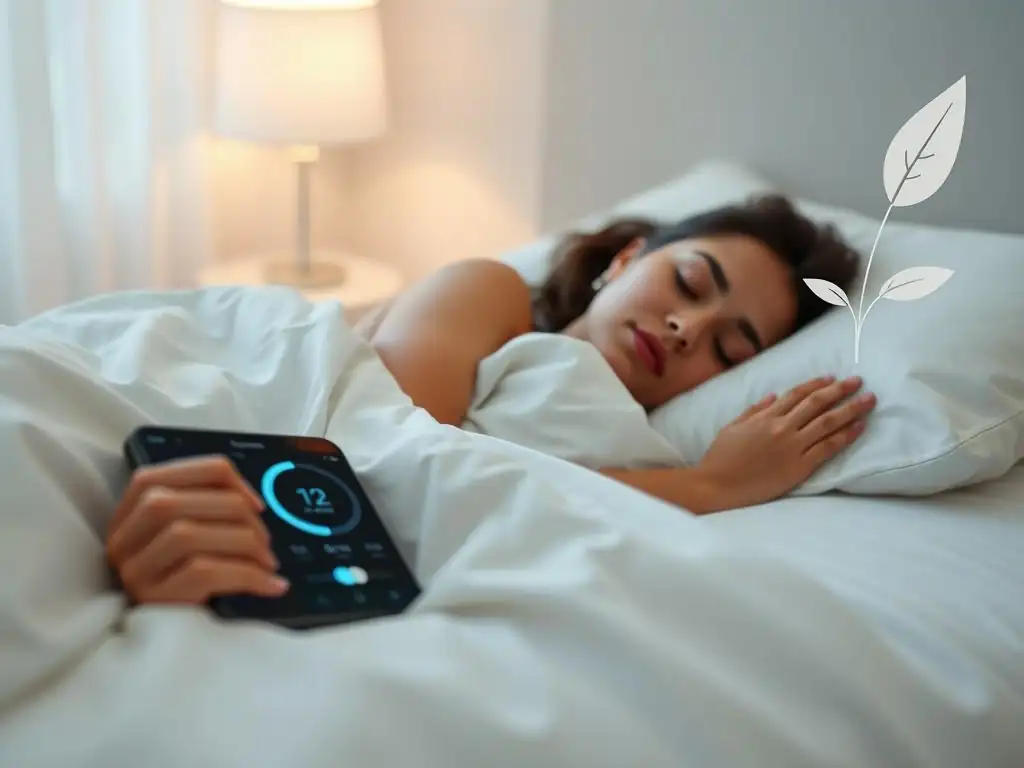
Sleep Cycle caters to a specific type of user. It's particularly well-suited for individuals who are curious about their sleep patterns and want an easy-to-use tool to gain basic insights without investing in a wearable device. Its primary appeal often lies in its signature feature: the Smart Alarm, designed to make waking up easier.
However, the value derived from the app, especially the more detailed analysis, often depends on a willingness to either use the free version's limited features or subscribe to the premium service. Understanding these factors helps determine if Sleep Cycle aligns with your needs and budget for sleep cycle app benefits tracking.
Users Seeking an Easy-to-Use Sleep Tracker
Sleep Cycle is known for its clean, intuitive interface. Setting up tracking for the night is straightforward, typically involving activating the app and placing the phone. The presentation of sleep data through graphs and simple metrics like the sleep quality percentage is easy for most users to understand at a glance.
For someone new to sleep tracking or who prefers a less complex approach compared to some feature-rich wearables or apps, Sleep Cycle offers a gentle introduction. Its focus on core features like the Smart Alarm and basic sleep analysis makes it accessible for a wide audience interested in gaining some insight into their sleep cycle app benefits tracking without feeling overwhelmed by complex data.
People Interested in Smart Alarm Functionality
The Smart Alarm is arguably Sleep Cycle's most distinctive and appealing feature. Many users are drawn to the promise of waking up feeling more rested by being roused during a light sleep phase. If your primary motivation for trying a sleep app is to improve your morning experience and reduce grogginess associated with traditional alarms, Sleep Cycle is a strong contender.
While the effectiveness of the Smart Alarm can vary, the underlying principle is sound, and many users report positive results. If you're tired of being jolted awake and are looking for a potentially gentler way to start your day, the Smart Alarm feature alone might make Sleep Cycle worth trying, even if you only use the basic, free version for this purpose.
While the free version offers basic tracking and the Smart Alarm, the full power of Sleep Cycle, particularly in terms of detailed historical data analysis, trend identification, and advanced features like snoring analysis and sleep notes, is locked behind the premium subscription. Users who are serious about diving deep into their sleep cycle app benefits tracking data and correlating it with various lifestyle factors will need to pay for the premium tier.
If you are committed to using sleep data to make significant changes to your sleep habits and are willing to invest in the tools to do so, the premium subscription might provide the value you're seeking. However, it's worth considering if the premium features offer enough value compared to other paid apps or dedicated sleep tracking devices before committing to the recurring cost.
Alternatives to Sleep Cycle
The sleep tracking and improvement market is broad, offering various alternatives to Sleep Cycle. These range from dedicated hardware devices that offer potentially more accurate tracking to other apps focused on different aspects of sleep, such as creating a conducive sleep environment. Exploring alternatives is useful if Sleep Cycle doesn't meet your needs or if you're looking for a different approach to sleep cycle app benefits tracking.
Some alternatives focus on passive tracking using wearables, while others provide tools like white noise or smart lighting designed to directly influence your sleep environment and readiness for sleep. The best alternative depends on whether you prioritize tracking accuracy, environmental control, or specific features.
Wearable Trackers: Oura Ring, Fitbit
Wearable devices like the Oura Ring or Fitbit offer an alternative approach to sleep tracking. These devices are worn on the body (finger or wrist) and use sensors like accelerometers, gyroscopes, and heart rate monitors to collect data continuously. Because they are in direct contact with the user, they can often provide more consistent and potentially more accurate data on movement, heart rate, and heart rate variability throughout the night compared to phone-based apps placed on a nightstand or mattress.
The Oura Ring, for instance, is known for its focus on sleep staging and recovery metrics, while Fitbit devices offer comprehensive activity and sleep tracking integrated into a broader health ecosystem. While these devices typically require a significant upfront investment (and sometimes a subscription), they offer a different level of data granularity and convenience compared to phone apps for sleep cycle app benefits tracking.
White Noise Apps: Noisly, myNoise
Instead of focusing on tracking, some apps aim to improve sleep directly by creating a calming auditory environment. White noise apps like Noisly or myNoise offer a variety of ambient sounds (white noise, nature sounds, cafe sounds, etc.) designed to mask disruptive noises and help users relax and fall asleep more easily.
These apps don't track your sleep cycle but rather focus on facilitating the process of falling and staying asleep. They can be used independently or in conjunction with a tracking app like Sleep Cycle. For individuals whose sleep is frequently disturbed by environmental noise or who benefit from background sound for relaxation, a dedicated white noise app might be a more effective tool than a tracker alone for improving sleep quality.
Smart Lighting: Nanoleaf
Beyond apps and wearables, technology like smart lighting can also play a role in optimizing the sleep environment. Products like Nanoleaf lights offer features that can help regulate your body's natural sleep-wake cycle (circadian rhythm). Exposure to bright light in the morning helps signal wakefulness, while dimming lights and shifting to warmer tones in the evening can promote relaxation and prepare your body for sleep.
Some smart lighting systems can be programmed to simulate sunrises for a gentle wake-up or create relaxing light scenes for a bedtime routine. While not directly tracking sleep, these tools influence the environmental factors that significantly impact sleep quality and timing. Integrating smart lighting with other sleep tools can be part of a comprehensive approach to improving sleep cycle app benefits tracking and overall rest.
Final Verdict: Is Sleep Cycle Right for You?
Deciding whether Sleep Cycle is the best sleep tracking app depends largely on your individual needs, priorities, and budget. It's a popular choice for a reason, offering a user-friendly interface and a unique Smart Alarm feature that many find beneficial. However, it's important to have realistic expectations about the accuracy of its sleep tracking compared to medical devices and to consider the cost of the premium subscription for accessing advanced features.
For some, the free version's Smart Alarm and basic tracking will be sufficient. For others, the detailed analysis and historical data offered by the premium subscription will provide valuable insights into their sleep cycle app benefits tracking journey. For those seeking the highest possible accuracy or integrating sleep tracking with other health metrics from a wearable, alternative devices might be a better fit.
Is Sleep Cycle a Good Sleep Tracking App?
Sleep Cycle is a good sleep tracking app, particularly within the category of phone-based, non-wearable trackers. Its strengths lie in its ease of use, the innovative Smart Alarm feature, and its ability to present sleep data in clear, visual formats. It can be a valuable tool for increasing self-awareness about sleep patterns and identifying potential lifestyle factors that influence sleep quality.
However, it's crucial to understand that its sleep stage tracking is an estimation based on movement and sound, not a precise medical measurement. Its accuracy can be affected by external factors. While it provides useful insights for sleep cycle app benefits tracking, it should not be relied upon for diagnosing sleep disorders or replacing professional medical advice.
Recommendations Based on Needs
- For Budget Users: Consider the Free Version: If you are primarily interested in the Smart Alarm feature and basic overnight sleep duration/quality estimation without needing long-term trends or advanced analysis, the free version of Sleep Cycle is a good starting point. It allows you to experience the core functionality at no cost.
- For Data-Driven Users: Premium Subscription Might Be Worth It: If you are keen on analyzing long-term sleep trends, correlating sleep data with daily activities (using notes), accessing snoring analysis, and utilizing features like sleep aid sounds, the premium subscription unlocks the full potential of Sleep Cycle's sleep cycle app benefits tracking capabilities. Evaluate the cost against the value you place on these detailed insights.
Frequently Asked Questions
What are the main benefits of using a sleep cycle app for tracking my sleep?
Sleep cycle apps can help you understand your sleep patterns and identify potential sleep problems. They can also provide insights into how lifestyle factors affect your sleep quality.
How accurate are sleep cycle apps in tracking sleep stages compared to a professional sleep study?
While sleep cycle apps can provide a general overview, they are less accurate than polysomnography (PSG), the gold standard for clinical sleep studies. Apps rely on movement and sound, while PSG measures brain waves.
What features should I look for in a sleep cycle app to maximize the benefits of tracking?
Consider apps with features like sleep stage analysis, smart alarms, sound recording to detect snoring, and integration with other health apps for a holistic view.
How can a sleep cycle app help me improve my overall sleep hygiene?
By tracking your sleep, you can identify patterns and correlations between your habits (e.g., caffeine intake, exercise) and your sleep quality, allowing you to make informed adjustments.
Are there any potential downsides to relying solely on a sleep cycle app for tracking my sleep?
Over-reliance can lead to sleep anxiety, where you become overly concerned about your sleep data. Remember that apps are not a substitute for professional medical advice.
Final Reflection: Unlocking the Power of Sleep Through Conscious Tracking
Understanding our sleep cycles is no longer a niche pursuit; it's a crucial element of holistic well-being in our fast-paced, demanding world. The ability to track sleep patterns, analyze data, and make informed adjustments to improve sleep quality has profound implications for our physical and mental health. This is more than just a trend; it's a vital step towards taking control of our overall health.
The impact of sleep tracking apps on our understanding of sleep hygiene is undeniable. We've moved from a time of vague assumptions about sleep to an era of personalized data-driven insights. This shift allows us to identify and address individual sleep challenges, fostering a more proactive approach to health management. Sleep is the golden chain that binds health and our bodies together.
This quote highlights the fundamental importance of sleep, and technology is now empowering us to understand and optimize this precious resource.
Consider the information presented in this review. You now have the tools to evaluate sleep tracking apps effectively and choose one that aligns with your needs. Don't just passively accept your sleep patterns; actively engage with them. Download an app, track your sleep, analyze the data, and make conscious choices to improve your sleep hygiene. The journey to better sleep starts with a single step – the download of a sleep tracking app and a commitment to understanding your own unique sleep cycle.
Unlock Your Best Sleep Yet!
Thanks for diving into the world of sleep tracking with us! We hope this review helped you understand the power of understanding your sleep cycles. Ready to take charge of your rest?
- Start tracking your sleep tonight! Download a sleep tracking app (even a simple one to begin) and see how your sleep patterns look. You might be surprised by what you discover!
- Share your experiences: Let us know in the comments what sleep tracking app you choose and how it's working for you. We love hearing your stories!
- Explore other Mind Care Guide resources: Find more tips for better sleep and overall well-being on our site. You might uncover a new healthy habit that dramatically improves your nightly rest!
What small step will you take tonight to improve your sleep?