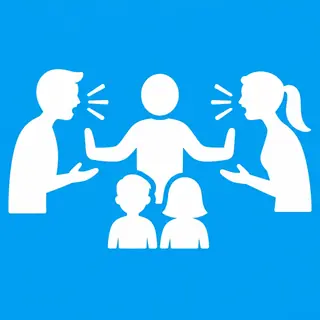
Mastering Healthy Communication in Relationships
Healthy communication is the cornerstone of every thriving relationship—romantic, familial, or platonic. On Mind Care Guide, our “Communication in Relationships – Healthy Communication” subcategory equips you with practical, science-backed strategies to express yourself clearly, listen actively, and resolve conflicts without damaging the bond. Whether you struggle with difficult conversations, emotional triggers, or simply want to deepen intimacy, this resource helps you transform everyday interactions into opportunities for trust, empathy, and mutual understanding. Explore techniques grounded in mental well-being principles, designed to reduce anxiety and foster secure attachments.
💬 Active Listening: The Superpower You’re Missing
Active listening goes beyond hearing words—it involves fully engaging with your partner’s emotions, body language, and unspoken needs. In our guides, you’ll learn the three pillars: reflective paraphrasing, empathetic validation, and non-judgmental curiosity. By mastering these, you reduce misunderstandings and make your loved one feel truly seen, which directly boosts relationship satisfaction and lowers stress levels.
Expect step-by-step exercises to practice daily, including how to pause before responding, ask open-ended questions, and use verbal cues like “What I hear you saying is…” These techniques are especially helpful for couples navigating anxiety or past trauma, as they create a safe emotional container where vulnerability becomes a strength rather than a risk.
🧠 Emotional Intelligence in Conflict: Stay Calm, Stay Connected
Conflict is inevitable, but destructive arguments are optional. Here, we focus on emotional regulation before confrontation—teaching you to name your feelings (e.g., “I feel disrespected” vs. “You always ignore me”) and take mindful pauses when your heart races. You’ll discover how to differentiate between facts and judgments, and why using “I-statements” rewires defensive responses.
Practical tools include a 5-minute cooldown ritual, a conflict script template, and breathing techniques that activate your parasympathetic nervous system. By integrating these into your routine, you’ll prevent escalation, repair ruptures faster, and model healthy conflict for children or other family members—reducing household tension and promoting long-term mental resilience.
🎯 Setting Boundaries Without Guilt: The Art of Saying No
Healthy communication requires clear borders. This section demystifies boundary-setting as a form of self-care and respect, not rejection. You’ll learn to express your limits using assertive, kind language—like “I can’t take on that task this week, but let’s find another solution”—and how to handle pushback from loved ones who are used to you always saying yes.
Expect role-play scenarios, scripts for common situations (e.g., intrusive in-laws, overbearing partners), and tips for managing guilt and anxiety that surface when enforcing boundaries. We also address digital boundaries, such as response-time expectations, which are increasingly vital in modern relationships. This practice decreases resentment, prevents burnout, and builds mutual respect—key ingredients for lasting mental well-being.
📵 Digital Communication: Navigating Texts, DMs, and Video Calls
Misunderstandings thrive in text-based interactions due to missing tone and context. Our guidance covers “text etiquette”—when to use voice notes, avoid heavy topics via message, and use emojis intentionally. You’ll learn how to spot passive-aggressive phrasing in your own messages and how to request clarification without sounding accusatory when you receive ambiguous texts.
We also dive into long-distance relationships and co-parenting apps, offering templates for scheduling “feelings check-ins” and setting tech-free zones. By applying these strategies, you’ll reduce digital anxiety, prevent overthinking, and ensure that virtual communication reinforces intimacy rather than eroding it. Plus, you’ll get tips for video call eye contact and active listening cues that mimic in-person presence.
🔄 Repairing After a Hurtful Exchange: Rebuilding Trust
Even the best communicators slip up. This segment focuses on the repair sequence: acknowledge the impact, apologize without excuses, offer restitution, and reconnect through positive actions. You’ll learn why shame blocks apologies and how to separate your partner’s behavior from their identity. Real-life case studies show how couples recover from harsh words, broken promises, or silent treatments.
Expect guided reflection prompts, a 4-step apology framework, and exercises to rebuild emotional safety after betrayal. We also cover self-forgiveness—because beating yourself up hinders the repair process. By practicing these skills, you’ll turn regrettable moments into deeper trust, reinforcing that your relationship can withstand imperfections—a critical component of mental resilience and long-term happiness.
Frequently Asked Questions
What is the first step to improving communication in my relationship?
Start by practicing active listening in low-stakes conversations. Put away distractions, make eye contact, and paraphrase what your partner said before responding. This builds a habit of presence and validation, which creates a safe space for deeper topics later. Consistency matters more than perfection.
How do I communicate when my partner gets defensive?
Shift from blame to curiosity. Use “I” statements, pause to acknowledge their feelings (“I see this upsets you”), and suggest a short break if tension rises. Defensiveness often signals fear of attack—reassure them you’re on the same team. Revisit the topic after both are calm.
Can healthy communication reduce anxiety in my relationship?
Absolutely. Clear expressiveness reduces ambiguity, which is a major anxiety trigger. When you state needs openly and receive honest responses, your nervous system calms because you feel predictable and safe. Over time, this lowers hypervigilance and fosters secure attachment.
What if my partner refuses to learn these skills?
Focus on your own behavior first—model active listening and boundary-setting. Often, change in one partner shifts the dynamic. If resistance persists, consider couples therapy as a neutral space. Ultimately, you can still protect your mental health by setting limits on toxic exchanges.
Are digital communication skills really part of healthy relationships?
Yes, because most couples text daily. Misread tone causes avoidable fights. Use voice messages for sensitive topics, ask clarifying questions, and respect response-time boundaries. Digital etiquette is now a core relational skill—small adjustments prevent big misunderstandings and preserve emotional energy.