Understanding Divorce and Mental Health: How Families Can Heal Together
Divorce is not just a legal event—it’s an emotional earthquake that reshapes family dynamics, daily routines, and individual psychological well-being. At Mind Care Guide, our Divorce and Mental Health – Impact on Families subcategory explores the complex intersection of separation and emotional health. We provide evidence-based insights, practical coping strategies, and compassionate guidance for parents, children, and extended family members navigating this transition. From managing grief and anxiety to fostering resilience and co-parenting harmony, this resource helps you understand the psychological ripple effects and rebuild stability with confidence.
💔 Emotional Stages of Divorce for Adults and Children
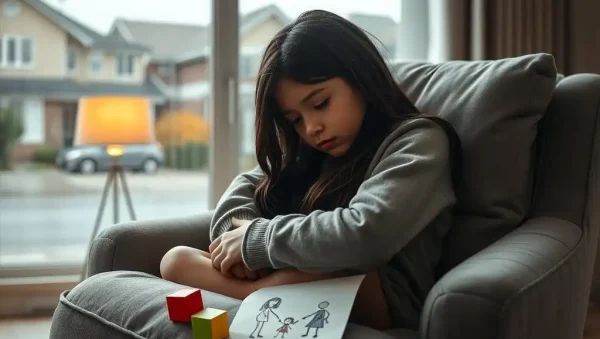
Divorce triggers a grief cycle similar to bereavement: denial, anger, bargaining, depression, and acceptance. For adults, this often manifests as identity loss, loneliness, and guilt, while children may exhibit regression, acting out, or withdrawal. Understanding these stages helps normalize intense reactions rather than pathologizing them. Our guides detail age-specific emotional responses—from toddlers fearing abandonment to teenagers questioning trust—so you can recognize warning signs early.
Families benefit from structured emotional literacy: naming feelings, validating each member’s experience, and creating safe spaces for expression. We share journaling prompts, family meeting templates, and therapeutic activities that turn chaos into connection. Crucially, we address secondary losses—friendships, extended family ties, financial security, and even holidays—which often cause deeper distress than the separation itself. By anticipating these layers, you can prepare coping plans that reduce cumulative trauma and promote faster emotional recovery.
🧠 Anxiety, Depression, and Self-Care Strategies for Parents
Parental mental health directly impacts children’s adjustment post-divorce. Research shows that untreated parental depression increases kids’ risk of behavioral issues by up to 70%. This section offers practical self-care frameworks: sleep hygiene, mindfulness micro-practices, and cognitive-behavioral reframing to combat catastrophic thinking. We also explore when to seek professional help, including therapy modalities like EMDR for trauma or CBT for anxiety disorders.
Beyond basics, we emphasize emotional regulation skills—like grounding techniques and distress tolerance—that prevent reactive parenting. You’ll learn to build a “support scaffolding” comprising therapists, support groups, and trusted friends. We include checklists for creating a post-divorce wellness routine, meal prep plans to reduce decision fatigue, and boundary-setting scripts for difficult co-parent conversations. The goal is to stabilize your nervous system so you can parent from a place of calm instead of crisis.
👶 Supporting Children’s Resilience During and After Separation
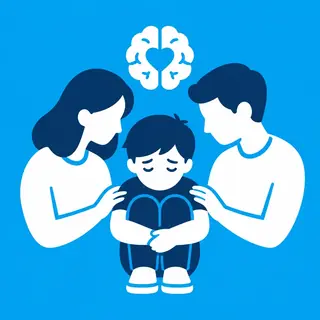
Children are not mini-adults; their resilience depends on protective factors like consistent routines, open communication, and low inter-parental conflict. Our evidence-based advice covers age-appropriate explanations, maintaining both parents’ presence, and managing transitions between households. We provide scripts for telling children about divorce, handling difficult questions (“Do you still love me?”), and recognizing signs that a child needs play therapy or school counseling.
We also tackle the “silent sufferer” phenomenon—children who seem fine but internalize distress. Practical tools include emotion charts, worry jars, and bibliotherapy recommendations. We guide parents in creating a “family resilience plan” that maps out weekly schedules, holiday arrangements, and emergency contacts. Additionally, we address the role of grandparents and stepparents, ensuring that children maintain secure attachments without feeling torn between loyalties. The ultimate aim is to protect childhood itself, allowing joy and curiosity to persist amidst upheaval.
🤝 Co-Parenting Communication and Conflict Reduction
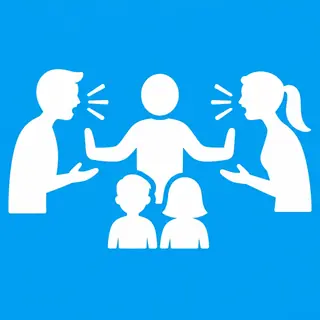
High-conflict divorce is the strongest predictor of poor child mental health. This section provides communication protocols like BIFF (Brief, Informative, Friendly, Firm) messages, “business-only” email templates, and structured handoff rituals that minimize emotional triggers. We explore the psychology of parallel parenting—where you disengage emotionally while still coordinating logistics—as a practical alternative when civility fails.
You’ll also learn about mediation techniques, parenting coordinators, and court-approved apps like OurFamilyWizard that document exchanges neutrally. We debunk myths about “winning” custody battles, instead emphasizing child-centered decision-making. Case studies illustrate how to reduce verbal hostility, avoid triangulating children as messengers, and repair rifts through repair conversations. For chronic conflict, we explain the benefits of collaborative divorce or therapeutic interventions that address underlying resentment. Ultimately, these strategies lower everyone’s anxiety and create a predictable environment where children can thrive.
🌱 Rebuilding Identity, Social Networks, and Future Relationships
Post-divorce, many adults struggle with a lost sense of self—having defined themselves as “spouse” or “co-parent.” This section helps you reconstruct a personal narrative that separates your worth from marital status. We guide you through values clarification exercises, new hobby exploration, and restarting social connections without guilt. You’ll also find advice on dating readiness: knowing when you’ve processed grief, setting healthy boundaries, and introducing new partners to children safely.
Family identity also transforms—new holiday traditions, blended family dynamics, and redefined roles with in-laws. We offer practical solutions, like creating a “divorce family mission statement” and scheduling “transition ceremonies” to honor the old while welcoming the new. We address financial independence’s psychological impact, teaching positive money mindsets to reduce stress. For children, we explain how to support their future romantic relationships by modeling respectful conflict resolution. The underlying message is hopeful: divorce can be a catalyst for personal growth and more authentic connections.
Frequently Asked Questions
How long does it take for most families to emotionally adjust after a divorce?
There’s no fixed timeline, but research suggests 1–3 years for major adjustment, with acute grief peaking in the first 6 months. Children may show improved adjustment after 2 years if conflict remains low. Individual factors—age, support systems, and parental mental health—significantly speed or delay recovery. Patience and consistent routines are key.
What are the most common mental health issues in children after divorce?
Children commonly experience anxiety, depression, behavioral regression (e.g., bedwetting), academic decline, and social withdrawal. Teens may show anger, risk-taking, or premature independence. If symptoms persist beyond six months or impair daily functioning, a child therapist can provide targeted interventions like play therapy or trauma-focused CBT.
Should parents stay together “for the kids” if the marriage is unhappy?
No—high-conflict marriages harm children more than a well-managed divorce. Chronic parental conflict increases cortisol levels, leading to anxiety and relationship insecurity. However, if divorce is chosen, prioritizing low-conflict co-parenting and open communication mitigates negative effects. Children fare best when both parents are emotionally available and stable.
How can I support my ex-spouse’s mental health without overstepping boundaries?
Focus on co-parenting support—share relevant information about kids, never criticize their parenting in front of children, and maintain neutral, solution-focused communication. Encourage them to seek professional help if needed, but don’t act as their therapist. Set clear emotional boundaries while remaining cooperative on logistics.
What signs indicate that a child needs professional counseling during divorce?
Look for persistent sadness, significant behavior changes (aggression or withdrawal), sleep/appetite disturbances, declining grades, or self-harm talk. Also, if they express guilt, excessive worry about parents, or regress developmentally. Early intervention prevents long-term issues. A child psychologist can assess needs and provide coping tools tailored to their age.