Gifts That Facilitate Connection: Support Ideas for Someone with Depression
🌟 Discover thoughtful supporting someone with depression gifts that foster connection and comfort. These meaningful ideas can brighten their days, show your…
Read article

When words fall short, a thoughtful gift can become a powerful bridge of love and hope for someone navigating depression. 🌟 Our curated selection focuses on comfort, gentle encouragement, and tangible support—not to “fix” their feelings, but to remind them they are seen, valued, and never alone. From cozy weighted blankets and soothing sensory items to uplifting journals and self-care kits, each present is chosen to promote calm, reduce anxiety, and spark small moments of joy. Whether you’re looking for a “thinking of you” token or a practical tool for daily coping, these gifts speak the silent language of empathy. Explore ideas that honor their journey while offering a soft place to land. 💙 Because sometimes, the most profound gift is presence made physical—a warm hug in a box, a gentle nudge toward brighter days, and a heartfelt reminder that they are deeply loved, exactly as they are.
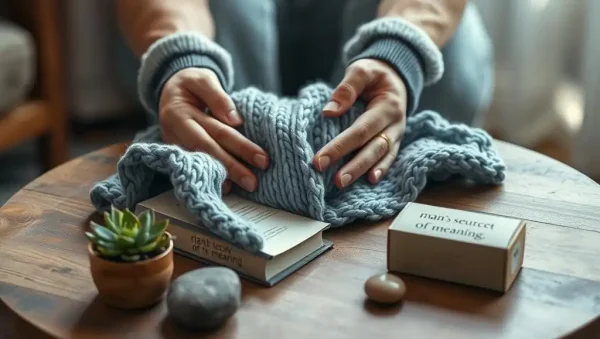
🌟 Discover thoughtful supporting someone with depression gifts that foster connection and comfort. These meaningful ideas can brighten their days, show your…
Read article
🌟 Discover thoughtful ways to support loved ones with depression by choosing the right comforting gifts depression sufferers will cherish. This guide…
Read article
🌟 Discover how to choose thoughtful gifts for depression sufferers that genuinely support their well-being. This guide offers compassionate insights and practical…
Read article
🌟 Discover how thoughtfully chosen relaxation gifts can reduce depression by promoting calm and mindfulness. This guide highlights meaningful presents that foster…
Read article
🌟 Discover thoughtful gifts for depressed loved ones that genuinely show you care. Practical empathy through meaningful presents can offer comfort, support,…
Read article
🌟 Discover thoughtful gift ideas to help create a safe depression space, offering comfort and reassurance. This guide provides compassionate suggestions to…
Read article
🌟 Discover meaningful gifts for depression support that go beyond flowers—thoughtful ideas to uplift loved ones, show you care, and provide comfort…
Read article
🌟Gifting depression support thoughtfully is crucial; avoid well-intentioned but unhelpful items that may cause discomfort. Instead, focus on meaningful, supportive gestures that…
Read article
🌟 Discover thoughtful and meaningful gift ideas for depression support that go beyond the obvious. This guide offers unique, compassionate options to…
Read article
🌟 Discover thoughtful gifts support depression recovery by offering comfort and practicality. Explore meaningful ideas that can uplift loved ones, showing them…
Read article
🌿 Discover thoughtful self-care gifts for depression that foster calm and comfort. Our guide offers inspiring ideas to create a soothing sanctuary,…
Read article
🎁 Supporting someone with depression gifts requires thoughtfulness and empathy. Discover how to choose meaningful presents that uplift, comfort, and show genuine…
Read articleWhen someone you care about is navigating depression, finding the right gift can feel like a delicate balancing act. It’s not about fixing them—it’s about showing you see their struggle, honor their feelings, and are present without pressure. This subcategory focuses on curated items and gestures designed to provide gentle comfort, reduce isolation, and communicate unwavering support. From sensory soothing tools to cozy essentials and meaningful keepsakes, each suggestion is crafted to respect their emotional boundaries while reminding them they are deeply loved. Explore how small, intentional choices can become lifelines of connection and hope.
Gifts that prioritize physical warmth and softness can create a sanctuary of safety during overwhelming days. Weighted blankets, plush throws, and ultra-soft hoodies have been shown to reduce anxiety by stimulating the parasympathetic nervous system. These items offer grounding pressure that mimics a soothing hug, helping to calm racing thoughts and promote restfulness. Choose fabrics like bamboo cotton or fleece that are breathable yet insulating, avoiding scratchy materials that might irritate sensitive skin. Pairing with a heatable lavender pillow adds a gentle aromatherapy layer that encourages relaxation.
Beyond the physical benefits, cozy gifts send a clear message: “It’s okay to rest, you don’t have to perform.” For someone with depression, even showering or changing clothes can feel exhausting. A high-quality robe with deep pockets, or a pair of cloud-like slippers, lowers the barrier to daily comfort. You’re not just giving an object—you’re granting permission to be imperfect, to stay in pajamas all day, and to find small joys in tactile sensations. These gifts respect the slow pace of healing and can become cherished daily rituals.
Depression often brings a painful sense of disconnection, even from those who love us. Memory-making kits—like “coupon books” for future low-pressure outings, or a jar filled with handwritten positive affirmations—offer gentle interactive connection points. These gifts invite participation on their terms, without demanding conversation or explaining feelings. For example, a “dates-in-a-jar” set can include tasks like “watch a sunset together in silence” or “share your favorite childhood snack.” The focus is on shared presence, not problem-solving.
These kits also provide a tangible reminder that joy is possible, even if it feels distant right now. By framing activities as optional and open-ended, you reduce performance pressure. You might include a Polaroid camera and a scrapbook for future memories, or a journal with prompts like “Today I noticed something small and beautiful.” Such gifts gently nudge the brain toward positive recall and gratitude, which can combat rumination. Most importantly, they say, “I’m willing to wait and walk beside you,” which is more powerful than any material item.
When panic or deep sadness hits, sensory tools can be calming anchors. Fidget rings, textured worry stones, or a portable essential oil inhaler (like peppermint for alertness or cedarwood for grounding) offer immediate, non-verbal coping mechanisms. These tools engage the five senses to pull attention back to the present moment, a core principle of mindfulness-based therapy. A set of noise-canceling earbuds can also be transformative—they allow the person to listen to calming playlists or white noise, creating a bubble of safety in overwhelming environments.
Choose tools that are discreet and easy to carry, so they become quiet allies during work, errands, or sleepless nights. You might also include a “grounding card” with simple prompts like “name 5 things you can see” or “press your feet into the floor.” These are practical, evidence-based techniques used by therapists to reduce dissociation. By gifting a curated “rescue kit,” you’re equipping your loved one with coping strategies they can access anytime, without relying on others. This fosters a sense of empowerment and self-compassion, crucial for long-term recovery.
Depression can make people feel invisible, misunderstood, or even ashamed. A personalized keepsake—such as a custom-engraved bracelet with an inside joke, or a framed print of a song lyric that resonates—serves as a permanent reminder that their story matters. Consider commissioning a small piece of art that represents their inner strength, or a playlist you curate and print on a custom card. These gifts say, “I see you, and I’ve taken time to honor who you are beyond your diagnosis.” Avoid generic sympathy messages; instead, use specific references to shared memories or qualities you admire.
The act of personalization itself is therapeutic. It shows you’ve paid attention to their subtle cues—their favorite color, a childhood dream, or a phrase they often repeat. For someone who might feel like a burden, this thoughtful attention can be deeply validating. You could also include a letter explaining why you chose each element. Such keepsakes become touchstones of connection that they can revisit on bad days. They counterbalance depression’s lie that “no one really cares,” anchoring the truth that they are genuinely loved, exactly as they are.
While immediate comfort is vital, gifts that symbolize future possibility—like a succulent kit, a small indoor herb garden, or a “beginner’s watercolor set”—can plant seeds of hope. Watching a living thing grow under their care offers a sense of purpose without huge demands. Depression often feels stagnant, so tending a plant provides a low-stakes, daily routine that yields visible progress. Similarly, a gratitude journal with daily one-line prompts can slowly rewire the brain toward positivity, but choose a version with very gentle, non-encouraging wording to avoid pressure.
These gifts work best when framed as “companions to your journey” rather than “projects to fix you.” Include a note that says, “No expectations—just let this be a quiet friend.” You might pair a worry doll (from Mayan tradition) with a story of how it listens to worries at night. Or offer a “future trip” savings jar, even if it’s for a small café visit next month. These items remind the recipient that time will pass, and they will be part of it. They embody a compassionate truth: healing is not linear, but the opportunity to grow is always present.
The most beneficial gift is non-demanding and sensory-based, such as a weighted blanket or a calming aromatherapy diffuser. Avoid items that require inherent effort or social interaction, like tickets to an event. Focus on comfort and safety—think warmth, texture, and calming scents. Always include a heartfelt note that doesn’t push them to “get better” but reassures them you’re there.
Yes, but make it optional and low-pressure. For example, gift a “rain check” for a movie night or a walking date that can be canceled anytime without guilt. Avoid time-sensitive or performance-based activities. The key is to emphasize flexibility: “We can do this whenever you feel up to it, even if that’s months from now.” This removes anxiety of obligation.
Yes, avoid self-help books that imply they’re “broken” or need fixing, as well as items that pressure them to exercise or socialize (e.g., gym memberships, party games). Also steer clear of overly cheerful or “toxic positivity” items like mugs that say “Just Smile.” These can feel invalidating. Instead, choose neutral, soothing items that don’t carry expectations.
Incorporate details from your conversations—a quote they’ve shared, a favorite scent, or a memory of a laughter-filled moment. Write a short letter explaining what you cherish about them, naming specific qualities like their resilience or humor. You might also include a small playlist on a USB drive with songs that remind you of them. The effort to remember matters more than the price.
It’s best to frame it as “thinking of you” rather than labeling the condition. Say something like, “I wanted to bring you a little comfort” or “This reminded me of you.” Avoid saying, “This will help your depression,” as it may pathologize their experience. Focus on love and connection, not the illness. Let the gift speak softly without force.