Thoughtful Gifts for Someone with PTSD – Supporting Recovery
Finding the right gift for a loved one navigating post-traumatic stress disorder (PTSD) goes beyond material value—it’s about offering comfort, safety, and validation. On Mind Care Guide, this subcategory focuses on carefully curated presents that aid grounding, relaxation, and emotional regulation. Whether you’re searching for anxiety-reducing tools, sensory items, or journaling aids, these gift ideas are designed to support recovery without overwhelming the recipient. Explore practical, compassionate options that communicate “I see you, and I’m here.”
🧘 Grounding & Sensory Soothing Kits
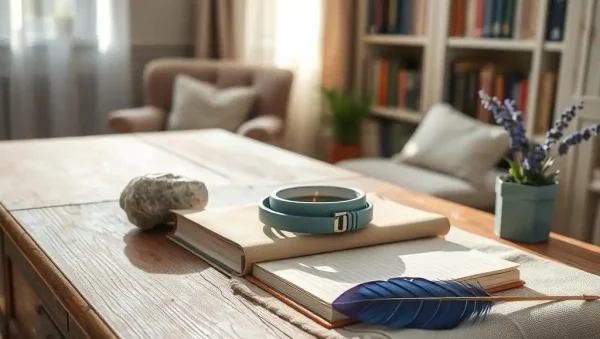
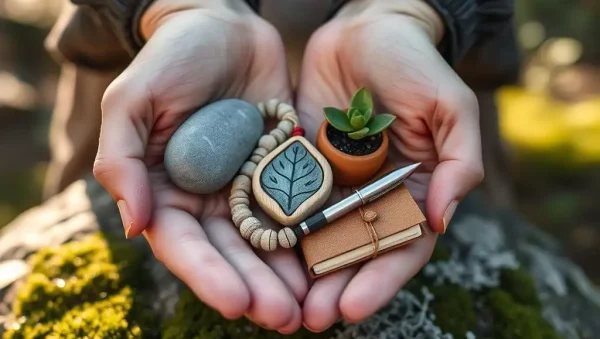
Grounding techniques are a cornerstone of PTSD management, helping individuals reconnect with the present moment during flashbacks or heightened anxiety. Gifts like weighted blankets, textured fidget stones, or aromatherapy roll-ons with lavender or cedarwood can be incredibly effective. A thoughtfully assembled grounding kit might include a small “calm box” with items that engage all five senses—soft fabrics, calming scents, and gentle sound tools. These gifts are not just objects; they’re lifelines that offer immediate, tangible relief during difficult episodes.
When selecting sensory gifts, prioritize quality and personal preference. Some people prefer cold sensations (cooling gel packs) while others find warmth (heated cushions) more soothing. Opt for portable items that can be used discreetly in public or during therapy sessions. Avoid anything with intense stimuli, like flashing lights or loud alarms, which can trigger distress. Instead, focus on neutral, calming colors and familiar textures. Pairing a grounding kit with a handwritten note explaining its purpose can make the gift feel deeply personal and supportive.
📓 Guided Journals & Reflection Tools
Expressive writing is a proven therapeutic outlet for individuals with PTSD, helping to process trauma and track emotional patterns. A high-quality guided journal with prompts specifically designed for trauma recovery—such as “What helped you feel safe today?”—can be a gentle yet powerful gift. Look for journals that include breathing exercises, mood trackers, and space for free expression. Paired with a set of soothing pens or colored pencils, this gift encourages self-reflection while respecting the recipient’s pace and privacy.
For those who prefer digital tools, consider a subscription to a mental wellness app that emphasizes journaling and CBT-based prompts. However, physical journals often feel more intimate and tangible. Ensure the journal isn’t overly structured or demanding; PTSD recovery is non-linear, and forced daily entries can feel burdensome. Instead, choose a flexible format with optional prompts. Adding a small “emergency comfort” bookmark with affirmations or a favorite quote can transform the journal into a truly supportive recovery companion.
🕯️ Aromatherapy & Calming Home Essentials
Creating a safe, serene environment is vital for someone living with PTSD. Aromatherapy diffusers, unscented candles with calming essential oil blends, or a weighted sleep mask can turn any room into a sanctuary. Scents like chamomile, frankincense, and ylang-ylang are known for their anxiety-reducing properties. These gifts help establish comforting routines, especially before bedtime, when hypervigilance often intensifies. Always choose hypoallergenic, non-toxic products to avoid sensory irritation.
Beyond scents, consider soft lighting—such as a dimmable bedside lamp or a warm-toned Himalayan salt lamp—which reduces harsh shadows that can feel threatening. Weighted blankets are another excellent home essential, providing deep pressure stimulation that calms the nervous system. When gifting these items, avoid strong perfumes or overwhelming decor; the goal is neutral, cozy, and predictable. You might also include a small “sleep kit” with earplugs, a silk eye mask, and a calming playlist guide, all designed to promote restorative rest.
🤝 Experience Gifts: Classes & Memberships
Sometimes, the best gift is an opportunity to build coping skills in a supportive setting. Experience gifts like a beginner’s yoga class (especially trauma-informed yoga), meditation workshops, or art therapy sessions can be transformative. Many people with PTSD find gentle movement or creative expression easier than verbalizing their feelings. A membership to a local community center or an online wellness platform offering recorded guided meditations provides flexibility and repeat use, making it a practical and thoughtful choice.
When giving experience gifts, always check if the provider is trauma-informed—meaning staff are trained in sensitivity and safety. Avoid high-intensity activities like boot camps or crowded events, which can trigger anxiety. Instead, opt for small-group, low-commitment sessions. You could also gift a “self-care day” package with vouchers for a massage, a quiet café, or a library membership. Remember to include a flexible timeline; the recipient may need to reschedule based on their energy levels. The key is empowering choice, not pressure.
📿 Mindfulness & Meditation Accessories
Mindfulness practices help individuals with PTSD observe their thoughts without judgment, reducing reactivity. Gifts like meditation cushions, mala beads, or a high-quality meditation app subscription (e.g., Calm or Headspace) are excellent starting points. A simple, elegant timer that uses soft chimes instead of harsh alarms can support daily practice. These accessories are not just ritual tools—they’re gentle reminders to pause, breathe, and reconnect with the body’s safe sensations.
For those new to meditation, consider a beginner-friendly audio guide with short, 5-minute sessions focused on body scans or loving-kindness. Avoid anything too abstract or spiritual unless the recipient has expressed interest; keep it practical and science-backed. You might also include a small, portable “mindful breathing card” with visual instructions for box breathing or the 4-7-8 technique. These low-tech tools are invaluable during moments of acute stress. The best part is that these gifts are reusable, portable, and can be seamlessly integrated into daily life.
Frequently Asked Questions
What is the most helpful gift for someone with PTSD?
The most helpful gift is one that centers on sensory regulation, like a weighted blanket or grounding kit, because it directly addresses anxiety and flashbacks. However, personal preference matters—some find journaling more useful. Always consider their current coping strategies: observing what they already use can guide you. Avoid anything pressure-inducing; the goal is comfort, not obligation.
Are there any gifts to avoid for someone with PTSD?
Yes, avoid gifts with sudden loud noises, intense scents, or stimulating technology—like alarm clocks with harsh beeps or strong perfumes. Also steer clear of “fix-it” self-help books that imply quick recovery, as they can feel invalidating. Anything requiring forced participation, such as surprise party tickets, is also risky. Focus on low-stakes, calming, and practical items that promote safety.
Can a gift really help with PTSD recovery?
Absolutely, but indirectly. Gifts can provide comfort, reduce stress, and create healthy coping mechanisms—like a journal for self-expression or a diffuser for relaxation. They also convey emotional support, which is crucial for recovery. However, a gift cannot replace professional therapy. Think of it as a tool that complements treatment, not a cure itself.
How do I make a gift feel more personal without being intrusive?
Write a heartfelt note explaining why you chose each item, using “I noticed you like… so I thought this might help.” Avoid asking probing questions about their trauma. Instead, focus on their current interests or hobbies. Include a flexible return receipt so they can exchange if needed. The key is to show you listened without forcing your own agenda.
Should I ask the person with PTSD what they want as a gift?
It can be helpful, but frame it gently—like “Would you like something calming, or would you prefer a tasty treat?” This gives them agency without putting them on the spot. Some may not know what they need, so offering a few well-researched options (e.g., a weighted blanket vs. a subscription box) is a great compromise. Always allow them to decline gracefully.