Comparing Online Couples Therapy Services: Platforms, Therapists, and More
🌟 Discover how our online couples therapy comparison guide helps you evaluate top platforms, experienced therapists, and essential features to find the…
Read article

Couples therapy online is transforming how partners access relationship support, blending convenience with clinical effectiveness through dedicated platforms. Whether you’re navigating communication breakdowns, trust issues, or simply seeking to strengthen your bond, virtual counseling offers licensed therapists via video, chat, or phone—often at lower costs and with greater scheduling flexibility than in-person visits. Research increasingly shows that online couples counseling can be just as impactful as traditional sessions, with studies highlighting improved relationship satisfaction and conflict resolution skills. From specialized services like ReGain and Talkspace to integrative options within broader mental health networks, these platforms bring evidence-based approaches (such as Emotionally Focused Therapy and the Gottman Method) directly to your living room. Discover how to evaluate platform security, therapist credentials, session formats, and success metrics to make an informed choice for your partnership.

🌟 Discover how our online couples therapy comparison guide helps you evaluate top platforms, experienced therapists, and essential features to find the…
Read article
🌟 Discover how to enhance your relationship with our comprehensive guide to online couples therapy step by step. Learn practical tips, benefits,…
Read article
🌟 Discover the transformative potential of online premarital couples therapy benefits, providing accessible, flexible support that strengthens relationships before marriage. Explore how…
Read article
🌟 Discover how online couples therapy benefits marriage by addressing core issues, fostering better communication, and strengthening emotional bonds. This accessible approach…
Read article
🌟 Discover effective strategies to overcome virtual couples counseling challenges, ensuring meaningful connections and progress. Our comprehensive guide offers essential tips and…
Read article
🌟 Discover how online couples therapy benefits couples by offering convenient, accessible support that strengthens connection and communication, making mental well-being achievable…
Read article
🌟 Discover what to anticipate during your online couples therapy first session, and learn how this supportive, accessible approach can strengthen your…
Read article
🌟 Discover how to select the ideal online couples therapy platform with our comprehensive online couples therapy platform reviews, comparing essential features…
Read article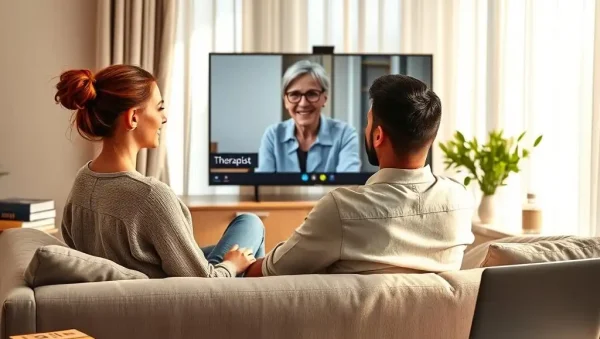
🌟 Discover how online couples therapy offers unmatched flexibility benefits, making relationship support accessible and convenient for busy couples. This innovative approach…
Read article
😊 Navigating online couples therapy finding help can transform your relationship. Discover essential tips to choose the right therapist, ensuring effective communication…
Read article
🌟 Discover how online couples therapy can effectively address infidelity and rebuild trust, offering a convenient and private path to healing. This…
Read article
🌟 Discover the top online couples therapy platforms and explore the benefits of virtual counseling. This comprehensive guide highlights how these platforms…
Read articleNavigating relationship challenges is never easy, but today, online couples therapy has transformed how partners access professional support. This subcategory of Online Therapy Platforms on Mind Care Guide dives deep into the leading digital services, their real-world effectiveness, and how to choose the right one for your unique relationship. Whether you're facing communication breakdowns, trust issues, or simply want to strengthen your bond, these platforms offer flexible, evidence-based care from the comfort of your home. Let’s explore what works, what to look for, and how to get the most out of virtual relationship counseling.
When it comes to selecting a platform, options like Talkspace, ReGain, BetterHelp, and Couples Therapy Inc. lead the market. Each offers distinct features: ReGain specializes exclusively in couples, providing both live video sessions and unlimited text messaging. BetterHelp partners with licensed therapists who often have couples-specific certifications. Talkspace integrates flexible scheduling and psychiatric add-ons if needed. Meanwhile, platforms like OurRelationship use structured, research-backed programs rather than open-ended sessions.
Expect to compare pricing models, therapist qualifications, and communication modes—some offer 30-minute sessions, others 60. Many provide a matching questionnaire to pair you with a counselor who aligns with your relational values and therapeutic goals. Reading user reviews highlights common praises about convenience and reduced anxiety, while critiques often mention limited local legal jurisdiction for therapists or fewer in-person emergency resources.
Research consistently shows that online couples therapy is as effective as traditional face-to-face counseling for most issues, including conflict resolution, intimacy challenges, and pre-marital preparation. A 2021 meta-analysis published in the Journal of Marital and Family Therapy found no significant difference in outcomes between video-based and in-office sessions. The key factor is the therapeutic alliance—the bond you form with your therapist—which online settings can foster equally well when video quality and connection are reliable.
Expect to engage in the same evidence-based approaches, such as Emotionally Focused Therapy (EFT), Gottman Method, and Cognitive Behavioral Couples Therapy. Many platforms incorporate homework assignments, relationship assessments, and progress tracking through mobile apps. For couples in remote areas or with conflicting schedules, online delivery dramatically increases access, often leading to higher retention rates and greater consistency in session attendance—a critical predictor of successful outcomes.
Modern platforms offer more than just weekly video calls. You’ll find asynchronous messaging, where you and your partner can text your therapist anytime, receiving thoughtful responses daily. This is particularly helpful for processing arguments or practicing new communication techniques between sessions. Some services, like ReGain, provide unlimited messaging bundled with weekly live calls, while others charge per session. Expect to use integrated tools such as shared journals, mood trackers, and even specialized worksheets designed by your therapist.
Session formats range from joint sessions with both partners to occasional individual check-ins, allowing your therapist to address personal triggers that affect the relationship. Many platforms also offer extended sessions (90 minutes) for deeper dives into complex issues like infidelity recovery. Asynchronous tools not only reduce the "forgetting between sessions" problem but also create a written record of your growth—a powerful motivator for couples who feel stuck.
Start by assessing your primary goals: crisis intervention, skill-building, or long-term relationship maintenance. If you need immediate support, platforms with same-day scheduling and 24/7 messaging are ideal. For specialized concerns—such as LGBTQ+ issues, military couples, or sex therapy—look for filters that match therapist expertise. Budget is another major factor; subscriptions range from $60 to $120 per week, and some platforms accept FSA/HSA or offer sliding-scale options based on income.
Expect to trial a few platforms with their first-session guarantees. Most require an intake questionnaire and then match you within 48 hours. Beware of hidden costs like cancellation fees or session add-ons. Review each platform’s privacy policies and data encryption, especially sensitive to relationship dynamics. Reading verified client testimonials on third-party sites can reveal real-world experiences with insurance reimbursement, therapist responsiveness, and the platform’s ease of use on mobile devices—critical for couples who travel frequently or have young children at home.
To get the best results, treat online sessions with the same commitment as in-person appointments. Create a private, quiet space with good lighting and a stable internet connection. Both partners should join from separate rooms or use headphones to avoid echo. Come prepared with specific topics or recent conflicts you want to address. Your therapist will often assign “take-home” exercises—do them before the next session to keep momentum.
Expect that virtual therapy requires more proactive communication from you. Because your therapist can’t read body language as easily, verbalize your feelings explicitly. Don’t hesitate to ask for clarification or to switch to a different therapist if the fit isn’t right. Many couples find that the anonymity and reduced pressure of online settings actually make it easier to open up about vulnerable topics like jealousy, sexual dissatisfaction, or financial stress. Finally, track your progress with joint journaling and set measurable milestones—many platforms offer quarterly assessments to celebrate wins.
Yes, when delivered by a qualified therapist via live video, it matches in-person efficacy for infidelity recovery. The key is consistent attendance and being engaged with a structured approach like EFT or Gottman. In-person may be better if you require crisis management or if safety concerns exist (e.g., domestic violence), but for most couples, online platforms provide equal support with more flexibility.
Many platforms—such as Talkspace and BetterHelp—do not directly bill insurance for couples sessions, but they provide superbills for out-of-network reimbursement. Some insurance plans now cover telehealth couples counseling, though it’s less common than individual therapy. Always call your insurer first to confirm coverage and whether your therapist must be licensed in your state.
Most platforms require both partners to be at least 18 years old. For younger couples or engaged minors, a therapist may offer family or adolescent counseling under separate consent. Always check each platform’s terms—some require a legal guardian to consent for those under 18, but this is rare for couples therapy specifically.
Most services match you within 24 to 48 hours after completing a brief questionnaire. Priority matching, available on ReGain and Talkspace, can reduce this to under 12 hours for an additional fee. If you have specific preferences—such as a male therapist who uses Buddhist-based approaches—it may take longer to find a perfect fit.
You can request a free switch to another therapist on all major platforms, usually without any additional cost. Simply email customer support or use the in-app “change therapist” feature. We recommend giving a new therapist at least two sessions to assess rapport—first-session nerves are common. If issues persist, ask for a therapist with a different specialty, such as sex therapy or conflict resolution.