
Adapting Therapy for Muslim Clients: Integrating Faith and Mental Health

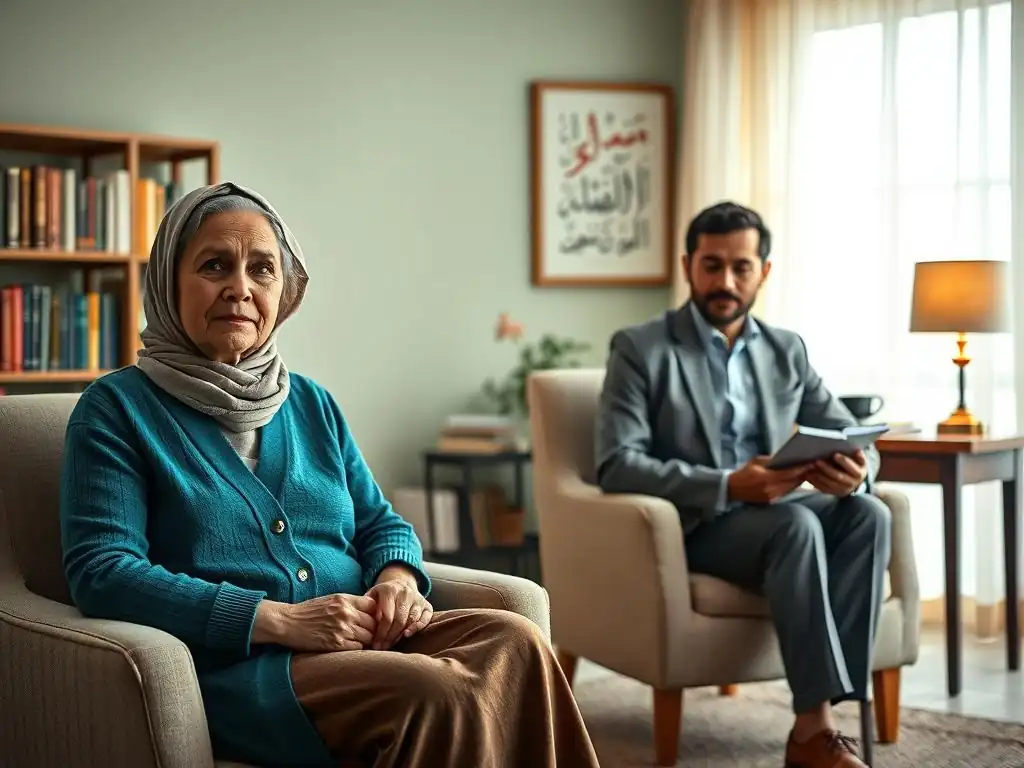
Welcome to Mind Care Guide, a space dedicated to nurturing your mental well-being. Navigating life's challenges can be complex, and sometimes, finding the right support feels overwhelming. Are you searching for mental health resources that resonate with your faith and cultural background? We understand. In our feature article, we delve into Muslim therapy faith integration, exploring how to effectively bridge the gap between faith-based values and therapeutic practices. Curious to learn how this tailored approach can empower you on your journey to healing and self-discovery? Let's begin.
Adapting Therapy for Muslim Clients: Integrating Faith and Mental Health
- Understanding the Intersection of Faith and Mental Health in Muslim Therapy
- Key Principles for Effective Muslim Therapy: Faith Integration Strategies
- Common Mental Health Challenges Faced by Muslim Clients
- Practical Techniques for Faith-Based Mental Health Interventions
- Building Rapport and Trust with Muslim Clients: Cultural Sensitivity
- Ethical Considerations in Muslim Faith-Based Therapy
- Case Studies: Examples of Successful Muslim Therapy Faith Integration
- Resources for Therapists Working with Muslim Clients
- The Future of Muslim Therapy: Promoting Culturally Sensitive Mental Healthcare
-
Frequently Asked Questions
- What is Muslim therapy faith integration and why is it important?
- How does a therapist integrate faith into therapy sessions with Muslim clients?
- What are some common mental health challenges faced by Muslim individuals that might require Muslim therapy faith integration?
- Are there specific therapeutic techniques that are particularly effective in Muslim therapy faith integration?
- How can I find a therapist who offers Muslim therapy faith integration?
- Final Reflection: Bridging the Gap Between Faith and Healing
- Embrace Healing: Integrate Faith with Therapy Today!
Understanding the Intersection of Faith and Mental Health in Muslim Therapy
The Importance of Cultural Competence in Mental Healthcare for Muslims
Providing culturally competent mental healthcare to Muslim clients is not merely a matter of sensitivity; it is a fundamental requirement for effective therapeutic outcomes. When therapists lack understanding of Islamic beliefs, practices, and cultural nuances, they risk misinterpreting client behavior, overlooking crucial factors influencing mental well-being, and ultimately failing to build the necessary trust for meaningful intervention.
For instance, a client expressing feelings of despair might be grappling with spiritual struggles related to their faith, which an uninformed therapist might not recognize or validate, potentially leading to a misdiagnosis or an unhelpful treatment plan. Studies suggest that cultural incompetence contributes to disparities in mental healthcare access and quality for minority groups, including Muslims.
Furthermore, a lack of cultural competence can perpetuate existing barriers to seeking help. Many Muslim individuals may already feel hesitant to discuss personal issues, especially mental health struggles, due to cultural norms or concerns about being misunderstood. If they encounter a therapist who seems unfamiliar or uncomfortable with their faith background, this hesitation can escalate into outright avoidance of therapy.
Effective Muslim therapy requires therapists to proactively educate themselves about Islam, understand the diversity within Muslim communities globally, and be willing to engage respectfully with clients about how their faith intersects with their mental health journey. This foundational understanding paves the way for genuine Muslim therapy faith integration.
Addressing Stigma and Misconceptions Surrounding Mental Illness in Muslim Communities
Stigma surrounding mental illness is a significant barrier to seeking help in many communities, including some Muslim communities. Misconceptions often link mental health challenges to lack of faith, spiritual weakness, or even demonic influence, rather than recognizing them as legitimate health conditions requiring professional support. This can lead to individuals suffering in silence, fearing judgment from family, friends, or religious leaders.
For example, a young Muslim woman experiencing symptoms of depression might be told to "just pray more" or that her struggles are a test from God that she should endure alone, rather than being encouraged to seek therapeutic support alongside her spiritual practices. This cultural context makes culturally sensitive therapy for Muslims particularly vital.
Therapists working with Muslim clients must be prepared to address these stigmas and misconceptions directly and empathetically. This involves validating the client's experiences while gently reframing mental health issues within a medical or psychological framework, potentially drawing parallels or finding congruence with Islamic perspectives on well-being and hardship. Educating clients (and potentially their families, with permission) about the biological, psychological, and social factors contributing to mental health conditions can help dismantle harmful beliefs.
Emphasizing that seeking help is a sign of strength and aligns with the Islamic principle of seeking beneficial knowledge and means for healing can also be powerful in overcoming resistance rooted in stigma. Effective Muslim therapy faith integration involves navigating these delicate social and cultural landscapes.
Key Principles for Effective Muslim Therapy: Faith Integration Strategies
Incorporating Islamic Values and Teachings into the Therapeutic Process
Integrating Islamic values and teachings into therapy can provide a rich framework for understanding and addressing a client's struggles. Core Islamic concepts such as tawakkul (reliance on God), sabr (patience and perseverance), shukr (gratitude), and the importance of intention ( niyyah) can be powerful resources for clients navigating difficult emotions or challenging circumstances. For instance, a therapist working with a client experiencing anxiety might explore how tawakkul can help manage worry about the future, or how practicing shukr can shift focus towards blessings during periods of depression.
This integration is not about the therapist preaching or imposing beliefs, but rather about utilizing the client's existing faith framework as a source of strength, meaning, and coping mechanisms. It involves exploring how the client's understanding of their faith informs their perspective on their challenges and how specific Islamic teachings can be applied to their therapeutic goals. For example, discussions around forgiveness might reference the importance of forgiveness in Islam, both seeking it from God and extending it to others, as a path towards emotional healing. This deepens the practice of Muslim therapy faith integration.
Utilizing Islamic Psychology Principles in Clinical Practice
Islamic psychology, or Ilm al-Nafs (the science of the self/soul), offers unique perspectives on human nature, well-being, and spiritual health that can complement Western psychological models. This field explores concepts like the different states of the soul ( nafs), the influence of inner spiritual struggles, and the pursuit of inner peace ( itmi'nan) through connection with the Divine. Understanding these principles allows therapists to frame psychological distress within a context that resonates with a Muslim client's worldview.
For example, a client struggling with negative self-talk might understand it through the lens of the "commanding self" ( nafs al-ammara), which inclines towards harmful desires, and work towards cultivating the "tranquil self" ( nafs al-mutma'innah) through spiritual and psychological practices. Therapists can draw upon classical Islamic texts and contemporary scholarship in Islamic psychology to inform their case conceptualizations and intervention strategies, offering clients tools and insights rooted in their own tradition. This approach enhances culturally sensitive therapy for Muslims by providing a familiar conceptual language.
Respecting Religious Beliefs and Practices During Therapy Sessions
Respecting a Muslim client's religious beliefs and practices is paramount and goes beyond mere tolerance; it involves active affirmation and accommodation where appropriate within the therapeutic setting. This might include being mindful of prayer times, understanding dietary restrictions (like avoiding pork or alcohol when discussing food or social situations), or acknowledging the significance of religious holidays like Ramadan or Eid.
For some clients, their faith practices, such as daily prayers or fasting, are integral to their coping mechanisms and sense of identity. A therapist should explore how these practices function in the client's life and how they might be leveraged or supported within the therapeutic process. For instance, discussing how the discipline of fasting during Ramadan might relate to building self-control in managing impulses, or how the structure of daily prayers provides a sense of grounding during periods of anxiety. This respect for and integration of practice is key to effective Muslim therapy faith integration.
Common Mental Health Challenges Faced by Muslim Clients
Addressing Anxiety and Depression in the Context of Faith
Anxiety and depression are prevalent mental health conditions that can manifest uniquely within a Muslim context. Clients may experience guilt or spiritual anxiety related to perceived shortcomings in their religious duties, or depression stemming from feelings of disconnection from their faith or community. For example, a client with Obsessive-Compulsive Disorder (OCD) might experience intrusive thoughts related to purity rituals ( tahara) or prayer validity, leading to excessive checking and distress rooted in religious scrupulosity.
Therapists can address these challenges by validating the client's feelings while also exploring how faith can be a source of comfort and resilience. Cognitive Behavioral Therapy (CBT) techniques can be adapted to challenge maladaptive thoughts related to religious guilt or perfectionism, while behavioral activation can encourage engagement in both enjoyable activities and spiritual practices. Exploring Islamic teachings on patience in times of hardship and the vastness of God's mercy can help clients reframe their struggles and reduce self-blame. This demonstrates how culturally sensitive therapy for Muslims addresses specific manifestations of common disorders.
Trauma and grief are universal experiences, but how they are processed and understood can be deeply influenced by faith and culture. Muslim clients may draw upon Islamic concepts of destiny ( qadar), the transient nature of this life ( dunya), and the promise of an afterlife ( akhirah) to cope with loss and suffering.
Grief rituals and community support within the mosque or Muslim community also play a significant role. For instance, a client grieving the loss of a loved one might find solace in the Islamic belief that the soul returns to God and that the deceased are in a better place, or they might find comfort in communal prayers and condolences.
Therapists can support clients by validating their grief and trauma responses while respectfully exploring how their faith provides meaning and coping resources. Techniques from Trauma-Focused CBT or Narrative Therapy can be integrated, allowing clients to process their experiences while incorporating their spiritual beliefs about suffering, resilience, and hope. Discussing the concept of sabr (patience) in the face of adversity, not as passive resignation, but as active perseverance rooted in faith, can empower clients to navigate difficult emotions. This integration is a crucial aspect of Muslim therapy faith integration.
Understanding and Addressing Identity Conflicts and Acculturation Stress
Muslim clients, particularly those from immigrant or minority backgrounds, may experience significant identity conflicts and acculturation stress as they navigate between their cultural heritage, religious identity, and the dominant culture of their environment. This can lead to feelings of alienation, confusion, and anxiety, especially among youth. For example, a young Muslim woman might feel torn between adhering to traditional family expectations regarding dress or social interactions and wanting to participate fully in activities common among her non-Muslim peers, leading to internal conflict and distress.
Therapists working with these clients can utilize approaches that explore identity formation and cultural integration. Affirming the client's multiple identities and helping them find ways to synthesize their cultural, religious, and personal values can be incredibly supportive. Psychoeducation about the process of acculturation and the common challenges associated with it can normalize their experiences. Encouraging healthy biculturalism or multiculturalism, where clients feel comfortable navigating different cultural contexts while staying true to their core values, is a key goal in culturally sensitive therapy for Muslims addressing these issues.
Practical Techniques for Faith-Based Mental Health Interventions

Utilizing Islamic Prayer and Meditation for Stress Reduction
Islamic prayer ( Salah) and various forms of remembrance of God ( Dhikr) can serve as powerful practices for stress reduction and emotional regulation. The structured movements and recitation in Salah can be a form of mindfulness, grounding individuals in the present moment and providing a sense of routine and connection. Dhikr, which involves the repetitive invocation of God's names or phrases, can be a meditative practice that calms the mind and fosters a sense of peace and spiritual connection.
Therapists can explore with clients how their existing prayer or Dhikr practices function as coping mechanisms. For clients who find these practices challenging due to their mental health state (e.g., lack of concentration due to anxiety), therapists can work with them to adapt or modify their approach, perhaps starting with shorter periods or focusing on the physical sensations and breath during prostration.
Introducing simple mindfulness exercises framed within an Islamic context, such as focusing on the breath as a sign of God's grace or reflecting on the meaning of verses recited in prayer, can also be beneficial. This is a practical application of Muslim therapy faith integration.
Integrating Islamic Concepts of Forgiveness and Acceptance
Islamic teachings place a strong emphasis on forgiveness (both seeking forgiveness from God and forgiving others) and acceptance of God's decree ( qadar). These concepts can be powerful tools in therapy for clients struggling with anger, resentment, guilt, or difficulty accepting difficult circumstances. For example, a client holding onto anger towards someone who wronged them might explore the therapeutic benefits of forgiveness through the lens of Islamic teachings on mercy and the reward for forgiving others.
Therapists can facilitate discussions around these concepts, helping clients understand that forgiveness is often more about freeing oneself from the burden of anger than condoning the actions of others. Similarly, exploring the concept of qadar can help clients move towards acceptance of uncontrollable events, not as passive resignation, but as finding peace with what is, while still taking active steps within their control. These discussions should be client-led and respectful of their personal understanding and readiness to engage with these concepts.
Encouraging Community Support and Connection within the Muslim Faith
The Muslim community often provides a strong network of social support, which can be a significant protective factor for mental well-being. Mosques, community centers, and religious gatherings offer opportunities for connection, mutual support, and shared identity. Encouraging clients to connect with supportive individuals or groups within their faith community can be a valuable therapeutic intervention.
For clients experiencing isolation or struggling with mental health stigma, connecting with others who share their faith and cultural background can reduce feelings of loneliness and provide a sense of belonging. Therapists can explore with clients how they might safely and comfortably engage with their community, whether through attending religious services, participating in community events, or seeking support from trusted friends or family members who are understanding of mental health challenges. This leverages existing community resources to enhance culturally sensitive therapy for Muslims.
Building Rapport and Trust with Muslim Clients: Cultural Sensitivity
Understanding the Role of Family and Community in Muslim Culture
Family and community ties are often central to Muslim culture and play a significant role in an individual's life and decision-making processes. Understanding these dynamics is crucial for building rapport and navigating treatment planning. For many Muslim clients, the opinions and support of family members, particularly elders, can heavily influence their willingness to seek or continue therapy.
Therapists should be mindful of the potential for family involvement (with the client's informed consent) and understand the cultural norms around privacy, respect for elders, and collective decision-making that may be present. Exploring the client's relationship with their family and community, understanding their support systems, and acknowledging the influence of these relationships demonstrates cultural humility and builds trust. This awareness is foundational for effective Muslim therapy faith integration.
Addressing Gender Dynamics and Cultural Expectations in Therapy
Gender dynamics and cultural expectations vary widely across Muslim communities but can significantly impact a client's experiences and comfort level in therapy. For example, some female clients may prefer a female therapist due to religious or cultural reasons, or they may have specific concerns related to modesty or interacting with unrelated males. Similarly, male clients may feel pressure to conform to cultural norms of stoicism or providing for their families, which can make it difficult to express vulnerability.
Therapists should be sensitive to these potential dynamics and create a safe space for clients to discuss any concerns related to gender or cultural expectations. Offering choices regarding therapist gender when possible, and being mindful of seating arrangements or other environmental factors that might enhance a client's comfort level, are important practical considerations in culturally sensitive therapy for Muslims. Openly discussing confidentiality and the boundaries of the therapeutic relationship is also crucial, especially if the client feels pressure from family or community.
Communicating Respectfully and Effectively Across Cultural Differences
Effective communication across cultural differences requires patience, humility, and a willingness to learn. Therapists should avoid making assumptions based on a client's background and instead adopt a curious and open stance, inviting the client to share their experiences and perspectives. Using clear, accessible language and avoiding jargon is essential.
It is important to be mindful of non-verbal communication styles, which can vary across cultures. Asking clarifying questions when unsure about something the client has shared, and checking in periodically to ensure the client feels understood and respected, are vital practices. Demonstrating genuine interest in the client's faith and cultural background, without being intrusive or performative, helps build a strong therapeutic alliance, which is the bedrock of successful Muslim therapy faith integration.
Ethical Considerations in Muslim Faith-Based Therapy
Maintaining Professional Boundaries while Acknowledging Faith
Integrating faith into therapy requires careful attention to professional boundaries. While acknowledging and respecting a client's faith is essential for culturally sensitive therapy for Muslims, therapists must maintain their professional role and avoid crossing into the role of a religious advisor or authority figure. The focus remains on the client's mental health and well-being, using faith as a resource for therapeutic goals, not replacing psychological intervention with religious guidance.
This means refraining from offering religious rulings, interpreting scripture for the client (unless it's to understand the client's own interpretation), or participating in religious practices with the client. The therapist's role is to facilitate the client's exploration of their faith in relation to their mental health, helping them draw strength and meaning from their beliefs in a way that supports their recovery. Clear communication about the scope of the therapist's role is vital.
Avoiding Imposing Personal Religious Beliefs on Clients
A core ethical principle is avoiding the imposition of the therapist's personal religious or spiritual beliefs onto the client. This is particularly critical in Muslim therapy faith integration. Regardless of the therapist's own faith background (or lack thereof), the therapeutic space must remain centered on the client's worldview and beliefs.
Therapists should be aware of their own biases and ensure they do not consciously or unconsciously steer the client towards adopting certain religious interpretations or practices. The integration of faith should always be guided by the client's comfort level, beliefs, and goals, not the therapist's agenda. If a therapist feels their own beliefs might interfere with their ability to provide objective and client-centered care, they should seek supervision or consider referring the client to a more suitable professional.
Addressing Potential Conflicts Between Religious Values and Therapeutic Goals
Occasionally, a client's religious values or interpretations may appear to conflict with standard therapeutic goals, such as promoting autonomy or certain lifestyle changes. For example, a client might express beliefs about gender roles or family obligations that seem to perpetuate distress according to a Western psychological framework.
In such situations, the therapist's role is not to challenge or dismiss the client's religious values, but to explore the conflict collaboratively and respectfully. This involves understanding the client's perspective deeply, exploring potential areas of flexibility within their faith tradition (as interpreted by them), and helping the client navigate how they can reconcile their beliefs with their desire for psychological well-being.
The goal is to help the client find a path that honors their faith while moving towards healthier functioning, potentially by identifying interpretations or practices within their tradition that support therapeutic goals. This delicate negotiation is central to ethical and effective Muslim therapy faith integration.
Case Studies: Examples of Successful Muslim Therapy Faith Integration

Case Study 1: Addressing Marital Conflict Using Islamic Principles of Communication
Layla and Omar, a Muslim couple, sought therapy for escalating marital conflict characterized by frequent arguments, communication breakdowns, and feelings of resentment. They identified their faith as important but felt their conflicts were pushing them away from their religious ideals of kindness, patience, and mutual respect within marriage.
The therapist, trained in culturally sensitive therapy for Muslims, worked with Layla and Omar to explore Islamic teachings on marital conduct, communication ( shura - consultation), forgiveness, and the importance of maintaining love and mercy ( mawaddah wa rahmah) in the relationship. They used concepts like lowering one's gaze (metaphorically, from faults) and the reward for patience with one's spouse.
Practical techniques included active listening exercises framed as fulfilling the right of one spouse upon another, and conflict resolution based on seeking mutual understanding guided by principles of justice and compassion found in Islamic texts. Over several sessions, the couple reported reduced conflict, improved understanding, and a renewed sense of peace in their marriage, feeling that therapy had helped them live their faith more fully within their relationship.
Case Study 2: Supporting a Client Experiencing Grief Through Islamic Rituals and Beliefs
Aisha came to therapy after the sudden death of her mother, experiencing intense grief, difficulty sleeping, and questioning her faith. She felt disconnected from her usual religious practices and struggled to find comfort.
The therapist provided space for Aisha to express her grief fully, validating her pain while gently exploring how her faith could serve as a source of solace. They discussed Islamic beliefs about death, the continuation of the soul, and the concept of sabr (patience in affliction) as a virtue rewarded by God.
The therapist encouraged Aisha, when she felt ready, to re-engage with grief rituals permissible in Islam, such as making du'a (supplication) for her mother, giving charity on her behalf, and connecting with supportive community members at the mosque. They also explored verses from the Quran about the temporary nature of life and the promise of meeting loved ones in the hereafter.
Aisha gradually found comfort in these practices and beliefs, integrating her faith into her healing process and finding a sense of peace that complemented the emotional processing done in therapy. This exemplifies successful Muslim therapy faith integration in practice.
Tariq, a 16-year-old Muslim boy, was struggling with identity issues, feeling pressure to fit in with secular peers while also wanting to honor his family's religious and cultural expectations. This led to anxiety, secretive behavior, and conflict at home.
The therapist provided a safe space for Tariq to explore his feelings about navigating multiple cultural worlds. They discussed what being a Muslim meant to him personally, beyond family expectations, and explored how Islamic values like honesty, community responsibility, and seeking knowledge could be relevant to his life as a teenager. The therapist helped Tariq identify areas where his values aligned with both his faith and his desire for independence, and strategies for communicating his needs and boundaries respectfully to his family.
They explored how figures from Islamic history or contemporary Muslim role models successfully navigated complex identities. Tariq developed a stronger sense of self, feeling more confident in integrating his faith into his modern life and improving communication with his parents, demonstrating the power of culturally sensitive therapy for Muslims addressing youth challenges.
Resources for Therapists Working with Muslim Clients
Recommended Readings on Islamic Psychology and Mental Health
- "An Introduction to Islamic Psychology" provides foundational knowledge on the field.
- "Islam and Mental Health: From Trauma to Healing" offers perspectives on common challenges and interventions.
- "The Islamic Tradition and the Psychiatric Field" explores the historical and contemporary intersection.
- Academic papers and journals focusing on cultural psychology and mental health in Muslim populations.
Organizations Providing Support and Training for Muslim Mental Health Professionals
- Organizations dedicated to advancing Islamic psychology research and practice.
- Professional associations offering training workshops on cultural competence and Muslim mental health.
- Non-profit organizations providing mental health services specifically for Muslim communities.
List of faith-based mental health resources for Muslim clients
- Hotlines and helplines staffed by individuals with cultural and religious sensitivity.
- Websites and apps offering faith-informed mental wellness content and guided exercises.
- Community centers or mosques that facilitate support groups or connect individuals with culturally sensitive therapists.
- Educational materials explaining mental health concepts from an Islamic perspective.
The Future of Muslim Therapy: Promoting Culturally Sensitive Mental Healthcare
Advocating for Increased Awareness and Understanding of Muslim Mental Health Needs
Advocacy is crucial for ensuring that the mental health needs of Muslim communities are recognized and adequately addressed within the broader healthcare system. This involves raising awareness among policymakers, healthcare administrators, and mental health professionals about the unique challenges faced by Muslim clients, including stigma, cultural barriers, and the need for faith-sensitive care.
Data from organizations highlighting lower rates of mental health service utilization among Muslim populations compared to other groups, or disparities in treatment outcomes, can be powerful tools in this advocacy. For example, reports might show that while a certain percentage of the general population seeks therapy, the number drops significantly within specific Muslim subgroups due to accessibility or cultural concerns.
Furthermore, advocacy involves challenging stereotypes and misconceptions about Muslims and mental illness that may exist within the healthcare system. Promoting research that explores the specific mental health experiences of diverse Muslim communities can provide the evidence base needed to advocate for tailored services. This push for greater understanding is essential for expanding effective Muslim therapy faith integration.
Developing Culturally Relevant Mental Health Programs and Services
There is a pressing need to develop and expand mental health programs and services that are specifically designed to be culturally relevant and accessible to Muslim communities. This goes beyond simply having culturally competent individual therapists and includes creating programs that are embedded within community settings, such as mosques or community centers, which may be more trusted and accessible than traditional clinics.
Developing culturally relevant psychoeducational materials, support groups facilitated by individuals who understand the cultural context, and therapy models that explicitly incorporate faith and cultural values are critical steps. For instance, developing a depression management workshop that integrates Islamic concepts of hope and resilience, or a parenting program that addresses common challenges faced by Muslim families navigating cultural integration, can significantly improve engagement and effectiveness. These initiatives are key to making culturally sensitive therapy for Muslims widely available.
Fostering Collaboration Between Mental Health Professionals and Religious Leaders
Collaboration between mental health professionals and religious leaders is a powerful strategy for bridging the gap between clinical care and community support. Imams, shaykhs, and other religious figures are often the first point of contact for Muslim individuals experiencing distress, and they hold significant trust and influence within their communities.
Building relationships with religious leaders can facilitate referrals, help destigmatize mental health within the community, and provide opportunities for mutual learning. Mental health professionals can educate religious leaders about common mental health conditions and how to support congregants, while religious leaders can provide valuable insights into the spiritual and cultural factors influencing their community members' well-being. Joint initiatives, such as workshops on stress management or mental health awareness sessions held at mosques, can create a more integrated system of care that supports Muslim therapy faith integration.
Frequently Asked Questions
What is Muslim therapy faith integration and why is it important?
Muslim therapy faith integration is the practice of incorporating Islamic beliefs and values into the therapeutic process. This approach is important because it acknowledges and addresses the spiritual and cultural needs of Muslim clients, potentially leading to more effective treatment. It helps clients feel understood and validated.
How does a therapist integrate faith into therapy sessions with Muslim clients?
A therapist can integrate faith by understanding Islamic perspectives on mental health, incorporating Islamic teachings into discussions about coping mechanisms, and helping clients find spiritual meaning and resilience within their faith. It's crucial to respect the client's individual level of religious observance.
What are some common mental health challenges faced by Muslim individuals that might require Muslim therapy faith integration?
Common challenges include cultural adjustment stress, identity conflicts, religious guilt or scrupulosity, and navigating family expectations within a Western context. Muslim therapy faith integration can help address these challenges by providing a culturally sensitive and religiously informed approach.
Are there specific therapeutic techniques that are particularly effective in Muslim therapy faith integration?
Yes, techniques such as spiritual journaling, dua (prayer) integration, and drawing on Islamic wisdom and stories can be effective. Furthermore, helping clients develop a stronger connection with their faith can be a powerful coping mechanism.
How can I find a therapist who offers Muslim therapy faith integration?
Look for therapists who specifically mention religious or cultural competency in their profiles, or search for therapists specializing in Muslim mental health. Websites like Mind Care Guide and professional directories often allow you to filter by religious affiliation or specialization.
Final Reflection: Bridging the Gap Between Faith and Healing
The integration of faith and mental health is no longer a niche topic; it's a crucial element in providing truly effective and culturally sensitive care. The stigma surrounding mental health within many Muslim communities remains a significant barrier to accessing help, but the growing awareness of the importance of holistic care, one that respects and incorporates religious beliefs, offers a powerful pathway to healing and well-being. This understanding is vital for building trust and fostering therapeutic relationships that lead to positive outcomes.
The journey of exploring the intersection of Islam and mental health has been deeply enriching, revealing the profound spiritual resources available to individuals navigating mental health challenges. The resilience and strength found within faith communities are often overlooked, yet they represent a powerful source of support and recovery. Faith is not a feeling; it is a decision.
This quote underscores the active role faith plays in shaping one's perspective and coping mechanisms, a perspective that therapists must actively understand and incorporate into their practice. The ongoing dialogue surrounding this topic is essential for creating a more inclusive and equitable mental health system.
Consider, for a moment, how your own beliefs and values shape your understanding of well-being. How might incorporating a faith-based perspective into your approach to self-care or support systems enhance your own journey towards mental wellness?
I urge you to engage in this critical conversation, to learn more about culturally sensitive practices, and to advocate for a mental health system that truly serves all members of our diverse society. Let us continue to bridge the gap between faith and healing, creating a future where seeking mental health support is not only accessible but also deeply respectful of individual spiritual journeys.
Embrace Healing: Integrate Faith with Therapy Today!
Thank you for taking the time to explore the important intersection of faith and mental health in therapy for Muslim clients. By understanding these nuances, you are equipped with valuable insights that can foster deeper connections and provide meaningful support. Now, let’s turn that knowledge into action!
Here are a few steps you can take right now:
- Connect with a local mental health professional who specializes in culturally-sensitive therapy practices. Your ability to advocate for your well-being or that of others can make all the difference.
- Share the insights you’ve gained from this article with friends or community groups. Your voice can inspire others to approach healing with a holistic mindset.
- Explore resources that combine mental health strategies with spiritual teachings. Look for books, podcasts, or workshops that resonate with your beliefs and values.
How can you implement these practices in your daily life to enhance your mental and spiritual well-being?