
Addressing Cultural Trauma: Therapeutic Approaches That Truly Understand

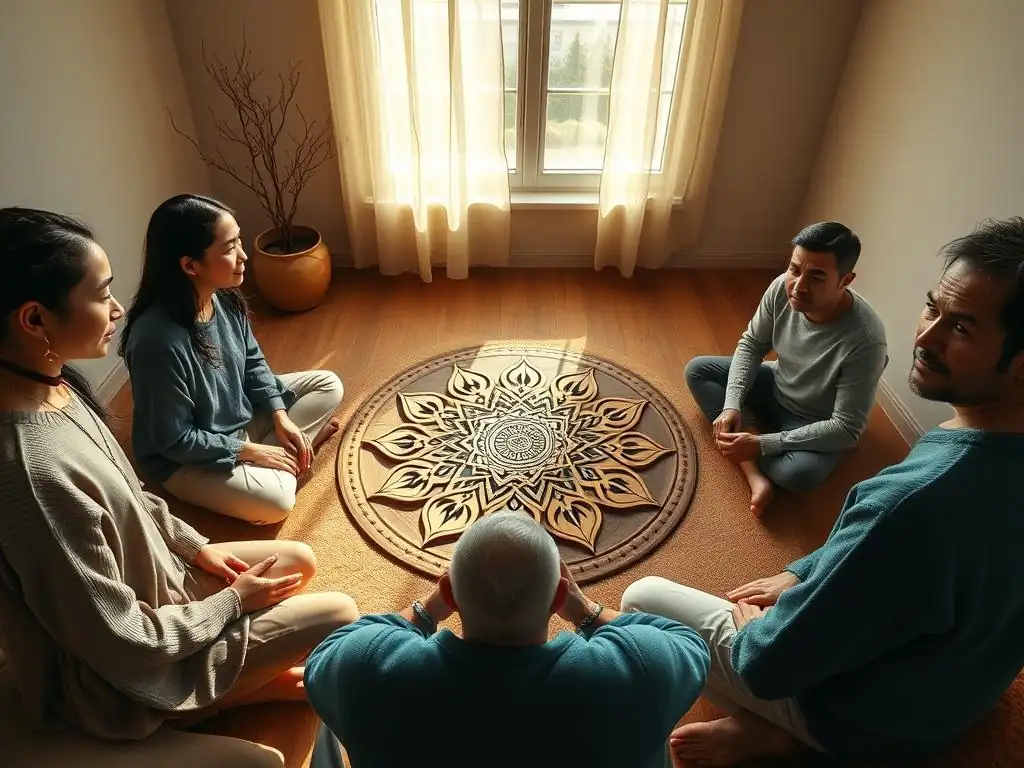
Welcome to Mind Care Guide, a sanctuary for navigating the complexities of mental well-being.
Have you ever felt the weight of history pressing down on your present? We understand. This space is dedicated to illuminating the path towards healing, especially when the wounds run deeper than the individual. Dive into our exploration of Cultural Trauma Therapy Techniques, and discover how culturally sensitive approaches can unlock resilience and pave the way for genuine recovery. Let's embark on this journey of understanding and healing together.
- Addressing Cultural Trauma: Therapeutic Approaches That Truly Understand
- Understanding Cultural Trauma: A Deep Dive
- The Need for Culturally Sensitive Trauma Therapy
-
Cultural Trauma Therapy Techniques: Tailored Approaches
- Narrative Therapy for Cultural Trauma: Reclaiming the Narrative
- Community-Based Healing Practices: Collective Resilience
- Indigenous Healing Methods: Connecting with Ancestral Wisdom
- Somatic Experiencing and Cultural Trauma: Healing the Body's Memory
- Art Therapy for Cultural Expression and Trauma Processing
- Trauma-Informed Yoga and Mindfulness for Cultural Healing
- Culturally Adapted Cognitive Behavioral Therapy (CBT)
- Key Principles of Effective Cultural Trauma Therapy
- Finding a Culturally Competent Therapist
- Case Studies: Successful Applications of Cultural Trauma Therapy
- The Future of Cultural Trauma Therapy
- Additional Resources for Understanding and Healing from Cultural Trauma
-
Frequently Asked Questions
- What exactly is cultural trauma, and how does it differ from individual trauma?
- Why is it important to have specific therapeutic approaches for addressing cultural trauma?
- What are some examples of "Cultural trauma therapy techniques" mentioned in the "Mind Care Guide" article?
- How can I find a therapist who is experienced in addressing cultural trauma?
- What are some of the potential benefits of participating in cultural trauma therapy?
- Final Reflection: Healing the Collective Wound
- Uncover Your Healing Path: Practical Steps to Address Cultural Trauma
Addressing Cultural Trauma: Therapeutic Approaches That Truly Understand
Mind Care Guide's Perspective on Healing from Cultural Trauma
Cultural trauma represents a profound injury not just to individuals, but to the collective identity and well-being of a group. It stems from events or processes that shatter a community's sense of self, often involving mass violence, systemic oppression, forced displacement, or the erosion of cultural practices.
At Mind Care Guide, we recognize that healing from such deep-seated wounds requires therapeutic approaches that go beyond conventional methods, acknowledging the intricate layers of history, identity, and social context that shape the trauma experience. Our focus is on highlighting therapeutic techniques that honor cultural heritage and empower individuals within their community context.
We understand that effective cultural trauma therapy techniques must be adaptable and respectful, recognizing that healing is not a one-size-fits-all process. It involves addressing not only the psychological impact on individuals but also the social and historical factors that perpetuate suffering. This perspective informs our exploration of various therapeutic modalities, from traditional talk therapies adapted for cultural sensitivity to indigenous healing practices and community-based interventions. The goal is to support recovery in a way that rebuilds connection, validates experiences, and fosters resilience rooted in cultural strength.
Understanding Cultural Trauma: A Deep Dive
Defining Cultural Trauma: Beyond Individual Experiences
Cultural trauma is distinct from individual trauma, though it profoundly affects individuals. It is a collective experience of a horrific event or series of events that leaves a lasting imprint on a group's consciousness, memory, and identity.
Sociologist Jeffrey Alexander describes it as a "blow to the basic foundations of social life," where members of a collectivity feel they have been subjected to a horrendous event that has left indelible marks upon their group consciousness, permanently altering their future identity in a fundamental and negative way. Unlike personal trauma, which is processed individually, cultural trauma is shared, discussed, and transmitted across generations, becoming part of the collective narrative.
This type of trauma often arises from large-scale historical events such as slavery, genocide, colonization, forced migration, or systemic discrimination. For example, the transatlantic slave trade inflicted not only immense physical and psychological harm on individuals but also systematically stripped away cultural identity, language, and family structures, creating intergenerational wounds that persist today. Similarly, the Holocaust devastated Jewish communities not only through mass murder but also by attempting to annihilate Jewish culture and identity, leaving a legacy of trauma that continues to impact survivors and their descendants globally. Understanding cultural trauma therapy techniques requires grasping this collective dimension.
The Impact of Cultural Trauma on Mental Well-being
The effects of cultural trauma are far-reaching and deeply embedded, manifesting as complex and often chronic mental health challenges within affected communities. Individuals may experience symptoms akin to Post-Traumatic Stress Disorder (PTSD), depression, anxiety, and substance use disorders, but these are often compounded by feelings of shame, loss of identity, and mistrust in dominant societal institutions. Research suggests that historical trauma, a form of cultural trauma transmitted across generations, is linked to higher rates of these conditions in populations like Native Americans, African Americans, and Holocaust survivors' descendants compared to the general population.
Beyond individual symptoms, cultural trauma can erode social cohesion, disrupt family systems, and perpetuate cycles of disadvantage. It can lead to internalized oppression, where individuals adopt negative stereotypes about their own group, impacting self-esteem and aspirations. For instance, studies on the descendants of residential school survivors in Canada have shown elevated rates of depression, anxiety, and suicidal ideation, directly linked to the intergenerational transmission of trauma experienced by their parents and grandparents who were forcibly removed from their families and cultures. Effective cultural trauma therapy techniques must address these multifaceted impacts.
Recognizing the Symptoms and Signs of Cultural Trauma
Recognizing the signs of cultural trauma requires looking beyond individual psychological distress to understand the broader context. Symptoms can include:
- Chronic grief and mourning over historical losses (land, culture, language, lives).
- Depression, anxiety, and higher rates of stress-related illnesses within the community.
- Substance use disorders and other coping mechanisms used to numb pain.
- Difficulty trusting outsiders or institutions (healthcare, education, government).
- Intergenerational conflict stemming from different ways of processing trauma.
- Loss of cultural identity or difficulty connecting with cultural heritage.
- Physical symptoms with no clear medical cause, often linked to stored trauma in the body.
- High rates of suicide or self-harm within the affected group.
- Difficulties in parenting or family functioning due to unresolved trauma.
These signs often appear not just in individuals seeking help but as widespread patterns within the community. For example, a community struggling with the legacy of forced displacement might exhibit high rates of anxiety about future instability and a reluctance to form deep attachments, reflecting a collective fear rooted in past trauma. Identifying these patterns is crucial for applying appropriate cultural trauma therapy techniques.
The Need for Culturally Sensitive Trauma Therapy
Why Generic Trauma Therapy Often Fails with Cultural Trauma
Generic trauma therapy approaches, while effective for individual trauma, often fall short when addressing cultural trauma because they frequently operate from a Western, individualistic framework. These methods may overlook the collective nature of the trauma, the historical context, and the systemic factors that contributed to and perpetuate the suffering. For instance, therapies focused solely on an individual's cognitive distortions or personal narratives may fail to validate the reality of systemic oppression or the impact of collective historical events that are central to cultural trauma.
Furthermore, standard therapies might not account for cultural differences in expressing distress, coping mechanisms, or the role of family and community in healing. A therapist unfamiliar with a client's cultural background might misinterpret symptoms, dismiss culturally specific coping strategies as maladaptive, or inadvertently reinforce feelings of alienation. Without acknowledging the broader cultural wound, therapy can feel irrelevant or even harmful, potentially re-traumatizing the individual by ignoring the source of much of their pain. This underscores the necessity of culturally sensitive cultural trauma therapy techniques.
The Importance of Cultural Context in Healing
Cultural context is not merely a backdrop to trauma; it is intricately woven into the experience of trauma and the path to healing. A person's cultural background influences how they understand suffering, express emotions, seek help, and draw strength. For individuals affected by cultural trauma, their cultural identity, history, and community ties can be both sources of pain (due to the trauma targeting these very elements) and crucial resources for resilience and recovery.
Effective healing requires therapeutic approaches that respect and integrate a client's cultural values, beliefs, and practices. This means understanding the historical narrative of the community, recognizing the impact of intergenerational trauma, and valuing traditional healing methods. For example, for someone from a collectivist culture, individual therapy might be less effective than family or community-based interventions. Incorporating cultural rituals, storytelling, or community gatherings into the healing process can provide a sense of belonging, validation, and empowerment that individual therapy alone cannot offer.
The Case of Indigenous Boarding School Survivors
The experience of Indigenous peoples forced into residential or boarding schools is a stark example of cultural trauma and the failure of insensitive systems. Across North America, from the mid-19th to late 20th centuries, hundreds of thousands of Indigenous children were forcibly removed from their families and communities and placed in schools aimed at eradicating their cultures, languages, and identities. Children suffered widespread abuse, neglect, and the loss of connection to their heritage, creating profound individual and collective trauma.
The legacy of these schools includes intergenerational trauma, high rates of mental health issues, substance abuse, and the disruption of traditional family structures and cultural transmission. Generic therapeutic approaches often failed to address the root cause – the systematic attack on Indigenous identity and community. Healing has increasingly involved culturally specific cultural trauma therapy techniques, including reclaiming traditional languages, participating in ceremonies, utilizing talking circles, and community-led initiatives that validate the experiences of survivors and descendants and focus on rebuilding cultural strength.
Cultural Trauma Therapy Techniques: Tailored Approaches

Narrative Therapy for Cultural Trauma: Reclaiming the Narrative
Narrative therapy is a powerful cultural trauma therapy technique that helps individuals and communities externalize the problem (the trauma and its effects) and rewrite their life stories in ways that emphasize their resilience and agency, rather than being solely defined by the trauma. For those affected by cultural trauma, this often involves challenging and deconstructing the dominant, oppressive narratives imposed by colonizers, oppressors, or discriminatory systems.
This approach encourages individuals to identify moments of resistance, survival, and strength within their personal and collective histories. For example, survivors of forced assimilation policies can use narrative therapy to reclaim their cultural identity by sharing stories of cultural persistence, family resilience, and community support that existed despite oppressive efforts. The therapist acts as a co-author, helping the client highlight the parts of their story where they resisted the trauma's effects and acted in line with their values, thereby creating a new, empowering narrative that acknowledges the pain but centers their strength and cultural continuity.
Community-Based Healing Practices: Collective Resilience
Community-based healing practices are essential cultural trauma therapy techniques that recognize healing often happens best within the collective. These approaches leverage the strength and wisdom already present within affected communities, moving away from individualistic models towards shared recovery. Examples include talking circles, community ceremonies, shared art projects, and collective memorialization of traumatic events.
These practices foster a sense of solidarity, mutual support, and shared understanding among survivors and community members. They provide a safe space to share experiences, validate feelings, and rebuild social connections that may have been damaged by trauma. For instance, many African American communities have utilized practices like communal storytelling, church gatherings, and mutual aid societies as forms of collective healing and resilience building in the face of ongoing systemic racism and historical trauma. These methods reinforce cultural identity and collective agency in the healing process.
Indigenous Healing Methods: Connecting with Ancestral Wisdom
Indigenous healing methods offer profound cultural trauma therapy techniques rooted in centuries of ancestral knowledge and deep connection to land, community, and spirituality. These practices are holistic, addressing the physical, emotional, mental, and spiritual dimensions of well-being, which is particularly crucial for trauma that has fractured these connections. Examples include ceremonies (like purification rituals or healing dances), use of traditional medicines, storytelling, connection to the land, and guidance from Elders and Knowledge Keepers.
These methods provide a path for Indigenous individuals to reconnect with their cultural heritage, which was often targeted by the trauma itself (e.g., residential schools banning language and ceremony). They validate traditional worldviews and healing processes, which may differ significantly from Western therapeutic models. For example, talking circles, common across many Indigenous cultures, provide a structured, egalitarian space for individuals to share their experiences and be heard by the community, fostering trust and collective support as a vital part of healing from intergenerational trauma.
Somatic Experiencing and Cultural Trauma: Healing the Body's Memory
Somatic Experiencing (SE) is a body-oriented therapeutic approach that can be a valuable cultural trauma therapy technique. It focuses on the physiological responses to trauma, recognizing that traumatic experiences are often stored in the body, leading to chronic tension, pain, and dysregulation of the nervous system. SE helps individuals release trapped energy and renegotiate traumatic responses by paying attention to bodily sensations (soma).
When applied to cultural trauma, SE can help individuals process the physical manifestations of chronic stress, fear, and hypervigilance that can result from living with the legacy of oppression or violence. For example, a descendant of Holocaust survivors might carry a deep-seated anxiety or physical tension related to their family's history of persecution.
SE can help them gently process these embodied responses without needing to heavily rely on verbal recounting of traumatic events, which can be re-traumatizing, especially when the trauma is intergenerational or involves unspeakable horrors. This approach respects that trauma is not just a story in the mind but a felt experience in the body.
Art Therapy for Cultural Expression and Trauma Processing
Art therapy provides a non-verbal avenue for processing trauma, making it a powerful cultural trauma therapy technique, particularly when verbal expression is difficult due to the overwhelming nature of the trauma or cultural norms around discussing difficult experiences. Using various art forms – painting, drawing, sculpture, music, dance, drama – individuals can express emotions, memories, and experiences related to cultural trauma in a safe and contained way.
For communities whose languages or traditional forms of expression were suppressed by trauma, art therapy can be a way to reclaim voice and identity. Creating art related to cultural symbols, history, or experiences of resilience can help individuals connect with their heritage and process the impact of trauma. For instance, a group of refugees might use collaborative mural painting to depict their journey, losses, and hopes for the future, fostering collective processing and shared meaning-making around their traumatic displacement.
Trauma-Informed Yoga and Mindfulness for Cultural Healing
Trauma-informed yoga and mindfulness practices are increasingly recognized as beneficial cultural trauma therapy techniques. These approaches focus on gently reconnecting individuals with their bodies, cultivating present-moment awareness, and developing self-regulation skills, which are often disrupted by trauma. Trauma-informed practices prioritize safety, choice, and predictability, avoiding triggers and empowering individuals to feel in control of their bodies.
For those impacted by cultural trauma, chronic stress and hypervigilance can lead to persistent states of fight, flight, or freeze. Yoga and mindfulness can help regulate the nervous system, reduce anxiety, and improve emotional regulation. When offered within a culturally sensitive framework, perhaps incorporating culturally relevant music or themes, these practices can support individuals in finding inner peace and resilience while honoring their background. For example, a mindfulness practice might incorporate traditional breathing exercises or visualizations that resonate with a specific cultural group's understanding of well-being.
Culturally Adapted Cognitive Behavioral Therapy (CBT)
While standard CBT may not fully address cultural trauma, culturally adapted CBT (CA-CBT) modifies traditional techniques to be more relevant and effective for specific cultural groups. This involves incorporating cultural values, beliefs, and social contexts into the therapy. For instance, CA-CBT might adapt cognitive restructuring to challenge negative thoughts that stem from internalized oppression or discrimination, rather than solely focusing on individual faulty thinking.
Adaptations can include using culturally relevant examples, integrating family members or community support into sessions (if culturally appropriate), and addressing the impact of systemic issues directly. Research has shown that CA-CBT can be effective for treating depression and anxiety in various minority groups when modifications are made to align with cultural norms and address the unique stressors related to discrimination and historical trauma. This demonstrates that even seemingly individualistic therapies can be transformed into effective cultural trauma therapy techniques with careful adaptation.
Key Principles of Effective Cultural Trauma Therapy
Building Trust and Rapport in the Therapeutic Relationship
Establishing deep trust and rapport is paramount in cultural trauma therapy. Individuals who have experienced cultural trauma often have a history of being betrayed, marginalized, or misunderstood by institutions and individuals representing the dominant culture. As a result, they may approach therapy with skepticism, fear, or mistrust. A therapist must demonstrate cultural humility, acknowledging their own biases and limitations, and commit to continuous learning about the client's cultural background and history.
This involves active listening, validating the client's experiences of discrimination and oppression, and being patient as trust develops. It's not enough to be technically proficient; the therapist must build a relationship based on respect, empathy, and a genuine understanding of the client's reality, which is shaped by their cultural and historical context. Without this foundation of trust, even the most well-intended cultural trauma therapy techniques will likely be ineffective.
Effective cultural trauma therapy cannot ignore the ongoing impact of systemic oppression, discrimination, and social injustices that often underlie and perpetuate cultural trauma. Therapy must acknowledge that many clients' struggles are not solely due to individual pathology but are also responses to harmful social and political environments. This means therapists should be aware of how power dynamics, privilege, and discrimination affect their clients' lives and well-being.
While therapy sessions may focus on internal healing, a culturally competent therapist will also validate the client's experiences of injustice and support their efforts to navigate or challenge oppressive systems outside of therapy. This might involve connecting clients with community resources, advocating for policy changes, or simply acknowledging the reality of their lived experiences without pathologizing their responses to injustice. Integrating a social justice perspective is a key principle guiding the application of cultural trauma therapy techniques.
Empowering Clients to Reclaim Their Cultural Identity
Cultural trauma often involves a deliberate attack on a group's cultural identity. Therefore, a crucial principle of healing is supporting clients in reclaiming, strengthening, and celebrating their cultural heritage. Therapy can provide a space for clients to explore their cultural history, mourn cultural losses, and reconnect with traditions, language, and community practices that bring meaning and strength.
This empowerment might involve encouraging clients to participate in cultural events, learn their ancestral language, connect with Elders or cultural leaders, or engage in creative expressions of their identity. The therapist's role is to affirm the value of the client's cultural background and support their journey of cultural reconnection as a vital part of their healing process. Reclaiming identity is not just about the past; it's about building a resilient future rooted in cultural strength, often facilitated by specific cultural trauma therapy techniques.
Integrating Cultural Values and Beliefs into Treatment
Integrating a client's cultural values, beliefs, and worldviews into the therapeutic process is fundamental. This means understanding how a client's cultural background shapes their understanding of health, illness, suffering, and healing. For example, some cultures may view mental distress through a spiritual lens, or prioritize family well-being over individual needs.
A culturally competent therapist will adapt their approach to align with these values, rather than imposing Western models. This might involve incorporating spiritual practices into therapy (if the client desires), involving family members in sessions (with client consent), or using metaphors and stories that resonate with the client's cultural context. Respecting and integrating cultural values ensures that therapy feels relevant, safe, and effective for the client. It's about making the cultural trauma therapy techniques fit the person, not the other way around.
The Role of Intergenerational Trauma in Cultural Healing
Cultural trauma is often passed down through generations, impacting individuals whose direct experience of the original event may be limited but who carry the emotional, psychological, and even physiological effects through family systems and community narratives. Addressing intergenerational trauma is therefore a critical component of cultural trauma therapy. This involves helping clients understand the historical context of their family and community's suffering and how past trauma may be manifesting in their present lives.
Therapeutic work might focus on breaking cycles of trauma transmission within families, processing inherited grief and fear, and reclaiming narratives of resilience from ancestors. This can involve exploring family history, understanding the coping mechanisms developed by previous generations (both adaptive and maladaptive), and creating new, healthier patterns for the future. Recognizing and working with the legacy of intergenerational trauma is key to deep and lasting healing.
Finding a Culturally Competent Therapist

Questions to Ask Potential Therapists About Their Experience with Cultural Trauma
Finding a therapist who is genuinely culturally competent and experienced in addressing cultural trauma is crucial. When seeking support, consider asking potential therapists questions like:
- What is your experience working with individuals from [mention your specific cultural group or background]?
- How do you incorporate cultural context and historical awareness into your practice?
- Are you familiar with the concept of cultural trauma and intergenerational trauma?
- How do you address issues of systemic oppression and discrimination in therapy?
- What specific cultural trauma therapy techniques do you utilize or are you familiar with?
- How do you ensure your practice is culturally humble and responsive?
- Are you open to incorporating traditional healing practices or involving family/community members (with my consent)?
These questions can help you assess a therapist's willingness and capacity to work effectively with the unique challenges posed by cultural trauma.
Resources for Locating Therapists Specialized in Cultural Approaches
Locating therapists with specific expertise in cultural trauma therapy techniques can sometimes be challenging. While Mind Care Guide cannot provide direct links, valuable resources often include:
- Professional mental health associations with divisions focused on ethnic minorities, cultural psychology, or trauma.
- Community-based mental health organizations that serve specific cultural groups.
- Universities with psychology or social work programs that specialize in multicultural counseling or trauma studies.
- Organizations dedicated to addressing historical or cultural trauma within specific communities (e.g., groups focused on Indigenous healing, African American mental health, etc. ).
- Word-of-mouth referrals from trusted community members or leaders who have positive experiences.
Seeking out practitioners who identify with or have significant experience working within the affected community is often a good starting point.
Assessing a Therapist's Awareness of Microaggressions
A therapist's awareness of microaggressions is a critical indicator of their cultural competence, especially when dealing with cultural trauma. Microaggressions are subtle, everyday slights, indignities, or invalidations that communicate hostile or negative messages based solely upon one's marginalized group membership. For individuals affected by cultural trauma, these experiences are not minor; they are constant reminders of their marginalized status and can re-activate trauma responses.
During initial consultations or early sessions, pay attention to how the therapist responds when you discuss experiences of discrimination or cultural insensitivity. Do they validate your experience, or do they minimize it, question your perception, or shift the focus away? A culturally competent therapist understands that microaggressions are real, impactful, and connected to the larger systems of oppression that contribute to cultural trauma. Their ability to navigate these conversations with sensitivity and validation is key to building a safe therapeutic space.
Case Studies: Successful Applications of Cultural Trauma Therapy
Healing from the Trauma of Japanese American Internment
The forced internment of approximately 120,000 Japanese Americans during World War II is a significant example of cultural trauma. Stripped of their homes, businesses, and civil liberties, individuals and families suffered profound psychological distress, economic ruin, and the erosion of community trust. The trauma was compounded by a culture of silence and shame that often prevented survivors from speaking about their experiences, leading to intergenerational impacts.
Healing from this trauma has involved cultural trauma therapy techniques that acknowledge the collective injustice and support the breaking of silence. Community-based initiatives, such as oral history projects and intergenerational dialogues, have provided platforms for survivors and their descendants to share their stories, validate their experiences, and collectively process the trauma. Therapeutic approaches that incorporate narrative therapy have helped individuals reclaim their history and identity, moving beyond the narrative of victimhood imposed by the internment. Group therapy specifically for Nikkei (people of Japanese descent) has also provided a culturally safe space to address shared grief, loss, and resilience.
Addressing Intergenerational Trauma in Native American Communities
Native American communities across the United States and Canada have endured centuries of cultural trauma through colonization, forced removal from lands, wars, suppression of cultural practices, and the devastating legacy of residential/boarding schools. This has resulted in widespread intergenerational trauma, manifesting in high rates of PTSD, depression, substance abuse, and suicide.
Successful cultural trauma therapy techniques in these communities often center around reclaiming traditional healing practices and strengthening cultural identity. Talking circles, guided by Elders, provide a culturally appropriate format for sharing and healing within a supportive community context. Ceremonies like the sweat lodge or vision quest, when facilitated by knowledgeable practitioners, offer spiritual and emotional purification and reconnection. Programs that teach traditional languages, crafts, and history empower individuals and communities by rebuilding connections to their heritage, which is seen as fundamental to mental and spiritual well-being. These approaches prioritize collective healing and cultural revitalization alongside individual support.
Utilizing Traditional Healing Practices for Cultural Trauma Among African Americans
The historical trauma of slavery, followed by generations of systemic racism, segregation, and violence, has created deep wounds within African American communities. This cultural trauma contributes to significant health disparities, including mental health challenges. Traditional healing practices rooted in African American culture have long served as vital resources for resilience and recovery.
These cultural trauma therapy techniques include the central role of the church as a source of community support, spiritual guidance, and collective coping. Storytelling and oral traditions pass down narratives of survival and resistance. Music, particularly blues, gospel, and jazz, has served as a powerful medium for expressing pain, resilience, and hope. More recently, culturally adapted therapeutic approaches acknowledge the impact of racism and historical trauma, incorporating elements like Afrocentric psychology principles that affirm cultural identity and strengths. Group therapy focused on shared experiences of racial trauma and discrimination provides validation and solidarity, complementing individual therapeutic work.
The Future of Cultural Trauma Therapy
The Growing Recognition of Cultural Trauma's Impact
There is increasing recognition within the mental health field and broader society of the profound and lasting impact of cultural trauma. Research is expanding on how historical events and ongoing systemic issues shape the mental health of specific communities. This growing awareness is leading to a greater demand for culturally sensitive and trauma-informed care.
This trend is reflected in professional training programs beginning to incorporate cultural competency and historical trauma into their curricula. Organizations are developing guidelines for working with specific populations affected by cultural trauma. Public discourse is also shifting, with more open conversations about the legacies of slavery, colonization, and other forms of mass injustice, paving the way for acknowledging the need for targeted healing initiatives. This recognition is a crucial step towards making effective cultural trauma therapy techniques more accessible.
Advancements in Culturally Sensitive Therapeutic Approaches
The field of cultural trauma therapy is continuously evolving, with ongoing advancements in developing and adapting therapeutic approaches. Researchers and practitioners from affected communities are leading the way in integrating traditional healing methods with evidence-based Western therapies, creating innovative hybrid models. There is also a greater focus on developing assessment tools that are culturally appropriate and can accurately capture the nuances of cultural trauma.
Furthermore, technology is playing a role, with culturally tailored online resources and telehealth options becoming available, potentially increasing access to care for individuals in remote or underserved communities. The emphasis is moving towards collaborative approaches where mental health professionals work in partnership with community leaders, Elders, and cultural practitioners to develop interventions that are not only clinically effective but also culturally resonant and sustainable within the community context.
Promoting Equity and Justice in Mental Health Care
Addressing cultural trauma is inextricably linked to promoting equity and justice in mental health care. It requires dismantling systemic barriers that prevent marginalized communities from accessing quality, culturally appropriate services. This includes advocating for increased funding for community-based mental health programs, training a diverse mental health workforce, and ensuring that services are affordable and accessible.
Ultimately, healing from cultural trauma is not just about individual or even collective therapy; it is also about societal transformation. It involves acknowledging historical wrongs, implementing reparative justice measures, and actively working to eliminate ongoing discrimination and oppression. Mental health professionals have a role to play not only in providing therapeutic support but also in advocating for the systemic changes necessary to create a more just and equitable society where cultural trauma is not perpetuated. Promoting equity ensures that cultural trauma therapy techniques can reach those who need them most.
Additional Resources for Understanding and Healing from Cultural Trauma
Understanding and healing from cultural trauma is a lifelong journey, often requiring engagement with various resources beyond formal therapy. While Mind Care Guide cannot provide specific links or names, valuable resources exist to support this process.
Books and Articles on Cultural Trauma and Healing
Numerous academic texts, personal narratives, and research articles delve into the complexities of cultural trauma and explore pathways to healing. Seeking out literature written by scholars and individuals from communities affected by cultural trauma can provide invaluable insights and perspectives. Look for works that discuss historical trauma, intergenerational impacts, and culturally specific resilience and healing practices.
Organizations Supporting Cultural Trauma Recovery
Many organizations are dedicated to supporting the recovery and well-being of communities affected by cultural trauma. These groups often provide a range of services, including counseling, community programs, cultural revitalization initiatives, and advocacy. Finding organizations specific to your cultural background or experience can connect you with relevant support networks and resources grounded in a shared understanding of cultural trauma.
Links to Relevant Mental Health Resources
While specific links cannot be provided here, general mental health resources can also be helpful, especially when they are trauma-informed and have a stated commitment to cultural competency. Look for national or regional mental health directories, helplines, and websites that offer information and referrals. Remember to specifically inquire about their experience and approach to cultural trauma when contacting potential providers found through these resources.
Frequently Asked Questions
What exactly is cultural trauma, and how does it differ from individual trauma?
Cultural trauma refers to a collective psychological injury experienced by a group of people who share a common identity or culture, often stemming from devastating events. It differs from individual trauma, which focuses on the personal experience of a traumatic event.
Why is it important to have specific therapeutic approaches for addressing cultural trauma?
Generic trauma therapies may not fully address the unique aspects of cultural trauma, such as historical context, collective identity, and shared narratives. Culturally sensitive approaches are vital for effective healing.
What are some examples of "Cultural trauma therapy techniques" mentioned in the "Mind Care Guide" article?
The article discusses techniques like narrative therapy adapted to incorporate cultural stories, community-based interventions to foster collective healing, and ritual and ceremony to reclaim cultural identity.
How can I find a therapist who is experienced in addressing cultural trauma?
Look for therapists who explicitly state their experience in cultural trauma, historical trauma, or trauma-informed care with a focus on specific cultural groups. Websites like "Mind Care Guide" can offer resources.
What are some of the potential benefits of participating in cultural trauma therapy?
Benefits can include improved mental well-being, strengthened cultural identity, enhanced community resilience, and a greater understanding of one's place within a larger historical narrative.
Final Reflection: Healing the Collective Wound
The pervasive impact of cultural trauma continues to shape our individual and collective realities, demanding innovative and culturally sensitive therapeutic approaches. Ignoring the deep-seated wounds inflicted by historical injustices and systemic oppression is not only unethical but also prevents genuine healing and societal progress. We cannot truly move forward until we acknowledge and address the lingering effects of these traumas on individuals and communities.
The exploration of culturally informed therapeutic techniques, as detailed in this article, highlights the crucial need for a paradigm shift in mental health care. We must move beyond a one-size-fits-all approach and embrace methodologies that recognize the unique experiences and perspectives of diverse populations. As Dr. Eduardo Duran eloquently stated, Healing from cultural trauma requires a deep understanding of the historical, social, and political contexts that have shaped the experiences of marginalized communities.
This understanding is not merely academic; it is the foundation upon which effective and ethical therapeutic interventions are built. It's a journey of empathy, respect, and a commitment to genuine healing.
Now, consider your own community, your own family history. What narratives have been passed down? What silences remain? I invite you to reflect on the ways in which cultural trauma might be impacting your life and the lives of those around you. Seek out resources and support that resonate with your cultural background and embrace the power of storytelling, community building, and culturally sensitive therapeutic practices as pathways to healing and collective liberation. Let us work together to build a future where cultural trauma is not just acknowledged, but actively addressed and overcome.
Uncover Your Healing Path: Practical Steps to Address Cultural Trauma
Thanks for taking the time to explore the complexities of cultural trauma with us. We hope this article provided valuable insights and empowered you to begin your journey toward healing. Now, let's move forward with actionable steps:
- Prioritize self-compassion and reflection: Begin by acknowledging the impact of cultural trauma on your life. Take some time this week to journal your thoughts and feelings. This is the crucial first step in your healing process.
- Seek out culturally-sensitive support: Connect with a therapist or support group that understands the unique challenges faced within your community. Research local organizations or online resources dedicated to cultural trauma support.
- Share your story (if you feel comfortable): Your experiences are valuable, and sharing them can help others and foster a stronger sense of community. Consider joining online forums or groups dedicated to healing from cultural trauma.
What specific action will you take today to begin nurturing your healing journey?