
Advocating for Mental Health: Modern Movements in the West

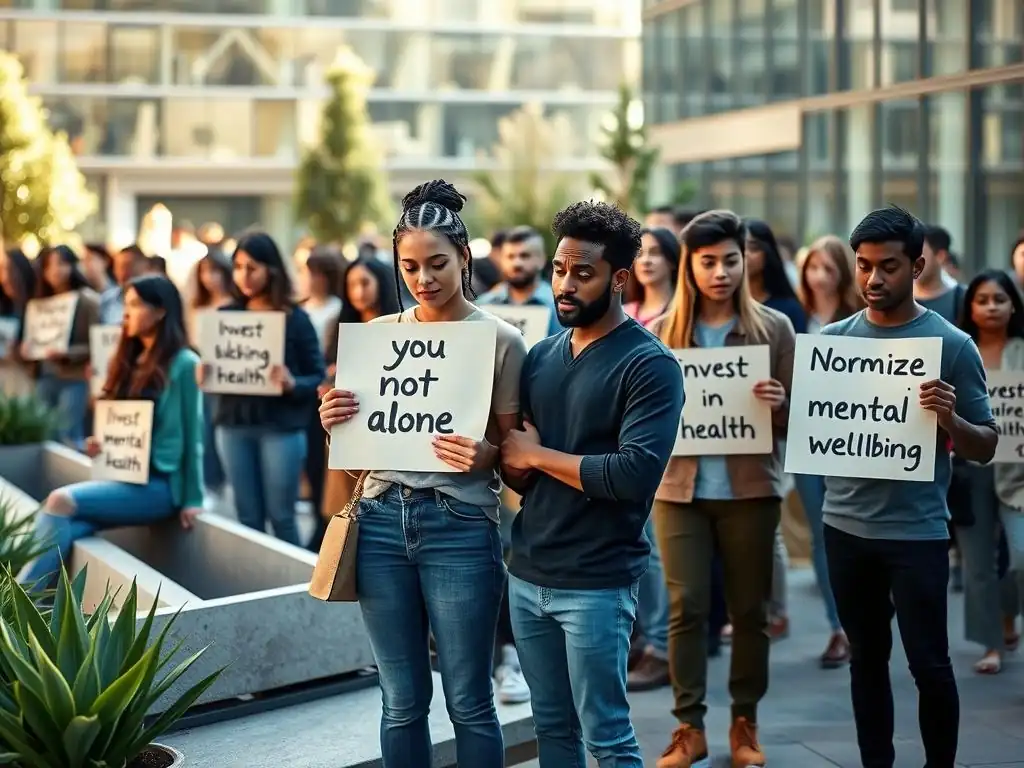
Welcome to Mind Care Guide, a space dedicated to nurturing your mental well-being.
Are you curious about the driving forces shaping mental healthcare today? In a world increasingly aware of the importance of mental health, understanding the power of collective action is crucial. This article delves into the impactful mental health advocacy movements west, exploring how these groups are shaping policy, challenging stigma, and fostering a more supportive landscape. Discover the stories, strategies, and successes that are transforming lives and paving the way for a brighter, healthier future. Read on to learn how you can become a part of this vital change.
Advocating for Mental Health: Modern Movements in the West
- The Rise of Mental Health Advocacy Movements in the West
-
Key Mental Health Advocacy Movements in the Western World
- The Evolution of Patient-Led Mental Health Advocacy
- The National Alliance on Mental Illness (NAMI): Championing Mental Health Education and Support
- Mental Health America (MHA): Focusing on Prevention and Early Intervention
- The Role of Celebrities and Influencers in Raising Mental Health Awareness in the West
- Modern Approaches in Western Mental Health Advocacy
- The Impact of Western Mental Health Advocacy Movements
- Challenges Facing Mental Health Advocacy Movements in the West
- The Future of Mental Health Advocacy in the West
- Resources for Mental Health Advocacy and Support in the West
-
Frequently Asked Questions
- What are some of the key mental health advocacy movements currently active in the West?
- How do these movements primarily advocate for better mental health services?
- What role does lived experience play in driving these mental health advocacy movements?
- How are social media and the internet being utilized by mental health advocacy groups?
- What are some of the challenges faced by mental health advocacy movements in the West?
- Final Reflection: The Unfolding Revolution of Mental Health Advocacy
- Unleash Your Advocacy Power: Shape the Future of Mental Health
The Rise of Mental Health Advocacy Movements in the West
Understanding the Growing Need for Mental Health Support in Western Societies
Western societies have witnessed a significant increase in awareness regarding mental health challenges over the past few decades. Data from various health organizations consistently show that a substantial portion of the population experiences mental health conditions. For example, the World Health Organization estimates that globally, one in eight people live with a mental disorder.
While this is a global figure, prevalence rates in many Western countries mirror or even exceed this, with reports suggesting that in the United States, approximately one in five adults experiences a mental illness each year. This widespread impact highlights the urgent need for robust support systems and reduced barriers to care.
Furthermore, the COVID-19 pandemic exacerbated existing mental health issues across the West. Studies indicated a significant rise in symptoms of anxiety and depression. For instance, a report from the CDC in the U.S. showed a substantial increase in reported symptoms of anxiety and depressive disorders in 2020 compared to previous years. This period particularly illuminated gaps in accessibility and the disproportionate impact on vulnerable populations, underscoring the critical role that strong mental health advocacy movements in the West play in pushing for better infrastructure and support.
Defining "Mental Health Advocacy Movements": A Western Perspective
Mental health advocacy movements in the West encompass organized efforts by individuals, families, professionals, and organizations to influence public policy, challenge stigma, and improve access to quality mental healthcare. These movements often originate from the lived experiences of those affected by mental illness and their allies. Their goals are multifaceted, aiming not only to change laws and funding priorities but also to shift societal attitudes and perceptions surrounding mental health.
From a Western perspective, these movements are deeply intertwined with civil rights and disability rights activism that gained prominence in the latter half of the 20th century. Early efforts often focused on deinstitutionalization and ensuring basic human rights for individuals with mental illness. Contemporary mental health advocacy movements west expand upon this foundation, tackling complex issues such as parity in insurance coverage, addressing social determinants of mental health, and promoting integrated physical and mental healthcare. They utilize a range of strategies, from grassroots organizing and public awareness campaigns to lobbying and legal action.
Key Mental Health Advocacy Movements in the Western World
The Evolution of Patient-Led Mental Health Advocacy
The history of mental health advocacy in the West is marked by a crucial shift towards patient-led initiatives. Initially, advocacy was often driven by families or professionals seeking better care and conditions for institutionalized individuals. However, starting in the mid-20th century, people with lived experience of mental illness began organizing themselves, demanding autonomy, respect, and a voice in their own treatment and policy decisions. This "survivor movement," as it was sometimes called, fundamentally altered the landscape, emphasizing recovery, peer support, and self-determination.
This evolution led to the formation of powerful advocacy groups rooted in peer leadership. These organizations prioritize the perspectives and needs of individuals who have personally navigated mental health challenges. They advocate for approaches that empower individuals, challenge paternalistic systems, and promote understanding based on shared experience. The rise of peer support specialists, integrated into clinical settings, is a direct outcome of this patient-led advocacy, demonstrating its tangible impact on service delivery models across Western nations.
The National Alliance on Mental Illness (NAMI): Championing Mental Health Education and Support
The National Alliance on Mental Illness (NAMI) stands as one of the largest and most influential mental health advocacy organizations in the United States, a key player among mental health advocacy movements west. Founded in 1979 by a small group of families, NAMI has grown into a nationwide grassroots alliance of state organizations and local affiliates. Its core mission revolves around providing support, education, and advocacy for individuals and families affected by mental illness. NAMI offers signature programs like "Family-to-Family" and "Peer-to-Peer," which have educated hundreds of thousands of people, equipping them with knowledge and coping strategies.
NAMI is also a powerful voice on Capitol Hill and in state legislatures, advocating for policies that improve access to care, increase research funding, and end discrimination. Their advocacy efforts have contributed to significant legislative changes, including aspects of the Mental Health Parity and Addiction Equity Act, which aimed to ensure that insurance coverage for mental health conditions is no more restrictive than for physical health conditions. Their work exemplifies how organized, family-based and peer-informed advocacy can drive substantial progress in the field of mental health in the West.
Mental Health America (MHA): Focusing on Prevention and Early Intervention
Mental Health America (MHA), founded in 1909 by Clifford Beers, a former psychiatric patient, is the nation's leading community-based non-profit dedicated to addressing the needs of those living with mental illness and promoting the overall mental health of all Americans. MHA's historical roots are deeply embedded in patient advocacy, making it one of the earliest examples of a prominent mental health advocacy movement in the West. A key focus for MHA is on prevention and early intervention, particularly for young people. They champion the idea of addressing mental health conditions before they reach crisis stage.
MHA's "B4Stage4" philosophy promotes screening, identification, and treatment of mental health conditions in their early stages, just as physical health conditions are often addressed. Their online screening tools have been utilized millions of times, providing individuals with preliminary information about their mental health and connecting them with resources. MHA's advocacy extends to policy work aimed at expanding access to early intervention services, integrating mental healthcare into primary care settings, and ensuring adequate funding for preventative programs across the Western world.
The Role of Celebrities and Influencers in Raising Mental Health Awareness in the West
In recent years, the landscape of mental health advocacy movements west has been significantly impacted by the participation of celebrities, athletes, and social media influencers. High-profile individuals sharing their personal struggles with mental health has helped to normalize conversations and reduce the stigma associated with seeking help. When a well-known figure like a prominent actor or musician speaks openly about their anxiety or depression, it resonates with millions and can encourage others to acknowledge their own challenges.
This form of advocacy leverages large platforms to reach broad audiences, often younger demographics who are highly engaged with social media. Campaigns spearheaded or supported by influencers can quickly go viral, spreading messages of hope, resilience, and the importance of seeking professional support. While this form of advocacy can sometimes be criticized for lacking depth or promoting specific (sometimes expensive) services, its power in initiating conversations and increasing general awareness about mental health in the West is undeniable, complementing the work of established advocacy organizations.
Modern Approaches in Western Mental Health Advocacy

De-stigmatizing Mental Illness: Shifting Public Perception in the West
De-stigmatization remains a core objective for all mental health advocacy movements west. Stigma, whether public or self-imposed, acts as a significant barrier to individuals seeking help and living full lives. Modern approaches focus on multifaceted campaigns that go beyond simply raising awareness. They aim to change attitudes, challenge stereotypes, and promote understanding through education and personal stories. Initiatives like "Bell Let's Talk" in Canada have shown immense success, generating millions of conversations and raising substantial funds for mental health initiatives through a single day of awareness each year.
These efforts often involve media training for journalists to report responsibly on mental health, educational programs in schools and workplaces, and public service announcements featuring diverse voices. The goal is to frame mental health as an integral part of overall health, rather than something separate or shameful. By highlighting recovery stories and emphasizing that mental health conditions are treatable, these advocacy movements work to dismantle the fear and prejudice that historically surrounded mental illness in the West.
Promoting Access to Mental Healthcare: Addressing Systemic Barriers in Western Countries
A critical focus of Western mental health advocacy is the persistent challenge of ensuring equitable access to care. Despite increased awareness, systemic barriers like cost, lack of insurance coverage, provider shortages, geographic isolation, and complex administrative processes prevent many people from receiving needed treatment. Advocacy efforts target policymakers and healthcare systems to address these issues head-on.
Advocates push for policies that mandate robust insurance coverage for mental health services (parity laws), increase funding for community-based clinics, expand the mental healthcare workforce, and simplify the process of finding and accessing care. They also highlight disparities in access based on race, ethnicity, socioeconomic status, and geographic location, advocating for targeted interventions to reach underserved populations across Western nations. For instance, efforts in the UK's NHS focus on reducing waiting times for mental health services, a direct result of sustained advocacy pressure.
Using Technology and Digital Platforms for Mental Health Advocacy in the West
Technology has become an indispensable tool for modern mental health advocacy movements west. Digital platforms offer unprecedented reach for awareness campaigns, facilitate community building, and provide new avenues for service delivery. The internet and social media have democratized advocacy, allowing individuals and small groups to launch campaigns that can gain national or even international traction.
The Impact of Social Media on Mental Health Awareness Campaigns
Social media platforms like Twitter, Instagram, and Facebook have become powerful engines for spreading mental health awareness. Hashtag campaigns, such as #EndTheStigma or #MentalHealthMatters, generate millions of posts and conversations, bringing mental health issues into mainstream discourse. Influencers and organizations use these platforms to share information, personal stories, and resources, reaching demographics that might not engage with traditional media. While challenges like misinformation and the potential for online harassment exist, the ability of social media to mobilize support and amplify voices is a significant asset for mental health advocacy movements in the West.
Telehealth and Online Mental Health Resources: Expanding Access
The rise of telehealth and online mental health platforms represents a major step in expanding access to care, significantly influenced by advocacy pushing for digital solutions. These platforms offer therapy, counseling, and support groups remotely, removing geographical barriers and often providing more flexible scheduling options.
During the pandemic, the rapid expansion of telehealth services demonstrated its potential to bridge gaps in access, particularly in rural or underserved areas across Western countries. Advocacy continues to be crucial in ensuring that these digital resources are affordable, accessible to people with disabilities, and integrated into the broader healthcare system, ensuring quality and ethical standards are maintained.
The Impact of Western Mental Health Advocacy Movements
Measuring the Success of Advocacy Efforts: Key Performance Indicators
Measuring the true impact of mental health advocacy movements in the West is complex, but several key performance indicators (KPIs) are used. These include legislative changes (e.g., passage of parity laws, increased budget allocations for mental health), reductions in reported stigma levels (measured through surveys), increases in help-seeking behavior, and improvements in access to services (e.g., reduced waiting times, increased number of providers). While direct causation can be hard to prove, correlation between sustained advocacy campaigns and positive shifts in these areas is often observed.
For example, following major advocacy pushes, some Western countries have reported increases in the percentage of people with mental health conditions who receive treatment. Public opinion polls also show a gradual shift towards more accepting attitudes towards mental illness compared to decades past. While challenges remain, these metrics provide valuable insight into the progress being made by mental health advocacy movements west.
Positive Changes in Mental Health Policy and Funding in Western Nations
Sustained advocacy has led to significant positive changes in mental health policy and funding across Western nations. Governments have increasingly recognized mental health as a public health priority. Examples include:
- Increased investment in community-based mental health services, shifting away from institutional care.
- Legislation aimed at achieving parity between mental and physical health insurance coverage in countries like the US and Canada.
- Development of national mental health strategies and action plans in many European countries, outlining goals for prevention, treatment, and recovery.
- Dedicated funding streams for mental health research and innovation.
These policy shifts are not accidental; they are often the direct result of tireless lobbying, public awareness campaigns, and pressure from mental health advocacy movements west that highlight disparities and unmet needs.
The Ripple Effect: Global Influence of Western Mental Health Advocacy
The approaches and successes of Western mental health advocacy movements have had a significant ripple effect globally. Models developed in the West, such as peer support programs, anti-stigma campaigns, and patient involvement in policy-making, have been adapted and implemented in other regions. Western organizations often collaborate with international bodies and local groups to share knowledge and resources.
Furthermore, the visibility and influence of Western advocates, sometimes amplified by global media and digital platforms, help to elevate mental health as a global priority. While acknowledging that different cultures require tailored approaches, the fundamental principles of human rights, access to care, and de-stigmatization championed by Western movements serve as inspiration and a framework for advocacy efforts worldwide.
Challenges Facing Mental Health Advocacy Movements in the West

Overcoming Stigma and Discrimination: A Persistent Struggle
Despite progress, overcoming stigma and discrimination remains a persistent and formidable challenge for mental health advocacy movements west. Deep-seated prejudices and misunderstandings about mental illness continue to exist in many communities. This can manifest as reluctance to hire individuals with mental health conditions, social exclusion, or even discriminatory practices within healthcare systems themselves.
Addressing stigma requires ongoing, multi-generational efforts. It involves not only public awareness campaigns but also challenging discriminatory laws and policies, promoting mental health literacy from a young age, and fostering environments where people feel safe to talk about their experiences without fear of judgment. The fight against stigma is far from over, demanding constant vigilance and innovative approaches from advocates.
Ensuring Equitable Access to Mental Healthcare for All in the West
While access has improved, ensuring equitable access to mental healthcare for all individuals in the West is an ongoing battle. Significant disparities persist based on socioeconomic status, race, ethnicity, sexual orientation, gender identity, geographic location, and disability status. Individuals from marginalized communities often face compounded barriers, including cultural insensitivity from providers, language barriers, lack of culturally competent care, and historical mistrust of the healthcare system.
Mental health advocacy movements west are increasingly focusing on intersectional approaches to address these inequities. This involves advocating for policies that specifically target underserved populations, increasing diversity within the mental healthcare workforce, and promoting culturally responsive and trauma-informed care models. Achieving true equity requires dismantling systemic barriers that go beyond just insurance coverage.
Maintaining Momentum and Sustainability in Advocacy Efforts
Maintaining momentum and sustainability is a crucial challenge for any advocacy movement, including those focused on mental health in the West. Advocacy work is often demanding, requiring consistent effort, resources, and the ability to adapt to changing political and social landscapes. Volunteer burnout is common, and securing consistent funding for advocacy initiatives can be difficult.
Sustaining advocacy requires building strong organizational structures, developing diverse funding streams, fostering leadership development within the movement, and effectively communicating successes and ongoing needs to the public and policymakers. It also involves building broad coalitions with other advocacy groups, recognizing that mental health is intertwined with issues like housing, employment, and social justice.
The Future of Mental Health Advocacy in the West
Emerging Trends and Innovations in Mental Health Advocacy
The future of mental health advocacy movements west is likely to be shaped by emerging trends and innovations. These include the increasing use of data analytics to identify unmet needs and measure impact, the development of personalized advocacy strategies tailored to specific populations, and the leveraging of artificial intelligence for everything from identifying advocacy targets to personalizing outreach messages.
There is also growing interest in integrating mental health advocacy with broader wellness movements and focusing on preventative advocacy that promotes mental well-being in schools, workplaces, and communities before crises occur. Furthermore, the role of technology in facilitating peer connections and providing accessible digital support is expected to expand significantly, creating new frontiers for advocacy efforts.
The Importance of Collaboration and Intersectionality in Future Movements
Future mental health advocacy in the West will increasingly rely on collaboration and intersectionality. Recognizing that mental health is influenced by a myriad of social determinants – including poverty, discrimination, housing instability, and access to education – advocates are building stronger alliances with movements addressing these related issues.
An intersectional approach acknowledges that individuals often experience multiple forms of marginalization that impact their mental health and access to care. By working collaboratively with disability rights groups, racial justice organizations, LGBTQ+ advocates, and poverty reduction initiatives, mental health advocacy movements west can build more powerful coalitions and push for more comprehensive and equitable solutions that address the root causes of mental health disparities.
Empowering Individuals to Become Mental Health Advocates in Their Communities
A key aspect of the future will be empowering individuals at the local level to become active mental health advocates in their own communities. This involves providing people with the knowledge, skills, and resources they need to speak up, share their stories safely, and influence local policies and services. Grassroots advocacy is essential for driving change from the ground up and ensuring that advocacy efforts are responsive to the specific needs of diverse communities across the West.
Training programs in peer advocacy, public speaking, and navigating local government structures will be vital. The goal is to create a culture where advocating for mental health is seen not just as the work of large organizations, but as a responsibility and opportunity for everyone to contribute to a more supportive and understanding society.
Resources for Mental Health Advocacy and Support in the West
Frequently Asked Questions
What are some of the key mental health advocacy movements currently active in the West?
Modern movements include the patient rights movement, which emphasizes patient autonomy; the anti-stigma movement, which combats negative perceptions; and movements focused on access to affordable care.
How do these movements primarily advocate for better mental health services?
They advocate through public awareness campaigns, lobbying for policy changes, and legal challenges to discriminatory practices against those with mental illness.
What role does lived experience play in driving these mental health advocacy movements?
Lived experience is central. Individuals with mental health conditions often lead these movements, sharing their stories to reduce stigma and inform policy.
Social media provides platforms for raising awareness, connecting individuals with support, and organizing advocacy efforts on a large scale.
What are some of the challenges faced by mental health advocacy movements in the West?
Challenges include funding limitations, countering misinformation, and overcoming systemic barriers to accessing quality mental healthcare.
Final Reflection: The Unfolding Revolution of Mental Health Advocacy
The fight for accessible and equitable mental healthcare is not merely a social issue; it's a fundamental human rights struggle that continues to resonate deeply in the West today. The interconnectedness of systemic inequalities, societal stigma, and the lack of adequate resources, as explored throughout this article, paints a stark picture of the challenges that remain. We've seen how advocacy movements, from grassroots initiatives to large-scale campaigns, are actively working to dismantle these barriers and create a more compassionate and supportive environment.
The impact of these movements is undeniable, yet the journey is far from over. The slow but steady shift in public perception, the increased visibility of mental health struggles, and the growing demand for better services are all testaments to the power of collective action. Yet, the pervasive stigma continues to hinder progress, leaving many individuals suffering in silence. The greatest barrier to mental health is not illness, but the silence surrounding it.
This quote encapsulates the ongoing need for sustained advocacy and open dialogue. We must continue to challenge the societal norms that perpetuate shame and discrimination, fostering a culture of understanding and empathy.
Consider the impact of your own actions. You have the power to be a part of this ongoing revolution. Whether it's through raising awareness within your community, supporting organizations dedicated to mental health, or simply engaging in compassionate conversations with those around you, your contribution matters. Let us all commit to dismantling the stigma, advocating for better resources, and building a future where mental health is prioritized and everyone feels safe, supported, and empowered to seek help.
Unleash Your Advocacy Power: Shape the Future of Mental Health
Thanks for taking the time to explore the evolving landscape of mental health advocacy in the West! You've gained valuable insights into current movements and their impact. Now, let's turn that knowledge into action.
- Become a vocal advocate: Share this article with your network – spread awareness and spark conversations about the importance of accessible mental healthcare. This simple act can make a real difference.
- Engage in local initiatives: Research local mental health organizations and find ways to volunteer your time or skills. Even a few hours can significantly contribute to their mission.
- Challenge the stigma: Consider starting a dialogue with someone in your life about their experiences with mental health. Listening empathetically and fostering understanding can be powerful.
What small step will you take today to champion mental health in your community?