
Age and Culture: Mental Health Needs Across Different Life Stages and Backgrounds

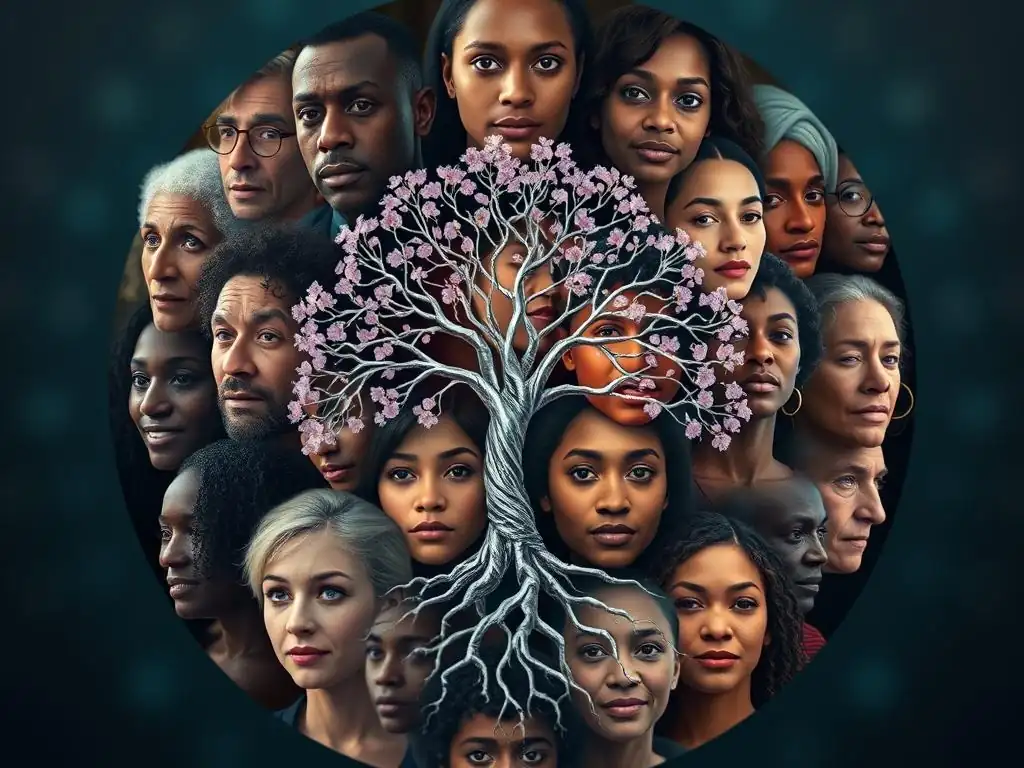
Welcome to Mind Care Guide, a sanctuary for your mental well-being. Feeling lost in the maze of mental health information? You're not alone. We understand that mental health needs vary significantly, and this guide is here to illuminate the path towards a deeper understanding. Ready to explore how age and culture shape our experiences? Dive in and discover the resources and support tailored to your unique journey. Let's begin!
- Age and Culture: Understanding Diverse Mental Health Needs Across Life Stages
- How Age and Cultural Backgrounds Shape Mental Health Needs
- Mental Health Challenges Across Different Life Stages
- The Impact of Culture on Mental Health: Key Considerations
- Specific Cultural Considerations for Mental Health Professionals
- Resources for Culturally Competent Mental Health Care
- Conclusion: Promoting Inclusive and Equitable Mental Health Care
-
Frequently Asked Questions
- How do age and culture significantly impact mental health needs?
- What are some specific mental health challenges that might be more prevalent in certain age groups, as highlighted by Mind Care Guide?
- How does Mind Care Guide address the role of cultural background in shaping mental health experiences?
- What kind of resources and support does Mind Care Guide offer to address the diverse mental health needs arising from age and culture?
- Why is understanding that mental health needs vary across age and culture crucial for effective mental healthcare, according to Mind Care Guide?
- Final Reflection: The Evolving Landscape of Mental Wellbeing
- Embrace Your Mental Health Journey Today!
Age and Culture: Understanding Diverse Mental Health Needs Across Life Stages
Mind Care Guide: Addressing Mental Well-being Through Cultural Competence
At Mind Care Guide, we understand that well-being is not a one-size-fits-all concept. The journey through life brings different experiences, challenges, and perspectives, and these are profoundly shaped by both our age and our cultural background. Recognizing that mental health needs vary significantly from person to person is fundamental to providing effective support and care. Our mission is to explore these variations and advocate for culturally competent approaches that acknowledge the unique identities and lived experiences of individuals across all life stages and cultural groups.
Navigating the complexities of mental health requires an awareness of how societal norms, family structures, historical contexts, and personal beliefs interact with psychological well-being. Cultural competence isn't just about avoiding offense; it's about genuinely understanding how culture influences everything from how symptoms are expressed to attitudes towards seeking help, and even the effectiveness of specific therapeutic interventions. By embracing this understanding, Mind Care Guide aims to be a resource that empowers individuals and professionals alike to approach mental health with sensitivity and respect for diverse backgrounds.
How Age and Cultural Backgrounds Shape Mental Health Needs
Why Mental Health Needs Vary: The Intersection of Age, Culture, and Identity
Mental health needs vary dramatically because they are shaped by a complex interplay of factors, with age and cultural background being particularly influential. As individuals move through childhood, adolescence, adulthood, and older adulthood, they encounter distinct developmental milestones, social roles, and biological changes, each presenting unique psychological challenges.
A child's mental health concerns might revolve around school adjustment or family dynamics, while an older adult might face issues related to grief, isolation, or physical health decline. These age-specific experiences are then filtered through the lens of their cultural context, which dictates values, communication styles, coping mechanisms, and perceptions of mental illness.
Furthermore, the intersection of multiple identities – such as race, ethnicity, gender, sexual orientation, socioeconomic status, and religion – within a specific age group adds further layers of complexity. For example, a young adult from an immigrant background may face acculturation stress alongside typical developmental challenges, experiencing mental health needs that are distinct from those of a young adult whose family has been in the country for generations. Understanding why mental health needs vary requires acknowledging these intersecting identities and the unique pressures and resources they bring to an individual's life.
Mental Health Challenges Across Different Life Stages

Childhood and Adolescence: Cultural Influences on Early Mental Health
The formative years of childhood and adolescence are critical periods for mental health development, but how challenges manifest and are perceived is heavily influenced by culture. For instance, what is seen as typical childhood shyness in one culture might be viewed with concern as potential social anxiety in another.
Cultural expectations around behavior, academic achievement, and family roles can place significant stress on young people. Data suggests that while conditions like anxiety and depression exist across cultures, their presentation can differ; a child in one cultural setting might express distress through somatic complaints (physical symptoms) rather than verbalizing feelings of sadness, which can make diagnosis challenging for practitioners unfamiliar with these variations.
Moreover, cultural norms often dictate how much open discussion occurs around emotions or psychological struggles within families. In some cultures, seeking professional help for mental health issues is highly stigmatized, leading families to delay or avoid care for their children and adolescents. This can result in untreated conditions or reliance on traditional healing practices, which may or may not be effective depending on the specific challenge. Addressing mental health in this age group requires sensitivity to family dynamics, communication styles, and beliefs about health and illness prevalent within their cultural community.
Addressing Anxiety and Depression in Children from Diverse Backgrounds
Anxiety and depression are common mental health conditions in children, but their recognition and treatment require cultural nuance. In many non-Western cultures, emotional distress in children might be expressed through physical symptoms like headaches, stomach aches, or fatigue, rather than direct verbal reports of worry or sadness. A study involving diverse populations might show that while prevalence rates of anxiety symptoms are similar, the way those symptoms are reported differs significantly along cultural lines. This means a clinician relying solely on Western-centric symptom checklists might miss key indicators in a child from a different cultural background.
Effective interventions must consider the child's family and community context. For example, involving family members in therapy is crucial in cultures where the family unit is paramount. Adapting cognitive-behavioral therapy (CBT) techniques to include culturally relevant examples, stories, or metaphors can make the treatment more relatable and effective. Furthermore, addressing the impact of acculturation stress or discrimination, which can significantly contribute to anxiety and depression in children from minority or immigrant backgrounds, is vital for comprehensive care.
Cultural Considerations in Diagnosing and Treating ADHD in Adolescents
Diagnosing Attention-Deficit/Hyperactivity Disorder (ADHD) in adolescents from diverse cultural backgrounds presents unique challenges. What constitutes "hyperactivity" or "inattention" can be perceived differently across cultures, influenced by varying expectations for adolescent behavior in school, at home, and in social settings. For example, a high level of energy might be seen as typical or even desirable in some cultural contexts, while in others it could be a source of concern. Research indicates that disparities exist in ADHD diagnosis rates among different racial and ethnic groups, which may partly be attributed to cultural biases in assessment tools and interpretation of behaviors.
Treatment approaches also need cultural adaptation. Relying solely on medication might not be the preferred or accepted method in all cultures. Behavioral interventions that involve parents and align with family values regarding discipline and education are often more effective. Therapists need to explore cultural beliefs about the causes of ADHD symptoms (e.g., spiritual factors, diet) and integrate these perspectives respectfully into the treatment plan, rather than dismissing them. Culturally competent care for ADHD acknowledges that mental health needs vary and requires flexible, individualized strategies.
Adulthood brings a new set of mental health challenges, often tied to significant life events like career development, starting a family, and navigating complex social roles. These experiences are deeply intertwined with cultural expectations. For example, cultural norms around marriage, child-rearing, and elder care can place immense pressure on individuals, impacting their stress levels and overall mental well-being. The expectation to financially support extended family, common in many cultures, can lead to significant anxiety and depression, particularly in the face of economic instability.
Furthermore, adults from minority or immigrant backgrounds may face the ongoing stress of discrimination, acculturation difficulties, or navigating dual cultural identities. These unique stressors can contribute to conditions like anxiety disorders, depressive episodes, and trauma-related symptoms. Recognizing that mental health needs vary among adults requires understanding the specific cultural contexts they inhabit, the societal pressures they face, and the resources – or lack thereof – available within their communities to support their mental health.
Career Pressures and Cultural Identity in Adulthood
Career and work are significant sources of stress and fulfillment in adulthood, and cultural background heavily influences this domain. In some cultures, there is immense pressure to pursue specific professions (e.g., medicine, engineering) to bring honor to the family, regardless of personal interest, which can lead to feelings of entrapment and anxiety.
Cultural values around work ethic, collectivism versus individualism, and the balance between work and family life also shape experiences. For instance, an adult from a highly collectivist culture might feel obligated to prioritize family needs over career advancement in ways that are less common in more individualistic societies.
For adults from marginalized cultural groups, navigating the workplace can involve facing systemic discrimination, microaggressions, and barriers to advancement. These experiences can significantly impact self-esteem, contribute to chronic stress, and exacerbate mental health issues like depression and burnout. Supporting the mental health of adults in the workforce requires acknowledging these cultural and systemic factors and providing resources that address not just work-life balance, but also issues of identity, discrimination, and the unique pressures tied to cultural expectations.
Family Responsibilities and Mental Health in Diverse Cultural Contexts
Family responsibilities are a cornerstone of adulthood, but the nature and weight of these responsibilities vary significantly across cultures. In many cultures, adult children are expected to provide substantial financial and emotional support for aging parents, siblings, and extended family members. While this can be a source of strength and connection, it can also lead to significant stress, caregiver burnout, and financial strain, impacting mental health. For example, an adult caring for an elderly parent might face different challenges and expectations depending on cultural norms around filial piety and the role of institutional care.
Cultural norms also influence parenting styles, marital dynamics, and the division of labor within the household, all of which can affect mental well-being. Conflict arising from differing cultural expectations between partners or between generations can be a significant stressor. Understanding the specific family structures, values, and responsibilities prevalent within an individual's cultural context is essential for providing relevant mental health support. It underscores the fact that mental health needs vary not just by age, but profoundly by the cultural tapestry of family life.
Older adulthood is a life stage marked by significant transitions, including retirement, physical health changes, loss of loved ones, and shifts in social roles. While these experiences can impact anyone, cultural factors heavily influence how these changes are perceived, coped with, and supported. In some cultures, older adults are highly revered and integrated into family life, providing a strong social support network. In others, elderhood can be associated with increased isolation and marginalization. This highlights how mental health needs vary among older adults based on their cultural environment and the value placed on elders within that society.
Cultural beliefs about aging, illness, and death also shape the mental health experiences of older adults. Stigma around mental health issues may be particularly strong in older generations within certain cultures, making them hesitant to seek help. Furthermore, symptoms of depression or anxiety might be misinterpreted as "normal" parts of aging rather than treatable conditions. Providing effective mental health care for older adults requires cultural sensitivity, recognizing the impact of historical trauma, migration experiences, and traditional beliefs on their current well-being.
Loneliness and Social Isolation in Older Adults from Diverse Communities
Loneliness and social isolation are significant risk factors for poor mental health in older adults, but their prevalence and experience differ across cultural communities. In cultures with strong extended family ties and community structures, older adults may be less prone to isolation as they remain integral parts of these networks. However, older adults from immigrant or minority backgrounds may face unique challenges, such as language barriers, loss of traditional social networks due to migration, or living in areas where their cultural group is small.
For example, an older immigrant might struggle to access social services or participate in community activities due to language difficulties or cultural differences, leading to profound loneliness. Approximations suggest that social isolation is a major concern for a significant percentage of older adults globally, but specific rates vary widely by cultural background and geographic location. Interventions need to be culturally tailored, perhaps involving community centers that cater to specific ethnic groups, family-based support programs, or initiatives that connect older adults with others who share similar cultural backgrounds and experiences.
Cultural Beliefs About Aging and Mental Illness
Cultural beliefs about aging and mental illness deeply impact how older adults perceive their own mental health and their willingness to seek help. In some cultures, mental illness is viewed through a lens of shame, punishment, or a lack of moral strength, making individuals less likely to admit they are struggling. Conversely, physical ailments might be considered more legitimate reasons for seeking care, leading older adults to report physical symptoms even when the underlying issue is depression or anxiety.
Beliefs about aging itself also play a role. If aging is seen as a period of decline and dependence, mental health issues might be accepted as an inevitable part of getting older rather than treatable conditions. In contrast, cultures that revere elders may have stronger community support systems that act as protective factors. Clinicians working with older adults must explore these cultural beliefs gently and respectfully, validating their experiences while also educating about treatable mental health conditions. This understanding is vital because mental health needs vary significantly based on these deeply held cultural perspectives.
The Impact of Culture on Mental Health: Key Considerations
Cultural Stigma and Mental Health Seeking Behaviors
One of the most significant ways culture impacts mental health is through stigma, which profoundly affects help-seeking behaviors. In many cultures, mental illness is highly stigmatized, viewed as a personal failure, a source of shame for the family, or even a result of supernatural forces. This stigma often leads individuals to conceal their struggles, delay seeking help, or avoid professional mental health services altogether, fearing judgment, discrimination, or social isolation from their community.
The fear of stigma is a major barrier to care, contributing to underdiagnosis and undertreatment of mental health conditions in diverse populations. For instance, studies consistently show lower rates of mental health service utilization among certain ethnic minority groups compared to the general population, even when prevalence rates of conditions like depression or anxiety are similar or higher. Addressing this requires not only culturally sensitive clinical care but also community-level interventions aimed at reducing stigma and promoting open conversations about mental well-being within cultural groups.
Overcoming Barriers to Mental Health Care in Diverse Communities
Overcoming barriers to mental health care in diverse communities requires a multi-faceted approach that acknowledges that mental health needs vary and addresses the specific obstacles faced by different groups. Beyond stigma, these barriers include language difficulties, lack of culturally competent providers, financial constraints, lack of insurance, geographical distance from services, and negative past experiences with healthcare systems. For example, an individual who speaks limited English may struggle to find a therapist who can communicate effectively in their native language, or they may feel misunderstood even if interpretation services are available.
Strategies to overcome these barriers include increasing the number of culturally and linguistically competent mental health professionals, offering services in community settings (like religious centers or community hubs) rather than just traditional clinics, providing low-cost or free services, and developing outreach programs that build trust within specific cultural groups. Community-based mental health navigators who share the cultural background of the individuals they serve can be invaluable in helping people access and navigate the mental healthcare system.
Cultural Sensitivity in Mental Health Assessment and Treatment
Cultural sensitivity is paramount in both assessing and treating mental health conditions to ensure accurate diagnoses and effective interventions. Standardized assessment tools developed in one cultural context may not be valid or reliable when used with individuals from different backgrounds. Symptoms can be expressed differently, and cultural norms around emotional expression can influence how individuals report their feelings. For example, an assessment question about "feeling down" might not resonate with someone who expresses distress through physical symptoms or metaphors related to hardship rather than emotion.
Culturally sensitive treatment involves adapting therapeutic approaches to align with an individual's cultural values, beliefs, and communication styles. This might mean incorporating family members into therapy sessions in cultures where decisions are made collectively, using storytelling or traditional healing practices alongside conventional therapy, or adjusting communication styles to be more or less direct depending on cultural norms. Recognizing that mental health needs vary means being flexible and willing to adapt interventions rather than rigidly applying a single model.
Adapting Therapeutic Approaches to Meet Cultural Needs
Adapting therapeutic approaches is not about creating entirely new therapies for every culture, but rather modifying existing evidence-based practices to be culturally relevant and acceptable. For example, Cognitive Behavioral Therapy (CBT), which focuses on identifying and changing negative thought patterns, can be adapted by using culturally relevant examples in thought records, incorporating spiritual beliefs into coping strategies, or involving family in identifying behavioral goals. Similarly, psychodynamic therapy can explore the impact of cultural trauma, intergenerational patterns, and acculturation stress.
Group therapy, which can be highly effective, needs to consider cultural norms around group dynamics, disclosure, and hierarchy. A group composed of members from a shared cultural background might provide a strong sense of belonging and mutual understanding, facilitating healing. Ultimately, successful adaptation requires the therapist to be humble, willing to learn from the client about their cultural world, and collaborate to develop a treatment plan that respects their identity and context. This collaborative process acknowledges that mental health needs vary and empowers the individual in their healing journey.
The Role of Family and Community in Mental Health Support
In many cultures, the family and wider community play a much more central role in providing support than is typically emphasized in Western individualistic models of mental health care. Family members often serve as primary caregivers, emotional support systems, and decision-makers regarding health. Community leaders, religious figures, and traditional healers may be the first points of contact when someone is experiencing distress. Ignoring these existing support structures means missing crucial resources for promoting mental well-being.
Leveraging the strength of family and community networks can be incredibly effective in mental health promotion and intervention. Family-based therapy, psychoeducation delivered within community settings, and involving cultural or religious leaders in mental health initiatives can help reduce stigma, increase understanding, and provide accessible support. Understanding the specific roles and dynamics within an individual's family and community is essential because mental health needs vary significantly depending on the strength and nature of these social connections.
Understanding Family Dynamics and Cultural Values
Understanding family dynamics and cultural values is critical for effective mental health support, especially in cultures where family cohesion and interdependence are highly valued. Family structure (e.g., nuclear vs. extended family living arrangements), communication patterns (direct vs. indirect), decision-making processes (individual vs. collective), and views on privacy all impact how mental health issues are experienced and addressed within the family unit. For example, in a culture where family honor is paramount, a mental health issue might be seen as a source of shame, leading to secrecy and isolation.
Therapists working with individuals from such backgrounds need to be aware of these dynamics. Family therapy might be a more appropriate or necessary approach than individual therapy. Building rapport with key family members and understanding their perspectives on the individual's struggles is crucial. Respecting cultural values, such as filial piety or the importance of group harmony, while also supporting the individual's mental health goals, requires careful negotiation and collaboration with the family system.
Leveraging Community Resources for Mental Health Promotion
Leveraging community resources is a powerful way to promote mental health and provide support in culturally relevant ways. Community centers, faith-based organizations, cultural associations, and mutual support groups within specific ethnic or cultural communities often provide informal support networks that are trusted and accessible. These entities can be vital partners in delivering mental health education, reducing stigma, and connecting individuals with services.
For example, partnering with a local mosque or church to host mental health workshops can reach individuals who would never visit a clinic. Training community leaders or peer support specialists from within a cultural group can provide support that is linguistically appropriate and culturally resonant. Approximations suggest that community-based interventions can significantly improve mental health outcomes and service utilization rates in diverse populations. Recognizing that mental health needs vary means investing in and partnering with these vital community assets.
Specific Cultural Considerations for Mental Health Professionals

Working with African Americans: Unique Mental Health Needs and Challenges
Working effectively with African Americans requires understanding their unique historical experiences, cultural strengths, and systemic challenges that impact mental health. The legacy of slavery, ongoing racial discrimination, socioeconomic disparities, and historical mistrust of the healthcare system are significant factors contributing to mental health disparities. While African Americans may experience similar rates of mental health conditions as the general population, they are less likely to receive culturally competent care and face significant barriers to accessing services.
Cultural strengths within African American communities, such as strong family ties, faith-based support, and resilience in the face of adversity, are crucial resources to be leveraged in treatment. However, there is also a significant stigma surrounding mental illness within some segments of the community, often leading individuals to seek help only in times of crisis or to rely solely on spiritual guidance. Understanding these dynamics is essential because mental health needs vary significantly within this diverse population group.
Depression in African Americans: A Deeper Look
Depression is a significant concern in the African American community, yet it is often underdiagnosed and undertreated. Research suggests that while the overall prevalence of major depressive episodes might be slightly lower or comparable to other groups, the impact can be more severe, and treatment disparities are significant. African Americans are less likely to be offered evidence-based treatments like therapy or medication compared to white individuals. Furthermore, symptoms of depression might be expressed differently, sometimes manifesting as physical complaints or feelings of hopelessness related to systemic issues rather than just personal sadness.
Culturally relevant factors contributing to depression can include the stress of racism and discrimination, poverty, and historical trauma. Treatment approaches need to acknowledge these stressors and incorporate coping strategies that resonate with cultural values. For example, incorporating spirituality or faith into therapy, utilizing support from extended family, and addressing the impact of systemic issues on mental well-being are crucial for effective care.
Culturally Appropriate Interventions for Depression in African Americans
Culturally appropriate interventions for depression in African Americans should build upon community strengths and address unique challenges. Therapies like Interpersonal Psychotherapy (IPT), which focuses on relationships and social roles, can be adapted to explore the impact of family dynamics and community stressors. Cognitive Behavioral Therapy (CBT) can incorporate discussions about coping with discrimination and building resilience in the face of systemic barriers. Psychoeducation about depression should be delivered in a way that reduces stigma and is accessible within community settings, perhaps through churches or community centers.
Engaging trusted community leaders, such as pastors or elders, can help promote mental health awareness and encourage help-seeking. Group therapy focused on shared experiences of racism or cultural identity can also be highly effective. Ultimately, culturally appropriate care recognizes that mental health needs vary and requires providers to be knowledgeable about African American history, culture, and the specific sociopolitical factors that influence their mental well-being.
Working with Hispanic/Latinx Communities: Unique Mental Health Needs and Challenges
Working effectively with Hispanic/Latinx communities requires understanding the vast diversity within this group, encompassing various nationalities, languages, immigration statuses, and cultural traditions. Common factors influencing mental health include acculturation stress, language barriers, discrimination, trauma related to migration or political instability, and socioeconomic disparities. Family is often a central value (familismo), and individuals may prioritize family needs over their own, impacting their mental health. There is also significant stigma surrounding mental illness in many Latinx cultures.
While prevalence rates for some conditions may be similar to the general population, Latinx individuals, particularly immigrants and those with limited English proficiency, face significant barriers to accessing care. Approximations suggest that Latinx adults are significantly less likely to seek mental health treatment compared to non-Hispanic white adults. This underscores the critical need for culturally and linguistically competent services that acknowledge that mental health needs vary widely within and across these communities.
Anxiety in Hispanic/Latinx Communities: A Deeper Look
Anxiety disorders are prevalent in Hispanic/Latinx communities, often exacerbated by stressors related to immigration, acculturation, and discrimination. Symptoms might be expressed differently than in Western contexts; for example, susto (fright) or ataques de nervios (attacks of nerves) are culture-bound syndromes that involve intense emotional and physical reactions to stress or trauma and may be misinterpreted as panic attacks if cultural context is ignored. Language barriers can also make it difficult for individuals to articulate feelings of worry or fear.
The strong emphasis on family can be both a protective factor and a source of stress. Worries about family back home, the well-being of children navigating a new culture, or the pressure to support extended family financially can contribute significantly to anxiety. Culturally appropriate care must explore these specific stressors and understand how anxiety is experienced and expressed within the individual's cultural framework.
Culturally Appropriate Interventions for Anxiety in Hispanic/Latinx Communities
Culturally appropriate interventions for anxiety in Hispanic/Latinx communities should incorporate family, address acculturation stress, and be delivered in the preferred language. Therapy approaches like CBT can be adapted by using culturally relevant examples, incorporating discussions about family roles and expectations, and addressing the impact of discrimination. Psychoeducation about anxiety should be provided in Spanish or other native languages and delivered in accessible community settings.
Involving family members in therapy, especially in addressing family-related stressors or communication issues, can be highly beneficial. Therapists should be aware of and respectfully discuss traditional healing practices or spiritual beliefs the client may utilize for coping with anxiety. Group therapy for specific subgroups (e.g., immigrant women, adolescents facing acculturation challenges) can provide peer support and shared coping strategies. Recognizing that mental health needs vary within the Latinx population requires tailoring interventions to the specific nationality, immigration experience, and cultural values of the individual and their family.
Resources for Culturally Competent Mental Health Care
Finding Culturally Sensitive Therapists and Mental Health Providers
Finding a culturally sensitive therapist or mental health provider is crucial for individuals from diverse backgrounds. These professionals possess the knowledge, skills, and attitudes necessary to provide effective care that respects and incorporates an individual's cultural context. They are aware that mental health needs vary and are committed to understanding how culture influences symptoms, coping, and attitudes towards therapy. Seeking out providers who share a similar cultural background can also be beneficial, as they may have lived experience that enhances understanding.
Resources for finding such providers often include directories specifically focused on minority mental health, professional organizations for ethnic minority mental health professionals, and community-based organizations that serve specific cultural groups. Online therapist directories often allow searching by language spoken, ethnicity, and cultural expertise. Asking for referrals from trusted community leaders or healthcare providers who understand cultural nuances can also be helpful in the search for appropriate support.
Organizations Dedicated to Mental Health in Diverse Communities
Numerous organizations are dedicated to addressing the unique mental health needs of diverse communities. These organizations often provide culturally tailored resources, advocacy, education, and sometimes direct services. They play a vital role in reducing stigma, promoting mental health awareness within specific cultural groups, and advocating for equitable access to care. Examples might include national associations focused on the mental health of specific ethnic groups (e.g., Asian Americans, Native Americans, LGBTQ+ individuals) or local community centers serving immigrant populations.
These organizations often conduct research specific to the mental health challenges of their target populations, develop culturally appropriate educational materials, and offer training for mental health professionals on cultural competence. Supporting and utilizing the resources provided by these organizations is essential for anyone seeking or providing mental health care that acknowledges that mental health needs vary based on cultural background.
Conclusion: Promoting Inclusive and Equitable Mental Health Care
Recognizing That Mental Health Needs Vary: A Call to Action for Cultural Competence
Our exploration demonstrates unequivocally that mental health needs vary significantly across different age groups and cultural backgrounds. From the unique developmental challenges faced by children in diverse families to the complex stressors experienced by older adults navigating aging within specific cultural contexts, the impact of culture and age is profound. Recognizing this variation is not just an academic exercise; it is a call to action for promoting truly inclusive and equitable mental health care.
Achieving health equity requires dismantling systemic barriers, challenging stigma within communities, and ensuring that mental health services are accessible, affordable, and culturally competent for everyone, regardless of age or background. It demands that mental health professionals engage in continuous learning and self-reflection to better understand their own biases and the diverse experiences of their clients. By actively acknowledging that mental health needs vary and committing to culturally sensitive practices, we can move closer to a world where everyone has the opportunity to achieve optimal mental well-being.
Frequently Asked Questions
How do age and culture significantly impact mental health needs?
Age and culture influence life experiences and stressors, shaping individual perceptions and responses. This leads to diverse coping mechanisms and varying needs regarding mental health support.
What are some specific mental health challenges that might be more prevalent in certain age groups, as highlighted by Mind Care Guide?
Mind Care Guide might discuss issues like adolescent anxiety, mid-life career stress, or elderly isolation. These are just examples, as the specific challenges depend on the article's content and analysis of age-related stressors.
How does Mind Care Guide address the role of cultural background in shaping mental health experiences?
The guide likely emphasizes the impact of cultural norms, beliefs, and stigma surrounding mental health. It might explore how these factors influence help-seeking behavior and treatment preferences.
What kind of resources and support does Mind Care Guide offer to address the diverse mental health needs arising from age and culture?
The guide probably provides information on culturally sensitive therapies, age-appropriate interventions, and access to diverse support networks. It aims to offer practical guidance for individuals and families.
Why is understanding that mental health needs vary across age and culture crucial for effective mental healthcare, according to Mind Care Guide?
Recognizing these variations ensures personalized and effective treatment. A tailored approach considers individual circumstances, leading to better outcomes and improved mental well-being for all.
Final Reflection: The Evolving Landscape of Mental Wellbeing
The mental health needs of individuals are not monolithic; they are deeply intertwined with age, cultural background, and a complex interplay of societal factors. This reality, often overlooked, demands a fundamental shift in how we approach mental healthcare, moving beyond a one-size-fits-all approach to one that is truly personalized and culturally sensitive. The consequences of failing to address this disparity are far-reaching and impact individuals, families, and communities alike.
The exploration of mental health across different life stages and cultural backgrounds reveals a poignant tapestry of experiences, challenges, and resilience. The stigma surrounding mental illness, particularly in certain cultures, acts as a significant barrier to seeking help, perpetuating cycles of suffering. This underscores the critical need for culturally competent mental health services that are accessible and understanding. The greatest barrier to mental health care is not the lack of services, but the lack of access to those services.
This quote highlights the systemic issues that must be addressed to ensure equitable care for all.
Consider the implications of this article's findings in your own life. Are you actively engaging in self-care practices that are tailored to your specific needs and cultural context? Are you advocating for greater awareness and understanding of mental health within your community? The journey towards improved mental wellbeing is a collective one, requiring both individual responsibility and systemic change. Let this exploration serve as a catalyst for personal reflection and a commitment to building a more supportive and inclusive environment for all, regardless of age or background.
Embrace Your Mental Health Journey Today!
Thank you for investing your time in exploring the vital connection between age, culture, and mental health. You’ve gained valuable insights into how different life stages and backgrounds shape our mental well-being, and now it’s time to take action!
Here’s how you can continue your journey:
- Reflect on your own experiences: Consider how your age and cultural background have influenced your mental health. Take a moment to journal your thoughts and feelings.
- Share what you’ve learned: Discuss these insights with friends or family. Raise awareness about mental health needs across various demographics; your voice can inspire others!
- Explore community resources: Find local mental health support groups or cultural community centers that focus on mental wellness and participate in their activities.
What steps are you willing to take to support your mental health and the mental health of those around you?