
From Bias to Understanding: Addressing Unconscious Bias in Mental Health Care


Welcome to Mind Care Guide, a space dedicated to nurturing your mental well-being. Have you ever considered how unconscious biases might influence the care you receive or provide? This can be a difficult truth to confront, but it's a crucial step towards fostering a more equitable and effective mental healthcare system. Dive into our latest article, "From Bias to Understanding: Addressing Unconscious Bias in Mental Health Care," to uncover the subtle ways bias can manifest and discover actionable strategies for creating a more inclusive and supportive environment. Let's embark on this journey of understanding together. What will you discover?
From Bias to Understanding: Addressing Unconscious Bias in Mental Health Care
- Understanding Unconscious Bias in Mental Healthcare: An Introduction
- Recognizing Unconscious Bias in Mental Health Professionals
- The Effects of Unconscious Bias on Patients and Treatment Outcomes
- Strategies for Reducing Unconscious Bias in Mental Health Settings
- Cultivating Cultural Competence: A Key to Overcoming Unconscious Bias
- Practical Techniques for Challenging Biased Thoughts and Behaviors
- Case Studies: Examples of Unconscious Bias in Mental Healthcare and Their Resolution
- The Role of Organizational Culture in Fostering Bias-Free Mental Healthcare
- Long-Term Strategies for Sustained Change in Addressing Implicit Bias in Mental Health
- Resources for Further Learning on Unconscious Bias and Cultural Competence in Mental Health
-
Frequently Asked Questions
- What is unconscious bias and how does it manifest in mental healthcare?
- Why is addressing unconscious bias important in mental health care?
- What are some potential consequences of unconscious bias in the mental health setting?
- What steps can mental health professionals take to identify and mitigate their own unconscious biases?
- Where can I find resources and support to learn more about unconscious bias in mental healthcare?
- Final Reflection: The Urgent Need for Conscious Care
- Unlock Your Empathy: Take Action Against Unconscious Bias
Understanding Unconscious Bias in Mental Healthcare: An Introduction
Defining Unconscious Bias and Its Impact on Mental Health Services
Unconscious bias, also known as implicit bias, refers to the attitudes and stereotypes that affect our understanding, actions, and decisions in an unconscious manner. These biases are deeply ingrained and operate automatically, often without our awareness or intentional control. They are developed over a lifetime from exposure to cultural norms, media, personal experiences, and societal conditioning. In the context of mental healthcare, unconscious bias can significantly influence how practitioners perceive, diagnose, and treat patients.
The impact of unconscious bias on mental health services is profound and far-reaching. It can lead to differential treatment based on factors like race, ethnicity, socioeconomic status, gender, sexual orientation, age, disability, or other characteristics. For example, a study might show that individuals from certain minority groups are disproportionately diagnosed with more severe mental health conditions or are less likely to be offered certain forms of therapy, such as evidence-based psychotherapy, compared to their counterparts with similar symptoms.
This disparity isn't necessarily due to overt prejudice but can stem from subtle, unconscious assumptions about a patient's background, communication style, or perceived reliability. Addressing unconscious bias in mental healthcare is therefore critical to ensuring equitable and effective care for all.
Why Addressing Implicit Bias Matters in Mental Health
Addressing implicit bias is not merely an ethical imperative; it is fundamental to providing effective and trustworthy mental healthcare. When unconscious biases influence clinical decisions, they can erode the therapeutic alliance, lead to misdiagnoses, and result in suboptimal treatment plans. Patients who perceive bias, whether conscious or unconscious, are less likely to feel understood, safe, or respected, which can lead to disengagement from therapy, non-adherence to treatment, and poorer outcomes.
Furthermore, the presence of unconscious bias in mental healthcare contributes significantly to documented healthcare disparities. Data consistently shows that individuals from marginalized communities often face greater barriers to accessing quality mental health services and experience worse health outcomes.
For instance, studies have indicated that Black individuals experiencing depression may be less likely to be prescribed antidepressants than white individuals, or that LGBTQ+ individuals may face assumptions about their experiences that hinder effective therapeutic work. By actively working to identify and mitigate implicit bias, mental health professionals and systems can move towards a more just, equitable, and effective model of care that truly meets the diverse needs of all individuals seeking support.
Recognizing Unconscious Bias in Mental Health Professionals
Common Types of Unconscious Bias Affecting Mental Healthcare Decisions
Unconscious biases manifest in various ways within clinical settings, subtly shaping interactions and decisions. Recognizing these patterns is the first step towards mitigation. Common types include confirmation bias, where clinicians may seek out or interpret information that confirms their initial (potentially biased) hypothesis about a patient; affinity bias, favoring patients who remind them of themselves or people they like; and the halo effect, where a positive (or negative) trait about a patient influences the perception of their other traits. These biases can unconsciously skew assessments, treatment planning, and even the prognosis assigned to a patient.
Consider the pervasive impact of these biases. Confirmation bias might lead a therapist to focus only on symptoms that fit a diagnosis commonly associated with a patient's demographic group, overlooking other crucial information. Affinity bias could result in a clinician unconsciously spending more time or effort with a patient they feel a personal connection with, potentially at the expense of others.
The halo effect might cause a clinician to overlook signs of serious mental illness in a patient who is articulate and well-dressed, assuming they are functioning better than they are. These subtle influences highlight the complex challenge of addressing unconscious bias in mental healthcare and underscore the need for structured approaches to decision-making.
Confirmation Bias in Diagnosis
This type of bias can occur when a clinician forms an initial impression of a patient, perhaps based on their appearance, background, or referral information, and then unconsciously seeks information that confirms that impression while ignoring contradictory evidence. For example, if a clinician holds an unconscious bias that individuals from a certain socioeconomic background are prone to malingering, they might interpret a patient's description of symptoms through this lens, seeking evidence of exaggeration rather than genuinely assessing their distress. This can lead to missed diagnoses or inappropriate treatment plans.
Affinity Bias in Treatment Planning
Affinity bias involves favoring individuals who share similar characteristics or backgrounds. In mental healthcare, this might manifest as a clinician unconsciously feeling more rapport with or trust towards a patient who shares their ethnicity, educational level, or even hobbies. This affinity could subtly influence treatment decisions, perhaps leading the clinician to recommend more intensive or expensive treatments to patients with whom they feel a stronger connection, while potentially overlooking similar needs in patients with whom they feel less rapport due to unconscious biases.
The Halo Effect and Its Influence on Patient Perception
The halo effect is a cognitive bias where a positive impression of someone in one area influences the perception of them in other areas. For instance, if a patient is highly educated or professionally successful, a clinician might unconsciously perceive them as more resilient, capable, or less severely ill than they actually are, based solely on this positive trait.
Conversely, a negative halo effect could occur if a patient presents with poor hygiene or is uncommunicative, leading the clinician to unconsciously view them as less credible or more severely impaired than warranted by a clinical assessment alone. This can significantly impact the accuracy of the initial evaluation and subsequent treatment trajectory.
Self-Assessment Tools for Identifying Personal Biases in Clinical Practice
Identifying one's own unconscious biases is a critical step for mental health professionals. Various self-assessment tools are available, designed to reveal implicit associations that individuals may not be aware of. The Implicit Association Test (IAT) is a widely used tool that measures the strength of associations between concepts (e.g., race, gender) and attributes (e.g., good, bad). While results should be interpreted with caution and are not definitive proof of discriminatory behavior, they can offer valuable insights into potential areas of bias.
Beyond formal tests, reflective practices are essential. Keeping a reflective journal about challenging cases, supervision sessions focused on countertransference and potential biases, and seeking feedback from colleagues or patients (when appropriate and structured ethically) can help clinicians uncover blind spots.
For example, a clinician might reflect on why they feel consistently frustrated with patients from a particular group or why they find themselves consistently recommending a specific type of therapy to one demographic but not another, even when symptoms are similar. These self-exploration methods, combined with formal tools, contribute to a deeper understanding of one's own potential for unconscious bias in mental healthcare.
The Effects of Unconscious Bias on Patients and Treatment Outcomes
How Unconscious Bias Contributes to Healthcare Disparities in Mental Health
Unconscious bias is a significant, albeit often invisible, driver of healthcare disparities in mental health. It can lead to differential access to care, variations in quality of care, and unequal treatment outcomes based on group membership rather than clinical need. For instance, studies have shown that ethnic minorities may face longer wait times for appointments or be less likely to be referred to specialists. Data from the U.S. indicates that Black adults are significantly less likely to receive mental health services compared to white adults, even when experiencing similar rates of mental illness.
These disparities are not solely explained by socioeconomic factors or insurance status; unconscious biases held by practitioners and embedded within healthcare systems play a crucial role. A clinician's unconscious assumptions about a patient's ability to afford treatment, their family support, or their cultural beliefs about mental illness can influence recommendations and rapport.
This contributes to a system where marginalized groups may receive less comprehensive evaluations, be offered less effective treatments, or face greater hurdles in navigating the mental healthcare system, perpetuating cycles of inequality and poorer health outcomes. The presence of unconscious bias in mental healthcare settings is a barrier to achieving health equity.
Impact on Patient Trust and Engagement in Therapy
Trust is the cornerstone of the therapeutic relationship. When patients feel misunderstood, judged, or that their experiences are being minimized due to a clinician's unconscious biases, trust is severely damaged. A patient from a minority group who feels their cultural background is not acknowledged or is being stereotyped, for example, may become guarded, withhold information, or disengage from therapy altogether. This is particularly true in cases where a patient has had previous negative experiences with healthcare systems marked by bias.
The erosion of trust directly impacts patient engagement. If a patient does not trust their therapist, they are less likely to attend sessions regularly, be open about their thoughts and feelings, or adhere to treatment recommendations. This lack of engagement reduces the effectiveness of therapy, regardless of the clinician's skill or the chosen treatment modality.
Research suggests that a strong therapeutic alliance is a key predictor of positive treatment outcomes; unconscious bias is a significant threat to building and maintaining that alliance, thereby hindering recovery and well-being. Addressing unconscious bias in mental healthcare is vital for fostering trust and improving patient engagement.
The Role of Bias in Misdiagnosis and Ineffective Treatment
Unconscious bias can directly lead to misdiagnosis and the provision of ineffective treatment in mental healthcare. If a clinician holds unconscious stereotypes about how a particular group expresses distress (e.g., assuming individuals from a stoic cultural background do not experience severe emotional pain), they might underestimate the severity of a patient's symptoms or misattribute them to character flaws rather than a mental health condition. This can result in a failure to diagnose conditions like depression, anxiety, or PTSD accurately.
Furthermore, unconscious bias can influence treatment choices. A clinician might unconsciously favor certain treatment modalities for specific demographic groups based on stereotypes rather than evidence or individual need. For instance, a patient from a low-income background might be unconsciously steered towards brief, solution-focused therapy, even if their complex trauma history would be better addressed with longer-term, psychodynamic therapy. These biased decisions lead to treatment plans that are not tailored to the individual, are less likely to be effective, and can exacerbate the patient's distress, highlighting the critical need to address unconscious bias in mental healthcare.
Strategies for Reducing Unconscious Bias in Mental Health Settings

Education and Training Programs on Cultural Sensitivity and Bias Awareness
Comprehensive education and training programs are foundational for reducing unconscious bias in mental health settings. These programs should go beyond simply acknowledging the existence of bias; they need to provide practical tools and strategies for recognizing and mitigating its effects. Effective training includes exploring historical contexts of discrimination in healthcare, understanding the science behind implicit bias, and engaging in experiential exercises that challenge assumptions and broaden perspectives.
Such training should be ongoing, not a one-time event. Initial workshops can raise awareness, but regular follow-up sessions, booster training, and integration of bias awareness into clinical supervision are necessary to sustain change. For example, training might involve case discussions specifically focused on identifying potential biases in assessment or treatment planning for diverse patient populations. Investing in robust cultural sensitivity and bias awareness training is a concrete step towards addressing unconscious bias in mental healthcare practice.
Implementing Standardized Assessment Tools to Minimize Subjectivity
Reliance solely on subjective clinical judgment can inadvertently allow unconscious biases to influence diagnosis and treatment. Implementing standardized, evidence-based assessment tools can help minimize this subjectivity. These tools, such as structured diagnostic interviews or validated symptom checklists, provide a more objective framework for gathering information and evaluating a patient's condition, reducing the likelihood that a clinician's personal biases will skew the assessment.
While no tool is completely bias-free, using standardized measures provides a common language and a more consistent method for evaluating patients across different backgrounds. For example, using a validated scale for depression or anxiety, rather than relying solely on a clinical interview, can provide a more objective measure of symptom severity. Furthermore, utilizing cultural adaptations of assessment tools, where available and validated, can improve their appropriateness for diverse populations. This systematic approach is a key strategy for mitigating unconscious bias in mental healthcare evaluations.
Promoting Diversity and Inclusion Within Mental Health Teams
Increasing diversity within mental health teams at all levels—from therapists and psychiatrists to administrative staff and leadership—is a powerful strategy for addressing unconscious bias. Diverse teams bring a wider range of perspectives, experiences, and cultural understanding, which can help challenge existing biases and improve cultural competence within an organization. When a team reflects the diversity of the community it serves, patients are also more likely to feel understood and trust the care they receive.
Promoting inclusion means creating an environment where diverse voices are valued and heard. This involves actively recruiting and retaining staff from underrepresented groups, providing mentorship and support, and fostering a culture where discussions about bias and cultural differences are welcomed and addressed constructively. A diverse and inclusive workforce is better equipped to recognize and navigate potential areas of unconscious bias in mental healthcare delivery, leading to more equitable and effective services for all.
Cultivating Cultural Competence: A Key to Overcoming Unconscious Bias
Developing Empathy and Understanding Diverse Cultural Perspectives
Cultural competence is the ability of individuals and organizations to work effectively with people from different cultural backgrounds. A core component of cultural competence is developing genuine empathy and a deep understanding of diverse cultural perspectives on mental health, illness, and healing. This involves moving beyond stereotypes and generalizations to appreciate the unique ways in which culture shapes an individual's experiences, beliefs, and coping mechanisms.
Cultivating this understanding requires active learning, humility, and a willingness to listen. It involves educating oneself about the cultural backgrounds of the communities served, understanding how historical trauma or systemic oppression might impact mental health within those communities, and recognizing that cultural practices related to health and healing may differ significantly. Developing empathy means truly trying to see the world from the patient's perspective, acknowledging the validity of their cultural framework, and incorporating it into the therapeutic process. This empathetic, culturally informed approach is essential for counteracting the negative effects of unconscious bias in mental healthcare.
Seeking Supervision and Consultation on Complex Cases
Regular supervision and consultation are invaluable resources for mental health professionals seeking to address unconscious bias, particularly in complex cases involving patients from diverse backgrounds. Supervisors and consultants can offer objective perspectives, help identify potential blind spots, and challenge assumptions that the clinician might be unaware of. Discussing cases where rapport is difficult, treatment progress is stalled, or there are communication challenges can reveal underlying biases influencing the dynamic.
Supervision focused on cultural dynamics and potential bias provides a safe space to explore challenging feelings or thoughts about patients that might stem from unconscious biases. A supervisor might ask questions designed to prompt reflection on how a patient's cultural background, socioeconomic status, or other identity factors might be influencing the clinician's perception or treatment plan. This structured reflection and external feedback are crucial tools for identifying and mitigating the impact of unconscious bias in mental healthcare practice.
Utilizing a Patient-Centered Approach to Care
A patient-centered approach is fundamentally aligned with overcoming unconscious bias. This approach prioritizes the patient's individual needs, preferences, values, and cultural context as central to all clinical decisions. It involves active listening, shared decision-making, and empowering the patient to be a partner in their care, rather than a passive recipient. By focusing intently on the individual patient's story and perspective, clinicians can counteract the tendency to rely on stereotypes or generalized assumptions based on group membership.
In a patient-centered model, the clinician actively seeks to understand the patient's explanatory model of their illness, their goals for treatment, and their preferences regarding therapeutic modalities. For example, rather than assuming a patient from a collectivist culture will respond best to family therapy, a patient-centered approach involves discussing different options and understanding what feels most comfortable and appropriate to that individual. This focus on the unique person helps to dismantle the influence of unconscious bias in mental healthcare by ensuring care is tailored to the individual, not the stereotype.
Practical Techniques for Challenging Biased Thoughts and Behaviors
Mindfulness Practices for Self-Reflection
Mindfulness practices, such as meditation or focused breathing exercises, can enhance self-awareness and help clinicians become more attuned to their own thoughts and feelings, including potentially biased reactions. By cultivating a non-judgmental awareness of their internal state, clinicians can learn to notice automatic thoughts or assumptions that arise when interacting with patients from different backgrounds. This pause between noticing a thought and acting on it provides an opportunity to challenge the thought and choose a more deliberate, unbiased response.
Regular mindfulness can train the brain to recognize patterns of thinking associated with bias. For instance, a clinician might notice a subtle feeling of apprehension or impatience arising when a patient speaks with a heavy accent. Mindfulness allows them to observe this feeling without judgment, recognize it as a potential manifestation of bias, and consciously choose to focus on the patient's words and meaning instead. This practice strengthens the ability to interrupt automatic, biased reactions and promotes more intentional, equitable interactions in mental healthcare settings.
Role-Playing Scenarios to Practice Bias Mitigation
Role-playing is a practical and effective technique for practicing how to identify and mitigate unconscious bias in real-world clinical interactions. Training scenarios can be designed to simulate challenging patient encounters that are likely to trigger common biases. Participants can take on the roles of both clinician and patient, allowing them to experience different perspectives and practice responding in non-biased ways.
For example, a role-playing scenario might involve a clinician interacting with a patient whose presentation challenges the clinician's unconscious assumptions about their demographic group. The exercise can focus on practicing active listening, asking open-ended questions to explore the patient's unique experience, and reframing initial biased thoughts. Feedback from observers or supervisors during the role-play can provide valuable insights into non-verbal cues or subtle language that might convey bias. Regularly practicing these skills through role-playing helps clinicians develop muscle memory for recognizing and counteracting unconscious bias in mental healthcare delivery.
Seeking Feedback from Colleagues and Patients
Actively seeking feedback is a courageous step towards identifying and addressing unconscious bias. Colleagues can provide external perspectives on a clinician's interactions or treatment approaches. For example, in peer supervision or case conferences, colleagues might point out instances where a clinician seemed to make assumptions based on a patient's background or overlooked certain information. Creating a team culture where providing and receiving constructive feedback on potential biases is normalized and welcomed is crucial.
Seeking feedback from patients, when done ethically and appropriately (e.g., through anonymous surveys or structured feedback sessions), can provide invaluable insights into how care is perceived. Patients are often the most sensitive to feeling misunderstood or stereotyped. While direct feedback about bias can be difficult for patients to give, questions about feeling respected, understood, and that their cultural background was considered can indirectly reveal areas where unconscious bias might be impacting the therapeutic relationship. Integrating feedback loops is vital for ongoing self-improvement in addressing unconscious bias in mental healthcare.
Case Studies: Examples of Unconscious Bias in Mental Healthcare and Their Resolution
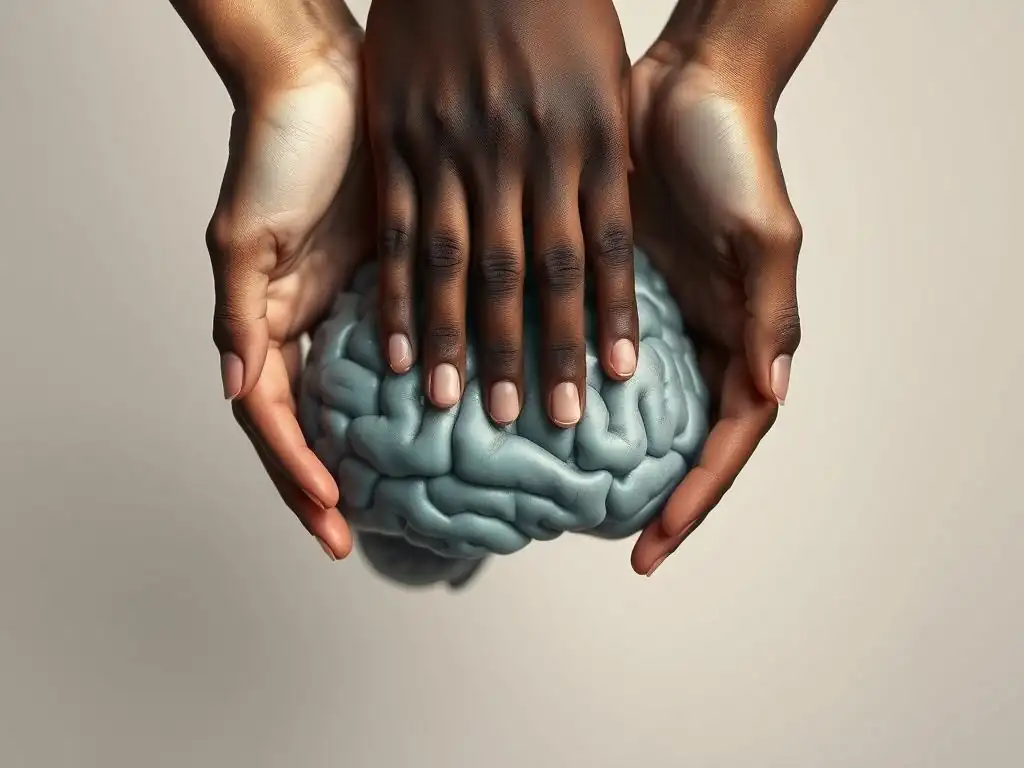
Case Study 1: Addressing Weight Stigma in Eating Disorder Treatment
A 35-year-old female patient, Sarah, presented for treatment for an eating disorder. She was in a larger body. The initial assessment focused heavily on weight loss goals and overlooked key psychological factors contributing to her disordered eating patterns, such as body image issues unrelated to weight and a history of trauma. The clinician, holding an unconscious bias linking eating disorders solely to thinness and assuming individuals in larger bodies primarily seek weight loss, missed the nuances of Sarah's condition. Sarah felt misunderstood and judged, leading her to disengage from therapy after only three sessions.
Resolution involved the clinic implementing mandatory training on weight-inclusive approaches to eating disorders for all staff. The supervisor reviewed Sarah's case notes, identifying the clear focus on weight reduction over psychological factors. A different clinician, trained in Health at Every Size principles and aware of potential weight stigma biases, reached out to Sarah.
They conducted a new assessment focused on behaviors, thoughts, and feelings around food and body image, explicitly acknowledging and validating her experiences in a larger body. This empathetic, unbiased approach rebuilt trust, and Sarah re-engaged in treatment, focusing on psychological recovery rather than solely weight-based goals. This case highlighted the impact of unconscious bias in mental healthcare related to body size.
Case Study 2: Overcoming Cultural Bias in PTSD Diagnosis Among Refugee Populations
Mr. Khan, a 50-year-old refugee, was referred for mental health services due to symptoms of anxiety and difficulty sleeping. During the initial assessment, he described experiences of violence and loss in his home country but attributed his current distress to "bad spirits" and family problems, expressing symptoms somatically (e.g., headaches, fatigue) rather than purely psychological terms. The clinician, unfamiliar with cultural expressions of trauma and holding an unconscious bias that refugees from certain regions might exaggerate symptoms or lack psychological insight, initially considered a diagnosis of adjustment disorder or somatic symptom disorder, overlooking the possibility of PTSD.
Resolution involved the clinician seeking consultation with a supervisor specializing in cross-cultural mental health and engaging in self-directed learning about trauma responses in refugee populations and cultural idioms of distress. They learned that somatization is a common way of expressing psychological distress in many cultures and that attributing problems to external forces like "bad spirits" can be a culturally sanctioned way of understanding overwhelming experiences. Armed with this awareness, the clinician re-approached Mr. Khan with culturally sensitive questions about his experiences, validating his explanation while also exploring the emotional and psychological impact.
This led to a more accurate diagnosis of complex PTSD, and treatment was tailored to incorporate both trauma-focused therapy and culturally relevant coping strategies, significantly improving Mr. Khan's well-being. This case demonstrated the critical need to address unconscious bias in mental healthcare when working with diverse cultural groups.
Case Study 3: Mitigating Bias Based on Sexual Orientation in Substance Use Disorder Treatment
A 25-year-old male, David, sought treatment for alcohol use disorder. During intake, he mentioned his male partner. The clinician, holding an unconscious bias or lack of awareness regarding the specific stressors faced by LGBTQ+ individuals, focused solely on standard substance use assessment questions and did not inquire about experiences related to his sexual orientation, such as discrimination, internalized homophobia, or lack of family acceptance, which were significant contributing factors to his substance use. David felt that a crucial part of his identity and struggle was ignored, leading him to feel misunderstood and less motivated to engage in treatment.
Resolution involved the clinic implementing training on culturally competent care for LGBTQ+ individuals, specifically addressing potential biases and the unique mental health challenges faced by this community. The clinician, recognizing the missed opportunity after supervision, apologized to David for not exploring the impact of his identity on his substance use. They then incorporated specific questions about stressors related to his sexual orientation, his support system within the LGBTQ+ community, and how these factors intersected with his alcohol use.
This explicit acknowledgement and inclusion of his identity rebuilt rapport. Treatment was then modified to include strategies for coping with minority stress and connecting with LGBTQ+-affirming support groups, leading to more successful engagement and progress in his recovery. This case underscored the importance of addressing unconscious bias in mental healthcare settings to provide affirming and effective care for all individuals, including those from the LGBTQ+ community.
The Role of Organizational Culture in Fostering Bias-Free Mental Healthcare
Creating a Supportive Environment for Reporting and Addressing Bias
An organization's culture plays a critical role in either perpetuating or mitigating unconscious bias in mental healthcare. A supportive environment is one where staff feel safe and empowered to report instances of perceived bias, whether they witness it, experience it themselves, or recognize it in their own practice. This requires clear policies and procedures for reporting bias incidents, assurance of confidentiality and protection from retaliation, and a demonstrated commitment from leadership to take all reports seriously and address them appropriately.
Beyond formal reporting mechanisms, a supportive culture encourages open dialogue about bias and its impact. This might involve regular team meetings where staff can discuss challenging cases from a bias perspective, grand rounds presentations on health equity, or peer support groups focused on navigating difficult cultural dynamics. Creating a space where staff can honestly reflect on their own biases and learn from mistakes without fear of punitive action is essential for fostering a culture of continuous improvement in addressing unconscious bias in mental healthcare.
Implementing Policies that Promote Equity and Inclusion
Organizational policies must actively promote equity and inclusion to counteract the effects of unconscious bias. This includes policies related to hiring and promotion practices that ensure diversity among staff, patient intake and scheduling procedures that minimize potential for differential treatment (e.g., standardized scheduling protocols), and guidelines for clinical documentation that encourage culturally sensitive language and avoid stigmatizing terminology.
Policies should also address how services are delivered. This might involve mandating cultural competence training, requiring the use of certified medical interpreters rather than relying on family members, or ensuring that patient education materials are available in multiple languages and formats. Furthermore, policies related to community engagement should ensure that the organization is actively working to build relationships with and understand the needs of diverse populations in the service area. These explicit policies provide a framework for equitable practice and help dismantle systemic barriers that can be reinforced by unconscious bias in mental healthcare.
Leadership's Role in Modeling Inclusive Behavior
Leadership sets the tone for the entire organization. Leaders in mental healthcare settings must not only support policies and training related to bias but also actively model inclusive behavior in their own interactions and decision-making. This includes demonstrating cultural humility, acknowledging their own potential biases, actively listening to staff and patient concerns about bias, and visibly championing diversity, equity, and inclusion initiatives.
When leaders openly discuss the importance of addressing unconscious bias, participate in training, and hold themselves and others accountable, it signals that this is a priority for the organization. For example, a clinical director might start team meetings by inviting reflection on how bias might have influenced recent cases or share their own learning experiences regarding bias. This visible commitment from leadership creates a ripple effect, encouraging staff at all levels to engage in the challenging but necessary work of recognizing and mitigating unconscious bias in mental healthcare practice.
Long-Term Strategies for Sustained Change in Addressing Implicit Bias in Mental Health
Continuous Education and Training
Addressing unconscious bias is not a destination but an ongoing process. Sustained change requires a commitment to continuous education and training for all staff, from entry-level positions to senior leadership. Annual or bi-annual refresher courses on cultural competence and bias awareness are important, but training should also be integrated into regular professional development activities, such as grand rounds, supervision, and case consultations.
Furthermore, training content needs to evolve to reflect current research on bias, changing demographics of the patient population, and emerging best practices in culturally responsive care. This might include specialized training modules on working with specific populations (e.g., refugees, transgender individuals, older adults) or addressing specific forms of bias (e.g., ageism, ableism). A commitment to ongoing learning ensures that staff remain vigilant and equipped with the latest knowledge and skills to counteract unconscious bias in mental healthcare.
Ongoing Evaluation of Bias Reduction Efforts
To ensure that strategies for reducing unconscious bias are effective, organizations must implement ongoing evaluation processes. This involves collecting data related to disparities in care and outcomes, conducting climate surveys to assess staff and patient perceptions of equity and inclusion, and evaluating the impact of training programs. Data points might include differences in diagnosis rates, treatment plans offered, treatment completion rates, or patient satisfaction scores across different demographic groups.
Analyzing this data can reveal areas where unconscious bias may still be influencing care delivery and identify specific interventions needed. For example, if data shows that patients from a particular ethnic group have significantly lower rates of follow-up appointments, the organization can investigate potential barriers, which might include issues related to scheduling, communication styles, or perceived bias during initial visits. Regular evaluation provides the necessary feedback loop to refine strategies and ensure sustained progress in addressing unconscious bias in mental healthcare.
Promoting a Culture of Accountability and Transparency
Sustaining change requires fostering a culture of accountability and transparency regarding bias. This means establishing clear expectations for equitable behavior, providing mechanisms for addressing biased conduct when it occurs, and holding individuals and the organization accountable for progress towards reducing disparities. Accountability is not about blame but about responsibility for ensuring equitable care.
Transparency involves openly sharing data on disparities and bias reduction efforts with staff, patients, and the community. This builds trust and demonstrates a genuine commitment to addressing the issue. For example, an organization might publish an annual report detailing efforts to improve cultural competence, demographic data of the patient population served, and initiatives aimed at reducing health disparities. A transparent and accountable culture reinforces the importance of addressing unconscious bias in mental healthcare as an ongoing organizational priority.
Resources for Further Learning on Unconscious Bias and Cultural Competence in Mental Health
Books and Articles on Implicit Bias
Numerous academic books and research articles delve into the psychological underpinnings of implicit bias and its specific manifestations within healthcare settings, including mental health. Reading foundational texts and current research can deepen understanding of how these biases operate and their documented impact on patient care and outcomes.
Organizations Dedicated to Promoting Cultural Competence
Several professional organizations and non-profit groups focus specifically on advancing cultural competence and health equity in healthcare. These organizations often publish guidelines, research findings, and best practices that can inform individual and organizational efforts to address unconscious bias.
Online Training Modules and Workshops
Many universities, professional associations, and specialized training providers offer online modules and workshops on unconscious bias, cultural humility, and culturally responsive mental healthcare. These resources can provide structured learning opportunities for individuals and teams seeking to enhance their knowledge and skills in this critical area.
Frequently Asked Questions
What is unconscious bias and how does it manifest in mental healthcare?
Unconscious bias refers to implicit attitudes or stereotypes that affect our understanding, actions, and decisions in an unintended manner. In mental healthcare, it can manifest as differential treatment based on factors like race, gender, or socioeconomic status, impacting diagnosis and treatment plans.
Why is addressing unconscious bias important in mental health care?
Addressing unconscious bias is crucial for promoting equitable access to quality mental healthcare. It helps ensure that all patients, regardless of their background, receive fair and unbiased assessments and treatment recommendations.
What are some potential consequences of unconscious bias in the mental health setting?
Consequences can include misdiagnosis, inadequate treatment, and the perpetuation of health disparities. Patients from marginalized groups may experience lower levels of trust in the system, leading to poorer outcomes.
What steps can mental health professionals take to identify and mitigate their own unconscious biases?
Professionals can engage in self-reflection, implicit bias testing, and ongoing diversity and inclusion training. Seeking feedback from colleagues and patients can also help identify blind spots and promote more equitable practices.
Where can I find resources and support to learn more about unconscious bias in mental healthcare?
Mind Care Guide provides a comprehensive guide to mental well-being, including resources on understanding and addressing unconscious bias. Look for training programs and workshops focused on cultural competency and bias reduction.
Final Reflection: The Urgent Need for Conscious Care
The pervasive nature of unconscious bias in mental healthcare is not merely an academic concern; it's a critical barrier to equitable access and effective treatment. Ignoring this reality perpetuates systemic inequalities, leaving vulnerable populations underserved and further marginalized. We must actively dismantle these biases to create a truly inclusive and just system of care.
The exploration of unconscious bias within mental healthcare has profoundly impacted my understanding of the complexities within the field. It's not simply a matter of individual prejudice, but a deeply ingrained system that requires systemic change. The greatest danger in times of turbulence is not the turbulence; it is to act with yesterday's logic.
This quote highlights the need for innovative and adaptable approaches to address the ever-evolving challenges of unconscious bias in mental health. We must move beyond simply acknowledging the problem and actively work towards solutions.
Consider the impact of your own interactions with healthcare professionals. Do you approach them with awareness of your own potential biases? I urge you to reflect on your experiences and actively challenge your assumptions. Engage in continuous learning about unconscious bias, advocate for inclusive practices within your community, and demand accountability from healthcare providers. By fostering a culture of conscious care, we can create a future where mental health support is accessible, equitable, and truly effective for everyone.
Unlock Your Empathy: Take Action Against Unconscious Bias
Thanks for taking the time to explore the crucial topic of unconscious bias in mental health care. We hope you gained valuable insights into its impact and how to begin addressing it. Now, let's turn knowledge into action!
- Prioritize self-reflection: Take 15 minutes today to reflect on your own potential biases and how they might influence your interactions. This crucial first step is key to fostering a more inclusive and equitable environment.
- Share this article: Spread awareness by sharing this article with colleagues, friends, or family who work in or are interested in mental healthcare. Let's start a conversation!
- Explore further resources: Search for relevant workshops, online courses, or books that offer deeper dives into unconscious bias and strategies for dismantling it.
What specific step will you take today to become a more conscious and empathetic mental health professional or advocate?