
The Concept of Balance (Doshas) in Ayurvedic Mental Care


Welcome to Mind Care Guide, a space dedicated to nurturing your mental well-being.
Feeling a little off-kilter lately? Many ancient traditions offer unique perspectives on achieving inner harmony. Dive into our article on Ayurvedic mental balance techniques and discover how the concept of balance, specifically the doshas, can be a powerful tool in your journey towards a more centered and peaceful you. Ready to explore?
The Concept of Balance (Doshas) in Ayurvedic Mental Care | Mind Care Guide
- Introduction to Ayurvedic Mental Health and Balance
- What are Doshas? Understanding Vata, Pitta, and Kapha
- The Interplay of Doshas and Mental Health
- Ayurvedic Mental Balance Techniques: Restoring Harmony
- Diagnosing Dosha Imbalances in the Context of Mental Health
- Integrating Ayurvedic Mental Balance Techniques into Modern Life
- The Benefits of Ayurvedic Approach to Mental Wellness
- Conclusion: Embracing the Holistic Approach of Ayurveda for Mental Well-being
-
Frequently Asked Questions
- What are Doshas in the context of Ayurvedic mental care, and how do they relate to mental balance?
- How can I identify which Dosha is dominant in my constitution, and why is this important for Ayurvedic mental balance techniques?
- What are some specific Ayurvedic mental balance techniques that can help manage stress and anxiety?
- Can dietary changes based on Ayurvedic principles contribute to improved mental health and balance?
- Where can I find reliable resources and qualified practitioners to learn more about and implement Ayurvedic mental balance techniques?
- Final Reflection: Finding Equilibrium in the Modern Mind
- Unlock Your Inner Harmony: Discover Your Ayurvedic Path to Well-being
Introduction to Ayurvedic Mental Health and Balance
Exploring the Ancient Wisdom of Ayurveda for Mental Well-being
Ayurveda, often translated as the "science of life," is an ancient holistic healing system that originated in India thousands of years ago. Its principles are rooted in the belief that health is a state of balance between the body, mind, and spirit, and the environment. This system offers a profound perspective on mental well-being, viewing the mind not as separate from the physical body but as intricately connected.
Ayurvedic texts like the Charaka Samhita and Sushruta Samhita provide detailed descriptions of mental states, psychological disorders, and treatments that emphasize harmony and natural remedies. The focus is on prevention and restoring equilibrium rather than just treating symptoms, making it a comprehensive approach to fostering a healthy mind.
The core of Ayurvedic mental care lies in understanding an individual's unique constitution and identifying imbalances that contribute to mental distress. Unlike Western approaches that might compartmentalize mental health, Ayurveda sees conditions like anxiety, depression, or insomnia as manifestations of deeper energetic disruptions. By addressing the root cause through personalized Ayurvedic mental balance techniques, individuals can achieve sustainable well-being. This ancient wisdom offers a rich tapestry of practices, from dietary adjustments and herbal remedies to lifestyle modifications and therapeutic bodywork, all aimed at bringing the individual back into harmony with their natural state.
The Mind-Body Connection in Ayurvedic Philosophy: A Foundation for Mental Care
Ayurveda posits a fundamental and inseparable link between the mind (manas) and the body (sharira). Physical health directly influences mental clarity, emotional stability, and cognitive function, just as mental states can impact physiological processes, digestion, immunity, and energy levels. This bidirectional relationship is central to Ayurvedic diagnosis and treatment. For instance, chronic stress (a mental state) is understood to disrupt digestive fire (Agni) and accumulate toxins (ama) in the body, which can further exacerbate mental imbalances.
This holistic view forms the bedrock of Ayurvedic mental care. Practitioners do not treat the mind in isolation but consider the entire individual – their physical health, emotional patterns, lifestyle, diet, and environmental factors. Techniques for achieving Ayurvedic mental balance often involve interventions that simultaneously address physical and mental aspects. For example, specific yoga postures might be recommended not just for physical flexibility but also to calm a restless mind, or dietary changes prescribed to improve digestion which, in turn, can alleviate anxiety or irritability. This integrated perspective ensures a comprehensive approach to mental well-being.
Understanding Doshas: The Key to Ayurvedic Mental Balance Techniques
At the heart of Ayurvedic diagnosis and personalized treatment lies the concept of the three fundamental energies or biological humors known as Doshas: Vata, Pitta, and Kapha. These energies are derived from the five great elements (ether, air, fire, water, earth) and are believed to govern all physiological and psychological processes in the body. Every individual is born with a unique combination of these Doshas, known as their Prakriti or constitution, which dictates their natural tendencies, including their mental and emotional predispositions.
Understanding your dominant Dosha and identifying any current imbalances ( Vikriti) is crucial for applying effective Ayurvedic mental balance techniques. An imbalance in any Dosha can manifest as specific mental or emotional challenges. For example, excess Vata can lead to anxiety and restlessness, excess Pitta to irritability and anger, and excess Kapha to lethargy and depression. By identifying which Dosha is out of balance, Ayurvedic practitioners can recommend targeted interventions – such as specific dietary changes, herbal remedies, lifestyle adjustments, and therapies – designed to restore equilibrium and promote mental harmony.
What are Doshas? Understanding Vata, Pitta, and Kapha
The Three Doshas: Vata, Pitta, and Kapha Explained
Ayurveda describes the universe and everything within it, including the human body, as being composed of five great elements: Ether (Akasha), Air (Vayu), Fire (Agni), Water (Jala), and Earth (Prithvi). These five elements combine in pairs to form the three fundamental biological energies or principles known as Doshas: Vata, Pitta, and Kapha. Vata is primarily composed of Air and Ether, Pitta of Fire and Water, and Kapha of Water and Earth. These Doshas are not static entities but dynamic forces that govern all bodily functions, from metabolism and digestion to thought processes and emotional responses.
Each Dosha has specific qualities (gunas) that describe its nature. Vata is characterized by qualities like dry, light, cold, rough, mobile, and subtle. Pitta is hot, sharp, light, liquid, slightly oily, and spreading. Kapha is heavy, slow, cool, oily, smooth, dense, and stable.
While every person has all three Doshas, the proportion varies, creating a unique individual constitution (Prakriti). Health is considered a state where the Doshas are in balance according to one's Prakriti, while illness, including mental distress, is often seen as a result of Dosha imbalance or vitiation (Vikriti). Understanding these qualities helps in applying opposing qualities through diet, lifestyle, and therapies as Ayurvedic mental balance techniques.
Vata Dosha: Characteristics and Impact on Mental Health
Vata Dosha, composed of Air and Ether, is considered the principle of movement in the body and mind. It governs all bodily activities, including nerve impulses, circulation, breathing, muscle movement, and the movement of thoughts and emotions. Individuals with a dominant Vata constitution are often characterized by qualities such as being quick-thinking, creative, enthusiastic, and adaptable. Physically, they may be slender, have dry skin, and variable digestion.
When Vata becomes imbalanced, its light, mobile, and subtle qualities can manifest significantly in the mental realm. Excess Vata often leads to mental restlessness, anxiety, worry, fear, insomnia, racing thoughts, poor focus, and feeling ungrounded. For example, someone experiencing a Vata imbalance might find their mind constantly jumping from one thought to another, feel easily overwhelmed by sensory input, or suffer from debilitating worry about the future. Ayurvedic mental balance techniques for Vata focus on grounding, warming, and stabilizing the system through warm, nourishing foods, regular routines, calming practices like meditation, and specific herbs to soothe the nervous system.
Pitta Dosha: Understanding its Influence on Emotional Balance
Pitta Dosha, formed from Fire and Water, represents the principle of transformation and metabolism. It governs digestion, metabolism, body temperature, and sharp intellect. Individuals with a dominant Pitta constitution are often intelligent, ambitious, focused, and passionate. Physically, they tend to have a medium build, warm body temperature, and strong digestion.
An imbalance in Pitta can manifest as excessive heat and intensity in the mind and emotions. Pitta vitiation often leads to irritability, anger, frustration, impatience, criticism (of self and others), jealousy, and competitiveness. For instance, a person with high Pitta imbalance might react with disproportionate anger to minor inconveniences, struggle with perfectionism, or experience burnout due to excessive drive. Ayurvedic mental balance techniques for Pitta focus on cooling, calming, and moderating intensity through cooling foods, avoiding excessive heat (physical and emotional), practicing patience, and incorporating relaxing activities.
Kapha Dosha: Exploring its Role in Mental Stability
Kapha Dosha, composed of Water and Earth, represents the principle of structure, cohesion, and lubrication. It governs bodily mass, strength, stability, and emotional grounding. Individuals with a dominant Kapha constitution are often calm, stable, grounded, compassionate, and patient. Physically, they tend to have a sturdy build, smooth skin, and steady energy levels.
While Kapha provides essential stability, an imbalance can lead to stagnation and heaviness in the mind. Excess Kapha often manifests as lethargy, inertia, depression, attachment, possessiveness, stubbornness, and feeling emotionally heavy or withdrawn. For example, someone with a Kapha imbalance might struggle with motivation, feel excessively sleepy, cling to old habits or relationships, or experience prolonged periods of sadness or apathy. Ayurvedic mental balance techniques for Kapha focus on stimulating movement, lightness, and warmth through invigorating exercise, light and warming foods, avoiding stagnation, and engaging in uplifting activities.
The Interplay of Doshas and Mental Health
How Dosha Imbalances Affect Mental Well-being
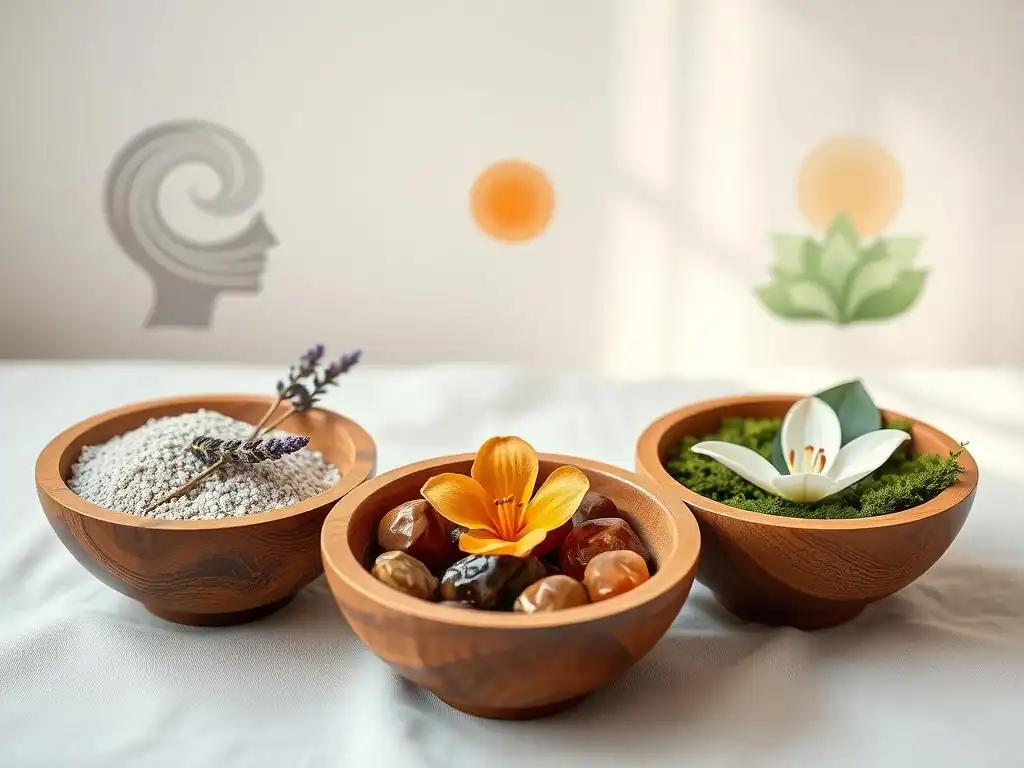
Mental well-being in Ayurveda is seen as a reflection of balanced Doshas, clear digestion (Agni), and a calm, sattvic mind (a state of clarity and peace). When one or more Doshas become aggravated or depleted, it disrupts this natural equilibrium, leading to mental and emotional distress. For example, an excess of Vata's mobile quality can make the mind jumpy and prone to anxiety, while an excess of Pitta's hot quality can inflame emotions, leading to anger or frustration. Similarly, an excess of Kapha's heavy quality can weigh down the mind, resulting in lethargy or depression.
Furthermore, imbalanced Doshas can disrupt the flow of Prana (life force energy) and accumulate Ama (toxins) in the subtle channels (nadis) of the mind and body, further impairing mental function. Chronic Vata imbalance might lead to a depletion of nervous energy, while Kapha imbalance can create blockages that dull perception. Understanding these specific pathways through which Dosha imbalances impact mental health is crucial for selecting appropriate Ayurvedic mental balance techniques aimed at restoring flow, eliminating toxins, and bringing the Doshas back into harmony with the individual's unique constitution.
Identifying Your Dominant Dosha for Personalized Mental Care
Identifying your dominant Dosha (Prakriti) and current imbalance (Vikriti) is the foundational step in applying personalized Ayurvedic mental balance techniques. While a full assessment by a trained Ayurvedic practitioner is ideal, individuals can gain initial insight through questionnaires that evaluate physical characteristics, mental tendencies, emotional patterns, and responses to environmental factors (like climate, food, and stress). These assessments help determine the inherent balance at birth (Prakriti) and the current, often temporary, state of imbalance (Vikriti).
Understanding your Prakriti provides insight into your natural strengths and vulnerabilities. For instance, a Vata-dominant person is naturally prone to anxiety under stress, while a Pitta-dominant person might become irritable. Identifying the current Vikriti, which may involve a Dosha other than your dominant one, highlights the specific imbalance causing current mental distress. For example, a Kapha-dominant person might develop a Vata imbalance dueling to excessive travel and irregular meals, leading to anxiety. Tailoring Ayurvedic mental balance techniques to address this specific Vikriti, informed by the underlying Prakriti, ensures that interventions are effective and sustainable.
Mental Health Conditions Associated with Specific Dosha Imbalances
Ayurveda describes various mental and emotional disturbances as manifestations of specific Dosha imbalances, often complicated by poor digestion (Agni) and toxin accumulation (Ama). While not a direct one-to-one mapping with Western diagnoses, certain patterns are consistently associated with particular Dosha vitiations. Vata imbalances are strongly linked to conditions characterized by instability and fear, such as generalized anxiety disorder, panic attacks, insomnia, phobias, and even certain types of psychosis involving racing thoughts or disorientation. Approximately 60-70% of anxiety cases in Ayurvedic texts are attributed primarily to Vata imbalance.
Pitta imbalances are often associated with conditions involving intensity, anger, and inflammation, such as irritability, clinical depression with agitation, obsessive-compulsive tendencies driven by perfectionism, and conditions like Seasonal Affective Disorder (SAD) with irritable or agitated features. Studies suggest that individuals with high Pitta may have a predisposition towards stress-related inflammatory markers that could influence mood. Kapha imbalances are typically linked to conditions involving heaviness, inertia, and emotional stagnation, such as clinical depression characterized by lethargy, excessive sleep, lack of motivation, and feelings of hopelessness.
Roughly 30-40% of depressive states are primarily associated with Kapha imbalance in Ayurvedic understanding. Addressing these specific Dosha imbalances using targeted Ayurvedic mental balance techniques is key to restoring mental harmony.
Ayurvedic Mental Balance Techniques: Restoring Harmony
Dietary Guidelines for Balancing Doshas and Improving Mental Health
Diet plays a foundational role in Ayurvedic mental care, as food is considered to directly influence the mind (Manas). Specific tastes and qualities of food are believed to either pacify or aggravate each Dosha. Therefore, tailoring one's diet according to their dominant Dosha and current imbalance is a primary Ayurvedic mental balance technique. The principle is to consume foods with qualities opposite to the imbalanced Dosha. For instance, if Vata (cold, dry, light) is high, warm, moist, and grounding foods are recommended.
Beyond Dosha-specific recommendations, Ayurveda emphasizes the importance of Agni (digestive fire) for mental health. A strong Agni ensures proper digestion and absorption, preventing the accumulation of Ama (toxins), which can cloud the mind. Eating freshly prepared, wholesome foods, avoiding processed items, eating at regular times, and not overeating are general guidelines to support Agni and, consequently, mental clarity. The timing and manner of eating are also considered vital; eating in a calm environment and chewing food thoroughly supports both physical and mental digestion.
Vata-Pacifying Foods for Mental Clarity
To pacify Vata and promote mental clarity, the diet should focus on warm, cooked, moist, and grounding foods. Sweet, sour, and salty tastes are generally balancing for Vata. Examples include cooked grains like rice and oats, nourishing soups and stews, cooked vegetables (especially root vegetables), healthy fats like ghee and olive oil, and warming spices like ginger, cinnamon, and cardamom. Warm milk (often spiced) and nuts in moderation are also considered grounding.
Foods to minimize or avoid when Vata is high include cold or frozen foods (like ice cream or cold beverages), raw vegetables, dry or crunchy snacks (like crackers or popcorn), carbonated drinks, and excessive caffeine. These foods can increase Vata's dry and mobile qualities, potentially exacerbating anxiety and restlessness. Incorporating these dietary adjustments is a key Ayurvedic mental balance technique for those experiencing Vata-related mental distress.
Pitta-Cooling Foods for Emotional Regulation
To pacify Pitta and foster emotional regulation, the diet should emphasize cool (not iced), slightly dry, and grounding foods. Sweet, bitter, and astringent tastes are beneficial for Pitta. Examples include cooling fruits like melons, grapes, and berries, non-starchy vegetables (especially leafy greens and cucumbers), grains like barley and rice, legumes, and cooling spices like coriander, fennel, and mint. Ghee is also balancing as it is cooling and soothing.
Foods to minimize or avoid when Pitta is high include hot, spicy foods, sour and fermented foods (like yogurt, vinegar), acidic fruits (like citrus), excessive salt, red meat, alcohol, and caffeine. These substances can increase Pitta's hot and sharp qualities, potentially leading to irritability, anger, and inflammation. Implementing these dietary recommendations is a crucial Ayurvedic mental balance technique for managing Pitta-related emotional volatility.
Kapha-Reducing Foods for Mental Alertness
To reduce Kapha and enhance mental alertness, the diet should focus on light, dry, and warm foods. Pungent, bitter, and astringent tastes are particularly balancing for Kapha. Examples include light grains like barley and millet, most vegetables (especially leafy greens and cruciferous vegetables), legumes, and pungent spices like ginger, black pepper, and turmeric. Warm beverages, including spiced teas, are also beneficial.
Foods to minimize or avoid when Kapha is high include heavy, oily, and cold foods, dairy products, excessive sweet tastes, cold drinks, and excessive amounts of meat or nuts. These foods can increase Kapha's heavy, cold, and oily qualities, potentially leading to lethargy, dullness, and emotional stagnation. Utilizing these dietary adjustments is an effective Ayurvedic mental balance technique for combating Kapha-related mental inertia.
Lifestyle Practices for Achieving Mental Balance in Ayurveda
Beyond diet, lifestyle practices form a cornerstone of Ayurvedic mental balance techniques. Ayurveda emphasizes the importance of aligning one's daily routine with natural rhythms and incorporating practices that calm the mind and nourish the spirit. This includes regular sleep patterns, mindful movement, stress-reducing activities, and cultivating positive sensory experiences. The goal is to create a sense of stability and harmony in daily life, which directly translates to mental and emotional well-being.
Lifestyle adjustments are often highly personalized based on the individual's Dosha constitution and imbalance. For example, a Vata-dominant person might benefit most from grounding activities and strict routine, while a Kapha-dominant person might need more stimulating exercise and variety. These practices are not seen as optional extras but as essential components of maintaining mental health, working synergistically with diet and herbal therapies.
The Role of Yoga and Meditation in Ayurvedic Mental Care
Yoga and meditation are perhaps two of the most widely recognized Ayurvedic mental balance techniques. Yoga, encompassing physical postures (asana), breathing exercises (pranayama), and meditation, is understood to balance the Doshas, improve circulation, release tension, and harmonize the flow of Prana. Specific yoga postures and breathing techniques are recommended for different Dosha imbalances; for instance, slow, grounding poses benefit Vata, cooling and non-competitive practices suit Pitta, and invigorating, warming sequences help reduce Kapha.
Meditation is considered vital for calming the mind (Manas) and cultivating inner peace. Regular meditation practice helps to reduce the impact of stress, improve focus, and foster emotional resilience. By quieting the constant stream of thoughts, meditation allows the individual to connect with their inner self and promote a state of Sattva (purity, clarity). Studies have shown that consistent meditation, even for short periods daily (e.g., 10-20 minutes), can significantly reduce symptoms of anxiety and depression, aligning with Ayurveda's view of its power as a mental balancing tool.
Ayurvedic Massage (Abhyanga) for Stress Reduction
Abhyanga, the practice of self-massage with warm oil, is another powerful Ayurvedic mental balance technique. The warm oil, often infused with specific herbs, is massaged into the skin, which is considered a major sensory organ and a pathway to the deeper tissues and nervous system. This practice is deeply grounding, especially for Vata Dosha, which is prone to dryness and instability. The rhythmic motion and warmth of the oil help to soothe the nervous system, reduce accumulated stress, improve circulation, and promote relaxation.
Regular Abhyanga (daily or several times a week) can significantly reduce anxiety, improve sleep quality, and cultivate a sense of calm and self-nurturing. For Pitta types, cooling oils might be used, and for Kapha, stimulating oils or dry brushing might be preferred before oil application. The therapeutic touch and the properties of the oil work together to pacify aggravated Doshas and promote a state of mental and emotional ease.
Importance of Routine (Dinacharya) for Mental Stability
Ayurveda places great emphasis on Dinacharya, or daily routine, as a fundamental practice for maintaining health and balance, particularly for mental well-being. Establishing a consistent daily schedule, including waking and sleeping times, meal times, and periods for self-care, exercise, and work, helps to regulate the body's natural rhythms (circadian rhythms). This regularity provides a sense of stability and predictability, which is especially crucial for pacifying Vata Dosha, the energy of movement and change, which is easily disrupted by irregularity.
A well-structured Dinacharya supports healthy digestion, promotes restful sleep, reduces stress hormones, and cultivates a sense of grounding. For example, waking before sunrise (during the Vata time of day) is considered ideal for lightness and clarity, while eating the main meal at midday (during the Pitta time) optimizes digestion. Incorporating practices like oil pulling, tongue scraping, and gentle exercise into the morning routine further supports detoxification and vitality. Adhering to a regular Dinacharya is a simple yet profound Ayurvedic mental balance technique that creates a stable foundation for mental and emotional resilience.
Herbal Remedies for Mental Well-being According to Ayurveda
Ayurveda utilizes a wide range of herbs (dravya) to support mental health, often referred to as medhya rasayanas (herbs that improve intellect and memory) or manas herbs (those that act on the mind). These herbs are typically used to pacify specific Dosha imbalances, support nervous system function, reduce stress, and improve cognitive function. Herbal treatments are always prescribed based on the individual's constitution (Prakriti), current imbalance (Vikriti), and the specific nature of their mental or emotional challenge.
Herbs can be taken in various forms, including powders (churna), decoctions (kwatha), medicated ghees (ghrita), or tablets. The dosage and combination of herbs are carefully tailored by an Ayurvedic practitioner. While general information about common herbs is available, self-medication is not advised; consulting with a qualified practitioner ensures safe and effective use based on a proper assessment.
Ashwagandha: An Adaptogen for Stress Management
Ashwagandha ( Withania somnifera) is one of the most revered herbs in Ayurveda, particularly valued for its ability to support stress management and promote mental resilience. Classified as a rasayana (rejuvenative) and medhya (intellect promoter), Ashwagandha is also a potent adaptogen, meaning it helps the body adapt to stress – both physical and psychological. It is particularly effective at pacifying Vata and Kapha Doshas.
Research suggests that Ashwagandha can lower cortisol levels, the body's primary stress hormone. For example, a 2012 study published in the Indian Journal of Psychological Medicine found that subjects taking a high-concentration full-spectrum extract of Ashwagandha root (300 mg twice daily) experienced a significant reduction in stress assessment scores and serum cortisol levels compared to the placebo group. This herb is commonly used in Ayurvedic mental balance techniques to reduce anxiety, combat fatigue, improve sleep quality, and enhance overall emotional stability in those with Vata or Kapha imbalances.
Brahmi: Enhancing Cognitive Function and Mental Clarity
Brahmi ( Bacopa monnieri), another prominent medhya rasayana, is highly regarded in Ayurveda for its positive effects on cognitive function, memory, and mental clarity. It is traditionally used to calm the nervous system, reduce anxiety, and improve concentration. Brahmi is generally considered balancing for all three Doshas, though it can be slightly cooling and therefore particularly helpful in calming agitated Pitta or restless Vata.
Multiple studies support Brahmi's traditional uses. A review of research published in the Journal of Alternative and Complementary Medicine in 2013 noted improvements in cognitive function, particularly speed of attention and working memory, in healthy adults supplementing with Brahmi. It is often recommended as part of Ayurvedic mental balance techniques for students, individuals experiencing mental fog, or those seeking to enhance mental acuity and reduce performance-related anxiety.
Jatamansi: Calming the Mind and Promoting Sleep
Jatamansi ( Nardostachys jatamansi) is a powerful herb in Ayurveda specifically known for its calming and sedative properties. It is primarily used to pacify Vata and reduce its excessive movement in the mind, making it highly effective for addressing insomnia, anxiety, restlessness, and emotional turbulence. Jatamansi is often referred to as a "brain tonic" due to its ability to soothe the nervous system.
Traditionally, Jatamansi has been used to treat conditions like hysteria, epilepsy, and palpitations linked to anxiety. Its calming effect is attributed to its influence on neurochemicals. While specific large-scale human clinical trials on Jatamansi alone for anxiety/insomnia are less abundant than for Ashwagandha or Brahmi, its consistent use in traditional practice and smaller studies highlight its potential as a natural sedative and relaxant, making it a valuable component in Ayurvedic mental balance techniques aimed at restoring peace and promoting restful sleep.
Diagnosing Dosha Imbalances in the Context of Mental Health
Ayurvedic Assessment Methods for Identifying Dosha Imbalances
Ayurvedic diagnosis is a comprehensive process that involves understanding the individual as a whole, not just their symptoms. When assessing mental health concerns, an Ayurvedic practitioner will employ various methods to determine the individual's unique constitution (Prakriti) and identify the current state of imbalance (Vikriti) that is contributing to their distress. This process goes beyond simply naming a condition and seeks to understand the underlying energetic dynamics.
Key assessment methods include detailed questioning (Prashna) about the individual's physical habits (digestion, sleep, appetite), mental and emotional patterns, lifestyle, history, and environmental factors. Observation (Darshana) involves noting physical characteristics (body type, skin, hair, eyes), speech patterns, and overall demeanor. Palpation (Sparshana), particularly pulse diagnosis (Nadi Pariksha), provides insight into the subtle energetic flows and the state of the Doshas and tissues. These methods are used together to build a holistic picture of the individual's health status and guide the selection of appropriate Ayurvedic mental balance techniques.
Understanding Prakriti (Your Natural Constitution) and Vikriti (Current Imbalance)
A crucial distinction in Ayurvedic diagnosis for mental health is between Prakriti and Vikriti. Prakriti is the individual's unique, inherent constitution established at conception, representing their natural balance of Vata, Pitta, and Kapha. It is considered relatively fixed throughout life and influences inherent tendencies, including mental and emotional predispositions. For example, someone with a Vata Prakriti might naturally be more prone to worry under stress, while a Pitta Prakriti individual might be more prone to irritability.
Vikriti, on the other hand, represents the current state of the Doshas, which can fluctuate due to diet, lifestyle, stress, environment, and other factors. Vikriti indicates the present imbalance that is causing symptoms. For instance, a person with a stable Kapha Prakriti might develop a Vata Vikriti after a period of intense work stress and irregular eating, leading to anxiety and insomnia they didn't previously experience. Identifying both Prakriti and Vikriti is essential because Ayurvedic mental balance techniques are aimed at correcting the Vikriti while respecting the underlying Prakriti, leading to truly personalized care.
Pulse Diagnosis (Nadi Pariksha) in Ayurvedic Mental Health Assessments
Pulse diagnosis, or Nadi Pariksha, is a subtle yet powerful diagnostic tool used by experienced Ayurvedic practitioners to assess the state of the Doshas and the body's systems, including the mental realm. By feeling the pulse at the radial artery, the practitioner can discern the qualities of the pulse associated with each Dosha – Vata (irregular, thready), Pitta (sharp, jumping), and Kapha (slow, steady, heavy).
In the context of mental health, Nadi Pariksha can reveal underlying energetic disturbances contributing to psychological symptoms. For example, a highly irregular and rapid pulse might confirm a significant Vata imbalance associated with anxiety or restlessness, while a strong, bounding pulse might indicate aggravated Pitta linked to anger or irritability. While requiring significant training and sensitivity, pulse diagnosis offers a unique window into the body-mind connection and helps the practitioner tailor Ayurvedic mental balance techniques more precisely to the individual's subtle energetic state.
Integrating Ayurvedic Mental Balance Techniques into Modern Life
Adapting Ancient Practices for Contemporary Mental Health Challenges
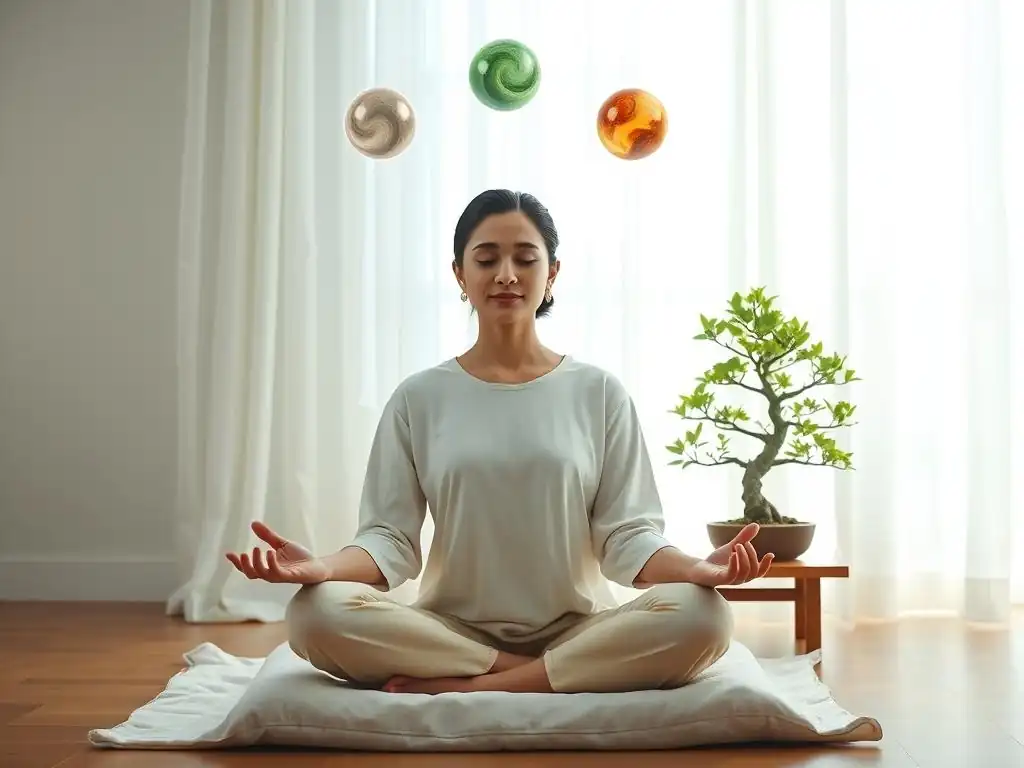
Integrating ancient Ayurvedic mental balance techniques into the demands of modern life requires thoughtful adaptation rather than rigid adherence. While traditional texts describe ideal routines and practices, busy schedules, environmental factors, and access to resources mean that direct application isn't always feasible. The key is to understand the principles behind the techniques and find ways to incorporate them flexibly and realistically.
For example, instead of a full hour of morning yoga and meditation, one might commit to 15-20 minutes of mindful movement and breathwork. A full Abhyanga might be done on weekends, with a shorter foot or head massage incorporated into the evening routine on weekdays. Dietary changes can be implemented gradually, focusing on incorporating more balancing foods rather than completely eliminating others overnight. The goal is progress, not perfection, making these powerful tools accessible and sustainable for individuals navigating contemporary mental health challenges.
Consulting with an Ayurvedic Practitioner for Personalized Mental Care
While much information about Ayurveda and Doshas is accessible, attempting to self-diagnose and treat complex mental health issues based solely on online resources can be ineffective or even counterproductive. Consulting with a qualified and experienced Ayurvedic practitioner is highly recommended for personalized mental care. An practitioner can perform a thorough assessment (including Prakriti, Vikriti, Agni, Ama, and the state of the mind) to accurately identify the root cause of mental distress.
Based on this comprehensive diagnosis, the practitioner can recommend a tailored plan incorporating specific Ayurvedic mental balance techniques – including precise dietary guidelines, appropriate herbal formulations, specific lifestyle recommendations (like yoga styles or sleep schedules), and therapeutic treatments (like Panchakarma if indicated). This personalized approach ensures that the interventions are safe, effective, and targeted to the individual's unique needs and imbalances, offering a more profound path to healing than a generic approach.
The Role of Ayurveda in Integrative Mental Healthcare
Ayurveda is increasingly being recognized for its potential role in integrative mental healthcare, working alongside conventional psychological and medical approaches. Instead of being seen as a replacement for necessary psychiatric care (like medication or therapy for severe conditions), Ayurveda can serve as a valuable complementary system. Its holistic focus on diet, lifestyle, stress management, and the mind-body connection provides powerful supportive Ayurvedic mental balance techniques that can enhance the effectiveness of conventional treatments and improve overall well-being.
For instance, someone managing anxiety with therapy might find that incorporating Ayurvedic dietary changes and meditation significantly reduces their baseline stress levels and improves their sleep, making therapy more impactful. Herbal remedies like Ashwagandha might help manage stress side effects. The emphasis on preventative care and building resilience in Ayurveda can also help individuals maintain mental wellness long-term and potentially reduce the frequency or severity of future episodes. This integrative model offers a more comprehensive toolkit for addressing the multifaceted nature of mental health.
The Benefits of Ayurvedic Approach to Mental Wellness
Reduced Stress and Anxiety through Dosha Balancing
One of the most significant benefits of applying Ayurvedic mental balance techniques is a palpable reduction in stress and anxiety. By identifying and addressing the specific Dosha imbalances contributing to these states – particularly the erratic and light qualities of excess Vata – Ayurveda offers targeted strategies. Techniques like warm, grounding foods, regular routines (Dinacharya), calming herbal remedies (like Ashwagandha or Jatamansi), and practices such as Abhyanga and specific types of meditation work synergistically to soothe the nervous system.
This approach doesn't just mask symptoms; it aims to restore stability and calm at a fundamental energetic level. For example, pacifying Vata can help quiet a racing mind, reduce excessive worry, and improve sleep, all of which directly contribute to lower stress and anxiety levels. Individuals often report feeling more centered, less reactive to stressors, and experiencing a greater sense of inner peace as their Doshas come into better balance.
Improved Cognitive Function and Mental Clarity
Ayurvedic practices are also highly effective in enhancing cognitive function and promoting mental clarity. The concept of medhya (that which enhances intellect) is central to Ayurvedic mental care. Techniques that improve digestion (Agni) prevent Ama accumulation, which is believed to clog mental channels. Herbs like Brahmi and Gotu Kola are specifically used as medhya rasayanas to sharpen focus, improve memory, and enhance learning capacity.
Balancing Vata reduces mental fogginess and distraction, while calming Pitta prevents mental burnout and sharpens focus without excessive intensity. Reducing Kapha alleviates mental dullness and inertia, promoting alertness. By addressing the root causes of cognitive impairment through tailored Ayurvedic mental balance techniques, individuals can experience sharper thinking, improved concentration, better memory recall, and a greater sense of mental agility and clarity.
Enhanced Emotional Stability and Resilience
Ayurveda provides a framework for understanding and managing emotional patterns based on Dosha characteristics. By balancing the Doshas, individuals can cultivate greater emotional stability and resilience. Pacifying aggravated Pitta helps to reduce anger, frustration, and irritability, promoting patience and contentment. Balancing Kapha helps to alleviate feelings of heaviness, sadness, and attachment, encouraging motivation and joy. Harmonizing Vata reduces fear, worry, and instability, fostering courage and adaptability.
Through consistent application of Ayurvedic mental balance techniques – including mindful practices, appropriate diet, and supportive herbs – individuals learn to recognize their emotional triggers based on Dosha imbalances and develop healthier responses. This leads to a greater capacity to navigate life's challenges with grace, reduced emotional reactivity, and an enhanced ability to bounce back from difficult experiences, fostering true emotional resilience.
Overall Improved Quality of Life Through Ayurvedic Mental Health Practices
Ultimately, embracing the Ayurvedic approach to mental health leads to an overall improved quality of life. By focusing on holistic balance – body, mind, and spirit – and utilizing personalized Ayurvedic mental balance techniques, individuals experience not just a reduction in symptoms but a deeper sense of well-being and vitality. Improved sleep, better digestion, increased energy levels, enhanced emotional regulation, and greater mental clarity all contribute to a more fulfilling and harmonious life.
Ayurveda empowers individuals to take an active role in their own health journey, providing practical tools and a profound understanding of their unique nature. This self-awareness and the ability to implement balancing practices create a foundation for sustained mental wellness, allowing individuals to thrive rather than just survive. The integrated benefits ripple outwards, positively impacting relationships, work, and overall life satisfaction.
Conclusion: Embracing the Holistic Approach of Ayurveda for Mental Well-being
The Future of Ayurvedic Mental Care
The future of Ayurvedic mental care lies in its continued integration into global health dialogues and practices. As research increasingly validates the efficacy of traditional interventions like yoga, meditation, and specific herbs for mental health conditions, Ayurveda's evidence-based aspects gain wider acceptance. There is growing interest in exploring how Ayurvedic principles can inform preventative mental health strategies and offer complementary support for individuals receiving conventional care.
Expanding collaborative models between Ayurvedic practitioners and Western mental health professionals holds significant promise. This could involve integrating Ayurvedic assessment methods to gain a deeper understanding of a patient's psychophysiological state or incorporating Ayurvedic lifestyle and dietary recommendations alongside therapy and medication. The focus on personalized care and root-cause analysis inherent in Ayurveda positions it as a valuable system for addressing the complex and individual nature of mental health challenges in the future.
Final Thoughts on the Importance of Balance in Mental Health and the Role of Ayurveda
The concept of balance, particularly the equilibrium of the Doshas, is paramount in the Ayurvedic understanding of mental health. Mental distress is not merely a chemical imbalance but a manifestation of deeper energetic disharmony within the individual and between the individual and their environment. Ayurveda offers a time-tested framework and a rich array of Ayurvedic mental balance techniques – spanning diet, lifestyle, herbal medicine, and therapeutic practices – to identify and correct these imbalances.
By understanding your unique constitution and current state, you can apply targeted practices to restore harmony, reduce stress, enhance clarity, and cultivate emotional resilience. While consulting a practitioner for personalized guidance is ideal, even incorporating simple Ayurvedic principles like regular routine, mindful eating, and stress-reducing practices can significantly impact mental well-being. Embracing the holistic wisdom of Ayurveda provides a powerful path towards achieving and maintaining a balanced, healthy mind in today's world.
Frequently Asked Questions
What are Doshas in the context of Ayurvedic mental care, and how do they relate to mental balance?
Doshas are fundamental energies in Ayurveda: Vata, Pitta, and Kapha. Imbalances in these Doshas are believed to directly impact mental well-being, requiring Ayurvedic techniques to restore balance.
How can I identify which Dosha is dominant in my constitution, and why is this important for Ayurvedic mental balance techniques?
Understanding your dominant Dosha requires self-assessment or consultation. This identification is crucial as Ayurvedic treatments are tailored to address specific Dosha imbalances, promoting personalized mental well-being.
What are some specific Ayurvedic mental balance techniques that can help manage stress and anxiety?
Common techniques include meditation, mindfulness, and herbal remedies. Pranayama (breathing exercises) is also a popular Ayurvedic approach to reduce stress and foster a sense of calm and mental clarity.
Can dietary changes based on Ayurvedic principles contribute to improved mental health and balance?
Yes, Ayurveda emphasizes the connection between diet and mental well-being. Specific foods are recommended or avoided based on your Dosha to promote mental clarity and balance.
Where can I find reliable resources and qualified practitioners to learn more about and implement Ayurvedic mental balance techniques?
The Mind Care Guide website offers information and resources. Seek qualified Ayurvedic practitioners for personalized guidance and treatment tailored to your unique needs.
Final Reflection: Finding Equilibrium in the Modern Mind
The ancient wisdom of Ayurveda, with its emphasis on balancing the doshas, offers a powerful and increasingly relevant approach to mental well-being in our fast-paced, stress-filled world. The techniques discussed – from dietary adjustments to mindful movement – are not merely historical curiosities; they are practical tools readily adaptable to modern life, offering a pathway to a calmer, more centered existence. The growing interest in holistic wellness underscores the urgent need for approaches that address mental health beyond medication alone.
The exploration of doshic balance has profoundly impacted my understanding of mental health, shifting my perspective from a purely biomedical model to one that embraces the interconnectedness of mind, body, and spirit. The body is your temple. Keep it pure and clean for the soul to reside in.
This quote, though not directly from Ayurvedic texts, perfectly encapsulates the philosophy underpinning the practice of dosha balancing. The ongoing influence of Ayurveda is evident in the rising popularity of yoga, meditation, and mindful eating – all practices deeply rooted in the principles of dosha equilibrium. It's a testament to the enduring power of ancient wisdom to address the timeless challenges of the human condition.
Consider, for a moment, your own relationship with stress and inner peace. How might incorporating even one aspect of Ayurvedic mental care – a mindful walk in nature, a conscious adjustment to your diet, or a few minutes of deep breathing – shift your perspective and enhance your well-being? I invite you to explore the principles of dosha balance, not as a rigid system, but as a flexible framework for cultivating a more harmonious and balanced life. Begin your journey towards equilibrium today; your mind and body will thank you for it.
Unlock Your Inner Harmony: Discover Your Ayurvedic Path to Well-being
Thanks for exploring the fascinating world of Ayurvedic mental care and the concept of doshas! We hope you gained valuable insights into balancing your mind and body. Ready to take the next step on your journey to well-being?
- Identify your dominant dosha: Take our short quiz (you can find it at the bottom of our homepage; not to be included in the actual CTA) to discover your unique Ayurvedic constitution and personalize your self-care routine. This is the key to unlocking your inner balance.
- Share your dosha discovery! Connect with others on our social media channels and share your insights and experiences. Let’s build a supportive community dedicated to mental wellness.
- Explore simple Ayurvedic practices: Start incorporating daily rituals like mindful breathing or a calming herbal tea into your routine. Small steps can make a big difference.
What simple Ayurvedic practice will you integrate into your day today to nurture your mind and body?