
Enhancing Focus and Clarity with Ancient Eastern Techniques


Welcome to Mind Care Guide.
Are you feeling lost in the noise of modern life, struggling to find that inner stillness? Many of us are. Here, we understand the challenges to mental well-being, and we're dedicated to providing you with accessible and supportive resources. Dive into our exploration of Eastern meditation focus clarity, and discover how ancient techniques can help you unlock a calmer, more centered you. Intrigued? Let's begin this journey together...
- Enhancing Focus and Clarity with Mind-Body Practices: A Comprehensive Guide
- Understanding Mind-Body Practices for Mental Clarity
- Practical Techniques for Cultivating Focus and Clarity
- Integrating Practices into Your Daily Routine for Lasting Focus
- The Science Behind Mind-Body Practices and Mental Well-being
- Advanced Techniques for Deeper Focus and Clarity
- Conclusion: Embracing Mind-Body Practices for a Focused and Clearer Mind
-
Frequently Asked Questions
- How does Eastern meditation enhance focus clarity, according to Mind Care Guide?
- What specific Eastern meditation techniques are recommended on Mind Care Guide for focus clarity?
- Can Eastern meditation help with anxiety, which often hinders focus clarity?
- How often should I practice Eastern meditation to experience benefits for focus clarity?
- Are there any resources on Mind Care Guide to help me learn Eastern meditation for focus clarity?
- Final Reflection: Cultivating Inner Peace in a Frantic World
- Unlock Your Inner Clarity: Start Your Focus Journey Now!
Enhancing Focus and Clarity with Mind-Body Practices: A Comprehensive Guide
Mind-body practices, particularly those originating from Eastern traditions, offer a profound path towards enhancing mental focus and achieving greater clarity in our often-distracted lives. This guide explores these ancient techniques, delving into their historical context, core principles, and practical applications for cultivating a more centered and attentive mind. Understanding and integrating these practices can significantly improve cognitive function, emotional regulation, and overall well-being, paving the way for a life marked by intentional presence and sharp focus.
The journey towards Eastern meditation focus clarity begins with exploring the deep roots of these traditions and understanding how they view the interconnectedness of mind and body. It's not merely about sitting still; it's about cultivating a state of being that permeates all aspects of life, allowing us to navigate challenges with resilience and engage with the world with heightened awareness. By embracing these time-tested methods, we can unlock our innate capacity for sustained attention and mental sharpness.
Understanding Mind-Body Practices for Mental Clarity
Mind-body practices encompass a range of techniques that acknowledge the intimate connection between our mental and physical states. Rooted in ancient wisdom traditions, particularly from Asia, these practices often involve movement, breathwork, and various forms of meditation. The fundamental premise is that by influencing the body, we can influence the mind, and vice versa, leading to improved health, reduced stress, and importantly, enhanced cognitive functions like focus and clarity.
Exploring these practices provides a framework for understanding how Eastern meditation cultivates focus and clarity. Unlike Western approaches that often compartmentalize mental and physical health, these traditions view them as inseparable facets of a single, integrated system. This holistic perspective is key to unlocking the full potential of mind-body techniques for achieving a state of relaxed yet alert attention, essential for deep focus and mental clarity.
The Historical Roots of Mind-Body Practices
The origins of many prominent mind-body practices trace back thousands of years to ancient India and China. Practices like Yoga and Ayurveda emerged from the Vedic tradition in India, with texts like the Upanishads discussing meditative states and the connection between breath, mind, and body as early as 800 BCE. These early philosophical systems laid the groundwork for understanding consciousness and techniques to control mental states.
Similarly, in ancient China, practices like Qigong and Tai Chi developed alongside traditional Chinese medicine. These traditions emphasized the cultivation and circulation of qi (vital energy) through gentle movement, breath control, and focused intention, with the goal of promoting physical health and mental tranquility. Evidence suggests structured meditative and movement practices were integral to spiritual and health disciplines dating back over 2,000 years, forming the bedrock of what we now recognize as Eastern meditation focus clarity techniques.
Key Principles and Their Impact on Focus
A central principle across many Eastern mind-body practices is the cultivation of present moment awareness, often referred to as mindfulness. This involves paying attention to one's thoughts, feelings, bodily sensations, and the surrounding environment without judgment. By training the mind to stay anchored in the present, these practices directly counter the tendency for the mind to wander, which is a major impediment to focus and clarity.
Another core principle is the integration of breath control (pranayama in Yoga, or specific breathing techniques in Qigong). Conscious, regulated breathing directly impacts the nervous system, shifting it from a state of stress (sympathetic activation) to a state of calm (parasympathetic activation). This physiological shift reduces anxiety and mental clutter, creating a stable internal environment conducive to sustained attention and allowing for greater Eastern meditation focus clarity.
Philosophies Supporting Mental Well-being and Focus
Eastern philosophies like Buddhism and Taoism provide the conceptual backbone for many mind-body practices aimed at mental well-being and focus. Buddhist philosophy, for instance, emphasizes understanding the nature of suffering and the path to liberation through ethical conduct, meditation, and wisdom. Meditation, in this context, is a tool to train the mind to see reality clearly, free from the distortions of craving and aversion, thereby naturally enhancing focus and insight. The Four Noble Truths and the Eightfold Path directly address cultivating mindfulness and concentration as essential steps towards mental clarity and peace.
Taoism, on the other hand, focuses on living in harmony with the Tao, the natural order of the universe. Practices like Tai Chi and Qigong are seen as ways to align oneself with this natural flow, promoting balance and spontaneity.
This philosophical approach encourages a state of relaxed effort and effortless action (wu wei), which reduces mental striving and allows for a more natural, sustained state of focus. Both philosophies underscore that true mental clarity and focus arise not from forcing the mind into submission, but from cultivating an understanding of its nature and working with it skillfully, a core tenet of achieving Eastern meditation focus clarity.
Practical Techniques for Cultivating Focus and Clarity
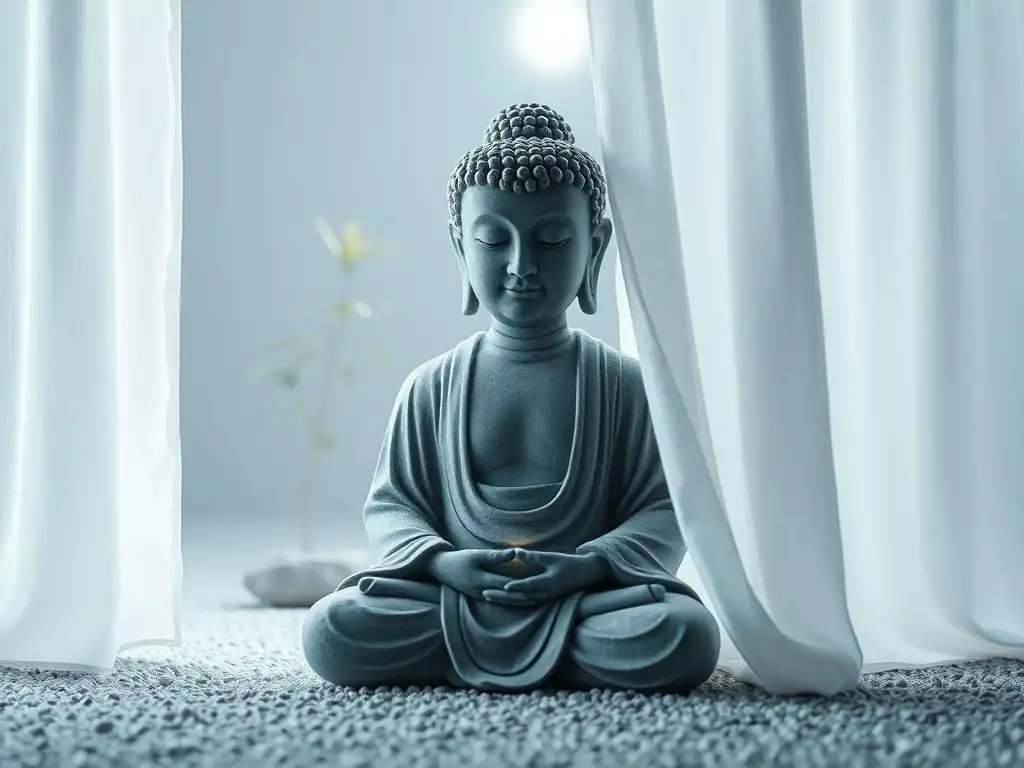
Moving from philosophy to practice, numerous techniques within Eastern traditions offer tangible ways to enhance focus and mental clarity. These methods are not abstract concepts but involve specific actions and intentions that train the mind over time. Consistency in practice is key to experiencing their full benefits, leading to noticeable improvements in attention span, cognitive performance, and overall mental sharpness.
Exploring these practical applications reveals how ancient wisdom translates into actionable steps for modern challenges. Whether through seated meditation, mindful movement, or conscious breathing, these techniques provide tools to quiet the internal noise and cultivate a state of focused presence. They are designed to be integrated into daily life, offering a sustainable path towards greater Eastern meditation focus clarity.
Mindfulness Meditation: A Core Practice for Enhanced Focus
Mindfulness meditation involves intentionally bringing one's attention to the present moment without judgment. This practice directly addresses mind-wandering, which research indicates occupies a significant portion of our waking hours – some studies suggest up to 47% of our day is spent thinking about something other than what we are currently doing. By repeatedly bringing the attention back to a chosen anchor, such as the breath, practitioners strengthen the 'attention muscle,' improving the ability to stay focused on tasks.
Regular mindfulness meditation practice has been shown to improve sustained attention and reduce distractibility. For example, a meta-analysis of studies published in the journal Psychological Science indicated that even short-term mindfulness training can lead to improvements in cognitive functions, including working memory and attention. This practice is foundational for cultivating Eastern meditation focus clarity.
Guided Mindfulness Meditation Exercises
Guided exercises are an excellent starting point for beginners. These typically involve a teacher or recording verbally guiding you through the process, often starting with focusing on the breath.
- Body Scan: Directing attention sequentially to different parts of the body to notice sensations.
- Mindful Breathing: Focusing solely on the physical sensations of inhalation and exhalation.
- Loving-Kindness Meditation: Cultivating feelings of warmth and compassion towards oneself and others, which can indirectly calm the mind and improve focus by reducing internal conflict.
Many resources offer guided meditations, often ranging from 5 to 30 minutes. Starting with shorter sessions, perhaps 5-10 minutes daily, is recommended for building consistency.
Techniques to Deepen Your Mindfulness Meditation Practice
As you become more comfortable, you can explore techniques to deepen your practice.
- Extending Duration: Gradually increasing the length of your meditation sessions.
- Silent Practice: Transitioning from guided sessions to practicing in silence, relying solely on your internal guidance.
- Open Awareness: Expanding your focus from a single anchor (like breath) to include all sensory input and mental phenomena without getting caught up in any specific thought or sensation.
Deepening the practice helps cultivate a more profound state of presence and non-reactivity. Practitioners often report that after several months of consistent practice (e.g., 20 minutes daily), they notice significantly less mind-wandering during daily activities and an improved ability to return focus when distracted, illustrating the power of Eastern meditation focus clarity.
Focused Attention Meditation: Achieving Clarity Through Concentration
Focused Attention (FA) meditation, also known as concentration meditation, involves directing and sustaining attention on a single object. This object can be the breath, a mantra, a candle flame, or a visual image. The primary goal is to train the mind to remain steadily on the chosen object, strengthening the capacity for prolonged concentration. When the mind inevitably wanders (which it will), the practice involves gently but firmly bringing the attention back to the object of focus.
This differs slightly from mindfulness, which often involves a broader, non-judgmental awareness. FA meditation is a direct exercise in training the mind's ability to lock onto a target and resist distractions. Consistent practice builds mental discipline and resilience, crucial for achieving deep concentration and fostering Eastern meditation focus clarity in demanding tasks.
Posture and Breathing Techniques
Proper posture is vital for FA meditation. Sitting upright with a straight spine allows for unobstructed breathing and promotes alertness. Common postures include sitting cross-legged on a cushion, kneeling, or sitting on a chair with feet flat on the floor. The key is to be stable and comfortable enough to remain still for the duration of the practice.
Breathing techniques in FA meditation often involve simply observing the natural breath or counting breaths. For instance, one common technique is to count each exhalation, perhaps up to ten, and then start over. If the mind wanders and you lose count, simply return to one. This simple act of returning is the core training mechanism. Maintaining a relaxed, steady breath helps anchor the mind and calm the nervous system, supporting sustained focus.
Overcoming Mental Obstacles
Obstacles are a natural part of FA meditation. Common challenges include:
- Mind-Wandering: The most frequent obstacle. The practice is not about not having thoughts, but about recognizing when the mind has strayed and gently redirecting it.
- Drowsiness: Can occur if the body is too relaxed or the mind is not sufficiently engaged. Adjusting posture or slightly opening the eyes can help.
- Restlessness: Feeling fidgety or agitated. Acknowledging the sensation without acting on it and returning focus to the breath can be helpful.
Viewing these obstacles not as failures but as opportunities to practice bringing the mind back is crucial. Each time you notice the mind has wandered and return it to the object of focus, you are strengthening the neural pathways associated with attention and self-regulation, directly contributing to improved Eastern meditation focus clarity.
Yoga and Breathwork: Breathing Techniques for Enhanced Mental Clarity
Yoga is an ancient practice that combines physical postures (asanas), breath control (pranayama), and meditation. While often seen as a physical exercise in the West, its traditional purpose is to prepare the body and mind for deeper meditative states. The physical postures help release tension and improve circulation, while breathwork directly influences the nervous system, making it a powerful tool for calming the mind and enhancing mental clarity.
Integrating Yoga and specific breathwork techniques provides a dynamic approach to cultivating Eastern meditation focus clarity. The mindful movement inherent in yoga, combined with conscious breathing, creates a moving meditation that grounds the practitioner in the present moment, reducing mental clutter and increasing the capacity for sustained attention.
Specific Yoga Poses to Improve Focus and Concentration
Certain yoga poses are particularly beneficial for improving focus and concentration. Poses that require balance, such as Tree Pose (Vrksasana) or Eagle Pose (Garudasana), demand the practitioner's full attention to maintain stability, thereby training the mind to stay present.
- Tree Pose: Requires focusing the gaze (drishti) on a fixed point, directly enhancing concentration.
- Eagle Pose: Involves wrapping limbs, which requires intricate coordination and focus.
- Warrior III (Virabhadrasana III): A balancing pose that strengthens the core and legs while demanding intense focus to hold the posture.
Inverted poses, like Headstand (Sirshasana) or Shoulderstand (Sarvangasana), when practiced safely and correctly, are believed to increase blood flow to the brain, which can promote mental clarity and alertness. Holding these postures requires significant concentration and body awareness.
Breathwork Techniques for Calming the Mind and Enhancing Clarity: Ujjayi Breath
Pranayama, or yogic breath control, offers specific techniques to regulate energy and calm the mind. Ujjayi breath ("victorious breath") is a common technique that involves breathing through the nose with a slight constriction in the back of the throat, creating a soft oceanic sound. This sound provides an auditory anchor for the mind, similar to focusing on the physical sensation of the breath in meditation.
Practicing Ujjayi breath helps to regulate the nervous system, reducing anxiety and preparing the mind for focus. Another technique, Nadi Shodhana (alternate nostril breathing), is excellent for balancing the left and right hemispheres of the brain, which can lead to a sense of calm and mental equilibrium, highly conducive to achieving Eastern meditation focus clarity. Even just a few minutes of focused, deep breathing can significantly reduce mental chatter and improve concentration.
Movement-Based Practices: Meditation in Motion for Mental Focus
Movement-based practices like Tai Chi and Qigong are forms of "meditation in motion." They involve slow, deliberate movements coordinated with deep breathing and focused intention. Unlike strenuous exercise, these practices are gentle and flowing, promoting relaxation while simultaneously cultivating heightened body awareness and mental presence. They teach the practitioner to maintain a state of calm focus while actively engaging with the physical world.
These practices are particularly valuable for individuals who find seated meditation challenging. The gentle, repetitive movements provide an anchor for attention, making it easier to quiet the internal dialogue. The coordination required also engages cognitive function, further enhancing focus and mental agility, contributing significantly to Eastern meditation focus clarity.
The Benefits for Mental Clarity and Stress Reduction
Tai Chi and Qigong have been shown to have numerous benefits for mental health, including significant stress reduction. Studies have indicated that regular practice can lower cortisol levels, the primary stress hormone. For example, research published in the Journal of the American Geriatrics Society found that Tai Chi practice led to reduced stress and improved psychological well-being in older adults.
Beyond stress reduction, these practices improve proprioception (the sense of the relative position of one's own parts of the body and strength of effort being employed in movement) and balance, which require focused attention on the body's subtle movements. This heightened body awareness translates into improved overall presence and a reduced tendency for the mind to get lost in distracting thoughts, thereby enhancing mental clarity and Eastern meditation focus clarity.
Integrating Practices into Daily Life for Sustained Focus
Integrating movement-based practices into a daily routine can provide sustained benefits for focus. A short 15-20 minute session in the morning can set a calm and focused tone for the day.
- Morning Flow: Practice a short Tai Chi or Qigong form to wake up the body and mind gently.
- Mid-day Break: Use a few minutes for simple standing Qigong movements to break up long periods of sitting and refresh mental energy.
- Evening Practice: A gentle session before bed can help release tension and prepare the mind for restful sleep, which is crucial for cognitive function.
Consistency is more important than duration. Even short bursts of practice throughout the day can help maintain a state of mindful presence and sustained focus. Finding a local class or following online instructional videos can help establish a regular practice routine.
Integrating Practices into Your Daily Routine for Lasting Focus
Successfully integrating Eastern meditation focus clarity practices into a busy modern life requires intention and structure. It's not about finding hours of free time, but rather weaving moments of mindful practice into the existing fabric of your day. Starting small and gradually building up is often the most sustainable approach. The goal is to make these practices as routine as brushing your teeth, recognizing their vital role in maintaining mental well-being and cognitive performance.
This integration process involves conscious choices about time, space, and setting realistic expectations. It's about creating habits that support your goal of enhancing focus and clarity, rather than viewing these practices as an optional luxury.
Creating a Dedicated Space for Optimal Focus
Having a dedicated space, even a small corner, for your practice can make a significant difference. This space doesn't need to be elaborate – a quiet corner in a room, a comfortable cushion, or simply a mat rolled out. The key is that it feels calm and relatively free from distractions.
This physical separation helps signal to your mind that it's time to transition into a state of focused awareness. While you can practice mindfulness anywhere, having a specific spot reinforces the habit and makes it easier to enter a meditative or focused state. Ensuring the space is tidy and comfortable further supports the intention of cultivating peace and clarity.
Setting Realistic Goals for Your Practice
When starting, setting realistic goals is crucial to avoid discouragement. Aiming for 20-30 minutes of meditation or an hour of yoga might be overwhelming initially. Begin with achievable targets, such as 5-10 minutes of mindful breathing or a short 15-minute Tai Chi routine, maybe three to four times a week.
As you build consistency and feel the benefits, you can gradually increase the duration or frequency. Tracking your practice, perhaps with a simple journal or app, can help maintain motivation and provide a sense of progress. Remember, the goal is progress, not perfection, on the path to Eastern meditation focus clarity.
Overcoming Common Challenges
Integrating new habits comes with challenges. Lack of time is a common hurdle; scheduling practice sessions like any other important appointment can help. Dealing with mind-wandering during meditation is also frequent; simply acknowledge the thought and gently return focus.
- Feeling restless: Try a movement-based practice first, like gentle stretching or mindful walking, before sitting.
- Getting bored: Experiment with different techniques – try a guided meditation, focus on different sensations, or switch between focused attention and open awareness.
- Not seeing immediate results: Be patient. The benefits of Eastern meditation focus clarity practices accumulate over time. Commit to a consistent period, say 4-8 weeks, before evaluating the impact.
Persistence through these challenges is part of the practice itself, strengthening resilience and commitment.
The Importance of Consistency
Consistency is arguably the most important factor in reaping the benefits of mind-body practices for focus and clarity. Practicing for 10 minutes daily is far more effective than practicing for an hour once a week. Regular engagement helps to build and reinforce the neural pathways associated with attention regulation and emotional calm.
Think of it like building a muscle: short, regular workouts yield better results than infrequent, intense sessions. Even on busy days, finding a few minutes for mindful breathing or a short body scan can help maintain momentum and reinforce the habit, ensuring continued progress towards Eastern meditation focus clarity.
The Science Behind Mind-Body Practices and Mental Well-being
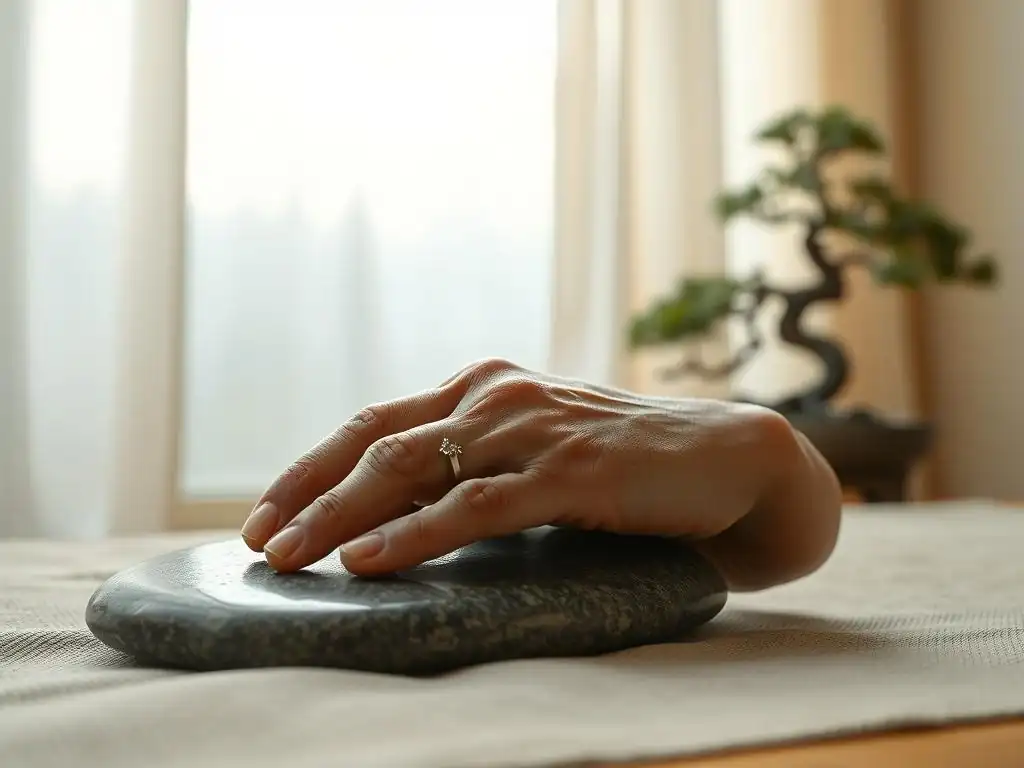
In recent decades, scientific research has begun to explore and validate the long-held claims of Eastern traditions regarding the benefits of mind-body practices on mental well-being and cognitive function. Neuroimaging studies, psychological assessments, and physiological measurements are providing empirical evidence for how practices like meditation, yoga, and Tai Chi impact the brain and body, shedding light on the mechanisms behind enhanced focus and clarity.
This scientific investigation bridges ancient wisdom with modern understanding, demonstrating that the effects are not merely subjective but have measurable physiological and neurological correlates. The growing body of research underscores the potential of Eastern meditation focus clarity techniques as powerful tools for cognitive enhancement and mental health.
Research Supporting the Benefits on Focus and Clarity
Numerous studies support the positive impact of meditation and related practices on attention and focus. For example, research using attention tests, such as the Stroop task or sustained attention response task (SART), has shown that experienced meditators perform significantly better than non-meditators. They exhibit reduced reaction times and fewer errors, indicating improved attentional control.
A study published in Frontiers in Human Neuroscience using fMRI scans found that regular mindfulness meditation practice is associated with changes in brain regions involved in attention control, self-awareness, and emotional regulation, including the prefrontal cortex and anterior cingulate cortex. These findings provide neurological evidence for how Eastern meditation enhances focus and clarity by training specific brain networks.
How Practices Impact Brain Function and Cognitive Performance
Mind-body practices induce tangible changes in brain structure and function. Studies have shown that long-term meditators often have increased gray matter density in areas associated with learning, memory, and emotional regulation, such as the hippocampus, and in areas related to self-awareness and perspective-taking.
Furthermore, these practices can alter brainwave patterns, promoting alpha and theta waves associated with states of relaxed alertness and deep relaxation, respectively, while potentially reducing high-frequency beta waves linked to stress and anxiety. This shift in brain activity supports improved cognitive performance, including enhanced problem-solving abilities, creativity, and the ability to maintain focus on complex tasks, all contributing to Eastern meditation focus clarity.
Role in Stress Reduction and Mental Health
A significant pathway through which mind-body practices enhance focus and clarity is by reducing stress. Chronic stress impairs cognitive function, particularly executive functions like attention, working memory, and decision-making. Practices like meditation and yoga activate the body's relaxation response, lowering heart rate, blood pressure, and stress hormone levels.
By mitigating the debilitating effects of stress, these practices free up cognitive resources that were previously consumed by worry and anxiety, allowing for improved concentration and mental clarity. The role of Eastern meditation in fostering focus and clarity is thus intricately linked to its proven capacity for stress reduction and overall mental health improvement, including reducing symptoms of anxiety and depression, as supported by numerous clinical trials.
Advanced Techniques for Deeper Focus and Clarity
Once a foundational practice of mindfulness or focused attention is established, practitioners may explore more advanced techniques to deepen their experience and further cultivate insight and concentration. These methods often build upon the basic principles but involve more nuanced approaches to awareness and mental cultivation. Exploring these advanced paths can lead to profound shifts in perception and a more integrated sense of Eastern meditation focus clarity in daily life.
These techniques are not necessarily "better" than foundational practices but offer different avenues for exploration and growth, potentially unlocking deeper levels of concentration and self-awareness. They are typically approached after developing a degree of stability and familiarity with basic meditation principles.
Insight Meditation: Meditation for Clarity and Self-Awareness
Insight meditation, or Vipassana, is a practice aimed at developing deep insight into the nature of reality, particularly the impermanence of all phenomena. While it begins with cultivating focused attention (often on the breath), the primary goal is to observe thoughts, feelings, and sensations as they arise and pass away, without judgment or attachment.
This practice cultivates radical acceptance and non-reactivity, which significantly reduces mental clutter caused by rumination and emotional entanglement. By seeing thoughts and emotions clearly for what they are – transient mental events – the mind becomes less identified with them, leading to a state of greater clarity and spaciousness. This discerning awareness is key to unlocking deeper levels of Eastern meditation focus clarity and understanding.
Mantra Meditation: Utilizing Sounds for Focused Attention
Mantra meditation involves the repetition of a sound, word, or phrase (the mantra) to focus the mind. The mantra serves as a single point of focus, helping to quiet distracting thoughts. Mantras can be spoken aloud, whispered, or repeated silently in the mind.
The repetition of the mantra occupies the mind, reducing the space for random thoughts to intrude. Over time, the mantra can induce a state of deep relaxation and focused awareness. Different traditions use different mantras, each with its own significance, but the core mechanism of using sound as an anchor for attention remains consistent, making it a powerful tool for cultivating Eastern meditation focus clarity.
Exploring the Benefits of Retreats and Intensive Practices
For those seeking to deepen their practice significantly, attending meditation retreats or engaging in intensive practice periods can be highly beneficial. Retreats typically involve extended periods of silent practice, often ranging from a weekend to several weeks or even months. This immersive environment removes daily distractions and allows for sustained, focused attention on the practice.
Intensive practice accelerates the process of developing concentration, mindfulness, and insight. While challenging, the sustained effort in a supportive environment can lead to breakthroughs in understanding the mind and experiencing deeper states of focus and clarity than might be possible with shorter daily sessions alone. Many practitioners report that intensive retreats significantly enhance their ability to maintain Eastern meditation focus clarity long after the retreat concludes.
Conclusion: Embracing Mind-Body Practices for a Focused and Clearer Mind
The journey towards enhancing focus and clarity through ancient Eastern techniques is a path of self-discovery and gentle discipline. By understanding the historical roots, core principles, and practical applications of practices like mindfulness meditation, focused attention, yoga, Tai Chi, and Qigong, we gain powerful tools to navigate the complexities of modern life with greater presence and effectiveness. The scientific evidence increasingly validates the profound impact these methods have on brain function, stress reduction, and overall mental well-being, underscoring their relevance in today's world.
Embracing Eastern meditation focus clarity is not about achieving an unattainable state of perfect stillness, but about cultivating a skillful relationship with our minds. It's about learning to notice when our attention wanders and gently guiding it back, strengthening our capacity for sustained focus one breath, one movement, one moment at a time.
The Path to Mental Well-being
Integrating these practices into daily life is a commitment to your mental well-being. It requires patience, persistence, and self-compassion. Start small, be consistent, and celebrate the incremental progress. The benefits – reduced stress, improved emotional regulation, and significantly enhanced focus and clarity – are profound and contribute to a richer, more engaged life.
This path offers a sustainable way to train the mind, not through force, but through understanding and gentle guidance. It empowers individuals to take an active role in shaping their cognitive landscape, leading to a more focused, present, and ultimately, happier existence.
Resources for Further Learning
For those interested in delving deeper into Eastern meditation focus clarity practices, numerous resources are available. Exploring reputable books on mindfulness, Vipassana, Yoga philosophy, Tai Chi forms, and Qigong principles can provide foundational knowledge. Many centers and online platforms offer guided meditations, instructional videos, and courses led by experienced teachers.
Frequently Asked Questions
How does Eastern meditation enhance focus clarity, according to Mind Care Guide?
Eastern meditation techniques, as explained on Mind Care Guide, cultivate mindfulness and present moment awareness. This, in turn, helps to reduce distractions and improve overall concentration.
What specific Eastern meditation techniques are recommended on Mind Care Guide for focus clarity?
Mind Care Guide suggests practices like Vipassana meditation and Zen meditation (Zazen). These methods emphasize observing thoughts without judgment, leading to improved mental clarity.
Can Eastern meditation help with anxiety, which often hinders focus clarity?
Yes, Mind Care Guide highlights that Eastern meditation can reduce anxiety symptoms. By calming the mind and body, it creates a more stable foundation for focus.
How often should I practice Eastern meditation to experience benefits for focus clarity?
Mind Care Guide recommends starting with short, regular sessions (e.g., 10-15 minutes daily). Consistency is key to developing lasting improvements in focus and clarity.
Are there any resources on Mind Care Guide to help me learn Eastern meditation for focus clarity?
Mind Care Guide offers articles, guided meditations, and links to external resources. These materials provide step-by-step instructions and support for beginners.
Final Reflection: Cultivating Inner Peace in a Frantic World
The pursuit of focus and clarity is no longer a luxury; it's a necessity in our relentlessly demanding world. The ancient Eastern techniques explored in this article—from mindful breathing exercises to the principles of Zen meditation—offer a powerful antidote to the pervasive distractions of modern life. These practices aren't just relics of the past; they are vital tools for navigating the complexities of the 21st century and achieving a sense of inner equilibrium.
The impact of these techniques extends far beyond improved concentration and reduced stress. They offer a pathway to self-discovery, fostering a deeper understanding of our inner selves and our relationship with the world around us. This journey inward, often challenging yet profoundly rewarding, has profoundly shaped my own life. The mind is everything. What you think you become.
– Buddha. This quote encapsulates the transformative power of these practices, highlighting how cultivating inner peace directly influences our external reality. The ripple effect of inner calm extends to our relationships, our work, and our overall well-being.
Now, I invite you to consider how you can integrate these ancient wisdoms into your daily life. Begin with small steps—a few minutes of mindful breathing each day, a conscious effort to observe your thoughts without judgment. Don't be discouraged by initial challenges; the path to focus and clarity is a journey, not a destination. Embrace the process, and allow these techniques to guide you towards a more centered, peaceful, and ultimately, more fulfilling existence. The rewards await you.
Unlock Your Inner Clarity: Start Your Focus Journey Now!
Thanks for taking the time to explore ancient techniques for enhancing focus and clarity. We hope you've found valuable insights to help you on your path to a sharper, more mindful you. Now it's time to put these techniques into practice!
- Begin your daily mindfulness practice: Even 5 minutes a day can make a significant difference. Start small, be consistent, and notice the shift in your mental clarity.
- Try incorporating one new technique from the article into your daily routine. Experiment with the breathing exercises or meditation style that resonates most with you.
- Share your experience! Let us know in the comments which technique you found most helpful and what impact it had on your focus. What surprised you most about this journey into inner peace?
What specific step will you take today to cultivate greater focus and clarity?