
The Future of Mental Health: Embedding Cultural Competence Systemically


Welcome to Mind Care Guide, a sanctuary for your mental well-being.
Feeling lost navigating the complexities of mental health support, especially when cultural nuances come into play? You're not alone. Dive into our latest article, " The Future of Mental Health: Embedding Cultural Competence Systemically," where we explore the vital role of cultural competence mental health training in building a more inclusive and effective future for mental healthcare. Discover how understanding diverse perspectives can bridge gaps and foster genuine healing. Ready to learn more and contribute to a more equitable landscape? Let's begin.
- The Future of Mental Health: Embedding Cultural Competence Systemically
- Current Challenges in Integrating Cultural Competence in Mental Health Systems
- Advancing Cultural Competence Mental Health Training: Systemic Approaches
- Embedding Cultural Competence Systemically in Mental Health Care
- The Role of Technology and Innovation in Cultural Competence Training
- Benefits of Systemic Cultural Competence for Mental Health Outcomes
- Future Trends and Recommendations for Cultural Competence in Mental Health Training
- Conclusion: The Path Forward for Embedding Cultural Competence Systemically in Mental Health Care.
-
Frequently Asked Questions
- What is Cultural Competence Mental Health Training and why is it important?
- How does Cultural Competence Mental Health Training improve mental health services?
- What are some key components of effective Cultural Competence Mental Health Training?
- How can organizations implement Cultural Competence Mental Health Training systemically?
- What are the potential benefits of investing in Cultural Competence Mental Health Training for mental health professionals?
- Final Reflection: Weaving Cultural Competence into the Fabric of Mental Healthcare
- Unlock Your Cultural Competence in Mental Health
The Future of Mental Health: Embedding Cultural Competence Systemically
Understanding Cultural Competence in Mental Health Care
Cultural competence in mental health care refers to the ability of practitioners and systems to provide services that are respectful of and responsive to the health beliefs, practices, and cultural and linguistic needs of diverse patients. It involves understanding the cultural context of mental health, including how different cultures define illness, express distress, and seek help. This goes beyond simply acknowledging differences; it requires active engagement, continuous learning, and adaptation of clinical approaches to meet the unique needs of individuals from various cultural backgrounds.
Achieving cultural competence is a complex process that involves multiple levels. At the individual level, it means developing self-awareness about one's own cultural background and potential biases, acquiring knowledge about the cultural backgrounds of clients, and developing skills to communicate and interact effectively across cultures. At the organizational level, it involves creating policies, structures, and practices that support culturally responsive care, such as hiring a diverse workforce, providing access to language services, and integrating cultural assessments into standard practice. Effective cultural competence mental health training programs are crucial for building this capacity at both individual and systemic levels.
The Importance of Cultural Awareness for Mental Well-Being
Cultural awareness is a foundational element for promoting mental well-being across diverse populations. It involves recognizing and appreciating the impact of culture on mental health experiences, including stigma, help-seeking behaviors, and the effectiveness of interventions. Without adequate cultural awareness, mental health services risk being irrelevant, ineffective, or even harmful to individuals whose cultural beliefs and practices differ from those of the dominant culture or the provider. For example, a therapy approach heavily reliant on individual verbal expression may be less effective for someone from a culture that emphasizes collective well-being or non-verbal communication.
Furthermore, cultural awareness helps mental health professionals understand the broader socio-political factors that influence mental health within specific cultural groups, such as historical trauma, discrimination, and socioeconomic disparities. Research consistently shows that minority groups often face higher rates of certain mental health conditions and lower rates of accessing care.
For instance, some studies indicate that Black adults in the U.S. are less likely to seek mental health treatment compared to White adults, often citing concerns about cultural understanding and trust. Developing cultural awareness through targeted cultural competence mental health training is therefore essential for addressing these disparities and fostering equitable access to effective support.
Defining Cultural Competence Mental Health Training: Key Concepts and Goals
Cultural competence mental health training encompasses educational initiatives designed to equip mental health professionals with the knowledge, skills, and attitudes necessary to provide effective and culturally responsive care. These programs typically cover key concepts such as cultural identity, acculturation, implicit bias, cultural humility, and the intersectionality of various identities (e.g., race, ethnicity, gender, sexual orientation, religion). The primary goal is not to become an expert in every culture, but rather to develop a framework for understanding and responding respectfully and effectively to cultural differences in the clinical setting.
Effective cultural competence mental health training aims to achieve several key objectives. Firstly, it seeks to increase professionals' awareness of their own cultural backgrounds and potential biases that might influence their interactions with clients. Secondly, it provides knowledge about the mental health beliefs, practices, and challenges prevalent in various cultural groups.
Thirdly, it focuses on developing practical skills, such as culturally sensitive communication techniques, methods for conducting cultural assessments, and strategies for adapting interventions to align with clients' cultural values and preferences. Ultimately, the goal is to improve therapeutic relationships, enhance treatment outcomes, and reduce mental health disparities by ensuring that care is tailored to the individual's cultural context.
Current Challenges in Integrating Cultural Competence in Mental Health Systems
Barriers to Culturally Competent Mental Health Services
Despite growing recognition of its importance, the integration of cultural competence into mental health systems faces significant barriers. One major obstacle is the lack of diversity within the mental health workforce itself. Statistics often show that the racial and ethnic composition of mental health professionals does not reflect the diversity of the populations they serve.
For example, data from the American Psychological Association indicates that while racial and ethnic minorities constitute over 40% of the U.S. population, they represent a significantly smaller percentage of the psychology workforce. This demographic mismatch can lead to a lack of understanding of diverse lived experiences and potential mistrust from clients.
Another significant barrier is the systemic nature of inequality and discrimination that impacts both clients and providers. Mental health systems may inadvertently perpetuate biases through standardized assessment tools developed within a Western cultural framework, or through policies that do not adequately support linguistic diversity or cultural practices. Funding limitations also play a role, often restricting resources available for comprehensive cultural competence mental health training programs, hiring diverse staff, or providing necessary support services like translation or culturally specific programming. Addressing these systemic issues requires a multifaceted approach beyond individual training.
Impact of Cultural Insensitivity on Patient Outcomes
Cultural insensitivity in mental health care can have detrimental effects on patient outcomes. When providers lack understanding or sensitivity towards a client's cultural background, it can lead to misdiagnosis, inappropriate treatment plans, and a breakdown in the therapeutic relationship. For instance, a therapist unfamiliar with cultural norms around emotional expression might misinterpret a client's reserved demeanor as a lack of engagement or even a symptom of a disorder, rather than a culturally appropriate way of communicating distress. This can result in ineffective interventions or a failure to build trust.
The negative impact extends to access and retention in care. Individuals who experience cultural insensitivity or feel misunderstood are less likely to continue therapy or recommend services to others in their community. Research has shown that perceived discrimination or lack of cultural understanding is a significant reason why individuals from minority groups discontinue mental health treatment prematurely.
A study might find that clients from a particular ethnic group are 50% more likely to drop out of therapy if they perceive their therapist lacks cultural understanding compared to those who feel understood. This highlights the critical need for robust cultural competence mental health training to improve provider-client relationships and ensure continuity of care.
Gaps in Existing Mental Health Training Programs on Cultural Competence
Many existing mental health training programs, including graduate education and continuing education, have historically had significant gaps in their coverage of cultural competence. While some programs now include mandatory modules, the depth and quality can vary widely. Often, training may consist of a single course or a few hours of lectures, which is insufficient to develop deep cultural awareness and practical skills needed for effective cross-cultural practice. There's also a tendency to focus on broad categories (e.g., "Asian cultures") without adequately addressing the vast diversity within such groups or the nuances of intersectional identities.
Furthermore, traditional training methods may not adequately prepare professionals for real-world interactions. Passive lectures or reading assignments, while providing foundational knowledge, may not effectively challenge implicit biases or develop the communication skills required for sensitive cultural discussions. There is a recognized need for more experiential learning, case-based studies, and opportunities for self-reflection within cultural competence mental health training. Without addressing these gaps, even well-intentioned providers may lack the necessary tools to truly provide culturally competent care to their diverse clientele.
Advancing Cultural Competence Mental Health Training: Systemic Approaches
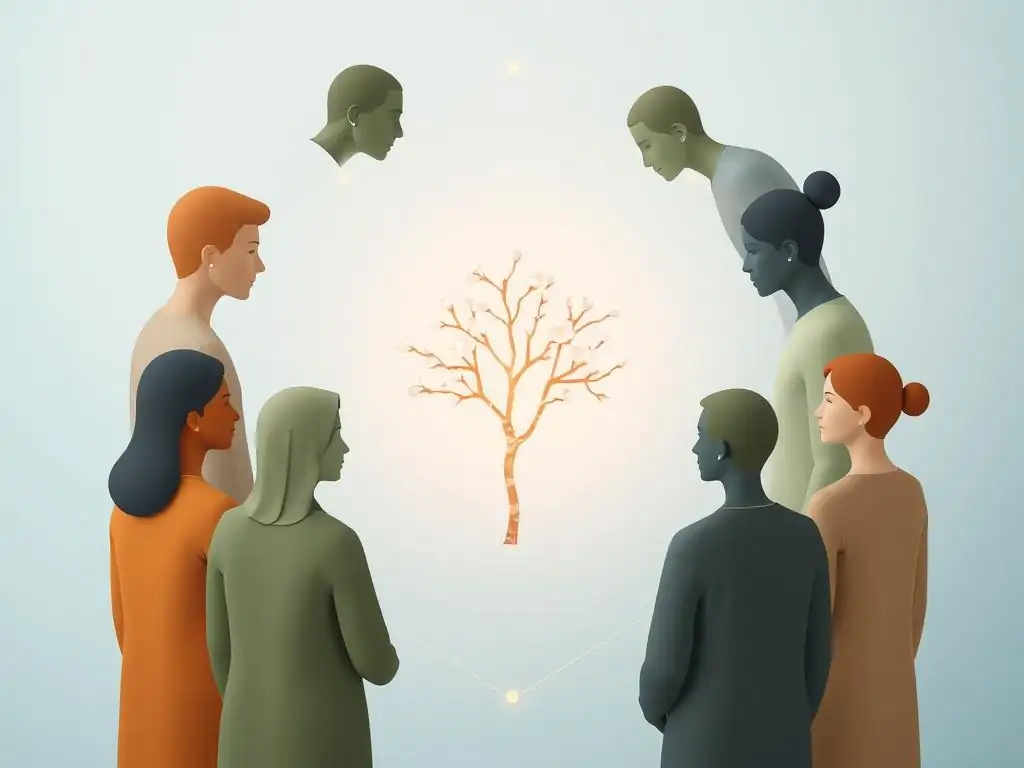
Designing Effective Cultural Competence Training for Mental Health Professionals
Designing effective cultural competence mental health training requires a shift from one-off workshops to integrated, ongoing educational initiatives. Training curricula should be comprehensive, covering not only knowledge about different cultures but also focusing heavily on self-awareness, cultural humility, and practical skill-building. This includes modules on recognizing and mitigating implicit bias, understanding the impact of power and privilege in the therapeutic relationship, and developing culturally responsive assessment and intervention strategies. Training should ideally be mandatory and integrated throughout a professional's career, from graduate school through continuing education requirements.
Effective training programs often utilize diverse pedagogical methods. This can include interactive workshops, case discussions based on real-world scenarios, simulations, and opportunities for reflective practice and supervision. Incorporating diverse voices, such as trainers from various cultural backgrounds or clients sharing their experiences, can significantly enhance the impact of the training.
For instance, a program might dedicate 20% of its time to interactive role-playing exercises focused on navigating cultural differences in communication style or help-seeking beliefs, ensuring participants gain practical experience applying concepts learned in lectures. Evaluating the effectiveness of cultural competence mental health training using pre- and post-assessments of knowledge, attitudes, and skills is also crucial for continuous improvement.
Incorporating Cultural Humility and Intersectionality in Mental Health Education
Beyond cultural competence, contemporary mental health education is increasingly emphasizing cultural humility and intersectionality. Cultural humility is a lifelong process of self-reflection and self-critique, recognizing that one can never be fully "competent" in another's culture. It involves maintaining an attitude of openness, curiosity, and a willingness to learn from clients as the primary experts on their own cultural experiences. This approach shifts the focus from mastering cultural facts to developing a relational stance characterized by respect and partnership.
Intersectionality, a term coined by Kimberlé Crenshaw, highlights how multiple aspects of a person's identity (such as race, gender, class, sexual orientation, disability, religion) intersect and can create unique experiences of privilege or oppression. Incorporating intersectionality into cultural competence mental health training helps professionals understand that individuals are not solely defined by one cultural group and that their experiences of mental health and help-seeking are shaped by the complex interplay of these identities. Training should include modules that explore how intersecting identities can influence vulnerability to mental health challenges and access to care, moving beyond single-axis understandings of culture.
Role of Organizational Policies in Supporting Cultural Competence
Organizational policies play a critical role in fostering a systemically culturally competent mental health environment. Policies should actively promote diversity and inclusion at all levels of the organization, from leadership to frontline staff. This includes equitable hiring practices that recruit professionals from diverse cultural backgrounds and support retention efforts. Policies should also mandate and support ongoing cultural competence mental health training for all staff, ensuring it is integrated into professional development plans and potentially linked to performance evaluations.
Furthermore, policies should address practical aspects of service delivery that enhance cultural responsiveness. Examples include policies guaranteeing access to professional language interpretation services (rather than relying on family members), providing culturally adapted educational materials, and establishing procedures for assessing and documenting clients' cultural preferences and needs. Organizations should also have clear policies addressing discrimination and bias, providing avenues for both clients and staff to report concerns. A commitment to cultural competence must be embedded in the organization's mission statement and operational procedures, supported by dedicated resources and accountability mechanisms.
Embedding Cultural Competence Systemically in Mental Health Care
Strategies for Integrating Cultural Competence into Clinical Practice
Integrating cultural competence into daily clinical practice requires intentional effort and specific strategies. Clinicians should adopt a stance of cultural humility, approaching each client with curiosity and a willingness to learn about their unique cultural background and how it relates to their mental health experience. This involves actively incorporating cultural assessment into the intake process, exploring the client's explanatory models of illness, their beliefs about help-seeking, and their experiences with discrimination or historical trauma.
Practical strategies include:
- Using Culturally Adapted Interventions: Modifying evidence-based practices to align with cultural values and norms. For example, incorporating family members into therapy sessions when culturally appropriate, or using storytelling techniques in cultures where they are valued.
- Language Access: Ensuring professional interpreters are available when needed and avoiding the use of untrained family members, especially children, for interpretation.
- Culturally Sensitive Communication: Being mindful of non-verbal cues, communication styles (e.g., direct vs. indirect), and norms around eye contact or personal space that vary across cultures.
- Addressing Implicit Bias: Regularly reflecting on one's own biases and actively working to counteract them in clinical decision-making.
Embedding cultural competence through consistent application of these strategies, reinforced by ongoing cultural competence mental health training and supervision, is vital for providing effective and respectful care.
Utilizing Community Engagement and Multicultural Collaboration
Effective systemic cultural competence requires strong partnerships with the communities being served. Engaging with diverse cultural groups, community leaders, and organizations provides invaluable insights into the specific mental health needs, cultural strengths, and existing barriers to care within those communities. This collaboration can inform the design and delivery of culturally responsive services, ensuring they are relevant and accessible.
Examples of community engagement include:
- Forming advisory boards composed of community members from diverse backgrounds to guide program development.
- Partnering with faith-based organizations or community centers to offer mental health services in familiar and trusted settings.
- Conducting focus groups with community members to understand their perspectives on mental health stigma and preferred ways of seeking help.
- Collaborating with traditional healers or cultural practitioners where appropriate and desired by clients.
Multicultural collaboration helps mental health systems build trust, reduce stigma, and tailor services to meet the unique needs of specific populations. It moves beyond simply providing services to a community to actively collaborating with a community to improve mental well-being.
Monitoring and Evaluating Cultural Competence in Mental Health Services
Systemic cultural competence is not a static achievement but an ongoing process that requires continuous monitoring and evaluation. Organizations should develop metrics to assess the cultural responsiveness of their services and identify areas for improvement. This can include collecting data on client demographics, language preferences, and satisfaction with culturally specific aspects of care.
Evaluation methods might involve:
- Administering client satisfaction surveys that include questions about whether they felt understood and respected culturally.
- Tracking disparities in access, utilization, and outcomes across different cultural groups. For example, monitoring whether readmission rates differ significantly for clients of different ethnicities.
- Conducting chart reviews to assess whether cultural factors are being documented and addressed in treatment plans.
- Gathering feedback from staff regarding the effectiveness of cultural competence mental health training and the organizational support for culturally responsive care.
Regular evaluation allows organizations to identify gaps, refine policies and practices, and demonstrate accountability for providing equitable and effective care to all members of the community. It provides the data needed to justify investment in ongoing training and systemic improvements.
The Role of Technology and Innovation in Cultural Competence Training
Digital Tools for Enhancing Cultural Awareness in Mental Health Professionals
Technology offers exciting possibilities for enhancing cultural awareness and delivering cultural competence mental health training. Digital tools can provide accessible and flexible learning opportunities for busy professionals. Online modules, webinars, and interactive e-learning platforms can deliver foundational knowledge about cultural concepts, specific cultural groups, and the impact of cultural factors on mental health. These platforms can often be accessed anytime, anywhere, making ongoing learning more feasible.
Furthermore, digital tools can facilitate experiential learning and reflection. Online forums and discussion boards can connect professionals from different backgrounds to share experiences and perspectives. Case study simulations presented digitally can allow trainees to practice applying cultural competence principles in realistic scenarios. For instance, an app might present a vignette of a client from a specific cultural background and ask the user to identify potential cultural considerations influencing the client's presentation or help-seeking behavior. These tools can supplement traditional training methods, making cultural competence education more engaging and scalable.
Virtual Reality and Simulation-Based Cultural Competence Training
Virtual reality (VR) and simulation technology hold significant promise for advancing cultural competence mental health training. VR can create immersive environments that allow trainees to experience scenarios from different cultural perspectives or practice navigating complex cross-cultural interactions in a safe, controlled setting. For example, a VR simulation could place a trainee in the role of a client from a minority group interacting with a healthcare system, allowing them to experience potential microaggressions or misunderstandings first-hand.
Simulation-based training, whether high-fidelity simulations with actors or digital simulations, provides opportunities for trainees to practice culturally sensitive communication skills, conduct cultural assessments, and receive immediate feedback on their performance. This type of experiential learning is often more effective than passive methods for developing practical skills and challenging implicit biases. While still developing, these innovative approaches offer powerful new ways to deliver impactful cultural competence mental health training that goes beyond theoretical knowledge.
Data-Driven Approaches to Personalizing Cultural Competence Education
Data analytics can be leveraged to personalize cultural competence mental health training and make it more effective. By tracking how professionals interact with training materials, their performance on assessments, and potentially correlating this with client outcomes (while ensuring privacy), training programs can identify areas where professionals need more support or specific knowledge. For example, if data shows that clinicians consistently struggle with cultural considerations related to a specific client population served by the organization, targeted training modules can be developed and assigned.
Furthermore, data on workforce demographics and the cultural composition of the client population can inform the content and focus of training programs, ensuring they are relevant to the specific context of the organization. Analyzing feedback from trainees and clients can also provide valuable data for continuously improving training content and delivery methods. A data-driven approach ensures that cultural competence mental health training is not a one-size-fits-all endeavor but is tailored to the needs of the professionals and the communities they serve, maximizing its impact on systemic cultural competence.
Benefits of Systemic Cultural Competence for Mental Health Outcomes

Improving Patient Trust and Therapeutic Alliance through Cultural Competence
A primary benefit of systemic cultural competence is the significant improvement in patient trust and the therapeutic alliance. When individuals feel that their cultural background is understood, respected, and integrated into their care, they are more likely to trust their provider and engage openly in the therapeutic process. This trust is foundational for building a strong therapeutic alliance, which is a key predictor of positive treatment outcomes across various therapeutic modalities.
Feeling culturally safe and understood can help clients overcome historical mistrust of mental health systems, which may stem from past negative experiences, discrimination, or the pathologizing of culturally normative behaviors. For example, a client from a refugee background who has experienced significant trauma may be hesitant to discuss their experiences unless they feel confident their therapist understands the impact of displacement and cultural loss.
Systemic cultural competence, including culturally competent mental health training for providers, signals to clients that the organization values their identity and is committed to providing care that honors their unique journey, thereby fostering trust and a stronger alliance.
Reducing Disparities in Mental Health Care Access and Treatment
Systemic cultural competence is a powerful tool for reducing long-standing disparities in mental health care access and treatment outcomes. When services are culturally responsive, they become more accessible and relevant to diverse populations. Addressing language barriers, using culturally appropriate outreach methods, and locating services in accessible community settings can significantly increase access for individuals who have historically been underserved.
Furthermore, culturally competent care leads to more accurate assessments and effective treatment plans, which directly impacts outcomes. By understanding cultural variations in symptom presentation and help-seeking behaviors, providers are less likely to misdiagnose or apply inappropriate interventions. For instance, recognizing that somatic complaints may be a culturally accepted way of expressing psychological distress can lead to more accurate diagnosis and treatment for some clients.
Studies consistently show that culturally adapted interventions can be more effective than standard approaches for specific cultural groups. Implementing comprehensive cultural competence mental health training and embedding these principles systemically helps dismantle the barriers that contribute to disparities, working towards equitable mental health for all.
Enhancing Provider Satisfaction and Reducing Burnout with Cultural Competence Training
Investing in cultural competence mental health training and fostering a culturally competent system also benefits mental health providers, potentially enhancing job satisfaction and reducing burnout. Working with diverse populations can be challenging, and feeling ill-equipped to meet the needs of clients from different backgrounds can be a significant source of stress and frustration for clinicians. Lack of cultural competence can lead to misunderstandings, rupture in the therapeutic relationship, and a feeling of inadequacy.
Providing professionals with effective cultural competence training equips them with the skills and confidence to work effectively with a wider range of clients. This can lead to more positive therapeutic interactions, better client outcomes, and a greater sense of accomplishment. When organizations also provide systemic support for culturally competent care – such as access to consultation, supervision focused on cultural issues, and resources like interpreters – it creates a more supportive work environment. Feeling supported in providing high-quality, culturally responsive care can reduce stress, prevent burnout, and increase overall job satisfaction among mental health professionals.
Future Trends and Recommendations for Cultural Competence in Mental Health Training
Policy Recommendations to Foster Systemic Cultural Competence
Advancing systemic cultural competence requires supportive policies at various levels. Federal, state, and organizational policies can mandate or incentivize cultural competence mental health training for all licensed mental health professionals. This could include requiring a certain number of continuing education credits specifically in cultural competence or making it a requirement for licensure or certification. Policies should also support the development and implementation of culturally responsive services, such as funding for language access services, culturally adapted materials, and community-based programs.
Furthermore, policies should address systemic inequities that impact both access to care and the diversity of the mental health workforce. This includes policies aimed at increasing representation of minority groups in mental health professions through scholarships, pipeline programs, and equitable hiring practices. Policies should also promote research into effective culturally adapted interventions and the impact of cultural competence training. Strong policy frameworks are essential to move cultural competence from an optional add-on to a fundamental component of mental health service delivery.
Emerging Research and Innovations in Cultural Competence Mental Health Education
The field of cultural competence mental health training is continuously evolving, driven by emerging research and innovations. Research is increasingly focusing on not just if cultural competence training is effective, but how and for whom. Studies are exploring the impact of different training methodologies, the long-term effects of training on clinical practice, and the specific components of training that are most effective in improving outcomes for diverse clients. There is also growing interest in researching cultural humility and intersectionality as distinct but related concepts to traditional cultural competence.
Innovations include the development of new training modalities, as discussed earlier, such as VR and advanced simulations. There is also innovation in curriculum design, moving towards more interactive, case-based, and reflection-oriented approaches. Some programs are exploring the use of digital platforms for peer-to-peer learning and consultation on cultural issues. Future research will likely focus on evaluating the effectiveness of these newer methods and integrating technology ethically and effectively into cultural competence mental health training programs to reach a wider audience and improve skill retention.
Building a Sustainable Framework for Ongoing Cultural Competence Development
Building a sustainable framework for ongoing cultural competence development is crucial for ensuring that mental health systems remain responsive to the needs of increasingly diverse populations. Cultural competence is not a destination but a continuous journey of learning and adaptation. This requires embedding cultural competence principles into the core functions of mental health organizations and professional development pathways.
A sustainable framework includes:
- Integrated Training: Making cultural competence training a mandatory and ongoing part of professional development, starting in graduate education and continuing throughout one's career.
- Supportive Supervision and Consultation: Providing opportunities for clinicians to discuss cultural challenges in supervision and access consultation from experts in culturally responsive care.
- Organizational Culture: Fostering an organizational culture that values diversity, promotes cultural humility, and provides resources and support for culturally competent practice.
- Continuous Evaluation and Improvement: Regularly assessing the cultural responsiveness of services and using feedback and data to inform ongoing training and systemic changes.
Investing in a sustainable framework ensures that cultural competence is not treated as a temporary initiative but as an enduring commitment woven into the fabric of mental health care delivery.
Conclusion: The Path Forward for Embedding Cultural Competence Systemically in Mental Health Care.
Frequently Asked Questions
What is Cultural Competence Mental Health Training and why is it important?
Cultural Competence Mental Health Training involves understanding and responding to the unique cultural and linguistic needs of diverse populations. It's vital because it helps reduce disparities in mental healthcare access and outcomes.
How does Cultural Competence Mental Health Training improve mental health services?
It improves services by fostering trust and rapport between providers and clients from diverse backgrounds. This leads to more accurate diagnoses and more effective treatment plans.
What are some key components of effective Cultural Competence Mental Health Training?
Effective training includes education on cultural values and beliefs, communication styles, and the impact of social determinants of health. It also emphasizes self-awareness and bias reduction.
How can organizations implement Cultural Competence Mental Health Training systemically?
Organizations can implement it through mandatory training programs, incorporating cultural considerations into policies and procedures, and promoting diversity within their workforce.
What are the potential benefits of investing in Cultural Competence Mental Health Training for mental health professionals?
Investing in training can lead to improved patient satisfaction, better treatment outcomes, and a more inclusive and equitable mental healthcare system for all.
Final Reflection: Weaving Cultural Competence into the Fabric of Mental Healthcare
The urgent need for culturally competent mental healthcare is no longer a niche concern; it's a fundamental pillar of equitable access to well-being. Ignoring cultural nuances in mental health treatment is not only ethically problematic but also actively detrimental to the health and recovery of diverse populations. This article has highlighted the critical gaps in current systems and proposed a path towards systemic change, emphasizing the importance of embedding cultural competence into every aspect of mental health training and practice.
The impact of cultural insensitivity in mental healthcare is profound and far-reaching, shaping not only individual experiences but also broader societal perceptions of mental illness. We've seen how a lack of understanding can lead to misdiagnosis, ineffective treatment, and even the exacerbation of existing mental health challenges. This resonates deeply with my own experiences witnessing the struggles of individuals from marginalized communities navigating a system ill-equipped to understand their unique needs. Culture is not a luxury, but a necessity for mental health.
This simple statement underscores the vital role of cultural understanding in creating truly effective and equitable care.
The future of mental healthcare hinges on our collective commitment to action. You, the reader, now hold the power to champion this cause. Consider how you can contribute to this crucial shift – whether through advocating for better training programs, promoting culturally sensitive practices in your own work, or simply fostering a deeper understanding of the diverse experiences of those around you. Let's work together to build a mental healthcare system that truly serves everyone, regardless of their background or cultural identity.
Unlock Your Cultural Competence in Mental Health
Thanks for taking the time to explore the crucial topic of cultural competence in mental health! We hope this article provided valuable insights into building a more inclusive and effective system of care. Now, let's put that knowledge into action.
- Prioritize cultural sensitivity training: Dedicate time this week to researching available resources and scheduling training for yourself or your team. This is your most important step towards creating meaningful change.
- Share this article with your network: Help spread awareness by sharing this article on your social media platforms or forwarding it to colleagues. Let's start a conversation!
- Engage in a mindful reflection:Take 5 minutes to consider how you can personally apply one key takeaway from this article to improve your interactions with diverse clients or communities.
What small step will you take today to improve cultural competence in your practice or community?