
Korean Traditional Healing Methods for Emotional Balance

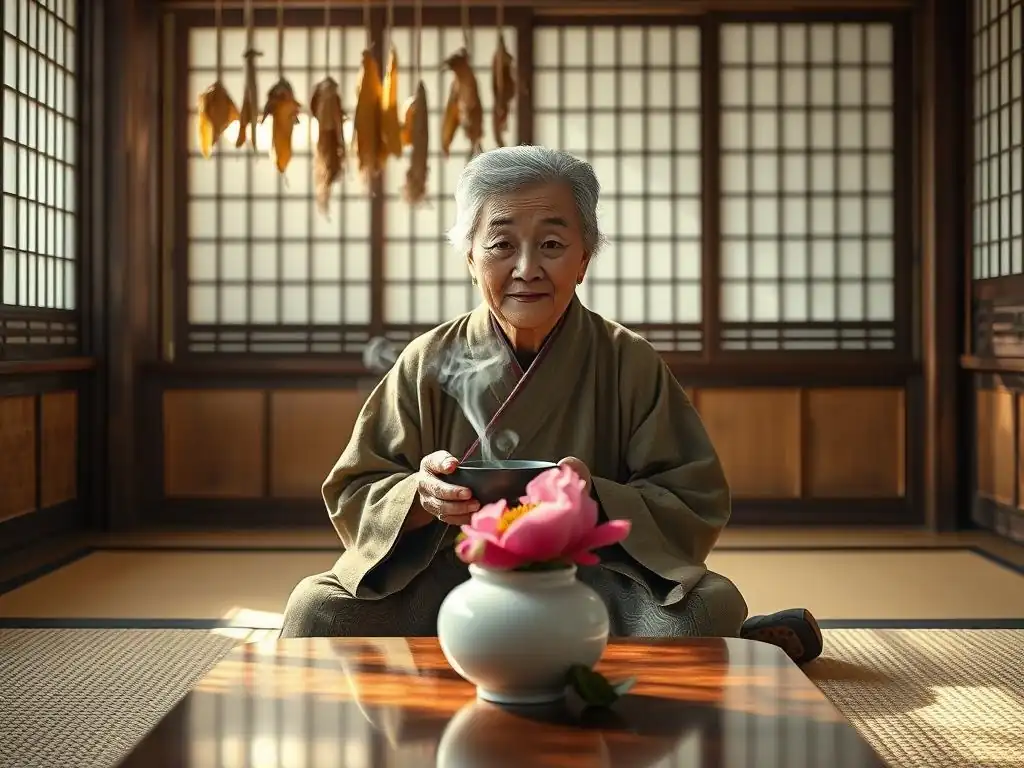
Welcome to Mind Care Guide, a space dedicated to nurturing your mental well-being.
Are you seeking a fresh perspective on emotional balance? Perhaps ancient wisdom holds the key. Delve into our exploration of Korean traditional healing emotional balance, a practice rooted in centuries of cultural understanding. Could these time-tested methods offer a path to inner peace you haven't considered? Discover the secrets within and begin your journey towards a more balanced you.
Korean Traditional Healing Methods for Emotional Balance: A Mind Care Guide
- Introduction: Finding Emotional Equilibrium with Korean Traditional Practices
- Core Principles of Korean Traditional Healing for Mental Health
- Key Korean Traditional Healing Modalities for Emotional Well-being
- Lifestyle Practices for Emotional Harmony in Korean Tradition
- Integrating Korean Traditional Healing into Modern Life
- Conclusion: Cultivating Emotional Balance Through Korean Wisdom
-
Frequently Asked Questions
- How does Korean traditional healing approach emotional balance?
- What are some examples of Korean traditional healing methods for emotional well-being?
- What is the role of Qi in Korean traditional healing and emotional balance?
- Are Korean traditional healing methods scientifically proven to improve emotional balance?
- Where can someone find resources or practitioners specializing in Korean traditional healing for emotional balance?
- Final Reflection: Finding Harmony Through Ancient Wisdom
- Unveil Your Inner Harmony: Take Charge of Your Emotional Well-being
Introduction: Finding Emotional Equilibrium with Korean Traditional Practices
Understanding the Importance of Emotional Balance in Korean Culture
In Korean culture, emotional balance is deeply intertwined with overall health and well-being. The concept of Jeong, a complex term encompassing affection, attachment, and connection, highlights the significance of harmonious relationships and inner peace. Maintaining emotional equilibrium is not merely the absence of negative feelings, but an active state of harmony within oneself and with one's environment. This perspective has shaped traditional Korean healing methods, which often focus on restoring flow and balance to emotional states.
For centuries, Korean society has recognized that unresolved emotions can manifest physically, leading to various ailments. Traditional practices emphasize addressing the root causes of emotional distress, often linked to imbalances in the body's vital energy or disruptions in relationships. Proverbs and cultural narratives frequently underscore the importance of managing one's feelings for a long and healthy life, reflecting a collective understanding that emotional health is fundamental to human existence.
Mind Care Guide: Exploring Eastern Approaches to Mental Well-being
As part of a comprehensive mind care guide, exploring Eastern approaches like Korean traditional healing offers valuable alternative and complementary perspectives on mental well-being. While Western psychology often focuses on cognitive and behavioral aspects, Korean traditional methods frequently incorporate physical, spiritual, and environmental factors, offering a holistic view of the individual. This approach can provide new tools and insights for those seeking different paths to emotional health.
Understanding these traditional practices allows individuals to appreciate the diverse ways cultures have historically addressed mental and emotional challenges. It highlights the universality of the human desire for peace and stability while showcasing unique cultural expressions of healing. Integrating insights from Korean traditional healing emotional balance into a personal wellness journey can broaden one's understanding and provide a richer toolkit for navigating life's emotional landscape.
Core Principles of Korean Traditional Healing for Mental Health
The Mind-Body Connection: A Holistic Approach
Korean traditional healing, often referred to as Hanbang, operates on the fundamental principle of the mind-body connection. It asserts that the physical and emotional states are inseparable and constantly influence each other. A physical ailment can cause emotional distress, and conversely, chronic emotional imbalance, such as prolonged stress or anger, can lead to physical symptoms and diseases. This holistic view contrasts with approaches that compartmentalize mental and physical health.
Practitioners of Hanbang assess a person's overall state – their physical constitution, emotional patterns, lifestyle, and environmental factors – to diagnose and treat imbalances. Treatment plans are tailored to the individual, aiming to restore harmony across all these dimensions. For example, a patient presenting with digestive issues might also be treated for anxiety or stress, as these are seen as interconnected manifestations of an underlying disharmony within the body's energy systems. This integrated perspective is central to achieving Korean traditional healing emotional balance.
Gi (Qi): The Vital Energy Force and Emotional Flow
A core concept in Korean traditional healing is Gi (often translated as Qi or Chi), the vital energy or life force that flows through the body along specific pathways called meridians. According to this principle, health depends on the smooth and abundant flow of Gi. Emotional states are closely linked to this energy flow; for instance, stagnation of Gi is often associated with feelings of frustration, anger, or depression, while a deficiency might manifest as lethargy or anxiety.
Achieving Korean traditional healing emotional balance involves ensuring that Gi flows freely and harmoniously. Practices such as acupuncture, acupressure, herbal medicine, and certain forms of meditation and movement are all designed to regulate Gi. For example, a practitioner might use acupuncture needles to unblock stagnant Gi in meridians associated with the liver, which is traditionally linked to anger and stress. By restoring the proper flow of this vital energy, these methods aim to alleviate emotional distress and promote overall well-being.
Hwa-Byung (Anger Syndrome): A Culturally Specific Emotional Disorder
Hwa-Byung, often translated as "anger syndrome" or "fire illness," is a culturally recognized mental and physical disorder prominent in Korean traditional healing. It is typically characterized by suppressed anger and frustration, often stemming from stressful life events or perceived injustices, particularly common among middle-aged women in patriarchal societal contexts historically. Symptoms can be both psychological (irritability, anxiety, depression, panic) and physical (headaches, palpitations, digestive issues, chest tightness, a feeling of heat).
From the perspective of Korean traditional healing, Hwa-Byung is understood as a condition caused by the accumulation and stagnation of Hwa (fire) and Gi within the body, often specifically affecting the heart and liver systems. Treatment focuses on diffusing the accumulated Hwa and promoting the smooth flow of Gi.
This might involve specific herbal prescriptions designed to cool the internal fire and regulate Gi, acupuncture to release blockages, and therapeutic counseling to help individuals express and process suppressed emotions. Recognizing Hwa-Byung as a distinct syndrome highlights the cultural lens through which emotional suffering is understood and treated in Korea, emphasizing the need for culturally sensitive approaches to mental health.
Key Korean Traditional Healing Modalities for Emotional Well-being
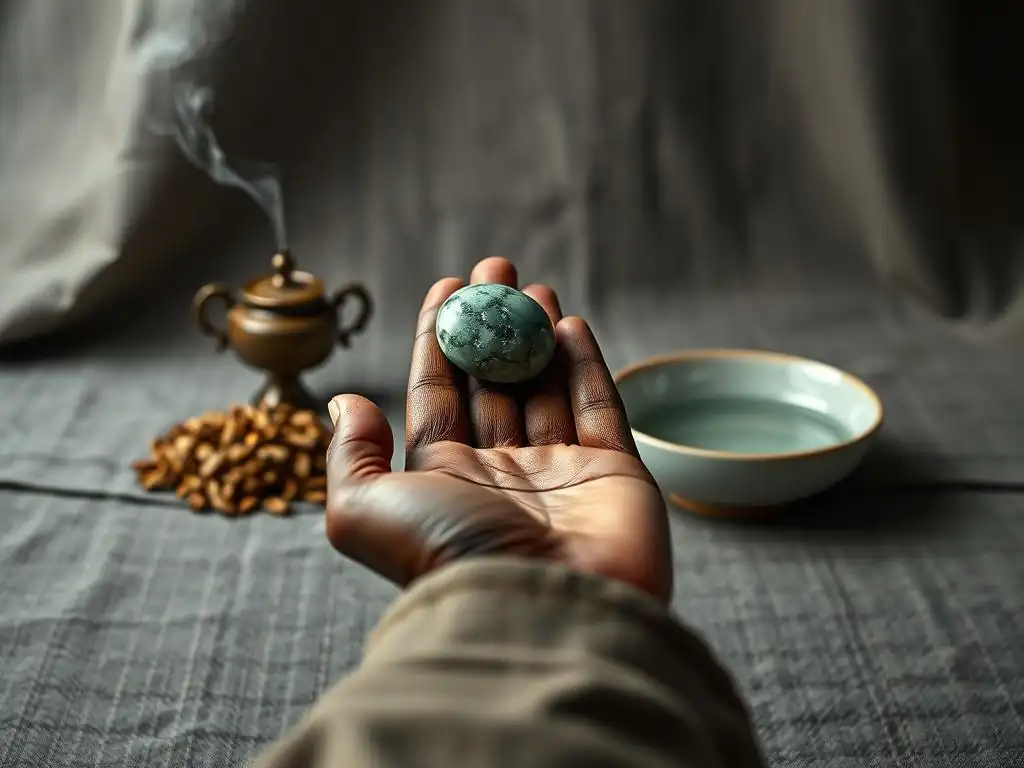
Hanbang (Korean Traditional Medicine) for Emotional Regulation
Hanbang, the comprehensive system of Korean traditional medicine, employs a variety of modalities to regulate emotions and promote mental well-being. These methods are based on the principles of balancing Gi, blood, and bodily fluids, and restoring harmony between internal organs and external factors. Hanbang practitioners conduct detailed consultations, examining pulse, tongue, and physical constitution to determine the specific pattern of imbalance contributing to emotional distress.
Treatment within Hanbang is highly individualized. A person experiencing anxiety might receive a different combination of therapies than someone with depression, even if both are emotional imbalances, because the underlying patterns of disharmony are assessed uniquely. The focus is always on addressing the root cause rather than just suppressing symptoms, aiming for sustainable Korean traditional healing emotional balance.
Herbal Remedies for Anxiety and Depression
Herbal medicine is a cornerstone of Hanbang and is widely used for treating emotional disorders like anxiety and depression. Prescriptions are complex formulas, often containing a combination of dozens of different herbs, each chosen for its specific properties in balancing the body's systems. For example, certain herbs like Insam (Korean Ginseng) are traditionally used to tonify Gi and calm the spirit, often prescribed for lethargy and depression associated with deficiency.
Other herbs, such as Banha (Pinellia) or Hyeonggae (Schizonepeta), might be included in formulas designed to resolve phlegm or dampness, which are traditionally seen as contributing factors to anxiety and stagnation of Gi that can manifest as emotional unease. While research on specific Korean herbal formulas is ongoing, general understanding suggests that these combinations work synergistically to regulate neurotransmitters, reduce inflammation, and restore physiological balance, contributing to improved emotional states. Many individuals report significant relief from symptoms after consistent use under the guidance of a qualified practitioner.
Acupuncture and Acupressure for Stress Reduction
Acupuncture, known as Chim in Korean, is a key therapeutic technique in Hanbang for managing stress and emotional distress. It involves inserting thin needles into specific points along the body's meridians to stimulate the flow of Gi and blood. From a traditional perspective, this helps to unblock stagnation and redirect energy, alleviating emotional imbalances. Common acupuncture points used for stress reduction include those on the hands (like Hegu, LI4), feet (like Taichong, LR3), and ears.
Acupressure, a non-invasive form using finger pressure instead of needles, works on the same principles and points. Both modalities are believed to influence the nervous system, potentially affecting the release of endorphins and regulating stress hormones like cortisol. Many patients report feeling a sense of calm and relaxation during and after acupuncture or acupressure sessions. While individual responses vary, studies and anecdotal evidence suggest that these practices can be effective in reducing perceived stress levels and improving symptoms associated with anxiety and tension, contributing to Korean traditional healing emotional balance.
Myeong-Sang (Korean Meditation) for Inner Peace
Myeong-Sang, the Korean term for meditation, is a practice deeply embedded in various spiritual and philosophical traditions in Korea, including Buddhism and Taoism. It is considered a powerful tool for cultivating inner peace, self-awareness, and emotional stability. Regular meditation practice helps individuals quiet the mind, observe thoughts and emotions without judgment, and develop a greater sense of presence and calm.
Integrating Myeong-Sang into daily life can significantly impact emotional well-being. By training the mind to reduce reactivity to stressors and cultivate a more grounded perspective, individuals can navigate challenging emotions with greater ease. This practice is fundamental to achieving Korean traditional healing emotional balance, offering a path to profound inner tranquility.
Types of Korean Meditation Practices
Korean meditation encompasses various forms, each with slightly different focuses but sharing the common goal of training the mind. Seon (Zen) meditation, derived from Buddhism, is perhaps the most well-known. It often involves focused attention on the breath or simply sitting in a state of open awareness, aiming to achieve sudden enlightenment or gradual insight into the nature of reality. Sitting meditation ( Jwaseon) is a primary practice, often done for extended periods.
Other forms include walking meditation ( Haengseon), chanting meditation, and specific mindfulness exercises focusing on bodily sensations or external stimuli. Some traditional practices might also incorporate guided visualizations or contemplative exercises rooted in Confucian or Taoist philosophies, emphasizing harmony with nature or ethical self-cultivation. The diversity of Myeong-Sang allows individuals to find a practice that resonates with them.
Benefits of Myeong-Sang for Emotional Stability
Consistent practice of Myeong-Sang offers numerous benefits for emotional stability. It helps reduce rumination – the tendency to dwell on negative thoughts – by training the mind to observe thoughts without getting entangled in them. This can significantly alleviate symptoms of anxiety and depression. Meditation also enhances self-awareness, allowing individuals to recognize their emotional patterns and triggers more clearly.
Furthermore, Myeong-Sang is known to activate the parasympathetic nervous system, promoting relaxation and reducing the physiological stress response. Regular practitioners often report improved mood, increased resilience to stress, and a greater sense of overall well-being. Studies suggest that even short, consistent meditation sessions can lead to measurable changes in brain activity associated with emotional regulation, making it a valuable tool for cultivating Korean traditional healing emotional balance.
Korean Tea Ceremony (Darye) for Mindfulness and Calm
The Korean Tea Ceremony, known as Darye, is far more than just drinking tea; it is a ritualistic practice steeped in mindfulness and designed to cultivate calm and connection. Traditionally, it was practiced by scholars and elites as a way to purify the mind, foster contemplation, and strengthen social bonds in a serene setting. The deliberate, slow pace of the ceremony encourages participants to be fully present in the moment.
The process of preparing and serving tea – from heating the water to pouring and sipping – is performed with precision and grace, demanding focused attention. This focus on the details of the ritual helps quiet the mental chatter and promotes a state of relaxed awareness. Engaging in Darye can be a powerful antidote to the busyness and stress of modern life, offering a dedicated time for stillness and reflection, contributing to Korean traditional healing emotional balance.
The Ritual and its Impact on Mental Clarity
The Darye ritual involves several steps, each performed with intention. The careful selection of tea, the warming of the pot and cups, the precise temperature of the water, and the measured pouring all contribute to a sense of order and tranquility. The slow sipping of the tea encourages savoring the taste and aroma, further grounding the individual in the present moment. This deliberate pacing and focus on sensory experience naturally induce a state of mindfulness.
The quiet atmosphere and the shared experience, often performed in a traditional setting or with a view of nature, also contribute to its calming effect. By engaging the senses and requiring focused attention on a gentle, repetitive task, Darye effectively draws the mind away from worries and distractions, promoting mental clarity and a sense of peacefulness. It is a practical application of mindfulness that has been practiced for centuries.
Choosing Teas for Specific Emotional Needs
Different types of tea used in Darye are traditionally believed to have varying effects on the body and mind, aligning with principles of Hanbang. Green tea ( Nokcha), a staple, is known for its calming properties, partly due to L-theanine, an amino acid that promotes relaxation without drowsiness. It's often consumed for its refreshing and clarifying effect, helping to soothe the mind.
Other teas, or herbal infusions, might be chosen based on specific emotional needs. For example, teas made from jujube ( Daechu) or Omija berries are traditionally considered beneficial for calming the spirit and reducing anxiety. Ginger tea might be used to warm the body and invigorate Gi, helping to lift spirits associated with lethargy. Selecting a tea based on its perceived properties adds another layer of intention to the ceremony, supporting the goal of achieving Korean traditional healing emotional balance.
Traditional Korean Music Therapy (Gugak)
Traditional Korean music, known as Gugak, has long been recognized for its therapeutic qualities. Its rhythms, melodies, and unique instrumentation are believed to influence the listener's emotional and physiological states. Gugak encompasses a wide range of genres, from the refined court music ( Jeongak) to the more expressive folk music ( Minsogak), each offering distinct emotional experiences and potential healing benefits.
Listening to or participating in Gugak can serve as a form of emotional release, relaxation, or contemplation. The structure and sounds of the music are thought to resonate with the body's natural rhythms and energy flows. Integrating Gugak into one's routine can be a soothing practice for managing stress and promoting emotional harmony, contributing to Korean traditional healing emotional balance.
The Healing Power of Sound and Rhythm
In Korean traditional thought, sound and rhythm are considered powerful forces that can affect the body's Gi and the balance of Yin and Yang. Certain Gugak pieces are composed with specific intentions, such as calming the mind, invigorating the spirit, or expressing deep sorrow. The slow, deliberate pace of some Jeongak pieces, for instance, is thought to promote relaxation and introspection, while the dynamic, often improvisational nature of Minsogak can facilitate the release of pent-up emotions.
The unique timbres of traditional Korean instruments also play a role. The deep resonance of drums ( Buk, Janggu) can be grounding, while the ethereal sounds of string instruments ( Gayageum, Geomungo) or wind instruments ( Daegeum, Piri) can evoke feelings of tranquility or melancholy, allowing for emotional processing. Engaging with these sounds can help regulate the nervous system and create a sense of inner equilibrium.
Examples of Gugak Instruments and their Therapeutic Applications
Several Gugak instruments are particularly noted for their therapeutic potential. The Gayageum, a 12-stringed zither, produces delicate, resonant tones often associated with contemplation and calm. Listening to or playing the Gayageum is considered soothing for the mind and spirit, potentially reducing anxiety.
The Daegeum, a large bamboo flute, produces a unique, sometimes breathy sound that can be both melancholic and deeply moving. Its sound is thought to resonate with natural frequencies and can be used to express and process complex emotions. Percussion instruments like the Janggu (hourglass drum) and Buk (barrel drum) provide rhythm and grounding; their beats can be used in therapeutic settings to help individuals connect with their internal rhythm and release physical tension associated with stress.
Korean Folk Dance and Movement for Emotional Release
Traditional Korean folk dance and movement practices offer a dynamic approach to emotional release and well-being. Unlike structured exercise, these forms often emphasize expression, connection to nature, and the free flow of energy within the body. Engaging in traditional dance can be a cathartic experience, allowing individuals to externalize emotions that might otherwise remain suppressed.
Movement is seen as essential for maintaining the smooth flow of Gi and preventing stagnation, which is linked to emotional blockages. Participating in traditional dance or movement forms can invigorate the body, clear the mind, and provide a powerful outlet for stress and tension, contributing to Korean traditional healing emotional balance.
Connecting with Nature and Expressing Emotions Through Dance
Many traditional Korean dances are historically linked to agricultural cycles, shamanistic rituals, and community gatherings, often performed outdoors. This connection to nature is integral; movements might mimic natural phenomena or flow with the rhythm of the seasons. Dancing in natural settings is believed to enhance the therapeutic effect by fostering a sense of harmony with the environment.
The expressive nature of Korean folk dance allows for a wide range of emotions to be conveyed through gesture, posture, and rhythm. Dances can be joyous and energetic, solemn and introspective, or powerful and cathartic. This provides participants with a non-verbal means of exploring and expressing their inner world, offering a release valve for emotional pressure.
Salpuri and its Emotional Benefits
Salpuri, meaning "spirit cleansing dance," is a prime example of a Korean traditional dance form specifically aimed at emotional and spiritual purification. Originally derived from shamanistic rituals, it is a solo improvisational dance often performed by a female dancer using a long white silk scarf. The dance is characterized by its fluid, yet sometimes sharp and sudden movements, embodying both sorrow and the transcendence of suffering.
Performing or witnessing Salpuri is intended to dispel negative energies or spirits ( Sal) and resolve deep-seated sorrow or grief. The dancer's movements, often starting with slow, restrained gestures and building to passionate, expansive expressions before returning to calm, mirror a journey through emotional turmoil towards resolution. It is considered a powerful practice for emotional catharsis and restoring inner peace.
Lifestyle Practices for Emotional Harmony in Korean Tradition
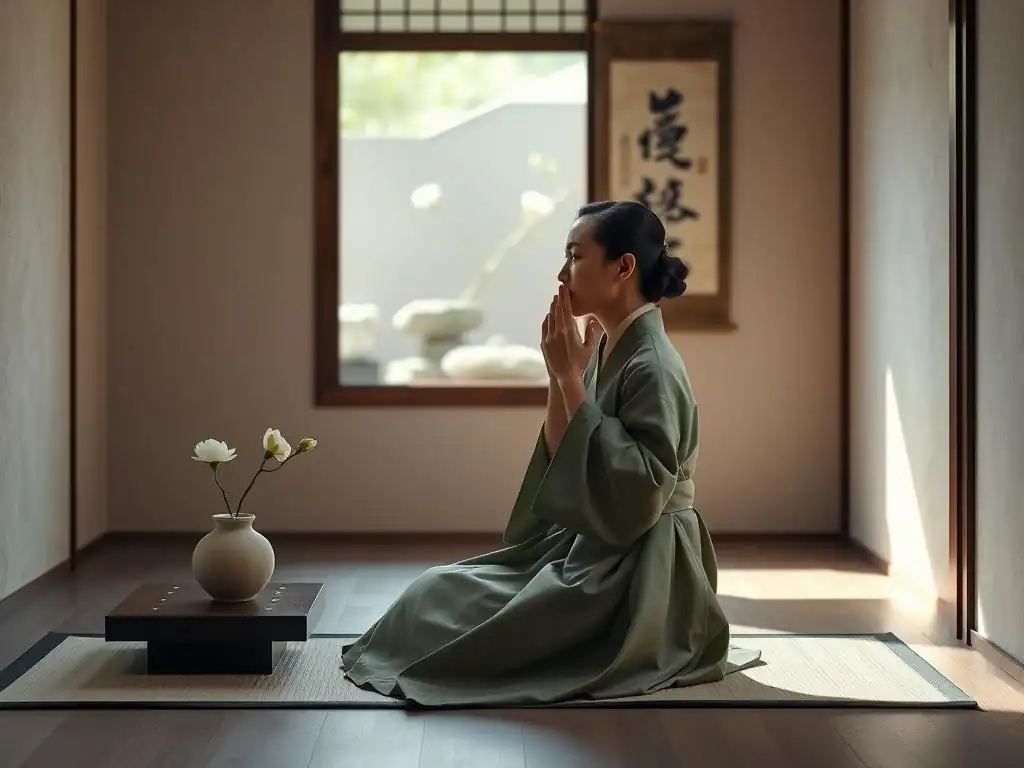
Food as Medicine: Korean Diet for Emotional Well-being
In Korean traditional healing, food is considered medicine, playing a vital role in maintaining overall health, including emotional balance. The traditional Korean diet is typically rich in fermented foods, vegetables, grains, and lean proteins, emphasizing seasonal and locally sourced ingredients. Dietary recommendations in Hanbang are often tailored to an individual's constitution and current imbalances, but general principles promote foods that nourish the body and calm the mind.
A balanced Korean diet is believed to support the body's natural healing processes and ensure the smooth flow of Gi and blood, which are essential for emotional stability. Avoiding excessively stimulating or 'heating' foods (like very spicy or fried items in excess) and focusing on nourishing, 'cooling' or 'warming' foods as appropriate for one's constitution are common recommendations for maintaining emotional harmony.
Kimchi and its Emotional Benefits
Kimchi, the ubiquitous fermented cabbage dish, is a prime example of traditional Korean "food as medicine" with potential benefits for emotional well-being. As a fermented food, kimchi is rich in probiotics, beneficial bacteria that support gut health. Emerging research highlights the significant connection between the gut and the brain – the "gut-brain axis" – suggesting that a healthy gut microbiome can influence mood and cognitive function.
Consuming probiotic-rich foods like kimchi may help reduce inflammation and produce neurotransmitters that affect mood. While more specific research is needed, the traditional belief in kimchi's health-promoting properties aligns with modern understanding of the gut's role in mental health. Its role as a staple shared meal also reinforces community bonds, which are vital for emotional support and stability, contributing to Korean traditional healing emotional balance.
The Importance of Nature and Outdoor Activities
Connecting with nature is a deeply valued practice in Korean tradition for cultivating physical and mental well-being. Spending time outdoors, whether hiking in mountains, walking along rivers, or simply enjoying a garden, is believed to replenish vital energy and restore balance. The natural environment is seen as a source of healing energy that can soothe the mind and relieve stress.
Traditional Korean architecture often incorporates natural elements and views, blurring the lines between indoor and outdoor spaces, reflecting this value. Engaging with nature provides a contrast to the stressors of urban life and offers a sense of perspective and tranquility. It is considered an essential component of a lifestyle aimed at achieving Korean traditional healing emotional balance.
Forest Bathing and its Impact
Sanlimyok, often translated as "forest bathing" or "forest healing," is a practice particularly emphasized in Korea. It involves immersing oneself in the atmosphere of the forest, engaging the senses to connect with the natural surroundings. This is not strenuous hiking, but rather slow, mindful walking and spending time simply being among the trees.
Studies, including those conducted in Korea, have shown that spending time in forests can significantly reduce stress hormones like cortisol, lower blood pressure and heart rate, and improve mood. The phytoncides emitted by trees are thought to play a role in these physiological effects. Forest bathing offers a tangible way to leverage the healing power of nature for emotional restoration and mental clarity.
Strong social bonds and community support are fundamental pillars of emotional well-being in Korean tradition. The concept of Jeong, mentioned earlier, underscores the importance of deep, affectionate ties within families and communities. The collective welfare often takes precedence, and individuals are expected to support and care for one another.
Elders play a significant role, often serving as sources of wisdom, guidance, and emotional support. Sharing troubles with family members or trusted community members is a traditional way of processing difficulties and alleviating emotional burdens. This robust social safety net provides a buffer against stress and loneliness, which are significant risk factors for mental health issues. Maintaining these connections is considered vital for achieving Korean traditional healing emotional balance.
Integrating Korean Traditional Healing into Modern Life
Finding Qualified Practitioners of Korean Traditional Medicine
For those interested in exploring Hanbang for emotional well-being, finding a qualified practitioner is crucial. In Korea, Hanbang practitioners are licensed professionals who undergo rigorous training, similar to Western medical doctors. Outside of Korea, availability and licensing may vary, but seeking practitioners trained in recognized institutions or affiliated with established Hanbang hospitals is recommended.
A consultation with a Hanbang doctor typically involves a detailed assessment of physical symptoms, emotional state, lifestyle, and constitution. They will then recommend a personalized treatment plan that may include herbal medicine, acupuncture, moxibustion, cupping, or dietary advice. Approaching this with an open mind and clear communication about one's emotional concerns is key to a beneficial experience.
Combining Traditional and Western Approaches to Mental Health
Integrating Korean traditional healing methods with Western psychological and medical approaches can offer a comprehensive strategy for mental well-being. These systems are not necessarily mutually exclusive and can often complement each other. For instance, someone managing depression might continue talk therapy and medication while also using acupuncture for stress relief or practicing Myeong-Sang for mindfulness.
It is essential to communicate openly with all healthcare providers – both Western and traditional – about all treatments being used to ensure safety and coordination of care. Many individuals find that combining the strengths of both systems provides a more holistic and effective path towards achieving and maintaining Korean traditional healing emotional balance.
Creating a Personalized Emotional Wellness Plan based on Korean Principles
Drawing inspiration from Korean traditional healing, individuals can create a personalized plan for emotional wellness. This might involve incorporating practices like regular mindful tea breaks ( Darye), spending time in nature (forest bathing), exploring meditation ( Myeong-Sang), or even trying an introductory session of acupuncture or acupressure for stress.
Considering dietary habits through the lens of Hanbang principles and consciously nurturing social connections are also valuable steps. The goal is not necessarily to adopt every traditional practice but to identify elements that resonate and feel sustainable within one's modern lifestyle, fostering a sense of connection to these ancient wisdom traditions while cultivating personal Korean traditional healing emotional balance.
Conclusion: Cultivating Emotional Balance Through Korean Wisdom
The Enduring Relevance of Korean Traditional Healing
Korean traditional healing methods offer timeless wisdom for navigating the complexities of emotional life. Rooted in a deep understanding of the mind-body connection, the flow of vital energy ( Gi), and the importance of harmony, these practices provide a holistic framework for achieving and maintaining emotional balance. From herbal medicine and acupuncture to meditation, tea ceremony, music, and dance, the modalities are diverse, yet unified by core principles focused on restoring equilibrium.
In an increasingly fast-paced and stressful world, the emphasis on mindfulness, connection to nature, strong community ties, and personalized care found in Korean tradition holds significant relevance. These practices remind us that true well-being involves nurturing our inner landscape and our relationship with the world around us, offering powerful tools for enhancing mental and emotional health.
Further Resources for Exploring Korean Mental Wellness Practices
Exploring Korean traditional healing emotional balance can be a rewarding journey. While specific resources cannot be linked here, searching for reputable books, articles, and academic papers on Hanbang, Korean meditation, and cultural perspectives on mental health can provide deeper insights. Many major cities outside of Korea may have licensed Hanbang practitioners or cultural centers that offer workshops on practices like Darye or Myeong-Sang. Engaging with Korean cultural arts, such as attending Gugak performances or Korean dance classes, can also offer experiential understanding of these healing traditions. Remember to seek guidance from qualified professionals for any health concerns.
Frequently Asked Questions
How does Korean traditional healing approach emotional balance?
Korean traditional healing views emotional balance as integral to overall well-being, aiming to harmonize the mind, body, and spirit. Practices often involve restoring the flow of Qi and addressing imbalances.
What are some examples of Korean traditional healing methods for emotional well-being?
Examples include meditation, herbal remedies (like teas), and acupuncture. These methods are used to reduce stress, promote relaxation, and address underlying emotional imbalances.
What is the role of Qi in Korean traditional healing and emotional balance?
Qi, or vital energy, is considered crucial; imbalances in its flow can manifest as emotional distress. Traditional healing aims to restore and balance Qi flow to improve emotional regulation.
Are Korean traditional healing methods scientifically proven to improve emotional balance?
While anecdotal evidence and cultural practices suggest benefits, rigorous scientific evidence is still developing. However, many studies support the effectiveness of practices like meditation and acupuncture for stress reduction and emotional well-being.
Where can someone find resources or practitioners specializing in Korean traditional healing for emotional balance?
Look for qualified acupuncturists, herbalists, or practitioners specializing in Korean traditional medicine (KTM). Searching online directories and consulting with local Korean cultural centers can also be helpful.
Final Reflection: Finding Harmony Through Ancient Wisdom
The enduring wisdom of Korean traditional healing offers a powerful antidote to the pervasive stress and emotional imbalances of modern life. In a world increasingly dominated by fast-paced technology and relentless demands, the holistic approaches detailed in this article provide a vital pathway towards cultivating inner peace and resilience. These methods, far from being relics of the past, offer a timely and relevant solution to the very real challenges we face today.
The exploration of practices like Su Jok therapy, herbal remedies, and mindful meditation has profoundly impacted my understanding of emotional well-being. These techniques aren't merely about treating symptoms; they address the root causes of imbalance, fostering a deeper connection between mind, body, and spirit. The greatest wealth is health,
a proverb often heard in Korea, truly encapsulates the philosophy underpinning these ancient practices. Their enduring influence on Korean culture, and their increasing global recognition, underscores the universal need for holistic approaches to mental and emotional health.
Consider the profound impact these methods could have on your own life. Perhaps you'll explore the gentle pressure points of Su Jok, delve into the calming properties of Korean herbal teas, or incorporate mindful meditation into your daily routine. The journey towards emotional balance is a personal one, but the tools and wisdom of Korean traditional healing offer a guiding light on this path. Embrace the opportunity to discover a deeper connection with yourself and find harmony within.
Unveil Your Inner Harmony: Take Charge of Your Emotional Well-being
Thanks for taking the time to explore the fascinating world of Korean traditional healing methods for emotional balance! We hope you gained valuable insights into practices that can nurture your mind and spirit. Now, it's time to put this knowledge into action.
- Begin your personal journey: Select one healing technique from the article that resonates most with you and dedicate just 15 minutes today to practicing it. Even a short session can make a difference.
- Share your experience: Tell us (or a friend!) about your initial experience. What did you notice? What surprised you? Sharing your journey can help others and deepen your own understanding.
- Explore further: Research additional Korean healing practices or discover similar techniques from other cultures to expand your self-care toolkit.
Ready to embark on this path towards greater emotional harmony? What small step will you take today to prioritize your emotional well-being?