
The Link Between Physical and Mental Health: Western Understanding


Welcome to Mind Care Guide, a space dedicated to nurturing your mental well-being. Are you curious about the powerful connection between your body and mind? This article delves into the often-overlooked physical & mental health link, exploring how Western perspectives understand this intricate relationship. But what if bridging this gap could unlock a new path to inner peace and resilience? Discover the insights that await and embark on a journey towards holistic well-being.
- The Link Between Physical and Mental Health: A Western Understanding
- Understanding the Interconnectedness of Body and Mind
- Western Approaches to Integrating Physical and Mental Healthcare
- Challenges and Future Directions in Western Mental Healthcare
- Conclusion: Embracing the Physical & Mental Health Link for Optimal Well-being
-
Frequently Asked Questions
- What is the basic connection between physical and mental health according to Western understanding?
- How can physical activity specifically improve mental well-being?
- What role does diet play in the physical & mental health link?
- Are there specific physical illnesses that are more commonly linked to mental health issues?
- How can a person start improving their physical and mental health in tandem?
- Final Reflection: Weaving the Mind and Body Together
- Unlock Your Holistic Wellbeing: Body & Mind
The Link Between Physical and Mental Health: A Western Understanding
Introduction: Exploring the Physical & Mental Health Link in Western Cultures
In Western cultures, the understanding of health has traditionally been compartmentalized, often treating physical ailments and mental health conditions as separate entities. However, a growing body of research and evolving clinical practice highlight the profound and undeniable link between physical and mental health. This interconnectedness means that the state of one significantly influences the state of the other, forming a dynamic and complex relationship that is central to overall well-being. Recognizing and addressing this physical & mental health link is crucial for developing effective, holistic healthcare strategies that can lead to better outcomes for individuals.
This shift towards acknowledging the physical & mental health link represents a more comprehensive view of human health. It moves beyond simply treating isolated symptoms to considering the person as a whole, where the mind and body are in constant communication. Understanding this bond is not just an academic exercise; it has practical implications for prevention, diagnosis, and treatment across various health conditions. By exploring this connection through a Western lens, we can better appreciate the challenges and opportunities in integrating care and promoting true wellness.
Understanding the Interconnectedness of Body and Mind
A foundational concept in Western medicine that attempts to capture the physical & mental health link is the biopsychosocial model. Introduced by George Engel in the 1970s, this model posits that health and illness are determined by the interplay of biological factors (genetics, physiology), psychological factors (thoughts, emotions, behaviors), and social factors (environment, culture, relationships). It stands in contrast to the purely biomedical model, which often focuses solely on biological causes and treatments, thereby often overlooking the crucial physical & mental health link. The biopsychosocial framework emphasizes that understanding a patient's experience of illness requires considering all these dimensions.
Applying the biopsychosocial model helps clinicians and researchers see how a physical illness might be exacerbated by stress or social isolation, just as a mental health condition might manifest through physical symptoms like chronic pain or fatigue. For example, someone experiencing depression might have biological changes in brain chemistry, psychological symptoms like hopelessness, and social withdrawal. All these factors interact, making a holistic approach essential. This model provides a theoretical basis for integrated care, acknowledging that addressing the physical & mental health link requires considering the full spectrum of influences on an individual's well-being.
How Physical Health Impacts Mental Well-being
Chronic Pain and Mental Health: A Complex Relationship
Chronic pain is a pervasive issue affecting millions globally, and its connection to mental health is particularly strong. Individuals living with persistent pain often experience significant psychological distress, including increased rates of depression and anxiety. Research indicates that up to 50% of people with chronic pain also suffer from depression, and anxiety is even more common. The constant discomfort, reduced mobility, difficulty sleeping, and impact on daily activities can lead to feelings of hopelessness, isolation, and frustration, directly affecting mood and cognitive function.
Moreover, the relationship is often bidirectional. Mental health conditions can lower a person's pain threshold, making them more sensitive to physical sensations. The stress and emotional burden associated with conditions like anxiety can also exacerbate physical symptoms. Effective treatment for chronic pain often requires addressing both the physical sensations and the psychological impact, highlighting the critical nature of the physical & mental health link in pain management. Ignoring the mental health component can significantly impede recovery and reduce quality of life for those with chronic pain.
The Gut-Brain Axis: Influencing Mood and Cognition
The gut-brain axis refers to the complex communication network connecting the central nervous system (brain) and the enteric nervous system (gut). This axis involves biochemical signaling between the gut microbiota (the trillions of microorganisms living in the digestive tract), hormones, neurotransmitters, and the immune system. Emerging research in Western medicine is increasingly recognizing the profound influence of gut health on mental states, including mood, stress response, and cognitive function. Dysregulation of the gut microbiome has been linked to various mental health conditions, such as depression, anxiety, and even neurodevelopmental disorders.
The gut produces a significant portion of the body's neurotransmitters, including serotonin, which is crucial for regulating mood. Inflammation in the gut can also trigger inflammatory responses throughout the body, including the brain, which is implicated in the development of depression and anxiety. Dietary patterns that promote a healthy gut microbiome, rich in fiber and fermented foods, are being explored as complementary strategies for supporting mental well-being. This area of research underscores a fascinating biological aspect of the physical & mental health link.
Cardiovascular Health and Mental State: The Connection
There is a well-established link between cardiovascular health and mental well-being. Individuals with heart disease have a higher prevalence of depression and anxiety compared to the general population. Estimates suggest that depression affects 15-20% of people who have experienced a heart attack and is a significant risk factor for future cardiac events. Similarly, chronic stress and anxiety can contribute to the development of cardiovascular risk factors like high blood pressure, elevated cholesterol, and unhealthy behaviors such as smoking or poor diet.
The physiological mechanisms underlying this connection are complex. Stress hormones like cortisol can negatively impact the cardiovascular system over time. Inflammation, a common factor in both heart disease and depression, also plays a role. Furthermore, the lifestyle changes often required after a cardiac event, coupled with the fear and uncertainty about the future, can significantly impact a person's mental state. Recognizing and treating depression and anxiety in cardiac patients is now considered essential for improving both their mental health and cardiovascular outcomes, reinforcing the importance of the physical & mental health link.
Sleep Deprivation: A Detriment to Both Physical and Mental Health
Adequate sleep is fundamental to both physical and mental health, and chronic sleep deprivation significantly impacts both. Lack of sleep can impair cognitive functions such as concentration, memory, and decision-making, and it is strongly associated with increased irritability, stress, anxiety, and depression. Individuals with insomnia or other sleep disorders are at a substantially higher risk of developing mental health conditions. For instance, studies show that chronic insomnia increases the risk of developing depression by several fold.
Physically, sleep deprivation affects hormone regulation, immune function, metabolic health, and cardiovascular health. It can lead to weight gain, insulin resistance, weakened immunity, and increased risk of heart disease. The interconnectedness is clear: poor sleep negatively affects mood and cognitive function, while mental health conditions like anxiety and depression can disrupt sleep patterns, creating a vicious cycle. Addressing sleep issues is often a crucial component in treating both physical and mental health conditions, highlighting another vital facet of the physical & mental health link.
How Mental Health Impacts Physical Health
Stress and the Body: Physiological Responses and Long-Term Effects
Stress, particularly chronic stress, triggers a cascade of physiological responses mediated by the body's stress response system, primarily the hypothalamic-pituitary-adrenal (HPA) axis. When faced with a stressor, the body releases hormones like cortisol and adrenaline, preparing for a "fight or flight" response. While beneficial in acute situations, prolonged exposure to these hormones due to chronic stress can have detrimental effects on physical health. This constant activation disrupts numerous bodily processes, illustrating a direct impact of mental state on physical function.
The long-term effects of chronic stress include increased inflammation throughout the body, which is linked to numerous chronic diseases such as cardiovascular disease, diabetes, autoimmune disorders, and certain types of cancer. Chronic stress can also impair immune function, making individuals more susceptible to infections. Digestive issues, muscle tension, headaches, and fatigue are common physical manifestations of prolonged psychological stress. Understanding how stress physically impacts the body is key to appreciating the profound physical & mental health link.
Anxiety and Physical Symptoms: Manifestations in the Body
Anxiety is a mental health condition characterized by excessive worry, nervousness, and apprehension, often accompanied by specific physical symptoms. These physical manifestations can include rapid heart rate, palpitations, shortness of breath, chest tightness, trembling, sweating, dizziness, and gastrointestinal distress such as nausea or irritable bowel syndrome (IBS). For many individuals, these physical symptoms can be quite distressing and may even be the primary reason they seek medical attention, sometimes without initially recognizing their psychological origin.
The autonomic nervous system, which controls involuntary bodily functions like heart rate and digestion, is highly reactive in states of anxiety. The constant state of heightened arousal can lead to muscle tension, headaches, and chronic fatigue. Over time, the persistent activation of stress responses due to anxiety can contribute to more significant physical health problems. Recognizing that these physical symptoms are often intricately linked to anxiety is vital for proper diagnosis and treatment, underscoring the significant physical & mental health link.
Depression and Physical Health Risks: A Closer Look
Depression is more than just feeling sad; it's a serious mood disorder that can have significant physical health consequences. Individuals with depression are at an increased risk for developing various chronic physical illnesses. For instance, depression is associated with a higher risk of cardiovascular disease, stroke, and diabetes. It can also worsen the prognosis for individuals already living with these conditions. The mortality rate for individuals with depression is higher than that of the general population, partly due to increased risk of chronic diseases and potentially unhealthy lifestyle behaviors often associated with depression.
The biological mechanisms linking depression to physical illness include chronic inflammation, hormonal imbalances (like elevated cortisol), and changes in neurotransmitter levels that affect various bodily systems. Furthermore, depression can lead to poor self-care, including neglecting diet, exercise, sleep, and adherence to medical treatments for existing physical conditions. This combination of biological vulnerability and behavioral factors highlights how a mental health condition like depression can profoundly impact physical health outcomes, demonstrating a powerful physical & mental health link.
The Impact of Mental Health on the Immune System
The immune system is significantly influenced by mental health. Chronic stress, anxiety, and depression can suppress immune function, making the body less effective at fighting off infections and potentially increasing vulnerability to certain diseases, including some cancers. The constant presence of stress hormones and inflammatory markers associated with poor mental health can disrupt the complex communication network between the brain and the immune system. This dysregulation can lead to a weakened immune response, impaired wound healing, and increased susceptibility to illnesses like the common cold or flu.
Conversely, positive mental states, such as feelings of well-being and optimism, have been associated with healthier immune profiles. This suggests that nurturing mental health can play a protective role in physical health by supporting robust immune function. Understanding this intricate relationship between psychological states and immune responses is crucial for a holistic approach to health, further emphasizing the vital physical & mental health link. Promoting mental wellness is not just about feeling better psychologically; it's also about bolstering the body's natural defenses.
Western Approaches to Integrating Physical and Mental Healthcare
Collaborative Care Models: Bridging the Gap
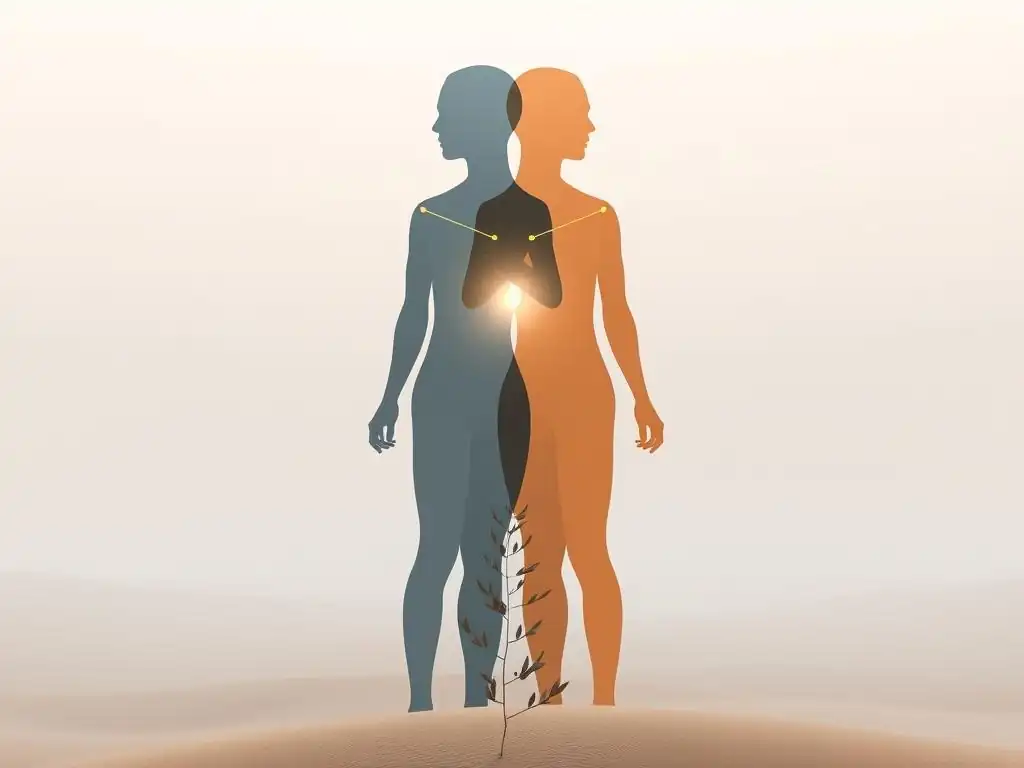
Recognizing the undeniable physical & mental health link, Western healthcare systems are increasingly exploring and implementing collaborative care models. These models aim to integrate mental health services into primary care settings, where most people access their healthcare. Instead of separate visits to a primary care physician and a mental health specialist, patients can receive care for both physical and mental health needs in one location. This approach typically involves a team that may include primary care physicians, nurses, mental health therapists, psychiatrists, and care managers working together.
Studies have shown that collaborative care models can significantly improve outcomes for patients with common mental health conditions like depression and anxiety, particularly when they co-occur with chronic physical illnesses. For example, integrated care programs have demonstrated higher rates of symptom reduction for depression among patients with diabetes or heart disease compared to traditional referral models. These models help overcome barriers to accessing mental healthcare, such as stigma, cost, and logistical challenges, making it easier to address the physical & mental health link comprehensively.
Exercise as a Mental Health Treatment: Evidence-Based Practices
Exercise is increasingly recognized in Western medicine as a valuable, evidence-based intervention for managing and treating various mental health conditions. Numerous studies have demonstrated that regular physical activity can reduce symptoms of depression and anxiety, improve mood, enhance cognitive function, and reduce stress. The benefits appear to be comparable to, or complementary with, pharmacological and psychotherapeutic interventions for some individuals. The precise mechanisms are still being researched, but they are believed to involve the release of endorphins, reduction of stress hormones, improved sleep, and increased self-esteem.
Integrating exercise into a mental health treatment plan is becoming more common. Healthcare providers may "prescribe" specific types and durations of physical activity as part of a comprehensive treatment strategy. This approach acknowledges the powerful physical & mental health link and leverages physical activity as a therapeutic tool. It is important for exercise recommendations to be tailored to the individual's physical health status, preferences, and mental health needs to ensure adherence and maximize benefits.
Types of Exercise Beneficial for Mental Health
Various types of exercise have shown positive effects on mental well-being. Aerobic exercises, such as brisk walking, running, swimming, or cycling, are particularly well-studied and have been shown to reduce symptoms of depression and anxiety. These activities elevate heart rate and increase oxygen flow to the brain, promoting the release of mood-boosting neurotransmitters.
Strength training or resistance exercise also offers mental health benefits, including reduced anxiety and improved body image and self-efficacy. Mind-body practices like yoga and Tai Chi, which combine physical movement with mindfulness and breathwork, are effective in reducing stress and improving overall psychological flexibility. The key is often finding an activity that is enjoyable and sustainable for the individual, making regular movement a consistent part of their routine to support the physical & mental health link.
Integrating Exercise into a Mental Health Treatment Plan
Integrating exercise into a mental health treatment plan requires a thoughtful approach, often involving collaboration between the patient, their therapist, and potentially a physical therapist or exercise specialist. The first step is assessing the individual's current physical activity level, preferences, and any physical limitations or health conditions. Setting realistic and achievable goals is crucial, starting small and gradually increasing intensity or duration.
Exercise can be framed not just as physical activity but as a therapeutic tool, helping patients understand its direct impact on their mood, energy levels, and stress management. Incorporating social support, such as exercising with a friend or joining a group, can also enhance adherence and provide additional mental health benefits. Tracking progress can be motivating, helping individuals see the tangible improvements in both their physical and mental health as they consistently engage in activity, reinforcing the positive physical & mental health link.
Nutrition and Mental Well-being: A Western Perspective
In Western nutrition science, the focus is increasingly shifting towards understanding how dietary patterns and specific nutrients influence brain function and mental health. While not a standalone cure, diet is recognized as a significant factor in maintaining overall well-being, including psychological health. Research suggests that certain dietary patterns, such as the Mediterranean diet, which is rich in fruits, vegetables, whole grains, lean proteins, and healthy fats, are associated with a lower risk of depression and anxiety. Conversely, diets high in processed foods, sugar, and unhealthy fats are linked to poorer mental health outcomes.
The mechanisms by which diet affects mental health are complex and involve various pathways, including inflammation, gut microbiome composition, neurotransmitter synthesis, and brain structure and function. Ensuring adequate intake of essential vitamins, minerals, and fatty acids is crucial for optimal brain health. Nutritional interventions are being explored as adjunctive therapies for mental health conditions, highlighting the dietary component of the physical & mental health link.
The Role of Diet in Mood Regulation
Diet plays a significant role in mood regulation through its impact on neurotransmitter production, blood sugar levels, and inflammation. Carbohydrates influence the availability of tryptophan, an amino acid that is a precursor to serotonin, a key neurotransmitter involved in mood. However, complex carbohydrates (whole grains) provide a more stable release of glucose and tryptophan compared to simple sugars, which can lead to energy crashes and mood swings.
Omega-3 fatty acids, found in fatty fish, are crucial for brain structure and function and have anti-inflammatory properties. Chronic inflammation is increasingly implicated in mood disorders, so consuming anti-inflammatory foods is beneficial. The gut microbiome, influenced by dietary fiber and fermented foods, produces various compounds, including short-chain fatty acids, that can impact brain health and mood. A balanced diet provides the necessary building blocks and regulatory signals for optimal brain function and mood stability, reflecting the physical & mental health link.
Specific Nutrients for Mental Health Support
Several specific nutrients are particularly important for brain health and mental well-being. Omega-3 fatty acids (EPA and DHA) are vital components of brain cell membranes and have anti-inflammatory effects; low levels have been associated with an increased risk of depression. B vitamins, particularly B6, B12, and folate, are essential for neurotransmitter synthesis and nervous system function; deficiencies are sometimes seen in individuals with depression.
Magnesium is involved in numerous biochemical reactions, including those related to stress response and neurotransmitter function; low magnesium levels have been linked to anxiety and depression. Vitamin D receptors are found in areas of the brain associated with depression, and studies have shown a correlation between Vitamin D deficiency and mood disorders. Probiotics, beneficial bacteria that support gut health, are also being studied for their potential positive impact on mood and anxiety, reinforcing the intricate physical & mental health link.
Mindfulness and Meditation: Techniques for Mind-Body Connection
Mindfulness and meditation are ancient practices that have gained significant traction in Western therapeutic contexts as powerful tools for fostering the physical & mental health link. Mindfulness involves paying attention to the present moment without judgment, while meditation often involves focused attention or open monitoring. These practices help individuals become more aware of their thoughts, feelings, and bodily sensations, fostering a greater sense of self-awareness and control over their reactions.
Regular practice of mindfulness and meditation has been shown to reduce stress, anxiety, and depression. These techniques can lower cortisol levels, reduce blood pressure, improve sleep quality, and even alter brain structure in areas associated with self-awareness, emotional regulation, and stress response. By training the mind to be present and less reactive, these practices can mitigate the physiological impact of stress and improve overall resilience, serving as practical methods to strengthen the physical & mental health link.
The Benefits of Mindfulness for Physical and Mental Health
Mindfulness offers a wide range of benefits for both physical and mental well-being. Mentally, it helps reduce rumination, worry, and negative thought patterns, leading to decreased symptoms of anxiety and depression. It enhances emotional regulation skills, allowing individuals to respond to challenges more skillfully rather than react impulsively. Mindfulness also improves focus, attention, and working memory.
Physically, mindfulness practices have been shown to reduce physiological markers of stress, such as heart rate and cortisol levels. They can help alleviate symptoms associated with stress-related conditions like IBS, headaches, and chronic pain by altering the perception of pain and reducing muscle tension. By calming the nervous system and promoting relaxation, mindfulness directly impacts physical health, underscoring its role in supporting the physical & mental health link.
Practical Mindfulness Exercises
Integrating mindfulness into daily life doesn't require hours of dedicated practice; even short exercises can be beneficial. A simple starting point is mindful breathing: taking a few moments to focus solely on the sensation of the breath entering and leaving the body. This can be done anywhere, anytime.
Another practice is a body scan meditation, where you systematically bring attention to different parts of the body, noticing sensations without trying to change them. Mindful eating involves paying attention to the sensory experience of food – its smell, texture, taste – rather than eating on autopilot. Incorporating these simple techniques can help individuals cultivate present moment awareness and strengthen their physical & mental health link.
Addressing Stigma: Encouraging Holistic Health Seeking
Despite growing awareness, stigma surrounding mental health remains a significant barrier in Western societies, hindering individuals from seeking help for mental health challenges, which in turn impacts their physical health. The misconception that mental illness is a sign of weakness or something to be ashamed of prevents open conversations about the physical & mental health link. This can lead to delayed diagnosis and treatment for both mental and physical conditions that are intertwined.
Addressing stigma requires promoting education, fostering empathy, and encouraging open dialogue about mental health as an integral part of overall health. Healthcare providers play a key role by adopting integrated care approaches that normalize seeking help for mental health concerns alongside physical ones. Public awareness campaigns that highlight the physical & mental health link can also help shift perceptions and encourage individuals to pursue holistic health seeking behaviors without fear of judgment.
Challenges and Future Directions in Western Mental Healthcare
Overcoming Barriers to Integrated Care
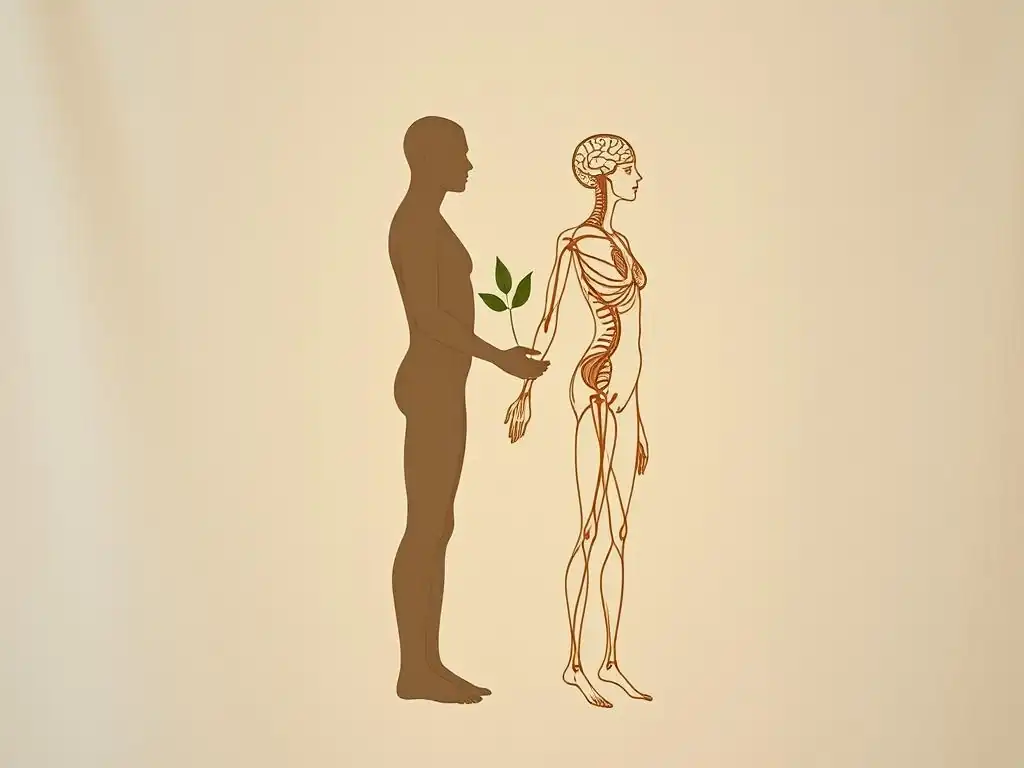
Despite the clear evidence supporting the physical & mental health link and the benefits of integrated care models, widespread implementation in Western healthcare systems faces several challenges. These include fragmented funding streams for physical and mental health services, lack of adequate training for healthcare professionals in both areas, and logistical difficulties in coordinating care across different settings. The traditional separation of physical and mental healthcare systems has created deep-seated structural barriers that are difficult to dismantle.
Furthermore, issues of access, particularly for underserved populations, persist. Ensuring that integrated care is equitable and available to all who need it requires policy changes, increased investment in mental healthcare infrastructure, and innovative approaches to workforce development. Overcoming these barriers is essential for truly addressing the physical & mental health link on a systemic level and improving population health outcomes.
The Role of Technology in Promoting Mind-Body Wellness
Technology is playing an increasingly important role in promoting mind-body wellness and supporting the physical & mental health link in Western healthcare. Telehealth platforms have expanded access to mental health services, allowing individuals to connect with therapists and psychiatrists remotely, which can be particularly beneficial for those in rural areas or with mobility issues. Mental health apps offer tools for tracking mood, practicing mindfulness, and accessing cognitive behavioral therapy (CBT) techniques.
Wearable devices and health tracking apps allow individuals to monitor physical activity, sleep patterns, and even heart rate variability, providing data that can inform both physical and mental health strategies. While technology cannot replace human interaction, it offers valuable tools for monitoring, self-management, and expanding access to care, helping individuals take a more active role in managing their physical & mental health link.
Personalized Approaches to Mental and Physical Health Integration
The future of addressing the physical & mental health link in Western healthcare is likely to involve more personalized approaches. Recognizing that each individual's experience of health and illness is unique, interventions are moving towards being tailored based on a person's specific biological vulnerabilities, psychological profile, social circumstances, and preferences. This could involve using genetic information to predict responsiveness to certain treatments, tailoring exercise and nutritional recommendations based on individual needs, and matching patients with the most appropriate type of integrated care.
Personalized approaches require sophisticated data analysis and a deeper understanding of the complex interactions between biological, psychological, and social factors. As research continues to uncover the nuances of the physical & mental health link, healthcare will become better equipped to provide targeted interventions that are more effective and acceptable to individuals, leading to improved long-term well-being.
Conclusion: Embracing the Physical & Mental Health Link for Optimal Well-being
The evidence is clear: the physical & mental health link is fundamental to overall well-being. In Western understanding, this interconnectedness is increasingly recognized through models like the biopsychosocial framework and supported by research highlighting the reciprocal impact of physical conditions on mental states and vice versa. Chronic pain, gut health, cardiovascular issues, and sleep all profoundly influence mental well-being, just as stress, anxiety, and depression can manifest physically and impact immune function and disease risk.
Embracing this understanding means moving towards integrated healthcare models that treat the whole person, not just isolated symptoms. Approaches like collaborative care, exercise as therapy, nutritional guidance, and mindfulness practices offer practical ways to strengthen the physical & mental health link. While challenges remain in fully integrating care, future directions involving technology and personalized medicine hold promise. By prioritizing both physical and mental health together, individuals and healthcare systems can pave the way for more effective prevention, treatment, and ultimately, optimal well-being.
Frequently Asked Questions
What is the basic connection between physical and mental health according to Western understanding?
The Western understanding emphasizes a bidirectional relationship. Physical health issues can negatively impact mental health, and conversely, mental health problems can worsen physical health. This stems from shared biological pathways and lifestyle factors.
How can physical activity specifically improve mental well-being?
Physical activity releases endorphins, natural mood boosters. It also reduces stress hormones like cortisol and improves sleep, all contributing to better mental health.
What role does diet play in the physical & mental health link?
A healthy diet provides essential nutrients for brain function and neurotransmitter production. Poor nutrition can lead to mood swings, fatigue, and an increased risk of mental health conditions.
Are there specific physical illnesses that are more commonly linked to mental health issues?
Yes, chronic illnesses like diabetes, heart disease, and autoimmune disorders are often associated with higher rates of depression and anxiety due to inflammation and the stress of managing the condition.
How can a person start improving their physical and mental health in tandem?
Start with small, manageable changes like incorporating short walks into your day and focusing on eating whole, unprocessed foods. Seeking professional guidance from a doctor or therapist is also crucial.
Final Reflection: Weaving the Mind and Body Together
The inextricable link between physical and mental health is no longer a fringe theory; it's a fundamental truth shaping healthcare, societal understanding, and individual well-being. Ignoring this connection is not only detrimental to individual health outcomes but also represents a significant societal failure to address the holistic needs of its citizens. We are finally moving beyond a fragmented approach to wellness, recognizing the profound interdependence of mind and body.
This exploration of the Western understanding of the physical and mental health link has highlighted the historical biases and ongoing challenges in integrating these two crucial aspects of human experience. The journey from viewing the mind and body as separate entities to acknowledging their intricate dance has been long and complex. The mind is not a separate entity from the body, but rather an integral part of it, and the health of the mind is inextricably linked to the health of the body.
This simple yet powerful statement encapsulates the core message of this article, and its implications are far-reaching, impacting everything from preventative care to treatment strategies.
Now, consider your own life. How do you nurture the connection between your physical and mental well-being? Are you prioritizing both equally? This article isn't just about information; it's a call to action. Take a moment to reflect on your daily habits, your stress management techniques, and your overall approach to health. Make a conscious effort to integrate physical activity, mindful practices, and a supportive social network into your life. By actively cultivating this connection, you are not only investing in your present health but also building a stronger, more resilient future for yourself.
Unlock Your Holistic Wellbeing: Body & Mind
Thanks for exploring the fascinating connection between physical and mental health! We hope you gained valuable insights into this often-overlooked relationship. Now it's time to put this knowledge into action.
- Prioritize a single, manageable self-care practice: Choose one thing – whether it's a daily walk, mindful breathing for 5 minutes, or journaling – and commit to it consistently for a week. Notice the impact on both your body and mind.
- Share your experiences: Let's build a supportive community! Share your chosen self-care practice and your initial experiences in the comments below.
- Explore resources: Delve deeper into specific areas that resonated with you from the article—research further to find supportive practices and information tailored to your needs.
What small step will you take today to nourish both your physical and mental wellbeing?