
Mindfulness and Holistic Practices: Integrating into Western Care

Welcome to Mind Care Guide, your sanctuary for cultivating inner peace and understanding.
Feeling overwhelmed by the noise of modern life? You're not alone. We believe that true well-being encompasses both traditional wisdom and contemporary approaches. This week, we delve into Mindfulness for mental wellbeing, exploring its profound impact on our minds and how it's increasingly integrated into Western care. Discover practical techniques and insights to help you navigate life's challenges with greater clarity and resilience. Ready to find your inner calm? Let's begin.
- Mindfulness and Holistic Practices: Integrating into Western Care | Mind Care Guide
- The Benefits of Mindfulness for Mental Health
- Holistic Practices Complementing Mindfulness
- Integrating Mindfulness and Holistic Practices into Western Care
- Practical Mindfulness Exercises for Daily Life
- The Future of Mindfulness and Holistic Mental Healthcare in the West
- Resources for Learning More About Mindfulness
-
Frequently Asked Questions
- What is mindfulness and how does it contribute to mental wellbeing?
- How can holistic practices complement traditional Western mental healthcare?
- What are some examples of mindfulness-based techniques that can be easily integrated into daily life for mental wellbeing?
- How does the Mind Care Guide support individuals seeking information on mindfulness for mental wellbeing?
- What are the potential benefits of combining mindfulness and holistic practices for individuals struggling with mental health challenges?
- Final Reflection: Cultivating Inner Peace in a Frantic World
- Unlock Your Inner Calm: Start Your Holistic Journey Today!
Mindfulness and Holistic Practices: Integrating into Western Care | Mind Care Guide
Defining Mindfulness in a Western Context
Mindfulness, often understood as the practice of being present and fully engaged in the current moment without judgment, has increasingly gained traction in Western societies as a powerful tool for mental wellbeing. Unlike its origins in Eastern contemplative traditions, where it was deeply intertwined with spiritual or religious paths, the Western adaptation typically focuses on the secular, psychological, and therapeutic benefits. This secular approach has made mindfulness accessible to a broader audience, positioning it as a practical technique for managing stress, improving focus, and enhancing emotional regulation.
The core principles of mindfulness as adopted in the West involve paying deliberate attention to internal and external experiences—thoughts, feelings, bodily sensations, and the surrounding environment—as they arise. This non-judgmental observation is key. For example, someone practicing mindful eating might simply notice the texture, taste, and smell of their food without labeling it as "good" or "bad." This focus on present-moment awareness helps individuals step out of automatic thought patterns and reactions, which are often sources of anxiety and distress, thereby fostering a sense of calm and clarity essential for improved mental wellbeing.
The Rise of Holistic Practices in Mental Healthcare
The growing recognition that mental health is deeply interconnected with physical, emotional, and social factors has spurred a significant rise in the adoption of holistic practices within Western mental healthcare settings. This movement represents a shift away from purely pharmacological or traditional talk therapy models towards approaches that address the whole person. Holistic practices encompass a wide range of disciplines, including yoga, meditation, art therapy, nature therapy, nutrition, and acupuncture, all aimed at promoting overall wellness rather than merely treating symptoms.
This expansion is partly driven by patient demand for more natural or complementary therapies and by accumulating evidence suggesting the efficacy of these practices in supporting mental health outcomes. For instance, studies have indicated that incorporating practices like yoga or meditation can significantly reduce symptom severity in conditions such as depression and anxiety. This trend reflects a broader cultural movement towards preventative health and personal empowerment in managing one's wellbeing, advocating for a more integrated and comprehensive approach to mental healthcare.
Addressing the Need for Integrated Mental Healthcare Models
The increasing complexity of mental health challenges in modern Western society highlights an urgent need for integrated healthcare models that combine traditional medical approaches with complementary and holistic practices. A purely biomedical model, while effective for certain conditions and acute care, often falls short in addressing the multifaceted nature of chronic mental health issues or promoting long-term resilience and wellbeing. Integrating approaches like mindfulness for mental wellbeing alongside therapy and medication offers a more comprehensive toolkit for both practitioners and patients.
Integrated models recognize that an individual's mental state is influenced by biology, psychology, social environment, and lifestyle. Therefore, effective treatment should ideally incorporate interventions targeting multiple areas. For example, someone managing generalized anxiety disorder might benefit not only from cognitive-behavioral therapy and medication but also from regular mindfulness meditation to build stress tolerance, yoga for physical tension release, and nutritional counseling to support brain health. This layered approach acknowledges the individual's unique needs and circumstances, aiming for sustainable recovery and enhanced quality of life.
The Benefits of Mindfulness for Mental Health
Reducing Stress and Anxiety with Mindfulness Techniques
Mindfulness practices are widely recognized for their effectiveness in reducing stress and anxiety, making them a cornerstone for promoting mindfulness for mental wellbeing. By training the mind to observe thoughts and feelings without getting caught up in them, individuals can create a psychological distance from stressful triggers. This ability to observe, rather than react automatically, allows for a more measured and calm response to challenging situations. Techniques like mindful breathing, where attention is simply placed on the sensation of the breath, can quickly activate the body's relaxation response, counteracting the physiological effects of stress.
Research consistently supports these benefits. Numerous studies have shown that regular mindfulness meditation can decrease levels of cortisol, often referred to as the "stress hormone." Participation in mindfulness-based programs, such as Mindfulness-Based Stress Reduction (MBSR), has demonstrated significant reductions in self-reported stress levels and improvements in anxiety symptoms across diverse populations. For instance, a meta-analysis pooling data from multiple studies might indicate an average reduction in perceived stress scores among participants after just an 8-week program, illustrating the tangible impact of these techniques on managing daily stressors and chronic anxiety.
Improving Focus and Concentration Through Mindfulness
In an age characterized by constant distractions, cultivating focus and concentration is a significant benefit of practicing mindfulness for mental wellbeing. Mindfulness training essentially acts as a workout for the attentional system of the brain. By repeatedly bringing attention back to a chosen anchor, such as the breath or bodily sensations, individuals strengthen their ability to sustain focus and resist mind-wandering. This deliberate practice improves cognitive control and executive functions.
Studies using neuroimaging techniques have provided insights into how mindfulness impacts brain regions associated with attention and cognitive control, such as the prefrontal cortex and the anterior cingulate cortex. For example, experienced meditators often show increased activity in these areas and demonstrate better performance on tasks requiring sustained attention compared to non-meditators. This enhanced capacity for focus translates into improved productivity, better learning outcomes, and a greater ability to engage fully in tasks and interactions, all contributing positively to mental clarity and wellbeing.
Cultivating Emotional Regulation and Resilience
Mindfulness plays a crucial role in enhancing emotional regulation and building psychological resilience, key components of robust mental wellbeing. Through mindful awareness, individuals learn to recognize emotions as they arise without immediately being overwhelmed by them. This practice fosters a greater understanding of emotional patterns and triggers, allowing for more skillful responses rather than reactive behaviors. Instead of suppressing difficult emotions or being swept away by them, mindfulness teaches how to acknowledge feelings with curiosity and non-judgment.
This process of mindful acceptance helps to defuse the intensity of negative emotions and reduces the likelihood of getting stuck in rumination or worry. By observing emotions as temporary states, individuals develop a greater capacity to navigate challenges and bounce back from adversity. Longitudinal studies tracking participants in mindfulness programs often report improvements in emotional reactivity and increased scores on measures of resilience, indicating that these practices build the internal resources needed to cope effectively with life's inevitable difficulties and maintain emotional balance.
Mindfulness and its Impact on Anxiety Disorders
Mindfulness-based interventions have shown considerable promise in alleviating symptoms associated with various anxiety disorders, offering a complementary pathway to traditional treatments for improved mindfulness for mental wellbeing. Conditions such as Generalized Anxiety Disorder (GAD), Social Anxiety Disorder, and Panic Disorder are often characterized by excessive worry, fear, and avoidance. Mindfulness helps by interrupting the cycle of anxious rumination and reducing the fear of internal experiences like racing thoughts or physical sensations associated with panic.
Programs like MBSR and Mindfulness-Based Cognitive Therapy (MBCT) have been adapted and studied specifically for anxiety. Research indicates that these interventions can lead to clinically significant reductions in anxiety symptoms, sometimes comparable in effect size to pharmacological treatments or standard cognitive behavioral therapy for certain individuals. Participants learn to relate differently to their anxious thoughts and feelings, viewing them as transient mental events rather than absolute truths or immediate threats. This shift in perspective empowers individuals to manage their anxiety more effectively, reducing distress and improving overall functioning.
Holistic Practices Complementing Mindfulness
Yoga and its Synergistic Effects on Mental Wellbeing
Yoga, a practice combining physical postures, breathing techniques, and meditation, offers powerful synergistic effects when integrated with mindfulness for mental wellbeing. While mindfulness cultivates present-moment awareness primarily through mental focus, yoga does so through embodied practice. The physical postures (asanas) require attention to bodily sensations and alignment, naturally bringing the mind into the present moment and away from distracting thoughts. The controlled breathing exercises (pranayama) further regulate the nervous system, promoting relaxation and reducing physiological arousal associated with stress and anxiety.
The combination of physical movement, breath awareness, and a meditative component inherent in many yoga styles creates a holistic approach that addresses both the mental and physical manifestations of distress. Studies have shown that regular yoga practice can reduce symptoms of depression and anxiety, improve sleep quality, and enhance mood.
For example, a review of multiple studies might conclude that individuals participating in yoga programs report, on average, a 30-40% reduction in anxiety scores. This physical engagement complements the mental training of mindfulness, providing a pathway to ground awareness in the body and release stored tension, thereby amplifying the benefits for overall mental health.
Meditation Techniques for Enhanced Mindfulness
While mindfulness can be practiced informally throughout the day, structured meditation techniques are fundamental tools for deepening mindfulness for mental wellbeing. Various meditation styles exist, each offering a slightly different path to cultivating presence and awareness. Vipassana meditation, for instance, focuses on observing physical sensations and mental events with equanimity. Loving-kindness meditation (Metta) cultivates feelings of warmth and compassion towards oneself and others, which can significantly impact mood and interpersonal relationships.
Regular formal meditation practice, even for short durations like 10-20 minutes daily, trains the mind to become more stable and less reactive. It provides a dedicated time to practice observing thoughts and emotions without judgment, a skill that can then be applied to daily life. Neuroscientific studies have shown that consistent meditation can lead to changes in brain structure and function, such as increased gray matter density in areas related to learning, memory, and emotional regulation. This disciplined practice strengthens the foundation of mindfulness, making its benefits more accessible and profound over time.
Art Therapy for Emotional Expression and Regulation
Art therapy provides a non-verbal outlet for emotional expression and regulation, serving as a valuable holistic practice that complements mindfulness for mental wellbeing. For individuals who find it difficult to articulate their feelings verbally, creative processes like painting, drawing, sculpting, or collage offer an alternative language. Engaging in art creation encourages introspection and provides a tangible way to explore internal experiences, including difficult emotions or traumatic memories, in a safe and contained manner.
The therapeutic process in art therapy isn't solely about the final product but the act of creation itself and the insights gained through it. It can help individuals process complex feelings, reduce stress, improve self-awareness, and enhance coping skills. For example, someone struggling with anger might explore this emotion through vigorous mark-making, gaining insight into its intensity and finding a way to release it constructively. While mindfulness teaches observation and non-judgment, art therapy facilitates active processing and transformation of emotional states through creative engagement, offering a powerful pathway for healing and self-discovery.
Nature Therapy and its Role in Stress Reduction and Mental Clarity
Connecting with nature, often referred to as nature therapy or ecotherapy, is a potent holistic practice for enhancing mindfulness for mental wellbeing and reducing stress. Spending time in natural environments—whether a forest, park, garden, or by water—has a profound calming effect on the nervous system. The sights, sounds, and smells of nature engage the senses, naturally drawing attention to the present moment and away from worries about the past or future.
Research has demonstrated that exposure to nature can lower blood pressure, reduce heart rate, decrease stress hormones, and improve mood. Even short periods of time spent outdoors, such as a 20-minute walk in a park, have been shown to significantly reduce stress levels compared to walking in an urban environment. Nature provides a gentle, unstructured space for mindful observation—noticing the rustling leaves, the patterns in bark, or the feeling of the breeze. This inherent invitation to be present complements formal mindfulness practices, offering a readily available and accessible means to promote relaxation, mental clarity, and overall psychological restoration.
Integrating Mindfulness and Holistic Practices into Western Care
Challenges and Opportunities for Implementation
Integrating mindfulness for mental wellbeing and other holistic practices into mainstream Western healthcare faces several challenges, yet presents significant opportunities. One major hurdle is the historical separation between conventional medicine and complementary therapies, leading to skepticism from some practitioners and institutions. Lack of standardized training and certification for holistic providers, as well as limited insurance coverage for these services, also pose barriers to widespread access and acceptance.
However, the opportunities are substantial. The growing body of evidence supporting the efficacy of practices like mindfulness, yoga, and meditation is slowly shifting perspectives. There is increasing demand from patients for more personalized and less medication-dependent approaches. Opportunities lie in developing evidence-based protocols for integration, establishing clear training pathways for healthcare professionals, and demonstrating cost-effectiveness. Furthermore, integrating these practices can empower patients, fostering self-management skills and potentially reducing reliance on crisis interventions.
Overcoming Cultural Barriers to Acceptance
Cultural barriers can impede the acceptance and adoption of mindfulness for mental wellbeing and holistic practices in Western societies. While mindfulness has been largely secularized, its roots in Eastern traditions can still lead to misunderstandings or perceptions of it being incompatible with Western cultural values or religious beliefs for some individuals. Similarly, practices like yoga may be seen purely as physical exercise rather than a mind-body discipline, or may be associated with specific spiritual paths.
Overcoming these barriers requires sensitive and culturally appropriate communication. Presenting mindfulness and holistic practices in a secular, evidence-based framework, emphasizing their practical benefits for stress reduction, focus, and emotional health, can help dispel misconceptions. Education plays a key role – informing both the public and healthcare providers about the scientific backing and practical application of these methods. Highlighting their adaptability to diverse lifestyles and beliefs, and framing them as tools for personal empowerment and wellbeing, can foster greater acceptance across different cultural segments within Western society.
The Role of Healthcare Professionals in Promoting Mindfulness
Healthcare professionals play a pivotal role in promoting mindfulness for mental wellbeing and integrating holistic practices into patient care. Physicians, therapists, nurses, and social workers are often the first point of contact for individuals seeking help for mental health issues. Their recommendation and guidance can significantly influence a patient's willingness to explore complementary therapies. However, many professionals lack formal training in these areas.
Training healthcare providers in basic mindfulness techniques and educating them about evidence-based holistic practices is crucial. This allows them to:
- Understand the benefits and limitations of these approaches.
- Identify which patients might benefit most.
- Make informed referrals to qualified practitioners.
- Potentially incorporate simple techniques, like a brief guided breathing exercise, into clinical sessions.
By becoming knowledgeable advocates, healthcare professionals can bridge the gap between conventional and holistic care, helping patients navigate options and build a personalized path towards better mental wellbeing.
Creating Personalized Treatment Plans: A Holistic Approach
A truly integrated approach to mental healthcare involves creating personalized treatment plans that incorporate mindfulness for mental wellbeing and other holistic practices alongside traditional therapies. Recognizing that each individual's journey to mental health is unique, a holistic plan considers their specific symptoms, history, lifestyle, preferences, and cultural background. It moves beyond a one-size-fits-all model.
Developing a personalized plan involves a comprehensive assessment of the individual's physical health, mental state, emotional regulation skills, social support, and engagement with meaningful activities. Based on this assessment, a plan might include a combination of elements such as:
- Individual therapy (e.g., CBT, DBT)
- Medication management (if needed)
- Regular mindfulness meditation practice
- Participation in a yoga class
- Nutritional counseling
- Scheduled time in nature
- Engagement in a creative activity like art or music
This collaborative process empowers the individual to actively participate in their recovery, choosing practices that resonate with them and building a sustainable foundation for long-term mental wellbeing.
Practical Mindfulness Exercises for Daily Life
Breathing Exercises for Immediate Stress Relief
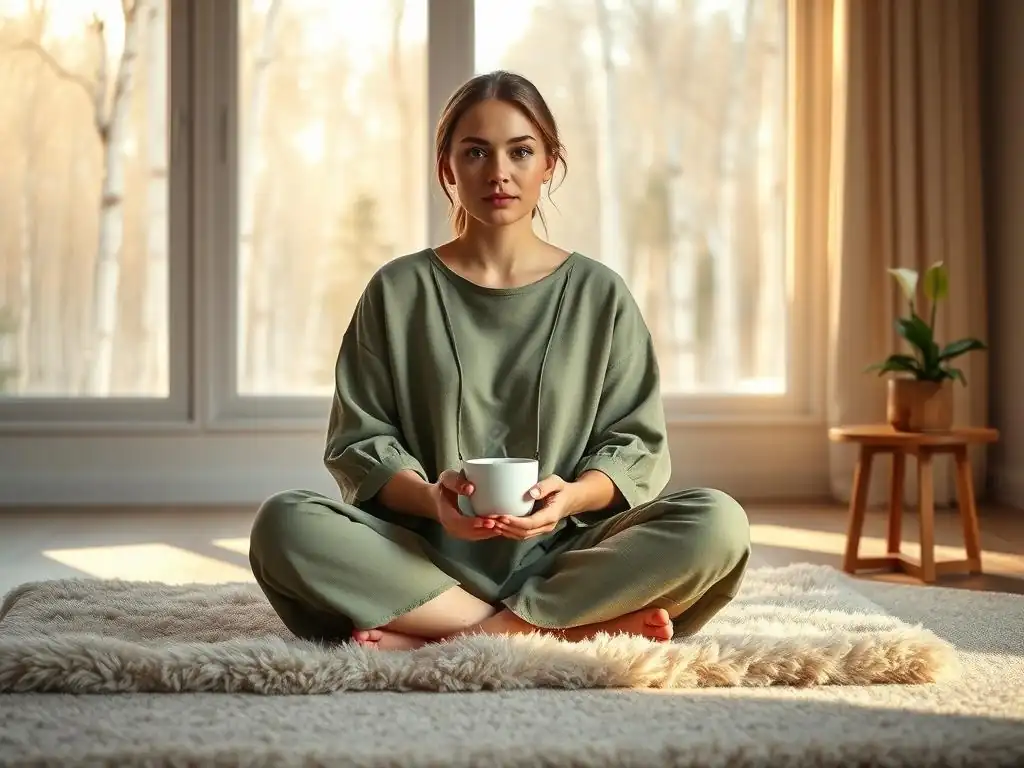
Simple breathing exercises are among the most accessible mindfulness techniques for immediate stress relief and enhancing mindfulness for mental wellbeing in the moment. Focusing on the breath calms the nervous system and interrupts the stress response. A basic technique is 4-7-8 breathing: inhale quietly through the nose for a count of four, hold the breath for a count of seven, and exhale completely through the mouth with a whoosh sound for a count of eight. Repeat this cycle a few times.
Another simple yet effective exercise is mindful belly breathing. Place one hand on your chest and the other on your belly. Inhale deeply through your nose, feeling your belly rise, while your chest remains relatively still. Exhale slowly through pursed lips, feeling your belly fall. Focus your full attention on the sensation of the breath entering and leaving your body and the movement of your abdomen. Even just a few minutes of conscious, deep breathing can significantly reduce feelings of anxiety and tension, providing an immediate anchor to the present moment.
Body Scan Meditation for Increased Self-Awareness
The body scan meditation is a fundamental mindfulness practice designed to increase self-awareness by systematically bringing attention to different parts of the body. This exercise helps individuals become more attuned to physical sensations, recognize areas of tension, and develop a non-judgmental awareness of their physical state. It's typically practiced lying down or sitting comfortably.
Begin by bringing attention to the sensations in your feet, wiggling your toes, and noticing any feelings like tingling, pressure, or warmth. Slowly move your attention up through your ankles, lower legs, knees, thighs, and so on, until you reach the crown of your head. Linger on each area for a moment, simply noticing whatever sensations are present without trying to change them. If your mind wanders, gently guide it back to the body part you intended to focus on. This practice enhances the mind-body connection and can reveal how emotions manifest physically, deepening overall mindfulness for mental wellbeing.
Mindful Walking for Grounding and Presence
Mindful walking integrates movement with present-moment awareness, offering a dynamic way to practice mindfulness for mental wellbeing while engaging with the world. Unlike rushing from one place to another, mindful walking involves paying deliberate attention to the physical sensations of walking and the surrounding environment. It can be practiced anywhere – indoors, outdoors, during a commute, or as a dedicated exercise.
As you walk, bring your awareness to the sensations in your feet as they lift and meet the ground. Notice the movement of your legs, the swing of your arms, and the rhythm of your breath. Expand your awareness to include the feeling of the air on your skin, the sounds around you, and the sights you encounter, observing them without getting lost in thought about them.
If your mind drifts to planning or worrying, gently redirect your attention back to the physical experience of walking. This practice grounds you in the present moment, turning an ordinary activity into an opportunity for calm presence and sensory engagement.
Integrating Mindfulness into Communication
Integrating mindfulness into communication can dramatically improve interpersonal relationships and foster greater understanding, contributing significantly to mindfulness for mental wellbeing in social contexts. Mindful communication involves paying full, non-judgmental attention to both what is being said and how you are responding. It requires being present during conversations, truly listening to the other person without formulating your response prematurely, and speaking with intention and awareness.
When engaging in mindful communication, practice:
- Mindful Listening: Focus entirely on the speaker. Notice their words, tone of voice, and body language. Try to understand their perspective without interrupting or judging.
- Mindful Speaking: Before responding, pause and consider what you want to say and how you want to say it. Speak clearly, honestly, and kindly. Be aware of the impact of your words.
- Awareness of Reactions: Pay attention to your own internal reactions (thoughts, emotions, physical sensations) as you listen and speak. Notice defensiveness or impatience without letting them dictate your response.
This practice reduces misunderstandings, prevents impulsive reactions, and fosters deeper connections, making communication a less stressful and more meaningful experience.
The Future of Mindfulness and Holistic Mental Healthcare in the West
Research and Evidence-Based Practices
The future of mindfulness for mental wellbeing and holistic practices in Western healthcare is heavily reliant on continued rigorous research and the establishment of evidence-based practices. While a substantial body of research already supports the benefits of mindfulness and some holistic therapies, more high-quality studies, including large-scale randomized controlled trials, are needed to understand optimal applications, specific mechanisms of action, and long-term outcomes for various mental health conditions.
Funding for research into complementary and integrative health approaches is increasing, reflecting growing interest. Future research will likely focus on identifying specific populations who benefit most, comparing the effectiveness of different mindfulness and holistic techniques, and exploring how they interact with conventional treatments. Establishing clear evidence-based guidelines will be crucial for healthcare systems to confidently recommend and integrate these practices, ensuring they are delivered effectively and safely within clinical settings.
The Growing Acceptance of Integrative Medicine
There is a clear trend towards greater acceptance of integrative medicine, which combines conventional Western medicine with complementary and alternative therapies, including mindfulness for mental wellbeing. Major medical institutions are increasingly incorporating mindfulness programs, acupuncture services, and other holistic offerings. Educational curricula for medical students and healthcare professionals are beginning to include modules on integrative health.
This growing acceptance is driven by patient demand, emerging research, and a recognition that addressing chronic conditions and promoting wellness often requires a broader approach than conventional medicine alone. As more healthcare systems adopt integrative models, access to evidence-based mindfulness and holistic practices is likely to expand, moving them from the periphery to a more central role in comprehensive patient care, particularly in mental health settings.
The Potential for Improved Mental Health Outcomes
The widespread integration of mindfulness for mental wellbeing and holistic practices holds significant potential for improving mental health outcomes across Western populations. By offering a wider range of therapeutic options, personalized treatment plans can be developed that better meet individual needs and preferences, potentially leading to higher treatment engagement and adherence. These practices empower individuals with self-management skills, fostering resilience and preventing relapse.
Moreover, incorporating stress-reducing and wellness-promoting activities into daily life through mindfulness and holistic methods can shift the focus from solely treating illness to actively cultivating health and wellbeing. This preventative aspect can potentially reduce the incidence and severity of mental health issues over time. As these practices become more accessible and destigmatized, more people may seek help earlier and benefit from a more comprehensive, person-centered approach to care, leading to overall improvements in population mental health.
The Role of Technology in Expanding Access to Holistic Mental Healthcare
Technology is playing an increasingly vital role in expanding access to mindfulness for mental wellbeing and holistic mental healthcare practices. Mobile apps offering guided meditations, mindfulness exercises, and mood tracking have become widely popular, providing accessible tools for daily practice. Online platforms offer virtual yoga classes, teletherapy sessions with holistically-minded therapists, and digital resources on nutrition and other wellness practices.
Virtual reality (VR) is also emerging as a tool, for instance, creating immersive nature experiences for nature therapy or guided meditation environments. While technology cannot fully replace in-person interaction or clinical care, it significantly lowers barriers related to cost, geography, and time constraints. This technological expansion democratizes access to tools and resources that support mindfulness and holistic wellbeing, making it easier for individuals to incorporate these beneficial practices into their lives, regardless of where they live or their financial situation.
Resources for Learning More About Mindfulness
Books and Articles on Mindfulness and Mental Wellbeing
For those interested in deepening their understanding of mindfulness for mental wellbeing, a wealth of informative books and articles are available. These resources provide foundational knowledge, practical guidance on various techniques, and insights into the scientific basis of mindfulness. Many authors, including pioneers in the field, offer comprehensive guides suitable for beginners and experienced practitioners alike. Peer-reviewed articles published in psychology, neuroscience, and medical journals offer the latest research findings on the efficacy and mechanisms of mindfulness and related practices. Exploring these written resources can provide a solid theoretical framework and practical tips for incorporating mindfulness into daily life.
Online Mindfulness Courses and Workshops
Online courses and workshops offer structured learning environments for developing mindfulness for mental wellbeing skills. These programs often follow established curricula, such as those based on MBSR or MBCT, adapted for digital delivery. They typically include guided meditations, theoretical explanations, and practical exercises, often delivered through video lectures, audio recordings, and written materials. Many platforms offer courses ranging from introductory sessions to more advanced training, sometimes including live online interactions with instructors. These online options provide flexibility and accessibility for individuals who cannot attend in-person classes, making it easier to learn and practice mindfulness consistently.
Mindfulness Retreats and Centers
For a more immersive experience in mindfulness for mental wellbeing, retreats and dedicated centers offer environments specifically designed for intensive practice. Mindfulness retreats vary in length, from a weekend to several weeks, and often involve periods of silence, guided meditation, mindful movement, and teachings. Centers dedicated to mindfulness and meditation provide ongoing classes, workshops, and community support.
These settings offer the opportunity to step away from daily distractions, deepen one's practice in a supportive environment, and connect with others on a similar path. While requiring a greater time commitment, retreats and centers can facilitate significant shifts in perspective and cultivate a deeper level of mindfulness.
Frequently Asked Questions
What is mindfulness and how does it contribute to mental wellbeing?
Mindfulness is a mental state achieved by focusing on the present moment, acknowledging and accepting feelings, thoughts, and bodily sensations. Practicing mindfulness can significantly reduce stress and improve overall mental health. It helps cultivate a sense of inner peace.
How can holistic practices complement traditional Western mental healthcare?
Holistic practices address the whole person, including mind, body, and spirit. They can enhance Western care by promoting self-awareness, reducing reliance on medication alone, and fostering a more integrated approach to treatment.
What are some examples of mindfulness-based techniques that can be easily integrated into daily life for mental wellbeing?
Simple techniques include mindful breathing exercises, body scan meditations, and paying attention to everyday activities like eating or walking. These practices promote stress reduction and enhance present moment awareness.
How does the Mind Care Guide support individuals seeking information on mindfulness for mental wellbeing?
The Mind Care Guide provides comprehensive information, resources, and support for various mental health challenges, including the integration of mindfulness and holistic practices. It offers guidance on finding qualified professionals and implementing self-care strategies.
What are the potential benefits of combining mindfulness and holistic practices for individuals struggling with mental health challenges?
This combination can lead to reduced symptoms of anxiety and depression, improved emotional regulation, increased self-compassion, and a greater sense of overall wellbeing. It fosters a more balanced and sustainable approach to mental healthcare.
Final Reflection: Cultivating Inner Peace in a Frantic World
The integration of mindfulness and holistic practices into Western healthcare is no longer a fringe concept; it's a vital necessity. The overwhelming evidence linking mindfulness to improved mental wellbeing, reduced stress, and enhanced overall health demands a fundamental shift in how we approach care. We can no longer afford to ignore the profound impact of inner peace on our physical and emotional well-being.
The journey towards widespread acceptance of mindfulness has been a long and winding road, but the cultural shift is undeniable. We are witnessing a growing recognition of the limitations of purely biomedical approaches to mental health, and a corresponding surge in interest in alternative, holistic methods. This shift reflects a deeper societal yearning for authentic connection and self-understanding. The mind is everything. What you think you become.
– Buddha. This ancient wisdom resonates deeply today as we grapple with the complexities of modern life and the urgent need for effective strategies to manage stress and promote mental resilience.
Now, consider your own life. How can you integrate even small moments of mindfulness into your daily routine? Perhaps it's a few minutes of deep breathing before starting your day, a mindful walk in nature, or simply paying close attention to the sensations of your body as you eat. The power lies not in grand gestures, but in consistent, gentle practice.
Embrace the opportunity to cultivate inner peace, not just for your own wellbeing, but as a contribution to a more compassionate and balanced world. Start today. Your journey to a more mindful and fulfilling life begins with a single breath.
Unlock Your Inner Calm: Start Your Holistic Journey Today!
Thanks for taking the time to explore the powerful intersection of mindfulness and Western healthcare! We hope you gained valuable insights into how these practices can enrich your well-being. Now it's time to put that knowledge into action.
Here's how to begin integrating these practices into your daily life:
- Prioritize a daily mindfulness practice: Even 5 minutes of focused breathing can make a significant difference. Start small and build from there!
- Explore guided meditations or mindfulness apps: There's a wealth of resources available to support your journey.
- Share your experience: Tell a friend or family member about the benefits you've discovered and encourage them to join you on this path.
Ready to embrace a more balanced and mindful approach to health? What small step will you take today to cultivate inner peace?