
The Role of Food and Rituals: Cultural Practices in Mental Wellbeing

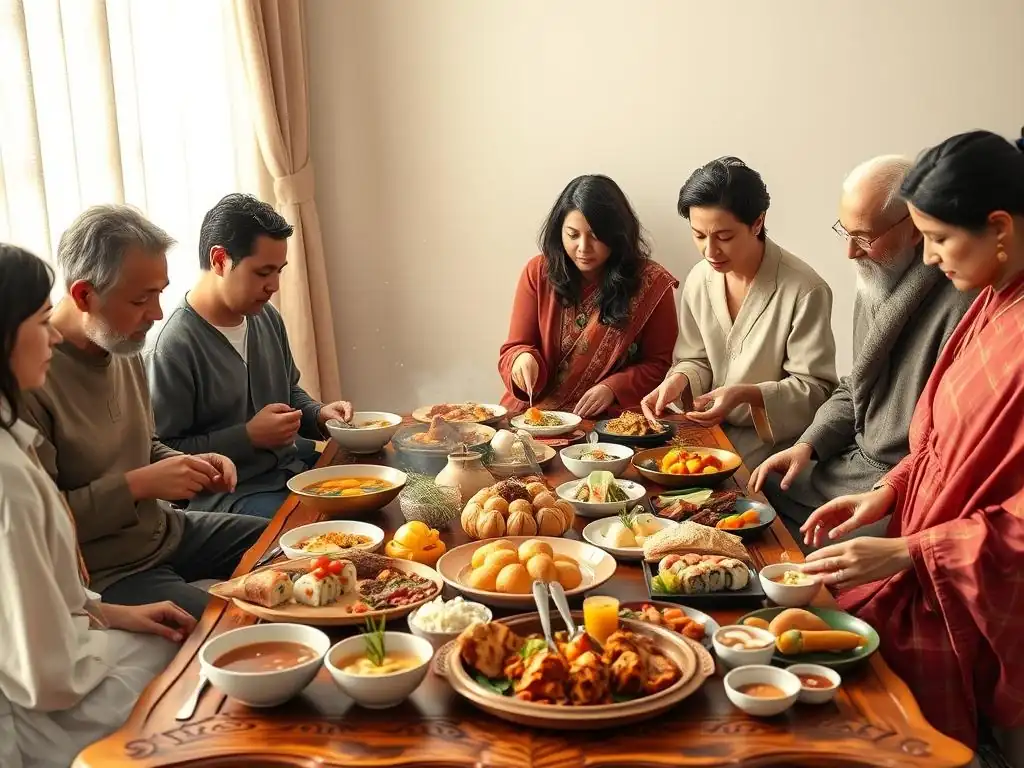
Welcome to Mind Care Guide, your compassionate companion on the journey to mental well-being.
Ever wondered how the traditions passed down through generations might hold the key to unlocking inner peace? Dive into our exploration of Cultural Food Rituals and Wellbeing, where we uncover the powerful connection between cherished customs and a healthier mind. Discover how these practices can nourish not just the body, but also the soul, and perhaps, even offer a fresh perspective on your own mental wellness. What secrets do these time-honored traditions hold? Let's find out together...
- The Role of Food and Rituals: Cultural Practices in Mental Wellbeing
- Understanding the Interplay: Cultural Food Rituals and Mental Wellbeing
- How Cultural Food Rituals Impact Mental Health
- Cultural Food Rituals Wellbeing: Specific Examples and Their Benefits
- Addressing Challenges: When Food Rituals Become Problematic
- Integrating Cultural Food Rituals into Mental Health Care
- Conclusion: Celebrating Cultural Food Rituals for Mental Wellbeing
-
Frequently Asked Questions
- How do cultural food rituals influence an individual's sense of belonging and social connection?
- In what ways can participating in cultural food rituals contribute to stress reduction and relaxation?
- Can rediscovering or re-engaging with traditional food rituals be beneficial for individuals experiencing cultural displacement or identity crises?
- What are some potential challenges individuals might face when trying to incorporate cultural food rituals into their daily lives, and how can these be addressed?
- How can mental health professionals utilize the concept of cultural food rituals in their practice to promote wellbeing and recovery?
- Final Reflection: Nourishing the Soul: Food, Ritual, and Wellbeing
- Unlock Your Wellbeing: Embrace the Power of Ritual
The Role of Food and Rituals: Cultural Practices in Mental Wellbeing
Mind Care Guide: Exploring Cultural Competence in Mental Health Care
Mental health care is increasingly recognizing the profound impact of cultural factors on individual wellbeing. Understanding a person's cultural background is not merely an academic exercise; it is essential for providing effective, empathetic, and relevant support. Cultural competence in mental health involves acknowledging and respecting the beliefs, values, and practices of diverse populations, and integrating this understanding into assessment, diagnosis, and treatment. This includes recognizing how deeply ingrained cultural elements, such as food and associated rituals, shape identity, relationships, and emotional states, all of which are integral to mental health.
A culturally competent approach goes beyond simply being aware of different customs; it requires sensitivity to how cultural norms influence perceptions of illness, help-seeking behaviors, and coping mechanisms. For instance, some cultures may express distress through physical symptoms rather than emotional language, or rely heavily on family and community networks for support instead of formal therapy. By embracing cultural competence, mental health professionals can build stronger therapeutic alliances, reduce stigma, and tailor interventions that resonate with a person's lived experience, ultimately leading to better outcomes for those navigating mental health challenges.
Understanding the Interplay: Cultural Food Rituals and Mental Wellbeing
Defining Cultural Food Rituals: More Than Just Eating
Cultural food rituals are structured, symbolic practices involving food that are shared and repeated within a specific cultural group or community. These are distinct from mere consumption, often involving specific preparation methods, designated times, particular participants, and associated customs or beliefs. Examples range from daily family meals with set roles and conversation patterns to elaborate annual feasts, religious observances involving fasting or specific foods, and life-cycle events like weddings or funerals where food plays a central, symbolic role.
These rituals are deeply embedded in the fabric of social life, serving functions far beyond basic nutrition. They are powerful carriers of cultural knowledge, social norms, and collective memory. Think of the specific way certain dishes are prepared for holidays, the seating arrangements at a traditional dinner, or the prayers or blessings offered before a meal. Each element is imbued with meaning, reinforcing group identity, transmitting values across generations, and providing a sense of continuity and belonging that significantly underpins psychological security and cultural food rituals wellbeing.
The Significance of Food in Cultural Identity and Wellbeing
Food is intrinsically linked to cultural identity, acting as a tangible connection to heritage, history, and community. The foods we eat, the way they are prepared, and the rituals surrounding their consumption are often learned in childhood and passed down through families, solidifying a sense of who we are and where we come from. This connection is particularly vital for individuals navigating cultural transitions, migration, or displacement, where familiar foods and rituals can provide comfort and a link to a cherished past, contributing significantly to cultural food rituals wellbeing.
Moreover, food traditions often carry deep emotional significance. They can evoke powerful memories of family gatherings, celebrations, or moments of solace. Sharing traditional meals reinforces social bonds, creates opportunities for intergenerational interaction, and provides a sense of stability and predictability in life. This emotional and social nourishment derived from food rituals is fundamental to overall wellbeing, offering a buffer against stress and isolation, and contributing to a resilient sense of self within a community context.
How Cultural Food Rituals Impact Mental Health
Shared meals and food-related rituals are primary vehicles for building and maintaining social connections, which are critical for mental health. Gathering around food provides a structured environment for interaction, communication, and bonding within families and communities. These shared experiences strengthen relationships, reduce feelings of loneliness, and provide a sense of belonging – factors consistently linked to lower rates of depression and anxiety. Research suggests that regular family meals, for instance, are associated with improved mental health outcomes in adolescents, including reduced risk of substance abuse and disordered eating.
Beyond the immediate family, cultural food rituals bring communities together, whether through religious festivals, neighborhood potlucks, or communal harvests. These events reinforce collective identity and mutual support networks. Participating in these traditions can provide individuals with a sense of purpose and integration, countering feelings of isolation that can negatively impact mental health. The act of preparing and sharing food becomes a form of social glue, fostering trust and reciprocal relationships that are vital for psychological resilience and promoting cultural food rituals wellbeing.
Food Rituals as a Source of Comfort and Emotional Regulation
Cultural food rituals often serve as powerful sources of comfort, particularly during times of stress, grief, or uncertainty. Familiar foods and the predictable structure of associated rituals can provide a sense of security and grounding. Think of comfort foods tied to childhood memories or the specific dishes prepared during periods of mourning in various cultures. These practices offer emotional regulation by evoking positive associations, providing sensory pleasure, and connecting individuals to supportive social networks and their cultural roots, all contributing to cultural food rituals wellbeing.
The repetitive and often mindful nature of preparing and participating in food rituals can also be inherently therapeutic. The focus required in making traditional dishes, the rhythm of communal eating, or the symbolic actions involved in a ritual can serve as a form of active meditation, diverting attention from worries and promoting a state of calm. This structured engagement with food, steeped in cultural meaning, provides a predictable and nurturing experience that supports emotional stability and provides a sense of control in a sometimes chaotic world.
Preserving Cultural Heritage: Food and Mental Resilience
Maintaining cultural food rituals plays a significant role in preserving cultural heritage, which in turn fosters mental resilience, particularly for diaspora communities or minority groups. Passing down traditional recipes and practices across generations is a way of transmitting history, values, and collective identity. This continuity provides individuals with a strong sense of roots and belonging, which can act as a protective factor against the stress of acculturation, discrimination, or displacement.
When individuals feel connected to their cultural heritage through practices like food rituals, they often exhibit greater self-esteem and a stronger sense of identity. This cultural embeddedness provides a framework for understanding one's place in the world and navigating challenges. It offers a source of pride and strength, contributing to psychological resilience and the ability to cope with adversity. The act of preserving these traditions is not just about food; it's about maintaining a lifeline to one's past and community, which is fundamental for cultural food rituals wellbeing.
Cultural Food Rituals Wellbeing: Specific Examples and Their Benefits
Thanksgiving: Gratitude and Family Connection
Details of the Ritual
Thanksgiving in the United States is traditionally celebrated on the fourth Thursday of November, centered around a large meal shared with family and close friends. The meal typically includes roasted turkey, stuffing, mashed potatoes, cranberry sauce, and pumpkin pie. Preparations often involve multiple family members contributing dishes. A common practice is to go around the table and express gratitude for various things. The day is generally spent together, often watching parades, playing games, or simply socializing.
Benefits for Mental Wellbeing
This ritual strongly promotes social connection and strengthens family bonds. The shared act of preparing and eating the meal fosters intimacy and provides a dedicated time for meaningful interaction, reducing feelings of isolation. The explicit practice of expressing gratitude has been shown in psychological studies to increase positive emotions, reduce stress, and improve overall life satisfaction. The predictability of the annual ritual also provides a sense of stability and continuity, contributing to a feeling of security and belonging.
Details of the Ritual
The Japanese Tea Ceremony, or Chanoyu, is a highly formalized ritual centered around the preparation and presentation of matcha (powdered green tea). It involves specific movements, tools, and etiquette, often performed in a dedicated tea room. The host meticulously prepares the tea for guests, who observe the process mindfully. The ritual emphasizes aesthetics, simplicity, respect, and harmony. It can last from a short informal gathering to a multi-hour formal ceremony involving a light meal (kaiseki).
Benefits for Mental Wellbeing
Chanoyu is a profound practice in mindfulness. The focus required by both host and guest on the present moment, the movements, and the sensory experience of the tea helps to quiet the mind and reduce rumination, offering significant stress reduction benefits. The emphasis on harmony (wa), respect (kei), purity (sei), and tranquility (jaku) provides a framework for social interaction that minimizes conflict and promotes a sense of peace. Participating in or hosting a tea ceremony can cultivate patience, discipline, and a deeper appreciation for beauty and simplicity, contributing to inner calm and cultural food rituals wellbeing.
Diwali Sweets: Celebrating Togetherness and Prosperity
Details of the Ritual
During Diwali, the Hindu festival of lights, the making and sharing of traditional sweets (mithai) is a central ritual. Families prepare a wide variety of sweets at home or purchase them from local shops. These sweets are then exchanged with neighbors, friends, and family members as gifts, symbolizing good wishes, prosperity, and the sweetness of relationships. Visiting homes to share these treats and celebrate together is a key part of the festival, which typically lasts five days.
Benefits for Mental Wellbeing
The act of making and sharing Diwali sweets profoundly strengthens social bonds and community ties. The exchange of gifts fosters a sense of generosity and reciprocity, enhancing feelings of connection and goodwill. The visits between households create opportunities for joyful interaction, reducing isolation and fostering a sense of belonging within the community. The vibrant, festive atmosphere surrounding the sharing of sweets contributes to positive emotions, reduces stress, and reinforces cultural identity, promoting collective cultural food rituals wellbeing and happiness.
Addressing Challenges: When Food Rituals Become Problematic
While cultural food rituals are generally beneficial, they can present challenges, particularly for individuals with dietary restrictions such as allergies, intolerances (like lactose intolerance affecting approximately 68% of the world's population), or medical conditions like diabetes or celiac disease (affecting about 1% of the global population). Navigating these restrictions within the context of deeply ingrained cultural food practices can be psychologically stressful. Individuals may feel pressure to conform, fear offending family members by declining food, or experience anxiety about potential health consequences.
Furthermore, cultural expectations around food consumption can sometimes clash with personal health needs or dietary choices (e.g., vegetarianism, veganism). This can lead to feelings of guilt, alienation, or being misunderstood by one's community. Finding ways to adapt traditional recipes, openly communicate needs to family, or create new inclusive rituals becomes crucial for maintaining both physical health and mental wellbeing within a cultural context.
The Risk of Disordered Eating in the Context of Cultural Practices
In some instances, cultural food rituals and associated norms can contribute to or exacerbate disordered eating patterns. This is not inherent to the rituals themselves but can arise from cultural pressures around body image, food control, or the symbolic meaning attached to certain foods. For example, cultural emphasis on thinness combined with rituals involving feasting followed by periods of restriction could potentially trigger unhealthy behaviors in susceptible individuals. Similarly, cultural beliefs about food purity or contamination could manifest as orthorexia or restrictive eating.
Conversely, cultural pressures related to hospitality and encouraging guests to eat excessively can also pose challenges, particularly for individuals trying to manage weight or recovery from disordered eating. It's important to recognize that while cultural food rituals are generally positive, the societal context and individual vulnerabilities can interact in ways that require careful attention and sensitive support from mental health professionals to protect cultural food rituals wellbeing.
Promoting Healthy Relationships with Food and Culture
Fostering healthy relationships with both food and culture requires a balanced approach that honors tradition while prioritizing individual wellbeing. This involves encouraging open dialogue within families and communities about food, health, and body image. Education about nutrition and disordered eating, presented in a culturally sensitive manner, is also vital.
It is possible and often necessary to adapt cultural food rituals to accommodate individual needs without losing their symbolic meaning. This might involve modifying recipes, incorporating alternative ingredients, or focusing on the social and symbolic aspects of the ritual rather than solely on the food itself. Promoting flexibility and understanding within cultural contexts helps individuals maintain their connection to heritage while also nurturing a positive and healthy relationship with food, contributing to overall cultural food rituals wellbeing.
Integrating Cultural Food Rituals into Mental Health Care
The Importance of Cultural Sensitivity in Dietary Counseling
For mental health professionals, particularly those involved in counseling around food, weight, or body image, cultural sensitivity is paramount. Imposing Westernized nutritional guidelines or therapeutic approaches without considering a client's cultural background can be ineffective or even harmful. Acknowledging and respecting a client's cultural food rituals and beliefs is the first step. This involves asking open-ended questions about their food traditions, their meaning, and how they fit into the client's life and identity.
Rather than viewing cultural practices as obstacles, culturally sensitive practitioners seek to understand how these rituals can be leveraged to support therapeutic goals. For example, understanding the social significance of shared meals in a client's culture can inform interventions aimed at reducing social isolation. Similarly, exploring the comfort derived from certain traditional foods can be a starting point for discussing emotional regulation strategies. This requires ongoing education and a commitment to understanding the diverse ways food intersects with identity and wellbeing across different cultural groups to support cultural food rituals wellbeing.
Utilizing Food-Based Interventions to Enhance Mental Wellbeing
Food and food-related activities can be powerful tools in mental health interventions when approached culturally appropriately. Group cooking classes focused on traditional dishes can foster social connection, reduce stress, and provide a sense of accomplishment. Sharing meals in a therapeutic setting, such as a partial hospitalization program, can normalize eating behaviors and provide a supportive environment for practicing healthy habits.
Furthermore, incorporating discussions about the cultural significance of food within therapy sessions can help clients explore their identity, family history, and relationship patterns. For clients who have experienced trauma related to food or cultural practices, a sensitive approach that validates their experiences while helping them find ways to reclaim or adapt their cultural rituals can be incredibly healing. Recognizing the potential of cultural food rituals to enhance mental wellbeing allows for more holistic and effective care.
Resources for Culturally Competent Mental Health Professionals
Developing cultural competence is an ongoing process. Mental health professionals seeking to better understand the role of cultural food rituals and other practices can utilize various resources. These include professional training programs focused on cultural competence, academic literature on cultural psychology and medical anthropology, and engaging with community leaders and cultural experts. Organizations like the National Association of Social Workers (NASW) and the American Psychological Association (APA) offer guidelines and resources for culturally responsive practice.
Additionally, seeking supervision or consultation from colleagues with expertise in specific cultural groups can provide invaluable insights. Building a diverse professional network also facilitates learning and understanding. Ultimately, a commitment to humility, curiosity, and continuous learning is essential for effectively integrating an understanding of cultural food rituals wellbeing into mental health care and providing truly person-centered support.
Conclusion: Celebrating Cultural Food Rituals for Mental Wellbeing
The Power of Food in Connecting Us to Our Heritage and Ourselves
Food is far more than just sustenance; it is a fundamental element of human culture, identity, and connection. Cultural food rituals, in particular, serve as powerful bridges to our heritage, linking us to our ancestors, our communities, and our deepest values. These shared practices provide a sense of continuity, belonging, and security that is essential for a strong sense of self and overall psychological health. They are living expressions of history and collective memory, reinforcing who we are and where we come from.
Through the act of preparing, sharing, and consuming traditional foods in ritualized ways, we nourish not only our bodies but also our souls and our social connections. These rituals offer comfort, provide structure, and create opportunities for meaningful interaction. They are a testament to the enduring power of culture to shape our experiences and contribute positively to our lives, highlighting the deep connection between our plates and our peace of mind.
Promoting Cultural Competence for Improved Mental Health Outcomes
Recognizing and valuing the role of cultural food rituals wellbeing is crucial for mental health care. For individuals, understanding the significance of their own food traditions can be a source of strength and resilience. For communities, preserving and celebrating these rituals fosters social cohesion and collective wellbeing. For mental health professionals, developing cultural competence around food practices allows for more empathetic, effective, and tailored support.
By embracing the rich diversity of cultural food rituals and understanding their profound impact on psychological health, we can move towards a more inclusive and effective approach to mental wellbeing. Supporting individuals in navigating the complexities of food, culture, and health, while celebrating the positive contributions of these traditions, is key to fostering resilience and promoting healing across all communities.
Frequently Asked Questions
Cultural food rituals often act as social glue, strengthening family bonds and fostering a sense of community. Sharing these experiences can combat feelings of isolation and loneliness.
In what ways can participating in cultural food rituals contribute to stress reduction and relaxation?
The act of preparing and sharing food, particularly within familiar rituals, can be mindful and grounding. These practices can provide a sense of comfort and reduce anxiety by focusing on the present moment.
Can rediscovering or re-engaging with traditional food rituals be beneficial for individuals experiencing cultural displacement or identity crises?
Yes, reconnecting with cultural food rituals can offer a powerful link to one's heritage. It can help individuals reclaim their identity and feel more connected to their roots, especially during times of transition.
What are some potential challenges individuals might face when trying to incorporate cultural food rituals into their daily lives, and how can these be addressed?
Challenges might include time constraints, access to ingredients, or lack of family participation. Addressing these involves prioritizing time, finding substitutions, and communicating the importance to loved ones.
How can mental health professionals utilize the concept of cultural food rituals in their practice to promote wellbeing and recovery?
Professionals can encourage clients to explore and re-establish cultural food practices. This can be a valuable tool for enhancing self-esteem and providing a sense of cultural affirmation, aiding in the recovery process.
Final Reflection: Nourishing the Soul: Food, Ritual, and Wellbeing
The inextricable link between cultural food rituals and mental wellbeing is not merely an academic observation; it's a fundamental truth shaping our lives today. In a world increasingly focused on individualistic pursuits, rediscovering the power of shared meals and time-honored traditions offers a potent antidote to the pervasive anxieties of modern life. The simple act of gathering around a table, sharing a meal prepared with intention, and engaging in meaningful rituals, can profoundly impact our sense of belonging, purpose, and overall mental health.
The impact of cultural food practices extends far beyond mere sustenance; they are the threads that weave together the fabric of our communities and identities. These rituals, passed down through generations, offer a sense of continuity and belonging, providing comfort and stability in times of uncertainty. They are a living testament to the enduring power of tradition and the importance of shared experiences. Food is symbolic of love when words are inadequate.
- Alan D. Wolfelt. This quote perfectly encapsulates the emotional depth embedded within these cultural practices, highlighting their role in fostering connection and emotional well-being.
Now, consider your own life. What food rituals do you hold dear? What traditions have been passed down to you, and how do they contribute to your sense of self and connection to others? I invite you to consciously cultivate these practices, or to explore new ones that resonate with you. By actively engaging in meaningful food rituals, you can nurture not only your physical health but also your emotional and spiritual wellbeing, creating a richer, more fulfilling life. Let the simple act of sharing a meal become a powerful act of self-care and community building.
Unlock Your Wellbeing: Embrace the Power of Ritual
Thanks for taking the time to explore the fascinating connection between food, rituals, and mental wellbeing! We hope you gained valuable insights into how cultural practices can positively impact your life. Now, it's time to put this knowledge into action.
- Start a mindful eating ritual: Dedicate just 10 minutes each day to savor your food, focusing on its taste, texture, and aroma. Notice how this simple act can shift your mindset and reduce stress.
- Research a cultural tradition that appeals to you: Explore a new food preparation method, a unique celebration, or a comforting ritual from another culture. You might be surprised by how enriching this experience can be.
- Share your discoveries: Tell us about your experience! What resonates with you most from this article? Which rituals are you excited to try? Share your thoughts in the comments below – let's build a supportive community together.
What small change in your daily routine could bring about the biggest positive impact on your mental wellbeing?