
Traditional Healing vs. Modern Medicine: Stigma and Choice

Welcome to Mind Care Guide, a space dedicated to nurturing your mental well-being.
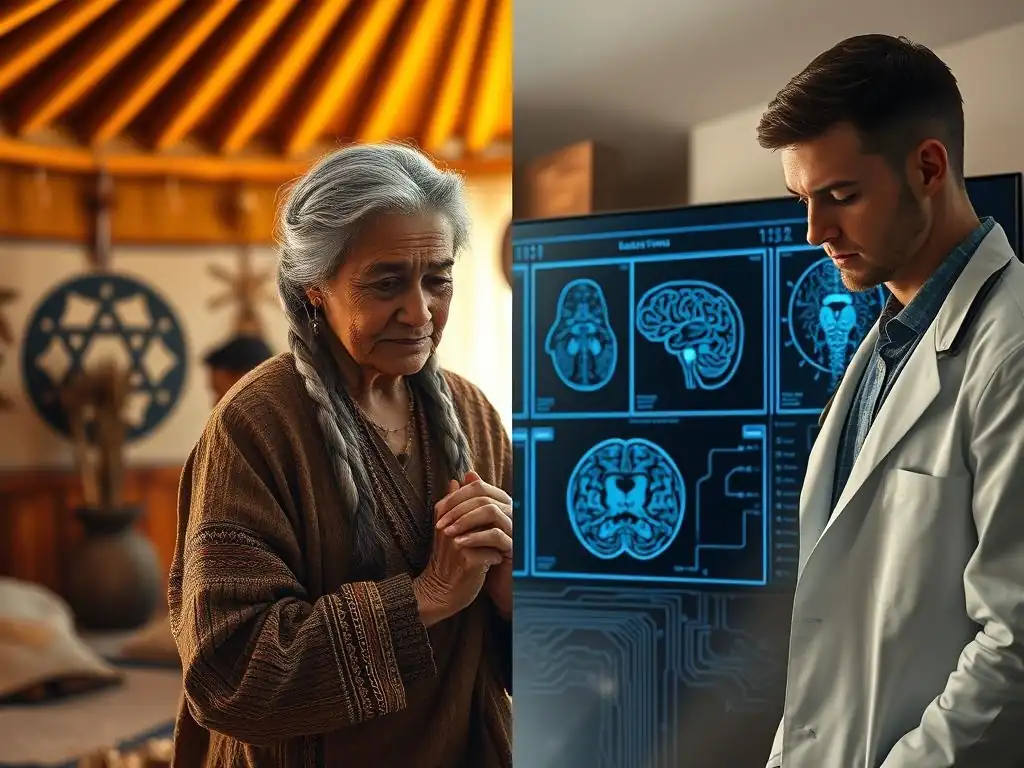
Are you grappling with the complexities of mental health care and wondering about the role of cultural traditions? You're not alone. In our latest article, "Traditional Healing vs. Modern Medicine: Stigma and Choice," we delve into the vital topic of traditional healing mental health stigma. Discover how cultural beliefs impact access to care and explore the delicate balance between ancient wisdom and modern approaches.
We invite you to journey with us as we unravel these intricate layers, offering understanding and empowerment along the way. What choices are available, and how can we navigate the stigma? Read on to find out...
Traditional Healing vs. Modern Medicine: Stigma and Choice in Mental Health
- Introduction: Navigating Mental Health Treatment Options
- Understanding Traditional Healing Practices for Mental Well-being
- Modern Medicine and Mental Health: A Scientific Perspective
- The Stigma Surrounding Mental Health: A Global Challenge
- Traditional Healing and Mental Health Stigma: An Intertwined Relationship
- Modern Medicine and the Reduction of Mental Health Stigma
- Choosing Between Traditional Healing and Modern Medicine: Factors to Consider
- Integrating Traditional and Modern Approaches: A Holistic Perspective
- Overcoming Barriers to Mental Health Care: Addressing Stigma and Promoting Choice
- Conclusion: Embracing Diverse Paths to Mental Well-being
-
Frequently Asked Questions
- What is the main source of mental health stigma surrounding traditional healing practices?
- How does the article define " traditional healing" in the context of mental well-being?
- Why might someone choose traditional healing methods over modern medicine for mental health?
- What are some potential risks associated with solely relying on traditional healing for serious mental health conditions?
- How can we reduce the " mental health stigma" associated with traditional healing and promote informed choices?
- Final Reflection: Bridging the Gap Between Tradition and Progress
- Unlock Your Holistic Wellbeing: Bridging Tradition and Modern Medicine
Navigating the landscape of mental health treatment can be a complex journey, often presenting individuals with a range of options from various traditions and scientific disciplines. Across the globe, people seeking help for mental well-being may encounter approaches rooted in ancient cultural practices, alongside methods developed within modern medical science. This duality reflects the diverse ways humanity has sought to understand and address distress, emotional challenges, and psychological conditions throughout history.
Understanding these distinct paths is crucial, especially when considering the pervasive issue of stigma that often surrounds mental illness, influencing decisions about seeking care and the types of treatment pursued. The choice between or integration of traditional healing and modern medicine is deeply personal and often impacted by cultural background, accessibility, and the presence of mental health stigma.
This article delves into the distinct yet sometimes overlapping worlds of traditional healing and modern medicine as they relate to mental health. We will explore what these approaches entail, examine the significant challenge of mental health stigma across cultures, and investigate how traditional healing mental health stigma can shape perceptions and access to care. By understanding the nuances of each system and the societal factors at play, individuals can be better equipped to make informed decisions about their mental well-being journey, ultimately working towards overcoming barriers to care and fostering a more empathetic and supportive environment.
Understanding Traditional Healing Practices for Mental Well-being
What is Traditional Healing? Exploring Cultural Approaches to Mental Health
Traditional healing encompasses health practices, knowledge, and beliefs incorporating plant, animal, and/or mineral-based medicines, spiritual therapies, manual techniques, and exercises applied singularly or in combination to treat, diagnose, and prevent illnesses or maintain well-being. These practices are deeply embedded in the cultural and historical context of specific communities, often passed down through generations.
For mental health, traditional healing approaches might view distress or illness not just as a biological issue but as a disharmony involving spiritual, social, or environmental factors. Healers might interpret symptoms through a cultural lens, seeing them perhaps as spiritual imbalances, curses, or consequences of violating social norms.
These systems often rely on the wisdom of elders, shamans, traditional birth attendants, or herbalists who act as conduits for ancestral knowledge. Their methods are tailored to the specific worldview and cultural understanding of the community they serve. For instance, in some African cultures, mental distress might be attributed to ancestral spirits, and healing rituals would involve appeasing these spirits.
In Ayurvedic or Traditional Chinese Medicine, mental health issues might be seen as imbalances of vital energies or humors within the body, requiring herbal remedies, dietary changes, or specific physical practices to restore equilibrium. The effectiveness of these methods is often evaluated based on subjective experiences, community validation, and observable changes within the cultural framework, rather than solely through clinical trials.
Common Traditional Healing Methods for Mental Health Concerns
Across various cultures, a diverse array of traditional healing methods is employed for mental health concerns. One common approach involves the use of medicinal plants and herbs, believed to possess therapeutic properties for psychological ailments. For example, in parts of Asia, certain herbs are used to alleviate anxiety or improve sleep, based on centuries of empirical observation within those traditions.
In other regions, specific plant concoctions are used in rituals aimed at cleansing the mind or spirit. Spiritual and religious practices also play a significant role, including prayer, meditation, rituals, offerings, and consultations with spiritual leaders. These practices often aim to provide comfort, meaning, and a sense of connection, addressing the existential or spiritual dimensions of distress.
Another prevalent method is body-based therapy, such as traditional massage, acupuncture (in Traditional Chinese Medicine), or other manual techniques designed to release tension, improve energy flow, or restore physical balance perceived as linked to mental state. Storytelling, music, dance, and art are also integral to some traditional healing practices, serving as ways for individuals to express emotions, process trauma, and connect with their community's history and wisdom.
For instance, narrative therapy elements are inherently present in many traditional healing contexts where individuals share their struggles within a supportive group or with a healer, finding solace and new perspectives through shared stories and cultural narratives.
The Role of Community and Spirituality in Traditional Healing
Community and spirituality are often central pillars supporting traditional healing practices for mental well-being. Unlike the often individualistic approach of modern therapy, traditional healing frequently takes place within a communal context. The healing process may involve family members, elders, or the entire community participating in rituals, offering support, and reinforcing social bonds. This collective approach can provide a strong sense of belonging and reduce feelings of isolation, which are often associated with mental health challenges. The community acts as a support network, validating the individual's experience within a shared cultural understanding and facilitating reintegration into social life.
Spirituality, whether through organized religion or indigenous beliefs about the natural world and ancestral spirits, provides a framework for understanding suffering and finding meaning. Many traditional healing systems view mental distress as having spiritual roots or implications, and healing rituals aim to restore harmony with the spiritual realm. This can involve prayers, offerings, purification ceremonies, or seeking guidance from spiritual entities or ancestors.
For individuals for whom spirituality is a core part of their identity, these practices can offer profound comfort, hope, and a sense of purpose, addressing dimensions of well-being that may not be fully encompassed by purely biomedical models. The integration of spiritual and communal elements underscores the holistic nature of traditional healing, addressing the individual within their social, cultural, and spiritual ecosystem.
Modern Medicine and Mental Health: A Scientific Perspective
The Evolution of Modern Mental Health Treatments
Modern mental health treatments have evolved significantly over the past century, largely driven by scientific research and clinical observation. Early approaches in the 19th and early 20th centuries were often rudimentary and sometimes inhumane, involving institutionalization and harsh treatments. The mid-20th century saw breakthroughs with the development of psychotropic medications, starting with the introduction of antipsychotics like chlorpromazine in the 1950s.
This marked a paradigm shift, allowing for symptom management and, in many cases, reducing the need for long-term hospitalization. Subsequent decades brought forth antidepressants (like SSRIs in the late 1980s), mood stabilizers, and anti-anxiety medications, offering more targeted and often better-tolerated options.
Parallel to pharmacological advancements, psychotherapeutic approaches also developed and diversified. Pioneers like Sigmund Freud laid the groundwork for talk therapy, which evolved into numerous modalities such as cognitive behavioral therapy (CBT), dialectical behavior therapy (DBT), psychodynamic therapy, and many others. These therapies focus on understanding thought patterns, behaviors, relationships, and emotional responses.
The late 20th and early 21st centuries have seen increasing integration of medication and therapy, recognizing that combined approaches are often most effective for many conditions. Research continues to refine existing treatments and explore new avenues, including neurostimulation techniques and personalized medicine approaches based on genetic and biological factors.
Understanding Psychiatric Diagnoses and Medication
In modern medicine, mental health conditions are typically diagnosed based on standardized criteria, most notably outlined in the Diagnostic and Statistical Manual of Mental Disorders (DSM), currently in its fifth edition (DSM-5), or the International Classification of Diseases (ICD), published by the World Health Organization. These manuals provide symptom checklists and guidelines for clinicians to identify specific disorders such as depression, anxiety disorders, schizophrenia, bipolar disorder, and others. Diagnosis is usually made by psychiatrists, psychologists, or other trained mental health professionals through clinical interviews, questionnaires, and sometimes psychological testing.
Psychiatric medications work by affecting neurotransmitters and other chemical pathways in the brain that are believed to be involved in regulating mood, thought, and behavior. For example, SSRIs (Selective Serotonin Reuptake Inhibitors) are commonly prescribed antidepressants that increase the availability of serotonin in the brain. Antipsychotics typically target dopamine pathways.
While not a cure, these medications can significantly reduce the severity of symptoms, enabling individuals to function better and engage more effectively in therapy or other recovery activities. It's important to note that medication responses vary greatly among individuals, and finding the right medication and dosage often requires careful monitoring and adjustment by a prescribing physician.
The Importance of Therapy and Counseling in Modern Mental Healthcare
Therapy and counseling are indispensable components of modern mental healthcare, often working in tandem with medication or as a primary treatment approach. Psychotherapy provides a structured environment for individuals to explore their thoughts, feelings, and behaviors with a trained professional. Different therapeutic modalities offer various techniques; for instance, CBT helps individuals identify and change negative thought patterns and behaviors, while psychodynamic therapy explores how past experiences and unconscious processes influence current difficulties. Therapy equips individuals with coping strategies, problem-solving skills, and tools to manage their symptoms and improve their overall well-being.
Beyond symptom management, therapy can help individuals gain insight into the root causes of their distress, improve their relationships, and develop healthier ways of interacting with the world. It offers a confidential and supportive space to process difficult emotions, trauma, and life challenges. For many conditions, such as anxiety disorders, phobias, and certain types of depression, therapy is considered a first-line treatment.
Research consistently shows that therapy can lead to lasting changes in brain function and structure, highlighting its profound impact beyond temporary symptom relief. The relationship between the therapist and client is also a crucial factor in the effectiveness of therapy, emphasizing the human connection element within the modern medical framework.
The Stigma Surrounding Mental Health: A Global Challenge

Social stigma surrounding mental illness is a pervasive global challenge, manifesting differently across various cultures but sharing common roots in misunderstanding, fear, and discrimination. This stigma involves negative attitudes, beliefs, and behaviors directed towards individuals with mental health conditions. It can lead to shame, isolation, and discrimination in areas like employment, housing, and social relationships.
In many cultures, mental illness is still viewed as a moral failing, a sign of weakness, or even a result of supernatural forces, rather than a legitimate health condition. This can be particularly pronounced in communities where there is a strong emphasis on conformity or where illness is seen as bringing dishonor to the family.
Studies, such as those cited by the World Health Organization, consistently show that stigma is a major barrier to people seeking help for mental health problems worldwide. For example, surveys in some regions indicate that a significant percentage of the population holds prejudiced views about people with conditions like schizophrenia or bipolar disorder, often associating them with violence or unpredictability, despite evidence to the contrary.
This fear and prejudice contribute to a climate where individuals are reluctant to disclose their struggles, fearing judgment or rejection. The manifestation of this stigma is deeply intertwined with cultural values and historical contexts, making it a complex issue to address universally.
How Cultural Beliefs Impact Mental Health Seeking Behavior
Cultural beliefs profoundly influence how individuals perceive mental health issues and their willingness to seek help. In cultures where mental illness is highly stigmatized, individuals may delay or avoid seeking any form of treatment, whether traditional or modern, for fear of being labeled or ostracized.
They might try to hide their symptoms, attributing them to physical ailments or normal life stressors. For instance, in some Asian cultures, there is a strong emphasis on collectivism and family honor, and mental illness can be seen as a source of shame that reflects poorly on the entire family, leading individuals to suffer in silence.
Conversely, cultural beliefs can also determine where individuals seek help. In communities with strong traditional healing systems, people might first turn to traditional healers, spiritual leaders, or family elders, as these resources are culturally familiar, accessible, and aligned with their worldview.
Modern medical facilities might be perceived as foreign, impersonal, or associated with severe, "crazy" illnesses, further reinforcing reluctance to seek conventional care. The decision-making process is often a negotiation between personal distress, family expectations, community norms, and the perceived risks of seeking help from different sources, all heavily colored by existing cultural beliefs about mental illness and traditional healing mental health stigma.
The Impact of Stigma on Access to Mental Health Services
The impact of stigma on access to mental health services is significant and multifaceted. At an individual level, internalized stigma can lead people to believe they are not worthy of help or that their condition is untreatable, preventing them from reaching out.
At a societal level, public stigma contributes to underfunding of mental health services, discrimination in healthcare settings, and a shortage of trained professionals in some areas. A report by the WHO highlighted that in many low- and middle-income countries, the vast majority of people with mental health conditions receive no treatment at all, and stigma is cited as a major contributing factor alongside limited resources.
Furthermore, stigma can affect the quality of care received. Healthcare providers, influenced by societal biases, may hold stigmatizing attitudes, leading to misdiagnosis, inadequate treatment, or a lack of empathy. This is particularly true when considering how traditional healing mental health stigma might influence the perception of individuals who have first sought help from traditional healers. They might be dismissed or judged by conventional practitioners, creating a barrier to effective integrated care. Overcoming these barriers requires not only increasing the availability of services but also actively challenging stigmatizing attitudes within communities and healthcare systems.
Traditional Healing and Mental Health Stigma: An Intertwined Relationship
How Traditional Beliefs Can Perpetuate Mental Health Stigma
The relationship between traditional healing and mental health stigma is complex and sometimes contradictory. While traditional practices can offer culturally resonant support and reduce the isolation that stigma fosters, certain traditional beliefs can also contribute to or perpetuate stigma.
For example, in cultures where mental illness is attributed solely to curses, evil spirits, or punishment for past wrongs, individuals experiencing symptoms may face intense blame and fear, leading to severe social rejection. These beliefs can reinforce the idea that mental illness is not a medical condition but something shameful, mysterious, or dangerous, thereby increasing traditional healing mental health stigma within the community.
Furthermore, traditional explanations that lack a basis in biomedical understanding can sometimes lead to harmful practices or delays in seeking evidence-based care. If a condition like bipolar disorder is interpreted solely as spiritual possession, the focus will be on exorcism or spiritual cleansing rather than mood stabilization, potentially allowing the illness to worsen and increasing the individual's and family's distress and isolation. This highlights how certain traditional belief systems, while offering a framework for understanding, can inadvertently amplify the negative social consequences and traditional healing mental health stigma associated with mental health challenges.
When Traditional Practices Become Harmful: Recognizing Red Flags
While many traditional healing practices are benign or potentially beneficial, some can be harmful, particularly when they are the sole approach taken for severe mental health conditions or when they involve practices that are physically or psychologically damaging. Red flags might include practices that involve physical abuse, enforced isolation, denial of food or water, or the administration of toxic substances believed to be medicinal.
For instance, reports from some regions have documented cases of individuals with severe mental illness being chained or confined in harsh conditions under the guise of traditional or spiritual healing, often due to a lack of understanding of their condition and the belief that aggressive measures are needed to expel malevolent forces.
Another significant risk arises when traditional practices delay or replace necessary modern medical intervention, especially for conditions like psychosis, severe depression with suicidal ideation, or bipolar disorder with manic episodes. While traditional support can be valuable, relying solely on treatments without empirical evidence for severe conditions can lead to worsened outcomes, increased suffering, and even loss of life. Recognizing these red flags is crucial for families and communities, prompting them to seek additional help or integrate safer, evidence-based approaches alongside respectful traditional support.
The Influence of Cultural Narratives on Mental Health Perceptions
Cultural narratives play a powerful role in shaping perceptions of mental health and contributing to or challenging traditional healing mental health stigma. The stories, myths, and historical accounts passed down through generations within a culture often contain explanations for illness and suffering, including mental distress. If these narratives portray mental illness as a curse, a punishment, or something inherently shameful, they can deeply embed stigmatizing attitudes within the collective consciousness of a community. For example, a narrative where individuals with mental illness are depicted as dangerous or unpredictable figures can foster fear and avoidance.
Conversely, cultural narratives can also be a source of resilience and understanding. Stories of individuals overcoming adversity, finding strength through spiritual practices, or being supported by their community can offer hope and challenge negative stereotypes. Reinterpreting traditional narratives or creating new ones that incorporate contemporary understanding of mental health, while still respecting cultural heritage, is a powerful way to combat traditional healing mental health stigma. Engaging cultural leaders and storytellers in conversations about mental well-being can help shift perceptions and foster a more supportive environment for those affected by mental health conditions.
Modern Medicine and the Reduction of Mental Health Stigma
The Role of Education and Awareness in Combating Stigma
Education and awareness campaigns are fundamental tools in the fight against mental health stigma, including traditional healing mental health stigma. Providing accurate information about mental health conditions – explaining that they are often treatable health conditions, like diabetes or heart disease – can dispel myths and reduce fear. Initiatives that educate the public about symptoms, causes (including biological and environmental factors), and effective treatments can help people understand that mental illness is not a character flaw or a result of personal weakness.
Global campaigns by organizations like the World Health Organization and national mental health charities aim to increase mental health literacy and promote understanding. For example, programs that encourage open conversations about mental health in schools, workplaces, and community settings can normalize the topic and make it easier for individuals to seek help.
Sharing personal stories of recovery from individuals with lived experience is also a powerful way to humanize mental illness and challenge stereotypes, demonstrating that recovery is possible and that people with mental health conditions are valuable members of society. A study in Canada, for instance, found that contact-based education, where people interact directly with individuals who have experienced mental illness, significantly reduced stigmatizing attitudes.
How Evidence-Based Treatments Can Challenge Misconceptions
The effectiveness of evidence-based treatments offered by modern medicine can play a crucial role in challenging misconceptions and reducing traditional healing mental health stigma. When individuals receive effective treatment – whether medication, therapy, or a combination – and experience significant improvement in their symptoms and quality of life, it provides tangible proof that mental health conditions are real and treatable. Seeing a person recover from a severe depressive episode with the help of antidepressants and therapy, for example, can be far more convincing than abstract information about brain chemistry.
Successful treatment outcomes demonstrate that mental health challenges are not insurmountable spiritual problems or character defects but health issues that respond to appropriate care. This can help shift the narrative within communities, including those where traditional beliefs are strong, by showing that modern medicine offers viable solutions.
As more people benefit from these treatments and live fulfilling lives, it becomes harder to sustain the belief that mental illness is a permanent state of incapacity or a sign of spiritual failing. Promoting access to and success with evidence-based care is therefore an indirect but powerful way to combat traditional healing mental health stigma.
Promoting Open Dialogue About Mental Health in Diverse Communities
Promoting open dialogue about mental health is essential, especially in diverse communities where cultural factors heavily influence perceptions and help-seeking behaviors. Creating safe spaces for people to talk about their experiences, challenges, and treatment journeys can break down the silence and shame perpetuated by stigma. This requires culturally sensitive approaches that respect diverse beliefs and values. For example, engaging community leaders, religious figures, and traditional healers in conversations about mental health can help bridge the gap between different worldviews and build trust.
Initiatives might involve workshops, community meetings, or public forums where mental health professionals and individuals with lived experience share information and stories in a way that is accessible and relevant to the cultural context. In some communities, incorporating traditional storytelling or artistic expressions related to mental health can be an effective way to initiate dialogue and reduce traditional healing mental health stigma.
The goal is to foster an environment where seeking help, regardless of whether it's from a therapist, a doctor, or a trusted elder, is seen as a sign of strength rather than weakness, and where diverse paths to well-being are understood and respected.
Choosing Between Traditional Healing and Modern Medicine: Factors to Consider

Assessing Individual Needs and Preferences
When faced with mental health challenges, assessing individual needs and preferences is paramount in deciding on a course of treatment, potentially involving traditional healing, modern medicine, or both. Each person's experience with mental health is unique, influenced by their specific symptoms, history, personality, and life circumstances.
Some individuals may feel more comfortable with the structured, evidence-based approach of modern medicine, while others might find solace and meaning in the holistic, culturally resonant practices of traditional healing. Factors to consider include the severity and nature of the symptoms; for acute or severe conditions like psychosis or severe depression with suicidal risk, modern medical intervention is often critical for stabilization.
Personal beliefs about the causes of illness and healing are also significant. Someone who attributes their distress to spiritual factors might feel that traditional healing addresses the root cause more effectively, while someone who understands their condition through a biological lens might prefer medication and therapy. Practical considerations such as accessibility, cost, and availability of services in their location also play a major role.
For instance, in many rural areas globally, traditional healers may be the only accessible resource, regardless of preference. Ultimately, the most effective treatment is often the one that the individual feels most comfortable with, trusts, and is able to adhere to consistently.
The Importance of Seeking Professional Medical Advice
Regardless of cultural background or initial inclination towards traditional healing, seeking professional medical advice is crucially important when experiencing mental health concerns. Modern medical professionals, such as psychiatrists, doctors, and psychologists, are trained to diagnose mental health conditions using standardized criteria and to assess the severity of symptoms. They can rule out underlying physical health issues that might be contributing to symptoms and provide evidence-based treatment options. This is particularly vital for severe conditions that pose a risk to safety or significantly impair functioning.
A medical professional can offer an informed perspective on the potential benefits and risks of different treatments, including modern medications and therapies. They can also provide guidance on how traditional practices might interact with conventional treatments, ensuring safety and optimizing outcomes. While respecting cultural beliefs, a doctor's assessment can help individuals understand the biological and psychological aspects of their condition and make informed decisions about care. Even if someone decides to pursue traditional healing, consulting with a medical professional ensures that they are aware of all their options and potential risks, promoting a more comprehensive approach to their well-being.
Seeking Guidance from Cultural and Spiritual Leaders
Alongside professional medical advice, seeking guidance from cultural and spiritual leaders can be invaluable for individuals navigating mental health challenges, particularly within communities where traditional healing mental health stigma is prevalent. These leaders often hold significant influence and trust within their communities and can provide support that resonates with cultural values and beliefs. They can offer a spiritual framework for understanding suffering, provide comfort through prayer or rituals, and help individuals reconnect with their cultural heritage as a source of strength and resilience.
Cultural and spiritual leaders can also play a crucial role in reducing traditional healing mental health stigma by initiating conversations about mental well-being within their congregations or communities. By speaking openly and empathetically about mental health, they can challenge harmful stereotypes and encourage people to seek help without shame. In some cases, they may even be able to facilitate a bridge between traditional healing practices and modern medical care, helping individuals navigate both systems. Their guidance can provide emotional support, a sense of belonging, and a culturally validated path towards healing that complements professional medical care.
Integrating Traditional and Modern Approaches: A Holistic Perspective
The Potential Benefits of Combining Treatments
Integrating traditional healing and modern medical approaches offers the potential for a more holistic and culturally sensitive approach to mental health care. For many individuals, particularly those from diverse cultural backgrounds, combining treatments can address different dimensions of their well-being – the biological, psychological, social, cultural, and spiritual. For example, someone managing bipolar disorder might benefit from medication prescribed by a psychiatrist to stabilize mood swings, while also engaging in traditional spiritual practices that provide meaning, community support, and a sense of connection that therapy alone might not fully capture.
This integrated approach acknowledges the validity of different healing systems and respects an individual's cultural identity. It can enhance treatment adherence, as individuals may feel more comfortable and engaged in a treatment plan that incorporates familiar and culturally valued practices.
Furthermore, traditional practices like meditation, mindfulness (often with roots in ancient traditions), or specific herbal remedies (when used safely and in consultation with medical professionals) can potentially complement the effects of modern treatments, improving overall outcomes and promoting a greater sense of well-being. The key lies in finding ways for these different systems to work together synergistically, rather than being viewed as mutually exclusive or in opposition.
Case Studies: Successful Integration of Traditional and Modern Medicine for Mental Health
Numerous examples and case studies illustrate the successful integration of traditional and modern medicine for mental health globally. In some Indigenous communities in Canada and Australia, for instance, mental health programs have been developed that combine Western psychiatric care with traditional healing ceremonies, elder counseling, and connection to land and culture. A study involving Indigenous youth in Canada showed that programs incorporating cultural activities alongside standard therapy and support resulted in improved mental health outcomes and reduced substance use compared to standard care alone.
Another example comes from parts of Africa, where collaborations between traditional healers and medical professionals have been established. In some clinics, individuals may receive psychiatric consultation and medication while also being supported in engaging with traditional healers for spiritual or community-based interventions.
While challenging, these collaborations aim to leverage the trust and accessibility of traditional healers while ensuring access to evidence-based medical care, particularly for severe conditions. These cases demonstrate that respectful collaboration and culturally sensitive program design can effectively integrate different healing modalities to better serve individuals facing mental health challenges, helping to dismantle traditional healing mental health stigma along the way.
Developing Culturally Sensitive Mental Health Programs
Developing culturally sensitive mental health programs is essential for effective care, especially when navigating the intersection of traditional healing and modern medicine. Such programs recognize and respect the cultural backgrounds, beliefs, and practices of the individuals they serve. This involves training mental health professionals in cultural competence, enabling them to understand how culture influences perceptions of mental illness, help-seeking behaviors, and responses to treatment. It also means adapting therapeutic approaches to be culturally relevant; for example, using storytelling in therapy with certain populations or involving family members in treatment in cultures where the family unit is central.
Furthermore, culturally sensitive programs may involve collaborating with traditional healers and community leaders, not just to refer patients, but to learn from their knowledge and integrate aspects of traditional healing into the program where appropriate and safe. This could include incorporating traditional rituals, medicinal plants (with careful consideration of safety and evidence), or spiritual practices alongside conventional treatments.
By acknowledging and valuing traditional healing systems, modern mental health services can build trust with communities, reduce traditional healing mental health stigma associated with seeking professional help, and provide care that is truly holistic and responsive to the diverse needs of individuals.
Overcoming Barriers to Mental Health Care: Addressing Stigma and Promoting Choice
Empowering Individuals to Make Informed Decisions
Empowering individuals to make informed decisions about their mental health care is a critical step in overcoming barriers, including traditional healing mental health stigma. This empowerment comes through access to clear, accurate information about mental health conditions and the full range of available treatment options – both modern and traditional. Individuals need to understand the potential benefits and risks of different approaches, allowing them to choose paths that align with their values, beliefs, and circumstances. This involves providing information in culturally appropriate and accessible formats, free from jargon and bias.
Empowerment also means supporting individuals in navigating complex healthcare systems and advocating for their needs. It requires fostering self-efficacy and confidence in their ability to manage their well-being. By respecting individual autonomy and providing comprehensive information, healthcare providers and communities can help people move from feeling helpless in the face of mental illness and traditional healing mental health stigma to feeling capable of actively participating in their recovery journey. This shift is fundamental to increasing help-seeking behavior and improving outcomes.
Advocating for Culturally Competent Mental Health Services
Advocating for culturally competent mental health services is essential to ensure that care is effective and respectful of diverse populations. Culturally competent services are those that understand and respond effectively to the cultural needs of patients. This involves recruiting and training a diverse mental health workforce that reflects the communities they serve, providing language services, and developing treatment approaches that are sensitive to cultural variations in how distress is expressed and understood.
Advocacy efforts should push for policies and funding that support the development and expansion of culturally sensitive programs, including those that explore the safe and respectful integration of traditional healing practices where appropriate. It also means challenging systemic biases within healthcare that perpetuate disparities in access and quality of care for minority or Indigenous populations. By prioritizing cultural competence, mental health systems can become more accessible, trustworthy, and effective for everyone, regardless of their background, thereby directly addressing the barriers posed by traditional healing mental health stigma and promoting equitable access to care.
Breaking Down Stigma Through Education and Community Engagement
Breaking down stigma, including traditional healing mental health stigma, requires sustained effort through widespread education and deep community engagement. Education campaigns should not only focus on the facts about mental illness but also challenge prejudiced attitudes and promote empathy. This can involve public service announcements, school programs, workplace initiatives, and media representation that portrays mental health conditions accurately and respectfully. Engaging community leaders, faith-based organizations, and traditional healers as allies in these efforts is crucial for reaching diverse populations effectively.
Community engagement involves creating spaces for dialogue, support, and connection. This could include peer support groups, mental health workshops within community centers, or cultural events that incorporate discussions about well-being. Initiatives that involve people with lived experience sharing their stories are particularly powerful in reducing stigma and fostering understanding. By working collaboratively within communities, leveraging existing social structures, and respecting cultural values, it is possible to create a more supportive environment where mental health challenges can be openly discussed and addressed without the heavy burden of stigma.
Conclusion: Embracing Diverse Paths to Mental Well-being
Navigating mental well-being is a deeply personal journey, often involving a complex interplay between individual experiences, cultural contexts, and available resources. The choice between traditional healing and modern medicine is not always a simple either/or, but rather a spectrum of options influenced by historical practices, scientific advancements, and the pervasive challenge of mental health stigma.
Understanding traditional healing mental health stigma and how it impacts help-seeking behavior is crucial for fostering environments where individuals feel safe and empowered to seek the support they need. Both traditional healing and modern medicine offer valuable perspectives and tools for addressing mental health challenges, each with its own strengths and limitations.
Ultimately, the most effective path to mental well-being is one that is informed, personalized, and supported by a community that understands and accepts diverse approaches. By promoting education, challenging stigma, advocating for culturally sensitive care, and embracing the potential for integrating traditional and modern healing modalities, we can work towards a future where individuals are free to choose the care that best meets their needs, without fear of judgment or discrimination. Recognizing the validity of multiple healing traditions and fostering open dialogue are key steps in building a world where mental health is prioritized and accessible to all.
Frequently Asked Questions
What is the main source of mental health stigma surrounding traditional healing practices?
The stigma often stems from a lack of understanding and acceptance of traditional healing within mainstream Western cultures. This can lead to concerns about scientific validity and effectiveness compared to modern medicine.
How does the article define " traditional healing" in the context of mental well-being?
The article broadly defines it as cultural or indigenous practices used to address mental health challenges, often involving spiritual, communal, and holistic approaches. It contrasts with the bio-medical model of modern medicine.
Why might someone choose traditional healing methods over modern medicine for mental health?
Some individuals prefer traditional healing due to its cultural relevance, perceived holistic benefits, or distrust of pharmaceutical interventions. Cost and accessibility can also be significant factors.
What are some potential risks associated with solely relying on traditional healing for serious mental health conditions?
Delaying or forgoing evidence-based medical treatment can lead to worsening symptoms and potentially dangerous outcomes. It's crucial to seek professional medical advice alongside any traditional practices.
How can we reduce the " mental health stigma" associated with traditional healing and promote informed choices?
Education, open dialogue, and acknowledging the potential benefits of culturally sensitive approaches are key. Integrating traditional practices with modern medicine, where appropriate, can also help bridge the gap.
Final Reflection: Bridging the Gap Between Tradition and Progress
The persistent stigma surrounding traditional healing methods in mental health care is not merely a historical artifact; it's a critical barrier to accessible and culturally sensitive treatment in the 21st century. The disparity between the efficacy of traditional practices and the lack of widespread acceptance highlights a crucial need for open dialogue and a more holistic approach to mental well-being. This disconnect impacts countless individuals who might find solace and healing in methods rooted in their cultural heritage, yet face judgment and dismissal from mainstream healthcare systems.
The exploration of this topic has profoundly impacted my understanding of the complex interplay between cultural identity, personal beliefs, and access to effective mental healthcare. The pervasive nature of this stigma, fueled by misinformation and a lack of understanding, is deeply concerning. The greatest barrier to healing is often not the illness itself, but the silence surrounding it.
This quote underscores the importance of breaking down the walls of silence and prejudice that prevent individuals from seeking the help they need, regardless of its source. The ongoing influence of this stigma necessitates a shift in perspective, one that values diverse approaches to healing and recognizes the validity of both traditional and modern methods.
Consider, for a moment, the power of choice. You have the right to explore all available avenues for mental wellness, to choose the path that resonates most deeply with your values and experiences. Don't let the weight of stigma silence your voice or limit your options. Engage in respectful conversations, educate yourself on the benefits of diverse healing modalities, and advocate for a healthcare system that embraces inclusivity and respects the rich tapestry of human experience. Let's work together to dismantle the barriers to mental well-being and create a future where everyone has access to the healing they deserve.
Unlock Your Holistic Wellbeing: Bridging Tradition and Modern Medicine
Thanks for exploring the fascinating world of traditional healing and modern medicine with us! We hope you gained valuable insights into the choices available and the importance of informed decision-making for your health journey. Now, let's take action:
- Dive deeper: Research a traditional healing practice that resonates with you. Consider exploring its history, techniques, and potential benefits in more detail. This could be anything from herbal remedies to energy healing.
- Share your perspective: Have you personally experienced both traditional and modern medicine? Share your thoughts and experiences in the comments below—your insights can help others on their path to holistic wellbeing.
- Connect with your community: Discuss this article with friends and family, encouraging open conversations about health choices and the integration of different healing approaches.
What unique perspective can you bring to the discussion on integrating traditional and modern medicine for optimal health?