
Unlocking Ancient Secrets: Eastern Approaches to a Calm Mind

Welcome to Mind Care Guide.
Feeling overwhelmed by anxiety? You're not alone. Many seek solace, and sometimes, the most profound answers lie in unexpected places. In this article, we delve into Eastern meditation for anxiety relief, exploring how ancient practices can offer a pathway to inner peace. Curious about how centuries-old wisdom can help you navigate modern-day stress? Let's begin your journey towards a calmer, more centered you.
Cultivating Inner Peace: Eastern Approaches to Managing Stress
Stress is a pervasive challenge in modern life, impacting both our physical and mental health. While Western approaches often focus on managing external stressors or using medication, ancient Eastern traditions offer profound insights and practices centered on cultivating inner peace and resilience. These methods, particularly various forms of Eastern meditation for anxiety relief and stress reduction, have been refined over millennia and are increasingly supported by contemporary scientific research. Exploring these approaches can open new pathways to a calmer, more balanced life.
- Exploring Eastern Meditation for Stress Reduction
- Effective Eastern Meditation Techniques for Stress
- Integrating Eastern Meditation into Daily Life for Stress Management
- Eastern Philosophies and Stress: A Broader Perspective
- Selecting the Appropriate Eastern Meditation Technique
- The Potential of Eastern Meditation in Mental Health
-
Frequently Asked Questions
- What is Eastern meditation and how does it differ from other forms of meditation?
- How effective is Eastern meditation for anxiety relief, according to research?
- What are some common types of Eastern meditation techniques suitable for beginners?
- How often should I practice Eastern meditation to experience anxiety relief benefits?
- Are there any potential risks or side effects associated with Eastern meditation?
- Final Reflection: Finding Stillness in a Restless World
- Unlock Your Inner Peace: Start Your Journey Today
Exploring Eastern Meditation for Stress Reduction
Eastern meditation encompasses a wide array of practices originating from philosophical and religious traditions across Asia, including Buddhism, Hinduism, and Taoism. At its core, meditation involves training the mind to focus attention and awareness, often with the goal of achieving a state of mental clarity and emotional calm. Unlike casual relaxation, meditation is a deliberate practice that can reshape our relationship with thoughts and feelings, offering a powerful tool for managing the stress that contributes to anxiety.
The Origins of Eastern Contemplative Traditions
The roots of Eastern contemplative traditions stretch back thousands of years, deeply embedded in spiritual and philosophical systems developed in regions like India, China, and Tibet. Early forms of meditation were often integral to the pursuit of spiritual enlightenment or liberation, as described in ancient texts like the Vedas and the teachings of the Buddha. These practices were not merely techniques but part of a comprehensive worldview that emphasized mindfulness, compassion, and understanding the nature of reality.
For instance, the practice of Dhyana (meditation) is a cornerstone of Yoga philosophy, outlined in the Yoga Sutras of Patanjali, believed to be compiled around 400 CE. Similarly, various schools of Buddhism, founded in the 6th century BCE, developed distinct meditation methods like Samatha (calm abiding) and Vipassana (insight).
These historical origins highlight that Eastern meditation for anxiety relief and stress management isn't a new fad but stems from long-standing traditions focused on mental discipline and well-being. Over centuries, these practices spread across Asia, adapting to local cultures while retaining their core principles of focused attention and cultivating inner awareness.
Benefits of Eastern Meditation for Psychological Well-being
Contemporary research has increasingly validated the benefits of Eastern meditation practices for psychological well-being, particularly in reducing stress and providing Eastern meditation for anxiety relief. Studies using neuroimaging techniques like fMRI have shown that regular meditation can lead to measurable changes in brain structure and function, including increased gray matter in areas associated with learning, memory, and emotional regulation (like the hippocampus and prefrontal cortex), and decreased activity in the amygdala, the brain's fear center.
Beyond neurological changes, practitioners often report significant subjective improvements. A meta-analysis published in JAMA Internal Medicine in 2014, reviewing 47 trials with over 3,500 participants, concluded that meditation programs showed moderate evidence of improving anxiety, depression, and pain.
While the effects were moderate, the study highlighted the potential of these non-pharmacological interventions. Furthermore, many individuals practicing Eastern meditation for anxiety relief find that it helps them develop greater emotional resilience, a reduced tendency to ruminate on worries, and an enhanced ability to respond to stressful situations with greater calm and clarity, demonstrating its practical application beyond just feeling temporarily relaxed.
Effective Eastern Meditation Techniques for Stress
Numerous Eastern meditation techniques exist, each with its unique approach and focus. While some aim for focused concentration, others cultivate open awareness or specific positive emotional states. Understanding the principles and practice of a few key techniques can help identify which might be most beneficial for managing personal stress and seeking Eastern meditation for anxiety relief.
Mindfulness Meditation: Cultivating Present Moment Awareness
Mindfulness meditation, largely derived from Buddhist Vipassana practices, involves paying attention to the present moment without judgment. This means observing thoughts, feelings, bodily sensations, and external stimuli as they arise, simply noting them without getting carried away by them or wishing they were different. It's about developing a non-reactive awareness of one's internal and external experience.
Practicing Mindfulness: A Practical Guide
A common way to practice mindfulness meditation is to sit comfortably and bring attention to the breath. When the mind inevitably wanders (which it will), the practice is simply to notice that the mind has wandered and gently bring attention back to the breath. This isn't about clearing the mind, but about developing the capacity to notice where the mind is and to redirect it intentionally.
Short sessions, even just 5-10 minutes daily, can be beneficial. One might also practice informal mindfulness throughout the day, paying full attention to simple activities like eating, walking, or washing dishes. This consistent, gentle practice builds the 'muscle' of attention and non-judgmental awareness over time.
The Neuroscience of Mindfulness and Stress Reduction
Research into the neuroscience of mindfulness meditation strongly supports its role in stress reduction and Eastern meditation for anxiety relief. Studies have shown that consistent mindfulness practice can decrease the size of the amygdala, the brain region responsible for processing fear and stress responses. Simultaneously, it can increase activity and gray matter density in the prefrontal cortex, which is involved in executive functions like decision-making, emotional regulation, and self-awareness.
For example, a study published in Social Cognitive and Affective Neuroscience in 2010 found that participants who completed an 8-week Mindfulness-Based Stress Reduction (MBSR) program showed reduced amygdala size and increased cortical thickness in areas related to attention and introspection compared to a control group. These changes suggest that mindfulness helps individuals become less reactive to stressors and better able to manage their emotional responses. This neurological evidence provides a compelling basis for why mindfulness is an effective form of Eastern meditation for anxiety relief and stress management.
Vipassana Meditation: Insight Through Observation
Vipassana, meaning "to see things as they really are," is one of the oldest Buddhist meditation practices. It is often described as insight meditation because its primary goal is to develop deep insight into the nature of reality, particularly the impermanence of all phenomena, the presence of suffering, and the non-self nature of existence. While its ultimate aim is liberation, the practice yields significant benefits for mental clarity and stress reduction along the way.
Principles of Vipassana Practice
Vipassana meditation typically involves sustained, focused attention on the breath, similar to mindfulness, but expands to include systematic observation of all physical and mental phenomena as they arise and pass away. Practitioners are encouraged to observe sensations, thoughts, and emotions without reacting to them or identifying with them. The core principle is to notice the transient nature of everything, understanding that feelings of stress or anxiety are temporary states, not permanent parts of one's identity. This detached observation helps to break the cycle of reactivity that often fuels stress and worry.
Intensive Vipassana retreats, often lasting 10 days or longer, provide an immersive environment for deep practice. During these retreats, participants maintain noble silence and meditate for many hours each day, systematically scanning the body for sensations and observing the mind. This rigorous practice aims to purify the mind by confronting and observing underlying mental patterns and conditioning. While intensive retreats are powerful, the principles of observing impermanence and non-reactivity can be integrated into daily life through shorter meditation sessions, offering a powerful form of Eastern meditation for anxiety relief by reducing identification with distressing thoughts and feelings.
Vipassana for Stress: Developing Equanimity
A key outcome of consistent Vipassana practice is the development of equanimity (upekkha), a state of mental calmness and balance in the face of life's ups and downs. By observing the arising and passing of sensations, thoughts, and emotions without judgment or reactivity, one learns that these experiences are impermanent. This understanding weakens the tendency to cling to pleasant experiences or push away unpleasant ones, both of which are major sources of stress and suffering.
For example, when a stressful thought arises, instead of getting caught in a spiral of worry, a Vipassana practitioner might simply note "thinking" or observe the associated bodily sensations (e.g., tension in the shoulders) without resistance. By seeing the thought or sensation as a temporary phenomenon, its power to cause distress diminishes. This cultivated equanimity provides a stable inner ground, making the mind less susceptible to being overwhelmed by external pressures or internal disturbances, thereby offering significant Eastern meditation for anxiety relief.
Loving-Kindness Meditation (Metta): Fostering Compassion and Connection
Loving-Kindness Meditation, or Metta Bhavana (cultivation of loving-kindness), is a Buddhist practice aimed at developing unconditional friendliness, warmth, and acceptance towards oneself and others. Unlike concentration or insight practices, Metta focuses on cultivating specific positive emotions. It is a powerful antidote to negative states like anger, resentment, fear, and self-criticism, which are closely linked to stress and anxiety.
The Power of Loving-Kindness
The practice typically involves sending well wishes sequentially to oneself, loved ones, neutral persons, difficult persons, and finally to all beings. Phrases like "May I be happy. May I be healthy. May I be safe. May I be free from suffering" are silently repeated, with sincere feeling, directing the intention towards each group. This systematic cultivation of positive regard helps to break down barriers of isolation and judgment, fostering a sense of connection and reducing feelings of hostility or fear towards others.
Research supports the positive impact of Metta practice. A study published in the Journal of Personality and Social Psychology in 2008 by Barbara Fredrickson and colleagues found that practicing loving-kindness meditation for seven weeks increased positive emotions, which in turn led to increased life satisfaction and reduced depressive symptoms. This highlights how actively cultivating positive emotions through practices like Metta can directly counteract the psychological states associated with stress and anxiety.
How Loving-Kindness Meditation Reduces Stress and Promotes Well-being
Loving-Kindness Meditation directly addresses stress by reducing negative emotional reactivity and promoting positive social connection. Much of our stress comes from interpersonal conflicts, fear of judgment, or self-criticism. By intentionally cultivating kindness and compassion towards oneself and others, Metta practice softens the harsh inner critic and fosters a sense of belonging and empathy.
Sending loving-kindness to difficult people can be particularly transformative, reducing the stress caused by holding onto resentment or anger. Furthermore, directing kindness inwards helps to alleviate self-judgment and promotes self-acceptance, which is crucial for mental well-being. This practice shifts the mind's default setting from a threat-detection mode to a more open, compassionate state, making it a potent form of Eastern meditation for anxiety relief and fostering overall emotional resilience.
Yoga and Stress: A Mind-Body Connection
Yoga, originating in ancient India, is more than just physical exercise; it is a holistic system that integrates physical postures (asanas), breathing techniques (pranayama), and meditation (dhyana) to promote union of the mind, body, and spirit. While the physical aspects are often emphasized in the West, the mental and contemplative dimensions are central to its effectiveness in managing stress and fostering well-being.
The Relationship Between Yoga and Mental Wellness
Yoga's impact on mental wellness is multifaceted. The physical postures help release physical tension stored in the body, which is often a manifestation of stress. The controlled breathing techniques calm the nervous system, shifting the body from a 'fight or flight' (sympathetic) response towards a 'rest and digest' (parasympathetic) state. The meditative aspects cultivate mindfulness and inner stillness.
Numerous studies have investigated yoga's effects on stress and mental health. A review of research on yoga for anxiety and depression, published in the Journal of Alternative and Complementary Medicine in 2013, found that yoga interventions were associated with significant reductions in symptoms. The combination of movement, breathwork, and focus inherent in yoga practice helps to regulate the stress response system, including the hypothalamic-pituitary-adrenal (HPA) axis, leading to lower levels of stress hormones like cortisol. This integrated approach makes yoga a powerful tool for cultivating inner peace and is often recommended alongside Eastern meditation for anxiety relief.
Specific Yoga Practices for Stress Relief
Certain yoga practices are particularly well-suited for stress relief. Gentle Hatha or Restorative yoga, which focus on slow movements, long holds in supportive postures, and deep relaxation, can be profoundly calming. Yin yoga, which involves holding passive stretches for several minutes, targets deep connective tissues and encourages introspection and acceptance.
Pranayama techniques like Dirga Pranayama (Three-Part Breath) or Nadi Shodhana (Alternate Nostril Breathing) are highly effective for calming the nervous system and reducing anxiety. Even simple practices like focusing on lengthening the exhale can activate the parasympathetic nervous system. Combining these physical and breath practices with a brief period of seated meditation at the end of a session creates a comprehensive approach to releasing tension and cultivating a sense of calm, reinforcing the benefits of this type of Eastern meditation for anxiety relief.
Integrating Eastern Meditation into Daily Life for Stress Management
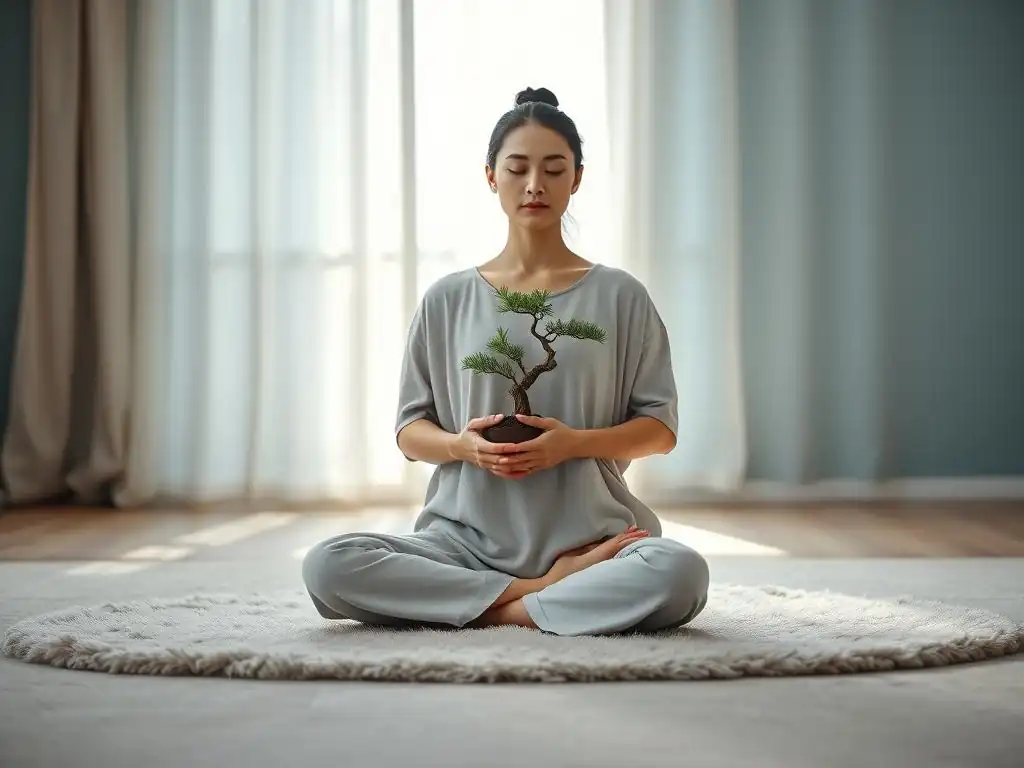
While attending retreats or classes can be beneficial, the true power of Eastern meditation for anxiety relief and stress management lies in consistent daily practice. Integrating these techniques into the rhythm of everyday life, even in small ways, builds resilience over time.
Establishing a Consistent Meditation Routine
Consistency is more important than duration when starting a meditation practice. Aiming for a short, regular session (e.g., 5-10 minutes) each day is more effective than sporadic long sessions. Finding a specific time and place for practice can help establish it as a habit. This might be first thing in the morning, during a lunch break, or before bed. Treating the meditation time as non-negotiable, like any other important appointment, increases the likelihood of sticking with it.
Creating a dedicated space, even if it's just a cushion in a quiet corner, can also signal to the mind that it's time to practice. The goal is to make meditation a natural part of the day, like brushing your teeth, rather than an extra chore. This consistent effort, even in brief moments, reinforces the mental pathways associated with calm and focus, enhancing the long-term effects of Eastern meditation for anxiety relief.
Setting Achievable Expectations for Practice
It's crucial to approach meditation with realistic expectations. The mind will wander; thoughts will arise. The practice isn't about stopping thoughts but about noticing them without judgment and gently returning attention to the chosen anchor (like the breath). Expecting instant bliss or a completely silent mind is unrealistic and can lead to frustration.
View meditation as a skill that improves with practice, much like learning a musical instrument. Some days will feel easier than others. The goal is simply to show up and practice, regardless of how the session feels. Recognizing that even brief moments of focused attention are beneficial helps maintain motivation. Embracing the process, including its challenges, is part of the journey towards using Eastern meditation for anxiety relief effectively.
Addressing Common Obstacles in Meditation
Several common obstacles can arise when starting meditation. Boredom, restlessness, and self-judgment are frequently encountered. When boredom arises, try acknowledging it with curiosity rather than aversion. If restlessness occurs, explore gentle movement or incorporate walking meditation. For self-judgment (e.g., "I'm bad at this"), recognize it as just another thought and return to the breath or body sensation.
Physical discomfort can also be an issue. Finding a comfortable posture, whether seated on a cushion, chair, or even lying down if necessary, is important. It's okay to adjust your posture during practice. Working with a qualified teacher or joining a group can provide support and guidance in navigating these challenges, ensuring that the practice of Eastern meditation for anxiety relief remains accessible and sustainable.
Eastern Philosophies and Stress: A Broader Perspective
Eastern meditation practices are often rooted in broader philosophical frameworks that offer valuable perspectives on the nature of stress and suffering. Understanding these underlying principles can deepen one's practice and provide a more holistic approach to managing life's challenges.
The Principle of Non-Attachment and Its Application to Stress
A central tenet in many Eastern philosophies, particularly Buddhism and Hinduism, is the principle of non-attachment (vairagya in Sanskrit, anicca or anatta in Pali/Sanskrit referring to impermanence and non-self). This principle teaches that suffering often arises from our clinging to impermanent things – whether they are pleasant experiences we want to last, unpleasant experiences we want to go away, or fixed ideas about ourselves and the world. Stress frequently stems from attachment to outcomes, expectations, or specific circumstances.
Applying non-attachment to stress means recognizing that thoughts, feelings, and situations are constantly changing. Instead of clinging to the idea that things should be different or resisting the reality of a difficult moment, we learn to observe these phenomena without excessive emotional investment. This doesn't mean becoming indifferent, but rather developing the wisdom to understand that everything is temporary. By practicing non-attachment, we loosen the grip of desires and aversions that fuel much of our stress, making Eastern meditation for anxiety relief more effective as it cultivates this perspective.
Acceptance and Surrender: Foundational Concepts for Serenity
Closely related to non-attachment are the concepts of acceptance and surrender. Acceptance (santosha in Yoga, part of the Noble Truths in Buddhism) involves acknowledging and making peace with the present moment, exactly as it is, without wishing it were otherwise. Surrender, in this context, is not about giving up or being passive, but about releasing the struggle against reality and trusting in the flow of life.
Stress often arises from resisting what is happening. We fight against difficult circumstances, negative emotions, or uncomfortable sensations. Acceptance and surrender offer an alternative: facing reality with courage and openness. This doesn't mean we don't take action to change things if possible, but it means we stop exhausting ourselves by fighting against the unchangeable aspects of a situation. Practicing Eastern meditation for anxiety relief helps cultivate this capacity for acceptance, as we repeatedly practice accepting the present moment sensations and thoughts during meditation, building resilience to face challenges with less internal conflict.
Fostering Empathy and Altruism
Many Eastern traditions emphasize the cultivation of empathy (karuna - compassion) and altruism (concern for the well-being of others) as essential components of a peaceful mind and a meaningful life. Focusing solely on our own problems and desires can amplify stress and a sense of isolation. Turning our attention outwards, towards the suffering of others and wishing them well, can paradoxically alleviate our own distress.
Practices like Metta (Loving-Kindness) meditation directly cultivate these qualities. By extending compassion first to ourselves and then outwards, we break down the self-centeredness that often fuels anxiety and stress. Research shows that acts of kindness and altruism activate reward centers in the brain and can reduce stress hormones. Embracing the philosophical emphasis on interconnectedness and actively fostering empathy and altruism provides a broader context for using Eastern meditation for anxiety relief, shifting focus from purely personal suffering to a more universal perspective.
Selecting the Appropriate Eastern Meditation Technique
With a variety of Eastern meditation techniques available, choosing one can feel daunting. The best approach is often personal and may evolve over time.
Evaluating Personal Needs and Preferences
Consider what you hope to gain from meditation. Are you primarily seeking to calm a busy mind and reduce immediate stress? Mindfulness or a simple concentration practice might be a good starting point. Do you struggle with difficult emotions like anger or self-criticism? Loving-Kindness meditation could be particularly beneficial. Are you interested in exploring deeper patterns of thought and sensation? Vipassana might be appealing. Reflecting on your current challenges and goals can help guide your choice of Eastern meditation for anxiety relief.
Also, consider your personality and learning style. Some people prefer the structured focus of concentration practices, while others resonate with the open awareness of mindfulness. Some enjoy the emotional cultivation of Metta. It's helpful to read descriptions of different techniques and see which ones intellectually or intuitively appeal to you most.
Trying Different Approaches
Don't feel pressured to stick with the first technique you try if it doesn't resonate. Experimenting with different forms of Eastern meditation for anxiety relief is highly recommended. Try mindfulness for a few weeks, then maybe a simple breath-focused concentration, and then perhaps Metta. Many practitioners incorporate elements from several traditions into their personal practice.
Attending introductory classes or workshops can be a great way to experience different techniques under guidance. Online resources, including guided meditations, can also provide a taste of various approaches. Give each technique a fair chance (at least a week or two of regular practice) before deciding if it's the right fit for you at this time.
Seeking Instruction from Qualified Instructors
While self-guided practice is possible, learning from a qualified instructor is invaluable, especially when beginning or navigating challenges. A good teacher can explain the principles correctly, guide you through the techniques, answer questions, and help you troubleshoot difficulties. They can also provide context within the broader philosophical tradition.
Look for teachers who have undergone extensive training and have their own established practice. Meditation centers, temples, and reputable online platforms often list qualified instructors. Learning directly from someone experienced can significantly enhance the effectiveness and safety of your Eastern meditation for anxiety relief practice, providing personalized guidance that books or apps cannot replicate.
The Potential of Eastern Meditation in Mental Health
The growing body of scientific evidence and increasing acceptance of holistic approaches highlight the significant potential of Eastern meditation practices in the field of mental health.
The Increasing Acceptance of Eastern Methods
Historically viewed with skepticism in some Western medical circles, Eastern meditation practices are now gaining widespread acceptance as valuable complementary approaches to mental health care. Major medical institutions and mental health organizations increasingly acknowledge the benefits of mindfulness-based therapies (like MBSR and MBCT) and recommend meditation for managing stress, anxiety, and depression.
This shift is driven by rigorous research demonstrating tangible effects on brain function, stress hormones, and psychological symptoms. As the stigma around mental health decreases and the demand for non-pharmacological interventions grows, Eastern meditation for anxiety relief and other conditions is becoming a mainstream recommendation, often integrated into therapeutic settings and wellness programs.
Combining Eastern Meditation with Conventional Treatments
Eastern meditation is not typically presented as a replacement for conventional medical or psychological treatments, especially for severe mental health conditions. Instead, its greatest potential often lies in its integration with standard care, such as therapy (e.g., CBT, psychotherapy) and, when necessary, medication.
Used adjunctively, Eastern meditation for anxiety relief can enhance the effectiveness of therapy by improving self-awareness, emotional regulation skills, and the ability to tolerate distress. It can provide individuals with practical tools they can use daily to manage symptoms and build long-term resilience. Many therapists now incorporate mindfulness or other meditation techniques into their sessions or recommend them as homework, recognizing the synergistic benefits of combining inner contemplative work with external therapeutic support.
Resources for Further Exploration of Eastern Meditation for Stress
For those interested in exploring Eastern meditation for anxiety relief and stress reduction further, a wealth of resources is available.
List of Recommended Resources on Eastern Meditation
- Introductory books on mindfulness and meditation from reputable authors
- Guided meditation recordings or apps
- Online courses or programs on specific techniques like MBSR or Vipassana
- Texts explaining the philosophical foundations of Eastern meditation traditions
- Research articles and summaries on the scientific benefits of meditation
Directory of Qualified Meditation Teachers and Centers
- Websites of established meditation centers or organizations (e.g., those affiliated with specific Buddhist or Yoga traditions)
- Online directories listing certified mindfulness or meditation instructors
- Local community centers or universities offering meditation classes
- Referrals from mental health professionals familiar with meditation practices
Frequently Asked Questions
What is Eastern meditation and how does it differ from other forms of meditation?
Eastern meditation encompasses various practices rooted in traditions like Buddhism and Hinduism, focusing on mindfulness and spiritual awareness. Unlike some Western techniques that might emphasize visualization, Eastern meditation often prioritizes breath control and present moment awareness.
How effective is Eastern meditation for anxiety relief, according to research?
Studies suggest that Eastern meditation, particularly practices like Vipassana and Zen, can significantly reduce anxiety symptoms. This is attributed to its ability to regulate the nervous system and promote relaxation. However, individual results may vary.
What are some common types of Eastern meditation techniques suitable for beginners?
Beginner-friendly techniques include mindful breathing, body scan meditation, and Metta (loving-kindness) meditation. These practices emphasize simple observation and non-judgmental awareness, making them accessible to all.
How often should I practice Eastern meditation to experience anxiety relief benefits?
Consistency is key. Aim for at least 10-20 minutes daily. Regular practice helps build mindfulness skills and develop a greater sense of calm over time.
Are there any potential risks or side effects associated with Eastern meditation?
While generally safe, some individuals may experience increased self-awareness, which can temporarily intensify emotions. It's advisable to start slowly and consider guidance from a qualified instructor, especially if you have pre-existing mental health conditions.
Final Reflection: Finding Stillness in a Restless World
The pursuit of inner peace, once considered a niche practice, is now a vital necessity in our increasingly frenetic world. The ancient Eastern techniques explored in this article—from the mindful breathing of Vipassanā to the gentle movements of Tai Chi—offer powerful tools not just for managing anxiety, but for cultivating a deeper, more resilient sense of self. These aren't fleeting trends; they are timeless practices with the potential to transform lives.
The enduring influence of Eastern meditation on our modern understanding of mental well-being is undeniable. It's more than just a technique; it's a philosophy that challenges our relentless pursuit of external validation and encourages us to turn inward for strength and solace. This shift in perspective, from external achievement to internal harmony, is profoundly impactful. The mind is everything. What you think you become.
– Buddha. This simple yet profound statement encapsulates the core principle behind these practices: our thoughts shape our reality, and by cultivating a calm and focused mind, we can navigate the challenges of life with greater ease and grace.
Consider the lessons learned within these pages. You now possess the knowledge to begin your own journey towards inner peace. Don't just read about these techniques; experience them. Start with a few minutes of mindful breathing each day, explore a gentle yoga flow, or simply find a quiet space to observe your thoughts without judgment. The path to a calmer, more centered you begins with a single, conscious breath. Embrace the ancient wisdom, and unlock the serenity that resides within.
Unlock Your Inner Peace: Start Your Journey Today
Thanks for taking the time to explore Eastern approaches to a calm mind! We hope you gained valuable insights into finding inner peace. Now it's time to put that knowledge into practice.
- Begin your daily meditation practice: Even 5 minutes a day can make a significant difference. Start small and gradually increase your meditation time as you feel comfortable. This is the key step to integrating these ancient techniques into your life.
- Share your experience: Tell us (or a friend!) about your meditation journey. What resonated most with you? What challenges did you encounter? Your insights could inspire others.
- Explore a guided meditation: Search online for guided meditations focusing on the techniques discussed. Many are freely available and can enhance your practice.
Ready to embrace a calmer, more mindful you? What small step will you take today to cultivate inner peace?