
Taming Your Notifications: Strategies to Reduce Digital Stress


Welcome to Mind Care Guide, a space dedicated to nurturing your mental well-being.
Feeling overwhelmed by the constant buzz of notifications? You're not alone. In today's digital age, managing the influx of alerts is crucial for mental health. Dive into our comprehensive guide on digital stress notification management and discover practical strategies to reclaim your focus and find peace amidst the digital chaos. Curious to learn how to tame the notification beast and regain control of your day? Let's begin!
Taming Your Notifications: Strategies to Reduce Digital Stress
- Understanding Digital Stress and its Impact on Mental Well-being
- Mastering Notification Management for Reduced Stress
- Practical Strategies for Effective Notification Management
- Beyond Notification Management: Holistic Digital Well-being
- Long-Term Strategies for Sustained Digital Well-being
-
Frequently Asked Questions
- What is digital stress and how does it relate to notification overload?
- Why is it important to manage digital stress notifications effectively?
- What are some simple strategies for implementing "Digital stress notification management"?
- How can I identify which notifications are contributing the most to my stress?
- Are there any apps or tools that can help with managing digital stress notifications?
- Final Reflection: Reclaiming Your Attention in a Noisy World
- Reclaim Your Focus: Start Living a Less Distracted Life
Understanding Digital Stress and its Impact on Mental Well-being
Defining Digital Stress: The Notification Overload
Digital stress, often referred to as technostress, arises from the pervasive use of digital technologies. A significant contributor to this stress is the sheer volume and frequency of notifications we receive daily. Consider the average smartphone user who might receive dozens, or even over a hundred, notifications from various apps, emails, messages, and social media platforms throughout a single day.
This constant stream of alerts creates a persistent feeling of being "on-call" or needing to respond immediately, leading to cognitive overload and mental fatigue. This relentless demand on our attention is a core component of the digital stress associated with notification overload.
This persistent influx of digital pings interrupts tasks, disrupts focus, and prevents deep concentration. Research suggests that even the anticipation of a notification can be distracting. When our brains are constantly switching between tasks – reading an email, then a message, then back to a project – it significantly reduces efficiency and increases the likelihood of errors. This fragmented attention contributes directly to feelings of being overwhelmed and stressed, making effective digital stress notification management a critical skill for modern life.
How Constant Notifications Contribute to Anxiety and Burnout
The incessant nature of notifications can significantly elevate anxiety levels. Each alert triggers a small surge of dopamine, creating a compulsive checking behavior. However, this is often followed by disappointment or stress if the notification isn't positive or requires immediate action. This cycle of anticipation and reaction keeps the nervous system in a heightened state, contributing to chronic stress. Furthermore, seeing notifications from work emails or project updates outside of working hours blurs the lines between professional and personal time, making it difficult to truly disconnect and rest, a major factor in the development of burnout.
Burnout, characterized by emotional exhaustion, cynicism, and reduced personal accomplishment, is exacerbated by the inability to escape digital demands. Studies and surveys frequently highlight how constant connectivity, driven by notifications, makes employees feel obligated to be available around the clock. For instance, a survey might reveal that a large percentage of workers check work emails outside of hours, directly linked to notification habits. This lack of recovery time prevents mental and emotional replenishment, accelerating the path towards burnout. Effective strategies for managing digital stress notifications are therefore essential preventative measures against this modern-day epidemic.
Recognizing the Symptoms of Digital Stress
Recognizing the signs of digital stress is the first step toward addressing it. Common symptoms include difficulty concentrating on tasks without feeling compelled to check a device, experiencing irritation or anxiety when unable to access digital devices or check notifications, and feeling mentally drained or exhausted after prolonged periods of digital use. Physical symptoms like headaches, eye strain, or even muscle tension from poor posture while using devices are also indicators. Many individuals report feeling overwhelmed by the sheer volume of information they receive digitally, leading to decision fatigue and a sense of paralysis.
Beyond these immediate reactions, digital stress can manifest as more chronic issues such as sleep disturbances – often caused by late-night scrolling or the blue light from screens, exacerbated by late notifications. It can also contribute to feelings of inadequacy or social comparison, particularly stemming from social media notifications. Persistent low mood, reduced productivity despite long hours connected, and a general feeling of never being "caught up" are strong signals that digital stress is impacting well-being. Identifying these symptoms is crucial for implementing strategies for digital stress notification management and regaining control.
Mastering Notification Management for Reduced Stress
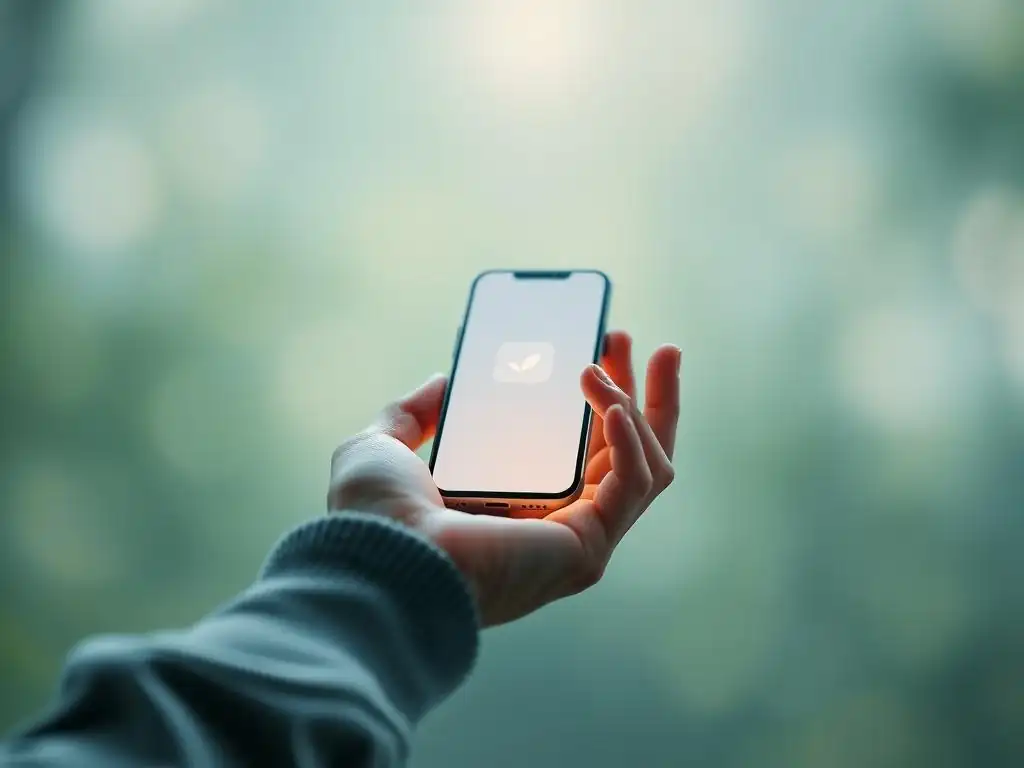
The Importance of Proactive Digital Detox Strategies
Adopting proactive digital detox strategies is fundamental to reducing digital stress. Rather than reacting to the constant demands of notifications, taking intentional breaks from digital devices allows the mind to rest and reset. This doesn't necessarily mean going completely offline for extended periods, but rather consciously scheduling time away from screens and alerts. Implementing regular "notification-free" zones during the day, such as during meals, family time, or the first hour after waking up, can significantly decrease the feeling of being constantly tethered to technology.
These scheduled breaks help disrupt the compulsive checking cycle and rebuild the capacity for focused attention. For example, setting aside 30 minutes each evening where all devices are put away and notifications are muted allows for genuine relaxation and connection with the present moment. Over time, these small, consistent efforts contribute to a healthier relationship with technology and reduce the baseline level of digital stress. Proactive management of digital stress notifications through planned detox periods empowers individuals to regain control over their time and attention.
Assessing Your Current Notification Habits: A Digital Audit
Before making changes, it's vital to understand your current notification landscape. A digital audit involves taking stock of all the notifications you receive, from which apps, and how frequently. Many smartphones provide weekly summaries of screen time and notification counts. Reviewing these reports can be eye-opening; you might discover you receive hundreds of notifications daily from apps you rarely use or care about. Note down the types of notifications (email, social media, news, game alerts, etc.) and the feelings they evoke (urgency, anxiety, distraction, pleasure).
This assessment helps identify the primary sources of your digital stress. For instance, you might find that work email notifications after 6 PM are a major trigger, or that constant social media pings during the workday severely disrupt your focus. Understanding these patterns provides a clear roadmap for where to begin making adjustments. Without this initial audit, efforts to manage digital stress notifications might be haphazard and less effective. It's about gaining awareness before implementing targeted solutions.
Practical Strategies for Effective Notification Management
Prioritizing Notifications: Identifying What Truly Matters
Not all notifications are created equal. Some require immediate attention (like critical work alerts or emergency messages from family), while others are merely informative or promotional. A key strategy for managing digital stress notifications is to differentiate between these types and treat them accordingly. Decide which categories of notifications are truly essential for your work, safety, or personal well-being, and which are distractions that can wait or be ignored entirely. This involves a conscious decision about what deserves your immediate attention.
For instance, you might decide that only notifications from your immediate family, your boss, and critical system alerts warrant an audible ping, while all others should be silent or delivered in batches. This deliberate filtering reduces the constant interruptions and allows you to focus on high-priority tasks without the persistent low-level anxiety caused by non-urgent alerts. Implementing a clear hierarchy for your notifications is a foundational step in effective digital stress notification management.
Filtering Notifications by Urgency and Importance
Modern operating systems and apps offer granular control over notification settings. Take the time to go into the settings of each app and configure its notification permissions. For instance, email apps often allow you to set up VIP lists so you only get immediate alerts for emails from specific contacts, while others arrive silently. Messaging apps let you mute individual or group conversations that are less urgent. Similarly, news apps can be configured to send alerts only for breaking news or specific topics you follow, rather than every published article.
This filtering process requires an initial investment of time, but the long-term benefits in reduced digital stress are significant. By actively deciding which apps and which types of alerts within those apps have permission to interrupt you, you create a digital environment that respects your attention and priorities. This targeted approach is far more effective than simply turning off all notifications, which might cause you to miss important information. It's about smart, intentional control over the flow of digital information.
Utilizing Notification Summaries and Scheduled Delivery
Many operating systems now offer features like "Notification Summaries" or "Scheduled Summary." Instead of receiving notifications individually as they arrive throughout the day, you can bundle less urgent alerts together and receive them in scheduled batches, perhaps two or three times a day at specific times you designate (e.g., 10 AM and 3 PM). This is particularly useful for social media updates, promotional emails, or news alerts that don't require immediate action.
This approach drastically reduces the number of individual interruptions you experience daily. Instead of dozens or even hundreds of pings, you receive a consolidated digest at predetermined times. This allows for extended periods of uninterrupted focus while still keeping you informed. By shifting from a reactive, real-time notification model to a proactive, scheduled one, you significantly decrease the cognitive load and anxiety associated with constant alerts, making it a powerful tool for digital stress notification management.
Customizing App Notification Settings for Optimal Control
Taking a deep dive into the notification settings of each individual app is crucial for regaining control. Every app has its own set of notification options, often allowing you to choose between banners, sounds, badges, or turning them off entirely. Many apps default to sending you every conceivable type of alert, from likes on a post to suggested content or achievements unlocked in a game. These are often the primary culprits behind notification overload.
Make a habit of reviewing the notification settings for new apps you install and revisiting existing ones periodically. Ask yourself for each app: "Do I need this app to interrupt me?" If the answer is no, disable its notifications. If yes, configure them to be as unobtrusive as possible – perhaps badges only, or silent delivery. This granular control is a powerful, yet often underutilized, aspect of effective digital stress notification management.
Turning Off Non-Essential App Notifications
Identify apps that provide little value in real-time notifications. This often includes shopping apps, mobile games (beyond critical updates), news apps (unless you need breaking news immediately), and many utility apps. Do you really need to be notified every time an app updates its content or offers a new feature? Likely not. Go through your app list systematically and turn off notifications for anything that isn't essential to your immediate communication, safety, or work.
For example, if you have several retail apps, disable their promotional notifications. For games, turn off alerts about lives refilled or daily rewards. While these might seem minor individually, collectively they contribute significantly to the constant stream of digital noise. Removing these non-essential interruptions frees up mental space and reduces the urge to check your phone unnecessarily, directly contributing to reduced digital stress.
Muting Group Chats and Limiting Social Media Alerts
Group chats, especially large or active ones, can generate an overwhelming number of notifications. Unless the group chat is critical for immediate work or family communication, consider muting it for a set period (e.g., 8 hours, 1 week, or indefinitely). Most messaging apps offer options to mute conversations while still allowing you to see messages when you open the app. This prevents constant pings while ensuring you don't miss important information entirely if you choose to check in later.
Similarly, social media apps are notorious for sending numerous notifications about likes, comments, shares, follow requests, messages, and suggested content. Decide which, if any, of these alerts are truly necessary. Many people find that turning off all social media notifications significantly reduces anxiety and the compulsive urge to check feeds. You can still engage with social media when you choose to open the app, rather than being constantly pulled in by notifications. This selective approach is vital for managing the digital stress associated with these platforms.
Leveraging Focus Modes and "Do Not Disturb" Features
Most modern smartphones and operating systems include powerful features designed to minimize distractions, often called "Focus Modes" or "Do Not Disturb." These tools allow you to silence all notifications (or allow only specific exceptions) for a set period or based on your activity (e.g., while driving, working, or sleeping). Learning to effectively use these features is perhaps one of the most impactful strategies for digital stress notification management.
Set up scheduled "Do Not Disturb" times, particularly during your planned relaxation periods, mealtimes, and sleep hours. This creates automatic boundaries and prevents accidental interruptions. Actively engaging these modes when you need to concentrate on a task is a powerful way to protect your focus and reduce the mental overhead of potential interruptions. It shifts control from your device back to you, allowing you to dictate when and how you are available digitally.
Scheduling Dedicated "Unplugged" Time
Beyond just muting notifications, actively scheduling periods where you are completely "unplugged" from devices is beneficial. This could be an hour every evening dedicated to reading a physical book, spending time with family without phones present, or engaging in a hobby. During this time, devices are put away, ideally in a different room, and all notifications are irrelevant because the device isn't accessible.
This dedicated unplugged time serves as a deliberate recovery period, allowing your brain to disengage from the digital world and reducing the cumulative effect of digital stress. Even short, regular periods of disconnection can make a significant difference in overall mental well-being. It reinforces the idea that technology is a tool to be used intentionally, rather than a master dictating your attention.
Creating Custom Focus Modes for Work, Relaxation, and Sleep
Many devices allow you to create custom Focus Modes tailored to specific activities. For instance, you could create a "Work" focus mode that only allows notifications from work-related apps (like email or team chat) and your immediate colleagues, silencing all social media, news, and personal messages. A "Relaxation" mode could silence everything except calls from emergency contacts. A "Sleep" mode could silence everything except potentially calls from designated family members.
These custom modes provide a personalized layer of control over your digital environment. By activating the appropriate mode, you automatically configure your device to support your current activity without constant manual adjustments. This automation helps maintain boundaries and ensures that notifications serve your needs rather than disrupting them, making it a sophisticated method for digital stress notification management.
Beyond Notification Management: Holistic Digital Well-being

Cultivating Mindful Technology Use
Managing notifications is a crucial step, but holistic digital well-being requires cultivating a more mindful relationship with technology overall. This involves being aware of why you are picking up your device, what you are doing with it, and how it makes you feel. Are you mindlessly scrolling, or are you using the tool intentionally for a specific purpose? Practicing mindfulness with technology means paying attention to the impulses that drive digital engagement and questioning whether they align with your goals and well-being.
Simple practices like pausing before opening an app to ask yourself "Why am I opening this?" or noticing how you feel after a session online can reveal unhelpful patterns. Setting intentions for your digital interactions – "I will check email for 15 minutes" or "I will use social media to connect with one friend" – helps prevent falling into endless scrolling or task-switching. This conscious awareness is fundamental to reducing the pervasive impact of digital stress.
Establishing Boundaries Between Work and Personal Life in the Digital Realm
The digital age has blurred the lines between work and personal life, often facilitated by notifications. Establishing clear boundaries is essential for preventing burnout and maintaining mental health. This means defining specific work hours and sticking to them as much as possible. Turning off work email and messaging notifications outside of these hours is a concrete step in enforcing this boundary. Communicate these boundaries to colleagues and clients where appropriate.
Creating separate profiles or even using different devices for work and personal life can also help reinforce these divisions. The goal is to prevent work-related digital demands from encroaching upon time needed for rest, recovery, and personal relationships. While complete separation isn't always feasible, being intentional about when you engage with work-related digital communication is vital for reducing digital stress and protecting personal time.
Practicing Digital Minimalism: Decluttering Your Digital Life
Just as physical clutter can create mental stress, digital clutter can contribute to overload and anxiety. Practicing digital minimalism involves critically evaluating the digital tools, apps, and information streams in your life and removing those that don't add significant value. This could mean unsubscribing from unnecessary email lists, unfollowing social media accounts that don't enrich your life, deleting unused apps, and organizing digital files.
Reducing the sources of potential notifications and digital information naturally reduces the overall volume you have to manage. A minimalist digital environment is less overwhelming and requires less cognitive effort to navigate. It aligns with the principle of focusing on what truly matters, extending beyond just notifications to the entire digital landscape you inhabit. This deliberate decluttering is a powerful, long-term strategy for sustained digital well-being and reducing digital stress.
Long-Term Strategies for Sustained Digital Well-being
Regularly Evaluating Your Digital Habits and Adjusting Strategies
Digital habits are not static; they evolve with new technologies, apps, and life circumstances. Therefore, maintaining digital well-being requires regular evaluation and adjustment of your strategies. What worked six months ago might not be as effective today. Schedule periodic "digital check-ins" – perhaps monthly or quarterly – to review your notification settings, assess your screen time reports, and reflect on how your digital habits are impacting your mental state.
During these check-ins, consider what's working well and what's still causing stress. Are certain apps still sending too many notifications? Are you adhering to your "unplugged" times? Are new digital tools adding value or just noise? Based on this evaluation, be prepared to tweak your notification settings, adjust your focus modes, or even uninstall apps that are no longer serving you. This ongoing process of assessment and adaptation is key to sustained digital stress notification management and overall well-being.
Seeking Support and Resources for Digital Stress Management
You don't have to navigate the challenges of digital stress alone. Many resources are available to help. This includes articles and guides on digital well-being, apps designed to help manage screen time and notifications, and even professional support like therapists or coaches who specialize in technology-related stress. Discussing your struggles with friends, family, or colleagues who might share similar experiences can also provide valuable perspective and support.
Organizations focused on mental health often provide valuable insights and tools for managing modern stressors like digital overload. Don's hesitate to explore these resources. Sharing experiences and learning from others who are also working on managing their relationship with technology can be incredibly validating and provide new strategies. Seeking support is a sign of strength and a proactive step towards improving your digital well-being.
The Role of Self-Care in Maintaining a Healthy Relationship with Technology
Ultimately, managing digital stress is deeply intertwined with overall self-care. Prioritizing activities that nourish your mind and body outside of the digital realm builds resilience against the negative impacts of technology. This includes ensuring you get adequate sleep, eating nutritious meals, engaging in regular physical activity, spending time in nature, practicing mindfulness or meditation, and nurturing in-person relationships.
When you are well-rested, physically healthy, and emotionally grounded, you are better equipped to handle the demands of the digital world and less likely to be negatively impacted by notifications and constant connectivity. Self-care practices provide essential counterbalance to the sedentary and often mentally taxing nature of excessive screen time. By investing in your overall well-being, you strengthen your capacity for effective digital stress notification management and foster a healthier, more balanced life.
Frequently Asked Questions
What is digital stress and how does it relate to notification overload?
Digital stress is the psychological strain resulting from constant online interaction. Notification overload significantly contributes by creating a constant state of alert, overwhelming our ability to focus and relax.
Why is it important to manage digital stress notifications effectively?
Effective management reduces anxiety and improves focus. By minimizing distractions, it promotes better mental well-being and increased productivity in daily life.
What are some simple strategies for implementing "Digital stress notification management"?
Start by prioritizing notifications: only allow essential alerts. Then, schedule specific times for checking emails and social media, creating intentional breaks from digital input.
How can I identify which notifications are contributing the most to my stress?
Pay attention to your emotional response when you receive different notifications. Notice which ones trigger feelings of urgency or anxiety. These are likely the primary culprits that need managing.
Are there any apps or tools that can help with managing digital stress notifications?
Yes, several apps offer features like notification filtering, scheduled delivery, and focus modes. Research and choose tools that align with your personal needs and usage patterns.
Final Reflection: Reclaiming Your Attention in a Noisy World
The relentless barrage of notifications is no longer a futuristic dystopia; it's the lived reality of the 21st century. Our constant connectivity, while offering undeniable benefits, has created a pervasive digital stress that impacts our mental well-being, productivity, and even our relationships. Ignoring this reality is no longer an option; actively managing our digital intake is crucial for a healthier, more fulfilling life.
The insidious creep of digital stress has profoundly altered our relationship with time and attention. We're constantly pulled in multiple directions, struggling to focus on the task at hand amidst the incessant pinging and buzzing. The greatest enemy of knowledge is not ignorance, it is the illusion of knowledge.
This quote, while not directly about notifications, speaks volumes about the deceptive nature of our always-on digital world. We often think we're staying informed, but instead we're drowning in a sea of irrelevant information, hindering true understanding and genuine connection.
You now have the tools to begin taming your notifications. Consider this not just a set of strategies, but a pathway to reclaiming your agency. Start small, experiment with different techniques, and find what works best for you. Observe how reducing your notification load impacts your focus, your mood, and your overall sense of well-being. The journey to a less digitally-stressed life is a personal one, but the rewards – a clearer mind, greater productivity, and a deeper connection with yourself and the world around you – are immeasurable. Begin today. Your future self will thank you.
Reclaim Your Focus: Start Living a Less Distracted Life
Thank you for taking the time to explore strategies for reducing digital stress! We hope you found practical tips to help you manage your notifications and regain control of your attention. Now, it's time to put these insights into action.
- Implement one notification change today: Choose just one app or setting to adjust – maybe silencing non-urgent emails or turning off social media alerts during focused work. This small step can make a big difference.
- Share your experience: Tell us about your biggest notification challenge and how you plan to tackle it in the comments below. Let's support each other in creating a calmer digital environment!
- Try a digital detox mini-challenge: Consider a short, 30-minute period each day where you disconnect completely from screens. This break can be incredibly refreshing and help you reset your focus.
What small change will you make to reduce your digital distractions this week?