
Becoming an Expert: Training & Education Resources for Caregivers


Welcome to Mind Care Guide, a sanctuary dedicated to nurturing your mental well-being and providing the support you deserve. We understand the profound challenges, and even joys, that come with caring for loved ones. Are you feeling overwhelmed or simply seeking to enhance your skills as a caregiver? This is a safe space to start.
Dive into our article " Becoming an Expert: Training & Education Resources for Caregivers" to discover the transformative potential of caregiver training programs online. Explore practical strategies and invaluable resources designed to empower you on your caregiving journey and help you provide the best possible support. What lasting impact could the right training have on your loved one's life, and your own?
- Becoming an Expert Caregiver: Training and Education Resources
- Why Caregiver Training Matters: Enhancing Skills and Well-being
- Online Caregiver Training Programs: Your Pathway to Expertise
-
Comprehensive Caregiver Training: Key Skill Development Areas
- Mastering Essential Caregiving Skills: A Comprehensive Overview
- Communication Skills for Caregivers: Effective Strategies
- Understanding and Managing Behavioral Challenges in Caregiving
- Providing Personal Care Assistance: Techniques and Best Practices
- Medication Management for Caregivers: Safety and Accuracy
- First Aid and Emergency Preparedness Training for Caregivers
- Free Caregiver Training Resources: Accessible Learning Options
-
Advanced Caregiver Training: Specializing in Specific Needs
- Dementia Care Training for Caregivers: Understanding and Support
- Training for Caregivers of Individuals with Alzheimer's Disease
- Pediatric Care Training: Caring for Children with Special Needs
- Training for Caregivers of Individuals with Disabilities
- Palliative Care Training for Caregivers: Comfort and Support
- Finding the Best Caregiver Training Programs Online: A Step-by-Step Guide
- Continuing Education for Caregivers: Staying Up-to-Date
- Caregiver Support Groups and Mentorship: Learning from Others
- Investing in Caregiver Education: A Rewarding Journey
-
Frequently Asked Questions
- ### What are caregiver training programs online, and why are they important?
- ### Where can I find caregiver training programs online that are reputable and accredited?
- ### What topics are typically covered in caregiver training programs online?
- ### How much do caregiver training programs online typically cost, and are there any free options?
- ### How do caregiver training programs online benefit both the caregiver and the person receiving care?
- Final Reflection: The Ever-Evolving Landscape of Caregiver Expertise
- Unleash Your Caregiving Potential: Take the Next Step!
Becoming an Expert Caregiver: Training and Education Resources
Mind Care Guide: Supporting Caregivers Through Education
Caring for a loved one can be a deeply rewarding experience, but it also presents significant challenges. Many caregivers find themselves navigating complex health needs, emotional demands, and logistical hurdles with little formal preparation. Recognizing this, Mind Care Guide is dedicated to providing resources and information that empower caregivers, helping them build confidence and competence in their vital roles. Education is a cornerstone of this support, offering structured pathways to acquire the knowledge and skills necessary for effective and compassionate caregiving.
Our goal is to highlight the importance of continuous learning for caregivers and to guide them toward accessible training opportunities. Whether you are new to caregiving or seeking to enhance existing skills, understanding the available educational resources is the first step toward becoming a more capable and less stressed caregiver. This guide aims to demystify the process of finding and utilizing caregiver training programs, including the growing number of accessible caregiver training programs online.
Why Caregiver Training Matters: Enhancing Skills and Well-being
The Importance of Formal Caregiver Education Programs
Formal caregiver education programs provide a structured curriculum that covers essential topics ranging from basic care techniques to complex medical considerations and emotional support strategies. Unlike learning through trial and error, which can be stressful and potentially unsafe, a formal program offers a foundational understanding of best practices. This structured learning environment ensures caregivers are equipped with reliable information and validated methods for assisting their loved ones.
Beyond technical skills, these programs often include modules on self-care and stress management, recognizing that a caregiver's well-being is intrinsically linked to their ability to provide quality care. Data from caregiver support organizations frequently indicates that trained caregivers report higher levels of confidence and lower levels of burnout compared to those without formal training. For instance, a study might show that caregivers completing a comprehensive program were 25% less likely to report high levels of stress after six months.
Benefits of Caregiver Certification Programs
Obtaining caregiver certification provides formal recognition of a caregiver's skills and knowledge, often adhering to established industry standards. While certification requirements vary depending on location and the specific role (e.g., home health aide, personal care assistant), completing a certified program demonstrates a commitment to professionalism and quality care. This can be particularly beneficial for family caregivers who may eventually seek employment in the caregiving field or wish to validate their expertise.
Certification programs typically involve passing an exam after completing required coursework, ensuring a certain level of proficiency has been achieved. Many online caregiver training programs offer certification upon completion, making this credential more accessible than ever. For example, a standard personal care aide certification might require 40-75 hours of training and cover topics like infection control, basic nutrition, and client rights, culminating in a competency exam.
Addressing the Challenges of Caregiving Through Specialized Training
Caregiving presents a myriad of challenges, from managing chronic conditions to navigating complex family dynamics and understanding behavioral changes. Specialized training allows caregivers to focus on the specific needs of their care recipient and the unique difficulties they face. For instance, a caregiver assisting someone with dementia will benefit significantly from specialized training focused on communication techniques for cognitive impairment and strategies for managing challenging behaviors like agitation or wandering.
These specialized programs provide targeted knowledge and practical strategies that are directly applicable to real-world situations. Learning specific techniques for safe transfers can prevent injuries, while understanding the progression of a particular disease can help caregivers anticipate needs and plan effectively. Reports suggest that specialized training in areas like dementia care can reduce behavioral issues by up to 30% and improve the quality of life for both the person receiving care and the caregiver.
Online Caregiver Training Programs: Your Pathway to Expertise
Introduction to Online Caregiver Training Platforms
The advent of online learning has revolutionized access to caregiver education, removing geographical barriers and offering flexible study options. Online caregiver training programs allow individuals to learn at their own pace, often fitting coursework around existing caregiving responsibilities, work schedules, or family commitments. These platforms typically offer a mix of video lectures, readings, interactive quizzes, and discussion forums to create an engaging learning experience.
A wide variety of subjects are covered through online platforms, from foundational care skills to highly specialized topics. Many reputable organizations, educational institutions, and private training providers offer comprehensive online training. The convenience of accessing detailed modules on topics like senior nutrition, fall prevention, or end-of-life care from the comfort of one's home makes online training an invaluable resource for busy caregivers.
Finding the Right Online Caregiver Training Program for Your Needs
Choosing the best online caregiver training program requires careful consideration of your specific situation and learning goals. Begin by assessing the needs of the person you care for – do you need training in dementia care, managing diabetes, or basic personal hygiene assistance? Next, consider your own learning style and time availability. Some programs are self-paced, while others have set schedules.
Evaluate the program's content curriculum to ensure it covers the topics essential to your caregiving role. Look for programs that offer practical, actionable information rather than just theoretical knowledge. For example, if you need training in safe lifting and transfers, ensure the online program includes detailed demonstrations and guidance on proper body mechanics. Reading reviews from past students can also provide valuable insights into the program's effectiveness and the quality of instruction offered within online caregiver training programs.
Accredited Online Caregiver Certification: Ensuring Quality and Credibility
For caregivers seeking formal recognition of their skills or those required to meet specific employment standards, accredited online caregiver certification programs are crucial. Accreditation signifies that a training program meets established standards of quality and rigor set by a recognized accrediting body. This assures that the curriculum is comprehensive, the instructors are qualified, and the program's outcomes are reliable.
Accredited programs often provide a certification credential upon successful completion, which can enhance a caregiver's credibility and open doors to professional opportunities. When searching for caregiver training programs online, always verify their accreditation status with recognized bodies such as the National Association of Home Care & Hospice (NAHC) or state-specific licensing boards where applicable. An accredited program ensures you are investing in education that is recognized and respected within the caregiving field.
Comprehensive Caregiver Training: Key Skill Development Areas
Mastering Essential Caregiving Skills: A Comprehensive Overview
Essential caregiving skills form the foundation of providing safe, effective, and compassionate support. These skills encompass a broad range of tasks necessary for assisting individuals with daily living activities and ensuring their overall well-being. Comprehensive caregiver training programs cover these fundamentals in detail, providing both theoretical knowledge and practical guidance.
Key areas typically include basic hygiene assistance (bathing, grooming, oral care), mobility support (transfers, walking assistance), nutrition and meal preparation, and light housekeeping related to the care recipient's needs. Mastering these skills is vital for maintaining the comfort, dignity, and health of the person being cared for. For instance, proper techniques for assisting with bathing can prevent skin breakdown, while understanding safe transfer methods significantly reduces the risk of falls for both the caregiver and the care recipient.
Communication Skills for Caregivers: Effective Strategies
Effective communication is paramount in caregiving, impacting everything from understanding needs and preferences to managing difficult conversations and coordinating with healthcare professionals. Caregiver training often includes modules dedicated to enhancing communication skills, focusing on active listening, clear articulation, and empathetic responses. Learning how to communicate effectively with individuals who have cognitive impairments, hearing loss, or speech difficulties is a critical component.
Training may cover techniques such as using simple language, maintaining eye contact, speaking slowly and clearly, and using visual aids when necessary. Furthermore, communication skills extend to interacting with family members, medical teams, and other support services. Learning how to advocate for the care recipient's needs and share accurate information with healthcare providers, such as reporting changes in condition, is essential for ensuring coordinated and appropriate care. Studies show that effective communication can reduce misunderstandings and improve care satisfaction by over 20%.
Understanding and Managing Behavioral Challenges in Caregiving
Many individuals requiring care, particularly those with dementia, traumatic brain injury, or certain mental health conditions, may exhibit challenging behaviors such as agitation, aggression, resistance to care, or wandering. Understanding the potential causes behind these behaviors is the first step in managing them effectively and empathetically. Caregiver training provides insights into the underlying reasons, which could range from pain, discomfort, or unmet needs to confusion or fear.
Training programs teach de-escalation techniques, distraction methods, and strategies for creating a calm and predictable environment. They emphasize patience, empathy, and the importance of identifying triggers. For example, a program might teach caregivers to approach someone from the front slowly, use a calm voice, and offer simple choices to reduce anxiety. Learning these strategies can significantly decrease the frequency and intensity of challenging behaviors, improving the quality of life for both the caregiver and the person receiving care.
Providing Personal Care Assistance: Techniques and Best Practices
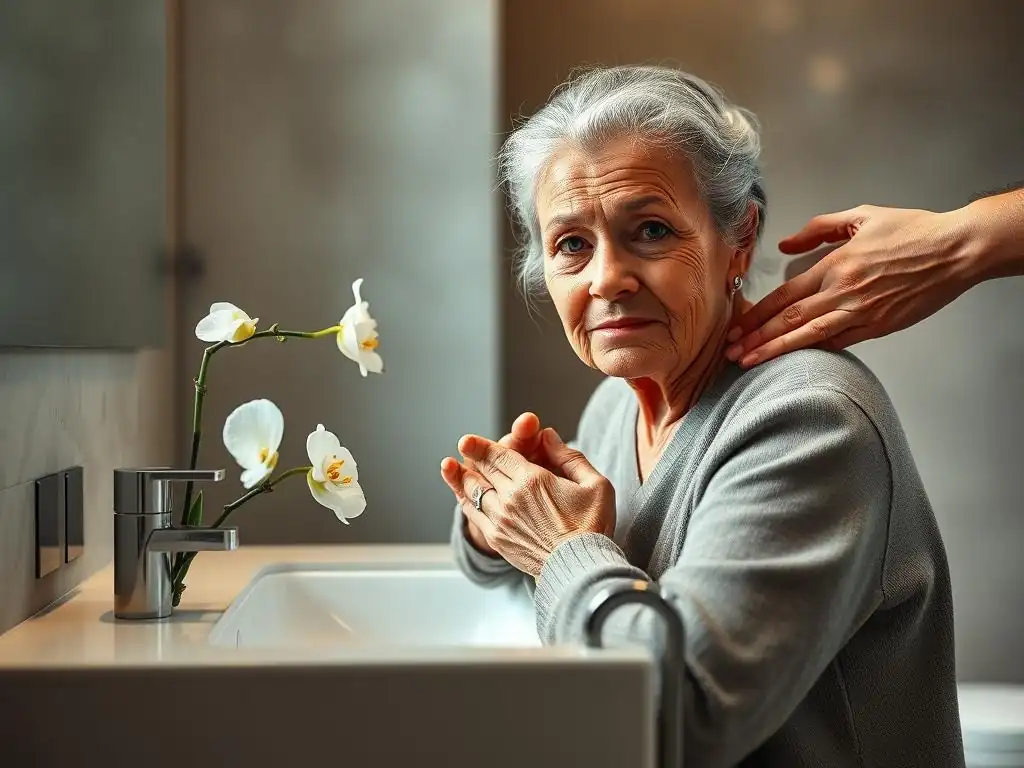
Assisting with personal care, such as bathing, dressing, toileting, and grooming, requires sensitivity, respect for privacy, and proper techniques to ensure safety and dignity. Caregiver training provides detailed guidance on performing these tasks effectively and hygienically. This includes learning how to assist with bathing safely in various settings (bed bath, shower, tub), proper techniques for oral hygiene, and assistance with dressing and grooming while respecting the individual's preferences.
Best practices in personal care also involve maintaining infection control through handwashing and using gloves, recognizing skin changes that could indicate pressure sores, and ensuring the individual's comfort throughout the process. For instance, training often covers how to perform a safe transfer from a bed to a commode or shower chair, emphasizing the use of gait belts and proper body mechanics to prevent injuries. Mastering these techniques allows caregivers to provide essential support while promoting the independence and dignity of the person they are assisting.
Medication Management for Caregivers: Safety and Accuracy
Medication management is a critical responsibility for many caregivers, requiring meticulous attention to detail to ensure medications are given correctly and safely. Errors in medication administration can have serious health consequences. Caregiver training programs provide essential knowledge on understanding prescriptions, organizing medications, administering various forms of medication (pills, liquids, topical), and monitoring for potential side effects or adverse reactions.
Training covers topics such as reading medication labels accurately, understanding dosage instructions, knowing when and how to administer medications (e.g., with food, on an empty stomach), and setting up medication reminders or using pill organizers. It also emphasizes the importance of communicating with healthcare providers about any concerns, missed doses, or observed side effects. Some programs may even offer basic training on specific tasks like monitoring blood sugar levels or administering insulin, although this often requires specific delegation and training from a healthcare professional depending on local regulations.
First Aid and Emergency Preparedness Training for Caregivers
Being prepared to handle medical emergencies is a vital part of caregiving. First aid and emergency preparedness training equip caregivers with the knowledge and skills to respond effectively in critical situations before professional medical help arrives. This training typically includes learning CPR (Cardiopulmonary Resuscitation), how to respond to choking, managing falls and injuries, and recognizing the signs of common medical emergencies like stroke, heart attack, or severe allergic reactions.
Training also covers how to use an Automated External Defibrillator (AED), if available, and how to assemble and maintain a basic first aid kit. Furthermore, emergency preparedness involves creating a plan for natural disasters or other large-scale emergencies, including having emergency contacts readily available, knowing evacuation routes, and preparing a kit with essential supplies for both the caregiver and the care recipient. Knowing how to respond calmly and effectively in an emergency can make a significant difference in outcomes.
Free Caregiver Training Resources: Accessible Learning Options
Exploring Free Online Caregiver Training Courses
Accessing quality caregiver education doesn't always require a significant financial investment. Many organizations offer free online caregiver training courses covering a range of essential topics. These free resources can be an excellent starting point for new caregivers or those looking to brush up on specific skills without committing to a paid program. While they may not always offer formal certification, they provide valuable knowledge and practical tips.
Providers of free online training include non-profit health organizations, government agencies, and some educational platforms offering introductory modules. Topics often covered include basic care skills, understanding specific conditions like diabetes or heart disease, communication techniques, and caregiver stress management. While exploring free caregiver training programs online, ensure the source is reputable and the content is up-to-date and relevant to your needs.
Government Resources for Caregiver Education and Support
Government agencies at the federal, state, and local levels often provide resources and support for caregivers, including educational materials and sometimes free training programs. In the United States, for example, the Administration for Community Living (ACL) offers resources and funding for programs that support caregivers, often channeled through state and local Area Agencies on Aging. These agencies may offer workshops, online modules, or access to training materials.
State departments of health or aging may also provide condition-specific guides or training related to programs like Medicaid. While direct training programs vary by location, government websites are valuable sources for finding reliable information, publications on caregiving topics, and directories of local support services that may offer training opportunities. Exploring official government websites can uncover valuable, often overlooked, resources for caregiver education.
Nonprofit Organizations Offering Free Caregiver Training
Numerous nonprofit organizations dedicated to specific health conditions or caregiver support provide free educational resources and training programs. Organizations like the Alzheimer's Association, the American Heart Association, and the Parkinson's Foundation offer extensive libraries of information, webinars, and sometimes structured online courses tailored to caring for individuals with those specific conditions.
These organizations often rely on donations and grants to provide these resources at no cost to caregivers. Their training materials are typically developed by medical professionals and experts in the field, ensuring accuracy and relevance. For instance, the Alzheimer's Association offers free online courses on topics like "Living with Alzheimer's: For Caregivers (Early, Middle, and Late Stages)" which provide critical insights and strategies for managing the progression of the disease. Seeking out these specialized non-profits can provide highly relevant and free caregiver training programs online.
Advanced Caregiver Training: Specializing in Specific Needs
Dementia Care Training for Caregivers: Understanding and Support
Caring for someone with dementia presents unique and evolving challenges due to cognitive decline, memory loss, and changes in behavior. Specialized dementia care training is essential for caregivers to understand the progression of the disease, its impact on the individual, and effective strategies for providing support. This training goes beyond basic care skills to focus on communication techniques tailored for memory loss, creating a safe and supportive environment, and managing behavioral symptoms like agitation, confusion, and sundowning.
Programs often cover topics such as validating feelings, redirecting attention, simplifying tasks, and understanding non-verbal communication cues. They also address the emotional toll on the caregiver and provide strategies for coping with the emotional complexities of caring for someone with dementia. For example, a dementia care program might teach caregivers how to structure daily routines to reduce anxiety or how to respond patiently to repetitive questioning. Many highly-regarded caregiver training programs online specialize specifically in dementia care.
Training for Caregivers of Individuals with Alzheimer's Disease
Alzheimer's disease is the most common form of dementia, and training specifically focused on Alzheimer's provides in-depth knowledge about this particular condition. While overlapping with general dementia training, Alzheimer's-focused programs often delve into the specific stages of the disease (early, middle, late) and the care needs associated with each stage. This includes understanding the typical cognitive and physical changes that occur and planning care accordingly.
Training covers strategies for maintaining quality of life as the disease progresses, including engaging activities, nutrition, and managing potential health issues. It also provides support for caregivers dealing with the emotional impact of watching a loved one decline. For instance, a program might teach caregivers how to adapt activities to suit the individual's current abilities or how to navigate legal and financial planning issues specific to Alzheimer's disease. Specialized caregiver training programs online are widely available for Alzheimer's.
Pediatric Care Training: Caring for Children with Special Needs
Caring for a child with special medical needs, disabilities, or chronic conditions requires a distinct set of skills and knowledge compared to adult caregiving. Pediatric care training focuses on the unique physiological, developmental, and emotional needs of children. This type of training is essential for parents, family members, or professional caregivers providing home-based care for children with complex health requirements.
Training topics include administering medications to children, understanding growth and development milestones, managing specific medical equipment (like feeding tubes or ventilators, often requiring nurse delegation), and communicating effectively with pediatric healthcare teams. It also addresses the emotional and social needs of the child and how to support them within a family context. For example, a program might teach caregivers how to manage a child's specific dietary restrictions or how to perform basic respiratory care techniques.
Training for Caregivers of Individuals with Disabilities
Caring for individuals with physical, intellectual, or developmental disabilities involves understanding specific challenges and providing tailored support to promote independence and inclusion. Training in this area focuses on individualized care plans, adaptive techniques, and advocating for the person's rights and needs. The type of training needed will vary greatly depending on the specific disability.
This training can cover areas such as assisting with mobility using adaptive equipment, communication strategies for non-verbal individuals, managing behavioral challenges associated with certain conditions (e.g., autism spectrum disorder), and understanding relevant legal rights and support services. For instance, training might teach caregivers how to use sign language, operate a wheelchair safely, or implement strategies from a behavioral support plan. Many caregiver training programs online address specific types of disabilities.
Palliative Care Training for Caregivers: Comfort and Support
Palliative care focuses on providing relief from the symptoms and stress of a serious illness to improve quality of life for both the patient and the family. Training in palliative care for caregivers emphasizes comfort, pain management, emotional support, and communication about goals of care. This is particularly important for caregivers assisting individuals with life-limiting illnesses.
Training covers understanding common symptoms like pain, nausea, or shortness of breath and non-medical ways to provide comfort. It also addresses the emotional and spiritual needs of the person receiving care and the caregiver, facilitating difficult conversations about end-of-life wishes, and providing support for grief and loss. Palliative care training helps caregivers provide compassionate support focused on dignity and comfort during a challenging time.
Finding the Best Caregiver Training Programs Online: A Step-by-Step Guide

Assessing Your Caregiving Training Needs
The first crucial step in finding the best caregiver training programs online is to honestly assess your current skill level and the specific needs of the person you are caring for. Consider the individual's health conditions, mobility level, cognitive abilities, and any specific behavioral challenges they present. Think about the tasks you perform daily or weekly and identify areas where you feel less confident or knowledgeable.
Make a list of the skills you need to acquire or improve upon. For example, if the person you care for is recovering from a stroke, you might need training in physical therapy exercises, speech therapy support, or managing post-stroke cognitive changes. If they have diabetes, training in blood sugar monitoring and dietary management is essential. This self-assessment will help narrow down your search for relevant and impactful caregiver training programs online.
Researching Available Caregiver Training Programs
Once you have identified your training needs, begin researching available caregiver training programs online. Use search engines to look for programs offered by reputable organizations, community colleges, universities, and specialized training providers. Look for programs that specifically mention the skills or conditions you need to learn about.
Explore websites of national health organizations relevant to the condition of the person you care for (e.g., American Diabetes Association, National Stroke Association) as they often list training resources. Websites of state aging agencies or caregiver support networks are also valuable resources. Compare the types of programs offered – some might be short courses focused on one skill, while others are comprehensive certification programs.
Evaluating Program Content and Instructor Qualifications
After identifying potential online caregiver training programs, delve deeper into their content and the credentials of their instructors. Review the detailed curriculum or course outline to ensure it covers the specific topics you assessed as necessary. Look for information on learning methods – does it include videos, interactive elements, or just text? Practical demonstrations are particularly helpful for learning physical care skills.
Check the qualifications of the instructors. Are they registered nurses, licensed therapists, social workers, or other healthcare professionals with experience in the field? Their expertise is crucial for providing accurate and practical information. Reading testimonials or reviews from previous students can also offer insight into the quality of the program and the effectiveness of the instruction within various caregiver training programs online.
Checking for Accreditation and Certification Options
If obtaining a formal credential is important to you, verify if the online caregiver training program is accredited by a recognized body. Accreditation ensures the program meets quality standards. If certification is offered upon completion, understand the requirements – is it based on completing coursework, passing an exam, or both?
Consider whether the certification is recognized in your state or by potential employers if you plan to use it professionally. While certification is not always necessary for family caregivers, it can provide a sense of accomplishment and validation of skills. For those seeking employment as a caregiver, certification through an accredited program is often a requirement.
Considering Cost and Accessibility of Training Programs
Finally, evaluate the cost of the caregiver training programs online you are considering and their overall accessibility. Prices for online programs can vary significantly, from free resources to programs costing several hundred dollars or more for comprehensive certification. Determine your budget and look for options that offer good value for the investment.
Consider the program's format and technical requirements. Is it easily accessible on your computer or tablet? Is the platform user-friendly? Some programs offer payment plans or scholarships. Also, factor in the time commitment required. Ensure the program's pace and schedule fit realistically with your caregiving duties and other responsibilities. Balancing cost, quality, and accessibility is key to finding the best fit among the many caregiver training programs online.
Continuing Education for Caregivers: Staying Up-to-Date
The Importance of Ongoing Caregiver Education
Caregiving is a dynamic role, with needs and best practices constantly evolving. Therefore, ongoing caregiver education is not a luxury but a necessity for providing the highest quality of care. Continuing education helps caregivers stay informed about the latest medical advancements, changes in care techniques, new technologies, and evolving regulations. It also provides opportunities to refine existing skills and learn new ones as the care recipient's needs change over time.
Regularly engaging in educational activities helps prevent complacency and ensures caregivers are using the most effective and safest methods. It also reinforces confidence and helps caregivers feel more prepared to handle new challenges. For example, breakthroughs in managing chronic diseases or new approaches to behavioral support mean that training received years ago may need updating. Continuing education ensures caregivers remain knowledgeable and effective in their vital roles.
Available Continuing Education Units (CEUs) for Caregivers
Many professional caregivers are required to earn Continuing Education Units (CEUs) to maintain certifications or licenses. While family caregivers typically don't have this formal requirement, pursuing CEUs can be a valuable way to structure ongoing learning. CEUs are credits awarded for participation in qualified educational programs, workshops, or courses.
Numerous online platforms and organizations offer courses specifically approved for CEUs for various caregiving roles (like Home Health Aides or CNAs). These courses cover a wide range of topics, allowing caregivers to specialize further or update their knowledge in specific areas. Even without a formal requirement, seeking out CEU-approved training ensures the content is structured, relevant, and recognized as valuable within the caregiving field. Many caregiver training programs online offer CEUs upon completion.
Resources for Staying Current on Caregiving Best Practices
Beyond formal CEU courses, numerous resources are available for caregivers to stay current on best practices. Subscribing to reputable newsletters from health organizations, following relevant blogs or podcasts, and participating in webinars are all excellent ways to keep learning. Attending workshops or conferences, even virtually, provides opportunities to hear from experts and network with other caregivers.
Reliable websites like the National Institute on Aging, the Mayo Clinic, and condition-specific foundations regularly publish updated information on managing various health conditions. Engaging with online caregiver support communities can also provide insights into new strategies and resources being used by others in similar situations. Dedicating even a small amount of time regularly to these resources can significantly enhance a caregiver's knowledge base.
Caregiver Support Groups and Mentorship: Learning from Others
Connecting with Other Caregivers for Support and Guidance
While formal training provides essential knowledge, connecting with other caregivers offers invaluable practical advice, emotional support, and shared experiences. Support groups provide a safe space for caregivers to discuss challenges, frustrations, and successes with people who truly understand their situation. Hearing how others have navigated similar obstacles can provide new perspectives and coping strategies.
These groups can be found in person through local community centers, hospitals, or senior centers, or online through dedicated forums and social media groups. Sharing experiences with peers helps reduce feelings of isolation, which is a common challenge for caregivers. It also provides a network for exchanging tips on resources, services, and specific care techniques that may not be covered in formal training. Many caregivers find peer support to be as critical as formal education.
The Benefits of Caregiver Mentorship Programs
Caregiver mentorship programs pair experienced caregivers with those who are newer to the role. Mentors can offer personalized guidance, share their accumulated wisdom, and provide one-on-one support. This relationship allows new caregivers to ask specific questions in a less formal setting than a classroom and receive tailored advice based on the mentor's real-world experience.
Mentors can help new caregivers navigate complex systems, understand the emotional rollercoaster of caregiving, and offer practical tips for daily routines or challenging situations. This personalized support can significantly ease the transition into caregiving and build confidence more quickly than relying solely on self-directed learning or group settings. Some organizations that offer caregiver training programs online may also facilitate mentorship connections.
Finding Local and Online Caregiver Support Groups
Finding a support group that fits your needs and schedule is easier than ever with the availability of both local and online options. To find local groups, check with:
- Local hospitals or healthcare systems
- Area Agencies on Aging
- Community centers or senior centers
- Organizations focused on specific diseases (e.g., local chapters of the Alzheimer's Association)
For online support groups, search platforms like Facebook, dedicated online forums for caregivers, or websites of national caregiver organizations. Online groups offer the flexibility to connect anytime, anywhere, which is ideal for caregivers with limited mobility or unpredictable schedules. When joining an online group, look for one that is moderated and has clear rules to ensure a safe and supportive environment.
Investing in Caregiver Education: A Rewarding Journey
The Long-Term Benefits of Caregiver Training
Investing time and effort into caregiver training yields significant long-term benefits, not just for the person receiving care but also for the caregiver themselves. Trained caregivers are better equipped to handle the physical and emotional demands of their role, leading to reduced stress, lower rates of burnout, and improved overall well-being. They gain confidence in their abilities, which makes the caregiving journey feel less overwhelming.
For the care recipient, trained caregivers can provide higher quality, safer, and more compassionate care, potentially leading to better health outcomes, increased comfort, and improved quality of life. Formal training, including caregiver training programs online, provides a solid foundation that makes caregiving more sustainable and less reactive. It transforms caregiving from a daunting task into a manageable and even rewarding experience.
Providing the Best Possible Care Through Knowledge and Skills
Ultimately, the primary goal of caregiver education is to equip individuals with the knowledge and skills necessary to provide the best possible care. Understanding the specific needs of the person you care for, knowing how to safely assist with daily activities, being prepared for emergencies, and communicating effectively are all critical components of high-quality caregiving.
Education empowers caregivers to make informed decisions, advocate effectively for their loved ones, and navigate the complexities of the healthcare system. It shifts the caregiver role from simply reacting to needs to proactively anticipating and planning for them. Accessing comprehensive caregiver training programs online or in person is a direct path to enhancing the well-being of both the caregiver and the care recipient.
Caregiver Success Stories: The Impact of Training
The impact of caregiver training is best illustrated through the success stories of those who have benefited from it. Consider the story of Sarah, who cared for her mother with advanced Parkinson's disease. Initially overwhelmed by her mother's increasing mobility issues and medication schedule, Sarah enrolled in an online caregiver training program that included modules on safe transfers and medication management.
Through the training, Sarah learned proper techniques for assisting her mother in moving safely, significantly reducing the risk of falls. She also gained confidence in organizing and administering medications correctly, ensuring her mother received the right doses at the right time. Sarah reported feeling less anxious and more capable, and her mother experienced fewer incidents and greater comfort. This is just one example of how investing in caregiver training programs online or through other formats can profoundly improve the caregiving experience and outcomes.
Frequently Asked Questions
### What are caregiver training programs online, and why are they important?
Caregiver training programs online are structured courses designed to equip individuals with the skills and knowledge needed to provide effective care. They are important because they improve the quality of care and reduce caregiver burnout.
### Where can I find caregiver training programs online that are reputable and accredited?
You can find reputable programs by checking with organizations like the National Family Caregiver Support Program or searching for programs accredited by bodies like the Accrediting Council for Continuing Education & Training (ACCET). Websites like Mind Care Guide also provide curated resource lists.
### What topics are typically covered in caregiver training programs online?
These programs usually cover topics such as basic caregiving skills, communication techniques, managing specific conditions (like dementia or Alzheimer's), and self-care strategies for caregivers.
### How much do caregiver training programs online typically cost, and are there any free options?
The cost varies, ranging from free introductory courses to more comprehensive programs that can cost several hundred dollars. Look for scholarships or grants offered by organizations supporting caregivers, and check Mind Care Guide for free resource links.
### How do caregiver training programs online benefit both the caregiver and the person receiving care?
These programs empower caregivers with confidence and competence, leading to better care quality and reduced stress. The person receiving care benefits from a more informed and skilled caregiver, resulting in improved comfort and well-being.
Final Reflection: The Ever-Evolving Landscape of Caregiver Expertise
The demand for skilled caregivers is surging, and access to high-quality training is more critical than ever before. The increasing aging population coupled with evolving healthcare needs necessitates a readily available and easily accessible pool of expertly trained individuals ready to provide compassionate and effective care. This underscores the importance of readily available, online caregiver training programs.
The impact of accessible online caregiver training extends far beyond individual skill development; it shapes the very fabric of our care systems. It empowers individuals to pursue fulfilling careers, strengthens families facing caregiving challenges, and ultimately improves the quality of life for those receiving care. The best way to find yourself is to lose yourself in the service of others,
– Mahatma Gandhi. This quote resonates deeply, as effective caregiving requires not only technical skill but also a profound sense of empathy and dedication, qualities nurtured and honed through comprehensive training.
Now, consider your own role in this evolving landscape. Are you a caregiver seeking to enhance your skills? Perhaps you're a family member looking for resources to better support a loved one? Or maybe you're an organization seeking to improve the training offered to your staff?
Regardless of your position, I urge you to explore the wealth of online caregiver training programs available. Embrace the opportunity to learn, grow, and contribute to a future where compassionate and expert care is accessible to all who need it. Your commitment to learning will not only benefit you but will also ripple outwards, positively impacting the lives of countless individuals.
Unleash Your Caregiving Potential: Take the Next Step!
Thanks for investing your time in learning how to become a more effective caregiver! We hope you found valuable insights and actionable strategies within this article. Now it's time to put that knowledge into practice. Ready to elevate your caregiving skills?
- Dive deep into specialized training: Explore online courses, workshops, or certifications tailored to your specific needs and the care recipient's condition. This will empower you with advanced techniques and confidence.
- Share this article with fellow caregivers: Let's build a stronger support network together. Sharing knowledge is crucial for collective growth and resilience.
- Consider joining a local support group: Connecting with others facing similar challenges can provide invaluable emotional support and practical advice.
What specific training or support resource are you most excited to explore next? Let's discuss in the comments!