
Blended Family Dynamics: Mental Health Considerations in Stepfamilies

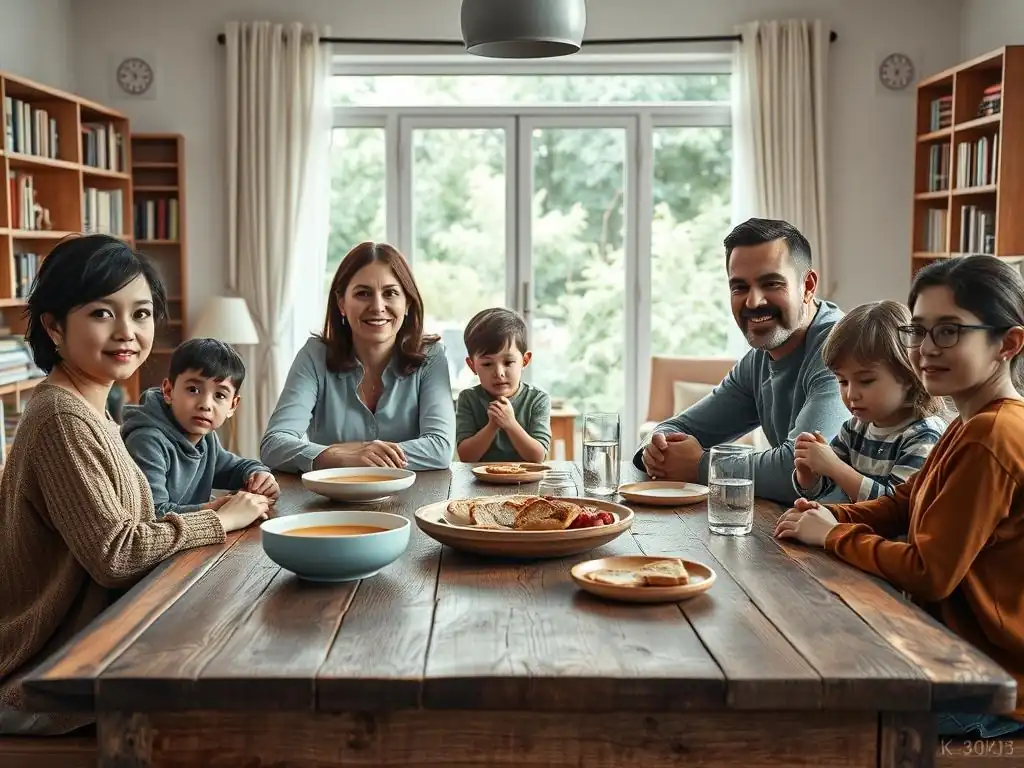
Welcome to Mind Care Guide, a space dedicated to nurturing your mental well-being.
Navigating the complexities of family life can be challenging, and stepfamilies often face unique hurdles. Are you curious about understanding and addressing the emotional landscape within blended families? Our latest article, "Blended Family Dynamics: Mental Health Considerations in Stepfamilies," delves into the specific stepfamily mental health challenges support available, offering practical guidance and resources to help you foster a thriving and healthy family environment. Explore the article below and discover valuable insights that could transform your family dynamics.
Blended Family Dynamics: Mental Health Considerations in Stepfamilies
- Understanding Stepfamily Dynamics and Mental Health
- Common Stepfamily Mental Health Challenges
- Mental Health Considerations for Each Family Member
-
Strategies for Promoting Positive Stepfamily Mental Health
- Open Communication: The Cornerstone of a Healthy Stepfamily
- Establishing Clear Boundaries and Expectations
- Seeking Professional Support for Stepfamily Mental Health Challenges
- Building a Strong Couple Relationship: The Foundation of a Stable Stepfamily
- Creating a Supportive and Nurturing Environment
- Stepfamily Mental Health Challenges Support: Resources and Tips
- Long-Term Mental Health Outcomes in Stepfamilies
- Overcoming Stepfamily Mental Health Challenges: A Path to Well-being
-
Frequently Asked Questions
- How do stepfamily dynamics differ from those in nuclear families, and how do these differences impact mental well-being?
- What are some common mental health challenges children in stepfamilies might experience?
- What role does effective communication play in fostering positive mental health within a stepfamily?
- How can step-parents navigate the complexities of discipline and building relationships with step-children?
- Where can stepfamilies find resources and support to address mental health challenges and promote well-being?
- Final Reflection: Navigating the Complexities of Stepfamily Life
- Unlock Stronger Stepfamily Bonds: Take Action Today!
Understanding Stepfamily Dynamics and Mental Health
Defining Blended Families: A Modern Family Structure
Blended families, also known as stepfamilies, are increasingly common family units formed when one or both partners in a new relationship have children from a previous relationship. These families often include stepparents, stepchildren, and potentially half-siblings or step-siblings. The structure can vary widely, from a single parent with children joining a new partner, to two single parents with children combining households, or even a couple having children together while also having children from previous unions.
According to recent demographic data, roughly 1,300 new stepfamilies are formed every day in the United States, and over half of American families are remarried or re-coupled. This prevalence highlights the significance of understanding their unique dynamics.
Unlike first-marriage families, blended families do not have a shared history or established traditions from the outset. Members come together with their own experiences, expectations, and attachments to previous family structures. This requires significant adjustment and negotiation of roles, rules, and relationships. The complexity is often amplified by the involvement of biological parents not living in the home, creating multi-household family systems. Recognizing this inherent complexity is the first step in addressing the mental health challenges that can arise within these structures and providing effective Stepfamily mental health challenges support.
Unique Challenges Faced by Stepfamilies
Stepfamilies face a distinct set of challenges that can impact the mental well-being of all members. These often stem from navigating loyalty issues, adjusting to new parenting styles, integrating different family cultures, and dealing with ongoing relationships with ex-partners. Children may struggle with the transition between households, feeling caught between biological parents or resenting a new stepparent. Stepparents may face role ambiguity, feeling like an outsider or struggling with discipline. Biological parents often juggle co-parenting conflicts and the demands of building a new family while maintaining connections with their children's other parent.
Financial pressures can also be significant, with the need to support children in multiple households. Legal issues, such as custody arrangements and inheritance planning, add further layers of complexity. These persistent stressors, unique to the blended family context, can contribute to increased levels of stress, anxiety, and conflict compared to traditional nuclear families. Understanding these specific difficulties is crucial for identifying potential mental health risks and developing targeted Stepfamily mental health challenges support strategies.
The Importance of Mental Well-being in Stepfamily Functioning
The mental well-being of each individual member profoundly impacts the overall health and stability of the stepfamily unit. When children or adults in a stepfamily experience unresolved stress, anxiety, depression, or resentment, it can manifest as conflict, withdrawal, communication breakdown, and difficulty forming secure attachments. Conversely, when individuals feel emotionally secure, understood, and supported, they are better equipped to navigate the inherent challenges of blended family life.
Investing in the mental health of stepfamily members fosters resilience and adaptability. For example, a stepparent who manages their own stress effectively is more likely to approach discipline and relationship-building with patience and empathy. Children who receive support for their emotional transitions are more likely to adjust positively to the new family structure. Prioritizing mental well-being is not a luxury but a necessity for building a cohesive and thriving stepfamily, making effective Stepfamily mental health challenges support essential for long-term success.
Common Stepfamily Mental Health Challenges
Adjusting to a New Family System: Stress and Anxiety
The process of blending two families is a significant life transition that inherently generates stress and anxiety for everyone involved. Children must adapt to new living arrangements, new rules, new routines, and new authority figures. Adults are tasked with merging households, finances, and parenting philosophies, often while still processing the end of a previous relationship. This period of adjustment is rarely instantaneous; research suggests it can take anywhere from two to seven years for a stepfamily to feel truly integrated and comfortable. During this time, stress levels can remain elevated.
Symptoms of stress and anxiety in this phase can include irritability, sleep disturbances, changes in appetite, difficulty concentrating, and increased conflict within the home. Children might exhibit behavioral regressions, increased defiance, or withdrawal. Adults may feel overwhelmed, isolated, or experience heightened tension in their couple relationship. Recognizing these signs as part of the adjustment process is key. Access to Stepfamily mental health challenges support, such as counseling or support groups, can provide coping strategies and normalize the difficulties encountered during this transition period.
Loyalty conflicts are a pervasive and often painful challenge in stepfamilies, significantly impacting mental health, particularly for children. Children may feel torn between their biological parents, feeling disloyal to one if they show affection towards a stepparent or enjoy time in the other household. They might feel pressured, either explicitly or implicitly, to take sides during parental conflicts or to keep secrets. This internal conflict can lead to guilt, anxiety, and difficulty forming healthy attachments with new family members.
For adults, loyalty conflicts can arise between the new partner and the needs or feelings of their children from a previous marriage, or between the new partner and the ex-partner regarding co-parenting decisions. A stepparent might feel hurt or rejected if a stepchild prioritizes their biological parent, while a biological parent might struggle to balance their new relationship with their child's desire for the original family structure. These complex emotional dynamics underscore the need for sensitive handling and professional Stepfamily mental health challenges support to help families navigate these tricky waters.
Sibling Rivalry and Step-Sibling Relationships: Mental Health Impact
Integrating children from different families introduces a new dimension of sibling relationships, often marked by rivalry and conflict. Unlike biological siblings who grow up together and develop shared histories and coping mechanisms, step-siblings are thrust together without this foundation. They may compete for parental attention, resources, space, and affection. Existing sibling dynamics within each original family are also disrupted, potentially leading to resentment among biological siblings towards newcomers.
The mental health impact of step-sibling relationships can be significant. Children may experience feelings of displacement, jealousy, and insecurity. Constant conflict can create a stressful home environment, contributing to anxiety and behavioral issues. Difficulty forming positive relationships with step-siblings can lead to feelings of isolation within the home. Adults also feel the stress of managing these conflicts, often feeling frustrated or ineffective. Learning strategies for fostering positive step-sibling relationships and having access to Stepfamily mental health challenges support are vital for mitigating these negative impacts.
Parental Alienation and its Effects on Children's Mental Health
Parental alienation, a severe manifestation of loyalty conflicts, occurs when one parent actively works to damage a child's relationship with the other parent. In stepfamilies, this often involves a biological parent attempting to turn a child against their ex-partner or the new stepparent. Tactics can include false accusations, badmouthing the other parent, restricting contact, or forcing the child to choose sides. The effects on a child's mental health are devastating.
Children subjected to parental alienation often experience intense anxiety, depression, confusion, and a loss of the ability to think critically about the alienated parent. They may develop personality disorders, struggle with trust issues, and have difficulty forming healthy relationships in the future. The long-term trauma can impact their sense of self and well-being well into adulthood. Addressing parental alienation requires legal intervention and specialized therapeutic Stepfamily mental health challenges support for both the alienated parent and the child, focusing on reunification and healing.
Grief and Loss in Stepfamilies: Dealing with Past Relationships
Stepfamilies are built upon the foundation of previous relationships that have ended, usually through divorce, separation, or death. This means that grief and loss are inherent, though often unspoken, elements of the stepfamily experience. Children grieve the loss of their original family unit, the daily presence of a parent, or familiar routines and traditions. Adults may grieve the loss of their previous marriage, the future they envisioned, or even the identity they held within that family structure.
Unresolved grief can significantly impact mental health, manifesting as depression, anger, difficulty bonding with new family members, or a reluctance to fully invest in the new relationship. Children might act out their grief through behavioral problems, while adults might withdraw emotionally. Acknowledging and processing these feelings of loss is a crucial step in healing and moving forward. Providing space and permission for grief, alongside access to counseling or Stepfamily mental health challenges support groups, can help individuals navigate these complex emotions in a healthy way.
Mental Health Considerations for Each Family Member

Children's Mental Health in Stepfamilies: A Vulnerable Group
Children are often the most vulnerable members during stepfamily transitions. Their sense of security and stability is directly tied to their family environment. Adjusting to new living arrangements, new rules, and new relationships while potentially navigating ongoing parental conflict can be overwhelming. Children may internalize stress, leading to anxiety or depression, or externalize it through behavioral problems at home or school. Studies indicate that children in stepfamilies may face a slightly higher risk of certain adjustment difficulties compared to those in intact families, particularly during the initial years.
Their reactions vary widely based on age, temperament, and the quality of the transition. Younger children might show regression (e.g., wetting the bed), while adolescents might exhibit defiance, risk-taking behaviors, or withdrawal. It is crucial for adults to be attuned to these signs and understand that they are often indicators of underlying stress or difficulty coping with the changes. Providing consistent, empathetic Stepfamily mental health challenges support is paramount for their successful adjustment.
Addressing Behavioral Issues in Stepchildren
Behavioral issues in stepchildren are common and often stem from the stress of transition, loyalty conflicts, or difficulty adjusting to a stepparent's authority. These can range from increased defiance, arguments, and rule-breaking to more serious issues like aggression, substance use, or academic decline. It's important for stepparents and biological parents to work together to establish clear, consistent boundaries and expectations, but also to look beyond the behavior to understand its root cause. Is the child feeling insecure? Is there unresolved anger about the divorce? Are they struggling with loyalty to a biological parent?
Punishment without understanding can exacerbate problems. Instead, a focus on communication, empathy, and collaborative problem-solving is more effective. If behavioral issues persist or are severe, seeking professional help is advisable. A family therapist experienced in stepfamily dynamics can help identify triggers, improve communication, and develop effective strategies for managing challenging behaviors in a way that supports the child's underlying mental health needs and provides targeted Stepfamily mental health challenges support.
Supporting Children's Emotional Needs in a Blended Family
Supporting children's emotional needs in a blended family involves creating a safe space for them to express their feelings about the changes. Children need reassurance that they are loved and valued, regardless of the family structure. Encourage open communication about their experiences, listening without judgment. Validate their feelings, even if they are negative or directed towards a stepparent or new step-siblings. Help them understand that it's okay to feel a mix of emotions, such as excitement about new family members alongside sadness about the past.
Consistency is key. Maintain familiar routines where possible and ensure predictable schedules, especially regarding transitions between households. Protect children from overt parental conflict. Spend individual time with each child, nurturing your unique relationship. Encourage their relationship with their other biological parent (unless there are safety concerns). Providing this emotional scaffolding helps children feel secure and supported, fostering resilience and promoting positive mental health outcomes amidst the complexities of stepfamily life, bolstered by available Stepfamily mental health challenges support resources.
Stepparent Mental Health: Role Ambiguity and Stress
Stepparents face a unique set of mental health challenges, often stemming from role ambiguity and the stress of integrating into an existing family unit. Unlike biological parents who have a clear, established role, stepparents must navigate undefined boundaries. They may struggle with how much authority they have, how to discipline stepchildren, or how to build genuine connections. There can be feelings of being an "outsider" in their own home, especially if biological parent-child bonds are very strong or if an ex-partner is heavily involved.
This lack of clarity, coupled with the inherent difficulties of blending families, can lead to significant stress, anxiety, frustration, and even depression. Stepparents may feel unappreciated, resentful, or guilty if they don't instantly bond with their stepchildren. They might also feel unsupported by their partner or struggle with the dynamics involving the ex-partner. Recognizing the unique pressures on stepparents is vital for providing effective Stepfamily mental health challenges support.
Managing Expectations as a Stepparent
Unrealistic expectations are a major source of stress for stepparents. Many hope for immediate acceptance and a loving bond with their stepchildren, similar to a biological parent-child relationship. However, building trust and connection takes time, often years. Expecting to be loved or accepted instantly can lead to disappointment and hurt. It's more realistic to aim for a friendly, respectful relationship rather than an immediate parental one. Understand that stepchildren may already have two parents they love and may not be looking for a third.
Managing expectations also involves understanding that discipline strategies may differ from those used by the biological parent and require discussion and agreement with your partner. Recognize that your role is supportive, not necessarily primary, in the early stages. Open communication with your partner about your role, feelings, and expectations is crucial. Seeking Stepfamily mental health challenges support through counseling or support groups can provide coping strategies and help stepparents adjust their expectations to a more realistic and less stressful level.
Building Positive Relationships with Stepchildren
Building positive relationships with stepchildren is a gradual process requiring patience, consistency, and genuine effort. Focus on building trust and rapport rather than immediately stepping into a disciplinary role. Start by being a friend or a supportive adult figure. Spend one-on-one time with each stepchild, engaging in activities they enjoy. Show genuine interest in their lives, hobbies, and schoolwork. Listen more than you talk.
Avoid criticizing their biological parent and respect their bond with that parent. Be reliable and follow through on commitments. Discipline, when necessary, should ideally be handled primarily by the biological parent, especially in the early stages, with the stepparent in a supportive role, based on agreed-upon strategies. Patience is paramount; some relationships may take years to develop. Celebrate small victories and acknowledge the effort involved. Accessing Stepfamily mental health challenges support can offer guidance on specific strategies for connecting with stepchildren effectively.
Biological Parent Mental Health: Co-Parenting Challenges
Biological parents in stepfamilies face their own set of mental health challenges, particularly related to co-parenting with an ex-partner while building a new life with a new partner. Juggling the needs of children, the demands of the new relationship, and the complexities of communicating and making decisions with an ex can be incredibly stressful. Ongoing conflict with an ex-partner is a major source of anxiety and frustration, impacting not only the parent's well-being but also creating a toxic environment for the children.
Biological parents may also experience guilt about the divorce's impact on their children, or feel torn between prioritizing their children's needs and nurturing their new couple relationship. They are the bridge between the two family systems and often bear the brunt of navigating the dynamics between them. Managing this intricate balance requires significant emotional energy and can lead to burnout, stress, and mental health strain. Effective Stepfamily mental health challenges support is crucial for these parents to maintain their own well-being and function effectively as the link between households.
Maintaining a Healthy Relationship with the Ex-Partner
Maintaining a civil and cooperative relationship with an ex-partner is one of the most challenging, yet critical, aspects of successful co-parenting in a stepfamily context. High-conflict co-parenting significantly harms children's mental health and adds immense stress to the biological parent and their new partner. While a friendly relationship may not always be possible, aiming for a business-like, respectful interaction focused solely on the children's needs is the goal. This involves clear, concise communication (often best kept in writing), sticking to agreed-upon schedules, and making joint decisions about the children's welfare without involving them in adult disputes.
Setting boundaries with an ex-partner regarding communication style, frequency, and topics is essential. Avoid using children as messengers or interrogating them about the other household. If conflict is unavoidable, seek mediation or parallel parenting strategies where interaction is minimized. Prioritizing the children's well-being above personal feelings towards the ex-partner is key. Accessing Stepfamily mental health challenges support, such as co-parenting counseling, can provide tools and strategies for managing this difficult relationship more effectively.
Balancing the Needs of Both Families
Biological parents in stepfamilies are constantly balancing the needs of their children from the previous relationship and the needs of their new partner and any children from the new union. This can feel like a constant tug-of-war. Children from the previous family need reassurance that they are still a priority, while the new partner needs time and energy invested in the couple relationship and the formation of the new family unit. Finding this balance requires intentional effort and clear communication with both the children and the new partner.
It's important to schedule dedicated time for the children from the previous relationship, ensuring they feel seen and valued. Equally important is protecting and nurturing the couple relationship, as it is the foundation of the new stepfamily. This might involve scheduling date nights or couple time away from the children. Openly discussing expectations and potential conflicts with your partner and developing shared strategies for managing time and resources is vital. Therapy or Stepfamily mental health challenges support groups can help parents navigate this complex balancing act without sacrificing their own mental health.
Strategies for Promoting Positive Stepfamily Mental Health
Open Communication: The Cornerstone of a Healthy Stepfamily
Open and honest communication is arguably the most critical factor in promoting positive mental health and successful adjustment in stepfamilies. Given the complex dynamics, differing histories, and potential for misunderstandings, creating an environment where everyone feels safe to express their thoughts, feelings, and concerns is paramount. This includes communication between the couple, between parents and children, and ideally, between step-siblings and stepparents.
Regular family meetings can provide a structured time for everyone to check in, discuss upcoming schedules, address minor issues before they escalate, and celebrate successes. Active listening, empathy, and non-blaming language are essential components of effective communication. Encourage children to talk about their experiences in both households. The couple must prioritize communication about parenting styles, finances, and expectations to present a united front. When communication breaks down, seeking professional Stepfamily mental health challenges support can help families learn healthier ways to interact.
Establishing Clear Boundaries and Expectations
Clear boundaries and expectations are vital for reducing confusion, conflict, and anxiety in stepfamilies. Without them, members may feel insecure about their roles, responsibilities, and limits. This involves establishing clear rules for the household that apply to everyone, defining the stepparent's role regarding discipline and authority, and setting boundaries regarding the involvement of ex-partners. Discussing and agreeing upon these boundaries as a couple is the first step.
Communicate these expectations clearly and consistently to all family members, especially the children. For instance, establishing rules about homework time, chores, screen time, and bedtime provides structure. Defining the stepparent's authority (e.g., "In this house, we follow [Stepparent's Name]'s rules when they are in charge") reduces ambiguity. Clear boundaries with ex-partners regarding communication methods and topics prevent unnecessary conflict from spilling into the new family. Implementing and maintaining clear expectations is a practical form of Stepfamily mental health challenges support by reducing daily stressors.
Seeking Professional Support for Stepfamily Mental Health Challenges
Given the unique and often complex challenges faced by stepfamilies, seeking professional support is not a sign of failure but a proactive step towards building a healthier, more resilient family unit. Therapists specializing in stepfamily dynamics can provide objective guidance, teach effective communication skills, help navigate loyalty conflicts, and address specific behavioral or emotional issues. They offer a safe space for all family members to voice their perspectives and work through difficulties together.
Professional support can be particularly helpful during key transition points, such as moving in together, marriage, or the arrival of a new baby. It can also be invaluable when dealing with high-conflict co-parenting situations or significant adjustment difficulties in children or adults. Don't wait for problems to become overwhelming; seeking help early can prevent minor issues from escalating. Professional Stepfamily mental health challenges support is a powerful resource for navigating the complexities and promoting long-term well-being.
Family Therapy for Stepfamilies: A Valuable Resource
Family therapy is specifically designed to address the dynamics within a family system, making it an incredibly valuable resource for stepfamilies. A therapist trained in stepfamily structures understands the unique challenges and can help the family unit as a whole improve communication, establish roles and boundaries, manage conflict, and build stronger bonds. Therapy sessions can provide a neutral ground for discussing difficult topics like loyalty conflicts or feelings of resentment.
The therapist facilitates understanding between family members, helping stepparents and stepchildren connect, and supporting the couple in presenting a united front. Through various therapeutic techniques, families can learn new ways of interacting, develop empathy for each other's experiences, and create a shared family identity. Investing in family therapy is a direct investment in the mental health and stability of the entire stepfamily, providing comprehensive Stepfamily mental health challenges support.
Individual Counseling for Stepfamily Members
While family therapy addresses the system, individual counseling can be highly beneficial for specific members of the stepfamily. A biological parent might benefit from individual therapy to process the end of their previous marriage, manage co-parenting stress, or explore guilt about the impact on their children. A stepparent might seek individual support to cope with role ambiguity, feelings of rejection, or stress related to integrating into the family.
Children, especially adolescents, may prefer individual therapy to discuss their feelings about the transition, loyalty conflicts, or adjustment difficulties in a private setting. Individual counseling provides a space for personal processing, developing coping skills, and addressing specific mental health concerns like anxiety or depression that may be exacerbated by stepfamily dynamics. This personalized Stepfamily mental health challenges support complements family therapy by strengthening the individual members who contribute to the family system.
Building a Strong Couple Relationship: The Foundation of a Stable Stepfamily
The couple relationship is the emotional core of the stepfamily. A strong, stable partnership provides a sense of security for all family members and models healthy relationship dynamics. Prioritizing the couple's relationship is not selfish; it's essential for the well-being of the entire family unit. When the couple is united, they are better equipped to handle parenting challenges, navigate external pressures from ex-partners, and present a consistent front to the children.
Make time for each other regularly, even if it's just a quiet evening at home after the children are asleep. Communicate openly about challenges and successes. Support each other in your respective roles as biological parent and stepparent. Seek couple's counseling if needed to strengthen your bond and develop shared strategies for navigating stepfamily life. A resilient couple relationship provides the necessary foundation for addressing Stepfamily mental health challenges together.
Creating a Supportive and Nurturing Environment
Creating a supportive and nurturing home environment is crucial for fostering positive mental health in a stepfamily. This means cultivating an atmosphere where everyone feels safe, respected, and valued. Encourage empathy and understanding among family members. Celebrate individual and family successes, no matter how small. Establish family rituals and traditions that create a sense of shared history and belonging, even if they are new.
Listen actively to each other's concerns without judgment. Offer emotional support during difficult times. Ensure that children have a voice and feel heard. Praise effort and positive behaviors. A home environment characterized by warmth, acceptance, and mutual respect helps mitigate the stress inherent in stepfamily dynamics and provides a foundation of Stepfamily mental health challenges support within the home itself.
Stepfamily Mental Health Challenges Support: Resources and Tips
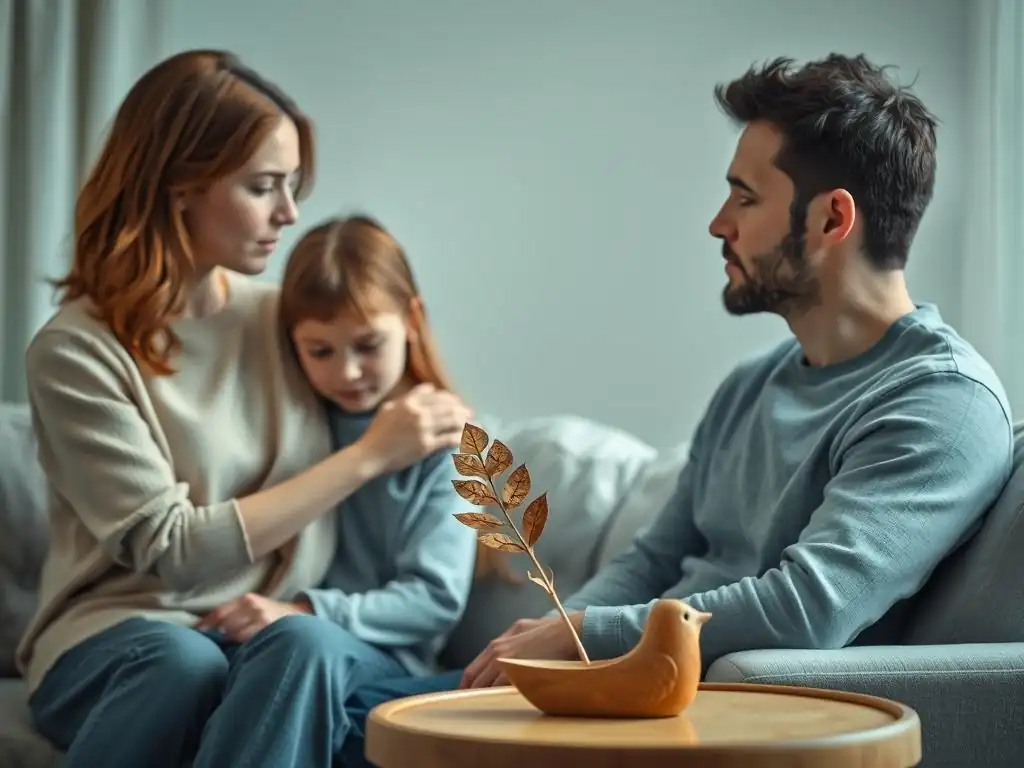
Navigating stepfamily life requires practical strategies alongside emotional work. Establish clear routines and schedules, especially regarding transitions between households, to provide predictability for children. Create shared family calendars to keep everyone informed. Hold regular family meetings to discuss logistics, air concerns, and make decisions together. Define roles and responsibilities clearly, including chores and expectations.
Be patient – building relationships and integrating a stepfamily takes time, often years. Don't expect instant love or harmony. Focus on building respect and rapport first. Avoid forcing relationships; let them develop naturally. Protect your couple time as the foundation of the new family. Seek out resources like books, websites, or workshops specifically focused on stepfamily dynamics. These practical tips, alongside emotional support, form essential Stepfamily mental health challenges support.
Identifying and Addressing Mental Health Warning Signs
Being aware of potential mental health warning signs in yourself and other family members is crucial. In children, these might include significant changes in behavior (aggression, withdrawal, regression), academic decline, difficulty sleeping or eating, persistent sadness or irritability, excessive worry, or physical complaints with no medical cause. In adults, signs can include chronic stress, anxiety, depression, increased conflict with partner or children, withdrawal from activities, or difficulty coping with daily life.
If you observe persistent warning signs (lasting more than a few weeks) or behaviors that significantly impact daily functioning, it's important to address them promptly. Talk to the family member about your concerns in a supportive way. Encourage them to talk to a trusted adult or professional. Don't hesitate to seek a professional evaluation from a therapist or counselor specializing in child or family mental health. Early intervention is key to providing effective Stepfamily mental health challenges support.
Self-Care Strategies for Stepfamily Members
Managing the demands of stepfamily life can be draining, making self-care essential for preventing burnout and maintaining mental well-being. Biological parents need time to decompress and nurture their own needs outside of parenting and their new relationship. Stepparents need outlets to process their unique stressors and avoid feeling overwhelmed. Children benefit from having time and space for their own interests and friendships.
Prioritize activities that help you relax and recharge, whether it's exercise, hobbies, spending time with friends, mindfulness, or quiet time alone. Ensure you are getting enough sleep and eating nutritious food. Don't neglect your own friendships and support networks outside the immediate family. Recognize that taking care of yourself allows you to be more present and effective within your stepfamily. Self-care is a vital component of long-term Stepfamily mental health challenges support.
Finding Support Groups for Stepfamilies
Connecting with others who understand the unique experiences of stepfamily life can be incredibly validating and supportive. Support groups, either in-person or online, offer a space to share challenges, exchange advice, and gain perspective from people facing similar situations. Hearing how others have navigated issues like loyalty conflicts, discipline dilemmas, or building relationships can provide practical strategies and emotional reassurance.
Support groups can reduce feelings of isolation and normalize the difficulties of blending families. They offer a sense of community and belonging. Look for groups specifically for stepparents, biological parents in stepfamilies, or even adolescents in stepfamilies. These groups are a direct source of peer-based Stepfamily mental health challenges support and can complement professional help.
Long-Term Mental Health Outcomes in Stepfamilies
The Impact of Stepfamily Dynamics on Adult Mental Health
The dynamics experienced within a stepfamily can have lasting impacts on the mental health of adults involved, both biological parents and stepparents. Adults who successfully navigate the challenges often develop increased resilience, improved communication skills, and a stronger sense of partnership. However, unresolved issues, such as chronic conflict with an ex-partner, ongoing loyalty conflicts involving children, or a lack of acceptance within the stepfamily, can contribute to long-term stress, anxiety, depression, and relationship difficulties.
The quality of the couple relationship in the stepfamily is a significant predictor of adult well-being. Couples who effectively communicate and support each other are more likely to report higher levels of satisfaction and lower stress. Conversely, high conflict within the couple or unresolved issues related to the stepfamily structure can lead to long-term marital distress and individual mental health problems. Access to ongoing Stepfamily mental health challenges support can help adults process these long-term impacts and build healthier relationship patterns.
Building Resilience in Stepchildren
While children in stepfamilies may face initial adjustment challenges, many develop significant resilience over time, particularly with adequate support. Navigating complex family structures can teach valuable coping skills, adaptability, and the ability to form relationships with diverse individuals. Children who have positive relationships with both biological parents and supportive stepparents, and who are shielded from high parental conflict, tend to adjust well in the long term.
Factors that contribute to resilience include consistent emotional support from parents, a stable and nurturing home environment (even if it's split between two households), clear expectations, and opportunities to maintain relationships with important people from their original family structure. Learning effective communication and problem-solving skills within the family context also builds resilience. Fostering these protective factors is a crucial aspect of long-term Stepfamily mental health challenges support for children.
Creating a Positive Legacy for Your Stepfamily
Creating a positive legacy for a stepfamily means building a foundation of love, respect, and support that extends into the future. This involves more than just overcoming challenges; it's about actively cultivating positive relationships and shared experiences. Focus on creating new family traditions, celebrating holidays together in ways that honor everyone's history, and fostering a sense of "us" as a unique family unit.
Encourage strong sibling and step-sibling relationships by creating opportunities for shared activities and supporting positive interactions. Model healthy communication and conflict resolution. By prioritizing mental well-being, seeking support when needed, and investing in relationships, stepfamilies can create a lasting legacy of connection, resilience, and love that benefits all members well into adulthood. This proactive approach is the essence of building successful Stepfamily mental health challenges support for generations to come.
Overcoming Stepfamily Mental Health Challenges: A Path to Well-being
The Importance of Patience and Understanding
Patience and understanding are perhaps the two most crucial virtues for navigating the complexities of stepfamily life. Building a blended family is a marathon, not a sprint. Relationships take time to develop, trust must be earned, and adjustment is a process with ups and downs. Expecting instant harmony is unrealistic and will only lead to frustration. Extend patience not only to your partner, children, and stepchildren but also to yourself. Recognize that you are learning and adapting.
Understanding involves making an effort to see things from other family members' perspectives, especially the children who may be experiencing conflicting loyalties or grieving the loss of their original family. Empathy helps bridge divides and fosters connection. Approaching challenges with patience and understanding reduces conflict, lowers stress, and creates a more supportive environment for everyone, paving the way for effective Stepfamily mental health challenges support and healing.
Celebrating Successes and Milestones
In the midst of navigating challenges, it's easy to overlook the progress and successes made along the way. Actively celebrating milestones, no matter how small, is vital for morale and reinforcing positive dynamics. This could be celebrating a stepchild's good report card, a successful family vacation, a positive interaction between step-siblings, or simply a peaceful family dinner.
Acknowledging and celebrating these moments builds a sense of accomplishment and reinforces the idea that the family is moving forward positively. It creates positive memories and strengthens bonds. These shared moments of joy and success contribute significantly to the overall mental well-being of the family members and highlight the positive outcomes of addressing Stepfamily mental health challenges.
Fostering a Sense of Belonging in the Stepfamily
A fundamental human need is to belong. For stepfamilies to thrive, it's essential that every member feels like they truly belong and are a valued part of the new family unit. This is particularly important for children and stepparents who may initially feel like outsiders. Actively work to create a shared family identity. This might involve developing new family traditions, creating a shared family name (even informally), or finding shared values and goals.
Ensure that everyone's voice is heard and respected in family discussions. Create opportunities for shared activities and experiences that build connection. Acknowledge and integrate elements from everyone's previous family life where appropriate, while also building new shared history. Fostering a strong sense of belonging provides emotional security and is a cornerstone of long-term mental health and successful Stepfamily mental health challenges support within the blended family structure.
Frequently Asked Questions
How do stepfamily dynamics differ from those in nuclear families, and how do these differences impact mental well-being?
Stepfamilies often face unique challenges related to complex relationships, loyalty conflicts, and establishing new family roles. These differences can contribute to stress, anxiety, and feelings of displacement for all family members, impacting their mental well-being.
What are some common mental health challenges children in stepfamilies might experience?
Children in stepfamilies may experience feelings of loss, resentment, confusion, or competition with step-siblings. This can manifest as behavioral problems, anxiety, depression, or difficulty adjusting to the new family structure.
What role does effective communication play in fostering positive mental health within a stepfamily?
Open and honest communication is crucial for addressing unresolved issues, managing expectations, and building trust within a stepfamily. It helps family members feel heard, understood, and supported, which promotes positive mental health.
Step-parents should initially focus on building a positive relationship with their step-children before attempting to discipline them. They should also work closely with the biological parent to establish consistent rules and expectations to avoid conflict.
Where can stepfamilies find resources and support to address mental health challenges and promote well-being?
Mind Care Guide offers a comprehensive guide to mental well-being, including information, support, and resources specifically tailored for stepfamilies facing mental health challenges. Professional therapy and support groups can also provide valuable assistance.
The challenges faced by blended families are not merely anecdotal; they represent a significant and often overlooked area of mental health concern. The emotional complexities inherent in stepfamily dynamics, from navigating shifting family roles to managing pre-existing family traumas, significantly impact the well-being of all involved. Ignoring these challenges only serves to perpetuate the stigma and silence the struggles of countless individuals within these unique family structures.
The impact of stepfamily dynamics on mental health extends far beyond the immediate family unit. It ripples outwards, affecting relationships, career trajectories, and even future generations. The constant negotiation of boundaries, the potential for conflict, and the emotional labor involved in creating a cohesive unit can be incredibly taxing. As the renowned family therapist, Dr. John Gottman, stated, The most important thing in a family is to create a culture of love and respect.
Achieving this in a stepfamily requires conscious effort, understanding, and often, professional support. This is something I've personally witnessed in my own work with families, highlighting the critical need for accessible and empathetic resources.
Consider the lessons learned within this article. You are not alone in your struggles. Whether you are a stepparent, stepchild, or biological parent navigating the complexities of a blended family, remember that seeking support is a sign of strength, not weakness. Take the time to reflect on your own experiences, identify areas where you need support, and actively seek out resources to help you build a healthier, more resilient stepfamily. Embrace the journey, knowing that with understanding, compassion, and the right support, you can cultivate a thriving and loving family environment for everyone involved.
Unlock Stronger Stepfamily Bonds: Take Action Today!
Thanks for taking the time to explore the complexities of blended family dynamics and mental well-being. We hope you gained valuable insights into navigating this unique family structure. Now it's time to put that knowledge into action!
- Prioritize open communication: Schedule a family meeting dedicated to discussing feelings and expectations. This is your first step towards building a stronger, healthier stepfamily.
- Seek professional guidance: Consider consulting a therapist specializing in family dynamics to help address specific challenges and develop effective communication strategies.
- Share this article: Help others facing similar challenges by sharing this article with friends, family, or online support groups. Let's create a community of understanding and support for stepfamilies everywhere!
Ready to build a happier, healthier stepfamily? What's one small step you can take this week to foster better communication and connection?