
The Cost of Conflict: How HighConflict Divorce Damages Family Mental Health

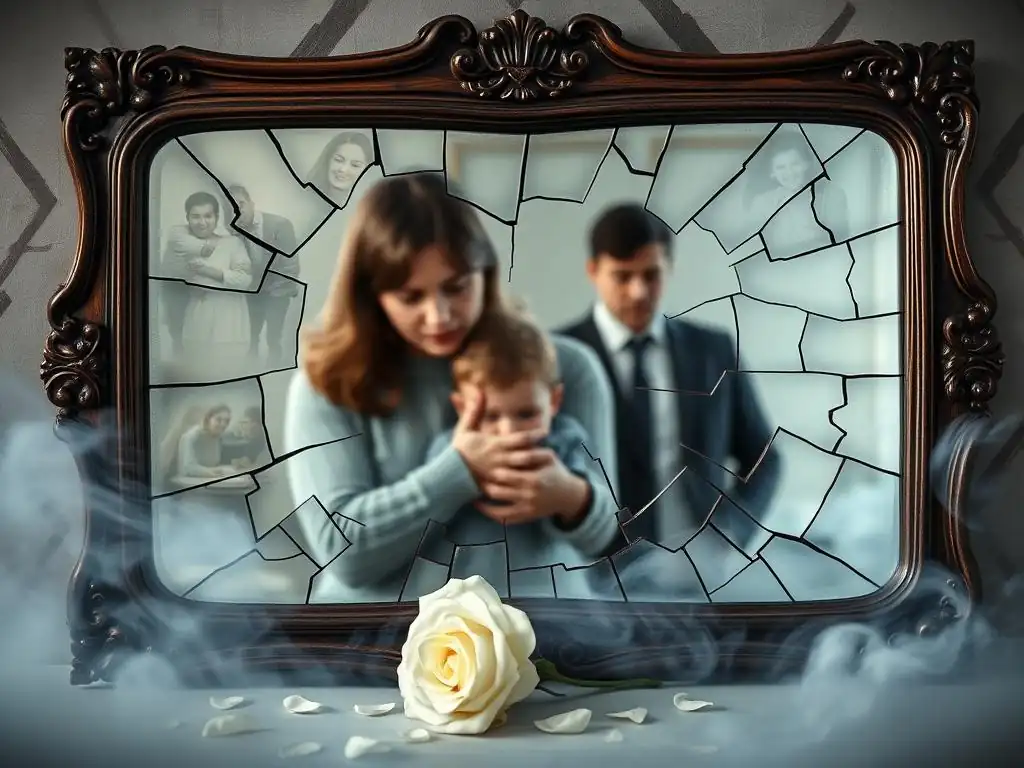
Welcome to Mind Care Guide, a safe space for understanding and nurturing your mental well-being.
Are you navigating the turbulent waters of a high-conflict divorce? We understand the emotional toll it can take, especially on family mental health. This journey can feel isolating, but you're not alone. Explore our guide on Highconflict divorce mental health to discover strategies for coping, healing, and protecting yourself and your loved ones during this challenging time. Let's uncover the hidden costs of conflict and find a path toward brighter days, together.
The Cost of Conflict: How High-Conflict Divorce Damages Family Mental Health
- Understanding High-Conflict Divorce and Its Impact on Mental Well-being
- The Devastating Effects of High-Conflict Divorce on Mental Health
-
Specific Mental Health Conditions Exacerbated by High-Conflict Divorce
- Anxiety Disorders and High-Conflict Divorce: Generalized Anxiety Disorder, Panic Disorder, and Social Anxiety
- Depression and the Cycle of High-Conflict Divorce: Financial Strain, Social Isolation, and Constant Litigation
- Post-Traumatic Stress Disorder (PTSD) and the Trauma of High-Conflict Divorce
- Personality Disorders and Their Role in High-Conflict Dynamics: Narcissistic Traits, Borderline Personality Traits
- How High-Conflict Divorce Affects Family Dynamics
- Minimizing the Mental Health Damage of High-Conflict Divorce
- Seeking Professional Help for High-Conflict Divorce and Mental Health
- Long-Term Mental Health Considerations After a High-Conflict Divorce
- Resources for Families Facing High-Conflict Divorce and Mental Health Challenges
-
Frequently Asked Questions
- What are the main mental health impacts of a high-conflict divorce on adults?
- How does a high-conflict divorce affect children's mental well-being?
- What is the role of co-parenting in mitigating the mental health damage caused by high-conflict divorce?
- What resources are available to support individuals and families navigating a high-conflict divorce?
- How can I proactively protect my mental health during a high-conflict divorce?
- Final Reflection: The Lingering Shadows of High-Conflict Divorce
- Unlock Your Family's Healing Journey
Understanding High-Conflict Divorce and Its Impact on Mental Well-being
Defining High-Conflict Divorce: Beyond the Typical Separation
High-conflict divorce transcends the usual difficulties of marital dissolution. It is characterized by intense, ongoing disputes, often revolving around issues like child custody, finances, and property division, but fueled by deep-seated animosity and a lack of cooperation. Unlike amicable or even moderately contentious separations where parties eventually reach agreements and move forward, high-conflict cases can drag on for years, consuming vast emotional and financial resources.
This persistent state of warfare creates a toxic environment that significantly impacts the mental health of everyone involved, particularly children. The focus shifts from resolving issues to punishing the other party, often using legal and emotional tactics that escalate tension rather than de-escalate it.
The defining feature is the intensity and duration of the conflict. While many divorces involve disagreements, a high-conflict scenario involves a pattern of behavior aimed at undermining, controlling, or harming the other parent. This can manifest in frequent court appearances, unfounded accusations, parental alienation attempts, or constant communication breakdown. The emotional landscape is dominated by anger, resentment, and fear, making constructive problem-solving nearly impossible. This continuous exposure to hostility is a significant risk factor for developing various mental health issues within the family unit.
The Unique Challenges of High-Conflict Divorces
High-conflict divorces present unique challenges that distinguish them from other family law cases. One major hurdle is the inherent difficulty in co-parenting. Effective co-parenting requires communication, compromise, and a shared focus on the child's best interests, all of which are severely compromised in a high-conflict dynamic. Parents may struggle to agree on even basic decisions, leading to inconsistent rules, disrupted routines, and children caught in the middle. This instability is profoundly unsettling for children and contributes significantly to stress and anxiety, impacting their developing mental health.
Another significant challenge is the financial burden. High-conflict cases typically involve extensive litigation, leading to exorbitant legal fees. Estimates suggest that contested divorces can cost tens of thousands, sometimes hundreds of thousands, of dollars, draining savings and creating immense financial stress for both parents. This financial strain adds another layer of pressure and conflict, exacerbating existing mental health vulnerabilities and potentially limiting access to necessary support services like therapy. The legal process itself can become a battleground, further entrenching hostile behaviors.
Key Indicators of a High-Conflict Divorce
Identifying a high-conflict divorce involves recognizing specific behavioral patterns that perpetuate animosity and impede resolution. One primary indicator is frequent and unproductive communication. This isn't just occasional disagreement; it's characterized by hostile emails, texts, or calls filled with insults, threats, or accusatory language, often focused on blaming the other parent rather than discussing practical matters. For example, a parent might send dozens of angry messages a day regarding minor issues, making communication a source of constant stress.
Another key indicator is the inability to reach agreements, even on minor points. This often results in repeated trips to court or mediation for issues that could typically be resolved through discussion, such as scheduling changes or school events. For instance, parents might go back to court multiple times a year over holiday schedules or extracurricular activities, indicating a fundamental breakdown in cooperative decision-making.
Other signs include involving children in adult disputes, making negative comments about the other parent to the children, or using the children as messengers or spies. These behaviors are not just inconvenient; they are actively harmful to family mental health and are hallmarks of a high-conflict scenario.
The Devastating Effects of High-Conflict Divorce on Mental Health
High-Conflict Divorce and Child Mental Health: A Critical Link
The link between high-conflict divorce and negative child mental health outcomes is well-documented. Children exposed to prolonged parental conflict are at a significantly higher risk of developing a range of psychological and emotional problems compared to children from lower-conflict divorces or intact families. This exposure creates a chronic stress environment that disrupts normal development and emotional regulation. Research indicates that the level of conflict, rather than the divorce itself, is the primary predictor of negative outcomes for children. Witnessing constant arguments, hostility, or feeling caught in the middle between parents is profoundly distressing.
Studies have shown that children in high-conflict divorce situations are more likely to report feeling insecure, anxious, and depressed. A meta-analysis of studies on divorce and children found that children from high-conflict families exhibited more adjustment problems than children from intact or low-conflict divorced families. The instability, unpredictability, and emotional turmoil inherent in these situations create a fertile ground for mental health struggles, impacting their sense of safety and well-being during crucial developmental years.
Increased Anxiety and Depression in Children of High-Conflict Divorces
Children navigating a high-conflict divorce environment often experience elevated levels of anxiety and depression. The constant tension, unpredictable parental behavior, and feeling responsible for the conflict (a common misconception among children) contribute to chronic stress. This stress can manifest as excessive worry, fear, difficulty sleeping, or physical symptoms like headaches and stomachaches, indicative of anxiety. For example, a child might constantly worry about which parent is picking them up or dread transitions between households due to anticipated arguments.
Depression in these children can appear as sadness, withdrawal, loss of interest in activities they once enjoyed, changes in appetite, or difficulty concentrating. They may feel hopeless about their family situation and struggle to see a positive future. Studies have indicated that adolescents exposed to high-conflict divorce have a higher prevalence of depressive symptoms compared to their peers. The emotional burden of navigating parental conflict can be overwhelming, leading to feelings of helplessness and despair, which are core features of depression.
Behavioral Problems and Academic Struggles
High-conflict divorce can also significantly impact a child's behavior and academic performance. Children may externalize their distress through disruptive behaviors such as aggression, defiance, or acting out at home or school. This can be a way of expressing anger or frustration they cannot articulate verbally or a cry for attention in a chaotic environment. Teachers often report noticing changes in behavior and concentration in children from high-conflict homes.
Furthermore, the stress and emotional turmoil can interfere with a child's ability to focus and learn, leading to academic struggles. Difficulty concentrating in class, incomplete homework, and declining grades are common. For example, a child preoccupied with worrying about parental conflict might find it impossible to focus on a math lesson. Research suggests that children from high-conflict families are more likely to experience academic difficulties and require additional support services at school.
The Long-Term Impact on Child Development
The negative effects of high-conflict divorce are not limited to childhood; they can have significant long-term implications for development and future well-being. Chronic exposure to conflict during formative years can impact a child's ability to form secure attachments, regulate emotions, and develop healthy coping mechanisms. This can influence their future relationships, their own parenting styles, and their susceptibility to mental health issues in adulthood.
Adults who grew up in high-conflict divorce environments may face challenges with trust, intimacy, and conflict resolution in their romantic relationships. They may also be at a higher risk for developing anxiety disorders, depression, or substance abuse issues later in life. The trauma of witnessing or being involved in prolonged parental warfare can leave lasting emotional scars, underscoring the critical importance of minimizing conflict during and after divorce for the sake of children's lifelong mental health.
The Toll on Parental Mental Health During High-Conflict Divorces
Parents navigating a high-conflict divorce also experience a significant toll on their mental health. The process is emotionally exhausting, financially draining, and often feels like a constant battleground. The chronic stress, uncertainty, and hostility can lead to a range of psychological difficulties, impacting their ability to function effectively as parents and individuals. The sheer duration and intensity of high-conflict cases exacerbate these issues compared to less contentious separations.
The pressure to protect children while simultaneously engaging in legal battles and managing personal emotional distress is immense. Parents may feel isolated, overwhelmed, and hopeless as the conflict drags on. This sustained period of high stress is a significant risk factor for developing or worsening existing mental health conditions, creating a vicious cycle where parental distress further fuels the conflict, which in turn increases parental distress.
Stress, Anxiety, and Depression in Divorcing Parents
Stress, anxiety, and depression are pervasive among parents involved in high-conflict divorces. The constant anticipation of conflict, legal deadlines, and financial pressures creates a state of chronic stress that can overwhelm coping mechanisms. Parents may experience symptoms of generalized anxiety disorder, such as excessive worry, restlessness, and difficulty concentrating. The unpredictable nature of the conflict can trigger panic attacks or heighten social anxiety if they feel judged or scrutinized.
Depression is also common, fueled by feelings of failure, loss, financial strain, and the emotional burden of the ongoing battle. Parents may experience persistent sadness, loss of interest in activities, changes in sleep and appetite, and feelings of worthlessness. The isolation often associated with high-conflict situations, as friends and family may find it difficult to navigate the dynamics, can exacerbate feelings of loneliness and despair. For example, a parent might withdraw from social activities entirely, feeling too exhausted or embarrassed to engage.
The Impact on Parenting Abilities
The stress and mental health challenges faced by parents in high-conflict divorces directly impact their parenting abilities. High levels of parental distress can lead to decreased patience, inconsistent discipline, and reduced emotional availability for their children. Parents may be too preoccupied with their own emotional turmoil or legal battles to fully attend to their children's needs.
This reduced capacity for effective parenting further contributes to children's difficulties. For instance, a parent struggling with severe anxiety might become overly strict or withdrawn, impacting the child's sense of security. Conversely, a parent battling depression might lack the energy to engage with their child, leading to feelings of neglect. The emotional energy consumed by the conflict leaves less available for nurturing and supportive parenting, creating a challenging environment for both parent and child.
Increased Risk of Substance Abuse and Other Mental Health Issues
The chronic stress and emotional pain associated with high-conflict divorce significantly increase the risk of developing substance abuse problems or other mental health issues for parents. Some parents may turn to alcohol or drugs as a way to cope with overwhelming stress, anxiety, or depression. Data suggests that individuals undergoing stressful life events like divorce are at a higher risk for initiating or increasing substance use.
Beyond substance abuse, parents may be at increased risk for developing conditions such as adjustment disorders, sleep disorders, or even physical health problems linked to chronic stress. The relentless nature of the conflict erodes resilience and can lead to a breakdown in both mental and physical well-being. Seeking professional help is crucial not only for managing existing symptoms but also for preventing the development of more severe issues.
Specific Mental Health Conditions Exacerbated by High-Conflict Divorce

High-conflict divorce acts as a powerful trigger and exacerbating factor for various anxiety disorders. The constant state of alert, the unpredictability of the other parent's behavior, and the ongoing legal battles create an environment ripe for heightened anxiety. Generalized Anxiety Disorder (GAD), characterized by excessive worry about everyday events, can flourish as parents and children constantly anticipate negative interactions or outcomes related to the divorce. For example, a parent might worry incessantly about the other parent's next move or how a child will react to a transition.
Panic Disorder, involving sudden episodes of intense fear and physical symptoms like heart palpitations and shortness of breath, can also be triggered by the stress of high-conflict situations. The feeling of being out of control or trapped in the conflict can lead to panic attacks. Furthermore, Social Anxiety might increase if parents feel judged by friends, family, or even legal professionals regarding the ongoing conflict. The pervasive stress environment makes it difficult for the nervous system to return to a calm state, perpetuating anxiety symptoms.
Depression is a common and often persistent issue in high-conflict divorce, fueled by a complex interplay of factors. The significant financial strain caused by legal fees, supporting two households, and potential loss of income can lead to feelings of hopelessness and despair. Many individuals find themselves in precarious financial situations, adding immense pressure.
Social isolation is another major contributor. Friends and family may struggle to support someone embroiled in high conflict, or the individual may withdraw due to shame, exhaustion, or the inability to talk about anything other than the conflict. This lack of social support exacerbates feelings of loneliness and sadness. The constant cycle of litigation provides no respite; each court date or legal filing can feel like a setback, reinforcing feelings of failure and helplessness, which are central to depression. The prolonged nature of high-conflict cases means this depressive cycle can endure for years.
Post-Traumatic Stress Disorder (PTSD) and the Trauma of High-Conflict Divorce
While often associated with combat or major accidents, Post-Traumatic Stress Disorder (PTSD) can also result from the trauma of prolonged exposure to extreme stress and conflict, such as that experienced in a high-conflict divorce. The constant threat of confrontation, emotional abuse, manipulation, and legal battles can be deeply traumatizing. Parents or children may experience intrusive thoughts or flashbacks related to particularly difficult incidents, such as volatile arguments or stressful court hearings.
Avoidance behaviors, such as trying to avoid any contact or reminders of the other parent or the conflict, are also common. Hyperarousal symptoms, including difficulty sleeping, irritability, or being easily startled, can persist long after a stressful interaction. For instance, a parent might feel constantly on edge, anticipating a hostile email or phone call. The chronic nature of the trauma in high-conflict divorce can lead to complex PTSD, characterized by difficulties in emotional regulation, self-perception, and relationships, highlighting the severe impact of this type of separation.
Personality Disorders and Their Role in High-Conflict Dynamics: Narcissistic Traits, Borderline Personality Traits
While not every individual in a high-conflict divorce has a personality disorder, certain personality traits, particularly those associated with Narcissistic Personality Disorder (NPD) or Borderline Personality Disorder (BPD), can significantly contribute to and exacerbate high-conflict dynamics. An individual with strong narcissistic traits may exhibit a pervasive pattern of grandiosity, a need for admiration, and a lack of empathy.
In divorce, this can manifest as an inflated sense of entitlement regarding assets or custody, a need to "win" at all costs, and an inability to understand or care about the impact of their actions on the other parent or children. They may engage in manipulation, gaslighting, and blame-shifting, making cooperative resolution nearly impossible.
Similarly, individuals with strong borderline personality traits may exhibit instability in relationships, identity issues, intense fear of abandonment, and impulsive behavior. In a divorce context, this can lead to unpredictable emotional outbursts, idealization and devaluation of the other parent, and desperate attempts to control the situation or prevent separation. This can create a chaotic and emotionally volatile environment. Understanding how these traits can fuel conflict is crucial, though diagnosing a personality disorder should only be done by a qualified professional. Navigating a high-conflict divorce mental health landscape where one party exhibits such traits presents unique and significant challenges.
How High-Conflict Divorce Affects Family Dynamics
The Erosion of Trust and Communication
High-conflict divorce fundamentally erodes trust and communication within the family unit. The constant hostility, broken promises, and manipulative behaviors characteristic of these situations make it nearly impossible for family members to trust one another. Children may lose trust in both parents if they feel caught in the middle or witness repeated betrayals. For example, a parent might promise not to talk negatively about the other parent but then do so repeatedly.
Communication breaks down completely, replaced by accusations, demands, or complete silence. Attempts at constructive dialogue are often met with hostility or defensiveness. This lack of open, honest communication prevents effective problem-solving and leaves family members feeling isolated and misunderstood. The inability to communicate safely and effectively is a core feature of high-conflict dynamics and severely impacts family mental health.
Alienation and Manipulation Tactics
Parental alienation is a particularly damaging tactic often employed in high-conflict divorces, where one parent attempts to turn a child against the other parent. This can involve making false accusations, preventing contact, or forcing the child to choose sides. For instance, a parent might tell a child that the other parent doesn't love them or is dangerous. This manipulation is emotionally abusive and can cause significant psychological harm to the child, creating loyalty conflicts and damaging their relationship with the targeted parent.
Other manipulation tactics include using children as messengers, interrogating them about the other parent's life, or using financial control to exert power. These behaviors are not only unethical but also deeply damaging to the child's sense of security and autonomy. They are designed to hurt the other parent but inevitably inflict severe damage on the child's mental and emotional well-being, contributing to the negative high-conflict divorce mental health outcomes.
The Impact on Sibling Relationships
High-conflict divorce can also strain or damage sibling relationships. Children in these situations may cope differently, leading to friction between siblings. One child might side with one parent, while another sides with the other, creating division and resentment. They might also compete for parental attention or feel resentful if one sibling is perceived as receiving more support from one parent.
In some cases, older siblings may take on excessive caregiving responsibilities for younger siblings, adding to their stress. The shared trauma of witnessing parental conflict can either bond siblings or push them apart, depending on their individual coping styles and the specific dynamics of the conflict. The erosion of trust and communication within the wider family structure can make it difficult for siblings to support each other, leaving them feeling more isolated in their experience.
Minimizing the Mental Health Damage of High-Conflict Divorce
Strategies for Protecting Children's Mental Health
Protecting children's mental health is paramount in a high-conflict divorce. While eliminating conflict entirely may be impossible, parents can implement strategies to buffer its impact. The primary goal is to shield children from direct exposure to parental disputes and ensure they feel safe and loved by both parents, even if the parents cannot get along. This requires conscious effort and prioritizing the child's needs above the parental conflict.
Establishing Healthy Boundaries
Establishing healthy boundaries between parents and with children is crucial. Parents should communicate directly about child-related matters without involving the children or using them as intermediaries. Communication should be limited to necessary information and conducted through written means (like email or co-parenting apps) to create a record and reduce emotional reactivity.
For example, agreeing to only discuss scheduling via a specific app can prevent heated phone calls. Boundaries also mean not discussing the divorce details or negative opinions of the other parent with the children. Children need to be free to love and have a relationship with both parents without feeling pressured or guilty.
Co-Parenting Techniques for High-Conflict Situations
Traditional co-parenting may be impossible in high-conflict cases, but parents can utilize techniques suited for such dynamics. Parallel parenting, where parents have minimal direct contact and manage their time with the children independently according to a structured schedule, can be effective. Communication is strictly limited and often facilitated through a neutral third party or app. This reduces opportunities for conflict by minimizing interaction points. Focusing on logistical arrangements rather than emotional issues is key. While not ideal, parallel parenting can create a more stable and predictable environment for children than constant, volatile interaction.
Seeking Professional Support for Children
Professional support is vital for children navigating high-conflict divorce. Therapy can provide children with a safe space to process their feelings, anxieties, and confusion. A child psychologist can help them develop coping mechanisms, understand that the divorce is not their fault, and navigate loyalty conflicts. Early intervention can prevent short-term distress from developing into long-term mental health issues. School counselors can also offer support and monitor a child's academic and social adjustment.
Parents also need robust self-care strategies to cope with the immense stress of a high-conflict divorce and protect their own mental health. Neglecting self-care is common when overwhelmed, but it is essential for maintaining resilience and being able to parent effectively. Prioritizing well-being allows parents to better manage stress and reduces the likelihood of their distress negatively impacting their children further.
Prioritizing Mental and Physical Health
Prioritizing mental and physical health involves conscious effort. This includes ensuring adequate sleep, eating nutritious food, and engaging in regular physical activity, all of which are proven stress reducers. Finding healthy ways to manage stress, such as mindfulness, meditation, or hobbies, is also important. For mental health, setting aside time for relaxation or enjoyable activities, even for short periods, can provide much-needed breaks from the stress of the conflict. For instance, dedicating 30 minutes each day to reading or walking can make a significant difference.
Building a Support System
Building and utilizing a strong support system is crucial. Connecting with trusted friends, family members, or support groups can provide emotional validation and practical assistance. Sharing experiences with others who understand the challenges of high-conflict divorce can reduce feelings of isolation. However, it's important to choose supportive individuals who don't fuel the conflict but offer constructive empathy. Joining a divorce support group, either in-person or online, can provide a sense of community and shared understanding.
Seeking Therapy and Counseling
Seeking therapy or counseling is highly recommended for parents in high-conflict divorces. A therapist can provide coping strategies, help process the emotional trauma, manage stress, anxiety, and depression, and offer guidance on navigating the complex dynamics. Individual therapy can empower parents to focus on their own well-being and develop healthier responses to conflict. A mental health professional specializing in divorce can offer tailored support for the unique challenges presented by high-conflict situations.
Seeking Professional Help for High-Conflict Divorce and Mental Health

Identifying the Right Mental Health Professionals
Finding the right mental health professionals is a critical step in mitigating the damage of a high-conflict divorce. Not all therapists or counselors have experience with the specific complexities of these cases. It is beneficial to seek out professionals who are familiar with family law issues, parental alienation, and high-conflict personalities. Asking about their experience during an initial consultation is a good practice.
Therapists and Counselors Specializing in Divorce
Therapists and counselors specializing in divorce can provide individual support to parents struggling with the emotional fallout. They can help process grief, anger, and anxiety, develop coping skills, and create strategies for managing interactions with the high-conflict parent. They can also provide guidance on parallel parenting techniques and setting boundaries. Look for professionals with experience in trauma-informed care, as high-conflict divorce can be a traumatic experience.
Child Psychologists and Psychiatrists
For children, consulting a child psychologist or psychiatrist is essential. These professionals can assess a child's mental health, provide age-appropriate therapy, and help them understand and cope with the divorce. A child psychologist can use play therapy or talk therapy depending on the child's age. In some cases, a child psychiatrist may be needed to evaluate for conditions like severe anxiety or depression and recommend medication if necessary, although therapy is typically the primary intervention.
Family Therapists
While traditional family therapy involving both parents may be impossible in high-conflict cases, a family therapist can sometimes work with one parent and the children, or with the children alone, to help improve family dynamics within one household and process the impact of the conflict. Some therapists also specialize in reunification therapy if there has been a period of estrangement due to alienation, though this is a complex process requiring skilled professionals.
The Role of Mediation and Legal Professionals in Protecting Mental Health
While legal professionals are primarily focused on the legal outcome, their approach can significantly impact the family's mental health during a high-conflict divorce. Attorneys who encourage settlement, utilize mediation, and prioritize the well-being of the children can help mitigate conflict. Conversely, aggressive or inflammatory legal tactics can escalate tensions and further damage mental health.
Mediation, when appropriate and with a skilled mediator, can sometimes help high-conflict parties reach agreements outside of court, potentially reducing stress and cost. However, mediation is not suitable in all high-conflict cases, particularly where there is a history of domestic violence or significant power imbalances. Legal professionals who understand the mental health toll of high conflict and work towards efficient resolution, rather than perpetuating litigation, play a crucial role in protecting family well-being.
Long-Term Mental Health Considerations After a High-Conflict Divorce
Healing and Recovery After the Conflict Subsides
Healing and recovery are possible after a high-conflict divorce, but it often takes time and conscious effort. Even when the legal battles end, the emotional scars can linger. Focusing on self-compassion, processing the trauma, and rebuilding a sense of normalcy are essential steps. Engaging in therapy can provide ongoing support during this phase, helping individuals integrate the experience and move forward.
Re-establishing routines, focusing on personal growth, and nurturing relationships outside of the conflict dynamic contribute to recovery. It's important to acknowledge that healing is not linear and there may be setbacks. However, with time and support, individuals and families can find stability and improve their mental health. The end of active litigation, while stressful in itself, can be the beginning of a dedicated healing process.
Building Healthy Relationships in the Future
A significant long-term consideration is the ability to build healthy relationships in the future, both for parents and children. The experiences in a high-conflict divorce can create patterns of mistrust, fear of intimacy, or difficulty with conflict resolution. Therapy can help individuals identify these patterns and develop healthier ways of interacting.
For children, witnessing unhealthy relationship dynamics can impact their own future romantic relationships and friendships. Providing them with positive role models, open communication about healthy relationships, and continued therapeutic support if needed can help them develop secure attachments and functional relationship skills in adulthood. Breaking the cycle of conflict requires conscious effort and learning new ways of relating.
Preventing Future High-Conflict Situations
Preventing future high-conflict situations involves learning from the past and implementing strategies to avoid repeating patterns. For parents, this might mean being more discerning in future relationships or developing stronger boundaries. For children who experienced the high-conflict divorce, understanding the dynamics they witnessed can help them avoid similar situations in their own lives.
Developing effective communication skills, learning healthy conflict resolution techniques, and seeking support when needed are crucial for preventing the recurrence of high-conflict dynamics in future family structures. This might involve ongoing therapy or participating in workshops focused on healthy communication and relationship skills. The goal is to foster resilience and equip individuals with the tools to navigate future challenges without resorting to high-conflict behaviors.
Resources for Families Facing High-Conflict Divorce and Mental Health Challenges
Organizations Offering Support
Several organizations offer support and resources for families navigating high-conflict divorce. While I cannot provide specific links, searching online for organizations focused on divorce support, child custody issues, or family law resources in your local area can yield valuable options. Many non-profits and community centers offer programs, workshops, or support groups specifically designed for parents and children affected by divorce, including high-conflict situations.
Look for organizations that provide educational materials on parallel parenting, conflict reduction, and the impact of divorce on children. Some legal aid societies may offer assistance or referrals for low-cost legal services, which can help reduce the financial stress associated with high-conflict litigation.
Recommended Reading
Reading materials can provide valuable insights and coping strategies for families facing high-conflict divorce. While specific titles cannot be listed here, searching for books on topics such as "high-conflict divorce parenting," "parallel parenting," "parental alienation," or "helping children cope with divorce" can be beneficial. Look for books written by psychologists, family therapists, or legal professionals specializing in these areas. Many resources offer practical advice and validation for the challenging experiences faced in high-conflict situations, contributing to a better understanding of high-conflict divorce mental health impacts and strategies for resilience.
Frequently Asked Questions
What are the main mental health impacts of a high-conflict divorce on adults?
High-conflict divorces often lead to increased stress, anxiety, and depression in adults. This can also manifest as sleep disturbances and difficulty concentrating.
How does a high-conflict divorce affect children's mental well-being?
Children caught in the middle of high-conflict divorces may experience emotional distress, anxiety, and behavioral problems. They may also struggle with loyalty conflicts and feelings of insecurity.
What is the role of co-parenting in mitigating the mental health damage caused by high-conflict divorce?
Effective co-parenting, even in the aftermath of a high-conflict divorce, can significantly reduce the negative impact on children. It provides them with stability and a sense of security.
Mind Care Guide and other resources offer therapy, counseling, and support groups specifically tailored for individuals and families experiencing a high-conflict divorce. These resources can help manage stress and improve coping mechanisms.
How can I proactively protect my mental health during a high-conflict divorce?
Prioritizing self-care through exercise, healthy eating, and mindfulness can help manage stress. Seeking professional help from a therapist or counselor is also crucial for navigating the emotional challenges.
Final Reflection: The Lingering Shadows of High-Conflict Divorce
The emotional fallout from high-conflict divorce extends far beyond the immediate separation; its impact reverberates through generations, shaping the mental well-being of children and parents alike. This isn't simply a legal battle; it's a profound trauma that leaves lasting scars on the family unit, demanding a societal shift in how we approach and support those navigating this difficult terrain.
The pervasive nature of conflict in divorce continues to shape our understanding of family dynamics and mental health. We've seen firsthand how the constant animosity and legal battles erode the emotional security of children, leaving them vulnerable to anxiety, depression, and behavioral problems. The parents, too, often suffer, grappling with feelings of guilt, anger, and isolation. The most important thing a parent can do for a child is to love the other parent.
This simple yet profound statement highlights the crucial role of parental cooperation, even amidst conflict, in protecting a child's well-being. However, in high-conflict divorces, this ideal is often tragically unattainable, underscoring the urgent need for better support systems.
Consider the impact of this article's findings on your own life. Perhaps you know someone struggling with the aftermath of a high-conflict divorce. Perhaps you are that someone. Take a moment to reflect on the importance of fostering healthy communication and conflict resolution, not only within your own relationships but also within the broader community. Let us work together to create a more compassionate and supportive environment for families navigating the complexities of separation, ensuring that the long-term cost of conflict is mitigated, and the well-being of all involved is prioritized.
Unlock Your Family's Healing Journey
Thanks for taking the time to explore the impact of high-conflict divorce on family mental health. We hope this article provided valuable insights into navigating this challenging situation. Now, it's time to take proactive steps towards healing and well-being.
- Prioritize your mental health: Schedule a consultation with a therapist specializing in family dynamics or trauma. This is your first crucial step towards processing emotions and building resilience.
- Build supportive connections: Reach out to a trusted friend, family member, or support group. Sharing your experiences can significantly ease the burden and foster understanding.
- Explore self-care practices: Discover new ways to nurture your emotional well-being – whether it's through mindfulness, exercise, creative activities, or simply spending time in nature.
What's one small step you can take today to prioritize your mental well-being and build a stronger, healthier family dynamic?