
Celebrating Small Victories: Practical Ways to Support Recovery Progress


Welcome to Mind Care Guide, a space dedicated to nurturing your mental well-being.
We understand that the journey to recovery can feel overwhelming, filled with hurdles and setbacks. But what if we told you that even the tiniest steps forward deserve celebration? This week, we're focusing on "Small victories mental recovery" and exploring practical, achievable ways to acknowledge and amplify those moments of progress. Are you ready to discover how celebrating the small wins can make a big difference in your journey towards a healthier, happier you and strengthen your relationships along the way? Let's begin.
Celebrating Small Victories: Practical Ways to Support Recovery Progress
Mental health recovery is often depicted as a linear journey, but in reality, it's a path filled with ups and downs, twists and turns. For individuals navigating this complex process, and for those who support them, recognizing progress can sometimes feel challenging, especially during difficult periods. Focusing on "small victories mental recovery" is a powerful strategy to maintain hope, build momentum, and acknowledge the significant effort involved in healing. These seemingly minor achievements are crucial stepping stones toward greater well-being.
- Understanding the Importance of Acknowledging Small Wins in Mental Health Recovery
- Identifying and Defining "Small Victories" in Mental Recovery
- Practical Strategies for Supporting Loved Ones in Recognizing Their Small Victories
- Ways to Celebrate Small Victories in Mental Health Recovery
- Overcoming Challenges in Recognizing and Celebrating Small Wins
- The Role of Family and Friends in Reinforcing Positive Behaviors
- Long-Term Benefits of Focusing on Small Victories in Mental Health
-
Frequently Asked Questions
- What are "small victories" in the context of mental recovery, and why are they important?
- How can I identify and acknowledge my own small victories during mental recovery?
- How can celebrating small victories contribute to long-term mental well-being?
- What are some practical ways to celebrate small victories in mental recovery?
- What if I don't feel like I'm making any progress or experiencing small victories?
- Final Reflection: The Ripple Effect of Small Victories
- Unlock Your Inner Strength: Celebrate Your Progress Today!
Understanding the Importance of Acknowledging Small Wins in Mental Health Recovery
Acknowledging even the slightest signs of progress is vital in the landscape of mental health recovery. It shifts the focus from overwhelming long-term goals to manageable, daily accomplishments. This perspective is not about downplaying the severity of mental health challenges but rather about highlighting the resilience and strength demonstrated by individuals every single day as they work towards healing. Embracing the concept of small victories mental recovery provides a necessary counterpoint to the often-present feelings of stagnation or failure.
Why Small Victories Matter in the Journey of Mental Wellness
Small victories are the building blocks of larger achievements in mental wellness. They provide tangible proof that progress is happening, even when it feels slow or inconsistent. For someone struggling with severe depression, simply getting out of bed and showering might be an enormous victory, requiring significant effort and willpower. Recognizing this effort validates their struggle and reinforces their capability to take positive action. This validation is critical because mental illness can often erode a person's sense of agency and self-worth.
Moreover, celebrating these small wins helps to combat the negative self-talk that often accompanies mental health conditions. Instead of focusing on what they didn't do or how far they still have to go, individuals can focus on what they did accomplish. This positive reinforcement loop encourages continued effort and makes the recovery journey feel less daunting. It reframes the narrative from one of deficit to one of capability and resilience, making small victories mental recovery a cornerstone of a supportive recovery process.
The Psychological Impact of Recognizing Progress in Mental Health
The psychological impact of recognizing progress, particularly small victories, is profound. It activates the brain's reward system, releasing dopamine, a neurotransmitter associated with pleasure, motivation, and learning. When an individual acknowledges a small win, this chemical release reinforces the positive behavior and makes them more likely to repeat it. This is a fundamental principle of behavioral psychology – positive reinforcement drives desired behaviors.
For someone experiencing anxiety, successfully completing a feared task, even a small one like making a phone call, can reduce the perceived threat of that situation in the future. Each successful encounter, no matter how minor, builds confidence and gradually rewires the brain's response to anxiety triggers. Similarly, for someone managing bipolar disorder, maintaining a consistent sleep schedule for a few days is a significant achievement that helps stabilize mood. These instances of recognizing small victories mental recovery accumulate, fostering a stronger sense of self-efficacy and hope, which are essential for sustained recovery.
Identifying and Defining "Small Victories" in Mental Recovery
Defining what constitutes a "small victory" is highly personal and depends entirely on the individual's current challenges and recovery stage. What might seem trivial to one person could be a monumental effort for another. The key is to look for actions or moments that represent a step forward, however tiny, from the individual's baseline or typical struggle. Supporting small victories mental recovery requires tailoring this definition to the person you are supporting.
Small victories are typically actions or states that represent a successful navigation of a challenge or a return to a desired behavior. For someone battling depression, examples might include:
- Getting out of bed before noon.
- Taking a shower or getting dressed.
- Preparing and eating a meal.
- Stepping outside for a few minutes.
- Responding to a text message.
For someone with anxiety, small victories could be:
- Making a brief phone call.
- Going to the grocery store during a less crowded time.
- Engaging in a short conversation.
- Successfully using a coping mechanism during a moment of panic.
- Driving a familiar route without excessive worry.
For someone managing addiction recovery, small victories might include:
- Attending a support group meeting.
- Successfully navigating a craving without relapsing.
- Reaching out to a sponsor or therapist.
- Getting a full night's sleep.
- Engaging in a healthy hobby for an hour.
These examples illustrate that small victories are often basic life tasks or overcoming specific hurdles related to their condition. Recognizing and validating these moments is crucial for fostering continued progress in small victories mental recovery.
Shifting Perspective: From Big Goals to Incremental Progress
The recovery journey can feel overwhelming when viewed solely through the lens of major milestones, such as being symptom-free or returning to full-time work. Shifting the perspective to focus on incremental progress makes the path feel more manageable and less intimidating. Instead of fixating on the summit, the focus is on successfully navigating the next turn in the trail. This change in viewpoint is essential for maintaining motivation over the long term.
For example, instead of setting a goal like "be completely free of panic attacks," a more helpful approach is to focus on smaller, process-oriented goals like "practice deep breathing for 5 minutes daily" or "successfully tolerate mild anxiety for 10 minutes." Each successful practice session or instance of tolerating discomfort becomes a small victory. This focus on process and small, achievable steps builds resilience and demonstrates that progress is possible, even when major symptoms persist. This incremental approach is fundamental to the concept of small victories mental recovery.
Practical Strategies for Supporting Loved Ones in Recognizing Their Small Victories
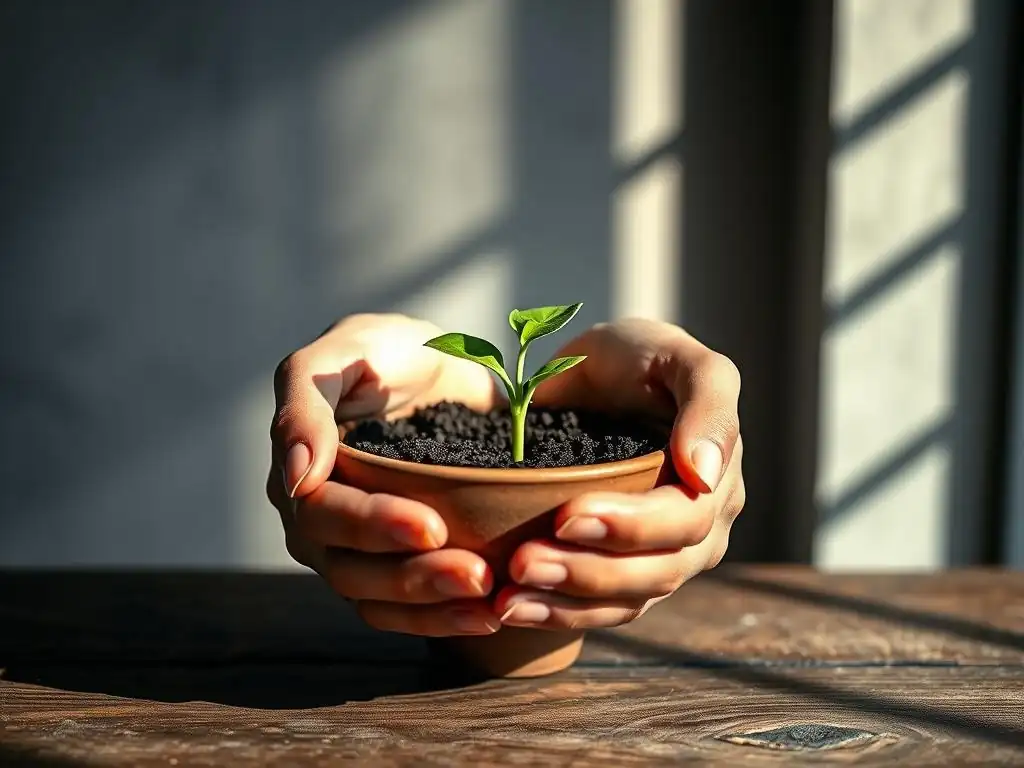
Supporting a loved one in recognizing their small victories requires patience, empathy, and specific strategies. It's not about cheerleading for every tiny action but about genuinely acknowledging the effort and willpower involved in navigating the challenges of mental illness. Your role is to be a mirror, reflecting the progress they might not see themselves.
Active Listening and Empathetic Validation of Efforts
One of the most powerful ways to support someone is through active listening and empathetic validation. This means listening without judgment, truly hearing what they are saying about their struggles and their day, and reflecting back your understanding of the effort they expended. For instance, if a loved one mentions they managed to get out of bed despite feeling overwhelmed, instead of a simple "That's good," try something like, "It sounds like today was really tough, and getting out of bed took a lot of strength. I see how hard you worked to do that."
Validation isn't about agreeing with everything they say or sugarcoating their challenges; it's about acknowledging their feelings and experiences as real and understandable. Phrases like "That sounds incredibly difficult," "I can only imagine how much energy that took," or "It makes perfect sense that you feel that way" can be incredibly validating. This empathetic approach helps them feel seen and understood, making them more open to recognizing their own small victories mental recovery.
Helping Loved Ones Set Realistic and Achievable Micro-Goals
Large, ambitious goals can be paralyzing for someone in recovery. Helping a loved one break down larger aspirations into micro-goals makes the path forward seem less daunting. These micro-goals should be specific, measurable, achievable, relevant, and time-bound (SMART), but on a very small scale. For example, if the larger goal is to socialize more, a micro-goal might be "text one friend this week" or "stay at a family gathering for 15 minutes."
Work with your loved one to set these goals, ensuring they feel manageable and not overwhelming. It's crucial that they have ownership over the goals. Celebrate when these micro-goals are met, reinforcing the idea that these small steps are significant achievements. This process of setting and achieving micro-goals builds confidence and demonstrates capability, reinforcing the power of focusing on small victories mental recovery.
Documenting Progress: Creating a "Victory Journal" Together
Keeping a tangible record of progress can be incredibly helpful, especially during periods when it feels like no progress is being made. Suggesting or even helping a loved one create a "Victory Journal" can be a powerful tool. This doesn't have to be a formal diary; it could be a simple notebook, a note on a phone, or even a jar where they drop slips of paper noting their small wins.
Encourage them to jot down any achievement, no matter how small – "Took a 10-minute walk," "Ate breakfast," "Replied to an email," "Practiced deep breathing," "Didn't cancel plans even though I wanted to." Reviewing this journal together periodically can provide a concrete reminder of how far they've come, offering hope and perspective during difficult times. This practice concretely illustrates the value of small victories mental recovery.
Ways to Celebrate Small Victories in Mental Health Recovery
Celebration doesn't have to mean a big party or expensive gifts. In the context of mental health recovery, celebration is about acknowledging the effort and the achievement in a way that feels meaningful and comfortable for the individual. The goal is positive reinforcement, not added pressure.
Tailoring Celebrations to Individual Preferences and Needs
The most effective celebrations are those tailored to the individual's personality, interests, and current energy levels. What feels like a celebration to one person might feel overwhelming or draining to another. Some individuals might appreciate a quiet acknowledgment, while others might enjoy a shared activity.
Ask your loved one what would feel good to them. It could be something as simple as a verbal affirmation, a moment of shared quiet enjoyment, or doing a preferred activity together. Respect their boundaries and energy levels; a "celebration" that leads to exhaustion or anxiety defeats the purpose. The key is to make the acknowledgment a positive experience that reinforces the value of their small victories mental recovery.
Avoiding Pressure: Keeping Celebrations Low-Key and Meaningful
It's crucial to avoid turning celebrations into another source of pressure or expectation. The celebration should feel like a natural acknowledgment of effort, not a performance. Avoid making a big fuss, especially if the individual is sensitive to attention or feels uncomfortable being praised for things they perceive as basic.
Keep it low-key and focus on the meaning behind the victory. For example, if the victory was making a phone call despite anxiety, the celebration could be acknowledging the bravery it took and then doing something relaxing together afterward. The focus is on reinforcing the positive behavior and the effort, not just the outcome. This low-pressure approach ensures that focusing on small victories mental recovery remains a supportive process.
Ideas for Celebrating Progress: (Examples: Watching a movie, enjoying a favorite meal, a quiet walk)
Here are some simple, low-key ideas for celebrating small victories:
- Shared Enjoyment: Watch an episode of a favorite TV show or a movie together.
- Comfort Food: Enjoy a favorite meal or snack together.
- Relaxing Activity: Take a quiet walk in nature, listen to music, or spend time on a hobby.
- Verbal Affirmation: Offer specific, genuine praise acknowledging the effort: "I know how hard it was for you to go to that appointment today, and I'm really proud of you for doing it."
- Small, Thoughtful Gesture: Bring them their favorite tea or coffee, or offer a comforting hug (if welcomed).
- Moment of Reflection: Briefly acknowledge the victory together, perhaps by looking at the "Victory Journal."
The best celebrations are those that align with the individual's preferences and contribute to their sense of well-being and accomplishment, reinforcing the positive cycle of small victories mental recovery.
Overcoming Challenges in Recognizing and Celebrating Small Wins

Despite the benefits, there can be challenges in consistently recognizing and celebrating small victories. Individuals in recovery might struggle with self-doubt, negative self-talk, or feel discouraged by setbacks. Supporters might find it difficult to maintain perspective or know how to respond appropriately.
Addressing Self-Doubt and Negative Self-Talk
Mental health conditions often come with a persistent inner critic that minimizes achievements and amplifies failures. Individuals may dismiss their small victories as "nothing," "what I'm supposed to do anyway," or attribute them to luck rather than effort. Addressing this self-doubt requires gently challenging these negative thought patterns.
Encourage your loved one to view their actions objectively. Ask them to consider the effort involved compared to when they were feeling worse. Use phrases like, "You might see it as small, but I saw how much you struggled with that yesterday, and today you did it. That shows real strength." Cognitive Behavioral Therapy (CBT) techniques, like identifying cognitive distortions and reframing thoughts, can be helpful tools here, focusing on factual evidence of progress derived from small victories mental recovery.
Dealing with Setbacks and Maintaining a Positive Outlook
Recovery is rarely a straight line; setbacks are a normal part of the process. A setback can make past small victories feel insignificant and future progress seem impossible. It's crucial to view setbacks not as failures but as temporary detours or learning opportunities.
During a setback, remind your loved one of the progress they have made, perhaps by looking back at their Victory Journal. Emphasize that one difficult day or week doesn't erase all the hard work. Encourage them to focus on the very next small step they can take to get back on track, even if it's just resting or reaching out for support. Maintaining a positive outlook doesn't mean ignoring the difficulty of the setback, but rather holding onto the belief that recovery is still possible and that small victories mental recovery will return.
Managing Expectations: Understanding the Non-Linear Nature of Recovery
Both the individual in recovery and their supporters need to manage expectations and accept that recovery is not linear. There will be good days, bad days, and plateaus. Expecting constant upward momentum is unrealistic and can lead to frustration and disappointment.
Educate yourself and your loved one about the typical course of recovery for their specific condition, which often involves periods of improvement followed by periods of difficulty. This understanding can help normalize setbacks and make it easier to maintain perspective. Focusing on the long-term trend, rather than day-to-day fluctuations, while still acknowledging the significance of small victories along the way, is key to navigating the non-linear path of small victories mental recovery.
The Role of Family and Friends in Reinforcing Positive Behaviors
Family and friends play a critical role in providing the support system necessary for recovery. Their understanding, patience, and active involvement can significantly impact an individual's journey. Reinforcing positive behaviors, including the pursuit and recognition of small victories, is a key aspect of this support.
Creating a Supportive and Encouraging Environment
A supportive environment is one where the individual feels safe, accepted, and understood, without judgment. This involves creating space for open communication about their struggles and successes. Avoid criticism or blame related to their symptoms or setbacks. Instead, offer empathy and practical assistance when needed.
Celebrate their efforts and achievements genuinely and consistently. Your belief in their ability to recover can be a powerful motivator, especially when their own self-belief is wavering. A home environment that is calm, predictable, and free from excessive conflict can also contribute significantly to their stability and ability to focus on recovery and achieve small victories mental recovery.
Communicating Effectively About Progress and Challenges
Open and effective communication is vital. Encourage your loved one to share how they are feeling and what they are experiencing, but avoid pressuring them to talk if they are not ready. When discussing progress, focus on their efforts and the specific actions they took, rather than just the outcome. For example, instead of "Good job not having a panic attack today," try "I know you were feeling anxious about going out, and you pushed through it and went. That shows incredible courage."
When discussing challenges or setbacks, listen empathetically and ask how you can best support them. Avoid offering unsolicited advice unless they specifically ask for it. Sometimes, simply knowing they are heard and not alone in their struggle is the most helpful thing. Clear, kind communication reinforces the importance of their journey and the value of their small victories mental recovery.
Avoiding Enabling Behaviors and Promoting Independence
While support is crucial, it's equally important to avoid enabling behaviors that might inadvertently hinder long-term recovery and independence. Enabling can take many forms, such as consistently rescuing the person from the natural consequences of their actions (when those consequences are not harmful), taking over all their responsibilities, or avoiding difficult conversations to prevent conflict.
The goal of support is to empower the individual to develop their own coping skills and regain independence. This means finding a balance between offering help and encouraging them to take responsibility for their own recovery steps, including identifying and working towards their own small victories. Promoting independence reinforces their capability and builds self-efficacy, which are essential for sustained small victories mental recovery.
Long-Term Benefits of Focusing on Small Victories in Mental Health
The practice of recognizing and celebrating small victories has cumulative long-term benefits that extend far beyond the immediate positive feeling. It fundamentally changes how individuals perceive their journey and their own capabilities, fostering resilience and hope for the future.
Building Self-Esteem and Confidence
Consistently acknowledging small victories directly contributes to building self-esteem and confidence. Each recognized win, no matter how minor, serves as proof of capability and resilience. Over time, these small proofs accumulate, challenging the negative self-perceptions often associated with mental illness.
As individuals see concrete evidence of their ability to take positive action, overcome challenges, and make progress, their belief in themselves strengthens. This increased self-esteem makes them more likely to attempt larger goals and face future challenges with greater confidence. This foundational building of self-worth is a key long-term benefit derived from focusing on small victories mental recovery.
Sustaining Motivation and Momentum in Recovery
Recovery is a marathon, not a sprint, and maintaining motivation over the long haul can be challenging. Focusing on small victories provides regular infusions of positive reinforcement that help sustain motivation and build momentum. When the path ahead seems long or daunting, looking back at the trail of small wins provides tangible evidence that movement is happening.
These regular bursts of positive feedback counteract feelings of stagnation or hopelessness that can derail recovery efforts. They keep the individual engaged in the process and encourage continued effort, even when progress is slow or setbacks occur. Sustained momentum, fueled by the recognition of small victories, is essential for navigating the complexities of small victories mental recovery over months and years.
Fostering a Sense of Hope and Empowerment
Perhaps the most significant long-term benefit of focusing on small victories is the fostering of hope and empowerment. Mental illness can strip away a person's sense of control and leave them feeling powerless and hopeless. Recognizing that they are capable of taking positive action, even small ones, restores a sense of agency.
Each small victory is a reminder that change is possible and that they have the power to influence their own well-being. This renewed sense of hope and empowerment is crucial for sustaining the effort required for recovery and building a fulfilling life. By highlighting capability and progress, the focus on small victories mental recovery becomes a powerful antidote to despair, illuminating the path forward one step, and one victory, at a time.
Frequently Asked Questions
What are "small victories" in the context of mental recovery, and why are they important?
Small victories are incremental achievements that demonstrate progress in managing mental health challenges. They are important because they build self-efficacy and provide positive reinforcement for continued effort.
How can I identify and acknowledge my own small victories during mental recovery?
Pay attention to daily activities and acknowledge even seemingly insignificant accomplishments like getting out of bed or completing a simple task. Keep a journal to track progress and celebrate each milestone.
How can celebrating small victories contribute to long-term mental well-being?
Celebrating small victories fosters a sense of hope and optimism, which is crucial for sustaining motivation during the recovery process. It helps build resilience and reduces feelings of overwhelm.
What are some practical ways to celebrate small victories in mental recovery?
Reward yourself with self-care activities you enjoy, like listening to music or spending time in nature. Share your achievements with supportive friends or family to receive encouragement.
What if I don't feel like I'm making any progress or experiencing small victories?
It's important to be patient and compassionate with yourself. Focus on the process, not just the outcome. Seeking professional guidance can help identify underlying obstacles and develop coping strategies.
Final Reflection: The Ripple Effect of Small Victories
The pursuit of mental well-being is not a sprint, but a marathon paved with small, often overlooked victories. These seemingly insignificant achievements—a completed task, a moment of self-compassion, a healthy meal—are the building blocks of lasting recovery. Ignoring their power diminishes the journey and undermines the resilience we cultivate along the way.
The impact of celebrating small victories extends far beyond individual progress. It fosters a culture of self-acceptance and encourages others to prioritize their own well-being. This shift in perspective, from focusing solely on grand achievements to acknowledging the incremental steps, is crucial for sustainable mental health. As the saying goes, The journey of a thousand miles begins with a single step.
This simple truth underscores the importance of recognizing and celebrating each step, no matter how small, in our personal journeys towards recovery. It's in these small acts of self-care and acknowledgement that we build the foundation for a stronger, more resilient self.
You, the reader, are now equipped with practical tools to navigate your own path to recovery. Consider this: what small victory can you celebrate today? What seemingly insignificant act of self-care can you integrate into your routine? Start small, build momentum, and remember that the cumulative effect of these small victories is transformative. Embrace the power of progress, one small step at a time.
Unlock Your Inner Strength: Celebrate Your Progress Today!
Thanks for taking the time to explore practical ways to support your recovery journey. We hope you found valuable insights and tools to help you celebrate those hard-won victories, no matter how small. Now, let's turn those insights into action!
- Prioritize one small, achievable goal for today, directly related to your recovery. This could be as simple as completing a small task, practicing self-care, or engaging in a positive activity. Make it happen!
- Share your wins – big or small – with someone you trust. Talking about your progress can boost your confidence and help you stay motivated.
- Explore our website for more helpful resources and support strategies. There’s always more to learn on your path to recovery!
What small victory will you celebrate today, and how will you acknowledge your progress?